
Listing seven targeted exercises for teres minor and teres major to improve shoulder rotation and scapular control. The teres major and teres minor muscles are key for shoulder stability and arm movement. Neglecting these muscles can lead to shoulder injuries and weakness. This affects your upper body strength and posture.
At Liv Hospital, we know how vital these muscles are. Effective teres major and minor workouts include lat pulldowns with an underhand grip and face pulls. These can help prevent pain and improve shoulder function.
Adding these exercises to your routine can boost your shoulder health and recovery. We’ll explore the role of teres major and minor muscles. Plus, we’ll list effective exercises to target them.
Key Takeaways
- Effective exercises for teres major and minor muscles include lat pulldowns and face pulls.
- Neglecting these muscles can lead to shoulder injuries and weakness.
- Targeting teres major and minor can improve overall shoulder health and rehabilitation.
- Incorporating these exercises into your fitness routine can enhance upper body strength and posture.
- Proper form and technique are key to prevent injuries and get the best results.
Understanding the Teres Major and Minor Muscles
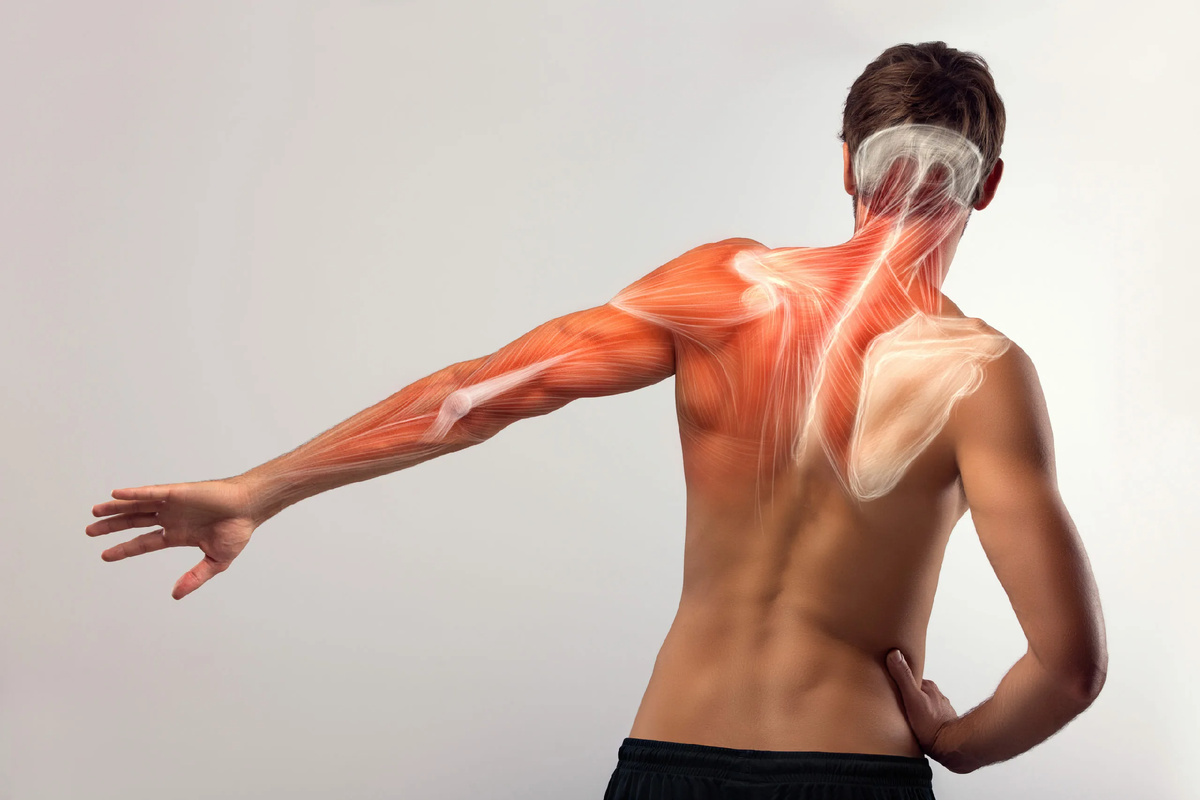
Knowing the teres major and minor muscles is key for good shoulder training. They help move your arms and keep your shoulders stable. The teres major helps with adduction, extension, and internal rotation of the humerus. The teres minor aids in external rotation and stabilizing the shoulder joint.
Anatomy and Location
The teres major and minor muscles are in the upper arm, part of the shoulder joint. The teres major is a thick, rounded muscle. It starts from the scapula’s inferior angle and ends in the humerus.
The teres minor is smaller. It also starts from the scapula but attaches differently to the humerus.
Functional Roles in Shoulder Movement
The teres major is important for rowing and pulling. It helps in adduction and internal rotation of the arm.
The teres minor is key for external rotation and stabilizing the shoulder joint. It’s vital during arm movements that lift outward.
Synergistic Relationships with Other Muscles
The teres major and minor muscles don’t work alone. They’re part of a complex network with the rotator cuff muscles and other stabilizers.
The teres minor works closely with the infraspinatus muscle for external rotation. Knowing these relationships helps create effective exercises for these muscles.
Why These Often-Overlooked Muscles Need Attention

The teres muscles are key to balanced shoulders and stability. They are vital for shoulder health and performance.
Critical Role in Shoulder Stability
The teres major and minor muscles are essential for shoulder stability. They work with other muscles for motion and joint security.
Teres Major: Helps in moving the arm inward and rotating it.
Teres Minor: Helps in rotating the arm outward and stabilizing the shoulder.
Preventing Rotator Cuff Injuries
Strengthening the teres muscles can prevent rotator cuff injuries. It improves shoulder stability and lessens strain on other muscles.
- Enhances shoulder joint stability
- Reduces the risk of overuse injuries
- Improves overall shoulder function
Enhancing Upper Body Performance
A strong teres major and minor boosts upper body performance. It helps in daily activities and sports.
Exercise | Primary Muscle | Secondary Benefits |
Lat Pulldowns | Teres Major | Latissimus Dorsi, Rhomboids |
Face Pulls | Teres Minor | Rear Deltoids, Trapezius |
Adding teres exercises to your routine boosts upper body strength and stability.
Signs Your Teres Muscles Need Strengthening
If you’re feeling persistent shoulder pain or discomfort, it might mean your teres muscles need strengthening. The teres major and minor muscles are key for shoulder movement and stability. Weak or imbalanced muscles can cause issues that affect your shoulder’s function.
Shoulder Pain and Discomfort
Many people with weak teres muscles experience shoulder pain. This pain can feel like a dull ache or sharp stabbing, often when lifting or rotating the arm. Exercises for teres minor and major can help by making the muscles stronger and improving joint stability.
Limited Range of Motion
A limited range of motion in the shoulder can also indicate weak teres muscles. Weak teres major and minor muscles can limit the shoulder’s movement. This makes everyday activities harder. Adding a teres minor workout or teres major workout to your routine can improve flexibility and reduce stiffness.
Weakness in Pulling Movements
Weakness in pulling movements, like rows or pull-ups, can also point to weak teres muscles. The teres major is key for arm adduction and internal rotation, important for pulling exercises. Strengthening these muscles through specific exercises can boost your upper body performance.
Some common signs that your teres muscles need strengthening include:
- Persistent shoulder pain or discomfort
- Limited range of motion or stiffness in the shoulder
- Weakness or difficulty during pulling movements
By recognizing these signs and adding specific exercises to your routine, you can strengthen your teres muscles. This improves your shoulder health. It’s important to address these issues early to prevent further problems and boost your upper body strength and stability.
Effective Warm-Up Routine for Teres Muscles
Before starting exercises for teres major and minor, a good warm-up is key. It boosts performance, lowers injury risk, and gets the muscles ready. This is essential for the teres muscles.
Start with dynamic movements to get blood flowing and muscles warm. This gets the teres muscles ready for harder exercises and improves shoulder movement.
Dynamic Arm Circles and Shoulder Rolls
Dynamic arm circles are a simple yet effective warm-up. Here’s how to do it:
- Stand with your feet shoulder-width apart.
- Extend your arms to the sides at shoulder height.
- Make small circles with your hands for 10-15 repetitions in both clockwise and counterclockwise directions.
Shoulder rolls are another great way to relax the shoulder girdle. To do shoulder rolls:
- Stand or sit with good posture.
- Roll your shoulders forward and then backward in a circular motion.
- Repeat for 10-15 repetitions.
Band Pull-Aparts
Band pull-aparts are great for warming up the teres minor and other shoulder muscles. Here’s how to do it:
- Hold a resistance band with both hands, arms extended in front of you at shoulder height.
- Pull the band apart by moving your hands to the sides, squeezing your shoulder blades together.
- Return to the starting position and repeat for 10-15 repetitions.
This exercise warms up the teres muscles and improves posture. It also boosts teres minor activation.
Scapular Activation Drills
Scapular activation drills are key for effective teres muscle engagement. The scapular push-up is a great drill:
- Start in a plank position with your hands shoulder-width apart.
- Lower your body slightly by bending your elbows, then push back up to the starting position, squeezing your shoulder blades together.
- Repeat for 10-15 repetitions.
Adding these warm-ups to your workout gets your teres muscles ready. It also improves your best exercises for teres major and teres major muscle workout.
Exercise 1: Lat Pulldowns with Underhand Grip
Lat pulldowns with an underhand grip are great for strengthening the teres major muscle. This exercise works better than traditional lat pulldowns because it allows for more movement. It targets the teres major more effectively.
Proper Setup and Execution
To do lat pulldowns with an underhand grip right, adjust the knee pad to fit your legs. Hold the bar with your hands under it, shoulder-width apart. Sit down, making sure your knees are under the knee pad.
Keep your lower back slightly arched and your chest up. Pull the bar down to your upper chest, squeezing your lats and teres major. Don’t use momentum or jerk the bar. Move smoothly and slowly back to the start.
How It Targets the Teres Major
The underhand grip in lat pulldowns focuses on the teres major muscle. This makes it a top teres muscle exercise. The teres major helps in moving the arm inward and rotating it.
Lat pulldowns with an underhand grip improve shoulder stability and upper body strength. They’re great for anyone wanting to do better in sports or daily activities that need lifting or pulling.
Progressive Overload Strategies
To keep getting stronger and building muscle, use progressive overload. You can do this by adding more weight, doing more reps, or adding sets over time.
Progressive Overload Method | Description | Benefits |
Increasing Weight | Add more weight to the lat pulldown | Builds strength and muscle mass |
Increasing Repetitions | Perform more reps at the same weight | Enhances muscular endurance |
Increasing Sets | Add more sets to the workout routine | Increases overall workout volume and intensity |
Adding lat pulldowns with an underhand grip to your routine and using progressive overload will help strengthen your teres major. This will improve your upper body strength and stability.
Exercise 2: Single-Arm Dumbbell Rows
Single-arm dumbbell rows are great for strengthening the teres major and minor muscles. This exercise is effective because it isolates and engages these muscles. It helps improve shoulder stability and strength.
Bench Support vs. Freestanding Technique
When doing single-arm dumbbell rows, you can use a bench or go freestanding. The bench support method lets you rest one knee and hand on a bench. This helps keep your body stable while you row with the other arm. It’s good for beginners because it helps keep your form right.
The freestanding technique, on the other hand, requires more core work and balance. You row without support, which can activate more muscles, including the teres muscles. This is because you need to stabilize your body more.
Technique | Benefits | Considerations |
Bench Support | Provides stability, easier to maintain proper form | Less core engagement |
Freestanding | Increased core engagement, greater overall muscle activation | Requires more balance and control |
Teres Major and Minor Activation Cues
To work the teres major and minor well, squeeze your shoulder blades together and pull the dumbbell towards your hip. This action effectively engages the teres muscles.
Also, keep your spine neutral and avoid too much rotation. Using a controlled weight is key. Jerky movements can make the exercise less effective.
Common Form Mistakes to Avoid
A common error is letting your back arch or round too much. This can strain your spine. Keeping your spine neutral is important for effective muscle engagement and safety.
Another mistake is not fully retracting your shoulder blade. This can reduce muscle activation. Make sure to move through a full range of motion and squeeze your shoulder blades together to get the most out of the exercise.
- Maintain a neutral spine to avoid unnecessary strain.
- Focus on retracting the shoulder blade to maximize teres muscle activation.
- Use a controlled weight to ensure proper form.
Exercise 3: Face Pulls for Teres Minor Development
Face pulls are a top choice for working the teres minor muscle. They help improve shoulder health by targeting this muscle directly.
Rope Attachment Setup and Positioning
Begin by setting up the cable machine with a rope attachment. Make sure the cable is just above your head. Stand facing the machine and hold the rope with both hands, keeping your grip neutral.
Stand a few feet away from the machine, with your feet apart. This stance helps keep you balanced during the exercise.
External Rotation Component for Teres Minor
The external rotation part of face pulls is key for working the teres minor. Pull the rope towards your face, rotating your shoulders outward. This action engages the teres minor muscle well.
To get the most out of this exercise, avoid using momentum. Instead, move slowly and focus on squeezing at the top of the pull.
Tempo and Mind-Muscle Connection
The tempo of face pulls is important for strengthening the teres minor. Use a moderate pace with a brief pause at the peak. This helps connect your mind with the muscle, ensuring the teres minor is fully engaged.
To really work the teres minor, focus on the contraction throughout the movement. Imagine the muscle working and keep tension in the teres minor as you slowly go back to the start.
Exercise Component | Benefit for Teres Minor |
Rope Attachment Setup | Allows for effective targeting of the teres minor |
External Rotation | Maximizes teres minor activation |
Controlled Tempo | Enhances mind-muscle connection and muscle engagement |
Exercises for Teres Minor: Targeted External Rotations
External rotations are great for working the teres minor. This muscle is key for shoulder stability and movement. So, it’s important to include these exercises in your routine.
Side-Lying Dumbbell External Rotations
Side-lying dumbbell external rotations target the teres minor well. Lie on your side with your arm bent at 90 degrees and a dumbbell in hand. Slowly move your arm outwards, keeping the upper arm steady, then go back to start.
Proper form is key to avoid injury and hit the teres minor right. Keep your core tight and don’t use momentum to lift the dumbbell.
Cable External Rotations
Cable external rotations are flexible for targeting the teres minor. You can change the cable height and your stance to fit your needs. Stand facing the cable machine with the cable at elbow height, and hold the handle with your arm closest to the machine.
Focus on slow, controlled movements to get the most out of the exercise. Rotate your arm outwards, keeping your elbow close, and then return to start.
Resistance Band Options
Resistance bands are a handy way to work the teres minor. Anchor the band at elbow height and hold the other end with your arm bent at 90 degrees. Do external rotations by moving your arm outwards against the band’s pull.
Resistance bands are great for home or travel workouts. They come in different strengths, so you can keep challenging your teres minor as you get stronger.
Exercise 5: Prone Y-T-W Raises
The prone Y-T-W raise is great for strengthening the teres muscles. These muscles are key for shoulder stability. This exercise works the teres major and minor, plus other upper back and shoulder muscles.
Bench Setup and Body Positioning
To do prone Y-T-W raises, set an incline bench to a comfy height. Lie on the bench with your chest on it and arms down. Make sure your body is straight and core is tight for stability.
Proper body positioning is important. Keep your shoulders down and away from your ears. Also, have a slight bend in your elbows.
Movement Patterns for Each Position
The Y-T-W raise has three movements:
- Y-Raise: Lift your arms in a ‘Y’ shape, straight, and squeeze your shoulder blades together.
- T-Raise: Keep your arms straight and form a ‘T’ shape. This targets the teres minor and other lateral muscles.
- W-Raise: Bend your elbows and form a ‘W’ shape. This focuses on the teres major and surrounding muscles.
Do each movement slowly and smoothly, without jerky movements.
Teres Muscle Engagement Throughout
Focus on engaging your teres muscles during the prone Y-T-W raise. Lift your arms and squeeze your shoulder blades together. Keep your upper back tense.
Mind-muscle connection is key here. Imagine your teres muscles working as you move. This mental focus helps target the right muscles.
Adding prone Y-T-W raises to your workout can boost your teres major and minor strength. This improves shoulder health and performance.
Exercise 6: Bent-Over Rear Deltoid Flies
The bent-over rear deltoid fly is a great exercise for the teres muscles. It works both the teres major and minor. This makes it a key part of a good upper body workout.
Standing vs. Seated Variations
You can do bent-over rear deltoid flies standing or sitting. Standing is harder because it needs more core strength. Sitting is easier and helps focus on the teres muscles more.
Standing Variation: Keep your core tight and back straight for the right form.
Seated Variation: Use a bench for support to better target the teres muscles.
Arm Position for Teres Emphasis
The way you hold your arms affects the teres muscles. To work them best, bend your arms a bit and squeeze your shoulder blades together.
Proper Arm Positioning: Move your arms in a controlled way to focus on the teres muscles.
Dumbbell vs. Cable Execution
Dumbbells and cables both have benefits for bent-over rear deltoid flies. Dumbbells let you move more naturally, which is easier on your joints. Cables keep tension steady, which is better for building muscle.
Dumbbell Execution: It’s more natural and easier on your joints.
Cable Execution: It’s better for building muscle because of the constant tension.
Variation | Core Engagement | Teres Muscle Activation | Equipment |
Standing | High | Moderate | Dumbbells or Cable |
Seated | Low | High | Dumbbells or Cable |
Dumbbell | Varies | Moderate | Dumbbells |
Cable | Varies | High | Cable Machine |
Exercise 7: Incline Bench Dumbbell Pullovers
The incline bench dumbbell pullover is a top choice for working the teres major. It also targets other upper body muscles. This makes it a great addition to any workout.
Bench Angle and Setup
Getting the bench angle right is key for this exercise. Adjust the incline bench to a comfortable angle, between 30 to 45 degrees. This allows for a full range of motion without straining your shoulders or back.
Make sure your feet are firmly on the ground. Keep your body stable throughout the exercise. Engage your core to support your back and keep proper form.
Full Range of Motion Technique
For the best results, use a full range of motion. Hold the dumbbell over your chest with arms slightly bent. Slowly lower the dumbbell behind your head, stretching your chest and shoulders. Then, return to the starting position.
Control the movement throughout. Avoid jerky or bouncy motions that can strain your muscles and joints.
Teres Major Activation Focus
The incline bench dumbbell pullover is great for the teres major. Focus on squeezing your lats and teres major as you pull the dumbbell back. This helps improve the exercise’s effectiveness.
Fitness experts say, “Focusing on the teres major during exercises like the incline bench dumbbell pullover can significantly improve overall shoulder stability and strength.”
Conclusion
Strengthening the teres major and minor muscles is key for good shoulder health. The exercises we talked about can boost shoulder stability and prevent injuries. Adding these exercises to your routine can make your upper body stronger and lower the chance of rotator cuff injuries.
Effective exercises like lat pulldowns, single-arm dumbbell rows, and face pulls target these muscles. They help your shoulders work better. It’s smart to mix these exercises in your routine to build balanced strength.
Working on the teres muscles can make your shoulders healthier and improve your athletic skills. A good teres workout plan helps you reach your fitness goals safely.
FAQ
What are the teres major and teres minor muscles, and what is their role in shoulder movement?
The teres major and teres minor muscles are part of the shoulder joint. The teres major helps in moving the arm inward and upward. The teres minor aids in rotating the arm outward and stabilizing the shoulder.
Why is it important to strengthen the teres major and teres minor muscles?
Strengthening these muscles is key for a stable shoulder. It helps prevent injuries and boosts upper body strength.
What are some common signs that indicate the teres muscles need strengthening?
Signs include shoulder pain, limited arm movement, and weakness in pulling actions.
How do I properly warm up before exercising my teres muscles?
Start with arm circles and shoulder rolls. Then, do band pull-aparts and scapular activation drills.
What is the proper form and technique for lat pulldowns with underhand grip?
For lat pulldowns, squeeze your lats and teres major. Keep your chest up and avoid jerking the weight.
How do single-arm dumbbell rows target the teres major and minor muscles?
Single-arm dumbbell rows work the teres muscles. They require controlled movement and engage the muscles for stability.
What is the importance of tempo and mind-muscle connection during face pulls?
Tempo and mind-muscle connection are vital in face pulls. They help engage the teres minor and promote effective muscle use.
What are some exercises that target the teres minor muscle?
Exercises for the teres minor include external rotations and cable rotations. Side-lying dumbbell rotations and resistance bands also work well.
How do prone Y-T-W raises target the teres muscles?
Prone Y-T-W raises engage the teres muscles. They require controlled movement and help stabilize the shoulder in different positions.
What is the proper form and technique for bent-over rear deltoid flies?
For bent-over rear deltoid flies, keep your back straight and squeeze your shoulder blades. Lift the weight with controlled movement.
How do incline bench dumbbell pullovers target the teres major muscle?
Incline bench dumbbell pullovers work the teres major. They require controlled movement and engage the muscle for arm adduction and extension.
What are some progressive overload strategies for improving strength in the teres muscles?
Increase weight, reps, or sets over time. Also, decrease rest time between exercises.
How can I incorporate teres muscle exercises into my workout routine?
Include exercises that target the teres major and minor muscles. Aim to train them 2-3 times a week.
References
https://pmc.ncbi.nlm.nih.gov/articles/PMC8002167



 Departments
 Related Videos
 Our Doctors
 News
News