
Getting a stage 4 cancer diagnosis is very tough. At this point, the cancer has spread to other parts of the body. This makes it harder to treat it where it started.
Medical News Today says stage 4 is the worst stage of cancer. It has the highest chance of leading to death. Because of this, there aren’t many treatment options left, and the results are often not good.
It’s important to understand how complex this disease is. This knowledge helps us find better ways to treat stage 4 cancer. We’ll look into the current treatments and how we can make them better for patients.
Key Takeaways
- The prognosis for stage 4 cancer is generally poor due to its spread to distant organs.
- Treatment options are limited for advanced cancer.
- Understanding the disease’s complexities is key for finding effective treatments.
- Current research aims to improve patient outcomes.
- Localized treatments are less effective for stage 4 cancer.
What Stage 4 Cancer Means for Patients
Getting astage 4 cancer diagnosis can feel overwhelming. But knowing what it means is the first step to understanding your treatment journey. We’re here to help you understand stage 4 cancer, including its definition, classification, and what metastatic disease means.
Definition and Classification of Cancer Stages
Cancer staging helps doctors understand how far cancer has spread in the body. It’s key for knowing what to expect and planning treatment. Stage IV cancer means the cancer has spread to other parts of the body, as explained by the Dana-Farber Cancer Institute.
The TNM system is used to stage cancer. It looks at the tumor size (T), nearby lymph nodes (N), and if the cancer has spread (M). Stage 4 cancer has spread to distant sites, making it a serious and advanced stage.
Distinguishing Features of Metastatic Disease
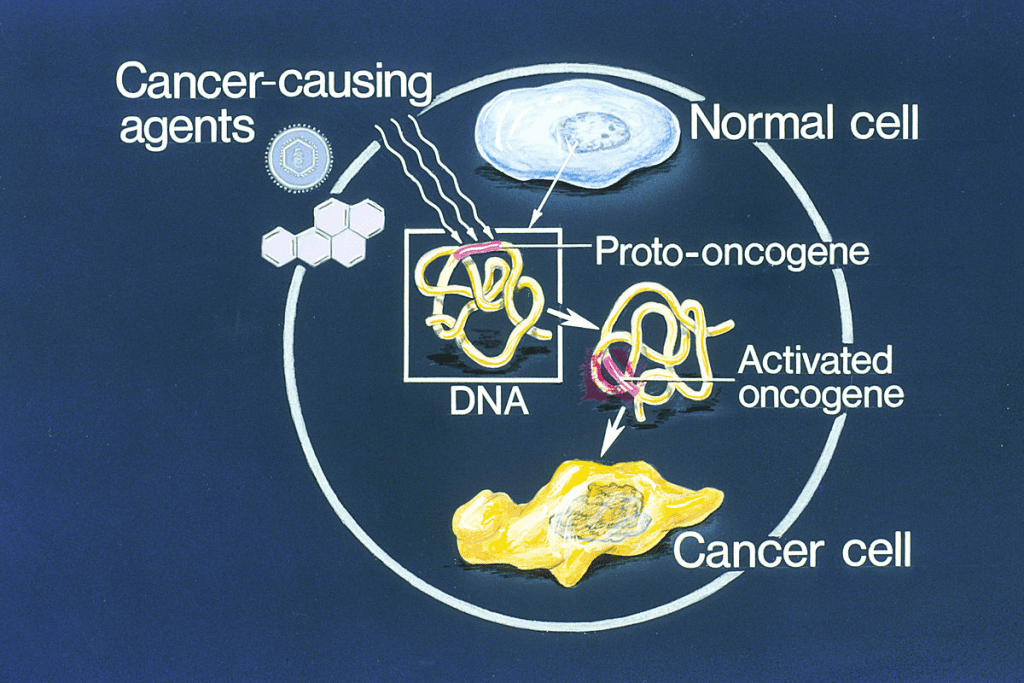
Metastatic disease, seen in stage 4 cancer, spreads to other organs or tissues. This makes treatment harder and affects the patient’s outlook. Metastatic disease is hard to treat with local methods and needs treatments that can reach cancer cells all over the body.
It’s important for patients and doctors to understand metastatic disease. This knowledge helps make treatment choices and manage what to expect. We’ll look at the effects of stage 4 cancer and treatment options next.
The Biology of Stage4 Cancer
Understanding stage 4 cancer is key to knowing its challenges. This advanced disease spreads cancer cells to distant parts of the body. This makes treatment and care much harder.
How Cancer Spreads Throughout the Body
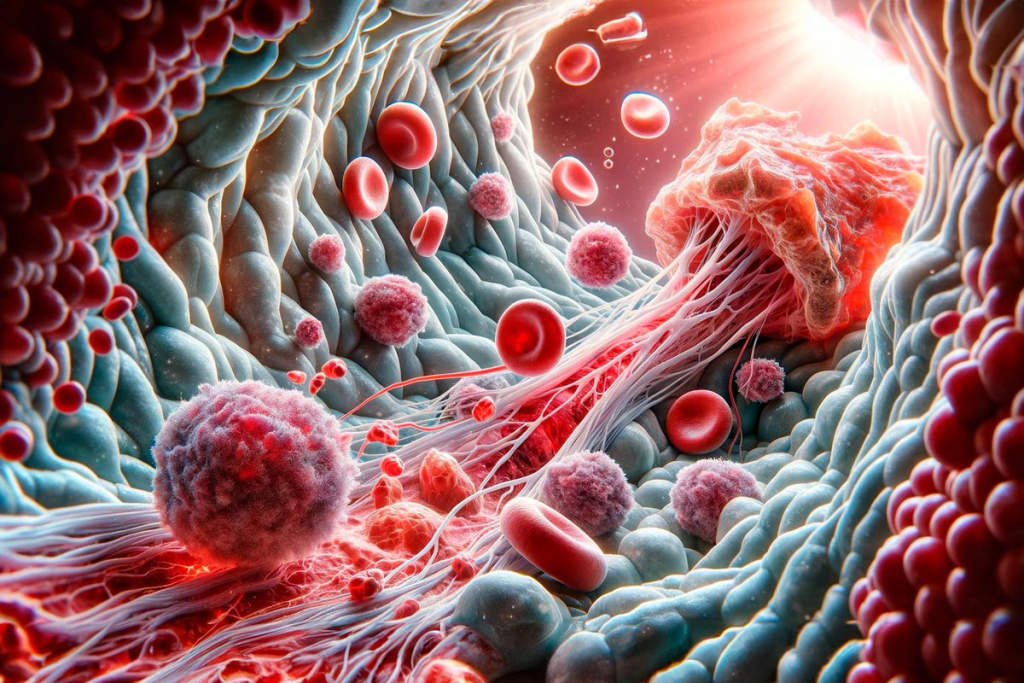
Cancer cells can break away and travel through the bloodstream or lymphatic system. They form new tumors in distant organs. This is called metastasis and involves several steps.
These cells can avoid the immune system and grow in new places like bones, liver, or lungs. This is why stage 4 cancer is hard to treat.
The Process of Metastasis
Metastasis is a detailed process. First, cancer cells invade nearby tissue and get into blood vessels or lymphatic channels. Then, they must survive the immune system and settle in a new location.
They then move into the surrounding tissue and start a new tumor. Many factors, like the cancer type and genetic mutations, affect this process.
Why Distant Spread Complicates Treatment
Distant spread makes treatment harder because it targets multiple sites at once. Early-stage cancer might respond to surgery or radiation, but stage 4 cancer does not.
Systemic therapies like chemotherapy, targeted therapy, or immunotherapy are needed for stage 4 cancer. But, these treatments face challenges like tumor heterogeneity and genetic mutations.
Knowing how stage 4 cancer works is vital for finding better treatments. Healthcare providers can improve patient care by understanding metastasis and treatment responses.
Survival Statistics for Stage4 Cancer Patients
The five-year survival rate for stage 4 cancer patients is a key number. It shows how serious the disease is. The rate is 18%, much lower than the 69.9% for all cancer stages.
Overall Five-Year Survival Rate of 18%
The 18% five-year survival rate for stage 4 cancer shows the tough fight against cancers that have spread. This number comes from different cancers, each with its own survival chances. For example, stage 4 liver cancer and stage 4 stomach cancer have different survival rates.
Comparison with 69.9% Survival for All Stages Combined
The 18% survival rate for stage 4 cancer is much lower than the 69.9% for all stages. This big difference shows how important early detection and treatment are. It’s key to catch cancer early when it’s easier to treat.
Variations by Cancer Type and Patient Factors
Survival rates for stage 4 cancer change a lot based on the cancer type, patient age, health, and how well they respond to treatment. Some stage 4 cancers might have better chances because of new treatments. Knowing these differences helps create treatment plans that fit each patient’s needs.
Looking at survival stats and what affects them helps us support stage 4 cancer patients better. We can work to improve their chances of survival.
Why Localized Treatments Become Ineffective
When cancer reaches stage 4, localized treatments often fail. This is because the cancer has spread to other parts of the body. At this point, treatments that focus on one area are not enough.
Limitations of Surgery for Widespread Disease
Surgery works best when cancer is in one place. But stage 4 cancer has spread, making surgery less effective. For example, if cancer is in many organs, removing the main tumor won’t stop the disease from growing.
Surgery might help with symptoms or improve life quality in some cases. But it’s not a cure for stage 4 cancer. The disease’s spread limits what surgery can do.
Challenges with Targeted Radiation Therapy
Targeted radiation therapy also faces big challenges in stage 4 cancer. It can kill cancer cells in one area but struggles with widespread disease. It might help with symptoms or control local disease, but it can’t tackle the whole body.
Also, treating many metastatic sites with radiation is hard. It can cause serious side effects, making treatment plans even harder.
The Need for Systemic Approaches
Systemic treatments are key for stage 4 cancer. Therapies like chemotherapy, immunotherapy, and targeted therapy can reach cancer cells everywhere. They target both the main tumor and distant sites.
Understanding the need for systemic treatments is vital for stage 4 cancer patients. This includes those with stage 4 bone cancer or other advanced cancers. Moving to systemic therapies is a big change in treatment. It aims to control the disease and improve patient outcomes.
Biological Barriers to Curing Stage4 Cancer
Stage 4 cancer is hard to cure because of its biological traits. It has spread to far-off parts of the body, making treatment tough.
Tumor Heterogeneity and Genetic Mutations
Tumor heterogeneity is a big problem. It means cancer cells in one tumor are different. This makes finding one treatment hard. Genetic mutations also cause issues, as they can make some cancer cells resistant to drugs.
Studies show that tumor heterogeneity makes treatment harder. For example, in stage 4 cancer, some cells may not have certain genetic mutations. This makes it hard to kill all cancer cells.
Development of Treatment Resistance
Treatment resistance is another big challenge. Cancer cells can get used to treatments like chemotherapy. This makes the treatment less effective over time. Genetic mutations and changes in the tumor environment can cause this.
For stage IV cancer patients, understanding treatment resistance is key. A study on stage 4 non-small cell lung cancer shows the need for new ways to fight cancer (stage 4 non-small cell lung cancer).
Compromised Patient Health and Organ Function
Patients with stage 4 cancer often have poor health and organ function. This is because of the disease and treatments they’ve had. This makes it hard to use some treatments because patients can’t handle them.
Patients with stage 4 cancer may feel very tired, have a lot of pain, and other symptoms. It’s important to manage these symptoms to improve their quality of life.
In summary, curing stage 4 cancer is very challenging. We need to understand these challenges to find better treatments and help patients more.
Common Types of Stage 4 Cancer and Their Prognosis
Different stage 4 cancers face unique challenges. At this stage, treatments aim to manage the disease and improve life quality.
Liver Cancer Outcomes at Stage 4
Stage 4 liver cancer spreads to distant parts of the body. This makes treatment hard. The five-year survival rate is much lower than in earlier stages.
Treatment options are few. Palliative care focuses on easing symptoms and improving life quality.
Challenges with Stage 4 Stomach Cancer
Stage 4 stomach cancer is aggressive and hard to treat. Symptoms can be severe, affecting life quality.
New systemic therapies offer hope. They aim to improve survival rates and manage symptoms well.
Considerations for Stage 4 Bone Cancer
Stage 4 bone cancer spreads to other parts of the body. This complicates treatment. The prognosis depends on the cancer type and spread extent.
Pain management and keeping mobility are key. These help patients with stage 4 bone cancer.
Knowing the challenges and prognosis of stage 4 cancers helps patients and families. It aids in making informed care decisions.
Is Stage 4 Cancer Terminal? Understanding the Reality
Stage 4 cancer is advanced, but it’s not always terminal. Some patients can live for years with the right care. The term “terminal” means a patient’s life expectancy is short, usually six months or less, says the National Hospice and Palliative Care Organization. But, stage 4 cancer can mean different things for different people, and its outlook varies a lot.
Defining Terminal Illness
A terminal illness is one that can’t be cured or treated well. It’s expected to lead to death. For cancer, it often means treatments are mainly to ease symptoms, not to cure.
But, the line between terminal and non-terminal stage 4 cancer is not clear-cut. Thanks to new treatments and care plans, some stage 4 cancer patients can live for years.
Variations in Prognosis
The outlook for stage 4 cancer patients changes a lot. It depends on the cancer type, the patient’s health, and treatment success. For example, some stage 4 cancers, like leukemia or lymphoma, might respond well to treatment, giving a better chance of survival.
On the other hand, cancers like pancreatic or lung often have a worse outlook. They are aggressive and don’t respond well to current treatments. Knowing these differences helps patients and their families make better care choices.
The Concept of Chronic Advanced Cancer
The idea of “chronic advanced cancer” is becoming more recognized. It’s cancer that can’t be cured but can be managed for a long time. Patients with this type of cancer can live for years, with periods of stability and growth.
This view highlights the need for palliative care and supportive treatments. By focusing on symptom management, psychological, and social support, healthcare can improve the lives of advanced cancer patients.
Current Treatment Approaches for Stage4 Cancer
For those with stage 4 cancer, treatments aim to be effective and improve life quality. Managing stage 4 cancer is complex. It needs a detailed plan that fights the disease and boosts patient results.
Systemic Therapies
Systemic therapies are key in treating stage 4 cancer. These include chemotherapy, targeted therapy, and immunotherapy. They target cancer spread in the body. Chemotherapy uses drugs to kill cancer cells. Targeted therapy attacks specific cancer molecules. Immunotherapy boosts the body’s immune fight against cancer.
The right therapy depends on the cancer type, its genetics, and the patient’s health. For example, HER2-positive breast cancer gets targeted therapies. Some lung cancers with certain mutations also benefit from targeted treatments.
Palliative Treatments and Quality of Life
Palliative care is a big part of stage 4 cancer treatment. It aims to ease symptoms, pain, and stress of serious illness. It improves life quality for patients and their families. A team of specialists, including doctors and nurses, work together to support the patient.
Palliative treatments include pain management, nutrition support, and counseling. They’re customized to meet each patient’s needs. This care helps patients live their life fully and with dignity.
In summary, treating stage 4 cancer combines systemic therapies to control the disease and palliative care to enhance life quality. Knowing the treatment options helps patients and families make informed choices about their care.
Case Study: Breast Cancer’s Dramatic Stage 4 Survival Difference
Finding breast cancer early is key, as survival rates drop sharply in stage 4. Early-stage breast cancer patients have a 99% five-year survival rate. But, this number falls to 31% for stage 4 patients, as reported by Medical News Today.
From 99% Five-Year Survival in Early Stages to 31% in Stage 4
The survival rate difference between early and stage 4 breast cancer is striking. Early detection and treatment are critical for better outcomes. When caught early, treatments work better, leading to higher survival rates.
Stage 4 breast cancer, or metastatic breast cancer, is much harder to treat. The cancer has spread to distant parts of the body, making treatment less effective.
Factors Influencing This Significant Drop
Several factors lead to the big drop in survival rates for stage 4 breast cancer patients. Tumor biology is a big factor, as the cancer’s genetics can affect its aggressiveness and treatment response.
Also, a patient’s overall health and any existing health conditions can affect treatment success. A study found that, despite better treatments, the outlook for metastatic breast cancer patients remains poor.
“The prognosis for patients with metastatic breast cancer remains generally poor, despite advances in treatment options.”
Treatment Strategies for Metastatic Breast Cancer
There are many ways to manage metastatic breast cancer. Systemic therapies like chemotherapy, hormone therapy, and targeted therapy are used to slow the disease’s spread.
- Chemotherapy
- Hormone therapy
- Targeted therapy
Palliative care is also important for improving life quality for advanced breast cancer patients. It focuses on managing symptoms and providing supportive care.
As we learn more about breast cancer and develop new treatments, there’s hope for better outcomes for stage 4 patients.
Global Approaches to Advanced Cancer Care
Cancer treatment is getting better worldwide. Advanced stage 4 cancer care is becoming more advanced. Healthcare providers globally are focusing on improving patient outcomes and quality of life.
Multidisciplinary Treatment Teams
Multidisciplinary treatment teams are key in managing stage 4 cancer. These teams include specialists from various fields. They work together to create personalized treatment plans for patients with advanced cancer.
Benefits of Multidisciplinary Teams include better care coordination and symptom management. They also provide more support for patients and their families. A study by the Dana-Farber Cancer Institute showed the positive impact of these teams on patient outcomes.
Integration of Academic Protocols
Academic protocols are vital in advanced cancer care. They are based on the latest research and clinical trial data. This ensures patients get the most advanced treatments.
By joining clinical trials and using evidence-based practices, healthcare providers offer innovative therapies. This not only improves patient outcomes but also advances cancer research.
Ethical Considerations in End-Stage Treatment
As patients reach end-stage cancer, ethical considerations grow. Healthcare providers must balance effective treatment with respecting patients’ wishes and quality of life.
Shared decision-making is essential. It involves patients, families, and healthcare providers in treatment discussions. This ensures care plans match patients’ values and preferences.
In conclusion, global advanced cancer care involves many aspects. These include multidisciplinary teams, academic protocols, and ethical considerations. By using these strategies, healthcare providers can offer top-notch care to stage 4 cancer patients.
Promising Research and Innovations Improving Outcomes
Medical science is making big strides for stage 4 cancer patients. We’re seeing a big change in how we treat this tough condition. This is thanks to new research and therapies.
Emerging Therapies and Clinical Trials
New treatments like immunotherapy and targeted therapy are being tested in clinical trials. They aim to boost the body’s fight against cancer cells. Or they target specific genetic changes that help tumors grow.
Clinical trials are key to checking if these new treatments work. They help find out if these treatments are safe and effective. This means more options for stage 4 cancer patients.
Novel Drug Delivery Systems
New ways to deliver drugs are being developed. These include tiny particles and implantable devices that send medicine straight to tumors. This could make treatments more effective and reduce side effects.
These innovations could make current treatments better. They could be more effective and easier for patients to handle.
Combination Treatment Strategies
Using more than one treatment at a time is a new approach. This can mix different types of chemotherapy, targeted therapy, immunotherapy, or radiation therapy. It’s like attacking cancer from all sides.
This method could help beat resistance to single treatments. It could lead to better results for stage 4 cancer patients.
We’re dedicated to bringing the latest in cancer care to our patients. As research keeps moving forward, we’re hopeful. We believe these new ideas will lead to better survival rates and quality of life for those with stage 4 cancer.
Conclusion
Stage 4 cancer is a big challenge because it has spread far in the body. It’s important to know that survival rates vary a lot. This depends on the cancer type and the patient’s health.
We’ve looked at how stage 4 cancer works and why treatments have limits. We also talked about the need for treatments that work throughout the body. Whether stage 4 cancer can be cured is a tough question. It depends on many things, like the cancer’s nature and the patient’s health.
Dealing with stage 4 cancer needs a team effort. This includes new treatments and care to make life better. As research gets better, we find new ways to help patients.
Patients with stage 4 cancer should work with their doctors to make a plan. This way, we can help more people survive and get the best care.
FAQ
What is stage 4 cancer?
Stage 4 cancer is a late stage of cancer. It has spread to distant parts of the body. This makes it hard to treat with just surgery or radiation.
What does stage 4 cancer mean for patients?
Stage4 cancer means the cancer has spread. Treatment now focuses on easing symptoms and improving life quality. It’s not about curing the disease.
Is stage 4 cancer curable?
Usually, stage 4 cancer is not curable. But, treatments like chemotherapy and targeted therapy can help manage it. They can also improve life quality.
What is the survival rate for stage 4 cancer patients?
The five-year survival rate for stage 4 cancer patients is about 18%. It depends on the cancer type, patient health, and other factors.
Why are localized treatments ineffective for stage 4 cancer?
Local treatments like surgery and radiation don’t work for stage 4 cancer. The disease has spread to many parts of the body. So, treatments need to target the whole body.
What are the common types of stage 4 cancer?
Common stage 4 cancers include liver, stomach, bone, and breast cancer. Each type has its own challenges and treatment options.
Is stage 4 cancer terminal?
Stage 4 cancer is often seen as a terminal illness. But, the outlook can vary. It depends on the patient, the cancer type, and treatment success.
What are the current treatment approaches for stage 4 cancer?
Treatments for stage 4 cancer include chemotherapy and targeted therapy. Palliative care also helps improve life quality and manage symptoms.
What is the role of palliative care in stage 4 cancer treatment?
Palliative care is key in stage 4 cancer treatment. It focuses on improving life quality, managing symptoms, and providing emotional support.
Are there any promising research and innovations in stage 4 cancer treatment?
Yes, research and innovations are ongoing. New therapies, drug delivery systems, and treatment combinations are being explored. They aim to improve patient outcomes.
How does stage 4 cancer affect patient health and organ function?
Stage 4 cancer can harm patient health and organ function. The disease spreads, leading to tumor heterogeneity and genetic mutations. Treatment resistance also develops.
What is the significance of multidisciplinary treatment teams in advanced cancer care?
Multidisciplinary teams are vital in advanced cancer care. They bring together experts for a holistic approach. This ensures patients get the best care and treatment.
References
Wagle, N. S. (2025). Cancer treatment and survivorship statistics, 2025. CA: A Cancer Journal for Clinicians. Retrieved fromhttps://acsjournals.onlinelibrary.wiley.com/doi/full/10.3322/caac.70011
Nature Cancer. (2024). Focus on 2024 in Review: Advances and challenges in cancer treatment. Nature Cancer. Retrieved fromhttps://www.nature.com/natcancer/



 Departments
 Related Videos
 Our Doctors
 News
News