

Getting radioactive iodine treatment can worry patients and their families. The big concern is the chance of radiation exposure to loved ones.
Healthcare researchers says patients get rules to avoid exposure to others after radioactive iodine therapy. Usually, the risk of radiation to others is very low.
Liv Hospital employs secure, patient-centered strategies to ensure the safety of individuals and families from radiation hazards. Knowing the risks and how to avoid them is key to protecting thyroid health.
Key Takeaways
- Radioactive iodine treatment poses minimal radiation risk to others.
- Guidelines are provided to patients to prevent exposure to family members.
- Liv Hospital follows internationally trusted protocols to minimize exposure risks.
- Understanding the risks and precautions is key for thyroid health.
- Patient-centered care is vital for protecting individuals and families.
Understanding Radioactive Iodine Treatment
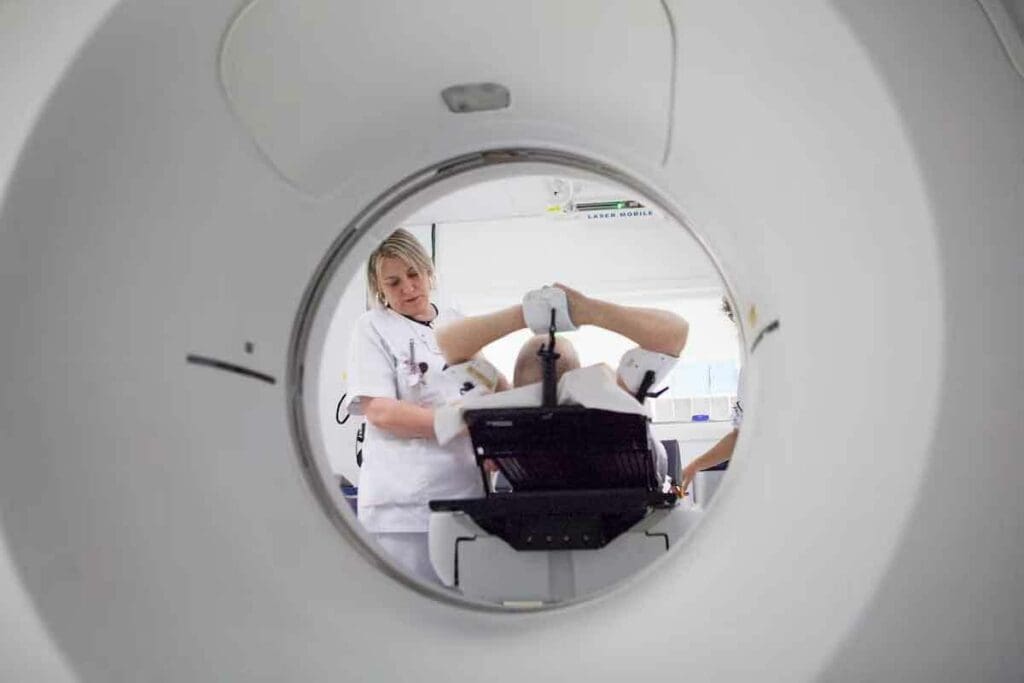
Radioactive iodine is key in treating thyroid cancer and hyperthyroidism. It uses I to kill thyroid tissue. This helps in treating cancer or lowering thyroid hormone levels in hyperthyroidism.
What is Radioactive Iodine Therapy?
Radioactive iodine therapy uses the thyroid’s natural iodine uptake. When I is taken, it goes to the thyroid. There, it kills thyroid cells with radiation. This method is precise, harming less of the body.
Common Medical Uses
A leading thyroid association says it treats two main thyroid issues:
- Thyroid Cancer: It removes leftover thyroid tissue after surgery, lowering recurrence risk.
- Hyperthyroidism: It reduces thyroid hormone by destroying thyroid gland parts.
The right treatment depends on the patient’s health, disease severity, age, and more.
How Radioactive Iodine Works in the Body
After being eaten, I goes into the blood and then the thyroid. It releases beta and gamma radiation. Beta radiation mainly kills thyroid cells.
| Condition | Treatment Goal | Mechanism of Action |
| Thyroid Cancer | Ablate thyroid tissue | Destroy thyroid cancer cells |
| Hyperthyroidism | Reduce thyroid hormone production | Destroy part of the thyroid gland |
It’s important to know how radioactive iodine works. This helps patients and their families understand its goals and side effects. It’s a targeted treatment for thyroid cancer and hyperthyroidism.
The Science Behind Radiation Exposure
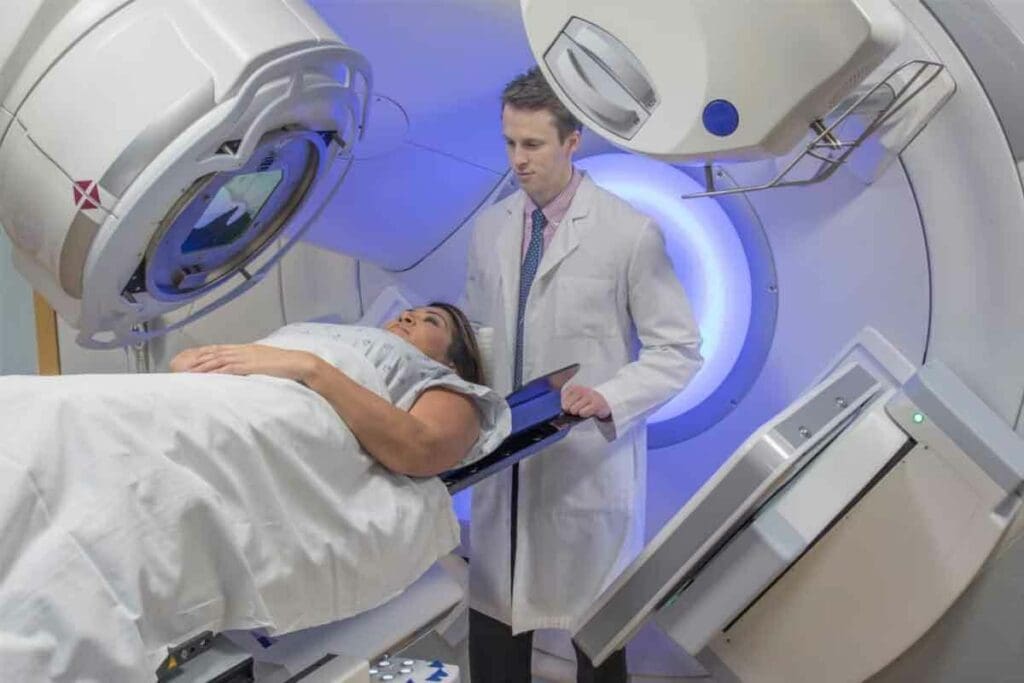
To understand the dangers of radioactive iodine, we must explore the science of radiation exposure. This is vital for those who have had radioactive iodine therapy and their families.
Types of Radiation Emitted
Radioactive iodine releases beta and gamma radiation. Beta radiation travels short distances but packs a strong punch. Gamma radiation goes further and is more intense. Knowing about these types helps us grasp the risks of radioactive iodine treatment.
Half-Life of Radioactive Iodine
The half-life of a radioactive substance is how long it takes for its radioactivity to cut in half. The U.S. Nuclear Regulatory Commission says radioactive iodine (I-131) has a half-life of 8.06 days. This means its radiation level halves every 8.06 days, greatly lowering the risk over time.
How Radiation Exposure Occurs
Radiation from radioactive iodine can happen in several ways, including:
- Direct radiation from the treated person
- Contact with contaminated body fluids
- Being close to the treated person
Knowing these ways helps us take the right safety steps.
| Time Post-Treatment | Radiation Level |
| 0 days | 100% |
| 8.06 days | 50% |
| 16.12 days | 25% |
By grasping the science of radiation exposure, we can better understand the risks of radioactive iodine treatment. This knowledge helps us take steps to reduce exposure.
Assessing the Risk of Exposure to Someone Who Had Radioactive Iodine
It’s important to know the risks of being near someone who had radioactive iodine treatment. This helps families and caregivers keep everyone safe. They can take steps to lower exposure and create a safe space for all.
Typical Radiation Levels After Treatment
People who have had radioactive iodine treatment release radiation. This can affect others nearby. professionals say that the amount of radiation depends on the treatment dose. The radiation is strongest right after treatment and goes down as the iodine decays.
The radiation levels are high at first but drop quickly in the first days. For example, a study found that the radiation at one meter from the patient could be 0.02-0.08 mSv/h right after treatment. This number goes down as the iodine leaves the body.
Duration of Possible Exposure Risk
The time a patient is a risk to others depends on the treatment dose and how fast they metabolize it. The biggest risk is in the first few days after treatment.
As the body gets rid of the radioactive iodine, the risk goes down. Most advice says the risk is low within a week to 10 days. But, this can change, and some advice might say to stay careful for weeks or even months.
Factors That Influence Exposure Risk
Many things can change how much radiation someone else might get from a patient who had radioactive iodine treatment. These include the treatment dose, the patient’s health, and how well they can get rid of the iodine.
- Being close to the patient increases the risk.
- Being with the patient for a long time also raises the risk.
- Keeping clean can help lower the risk of getting contaminated.
Knowing these factors and taking the right steps can help families and caregivers stay safe. It’s key to follow the advice from healthcare professionals. They know the best plan for the individual’s treatment.
Timeline of Radioactive Iodine Elimination
Knowing when radioactive iodine leaves the body is key for those getting treatment and their loved ones. This info helps everyone take steps to keep others safe from radiation.
First 24 Hours Post-Treatment
The first day after treatment is very important. The body has the most radioactive material then. Patients should drink lots of water and stick to strict hygiene to help get rid of it. The Society of Nuclear Medicine & Molecular Imaging says most of the radioactive iodine goes out through urine and saliva in this time.
“The majority of radioactive iodine is eliminated from the body within the first week,” as stated by the Society of Nuclear Medicine & Molecular Imaging.
First Week After Treatment
In the first week, the radiation levels drop a lot. Patients should keep a safe distance from others, like kids and pregnant women. The radiation is strongest in the first days and then gets lower as the body gets rid of it.
- Drink lots of fluids to help flush out the radioactive iodine.
- Avoid close contact with others, specially kids and pregnant women.
- Use separate utensils and dishes to prevent cross-contamination.
Long-Term Residual Radiation (Up to Three Months)
Even though most of the radioactive iodine is gone in a week, some stays for up to three months. Patients should keep up with good hygiene and safety rules during this time. The radiation levels are much lower but it’s important to stay careful.
By knowing when radioactive iodine leaves the body, patients and their families can take the right steps. This ensures a safe and effective treatment for everyone.
How Exposure Affects Different Family Members
Radioactive iodine exposure impacts family members in various ways. Some groups face higher risks than others. It’s key to understand these differences to manage exposure risks well.
Adults and General Population
Adults and the general public face lower risks from radioactive iodine. Yet, it’s vital for them to follow safety guidelines to reduce exposure.
The U.S. Nuclear Regulatory Commission advises adults to stay away from treated individuals. They also recommend practicing good hygiene to manage risks.
Children and Adolescents
Children and teens are more sensitive to radioactive iodine. Their developing thyroid glands make them more likely to absorb iodine. This increases the risk of thyroid problems, including cancer, later in life.
It’s critical to take extra precautions when children are involved. Their smaller size and developing tissues make them more susceptible to radiation effects.
“Infants and children are more sensitive to radiation exposure than adults, and the risks are higher the younger the child.” – U.S. Nuclear Regulatory Commission
Pregnant Women and Fetuses
Pregnant women and their fetuses need special care. The fetus is very vulnerable to radiation. Exposure to radioactive iodine can harm fetal development, including the thyroid gland.
Pregnant women who have had or are having radioactive iodine treatment should be aware of these risks. They should talk to their healthcare provider about them.
| Family Member | Vulnerability to Radioactive Iodine | Recommended Precautions |
| Adults | Lower | Maintain distance, good hygiene |
| Children/Adolescents | Higher | Avoid close contact, follow strict hygiene |
| Pregnant Women/Fetuses | Higher | Discuss risks with healthcare provider, minimize exposure |
The Iodine Family and Its Role in the Body
Iodine is key for the body’s metabolic processes, mainly in the thyroid gland. The thyroid gland needs iodine to make thyroid hormones. These hormones help control metabolism, growth, and development.
The Environmental Protection Agency says iodine is vital for thyroid function and metabolism. The thyroid gland naturally takes in iodine. It then uses this iodine to make thyroid hormones.
Stable vs. Radioactive Iodine
There are two types of iodine important for human health: stable iodine and radioactive iodine. Stable iodine is the natural kind needed for thyroid function. On the other hand, radioactive iodine is a radioactive isotope used in medical treatments, like for thyroid cancer.
Natural Accumulation in the Thyroid
The thyroid gland can absorb iodine naturally. It stores and uses this iodine to make thyroid hormones. This process is key for normal thyroid function.
Metabolic Functions of Iodine
Iodine is important for making thyroid hormones. These hormones control various metabolic processes in the body. They affect growth, development, and metabolic rate, making iodine a vital nutrient for health.
In summary, iodine is essential for thyroid function and overall metabolic health. Knowing the difference between stable and radioactive iodine is important, mainly for those getting radioactive iodine treatment.
Why Children and Pregnant Women Face Higher Risks
Radioactive iodine is a big danger for children and pregnant women. Their bodies are growing, making them more at risk from radiation. This is because their developing bodies are more sensitive to radiation’s harmful effects.
Increased Thyroid Uptake in Developing Bodies
The thyroid gland in kids works harder and takes in more iodine. This means they can get more radioactive iodine in their thyroid. This could lead to thyroid problems, including cancer.
Doctors say children and teens are more at risk for thyroid cancer. This is because their bodies are not fully grown yet. It’s a big worry when they might be exposed to radioactive iodine.
Age-Related Thyroid Cancer Risk
The risk of thyroid cancer from radioactive iodine is higher in the young. As people get older, the risk goes down. So, kids and young adults are more likely to get thyroid cancer from it.
Special Precautions for Vulnerable Groups
It’s very important to protect children and pregnant women from radioactive iodine. They should stay away from people who have had this treatment. They should also follow good hygiene and listen to their doctors.
Knowing the risks and taking steps to avoid them can help keep families safe. This way, they can lower the harm from radioactive iodine.
Practical Precautions for Families
When someone in your family gets radioactive iodine treatment, it’s important for others to take steps to stay safe. Knowing and following these safety tips can help lower the risks of radioactive iodine.
Maintaining Safe Physical Distance
Keeping a safe distance from the treated person is key. It’s best to stay at least 3 feet away for a few days. This helps lower the radiation risk for others.
- Avoid close contact, such as hugging or kissing, for a few days post-treatment.
- Use separate utensils, plates, and glasses to prevent cross-contamination.
- Minimize time spent in close proximity to the treated individual.
Hygiene and Shared Items
Good hygiene is vital to reduce radiation exposure. The treated person should wash their hands frequently, mainly after using the bathroom. It’s also wise to:
- Use separate towels and toiletries.
- Avoid sharing food or drinks.
- Clean surfaces regularly, focusing on areas used by the treated individual.
Verywell Health advises that patients keep good hygiene and avoid sharing utensils to lower risks.
Sleeping Arrangements and Living Spaces
Changing sleeping arrangements can also help. The treated person should sleep in a separate bedroom for a few days. This reduces radiation exposure to others, like children and pregnant women.
“Patients should sleep alone and avoid intimate contact for a few days after treatment,” as per standard radioactive iodine treatment guidelines.
By taking these precautions, families can make a safer space for everyone.
Duration of Precautionary Measures
Knowing how long to keep up precautions after radioactive iodine therapy is key. It helps lower risks to family and the public. The duration of precautionary measures varies based on the radiation levels. These levels depend on the iodine dose, metabolism, and how well the body gets rid of it.
First Week Guidelines
In the first week, patients must stick to strict rules to reduce radiation exposure. They should keep a safe distance from family, like kids and pregnant women. It’s also important to avoid kissing or sharing food and utensils.
The U.S. Nuclear Regulatory Commission suggests patients sleep alone. They should also use separate bathrooms if it’s possible.
Second Week to One Month
By the second week, radiation levels drop as the body gets rid of the iodine. But, it’s wise to keep up with some precautions. This includes good hygiene and avoiding close contact with those who are more vulnerable.
The exact time for these precautions depends on the iodine dose and the patient’s health.
Beyond One Month
After a month, radiation levels are usually low enough to stop most precautions. Yet, it’s vital to listen to healthcare providers. They can give advice based on the patient’s situation and treatment.
In some cases, extra precautions might be needed for longer.
To wrap up, the duration of precautionary measures after radioactive iodine therapy varies. It’s based on the individual’s radiation levels and health. By following healthcare advice, patients can protect themselves and others.
Common Misconceptions About Radioactive Iodine Exposure
There’s a big difference between what people think and what’s really true about radioactive iodine exposure. Many believe it’s much riskier than it actually is. This leads to a lot of fear and worry among patients and their families.
Myth vs. Reality of Radiation Risk
Many think that getting radioactive iodine treatment makes you super radioactive and dangerous to others. But, the truth is, the radiation levels drop down a lot over time. The risk to others is usually very low.
Radiation exposure from someone who has had radioactive iodine treatment is mostly small. This is true, even in the first few days. The Third source says many people get the wrong idea about radiation therapy and its risks to others.
Addressing Fears of “Radioactive” Family Members
Family members often worry about radiation from their loved ones who have had radioactive iodine treatment. It’s important to know that the risk is not as big as they think. Taking a few simple steps can help keep everyone safe.
Keeping a distance, using separate utensils, and avoiding close contact for a short time can really help. These steps are usually suggested for a few days to a week after treatment. This depends on how much was given.
Understanding Actual vs. Perceived Dangers
The real danger from radioactive iodine exposure is often made out to be worse than it is. There’s indeed a risk of radiation, but the chance of harm to family members is low if they take the right precautions. Knowing the facts and taking the right steps can help ease worries and clear up misconceptions.
By knowing the actual risks and taking simple steps, families can stay safe. They can keep doing their usual things with only a little change.
Communication Strategies for Families
When a family member gets radioactive iodine treatment, talking clearly is key for everyone’s health. Good communication strategies can lower risks and create a caring space for the patient.
Discussing Treatment with Children
Talking to kids about radioactive iodine treatment needs to be gentle and clear. Use words they can understand to explain what’s happening. This helps ease their worries.
Parents should be ready to answer their kids’ questions truthfully. They should also offer comfort and reassurance.
Informing Extended Family and Visitors
It’s important to tell extended family and visitors about safety steps. They need to know about radiation risks and how to stay safe. This includes keeping a distance and following cleanliness rules.
Working with Schools and Workplaces
For students or workers, talking to schools or workplaces is vital. Discuss any special needs or safety measures. This ensures safety for everyone involved.
Using these communication strategies helps families deal with radioactive iodine treatment challenges. It’s about finding a balance. This way, the patient gets the support they need, and risks are kept low for others.
Conclusion: Balancing Caution with Realistic Risk Assessment
When dealing with radioactive iodine, it’s key to balance caution with a realistic view of risks. A study on the National Institutes of Health’s website shows that exposure to someone with radioactive iodine is usually low risk for others. This is because exposure to someone who had radioactive iodine typically results in minimal radiation risk to others.
The study found that patients with Graves’ disease got an average of 375 MBq of sodium iodide I 131. Those with toxic nodular goiter got an average of 653 MBq. The thyroid got the most radiation, with 130 Gy. But other organs got much less.
The study also found links between radiation and cancer, including breast cancer and other solid cancers. Yet, the risk of cancer deaths per 1000 patients is small. It ranges from 19 to 32 for stomach doses.
In summary, while caution is important, a realistic view of risks is key. By knowing the facts and taking the right steps, we can lower our exposure and risks.
FAQ
What is radioactive iodine treatment, and how is it used?
Radioactive iodine treatment is a medical therapy for thyroid issues like hyperthyroidism and cancer. It uses radioactive iodine that the thyroid gland absorbs. This allows for the destruction of thyroid tissue.
How does exposure to someone who had radioactive iodine affect family members?
Family members, like children and pregnant women, can be affected by exposure to radioactive iodine. This is because they are more sensitive to radiation. The risk depends on the amount of iodine used, how long they were exposed, and how close they were to the treated person.
What are the risks associated with radioactive iodine exposure for children and pregnant women?
Children and pregnant women face higher risks from radioactive iodine. Their bodies are developing, and they absorb more iodine. This can increase the risk of thyroid cancer and other health issues.
How long does radioactive iodine stay in the body after treatment?
Radioactive iodine leaves the body over time. Most of it is gone within a few days after treatment. Radiation levels drop quickly in the first week. But, some radiation can stay for up to three months.
What precautions can families take to minimize exposure to radioactive iodine?
Families can reduce exposure by staying far away and practicing good hygiene. Avoiding shared items helps too. Adjusting sleeping and living spaces can also lower exposure.
How long should families take precautionary measures after radioactive iodine treatment?
The time needed for precautions varies based on treatment and radiation levels. Usually, families should be cautious for one to two weeks. Some guidelines suggest up to a month or more.
What are some common misconceptions about radioactive iodine exposure?
Many think people treated with radioactive iodine are “radioactive” and dangerous. But, the risk is low. Simple precautions can greatly reduce exposure.
How can families communicate effectively about radioactive iodine treatment and exposure risks?
Families can talk openly about treatment and risks. Informing extended family and visitors about precautions is key. Working with schools and workplaces also helps minimize exposure.
What is the difference between stable and radioactive iodine?
Stable iodine is essential for the thyroid and naturally occurs. Radioactive iodine is used in treatments and can be harmful if ingested or inhaled. Stable iodine can protect the thyroid from radioactive iodine.
Can adults be affected by exposure to someone who had radioactive iodine?
Adults can be affected by exposure, but the risk is lower than for children and pregnant women. Adults can also take steps to reduce exposure.
References
Ballinger, J. R., & Jervis, B. J. (1999). Radiation exposure of the families of outpatients treated with radioiodine [Abstract]. Journal of Nuclear Medicine, 40(1), 33–36. https://pubmed.ncbi.nlm.nih.gov/10398815/