
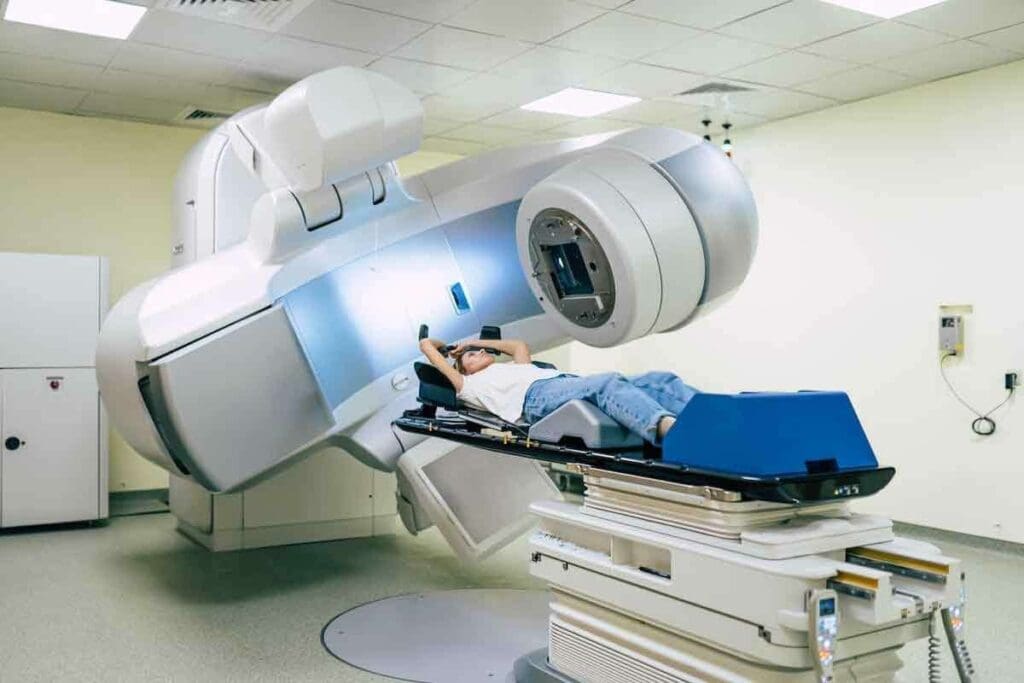
Cancer treatment has changed a lot with new technology. External beam radiation therapy is a big step forward. It uses high-energy X-rays or electrons to kill cancer cells from outside the body. This way, it doesn’t harm the healthy tissues around.external radiation therapy – Learn 8 key facts about external radiation therapy and its use in cancer care.
Beam therapy is now a key part of fighting cancer. It focuses on specific areas of the body. This makes it a good choice for many cancers. Thanks to better radiation oncology machines, patients are getting better care and living better lives.
Key Takeaways
- External beam radiation therapy is a non-invasive cancer treatment.
- It delivers targeted high-energy X-rays or electrons to tumors.
- The treatment minimizes damage to healthy tissues surrounding the tumor.
- Beam therapy is a localized treatment targeting specific areas of the body.
- Advancements in radiation oncology machines have improved patient outcomes.
What Is External Radiation Therapy?
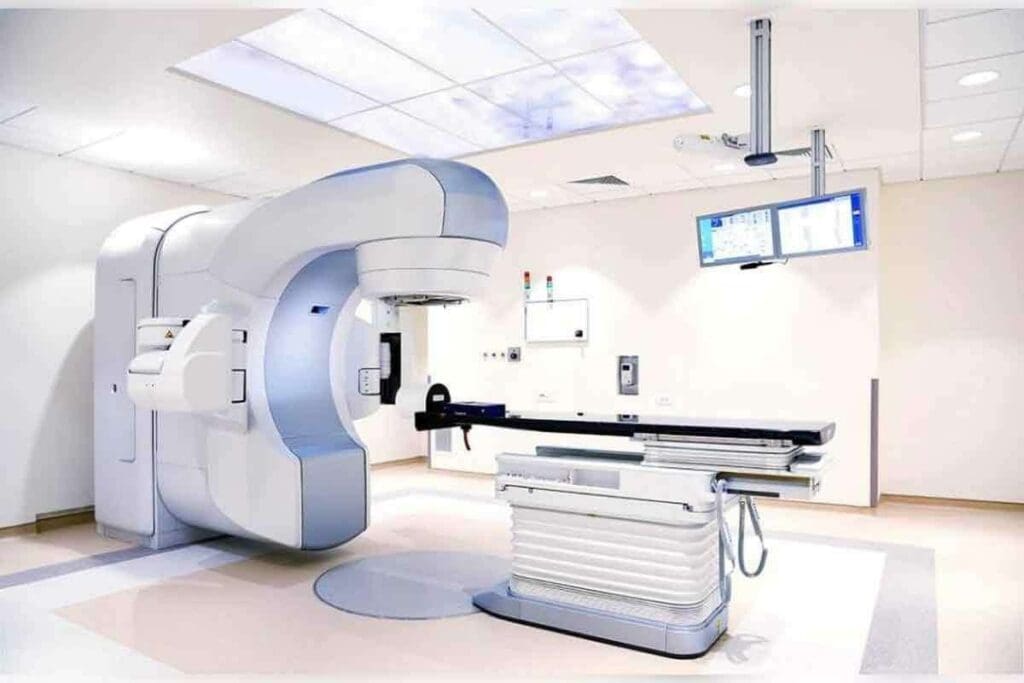
External radiation therapy is a common cancer treatment. It uses high-energy beams to target tumors. This method is effective in destroying cancer cells while minimizing damage to surrounding healthy tissue.
Definition and Basic Principles of External Beam Radiation
External beam radiation therapy involves directing high-energy beams from a machine outside the body to the tumor site. This cancer-treating machine is designed to deliver precise doses of radiation to destroy cancer cells. The therapy is typically administered over several sessions, allowing for the treatment of various types of cancer, including prostate, breast, lung, and brain cancer.
The basic principle behind external beam radiation is to damage the DNA of cancer cells. This stops them from growing and dividing. This is achieved through the use of linear accelerators, which are the most common type of machine used for external radiation therapy.
How External Radiation Therapy Differs from Other Cancer Treatments
External radiation therapy differs from other cancer treatments in its non-invasive nature. It doesn’t require incisions, reducing the risk of complications. This allows for quicker recovery times. It can also be used with other treatments, like chemotherapy, to enhance its effectiveness.
Overall, external radiation therapy is a vital component of cancer treatment. It offers a highly effective and relatively safe method for combating various forms of cancer.
The Global Market for External Radiation Therapy

The need for advanced cancer treatments like external radiation therapy is growing worldwide. This increase is due to more people getting cancer and new technology in radiation therapy.
Current Market Size and Statistics
The global market for external beam radiotherapy has grown a lot, reaching over USD 5.13 billion in 2024. This growth comes from more cancer cases and more people choosing radiation therapy as a main treatment.
Projected Growth to USD 9.36 Billion by 2034
Experts predict the external radiation therapy market will keep growing. It’s expected to hit USD 9.36 billion by 2034. This shows a strong growth rate, thanks to new tech and more people looking for effective cancer treatments.
Factors Driving Market Expansion
Several things are making the external radiation therapy market grow, including:
- More people are getting cancer worldwide
- New tech in radiation therapy equipment
- More people want non-invasive cancer treatments
- More uses for external beam radiation therapy
The market will also benefit from ongoing research in radiation therapy. This includes better linear accelerators and proton therapy systems. As cancer cases keep rising, the need for precise and effective radiation therapy will keep the market growing.
Types of External Radiation Therapy Machines
External radiation therapy is key in fighting cancer. It uses advanced machines to give precise doses of radiation. The tech behind these machines is vital for good treatment.
Linear Accelerators (LINACs): Core Technology
Linear accelerators are the top radiation therapy machines for external beam therapy. They speed up electrons to make high-energy X-rays. These X-rays can reach deep into tumors.
The American Cancer Society says LINACs are great for many cancers. “Linear accelerators have changed radiation therapy,” a top radiation oncologist says. “They make it reliable and efficient.”
Proton Therapy Systems: Advanced Precision
Proton therapy systems are a step up from traditional X-ray therapy. They use protons to kill cancer cells. This method is more precise, harming less healthy tissue.
Proton therapy is best for tumors near important areas, like the brain or spine.
Specialized Radiation Delivery Systems
There are also specialized radiation delivery systems for certain cancers or treatments. These include systems for intraoperative or stereotactic radiation. They allow for targeted therapy with fewer side effects.
The range of external radiation therapy machines today means treatments can be tailored. This improves patient results. As tech gets better, we’ll see even more advanced radiation oncology machines. They will make external radiotherapy even more effective.
How External Beam Radiation Works to Fight Cancer
External beam radiation fights cancer by sending beams from outside the body. These beams harm cancer cells’ DNA. This stops them from growing and dividing.
The Science Behind Radiation’s Cancer-Fighting Properties
External beam radiation therapy sends high-energy beams to tumors. These beams damage cancer cells’ DNA. This makes it hard for them to grow.
The goal is to hit the tumor right and avoid healthy tissues. Radiation therapy helps treat many cancers. It’s good for tumors that can’t be removed or don’t respond to other treatments.
Targeting Tumors While Sparing Healthy Tissue
Modern external beam radiation therapy is precise. It targets tumors well while keeping healthy tissue safe. New technologies like IMRT and IGRT help doctors aim the beams better.
This precision helps reduce side effects. It also makes the treatment more effective. By focusing on the tumor, doctors get better results.
Treatment Planning and Delivery Process
The beam radiation treatment starts with planning. This includes CT scans to find the tumor’s size and location. Then, a treatment plan is made just for the patient.
| Step | Description |
| 1. Simulation | Patient undergoes imaging studies to determine tumor location and size. |
| 2. Treatment Planning | A personalized plan is developed based on imaging data. |
| 3. Treatment Delivery | External beam radiation is delivered to the tumor site. |
During treatment, the radiation beam is adjusted. This ensures the tumor gets the right dose. Healthy tissues are protected.
Advanced Techniques in Modern Radiotherapy
Modern radiotherapy has seen big changes with new techniques. These advancements make treatments more precise and effective, protecting healthy tissue. Key methods include Intensity-Modulated Radiotherapy (IMRT), Image-Guided Radiotherapy (IGRT), and Stereotactic Body Radiotherapy (SBRT).
Intensity-Modulated Radiotherapy (IMRT)
IMRT is a 3-D conformal radiation therapy that changes the intensity of beams. It targets tumors accurately, lowering damage to healthy tissue. IMRT is great for complex or irregular tumors.
Image-Guided Radiotherapy (IGRT)
IGRT uses scans to guide radiation therapy. It ensures beams hit the tumor right, even if it moves. IGRT boosts radiotherapy’s precision, leading to better results.
Stereotactic Body Radiotherapy (SBRT)
SBRT gives high doses of radiation to small, defined tumors in a few sessions. It’s used for tumors in the lungs, liver, and spine. SBRT means fewer treatment visits than traditional radiotherapy.
| Technique | Description | Benefits |
| IMRT | Modulates radiation beam intensity | Precise targeting, reduced damage to healthy tissue |
| IGRT | Uses imaging to guide radiation delivery | Enhanced precision, improved treatment outcomes |
| SBRT | Delivers high doses in n few fractions | Fewer treatment sessions, effective for small tumors |
These advanced techniques have greatly improved cancer treatment. IMRT, IGRT, and SBRT make treatments more precise and reduce side effects. They offer hope to patients undergoing radiotherapy.
Cancer Types Effectively Treated with External Radiation Therapy
External radiation therapy is a key treatment for many cancers. It’s used for prostate, breast, lung, and brain cancers. The treatment choice depends on the cancer type and stage.
Prostate Cancer Applications
It’s a common treatment for prostate cancer. It can be used alone or with surgery or hormone therapy. Intensity-Modulated Radiotherapy (IMRT) is often used. It targets the tumor precisely, reducing harm to nearby tissues.
Breast Cancer Radiation Protocols
Radiation therapy is key in breast cancer treatment, after surgery. Whole-breast irradiation is standard, and partial breast irradiation is used in some cases. It aims to kill any remaining cancer cells, lowering recurrence risk.
Lung Cancer Treatment Approaches
It treats both non-small cell and small cell lung cancer. Stereotactic Body Radiotherapy (SBRT) is used for small lung tumors. It’s a promising option for early-stage lung cancer.
Brain Tumors and Other Cancer Applications
It’s also used for brain tumors, including primary and metastatic ones. It treats other cancers like head and neck, gastrointestinal, and gynecologic cancers. The treatment plan varies based on the tumor’s type, size, and location.
The American Cancer Society notes, “Radiation therapy is a local treatment, aimed at a specific body part, like the tumor.” This focused approach makes it a powerful treatment for many cancer patients.
The Patient Experience During Beam Therapy
Getting beam therapy can feel scary, but knowing what happens can help. People getting external beam radiation therapy might face side effects. But there are ways to deal with them.
What to Expect During Treatment Sessions
Patients lie on a table during treatment. The radiation machine goes around them. The treatment itself is painless and short, lasting just a few minutes. But getting ready and finding the right spot can take longer.
The team making sure the beam hits the right spot is key. They use new tech to check the area before sending the radiation.
Managing Side Effects and Comfort Considerations
Side effects like tiredness, skin issues, and hair loss can happen. It’s important to manage these to stay comfortable.
For example, taking care of your skin is vital. Keep the treated area clean and dry. Avoid tight clothes and use gentle moisturizers.
Modern Improvements in Patient Comfort
New tech in radiation therapy has made things better for patients. Some machines are bigger, making patients feel less trapped and more comfortable.
| Improvement | Description | Benefit |
| Larger Bore Machines | Designed to reduce claustrophobia | Increased patient comfort |
| Advanced Imaging | Verifies the target area before treatment | Enhanced precision and safety |
| Personalized Care Plans | Tailored to individual patient needs | Better management of side effects |
Knowing what to expect and how to handle side effects makes beam therapy easier. New tech and care plans are making treatments better for patients.
Comparing External Beam Therapy with Alternative Treatments
External beam radiation therapy is a key cancer treatment. It can be used alone or with other treatments. The choice depends on the cancer type and stage.
Radiation vs. Surgery: Decision Factors
The choice between radiation and surgery depends on several factors. These include the tumor’s location, size, and the patient’s health. External beam radiation is often chosen for tumors that can’t be removed or are in sensitive areas. A leading oncologist notes,
“Radiation therapy has become an indispensable tool in the treatment of cancer, providing a non-invasive alternative to surgery for many patients.”
Combining Radiotherapy with Other Treatment Modalities
External beam therapy is often used with chemotherapy and surgery. This approach targets cancer from different angles. For example, neoadjuvant radiation therapy can make tumors smaller before surgery.
When External Beam Therapy Is Most Appropriate
External beam radiation works well for localized tumors and certain cancers like prostate, breast, and lung. Modern external beam radiation technology delivers precise doses to tumors. This reduces harm to healthy tissue nearby.
The Future of Cancer Radiation Therapy Machines
The future of cancer treatment is getting brighter thanks to new radiation therapy machines. These machines are becoming more precise and effective. This means better results for patients.
Emerging Technologies in Development
New technologies are being developed to make cancer radiation therapy better. Artificial intelligence and machine learning are being used in treatment planning. This helps target tumors more accurately and protect healthy tissue.
- Advanced imaging techniques for better tumor visualization
- Improved linear accelerators for more precise radiation delivery
- Innovative radiation oncology machines designed for specific cancer types
Artificial Intelligence in Radiation Treatment Planning
Artificial intelligence is changing how we plan radiation treatments. AI algorithms can look at lots of data to make treatment plans better. This is making treatments more effective and tailored to each patient.
Personalized Radiation Medicine Approaches
The future of cancer treatment is all about personalized medicine. By tailoring treatments to each patient, radiation oncology machines can work better. This approach is expected to lead to better results and fewer side effects.
In conclusion, the future of cancer radiation therapy machines looks promising. New technologies and artificial intelligence are leading the way. These advancements will change radiation oncology, making treatments more effective and personalized for cancer patients.
Conclusion: Advancing Cancer Care Through External Radiation Therapy
External radiation therapy is a key treatment for cancer patients. It’s a non-invasive way to target tumors without harming healthy tissues. This method uses high-energy X-rays or electrons from outside the body to fight cancer.
New technologies in radiation therapy have made treatments better. Intensity-modulated radiotherapy and image-guided radiotherapy allow for more precise targeting. This means less harm to healthy tissues and more comfort for patients.
The demand for external radiation therapy is growing worldwide. This is thanks to new technologies and a focus on personalized care. These advancements promise even better results in the future, making radiation therapy a vital part of cancer treatment.
FAQ
What is external beam radiation therapy?
External beam radiation therapy (EBRT) is a non-invasive way to treat cancer. It uses high-energy X-rays or electrons from outside the body. This method tries to protect healthy tissues as much as possible.
How does external beam radiation therapy work?
This therapy delivers precise radiation to cancer cells. It aims to kill them or slow their growth. At the same time, it tries to avoid harming nearby healthy tissue.
What types of cancer can be treated with external beam radiation therapy?
Many cancers can be treated with this therapy. These include prostate, breast, lung, and brain cancer.
What are the different types of external radiation therapy machines?
There are several types of machines. These include linear accelerators, proton therapy systems, and specialized systems.
What is the difference between linear accelerators and proton therapy systems?
Linear accelerators use X-rays or electrons. Proton therapy systems use protons. Protons can be more precise and effective for some tumors.
What are the benefits of intensity-modulated radiotherapy (IMRT)?
IMRT is a precise and effective technique. It helps minimize damage to healthy tissue and reduces side effects.
How is radiation treatment planning done?
A team of healthcare professionals plans treatment. They include radiation oncologists, medical physicists, and dosimetrists. Together, they create a personalized plan.
What can I expect during external beam radiation therapy treatment sessions?
During sessions, you’ll lie on a table. The machine will deliver radiation to the tumor. Sessions are painless and last 15-30 minutes.
How can I manage side effects during external beam radiation therapy?
Side effects can be managed with medication and lifestyle changes. Your healthcare team will help minimize side effects and ensure your comfort.
What is the future of cancer radiation therapy machines?
The future includes new technologies like artificial intelligence. These advancements will improve treatment outcomes and patient care.
How does external beam radiation therapy compare to other cancer treatments?
It’s a highly effective treatment option. It can be used alone or with surgery and chemotherapy, depending on the cancer type and stage.
What is image-guided radiotherapy (IGRT)?
IGRT uses imaging technologies like X-rays and CT scans. It guides radiation delivery for accurate tumor targeting.
What is stereotactic body radiotherapy (SBRT)?
SBRT delivers high doses of radiation to small tumors. It does so in a few fractions, minimizing damage to healthy tissue.
References
- Liu, W. (2017). A diagnostic accuracy meta-analysis of CT and MRI for detecting small bowel Crohn’s disease. Inflammatory Bowel Diseases, 23(8), 1274-1283.https://www.sciencedirect.com/science/article/pii/S1076633217302040
- Arruzza, E. (2022). Diagnostic accuracy of computed tomography in traumatic hollow viscus injury: systematic review and meta-analysis. PLoS One.https://pubmed.ncbi.nlm.nih.gov/40293346/



 Departments
 Related Videos
 Our Doctors
 News
News