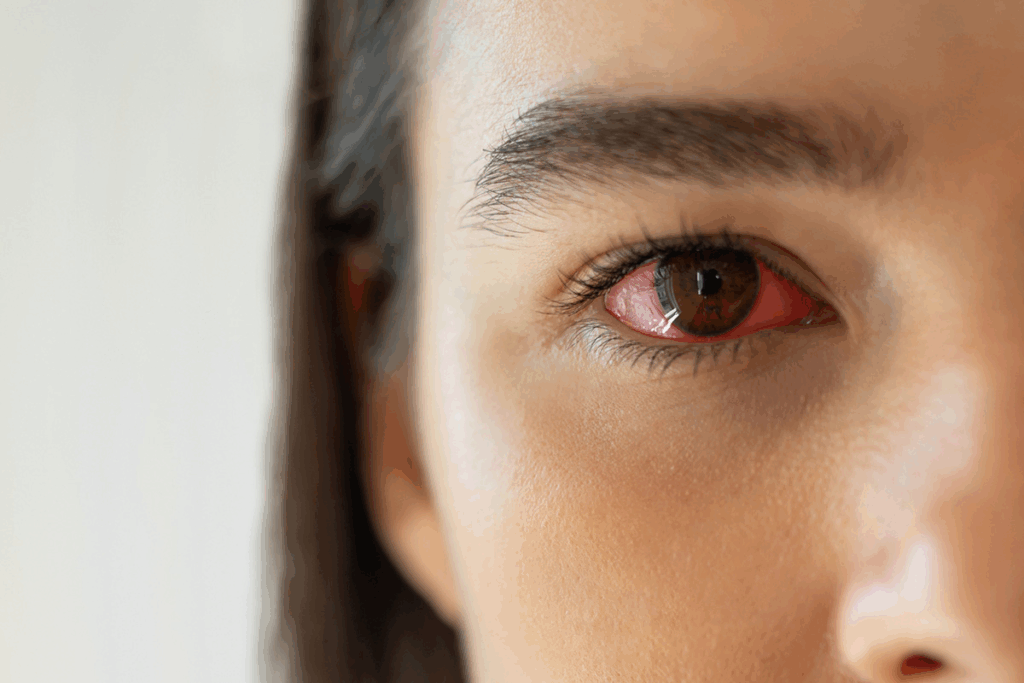
Eye blood clots can affect the blood vessels in your eyes. They include subconjunctival hemorrhage and retinal vein occlusion. These can be mild or serious, sometimes showing other health problems. Looking for an eye blood clot remedy? This guide explains the best remedies and treatments for a subconjunctival hemorrhage.
Understanding these clots is key to knowing what to do. While some get better by themselves, others need a doctor’s help to avoid problems.
Subconjunctival hemorrhage often goes away by itself. But, knowing the signs of a serious issue is important. Look out for sudden changes in your vision.
Key Takeaways
- Eye blood clots can result from various conditions, including subconjunctival hemorrhage and retinal vein occlusion.
- Many cases of eye blood clots resolve on their own without needing medical treatment.
- Underlying health issues can sometimes cause eye blood clots.
- Recognizing warning signs like sudden vision changes is important.
- Seeking prompt professional care is essential for preventing complications.
Understanding Eye Blood Clots

Blood clots in the eye can happen for many reasons, like injury or health issues. These clots can take different forms and stem from various causes. We’ll look at the different types of eye blood clots and why they form.
Types of Eye Blood Clots
There are several types of eye blood clots, each with its own traits. A subconjunctival hemorrhage happens when a blood vessel bursts under the eye’s clear surface. This leads to blood leaking into the space between the conjunctiva and the sclera. It’s often caused by eye injury, sneezing, coughing, or straining from constipation.
Retinal vein occlusion is another significant type. It’s when the veins that carry blood away from the retina get blocked. Central retinal vein occlusion (CRVO) is a specific case where the main vein gets blocked. This can cause vision loss and is linked to conditions like high blood pressure, diabetes, or glaucoma.
How Eye Blood Clots Form
Eye blood clots can form for many reasons. Trauma or injury to the eye is a common cause, as it can make blood vessels burst and bleed. Forceful actions like sneezing, coughing, or straining can also put pressure on blood vessels, making them more likely to burst.
Certain medical conditions like high blood pressure, diabetes, or blood clotting disorders can raise the risk of eye blood clots. Also, taking blood-thinning medications can contribute to their occurrence.
Knowing the causes is key to preventing and treating eye blood clots. By understanding the underlying factors, we can take steps to reduce risks and manage the condition well.
Common Causes of Eye Blood Clots

Blood clots in the eye can come from many sources. Knowing these causes helps in preventing and treating them.
Physical Trauma and Injury
Eye trauma is a big reason for blood clots. This can happen from accidents, sports injuries, or even small bumps. The impact can break blood vessels in the eye, causing clots.
Examples of physical trauma include:
- Direct blows to the eye
- Surgical complications
- Penetrating eye injuries
Forceful Actions (Sneezing, Coughing, Straining)
Actions like sneezing, coughing, or straining can put pressure on eye blood vessels. This can make them rupture and form clots.
Common scenarios include:
- Severe sneezing fits
- Intensive coughing bouts
- Straining due to constipation
Medical Conditions
Some health issues can make you more likely to get eye blood clots. These include high blood pressure, diabetes, and blood clotting disorders.
Medical Condition | Effect on Eye |
High Blood Pressure | Increases risk of blood vessel rupture |
Diabetes | Damages blood vessels, increasing clot risk |
Blood Clotting Disorders | Affects normal clotting process, leading to clot formation |
Medication Side Effects
Some medicines, like blood thinners, can raise the risk of eye blood clots. It’s important to watch for side effects and get medical help if needed.
Knowing why eye blood clots happen helps prevent them. If you think you have a clot, see a doctor right away. They can help figure out what’s wrong and treat it.
Recognizing Eye Blood Clot Symptoms
It’s important to know the signs of eye blood clots to get help quickly. Eye blood clots, or ocular hemorrhages, can show up in different ways. This depends on where and how bad they are.
Visual Symptoms
Visual problems are often the first signs of eye blood clots. You might see blurry vision, floaters, or blind spots. If you have Central Retinal Vein Occlusion (CRVO), your vision could get very bad. About 64 percent of people with eye strokes had heart disease risk factors they didn’t know about.
People with CRVO might see blurry. If your CRVO is mild, you might not notice anything. But if it’s worse, your eye could hurt or look red.
Physical Appearance
The look of your eye can change too. A subconjunctival hemorrhage can make your eye look red or bloodshot. This happens when blood leaks into the space between the conjunctiva and the sclera.
Associated Discomfort
Discomfort or pain can vary too. Some people might feel just a little bit of discomfort. Others might feel a lot of pain, depending on the clot and any other problems.
Are Eye Blood Clots Dangerous?
Eye blood clots can be harmless or signal serious health problems. The danger depends on the type and where it is in the eye.
Risk Assessment by Type
Eye blood clots vary in risk. A subconjunctival hemorrhage, for example, is usually not serious and heals by itself. But, retinal vein occlusion (RVO) can cause serious vision loss if not treated quickly.
Central Retinal Vein Occlusion (CRVO) is very concerning. It can cause sudden and severe vision loss. It’s linked to high blood pressure, diabetes, and glaucoma, but the exact cause is unknown.
Connection to Heart Disease
Eye blood clots are often linked to heart health. Conditions like retinal vein or artery occlusions suggest a higher risk of heart disease.
Research shows that people with retinal vein occlusion are more likely to get heart disease. So, an eye blood clot might be a sign of heart problems.
Potential Complications
Untreated eye blood clots can cause serious problems. CRVO can lead to vision loss due to swelling or new blood vessels. Retinal artery occlusion can cause permanent blindness if not treated fast.
Other possible issues include:
- Vision loss or reduction
- Increased intraocular pressure
- Neovascular glaucoma
- Permanent retinal damage
Knowing these risks is why it’s important to see a doctor if symptoms don’t get better or get worse.
When to Seek Medical Attention
Knowing when to get medical help is key for dealing with eye blood clots. Many times, they can clear up on their own. But, some cases need quick medical attention to avoid problems or find the root cause.
Warning Signs That Require Immediate Care
If you notice any of these signs, get medical help right away:
- Persistent or severe pain in or around the eye
- Vision changes, like blurred vision, double vision, or loss of vision
- Frequent occurrences of eye blood clots
- Trauma or injury to the eye
These signs might mean a serious issue that needs a doctor’s check-up.
Emergency Situations
Eye blood clots can sometimes be a sign of a serious emergency. For example, a blockage in the retina can cause sudden and severe vision loss. This is a situation that needs quick medical help.
If you or someone you know has sudden vision loss or severe eye pain, get emergency medical care right away.
Finding the Right Specialist
For eye blood clot concerns, seeing an ophthalmologist is usually the best step. Ophthalmologists focus on eye and vision care. They offer both medical and surgical treatments for many eye problems.
When looking for a specialist, think about their experience with eye issues, patient feedback, and how well they communicate.
Being aware of warning signs and knowing when to get medical help is important. This way, you can get the right care for eye blood clots. If you’re not sure about your symptoms or how serious they are, always talk to a healthcare professional.
Medical Diagnosis of Eye Blood Clots
Diagnosing eye blood clots needs careful work from an eye specialist. It’s key to find these clots right to treat them well and avoid bad outcomes.
Diagnostic Tests and Procedures
Eye blood clot diagnosis starts with a detailed eye check. Sometimes, more tests are needed to find the cause or how serious it is.
- Comprehensive Eye Exam: A detailed eye check to spot any oddities.
- Fluorescein Angiogram: A dye test to see the retina’s blood vessels, spotting blockages.
- Optical Coherence Tomography (OCT): A scan to see the retina’s health in detail.
- Blood Tests: Blood tests might be done to find underlying issues like bleeding disorders.
- Blood Pressure Check: High blood pressure can lead to eye clots, so it’s checked too.
What Your Doctor Will Look For
Your doctor will search for eye blood clot signs like subconjunctival hemorrhage. They’ll see how bad it is and what might have caused it.
The American Academy of Ophthalmology says a full eye exam is key for accurate diagnosis. Your doctor will use test results to plan your treatment.
Questions to Ask Your Doctor
Knowing about your condition and treatment is important. Here are questions to ask your doctor:
- What caused my eye blood clot?
- What problems could happen if it’s not treated?
- What treatments are there for my case?
- Are there lifestyle changes to stop it from happening again?
- How will we keep an eye on it, and what follow-up care is needed?
Understanding your diagnosis and treatment helps you manage your eye health better. It also helps prevent future problems.
Professional Medical Treatments for Eye Blood Clots
Treating eye blood clots varies based on the condition and its severity. We’ll look at the medical options for different types of eye blood clots.
Treatments for Subconjunctival Hemorrhage
Subconjunctival hemorrhage is a common issue where blood bleeds under the conjunctiva. It often heals on its own. But, we might suggest treatments to ease discomfort and help it heal faster. Using artificial tears can soothe the eye, and wearing protective eyewear can prevent further irritation.
“In most cases, subconjunctival hemorrhage doesn’t require specific treatment, but measures can be taken to manage symptoms and prevent complications.”
Treatments for Retinal Artery Occlusion
Retinal artery occlusion is a serious issue that needs immediate care. Our goal is to restore blood flow to the retina. We use different methods, like medications to dissolve the clot, reduce eye pressure, or improve blood flow.
Treatments for Retinal Vein Occlusion
For Central Retinal Vein Occlusion (CRVO), treatments include injections of anti-VEGF drugs to reduce swelling and prevent vision loss. Laser treatment may also be used to address complications like macular edema. In some cases, steroid medicines are given to reduce inflammation.
Treatment | Condition | Purpose |
Artificial Tears | Subconjunctival Hemorrhage | Soothes the eye, promotes healing |
Anti-VEGF Injections | Retinal Vein Occlusion | Reduces swelling, prevents vision loss |
Laser Treatment | Retinal Vein Occlusion | Addresses complications like macular edema |
Medications Used for Treatment
Many medications are used to treat eye blood clots, depending on the condition. These include anti-VEGF drugs, steroids, and medications for conditions like high blood pressure or diabetes.
Key medications include:
- Anti-VEGF drugs: To reduce swelling and prevent further vision loss.
- Steroids: To reduce inflammation.
- Thrombolytics: To dissolve clots in cases of retinal artery occlusion.
It’s important to follow your healthcare provider’s treatment plan for the best results.
Effective Eye Blood Clot Remedies at Home
Dealing with eye blood clots can be tough. But, there are home remedies that can help. These remedies can ease symptoms and aid in healing. Always follow proper care and get advice from a healthcare professional.
Safe Home Care Practices
Safe care practices are key when managing eye blood clots at home. Using artificial tears can soothe itchy or dry eyes. Also, avoid rubbing or straining your eyes to prevent more bleeding.
Over-the-Counter Solutions
OTC solutions, like eye drops, can offer relief. Artificial tears are great for lubricating the eye and easing discomfort. Make sure to pick preservative-free drops to avoid irritation.
Natural Remedies
Natural remedies can also be helpful. A cold compress can help with swelling. But, always check with a healthcare provider before trying new remedies to make sure they’re safe.
What to Avoid During Recovery
During recovery, stay away from activities that could make things worse. Avoid heavy lifting, bending, or anything that puts pressure on your eyes. Also, don’t rub your eyes or wear contact lenses until the clot is gone.
Remedy | Benefits | Precautions |
Artificial Tears | Lubricates the eye, reduces discomfort | Choose preservative-free options |
Cold Compress | Reduces swelling | Consult a healthcare provider first |
Avoiding Physical Strain | Reduces risk of re-bleeding | Be cautious with daily activities |
Preventing Future Eye Blood Clots
To prevent eye blood clots, we need to tackle several areas. We must understand the causes, make lifestyle changes, and take protective steps. These actions can greatly lower the risk of another clot.
Lifestyle Modifications
Changing our lifestyle is key to avoiding eye blood clots. Keeping blood pressure in check is vital. Regular exercise, a healthy diet, and stress reduction can help manage blood pressure.
- Eating a diet rich in fruits, vegetables, and omega-3 fatty acids
- Engaging in regular physical activity, such as walking or swimming
- Avoiding smoking and limiting alcohol consumption
The American Heart Association says a healthy lifestyle can prevent high blood pressure and heart disease.
“Lifestyle changes can be as effective as medication in controlling blood pressure,”
American Heart Association
Managing Underlying Conditions
It’s important to manage health conditions to prevent eye blood clots. Conditions like diabetes, high cholesterol, and heart disease raise the risk. Working with a doctor to manage these can lower the risk.
Condition | Management Strategy |
Diabetes | Monitoring blood sugar levels, medication, and lifestyle changes |
High Cholesterol | Dietary changes, exercise, and cholesterol-lowering medication |
Cardiovascular Disease | Medication, lifestyle changes, and possibly surgery |
Protective Measures
Protective steps can also help prevent eye blood clots. Wearing protective eyewear during risky activities is important. Also, avoid heavy lifting or straining to reduce eye pressure.
By making lifestyle changes, managing health conditions, and taking protective steps, we can lower the risk of eye blood clots. It’s important to talk to a healthcare provider to find the best plan for you.
Conclusion
Understanding eye blood clots is key to treating and preventing them. We’ve covered the different types, causes, symptoms, and why you should see a doctor. We also talked about treatment options, from medical care to home remedies.
Seeing a doctor is essential for the right diagnosis and treatment. Medical experts can guide you on the best course of action. This might include medication or other treatments. Taking steps to prevent eye blood clots can also help.
Our last thoughts on eye blood clots stress the need to take care of your eyes. Knowing the risks and how to avoid them is important. To manage and prevent eye blood clots, a mix of medical care and healthy habits is needed.
FAQ
What is a blood clot in the eye?
A blood clot in the eye is when blood gathers in or around the eye. This can happen due to different reasons.
What causes blood clots in the eye?
Blood clots in the eye can come from physical injury, sneezing or coughing, health issues, or some medicines.
How to remove blood clot in the eye?
Removing a blood clot in the eye depends on the cause and type of clot. Some may clear up on their own. Others might need medical help, like medicines or procedures.
Is a blood clot in the eye dangerous?
The danger of a blood clot in the eye varies. Some, like subconjunctival hemorrhage, are usually safe. But others, like retinal vein occlusion, can be serious if not treated.
What are the symptoms of a blood clot in the eye?
Symptoms include blurry vision, redness, swelling, and eye pain. These can affect how you see and feel.
When should I seek medical attention for an eye blood clot?
See a doctor right away if you lose vision suddenly, have severe eye pain, or notice other urgent signs.
How are eye blood clots diagnosed?
Doctors use eye exams and tests like imaging to find out about eye blood clots. They check for the cause.
What are the treatments for eye blood clots?
Treatments depend on the type and cause. They might include medicines, laser therapy, or surgery to fix blood flow or conditions.
Are there any home remedies for eye blood clots?
Some eye blood clots might go away by themselves. But, there are safe home care tips, over-the-counter options, and natural remedies to help symptoms and aid recovery.
How can I prevent future eye blood clots?
To avoid future eye blood clots, make lifestyle changes, manage health issues, and protect your eyes from injury or other causes.
Can eye blood clots be related to heart disease?
Yes, some eye blood clots, like retinal vein occlusion, can link to heart disease.
What medications are used to treat eye blood clots?
Medicines for eye blood clots include anticoagulants, anti-VEGF agents, or corticosteroids. The choice depends on the cause and type of clot.
References
National Center for Biotechnology Information. Evidence-Based Medical Guidance. Retrieved from https://pmc.ncbi.nlm.nih.gov/articles/PMC10587453/