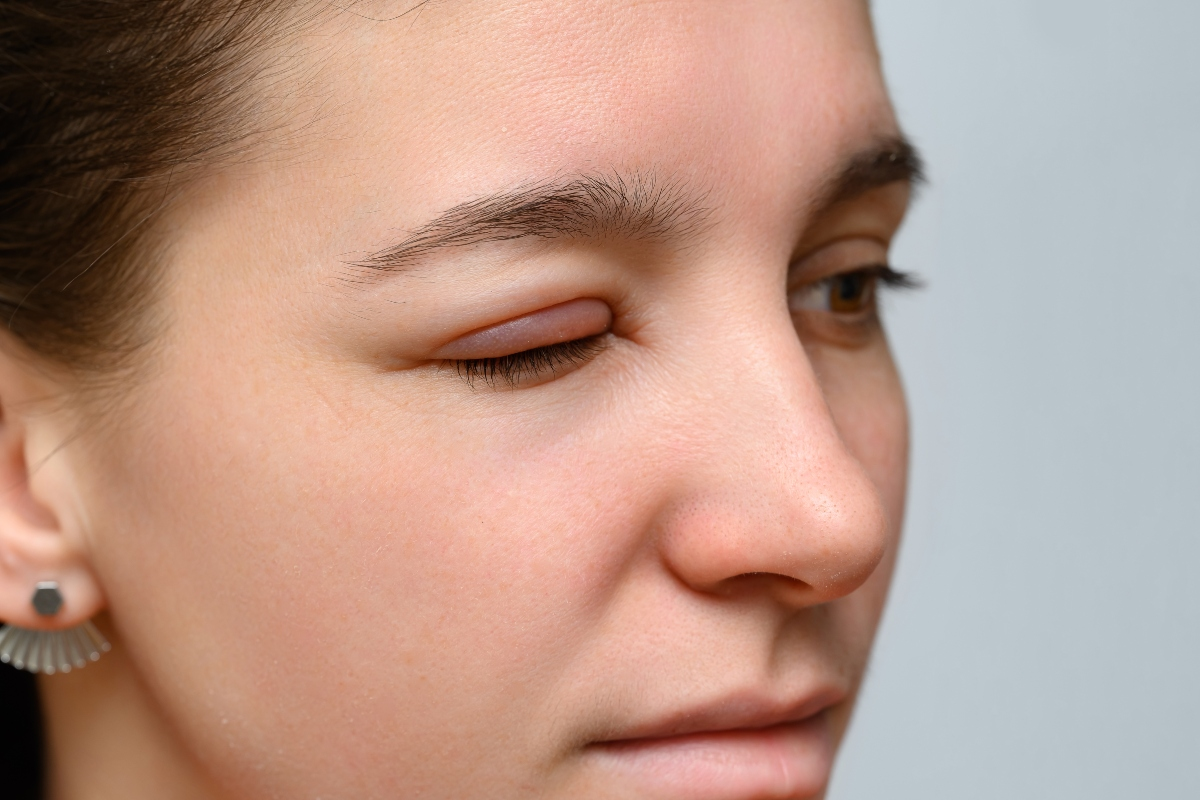
Have you seen your eyes looking cloudy and red? This can make it hard to see clearly. It can happen suddenly and really affect your life eye cloudy and red.
It’s important to know why this happens. This way, you can get the right treatment and avoid losing your vision forever. Fluid buildup in the eye, known as corneal edema, is a main reason.
At Liv Hospital, our top ophthalmologists have the latest tools and treatments. They are ready to help you.
Key Takeaways
- Cloudy and red eyes can be caused by corneal edema or fluid buildup.
- Understanding the underlying causes is key for effective treatment.
- Liv Hospital’s ophthalmologists use advanced diagnostic tools and treatment protocols.
- Prompt treatment can prevent permanent vision loss.
- Corneal edema is a big concern for patient vision and comfort.
Understanding Cloudy and Red Eyes
It’s important to know why eyes get cloudy and red. This helps us find the right treatment. First, we need to understand how a healthy eye works.
Normal Eye Anatomy and Function
The human eye is very complex. Its clarity depends a lot on the cornea, the clear outer layer at the front. The cornea lets light in, and it must be clear for us to see well.
Behind the cornea is the iris, which controls how much light gets in. The iris does this by changing the size of the pupil. The lens, behind the iris, changes shape to focus light on the retina. This lets us see things clearly at different distances.
Key components of the eye include:
- The cornea, which is key for clear vision
- The iris and pupil, which control light
- The lens, which focuses light on the retina
What Makes Eyes Appear Cloudy and Red
When the cornea gets cloudy or swollen, vision can become milky in one eye or blurry and cloudy. This can happen for many reasons, like corneal edema, infections, or inflammation. Corneal edema is when the cornea swells because of fluid imbalance. This usually happens because the endothelial cells, which keep the cornea clear, don’t work right.
Redness in the eyes usually means there’s inflammation or irritation. This can be from allergies, dry eye, or serious problems. Knowing what causes clouded eyes helps us fix the problem and get the eyes healthy again.
Some common reasons for cloudy and red eyes include:
- Corneal edema and problems with the endothelial cells
- Infections and inflammation
- Allergies and irritants
Corneal Edema: The Primary Cause of Eye Cloudiness
Corneal edema is when fluid builds up in the cornea, causing eye cloudiness. This happens when the cornea’s endothelial layer, which keeps it clear, stops working right.
Development of Corneal Edema
When the endothelial cells can’t push out excess fluid, fluid builds up. This makes the cornea swell and get cloudy. This cloudiness can make your vision foggy or hazy, really affecting your life.
The Role of Endothelial Cells
Endothelial cells are key to keeping the cornea clear. They line the inside of the cornea and push out extra fluid. If these cells get damaged or there aren’t enough, the cornea can swell up and get cloudy.
Prevalence and Risk Factors
Corneal edema is quite common, often after eye surgery. It affects about 6.2 to 11.3 percent of people after surgery. Other risks include advanced age, diabetes, and eye trauma.
| Risk Factor | Description | Impact on Corneal Edema |
|---|---|---|
| Eye Surgery | Surgical procedures on the eye | Increases risk due to possible endothelial damage |
| Advanced Age | Aging process | Endothelial cell density goes down with age |
| Diabetes | Diabetic condition | Can cause endothelial dysfunction |
Knowing what causes corneal edema helps in managing and treating it. Spotting the signs early means you can get the right care to avoid more problems.
Common Symptoms of Eye Cloudiness and Redness
Seeing cloudiness and redness in your eyes can be scary. It’s important to know the symptoms to get the right help. When your eyes look cloudy or red, you might also feel other effects that can change your life.
Visual Symptoms: Foggy and Hazy Vision
Cloudy eyes can mess with your vision. You might see things as foggy or hazy. This makes it hard to read, drive, or even see people’s faces. This blurry vision can stay the same or change throughout the day.
It’s key to figure out why your vision is off. Often, it’s because of problems with the cornea or lens inside your eye. For example, corneal edema makes the cornea swell, causing cloudy vision.
Physical Discomfort and Pain
Cloudy and red eyes can also hurt. You might feel a mild itch or grittiness, or even severe pain. Redness usually means there’s inflammation or infection, which can hurt too.
Pain or discomfort can really impact your life. It’s important to see a doctor. These symptoms might mean you have a serious issue that needs quick treatment.
Knowing these symptoms helps you deal with your condition better. Always talk to an eye doctor to find out why your eyes are cloudy and red. They can help you get the right treatment.
Medical Conditions That Cause Eye Cloudy and Red Appearance
Many medical conditions can make your eyes look cloudy and red. This can affect how well you see and how comfortable you feel. Let’s look at these conditions to understand their impact on eye health.
Inflammatory Conditions
Inflammatory conditions can cause a lot of discomfort. They can also make your eyes less clear. For example, uveitis is when the uvea gets inflamed. This can lead to eye pain, redness, and sensitivity to light.
Keratitis is another condition. It’s an inflammation of the cornea. It can be caused by infection, injury, or diseases. Keratitis can make your eye red, cloudy, and painful.
Infections
Infections are a common reason for cloudy and red eyes. Bacterial, viral, or fungal infections can cause conditions like conjunctivitis or endophthalmitis. Conjunctivitis, also known as pink eye, is contagious. It can make your eyes red, itchy, and discharge.
Endophthalmitis is a severe infection inside the eye. It can lead to vision loss if not treated quickly. It often happens after eye surgery or an injury.
| Infection Type | Causes | Symptoms |
|---|---|---|
| Bacterial Conjunctivitis | Bacteria | Redness, discharge, sticky eyelids |
| Viral Conjunctivitis | Virus | Redness, watery discharge, sensitivity to light |
| Fungal Endophthalmitis | Fungi | Severe eye pain, vision loss, redness |
Systemic Diseases Affecting Eye Clarity
Systemic diseases can also affect your eyes. For example, diabetes can cause diabetic cataract. This is when the lens becomes cloudy because of high blood sugar. It’s important to keep blood sugar levels in check.
Rheumatoid arthritis is another condition. It can cause dry eyes and increase the risk of eye infections. It’s important to manage this condition to keep your eyes healthy.
Post-Surgical Complications Leading to Cloudy Vision
After eye surgery, some people see their vision become cloudy. This can be scary and affect daily life. Eye surgeries aim to improve vision, but sometimes, complications can cause cloudy eyesight.
Cataract Surgery Complications
Cataract surgery is common worldwide. It’s usually safe, but complications can happen. One issue is corneal edema, where the cornea swells from fluid. This can make vision cloudy and may cause lasting vision problems if not treated.
Risks of cataract surgery include:
- Infection
- Inflammation
- Corneal edema
- Posterior capsule opacification
Knowing these risks helps patients make better choices. Proper care after surgery can lower the chance of these problems.
Other Eye Surgeries and Their Risks
Other surgeries like LASIK, glaucoma, and vitreoretinal surgery also have risks. For example, LASIK can cause dry eye syndrome or infectious keratitis. These can make vision cloudy.
The table below lists common surgeries and their risks:
| Surgery Type | Potential Complications |
|---|---|
| Cataract Surgery | Corneal edema, infection, inflammation |
| LASIK Surgery | Dry eye syndrome, infectious keratitis |
| Glaucoma Surgery | Infection, hypotony, choroidal effusion |
It’s key for patients to talk to their eye doctor about these risks. This helps understand the benefits and risks of their surgery.
In summary, eye surgeries aim to improve vision but can have complications. Knowing these risks and following care instructions can help avoid problems. This way, patients can get the best results from their surgery.
Understanding Sudden Cloudiness in One Eye
A sudden change in one eye’s vision can mean a serious problem. Cloudiness or fogginess in one eye needs quick attention.
Acute Causes of Unilateral Cloudy Vision
Many acute conditions can cause cloudiness in one eye. These include:
- Acute angle-closure glaucoma: A sudden increase in eye pressure that can cause severe pain and vision disturbances.
- Retinal detachment: A condition where the retina separates from the back of the eye, leading to vision loss.
- Uveitis: Inflammation of the uvea, which can cause pain, redness, and vision problems.
- Corneal ulcers or infections: Bacterial, viral, or fungal infections that can impair vision.
When Milky Vision in One Eye Signals an Emergency
Certain symptoms with cloudy vision in one eye mean a medical emergency. If you have any of these, get help right away:
- Severe eye pain
- Flashes of light or floaters
- Sudden loss of vision
- Redness or swelling of the eye
It’s vital to get medical help quickly to avoid permanent vision loss. If you see sudden cloudiness in one eye, see an eye doctor without delay.
Environmental and Lifestyle Factors
Our surroundings and daily habits can greatly affect our eye health. Sometimes, this can make our eyes look cloudy or red. Knowing what causes this is key to keeping our vision healthy.
Allergens and Irritants
Allergens and irritants in our environment can harm our eyes. Pollen, dust, and pet dander are common culprits. They can trigger allergic reactions, making our eyes red, itchy, and cloudy.
To fight allergens, we should keep our homes and workplaces clean. Using air purifiers helps too. And it’s wise to avoid things we know can trigger allergies.
Digital Eye Strain and Dry Eyes
Digital devices have become a big part of our lives. But they can cause eye strain. This includes dry eyes, headaches, and blurry vision. Looking at screens for too long can dry out our eyes, making them look cloudy or red.
Using the 20-20-20 rule can help. Look away from screens every 20 minutes and focus on something 20 feet away for 20 seconds. Artificial tears and adjusting your device settings can also help.
| Factor | Effect on Eyes | Mitigation Strategy |
|---|---|---|
| Pollen and Dust | Allergic reactions, redness, itchiness | Use air purifiers, avoid exposure |
| Digital Screens | Dry eyes, strain, blurred vision | Follow 20-20-20 rule, use artificial tears |
| Smoking and Secondhand Smoke | Irritation, increased risk of eye diseases | Avoid smoking and secondhand smoke |
By understanding and tackling these environmental and lifestyle factors, we can protect our eye health. This helps prevent cloudy or red eyes.
Diagnosis of Cloudy and Red Eyes
To find out why eyes look cloudy and red, a detailed eye check is key. We use tests and checks to find the main reason for these symptoms.
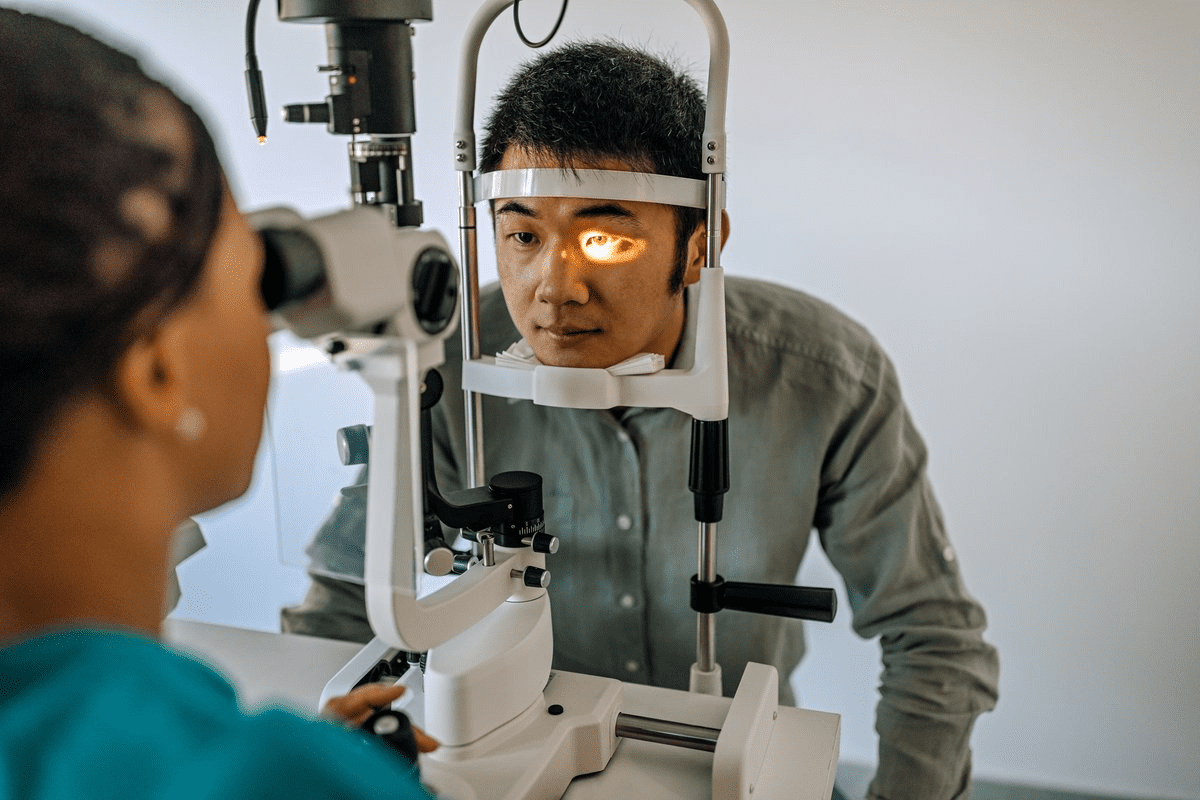
Comprehensive Eye Examination Procedures
Checking cloudy and red eyes involves looking at the patient’s health history. We also do visual and physical checks. First, we check how well the patient can see.
- Visual acuity tests to determine the sharpness of vision
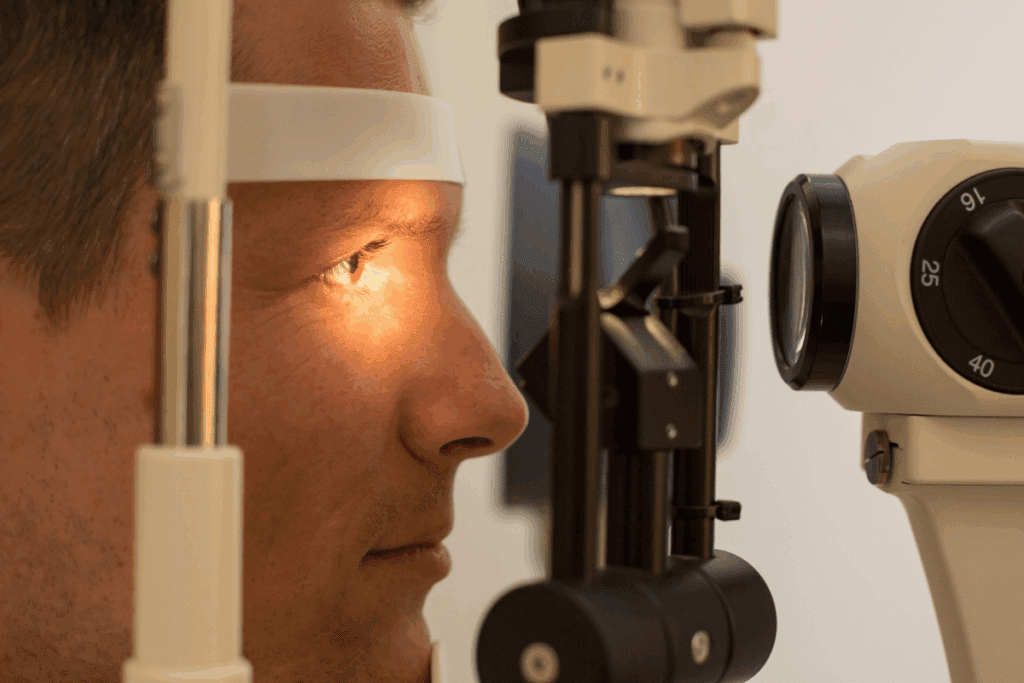
- Slit-lamp examination to inspect the anterior segment of the eye
- Dilated fundus examination to view the retina and other internal structures
- Tonometry to measure intraocular pressure
These steps help us spot any issues that might be making the eyes look cloudy and red.
Advanced Diagnostic Tests and Imaging
For a deeper look, we might use more advanced tests and images. Some of these include:
- Corneal topography to map the surface of the cornea
- Optical Coherence Tomography (OCT) to get detailed images of the retina
- Ultrasound biomicroscopy to see the front part of the eye closely
These tools help us understand the problem better and plan the best treatment.
By using eye exams and advanced tests, we can find out why eyes look cloudy and red. Then, we can suggest the right treatment.
Treatment Options for Cloudy and Red Eyes
There are many ways to treat cloudy and red eyes, depending on the cause. It’s important to find out why your eyes are acting this way. This helps pick the best treatment.
Medical Treatments
Doctors often use medicine to treat cloudy and red eyes. For example, if your eyes are cloudy because of inflammation, anti-inflammatory medications can help. They reduce swelling and ease symptoms.
- Antibiotics or antiviral medications are used for infections.
- Corticosteroid eye drops fight inflammation, often for uveitis.
- Hypertonic saline solutions can clear up corneal clarity.
It’s key to follow your doctor’s treatment plan. Also, don’t miss follow-up appointments. This helps see if the treatment is working and makes changes if needed.
Surgical Interventions
When medicine doesn’t work, surgery might be needed. For instance, cataract surgery can greatly improve vision if cataracts are the cause.
Other surgeries include:
- Corneal transplantation for corneal problems like keratoconus or edema.
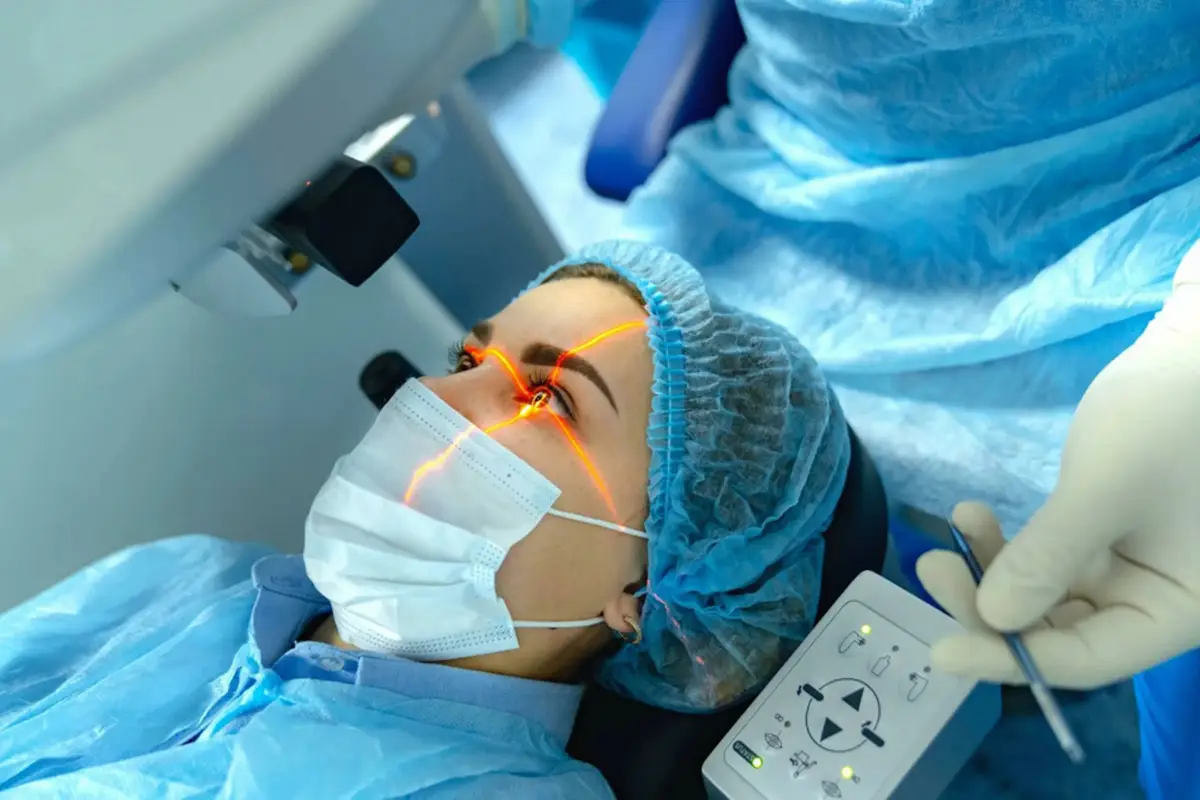
- Laser eye surgery for refractive errors or diabetic retinopathy.
Surgery is usually considered when other treatments fail and the condition affects daily life a lot.
Home Remedies and Self-Care Strategies
There are also home remedies and self-care tips for cloudy and red eyes. These include:
- Using warm compresses to soothe irritated eyes.
- Keeping eyes clean to prevent infections.
- Staying away from allergens and irritants that make symptoms worse.
- Living a healthy lifestyle with a balanced diet for better eye health.
“Taking care of your eyes is not just about treating problems; it’s about preventing them.”
By using these methods together, you can manage cloudy and red eyes. This helps work towards clear vision again.
Conclusion
Knowing why eyes can look cloudy and red is key to treating them. We’ve looked at many reasons, like corneal edema and medical issues. We also talked about how surgery and the environment can play a part.
Getting a full eye check is important to find out why eyes look cloudy. Doctors can then suggest the right treatment. This could be medicine, surgery, or simple home care.
Keeping your eyes healthy means making smart choices and staying active. By knowing why eyes get cloudy and getting help fast, you can keep your vision sharp. Regular eye exams and a healthy lifestyle are essential for good eye health.
Cloudy eyes can signal a bigger problem that needs doctor’s care. Being informed and acting early can help avoid eye issues. So, it’s important to stay alert and take care of your eyes.
FAQ
Why do my eyes look cloudy?
Cloudy eyes can happen for many reasons. This includes corneal edema, inflammation, infections, and diseases. It’s best to see an eye doctor to find out why.
What is corneal edema?
Corneal edema makes the cornea swell. This is because the endothelial cells don’t work right. It can happen after cataract surgery, trauma, or some diseases.
Why does my vision seem cloudy or foggy?
Foggy vision can come from many things. This includes corneal edema, dry eyes, or eye strain from screens. We can figure out why and suggest treatments.
What are the symptoms of eye cloudiness and redness?
Symptoms include foggy vision, discomfort, and pain. If you have these, seeing a doctor is important to find out why.
Can eye surgery cause cloudy vision?
Yes, some eye surgeries, like cataract surgery, can cause cloudy vision. But it’s rare. Most people see better after surgery.
How is cloudy and red eyes diagnosed?
Diagnosing cloudy and red eyes involves a detailed eye exam. We use tests and imaging to find the cause. Then, we create a treatment plan.
What are the treatment options for cloudy and red eyes?
Treatment depends on the cause. It might include medicine, surgery, or home care. We tailor a plan just for you.
Can environmental and lifestyle factors affect eye health?
Yes, things like allergens, eye strain from screens, and dry eyes can harm your eyes. We offer tips to keep your vision healthy.
Why is my eye foggy or hazy?
Foggy vision can be from many things. This includes corneal edema, dry eyes, or eye strain. We can find the cause and suggest treatments.
What should I do if I experience sudden cloudiness in one eye?
If one eye suddenly gets cloudy, see a doctor right away. It could be a serious issue.
How can I maintain healthy vision?
Healthy vision comes from regular eye exams, a healthy lifestyle, and protecting your eyes. This helps keep your vision sharp.
References
National Health Service (NHS). Cloudy and Red Eyes: Causes and Solutions. Retrieved from https://www.nhs.uk/conditions/red-eye/