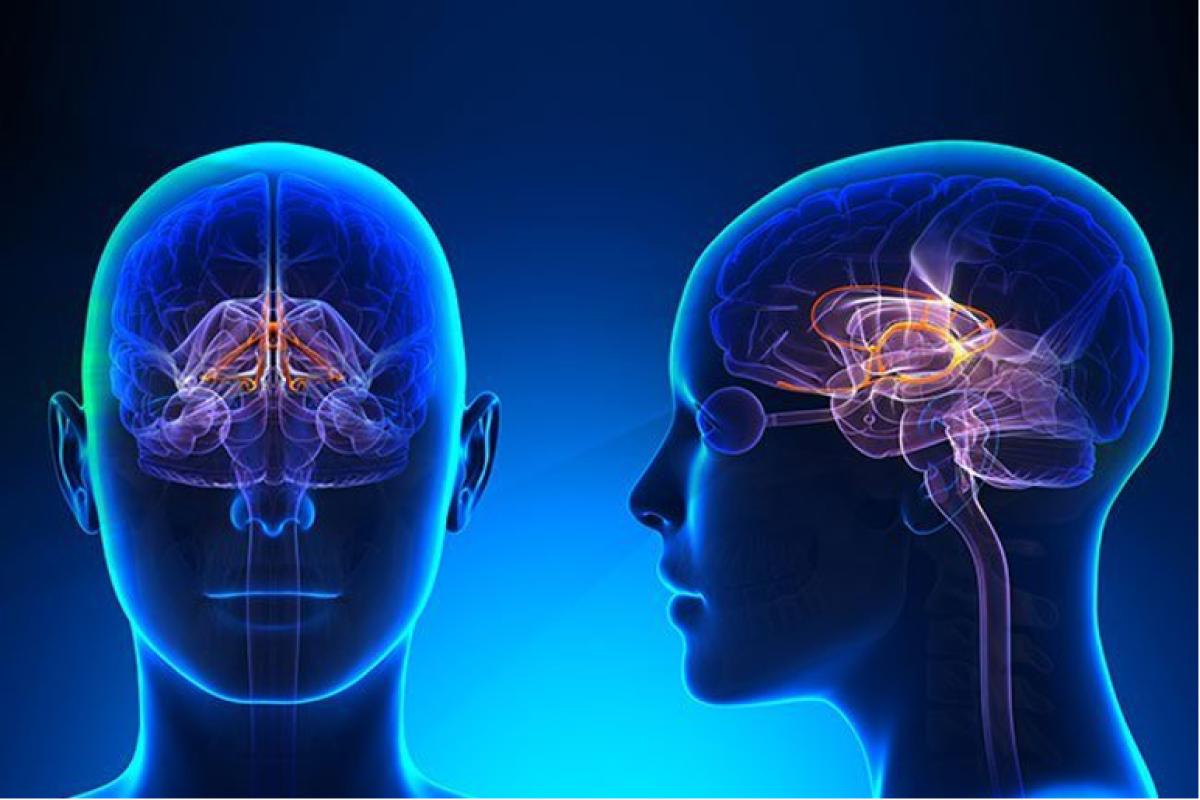
Your eyes rely on six paired cranial nerves to work well. These nerves help you track objects and adjust to light changes. At Liv Hospital, we focus on top-notch eye care, knowing how vital these ocular nerves are. An amazing guide to the eye cranial nerves (III, IV, and VI). Learn how these 3 critical nerves work together to control movement.
The oculomotor nerve (CN III) is key for eye movements and adjusting to light. We’ll look at how these nerves help control your eyes and react to light.
Key Takeaways
- Six paired cranial nerves control eye movements and vision.
- The oculomotor nerve (CN III) is vital for eye movement and light adjustment.
- Cranial nerves III, IV, and VI are main nerves for eye movement.
- Liv Hospital offers advanced eye care services.
- Knowing about cranial nerves is key for good eye care.
The Complex Neural Control of Vision
Our ability to see and react to what we see is thanks to the complex neural control of our eyes. The eyes are closely connected to the nervous system. This shows how complex our bodies are.
The Six Paired Cranial Nerves Governing Eye Function
Six paired cranial nerves control the eyes’ sensory and motor functions. Nerves III, IV, and VI manage eye movement and position. They help us track objects, read, and move around easily.
The six cranial nerves involved in eye function are:
- Cranial Nerve III (Oculomotor)
- Cranial Nerve IV (Trochlear)
- Cranial Nerve VI (Abducens)
- Cranial Nerve II (Optic)
- Cranial Nerve V (Trigeminal)
- Cranial Nerve VII (Facial)
These nerves work together to control eye movement, sensation, and autonomic functions. This includes tear production and pupillary response.
Cranial Nerve | Primary Function | Specific Role in Eye Function |
III (Oculomotor) | Motor | Controls most extraocular muscles and pupillary constriction |
IV (Trochlear) | Motor | Innervates the superior oblique muscle for rotational movement |
VI (Abducens) | Motor | Controls the lateral rectus muscle for outward gaze |
II (Optic) | Sensory | Transmits visual information from the retina to the brain |
V (Trigeminal) | Sensory/Motor | Provides corneal sensation and innervates muscles involved in mastication |
VII (Facial) | Sensory/Motor | Controls tear production and innervates facial muscles |
Integration of Sensory and Motor Functions
The eyes’ movement and visual processing depend on the integration of sensory and motor functions. The cranial nerves ensure the eyes move in sync. This allows us to focus and track objects.
“The coordination between the cranial nerves responsible for eye movement and those involved in processing visual information is a remarkable example of the nervous system’s ability to integrate different functions to achieve a common goal.”
This complex interplay is key for tasks like reading, driving, and walking. Any disruption can cause visual problems and neurological issues.
Understanding the neural control of vision shows us how complex our interaction with the world is. It highlights the importance of keeping our nervous system and its structures healthy.
The Oculomotor Nerve (Cranial Nerve III)
The oculomotor nerve is key in controlling eye movements and functions. It moves the eyeball and changes the pupil’s size.
Anatomical Origin and Pathway
The oculomotor nerve starts in the midbrain, a part of the brainstem. The oculomotor nucleus is where signals for eye movements are integrated. The nerve fibers then move forward, passing between the superior cerebellar artery and the posterior cerebral artery.
It enters the cavernous sinus next. From there, it goes into the orbit through the superior orbital fissure. Inside the orbit, it splits into two branches. The superior branch controls the superior rectus and levator palpebrae superioris muscles. The inferior branch controls the medial rectus, inferior rectus, and inferior oblique muscles.
Extraocular Muscles Controlled by CN III
The oculomotor nerve controls important muscles for eye movement. These include the superior rectus, medial rectus, inferior rectus, and inferior oblique muscles. The superior rectus lifts the eye, and the medial rectus moves it inward.
The inferior rectus lowers the eye, and the inferior oblique rotates it outward. These muscles work together for vertical, horizontal, and rotational movements.
Pupillary Light Reflex and Accommodation
The oculomotor nerve also controls the pupillary light reflex. When light hits the eye, it sends signals to the pretectal nuclei in the midbrain. These nuclei then send signals to the Edinger-Westphal nucleus to make the pupil smaller.
The nerve is also key in the accommodation reflex for near vision. It controls the ciliary muscles to change the lens’s shape. This process involves convergence, accommodation, and pupillary constriction.
The Trochlear Nerve (Cranial Nerve IV)
The trochlear nerve is the thinnest cranial nerve. It plays a key role in eye movement. It controls the superior oblique muscle, which is vital for certain eye movements.
Anatomical Origin and Unique Decussation
The trochlear nerve starts from the trochlear nucleus in the midbrain. It is the only cranial nerve that decussates (crosses over) before emerging from the brainstem. This means it controls the opposite superior oblique muscle. This unique trait sets it apart from other cranial nerves.
Superior Oblique Muscle Function
The superior oblique muscle, controlled by the trochlear nerve, helps the eye move downward and inward. This is important for looking down, like when reading or walking stairs. It works with other muscles for smooth eye movements.
Downward and Inward Gaze Mechanics
Downward and inward gaze involve the superior oblique muscle and other muscles. The trochlear nerve’s role in this movement is essential for binocular vision and depth perception.
Function | Description | Muscle Involved |
Downward Gaze | Rotating the eye downward | Superior Oblique |
Inward Gaze | Rotating the eye inward | Superior Oblique and others |
The Abducens Nerve (Cranial Nerve VI)
The abducens nerve, or cranial nerve VI, is key for eye movement. It controls the lateral rectus muscle. This muscle lets the eye move outward, away from the face’s midline.
Anatomical Course and Vulnerability
The abducens nerve’s long path inside the skull makes it prone to damage. It starts in the pons, goes up the skull base, through the cavernous sinus, and into the orbit. This long journey makes it vulnerable to injury.
Its long path and many turns make it easy to hurt. Damage can come from trauma, blood pressure, or swelling inside the skull.
Lateral Rectus Function and Abduction
The abducens nerve controls the lateral rectus muscle. This muscle is key for eye movement outward, away from the nose.
- The lateral rectus muscle contracts when the abducens nerve signals it.
- This contraction moves the eyeball outward.
- Good eye movement is needed for wide vision and seeing with both eyes together.
Coordination with Other Eye Movement Nerves
The abducens nerve works with other nerves for eye movement. The oculomotor nerve (cranial nerve III) and the trochlear nerve (cranial nerve IV) also control eye muscles.
- The oculomotor nerve controls muscles for moving the eye in and up.
- The trochlear nerve works the superior oblique muscle for eye rotation.
- These nerves work together for smooth eye movement and seeing with both eyes.
We need these nerves to work well for our eyes to move smoothly. This shows how complex our vision system is.
Eye Cranial Nerves Beyond Movement: Sensory Functions
The eye’s cranial nerves do more than just move our eyes. They are key to how we see and react to the world around us. They also help keep our eyes healthy.
The Optic Nerve (CN II) and Visual Processing
The optic nerve, or Cranial Nerve II (CN II), sends visual info from the retina to the brain. Light hits the retina, turning into electrical signals. These signals travel through the optic nerve to the brain for us to understand.
This nerve is special because it’s not a regular nerve. It’s a brain tract made of retinal ganglion cells’ axons. Damage to it can lead to serious vision problems or even blindness.
The Trigeminal Nerve (CN V) and Corneal Sensation
The trigeminal nerve, or Cranial Nerve V (CN V), handles face sensations, including eye feelings. Its ophthalmic branch connects to the cornea, letting us feel even slight touches or irritations. This is vital for eye protection.
This nerve’s work with the cornea is linked to eye reflexes. When the cornea is touched, the nerve sends a signal to the brain. The brain then makes us blink to shield our eyes.
The Facial Nerve (CN VII) and Tear Production
The facial nerve, or Cranial Nerve VII (CN VII), controls facial muscles, including those near the eyes. It also helps the lacrimal gland produce tears.
This nerve’s role in tear production is key for eye health. Tears keep our eyes moist and fight off infections. The facial nerve works with the trigeminal nerve to increase tears when the cornea is touched.
How Eye Cranial Nerves Work Together
Six paired cranial nerves work together to control our eye movements. This teamwork helps us see the world clearly and move our eyes smoothly. It’s a complex process that lets us understand what’s around us.
Conjugate Gaze and Binocular Vision
Conjugate gaze means both eyes move together in the same direction. This is thanks to the oculomotor, trochlear, and abducens nerves. Binocular vision lets us see depth, which is important for tasks like driving.
Binocular vision is key for depth perception. It’s made possible by the eyes moving together. This ensures we can see the world in 3D.
Neural Integration in the Brainstem
The brainstem is vital for eye movement signals. It connects the nerves that control our eyes. The medial longitudinal fasciculus (MLF) is a key part of this connection.
This network helps our eyes move smoothly. It’s important for quick eye movements and tracking objects. It also keeps our gaze stable when our head moves.
Visual Reflexes and Protective Mechanisms
Visual reflexes protect our eyes and improve our vision. The pupillary light reflex changes our pupil size based on light. It’s controlled by the oculomotor nerve.
Other reflexes, like the corneal reflex, help keep our eyes safe. It’s triggered by the trigeminal and facial nerves. These reflexes are vital for eye health.
Clinical Disorders of Eye Cranial Nerves
Cranial nerves play a key role in eye movement. Damage to these nerves can cause serious vision and movement problems. This damage can range from small eye movement issues to complete paralysis of the muscles controlling eye movement.
Oculomotor Nerve Palsy and Ptosis
Oculomotor nerve palsy is a common eye disorder. It happens when the third cranial nerve is damaged. This can cause the eyelid to droop, known as ptosis, and make the eye move in an unusual way.
The causes of oculomotor nerve palsy vary. They include strokes, injuries, and tumors. Finding the cause is important for treatment.
Fourth and Sixth Nerve Palsies
The fourth and sixth cranial nerves can also be damaged. Fourth nerve palsy affects the superior oblique muscle, making it hard to look down and in. Sixth nerve palsy weakens the lateral rectus muscle, limiting the eye’s ability to move outward.
Nerve Involved | Primary Muscle Affected | Clinical Manifestation |
Oculomotor (III) | Multiple extraocular muscles | Ptosis, downward and outward deviation |
Trochlear (IV) | Superior Oblique | Difficulty with downward and inward gaze |
Abducens (VI) | Lateral Rectus | Limited abduction |
Multiple Cranial Nerve Syndromes
Sometimes, damage can hit multiple nerves at once. This leads to complex symptoms. Causes include injuries, infections, and tumors. A detailed diagnosis is key to finding the right treatment.
Diagnostic Approaches and Differential Diagnosis
Diagnosing eye nerve disorders needs a deep understanding of the nerves and their functions. A systematic approach is essential for diagnosing eye movement problems. The list of possible causes is long, including myasthenia gravis and thyroid eye disease.
A thorough diagnosis includes a detailed history, a neurological exam, and imaging like MRI or CT scans. Sometimes, more tests like electromyography or blood tests are needed to confirm the diagnosis.
Treatment and Management of Eye Cranial Nerve Disorders
Managing eye cranial nerve disorders requires a mix of treatments. This includes medical care, surgery, and rehabilitation. The right treatment depends on the cause, how severe it is, and the patient’s health.
Medical Interventions
Medical care is key in treating eye cranial nerve disorders. This can include:
- Managing conditions like diabetes or high blood pressure to stop nerve damage
- Using medicines to help symptoms, like pain for trigeminal neuralgia or inflammation reducers
- Botulinum toxin injections for issues like blepharospasm or hemifacial spasm
“Early diagnosis and treatment are vital. They can greatly improve outcomes for patients with eye cranial nerve disorders.”
Surgical Approaches
Surgery is an option when other treatments don’t work or when anatomical issues need fixing. Surgical options might be:
- Decompression surgery to ease pressure on nerves
- Stereotactic radiosurgery for trigeminal neuralgia
- Eye muscle surgery for strabismus or other eye movement problems
Rehabilitation and Adaptive Strategies
Rehabilitation and adaptive strategies help patients adjust to their conditions. These can include:
- Vision therapy to better eye movement and coordination
- Physical therapy to boost muscle strength and mobility
- Occupational therapy to learn daily living and independence skills
A leading expert says,
“Rehabilitation is not just about treating symptoms. It’s about improving life quality for patients with eye cranial nerve disorders.”
By using medical care, surgery, and rehabilitation, healthcare providers can give full care to patients. This improves their outcomes and life quality.
Conclusion
The eye cranial nerves are key to controlling our eye movements and vision. We’ve looked at their anatomy and functions. This shows how they work together to keep our eyes working right.
The nervous system of the eye is made up of six paired cranial nerves. These nerves work together for our vision and eye movements. This shows how complex our visual system is.
Knowing about the innervation of the eye helps us diagnose and treat eye problems. It shows how important these nerves are for our eye health.
The coordination of these nerves is vital for things like looking in the same direction and seeing with both eyes. This shows why understanding the eye cranial nerves is so important, whether we’re healthy or not.
FAQ
What are the primary cranial nerves responsible for controlling eye movements?
The main nerves for eye movement are cranial nerves III (oculomotor), IV (trochlear), and VI (abducens).
How do the cranial nerves integrate sensory and motor functions for vision?
The six paired cranial nerves work together. They help with eye movements, processing visual information, and reflexes.
What is the role of the oculomotor nerve in controlling eye movements?
The oculomotor nerve controls extraocular muscles. It also regulates the pupillary light reflex and helps with focusing.
What is unique about the trochlear nerve’s anatomical course?
The trochlear nerve crosses over to the opposite side. Then, it innervates the superior oblique muscle.
How does the abducens nerve contribute to eye movement?
The abducens nerve controls the lateral rectus muscle. This enables outward gaze and smooth eye movements.
What cranial nerves are involved in sensory functions related to the eyes?
The optic nerve (CN II) handles visual processing. The trigeminal nerve (CN V) provides corneal sensation. The facial nerve (CN VII) is involved in tear production.
How do the cranial nerves work together to enable binocular vision?
The nerves coordinate for conjugate gaze. This ensures both eyes move together for binocular vision and depth perception.
What are the clinical consequences of damage to the eye cranial nerves?
Damage can cause palsies. Symptoms include double vision, ptosis, or impaired eye movements.
How are disorders of the eye cranial nerves diagnosed?
Diagnosis involves a detailed clinical examination. It includes eye movement, pupillary reflexes, and visual function assessments. Imaging studies may also be used.
What treatment options are available for managing eye cranial nerve disorders?
Treatment options include medical interventions, surgery, and rehabilitation. These aim to improve outcomes and adapt to deficits.
What is the importance of the innervation of the eye?
The innervation of the eye is vital. It controls eye movements, regulates visual reflexes, and maintains normal vision.
How do the nerves around the eye function?
The nerves around the eye control eye movements. The trigeminal and facial nerves handle sensory and autonomic functions.
Do the eyeballs have nerves?
Yes, the eyeballs have nerves. These nerves control movements, regulate the pupillary light reflex, and provide sensory input.
References
National Center for Biotechnology Information. Cranial Nerves: Control and Function in Ocular Movement. Retrieved from https://www.ncbi.nlm.nih.gov/pmc/articles/PMC2801485/