Effective Eye Muscle Disorder Treatments at Liv
Problems with the extraocular muscles can really mess up your day. They can cause eye strain, trouble focusing, and even headaches. It’s important to tackle these issues to feel better overall. Explore treatment strategies and exercises for various Eye Muscle conditions to enhance ocular mobility. Manage your Eye Muscle conditions.
At Liv Hospital, we use top-notch tech and global expertise to tackle disorders of eye movement. We focus on you, making sure you get care that fits your needs.
We know how key it is to fix Eye Muscle disorders to get your eyes working right again. Our team is all in on giving you the best care, no matter where you’re from.
Key Takeaways
- Understanding Eye Muscle disorders is key to fixing them.
- Liv Hospital uses the latest tech for accurate diagnoses.
- We tailor our care to meet your unique needs.
- Fixing eye movement problems can make a big difference in your life.
- Our team is committed to top-notch care for patients from around the world.
Understanding Eye Muscle Anatomy and Function
It’s important to know how our eyes move and function. This knowledge helps in diagnosing and treating Eye Muscle disorders. The eyes have a complex system of muscles for movement and alignment. We will look into these muscles and how they work together for smooth eye movements.
The Six Extraocular Muscles
The eye is controlled by six extraocular muscles. These muscles ensure the eyes move together. The six muscles are:
- The lateral rectus muscle, responsible for outward movement
- The medial rectus muscle, responsible for inward movement
- The superior rectus muscle, responsible for upward movement
- The inferior rectus muscle, responsible for downward movement
- The superior oblique muscle, which rotates the eye inward and downward
- The inferior oblique muscle, which rotates the eye outward and upward
These muscles are controlled by the brain and nerves. This ensures precise and coordinated eye movements.

How Eye Muscles Control Movement
Eye Muscles control movement by contracting and relaxing. When one muscle contracts, its opposing muscle relaxes. This allows for smooth and precise movements.
The brain controls eye movements by sending signals to the extraocular muscles. This complex process involves multiple neural pathways. It ensures accurate and synchronized movements.
Normal Eye Alignment and Coordination
Normal eye alignment and coordination are key for proper vision. When the eyes are aligned, they focus on a single point. This creates a clear image. Misalignment can cause vision problems like double vision or blurred vision.
The coordination between the eyes is maintained by the extraocular muscles and the brain. This system allows for a wide range of movements. It ensures we can navigate our environment easily.
Common Eye Muscle Conditions and Their Symptoms
It’s important to know about Eye Muscle disorders. They can really affect how well you see and move your eyes. This can change your life a lot.
We’ll look at four common Eye Muscle conditions: strabismus, nystagmus, amblyopia, and Duane Syndrome. Each has its own symptoms and how it affects your vision.
Strabismus (Crossed Eyes)
Strabismus, or crossed eyes, happens when your eyes don’t line up right. This can cause double vision, eye strain, and trouble seeing depth. It can happen to anyone, at any age. Symptoms include:
- Visible misalignment of the eyes
- Eye turning inward, outward, upward, or downward
- Double vision or blurred vision
- Eye strain or fatigue
Strabismus can come from muscle problems or nerve issues. Treatment depends on how bad it is and why it’s happening.
Nystagmus (Involuntary Eye Movements)
Nystagmus is when your eyes move fast and out of control. It can mess with your vision and balance. Symptoms are:
- Rapid, involuntary eye movements
- Vision problems, such as blurred vision
- Difficulty with balance and coordination
- Sensitivity to light
Nystagmus can start at birth or happen later due to injuries or diseases. Treatment aims to fix the cause and ease symptoms.
Amblyopia (Lazy Eye)
Amblyopia, or lazy eye, is when one eye sees much better than the other. It can be caused by strabismus, different prescriptions, or other vision issues during important times in development. Symptoms include:
- Poor vision in one eye
- Difficulty with depth perception
- Tendency to favor one eye over the other
It’s key to catch amblyopia early and treat it right. Treatment might include eye patching, glasses, or vision therapy.
Duane Syndrome
Duane Syndrome is a rare birth defect that affects Eye Muscles. It makes it hard to move your eyes. Symptoms are:
- Limited ability to move the eye outward or inward
- Abnormal eye movements or retraction of the eyeball
- Compensatory head movements
Duane Syndrome might also come with hearing loss or developmental delays. Treatment could be surgery or other ways to help eye movement.
Causes and Risk Factors of Eye Muscle Disorders

Eye Muscle problems often come from neurological control issues, neuromuscular diseases, and developmental problems. Knowing these causes is key to making good treatment plans.
Neurological Control Problems
Problems with neurological control can really mess with eye movement. Things like stroke, brain injury, or certain diseases can mess up the brain’s control over eye muscles. This can lead to strabismus or nystagmus.
Mechanical Issues Affecting Eye Movement
Issues with the orbit or surrounding tissues can also mess with eye movement. For example, trauma or tumors in the orbital area can limit eye movement, causing eye muscle disorders.
Neuromuscular Diseases and Eye Muscles
Neuromuscular diseases, like myasthenia gravis, can weaken eye muscles. This can cause problems with eye movement and alignment. These diseases mess with the nerve-muscle interaction, which is key for smooth eye movements.
Developmental and Congenital Factors
Developmental and congenital factors are big players in eye muscle disorders. Conditions like strabismus can be there from birth or start in early childhood. This is due to genetics or environmental factors.
Cause/Risk Factor | Description | Potential Disorders |
Neurological Control Problems | Issues with brain control over eye muscles | Strabismus, Nystagmus |
Mechanical Issues | Problems with orbit or surrounding tissues | Restricted eye movement |
Neuromuscular Diseases | Diseases affecting nerve-muscle interaction | Myasthenia Gravis, Muscle Weakness |
Developmental/Congenital Factors | Genetic or environmental factors during development | Strabismus, Amblyopia |
Knowing these causes and risk factors is key to diagnosing and treating eye muscle disorders well.
Diagnosing Eye Muscle Problems
Eye muscle disorders can be hard to spot, but detailed eye exams and special tests can find the problems. It’s key to diagnose them right to treat them well.

Comprehensive Eye Examination Techniques
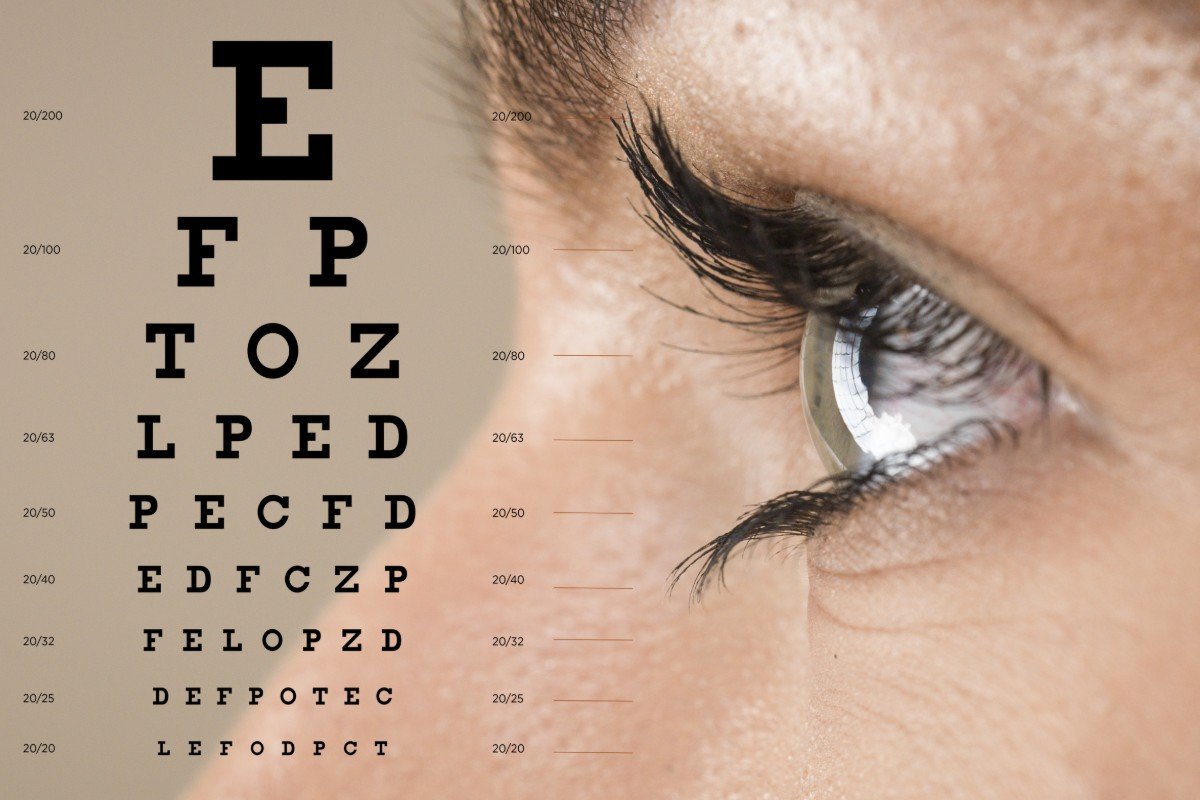
A thorough eye check is the first step in finding eye muscle issues. An eye doctor will look at how well your eyes see, how they line up, and how they move.
Key parts of a full eye check include:
- Visual acuity tests to see how sharp your vision is
- Cover tests to check if your eyes are aligned
- Ocular motility tests to see how well your eyes move
- Pupillary function tests to check your pupil’s response
Specialized Tests for Eye Movement Disorders
For some eye muscle problems, you might need special tests. These tests give more info on how your eyes move and line up.
Some special tests for eye movement issues include:
Test | Description | Purpose |
Ocular motility recordings | Measures eye movements using electrodes | Checks the range and quality of eye movements |
Electrooculography (EOG) | Records the electrical activity between the eye’s front and back | Looks at eye movement and finds problems |
Video oculography (VOG) | Uses cameras to track eye movements | Gives detailed info on eye movement patterns |
When to Seek Medical Attention ?
If you have symptoms like double vision, eye strain, or trouble moving your eyes, see a doctor. Early treatment can make a big difference and prevent serious problems.
Signs you should see a doctor include:
- Persistent double vision
- Eye pain or discomfort
- Difficulty moving your eyes
- Headaches or eye strain
Non-Surgical Treatment Options for Eye Muscle Conditions
Many eye muscle conditions can be treated without surgery. There are several non-surgical options to help improve eye movement and alignment.
Corrective Eyeglasses and Prisms
Corrective eyeglasses are often the first choice for treating eye muscle conditions. They help improve vision and reduce eye strain. Sometimes, prisms are added to the lenses to align images seen by each eye. This reduces double vision and improves eye alignment.
“Prisms in eyeglasses can greatly improve life for those with eye muscle conditions,” says Medical Expert, a leading ophthalmologist. “They align images properly, reducing eye strain and improving vision.”
Vision Therapy Exercises
Vision therapy is a program of exercises to improve eye movement and coordination. These exercises strengthen eye muscles and help the eyes work together better. It’s often used for strabismus (crossed eyes) and amblyopia (lazy eye).
- Eye tracking exercises to improve following objects
- Focusing exercises to enhance changing focus between near and far objects
- Convergence exercises to improve the eyes working together
Eye Patching Techniques
Eye patching is a common treatment for amblyopia. It covers the stronger eye, making the weaker eye work harder. This can improve its vision. The patch is worn for several hours a day, and treatment time varies based on the condition’s severity.
Medication Options
In some cases, medication is used to treat eye muscle conditions. For example, Botox injections can relax eye muscles temporarily. This helps improve alignment and reduce symptoms like double vision.
It’s essential to consult with an eye care professional to find the best treatment for your condition. They can guide you through the options and recommend the most effective plan.
Surgical Interventions for Eye Muscle Disorders
When other treatments don’t work, surgery is needed for eye muscle disorders. Surgery can fix eye alignment, improve movement, and boost eye function. We’ll look at different surgeries, like eye muscle repair, adjustable sutures, and Botox injections.
Eye Muscle Repair Surgery Procedures
Eye muscle repair surgery is very precise. It either weakens or strengthens muscles to fix eye alignment and movement. Each surgery is custom-made for the patient’s needs.
The main goal is to fix eye alignment. This improves vision, reduces eye strain, and makes the eyes look better.
Adjustable Suture Techniques
Adjustable sutures are a big step forward in eye surgery. They let surgeons make changes after the surgery. This can lead to better eye alignment.
Botox Injections for Eye Muscles
Botox is used to weaken eye muscles temporarily. It’s helpful for diagnosing or treating some eye muscle disorders. It’s great when surgery is unsure or complex.
Recovery and Post-Surgical Care
Recovery from eye surgery is usually short. It might be in the hospital or as an outpatient. After surgery, you’ll need to watch for problems, manage pain, and do eye exercises. You’ll also have follow-up visits.
Surgical Technique | Purpose | Benefits |
Eye Muscle Repair Surgery | To correct eye alignment and improve movement | Restores proper eye alignment, improves vision, reduces eye strain |
Adjustable Suture Techniques | To allow for post-operative adjustments | Enables fine-tuning of eye alignment post-surgery, potentially improving outcomes |
Botox Injections | To temporarily weaken specific eye muscles | Useful for diagnosis or treatment of certain eye muscle disorders |
Treatment Approaches for Specific Eye Muscle Conditions
Every eye muscle condition needs a treatment plan that fits the person. Conditions like strabismus, nystagmus, amblyopia, and muscle weakness can make daily life hard. We’ll look at how to treat these conditions and why care must be personalized.
Managing Strabismus in Children and Adults
Strabismus, or crossed eyes, means the eyes don’t line up right. Treatment varies by how bad it is and the person’s age. Kids need help early, which might include glasses, vision therapy, or eye patches. Sometimes, surgery is needed to fix the eyes.
Adults might get vision therapy and prism lenses to help. Botox can also be used to relax the eye muscles and improve alignment.
Treating Nystagmus Effectively
Nystagmus causes eyes to move on their own, affecting vision. Treatment includes medicines to lessen the eye movements and vision therapy to improve sight. Surgery might be needed to align the eyes better and reduce nystagmus.
Addressing Amblyopia and Vision Development
Amblyopia, or lazy eye, happens when one eye doesn’t see well because it didn’t develop right. Treatment involves eye patching and vision therapy to strengthen the weaker eye. It’s very important to start treatment early in kids to avoid lasting vision problems.
Approaches for Muscle Weakness Conditions
Eye muscle weakness can come from many things, like neurological disorders. Treatment might include vision therapy to improve eye movement and coordination. Sometimes, medicine or surgery is needed to fix the cause.
Condition | Primary Treatment Approaches | Additional Considerations |
Strabismus | Corrective eyeglasses, vision therapy, eye patching, surgery | Early intervention critical for children |
Nystagmus | Medication, vision therapy, surgery | Multi-faceted approach often necessary |
Amblyopia | Eye patching, vision therapy | Early intervention critical |
Muscle Weakness | Vision therapy, medication, surgery | Addressing underlying cause important |
Understanding each eye muscle condition and tailoring treatments can greatly improve outcomes. This personalized care can greatly enhance a person’s quality of life.
Eye Muscle Exercises to Improve Movement
Eye muscle exercises are key to better eye movement and coordination. They strengthen weak muscles, improve tracking, and enhance vision.
Convergence Exercises
Convergence exercises help the eyes focus together. Try the “near-far focus” exercise. Hold a pencil 6 inches from your nose and focus on it. Then, quickly look at something far away. Do this several times to improve your eyes’ teamwork.
Another exercise is to hold a pen at arm’s length and slowly bring it to your nose. Keep focusing on the pen’s tip until you can’t. Stop and repeat to strengthen the muscle that helps the eyes converge.
Tracking and Focusing Techniques
Tracking and focusing exercises boost eye movement and coordination. Follow a moving pen or finger with your eyes. Move it slowly and keep your head steady. This improves how well your eyes work together.
Try focusing on a point, then quickly switch to another. For example, look at a word, then at another word or an object far away. Repeat this to sharpen your focus and quickness.
Strengthening Weak Eye Muscles
Exercises can strengthen weak eye muscles. For a weak lateral rectus muscle, look sideways at an object. Move the object further and follow it with your eyes. This strengthens the muscle.
Eye rotations are also helpful. Look as far as you can to the right, then left, and repeat. Look up and down, and then diagonally in all directions. These exercises boost eye movement.
Proper Exercise Frequency and Duration
How often and long you do eye exercises matters. Start with 5-10 minutes a day and increase as your muscles get stronger. Doing these exercises daily is key to seeing improvement.
Watch how you progress and adjust your routine if needed. If you feel pain, stop and see an eye doctor. They can offer personalized advice.
Eye Muscle Disorders in Adults
Adults can also face eye muscle disorders. These can come from aging, injuries, or health issues. As we get older, our eye muscles change, which can affect how well we see.
Changes in Eye Muscles with Age
With age, our eye muscles can get weaker. This makes it harder to focus or follow moving objects. This weakening is due to several reasons, like muscle loss, brain changes, and diseases.
Adult-Onset Strabismus
Strabismus, or crossed eyes, isn’t just for kids. Adults can get it too, from things like strokes or brain injuries. It can cause double vision, eye strain, and trouble seeing depth.
Treatment Considerations for Adults
When treating eye muscle disorders in adults, many things are considered. These include the cause, how severe it is, and the person’s health. Treatments can be glasses, vision therapy, or even surgery.
Condition | Typical Symptoms | Treatment Options |
Age-related eye muscle weakness | Difficulty focusing, eye strain | Corrective eyeglasses, vision therapy |
Adult-onset strabismus | Double vision, crossed eyes | Surgical intervention, Botox injections |
Neurological conditions affecting eye muscles | Varied, depending on the condition | Treating the underlying condition, supportive eye care |
Preventing Eye Muscle Strain and Injury
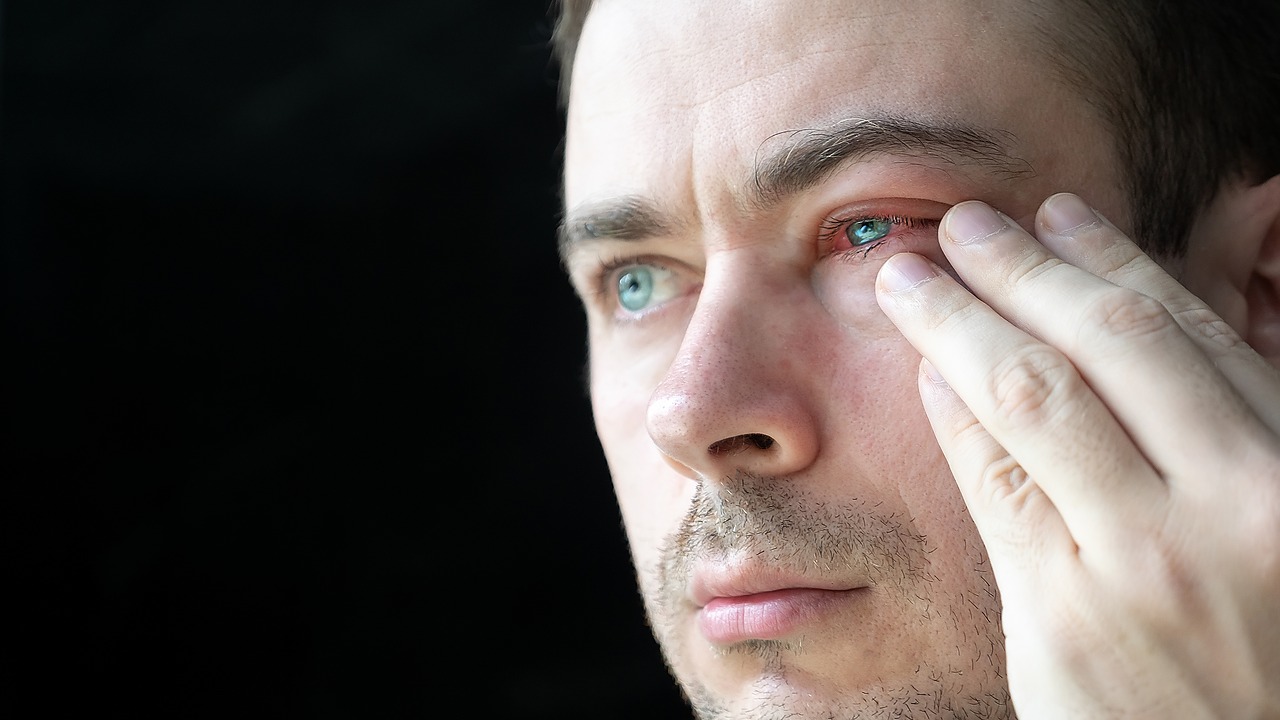
Keeping our eye muscles healthy is key. It involves proper care, regular breaks, and smart use of digital devices. With more time spent on screens, our eyes face new challenges that can cause strain and discomfort.
Proper Eye Protection
Protecting our eyes is the first step against muscle strain. Wearing the right eyewear is essential. It shields our eyes from harmful UV rays and blue light from screens. High-quality, blue light blocking glasses can greatly reduce eye strain, helping those who spend a lot of time in front of screens.
Regular Eye Breaks and Rest
Regular breaks are vital for our eye muscles to rest and recover. The 20-20-20 rule is simple yet effective. Every 20 minutes, look away from your screen and focus on something 20 feet away for 20 seconds. This reduces eye muscle strain.
Also, taking longer breaks of 5-15 minutes every hour helps. During these breaks, simple eye exercises can relax the muscles.
Early Intervention for Children
Children are more at risk of eye muscle strain because their eyes are developing. Early action is key to prevent long-term problems. Regular eye exams can catch issues early, allowing for timely treatment.
Parents and caregivers should watch for signs of eye strain in kids. Look for frequent eye rubbing, headaches, or trouble focusing. If these signs last, it’s time to see an eye care professional.
Digital Device Usage Guidelines
Digital devices are a big part of our lives. Following guidelines for their use can help prevent eye strain. Adjusting display settings to comfortable levels can ease eye strain.
Guideline | Description | Benefit |
Adjust Display Settings | Brightness and contrast to comfortable levels | Reduces eye strain |
Follow the 20-20-20 Rule | Look away every 20 minutes at something 20 feet away for 20 seconds | Gives eye muscles a break |
Position Devices Correctly | Screen at a comfortable distance and angle | Reduces strain on eye muscles |
By following these strategies, we can lower the risk of eye muscle strain and injury. This promotes better vision for both kids and adults in our digital world.
Living with Chronic Eye Muscle Disorders
Living with chronic eye muscle disorders can be tough. But, there are ways to make daily life easier. These conditions not only affect the eyes but also the quality of life.
Coping Strategies for Daily Activities
People with chronic eye muscle disorders can use several strategies for daily tasks. Vision therapy helps improve eye movement and coordination. Changing the position of digital devices or using prismatic lenses can also help a lot.
Also, taking regular breaks during tasks that need focus can reduce eye strain. We suggest trying these strategies to find what works best for you.
Support Resources and Communities
Support from family, friends, and healthcare professionals is key. Joining support groups or online communities can give a sense of belonging. It also provides access to resources and advice from others facing similar challenges.
We encourage finding these support networks to improve coping and well-being.
Adaptive Technologies and Tools
New technologies offer adaptive tools for chronic eye muscle disorders. From special glasses to software for reading, these tools can greatly improve life quality.
Exploring these options with healthcare professionals can help find the right tools for managing the condition.
Psychological Impact and Management
Chronic eye muscle disorders can affect mental health and self-esteem. It’s important to get professional help when needed.
We suggest a holistic approach that includes psychological support along with medical treatment. This can help manage the overall impact of chronic eye muscle disorders.
Conclusion
Treating eye muscle disorders needs a full approach. This includes looking at the causes and symptoms. By understanding these, people can find the right treatment and live better.
We offer a wide range of treatments. This goes from non-surgical methods to surgery, based on what each patient needs. Our goal is to help each person get better.
We focus on top-notch healthcare for eye muscle disorders. Our team works together to manage these conditions. We aim to give personalized care that helps with both the medical and emotional sides of treatment.
This way, people can get the best results and control their eye movements again. We’re here to help you see better and feel better.
Choosing us means you’ll get a detailed check-up and a treatment plan made just for you. This might include special exercises, glasses, or surgery. We’re all about improving your eye health and vision.
Frequently Asked Questions
What are eye muscle disorders?
Eye muscle disorders affect the muscles that move your eyes. They can cause vision problems and eye strain.
What are the symptoms of eye muscle disorders?
Symptoms include double vision and blurred vision. You might also feel eye strain or headaches. Some people have trouble moving their eyes.
What causes eye muscle disorders?
Many things can cause these disorders. This includes problems with how the brain controls the muscles and issues with the muscles themselves. Some cases are due to genetics or happen at birth.
How are eye muscle disorders diagnosed?
Doctors use a detailed eye exam to diagnose these disorders. They check how well your eyes move and align. They might also use special tests like imaging or electrodiagnostic tests.
What are the treatment options for eye muscle disorders?
Treatment depends on the cause and how severe the disorder is. Non-surgical options include glasses, prisms, and eye exercises. Sometimes, surgery is needed to repair the muscles.
Can eye muscle disorders be prevented?
Some disorders can’t be prevented, but you can lower your risk. Wear protective eyewear, take breaks from screens, and get early treatment for kids.
Are there any exercises that can help improve eye movement?
Yes, exercises like convergence and tracking can help. They can also strengthen weak muscles and reduce strain.
What is the importance of seeking medical attention for eye muscle problems?
Getting medical help is key for proper treatment. Untreated disorders can lead to serious problems like vision loss.
Are there any support resources available for individuals with eye muscle disorders?
Yes, there are many resources. Look for online forums, support groups, and organizations focused on eye health.