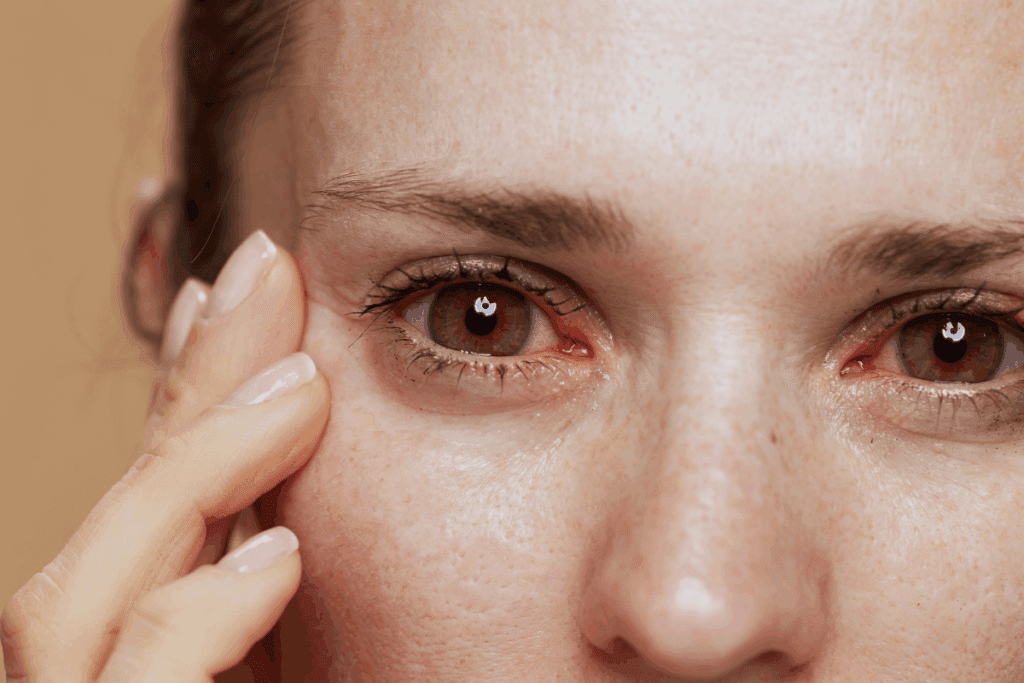
Pain behind the eyeball can be scary and really hurt, feeling like a dull ache or sharp pains. At Liv Hospital, we know this pain can come from many health problems. It affects lots of people in different ways.
Sharp pain behind the eye might be from things like migraines or sinus infections. But it could also mean a serious health issue that needs quick doctor’s care. We look at why you might feel pain in behind eyes, like from tension headaches. And we talk about when you should see a doctor.
Key Takeaways
- Knowing why you might feel pain behind your eyes is key to figuring out what to do next.
- Don’t ignore pain in your eyes, as it could mean something serious.
- Things like migraines, tension headaches, and sinus infections can cause eye pain.
- Seeing a doctor fast is important to find and treat any serious health problems.
- Getting medical help can protect your eyes and overall health.
Understanding Pain Behind the Eyeball

Pain behind the eyeball can be a dull ache or a sharp stab. It’s important to figure out where it comes from. This pain can also make your eyes water or be too sensitive to light.
Types of Pain: Dull Aches vs. Sharp Shooting Pains
The type of pain can tell us a lot about its cause. Dull aches often happen from too much screen time, causing eye strain. But sharp shooting pains might mean something more serious and need quick help.
- Dull aches: Often related to eye strain or fatigue.
- Sharp shooting pains: Could be indicative of migraines, ocular migraines, or other conditions.
Eye Anatomy and Pain Sensitivity
The eye has many parts, each feeling pain differently. The cornea and conjunctiva have lots of nerve endings. This makes them very sensitive to anything that might hurt them.
Eye problems or issues around it can cause pain elsewhere. It’s important to know the eye’s layout to find out why you’re in pain.
- The cornea is highly sensitive due to its dense innervation.
- The orbit and surrounding sinuses can also be sources of pain.
By understanding the types of pain and the eye’s structure, we can find out why it hurts. Then, we can get the right treatment.
Eye Pain Back of Eyeball: Common Causes

Pain behind the eyeball is a common issue. It can come from eye problems or other health issues that affect the eyes.
Primary Eye Conditions
Primary eye conditions directly impact the eye. Dry eye syndrome is one, where the eyes don’t make enough tears. This causes discomfort and pain.
Optic neuritis is another, where the optic nerve gets inflamed. It can lead to pain and changes in vision.
Glaucoma is a group of conditions that harm the optic nerve. If not treated, it can cause pain and vision loss.
Secondary Conditions Affecting Eye Health
Secondary conditions can also cause eye pain. Sinus infections or sinusitis can lead to pressure and pain behind the eyes. Dental problems like abscesses or infections can also cause eye pain.
Conditions like Graves’ disease can cause swelling in the orbital tissue. This leads to pain and discomfort.
Knowing if the pain is from a primary eye condition or a secondary issue helps find the right treatment.
Migraines and Ocular Migraines
Migraines and ocular migraines cause severe pain behind the eyeball. They affect about 2 in 10 people. This makes them a common cause of discomfort.
Causes of Extreme Eye Pain
Migraines can cause extreme eye pain. They affect blood vessels and nerve pathways. Blood vessels expand, leading to throbbing pain.
This pain can be behind one eye. It can feel like a dull ache or sharp pains.
Triggers like stress, certain foods, or hormonal changes can make pain worse. Knowing these triggers helps manage migraines.
Distinguishing Features and Triggers
Ocular migraines cause visual disturbances. You might see flashes of light or zigzag patterns. They may not always have headache pain.
Finding what triggers migraines and ocular migraines is key. Common triggers include diet, stress, and hormones. Keeping a headache diary helps track when and why migraines happen.
Trigger | Description | Prevention Strategy |
Dietary Factors | Certain foods and additives can trigger migraines. | Avoid foods known to trigger migraines, such as aged cheeses and chocolate. |
Stress | High levels of stress can precipitate a migraine. | Practice stress-reducing techniques like meditation or yoga. |
Hormonal Changes | Fluctuations in estrogen levels can trigger migraines. | Monitor hormonal changes and discuss preventive measures with a healthcare provider. |
Understanding migraines and ocular migraines helps manage them. Knowing causes, features, and triggers reduces pain and episodes.
Tension Headaches and Pressure Behind the Eyes
Tension headaches cause muscle tension in the neck and scalp. This leads to pain and pressure behind the eyes. Over 80 percent of people get tension headaches, making it a common issue.
Mechanisms of Referred Pain to the Eye
Referred pain is when pain feels like it’s coming from somewhere else. Tension headaches often send pain to the eyes. This is because nerves in the scalp and neck connect with those from the eyes.
The trigeminal nerve is key in this process. It carries sensory info from the face, including the eyes, to the brain. When neck and scalp muscles tense up, they can activate the trigeminal nerve. This causes pain to feel like it’s behind the eyes.
Identifying Tension-Related Eye Discomfort
To figure out if your eye pain is from tension headaches, look at your symptoms. Tension-related eye pain feels like a dull ache or pressure, not sharp.
Here are some signs to watch for:
- Dull ache or pressure behind the eyes
- Pain that gets worse with stress or tiredness
- Tightness or tension in the neck and scalp muscles
To show how tension headaches and eye pain are linked, let’s look at a table:
Symptom | Tension Headache | Other Causes of Eye Pain |
Nature of Pain | Dull ache or pressure | Sharp, stabbing, or burning |
Location of Pain | Often bilateral; can be behind the eyes | Can be unilateral or bilateral; varies by condition |
Triggers | Stress, fatigue, muscle tension | Varies; can include injury, infection, or other medical conditions |
Knowing what causes tension headaches and how they relate to eye pain helps manage discomfort. Recognizing signs and triggers can help ease tension-related eye pain.
Digital Eye Strain and Screen-Related Pain
More and more of us use digital devices every day. This has led to a big increase in screen time. We use computers, smartphones, and TVs for work and fun.
Digital eye strain, or computer vision syndrome, is a big problem. It causes dry eyes, headaches, blurry vision, and neck pain. It happens because of how we use digital devices, our environment, and our eye health.
Effects of Prolonged Screen Use on Eye Health
Looking at screens for a long time can strain our eyes. We blink less, which makes our eyes dry. The blue light from screens can also cause eye strain and mess up our sleep.
Poor setup of our screens and lighting can make eye pain worse. This includes screens that are too high or too far away.
Key factors contributing to digital eye strain include:
- Prolonged screen time without regular breaks
- Inadequate lighting or glare on the screen
- Poor screen ergonomics, such as incorrect height or distance
- Pre-existing vision problems or eye conditions
Prevention Strategies for Digital Eye Strain
There are ways to prevent eye strain from screens. One good method is the 20-20-20 rule. Look away from your screen every 20 minutes and focus on something 20 feet away for 20 seconds.
“The key to reducing digital eye strain is a combination of good screen habits, proper ergonomics, and regular eye care.”
Other ways to prevent eye strain include:
- Maintaining a comfortable viewing distance and screen height
- Using good lighting that minimizes glare on the screen
- Blinking regularly or using artificial tears to keep eyes moist
- Limiting screen time and taking regular breaks
By following these tips, we can lower our risk of eye strain. It’s also important to get regular eye exams, even if we spend a lot of time in front of screens.
Sinus Infections and Sphenoid Sinusitis
Sinus infections, like sphenoid sinusitis, can cause eye pain. This symptom puzzles many. The sinuses are air-filled spaces in the nose. When they get infected or inflamed, it can lead to eye pain.
The Connection Between Sinuses and Eye Pain
The sphenoid sinus is near the brain’s base and the optic nerve. The optic nerve is key for vision. An infection here can cause eye pain.
Sphenoid sinusitis is rare but serious. Its location near the optic nerve makes it more likely to cause eye pain. The infection can also cause inflammation that affects the eyes.
Recognizing and Treating Sinus-Related Eye Pain
To spot sinus-related eye pain, look for other symptoms. These include facial headaches, fever, cough, congestion, and sinus drainage. If you have these symptoms with eye pain, see a doctor.
- Diagnosis: Doctors use MRI or CT scans to see the sinuses and check the infection’s size.
- Treatment: Treatment may include antibiotics for bacterial infections. Sometimes, surgery is needed to relieve pressure and infection.
As a medical expert says, “Quick treatment of sinus infections, like sphenoid sinusitis, is key. It helps prevent complications and eases symptoms like eye pain.”
Understanding the link between sinus infections and eye pain helps us diagnose and treat better. This brings relief to those affected.
Serious Conditions: Optic Neuritis and Glaucoma
Pain behind the eyeball can be a sign of serious issues like optic neuritis or glaucoma. These need quick medical help to avoid vision loss.
Optic Neuritis: Inflammation and Vision Changes
Optic neuritis causes inflammation and swelling of the optic nerve. This leads to pain and temporary vision loss. It might also be linked to multiple sclerosis, a disease affecting the central nervous system.
The symptoms of optic neuritis can vary but often include:
- Pain behind the eyeball, specially when moving the eye
- Temporary vision loss or blurring
- Impaired color vision
- Flashing lights or other visual disturbances
To diagnose, doctors do a detailed eye exam, visual field tests, and sometimes MRI scans. These help check the optic nerve and rule out other issues.
Glaucoma: Pressure, Pain, and Prevention
Glaucoma is a group of eye conditions that harm the optic nerve. This usually happens because of too much pressure in the eye. If not treated, it can cause vision loss and even blindness.
Key aspects of glaucoma include:
- Pressure Buildup: High eye pressure is a big risk factor.
- Pain and Discomfort: In early stages, glaucoma might not show symptoms. But, it can cause severe eye pain in acute angle-closure glaucoma.
- Prevention and Treatment: Catching it early through regular eye exams is key. Treatment includes medicines, laser surgery, or traditional surgery to lower eye pressure and stop further damage.
Knowing the risk factors and symptoms of these serious eye conditions helps in getting medical help early. This can help save vision and eye health.
Unexpected Causes of Eye Pain
Eye pain can come from many sources, some not so obvious. Dental issues and certain diseases are among these. It’s key to know these causes for the right treatment.
Dental Problems and Referred Pain to the Eye
Dental problems can send pain to the face, including the eyes. This is called referred pain. Tooth decay, gum disease, and TMJ disorders often cause eye pain.
- Tooth decay and cavities can cause localized pain that sometimes radiates to the eye.
- Gum disease, in its advanced stages, can lead to pain in the surrounding facial areas.
- TMJ disorders can cause jaw pain that may be felt in the eyes.
It’s important to know dental problems can cause eye pain. Fixing these issues can help with eye discomfort.
Graves’ Disease and Orbital Tissue Swelling
Graves’ disease affects the thyroid gland and can impact the eyes. It can cause orbital tissue swelling, leading to pain behind the eyeball.
Graves’ disease can cause:
- Inflammation and swelling of the tissues around the eye.
- Protrusion of the eyeballs (exophthalmos) due to fat and inflammatory cells behind the eyeball.
- Double vision and discomfort from swelling and muscle issues around the eye.
Knowing the link between Graves’ disease and eye pain is vital. It may mean a more detailed check-up is needed.
In conclusion, dental problems and Graves’ disease show the need for a complete look at eye pain. A wide range of causes helps doctors find better treatments.
Treatment Options for Pain Behind the Eyeball
Understanding the cause of pain behind the eyeball is key to finding relief. There are many ways to treat this pain, from simple home remedies to more complex medical treatments.
Home Remedies and Self-Care Strategies
For mild pain, home remedies can help. Warm or cold compresses can ease pain and swelling. Drinking lots of water is also important to avoid dehydration.
Resting your eyes is vital, like when using digital screens. The 20-20-20 rule helps reduce eye strain. Adjusting your screen settings can also make a difference.
- Apply warm or cold compresses to reduce pain and inflammation
- Stay hydrated to prevent dehydration-related eye strain
- Rest your eyes regularly, following the 20-20-20 rule
- Adjust screen display settings for comfort
Medical Treatments Based on Underlying Causes
When home remedies don’t work, medical treatments are needed. For sinus infections, antibiotics or decongestants might be prescribed. Medications for migraines or tension headaches can also help.
Underlying Cause | Medical Treatment |
Sinus Infection | Antibiotics, Decongestants |
Migraines/Tension Headaches | Triptans, NSAIDs, Preventive Medications |
Glaucoma | Eye Drops (Prostaglandin Analogs, Beta Blockers), Surgery |
In severe cases, like optic neuritis or glaucoma, more serious treatments are needed. These might include corticosteroids for optic neuritis or medications and surgery for glaucoma.
Seeing a healthcare professional is important to find the right treatment. Knowing the cause and using the right treatment can help manage this pain.
When to Seek Immediate Medical Attention
Knowing when to get help for eye pain is important. Some symptoms mean you need to see a doctor right away. This is because they could be signs of a serious problem.
Red Flag Symptoms That Shouldn’t Be Ignored
Some eye pain symptoms need quick medical help. This is to avoid serious problems. Here are some:
- Severe and persistent pain that doesn’t go away with rest or common pain meds.
- Headache or fever with eye pain, which might mean an infection or swelling.
- Extreme light sensitivity, making it hard to handle normal light.
- Sudden vision changes, like blurred vision, double vision, or losing vision.
If you have any of these symptoms, you should see a doctor or go to the emergency room. It depends on how bad it is.
Emergency vs. Non-Emergency Situations
It’s important to know when to go to the emergency room and when not to. Here’s a table to help:
Symptom | Emergency | Non-Emergency |
Pain Severity | Severe, sharp, or stabbing | Mild, dull, or aching |
Vision Changes | Sudden loss or significant change | Gradual change or blurriness |
Light Sensitivity | Extreme sensitivity | Mild discomfort |
Knowing these differences helps you make better choices for your eye health. If you’re unsure, it’s safer to get medical help.
Stay careful with your eye health. If you notice any red flag symptoms, get medical help right away. Quick action can make a big difference.
Conclusion: Managing and Preventing Eye Pain
Understanding why we get pain behind our eyes helps us prevent it. Taking care of our eyes is key to avoiding this pain. It’s important to keep our eye care habits up to date.
Breaking up screen time, managing stress, and keeping our eyes clean are simple steps. These actions help prevent eye pain. Adding these habits to our daily lives can improve our eye health.
Managing eye pain requires both self-care and sometimes medical help. Being proactive about eye care can greatly lower the chance of eye pain. This approach is essential for our eye health.
FAQ
What are the common causes of pain behind the eyeball?
Pain behind the eyeball can be caused by migraines, tension headaches, and sinus infections. Dry eye syndrome and dental problems also play a role. Knowing the cause is key to finding the right solution.
How do migraines cause pain behind the eyeball?
Migraines lead to eye pain by widening blood vessels and releasing pain chemicals. Ocular migraines can even cause temporary vision loss or blind spots.
What is the connection between sinus infections and eye pain?
Sinus infections can cause eye pain because of their close location to the eyes. Sphenoid sinusitis, in particular, can lead to severe eye pain.
Can dental problems cause pain behind the eyeball?
Yes, dental issues like abscessed teeth or gum disease can cause eye pain. This pain often affects one side of the face.
What are the symptoms of optic neuritis?
Optic neuritis causes inflammation of the optic nerve. Symptoms include vision changes, pain, and light sensitivity. Quick medical care is vital to avoid vision damage.
How can I prevent digital eye strain?
To avoid digital eye strain, follow the 20-20-20 rule. Look away from screens every 20 minutes for 20 seconds at something 20 feet away. Adjusting display settings and taking breaks also helps.
What are the red flag symptoms that require immediate medical attention?
Seek immediate medical help for sudden vision loss, severe eye pain, double vision, and light sensitivity. These are red flag symptoms.
Can glaucoma cause pain behind the eyeball?
Yes, glaucoma can cause eye pain due to increased eye pressure. Quick medical care is essential to prevent vision loss.
How can I manage and prevent eye pain?
To manage and prevent eye pain, keep your eyes clean, take breaks from screens, and see a doctor for persistent pain.
What is the role of eye anatomy in pain sensitivity?
The eye’s anatomy makes it sensitive to pain. It has many pain-sensitive nerves, making it prone to pain from conditions like dry eye and migraines.
Can tension headaches cause pressure behind the eyes?
Yes, tension headaches can cause eye pressure due to facial muscle tightening. Recognizing tension-related eye discomfort is important for managing it.
What are the treatment options for pain behind the eyeball?
Treatments include home remedies, self-care, and medical treatments based on the cause. Understanding the cause is key to effective treatment.
References
Government Health Resource. Pain Behind the Eyeball: Causes and When to Worry. Retrieved from https://www.aao.org/disease-review/optic-neuritis