

Double vision, or diplopia, affects about 4% of people in the U.S. It makes everyday life harder and affects how we feel. At Liv Hospital, we know how tough it is to deal with double vision. We offer top-notch treatments, including eye surgery for diplopia.
The American Association for Pediatric Ophthalmology and Strabismus (AAPOS) says adults can get the same treatments as kids for strabismus. This includes surgery. We use the latest surgical methods and care with kindness. Our goal is to help you see the world clearly again.
Explore eye surgery for double vision. This essential guide explains the options, including eye muscle surgery, to fix diplopia.
Key Takeaways
- Double vision, or diplopia, affects a significant portion of the U.S. population.
- Advanced eye surgery options are available for treating diplopia.
- Liv Hospital offers international expertise and patient-centered care.
- Strabismus surgery is a viable treatment option for adults.
- Seeking medical attention is key to easing symptoms.
Understanding Double Vision (Diplopia)
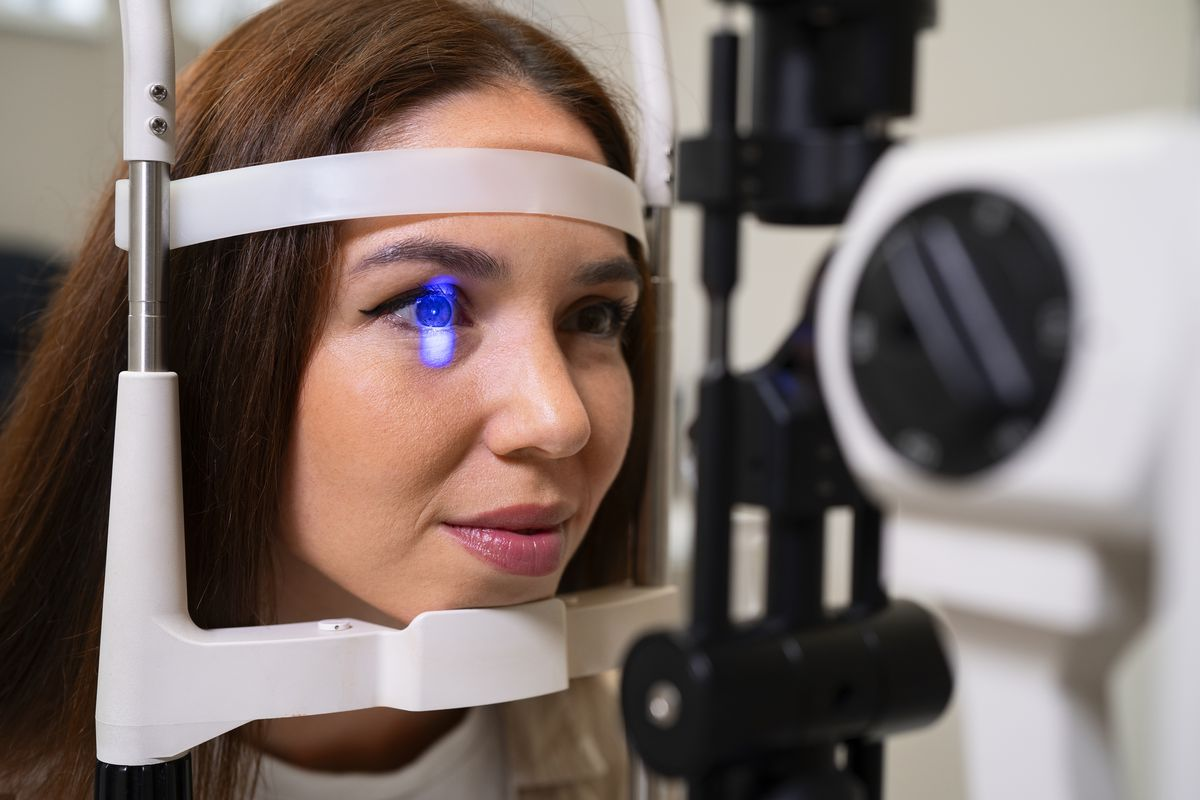
Diplopia, or double vision, can stem from many causes. These range from simple eye issues to serious health problems. We’ll look into what causes it, how common it is, and its effects on daily life. We’ll also talk about when you should see a doctor.
What Causes Double Vision
Many things can cause double vision. These include astigmatism, cataracts, and muscle problems. Serious issues like stroke, diabetes, or thyroid disorders can also cause it. Knowing the cause is key to finding the right treatment.
Prevalence and Impact on Daily Life
Diplopia can make everyday tasks hard. It affects people of all ages. Some groups and conditions are more likely to experience it.
Cause | Effect on Vision | Potential Treatment |
Astigmatism | Distorted vision at all distances | Corrective lenses or surgery |
Cataracts | Cloudy vision, potentially double vision | Surgical removal of cataract |
Stroke or Brain Injury | Double vision due to nerve damage | Vision therapy or prism glasses |
When to Seek Medical Attention
If you have sudden or persistent double vision, see a doctor. Also, if you have headaches, dizziness, or eye pain, get help. Early diagnosis is important for serious health issues.
Diagnosing the Underlying Causes of Double Vision
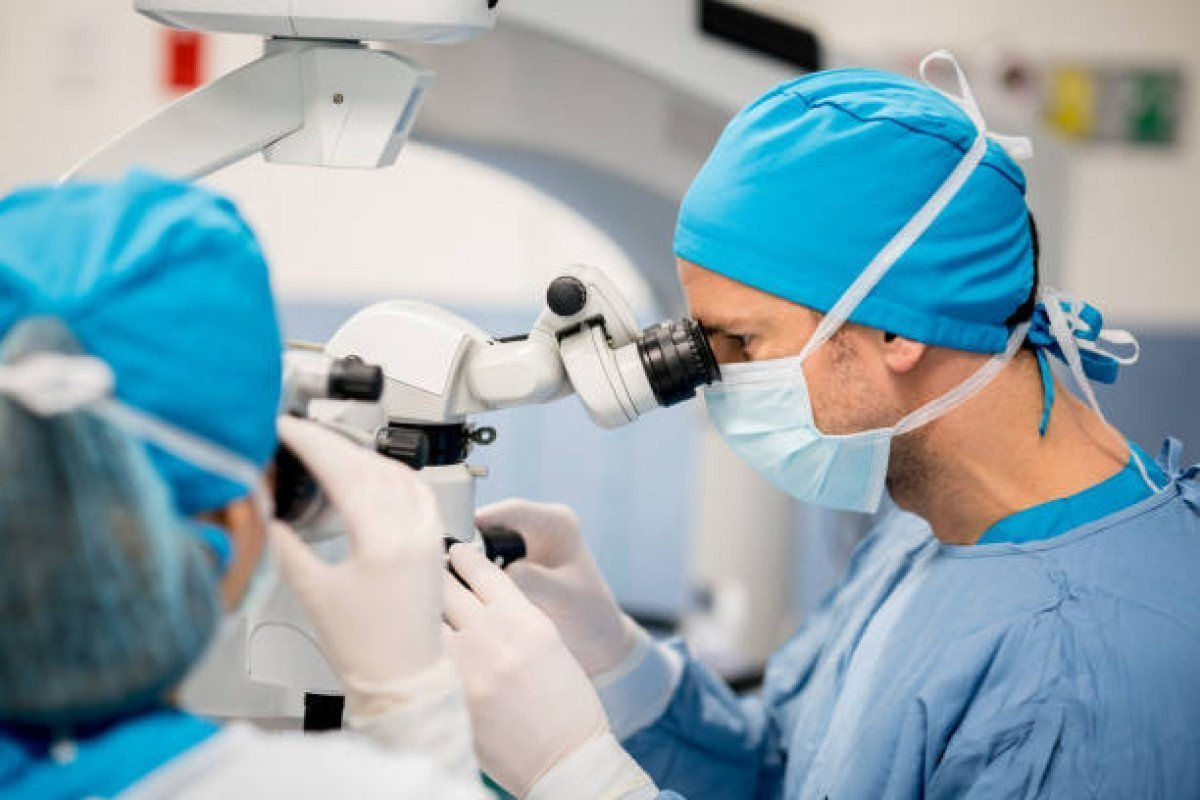
To treat double vision, finding the root cause is key. We use tests to find out why it happens. This can be from strabismus to serious health issues.
Common Diagnostic Tests and Procedures
There are many tests to find double vision causes. These include:
- Prism Cover Tests: Check how eyes align and work together.
- Sensory Testing: See how the brain handles visual info from both eyes.
- Visual Acuity Tests: Check how sharp each eye can see.
- Ocular Motility Tests: Look at how eyes move.
These tests help us see how eyes work and find double vision causes.
Identifying Strabismus and Eye Misalignment
Strabismus, or misaligned eyes, often causes double vision. We check eye alignment and movement. Tests like the prism cover test help us see how much misalignment there is.
Ruling Out Serious Medical Conditions
Double vision can also mean a serious health issue, like a brain problem. We look at your medical history and do a full check. This might include scans to find any hidden problems.
Our detailed diagnostic process helps us find the real cause of double vision. Then, we can make a good treatment plan.
Non-Surgical Treatment Options for Diplopia
Non-surgical treatments can help manage diplopia, or double vision. These options are worth trying before surgery. They can offer relief for those with double vision.
Prism Glasses and Their Effectiveness
Prism glasses are a common non-surgical treatment for diplopia. They have prisms that bend light. This helps align images seen by each eye.
Benefits of Prism Glasses:
- Can be customized to the individual’s specific needs
- Non-invasive and reversible
- Can be used in conjunction with other treatments
Studies show prism glasses help 60-80% of patients with double vision.
Medication Options for Specific Causes
In some cases, diplopia is caused by conditions that can be treated with medication. For example, thyroid-related eye disorders or certain neurological conditions may require specific drugs.
Medication Considerations:
- Identify the underlying cause of diplopia
- Consult with a healthcare professional to determine the appropriate medication
- Monitor for side effects and adjust treatment as needed
Vision therapy is another non-surgical option for diplopia. It involves exercises to improve eye coordination and strengthen muscles.
Exploring these non-surgical treatments can help those with diplopia. It can improve their quality of life by reducing double vision.
When Is Eye Surgery for Double Vision Necessary?
If other treatments for double vision don’t work, eye surgery might be needed. This is considered when other treatments have failed to help.
Failure of Conservative Treatments
First, we check if conservative treatments have worked. We look at the success of prism glasses and medication. If they don’t help enough, surgery is an option.
At first, we try treatments like prism glasses and medication. But if they don’t work, we look at other ways to fix double vision, like surgery.
Severity Considerations
The severity of double vision is key in deciding on surgery. Those with severe diplopia might need surgery more than those with mild symptoms.
We look at how often double vision happens and how it affects daily life. For example, if it’s always there and makes driving or reading hard, surgery might be needed.
Quality of Life Impact Assessment
Double vision’s effect on quality of life is also important. If it makes daily tasks hard, enjoying hobbies, or socializing tough, treatment is urgent.
We look at how double vision affects a person’s life. If it makes daily life very hard, surgery could greatly improve their life.
Types of Eye Surgery for Double Vision
There are many surgeries for double vision, from strabismus to eye muscle adjustments. It’s key to know the different methods and how they fix double vision.
Strabismus Surgery Overview
Strabismus surgery fixes double vision from misaligned eyes. It changes the eye muscles’ length or position. Techniques like recession and resection help align the eyes.
The American Association for Pediatric Ophthalmology and Strabismus (AAPOS) says these methods work for kids and adults.
Eye Muscle Surgery Techniques
Eye muscle surgery is vital for treating double vision. Surgeons use various methods to adjust the muscles, including:
- Recession: This detaches and reattaches the muscle further back, weakening it.
- Resection: Shortening the muscle strengthens its effect, improving alignment.
- Transposition: This repositions the muscle to correct complex misalignments.
Adjustable Suture Techniques
Adjustable suture techniques are a flexible approach to strabismus surgery. They allow for post-operative adjustments. This method uses sutures that can be tightened or loosened after surgery.
This technique is great for complex cases or when there’s a risk of incorrect correction.
Knowing the different eye surgeries for double vision helps patients choose the right treatment. Talking to an experienced ophthalmologist or strabismus specialist is important for the best surgical plan.
Surgery for Double Vision in Adults
Surgery for double vision in adults needs a careful plan. This plan must consider the unique reasons and challenges of diplopia in adults. Adult patients often face complex eye movement problems, making a detailed check before surgery very important.
Special Considerations for Adult Patients
When thinking about double vision surgery in adults, we must look at the patient’s health, how bad their double vision is, and what they hope to get from surgery. Adults with strabismus can greatly benefit from surgery. But, the success of the surgery depends on many things, like the cause of their condition.
Adult strabismus surgery is often more complicated than in kids. This is because adults might have other eye or health problems. So, a full check before surgery is key to know if there are any issues that could affect the surgery’s success.
Addressing Nerve Palsies and Paralytic Strabismus
Nerve palsies and paralytic strabismus are common reasons for double vision in adults. Nerve palsy treatment often includes both non-surgical and surgical steps. The aim of surgery is to fix the eye alignment and improve vision together.
Cause | Surgical Approach | Expected Outcome |
Third Nerve Palsy | Adjustable suture strabismus surgery | Improved ocular alignment |
Fourth Nerve Palsy | Superior oblique tendon surgery | Correction of torsional diplopia |
Sixth Nerve Palsy | Medial rectus recession and lateral rectus resection | Restoration of binocular vision |
Treating Muscle Restrictions and Mechanical Issues
Muscle restrictions and mechanical problems, like those from thyroid eye disease, can cause double vision in adults. Surgery aims to fix the tight muscles and improve eye movement.
The surgery for muscle restrictions usually involves recession and/or resection of muscles. The goal is to fix the eye alignment and improve vision together.
In conclusion, double vision surgery in adults is a very specialized field. It needs careful thought about the patient’s unique situation and needs. By knowing the reasons for double vision and the surgery options, patients can make better choices about their treatment.
Success Rates and Outcomes of Diplopia Surgery
Surgery for double vision can be very effective. But, success rates can change based on many factors. We will look at these factors and the results of diplopia surgery. This will help patients know what to expect.
Factors Affecting Surgical Success
The success of diplopia surgery depends on several things. These include the cause of double vision, how severe it is, and the patient’s health. Pre-operative assessment is key in figuring out if surgery will work well. Things like strabismus, muscle weakness, or nerve palsies can make surgery more complex.
Patient selection is also very important. Surgeons check the patient’s medical history, how stable their condition is, and if they can handle surgery. The surgeon’s skill and experience also play a big role in the outcome.
Statistical Success Rates by Underlying Condition
Success rates for diplopia surgery change based on the cause. For example, strabismus surgery often has success rates between 80-95%. This is according to the London Squint Clinic.
Underlying Condition | Success Rate |
Strabismus | 80-95% |
Nerve Palsies | 70-85% |
Eye Muscle Weakness | 60-80% |
Potential Need for Multiple Surgeries
Some patients might need more than one surgery to get the results they want. The need for more surgeries depends on how complex the condition is and how the first surgery goes. Adjustable suture techniques can sometimes help tweak the first surgery’s results. This might lower the need for more surgeries.
We suggest talking to your surgeon about your specific situation. Discuss how likely you are to need more surgeries during your consultation.
Recovery and Aftercare Following Eye Muscle Surgery
Recovering from eye muscle surgery takes time, care, and knowing what to expect. It’s key to follow your surgeon’s post-operative instructions for a smooth recovery.
Immediate Post-Operative Care
Right after surgery, we focus on your comfort and eye health. You’ll be watched for a bit before going home. It’s important to have someone with you because your vision might be blurry and you could feel uncomfortable.
Key aspects of immediate post-operative care include:
- Resting your eyes and avoiding strenuous activities
- Using prescribed eye drops to aid in healing
- Attending follow-up appointments as scheduled
Pain Management and Possible Complications
Managing pain well is important during recovery. Some pain is normal, but severe pain or unusual symptoms need to be told to your surgeon right away. Rare complications can include infection, eye alignment issues, and double vision.
Be aware of signs of complications like increased redness, swelling, or vision problems. If you notice these, call your healthcare provider quickly.
Long-Term Follow-Up Requirements
Regular check-ups after surgery are key to see how well the surgery worked. Your surgeon will check your eye alignment and vision, and make any needed changes.
During your follow-up appointments, your surgeon will:
- Evaluate the alignment of your eyes
- Assess your vision and address any concerns
- Provide guidance on ongoing care and any further treatment needed
By following the care instructions and going to your follow-up appointments, you can improve your recovery and get the best results from your surgery.
Conclusion: Making Informed Decisions About Double Vision Treatment
Understanding double vision and its treatments is key. We’ve looked at different ways to fix diplopia, like non-surgical methods and eye surgery. It’s important to make smart choices for the best results.
Seeing an ophthalmologist, like those at Broberg Eye Care, is a good first step. They work with groups like the American Association for Pediatric Ophthalmology and Strabismus (AAPOS). They can find the right treatment for you.
Getting advice from a professional can help you understand your options. If you have double vision, don’t wait. See an eye care expert to start fixing your vision.
FAQ
What is double vision (diplopia), and how does it affect daily life?
Double vision, or diplopia, is when you see two images of one thing. It makes everyday tasks hard, like reading and driving.
Can double vision be corrected, and what are the available treatment options?
Yes, double vision can be fixed. Treatments depend on the cause and might include prism glasses, vision therapy, or surgery.
What is strabismus, and how is it related to double vision?
Strabismus is when your eyes don’t line up right, causing double vision. Surgery can fix this by aligning your eyes.
When is eye surgery considered necessary for double vision?
Surgery is needed when other treatments don’t work. It’s for severe double vision that affects your daily life.
What are the different types of eye surgery used to treat double vision?
There are several surgeries for double vision. These include strabismus surgery and eye muscle surgery. They aim to fix eye alignment.
How successful is surgery for double vision, and what are the outcomes?
Surgery success varies by case. It often greatly improves or clears up double vision. Some might need more than one surgery.
What is the recovery process like after eye muscle surgery?
Recovery involves care right after surgery and managing pain. Follow-ups are key to ensure the best results.
Can adults benefit from surgery for double vision, and what are the special considerations?
Yes, adults can get surgery for double vision. They need special care for nerve issues and muscle problems.
How do I know if I am a candidate for eye surgery to correct double vision?
Talk to an eye specialist to see if surgery is right for you. They’ll check your condition and suggest the best treatment.
What are the possible complications of eye muscle surgery, and how are they managed?
Complications like infection or uneven vision can happen. They’re handled with good care after surgery and follow-up visits.
References
National Center for Biotechnology Information. Double Vision: Surgical Treatment Options and Considerations. Retrieved from https://www.ncbi.nlm.nih.gov/books/NBK441905/



 Departments
 Related Videos
 Our Doctors
 News
News