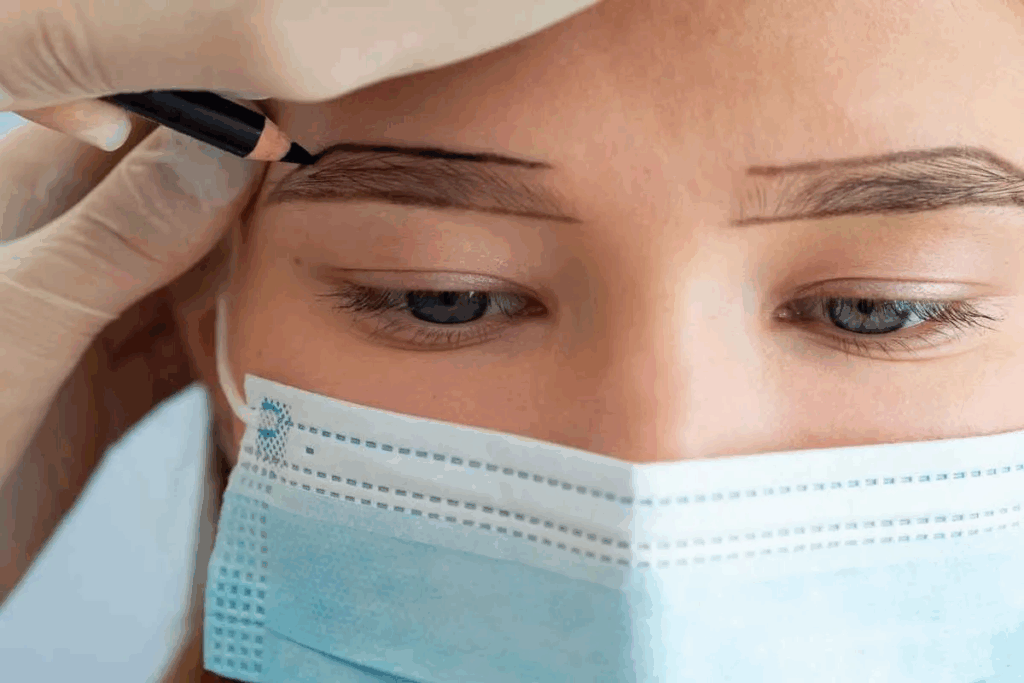
Recovering from brow lift surgery needs careful planning and patience. At places like Liv Hospital, we focus on your needs and follow the best practices. This helps make your recovery process smoother.
Knowing the brow lift recovery timeline helps you prepare better. The swelling and bruising usually get worse in the first few days. They start to fade in 10-14 days. Most people can go back to work in one to two weeks, based on the surgery type.
This is your ultimate day-by-day eyebrow lift recovery guide. Get the best tips for a fast, smooth, and successful healing process.
Key Takeaways
- The complete recovery timeline extends approximately six months.
- Initial swelling and bruising peak around days 2-4.
- Most patients return to work within one to two weeks.
- Post-operative care is key for a smooth recovery.
- We use patient-centered care and evidence-based protocols for the best results.
Understanding Eyebrow Lift Surgery

Eyebrow lift surgery, also known as brow lift, rejuvenates the upper face. It addresses concerns like drooping eyebrows and deep forehead lines. This makes the face look younger and refreshed.
Types of Eyebrow Lift Procedures
There are several eyebrow lift surgery techniques. Each has its own benefits. The main methods include:
- Endoscopic Brow Lift: A minimally invasive procedure using an endoscope to visualize the area.
- Traditional Coronal Lift: A more invasive method involving a longer incision.
- Temporal Brow Lift: Focuses on the outer brow area.
- Direct Brow Lift: Involves a direct incision above the brow.
Each technique is chosen based on the patient’s specific needs and the surgeon’s recommendation.
Benefits and Expected Results
The benefits of brow lift surgery include a more youthful look. It also improves facial harmony and reduces signs of aging. Patients can expect:
- A smoother forehead
- Elevated eyebrows
- A more alert and refreshed look
These results contribute to a more vibrant and youthful appearance.
Ideal Candidates for Brow Lift Surgery
Ideal candidates for brow lift surgery have drooping eyebrows or deep forehead lines. They look older or tired because of it. Candidates are in good health, have realistic expectations, and want to rejuvenate their face.
Preparing for Your Eyebrow Lift Recovery

Getting ready for your eyebrow lift recovery is key. You need to set up your recovery space and get support. Think about how to make your healing process smooth and comfy.
Essential Items for Your Recovery Kit
Having the right stuff is important for feeling better and healing. Your kit should have:
- Cold compresses to reduce swelling
- Pillows to keep your head up while sleeping
- Medications to manage pain and prevent infection
- Easy-to-wear comfy clothes
Setting Up Your Recovery Space
Making your recovery space comfy is important. Think about:
- Creating a quiet, comfy spot to rest
- Keeping important things within reach
- Preparing meals ahead or getting them delivered
A well-prepared space can reduce stress and help your well-being.
Arranging for Post-Surgery Support
Having a support system is key for a good recovery. It’s a good idea to have someone with you to help with:
- Managing your meds
- Preparing meals
- Driving you to follow-up appointments
“Having support during recovery can greatly improve your experience. It’s not just about help with tasks; it’s also about emotional support.”
— Expert Opinion
By getting your recovery kit ready, setting up a comfy space, and arranging for support, you can make your brow lift recovery smoother. Swelling and bruising usually peak in days 2-4 and go away in 10-14 days after surgery.
Day of Surgery: What to Expect
Getting ready for your eyebrow lift surgery? Knowing what to expect on the big day is key. We get it, it’s both thrilling and a bit scary. So, we’re here to walk you through it all.
Immediate Post-Operative Care
Right after waking up, you might see some bleeding, numbness, tenderness, and bruising. It’s all normal. Your surgeon will give you post-operative care instructions to follow. Having a friend or family member there to help is a big plus.
“The first few hours after surgery are key for a smooth recovery,” says Dr. [Last Name], a top plastic surgeon. “Following the surgeon’s instructions closely can really help your healing.”
Hospital to Home Transition
Going from the hospital to home should be easy and well-thought-out. It’s a good idea to have someone with you for the first night. They’ll be a big help for your comfort and safety. Make sure your home is ready with ice packs, comfy pillows, and any meds you need.
First 24 Hours After Surgery
In the first 24 hours, swelling, bruising, and some pain are common. To ease these, keep your head up, use ice packs as told, and take your meds. Most people go back to work in about a week after endoscopic brow lifts and two weeks after other surgeries. Just stick to your surgeon’s advice, and you’ll get through it okay.
Keep an eye on how you’re feeling and watch for any signs of trouble. If you have severe pain, more swelling, or anything odd, reach out to your surgeon right away.
Days 1-3: Managing Initial Eyebrow Lift Recovery
The first 72 hours after an eyebrow lift are key for healing well. It’s important to handle swelling, bruising, and pain right. Also, take good care of your incisions.
Peak Swelling and Bruising Management
Swelling and bruising are common after an eyebrow lift. They usually get worse in the first 48 hours. To lessen these, keep your head up, even when you sleep. This helps reduce swelling.
Also, using cold compresses gently on the area can help with bruising and pain.
Pain Control and Medication Schedule
Managing pain is a big part of your recovery. We’ll give you a plan for taking medicine. This will help keep your pain low. It’s important to stick to this plan and not take more medicine than you should.
Sleeping Position and Head Elevation
Keeping your head up while sleeping is very important in the first few days. Use extra pillows to support your head and neck. This keeps them above your heart, which helps reduce swelling.
Initial Incision Care
It’s very important to take good care of your eyebrow lift incision sites. Follow the cleaning instructions given by your surgeon carefully. Avoid using harsh products or makeup near the incisions until it’s okay to do so.
By managing these things well in the first three days, you can help your eyebrow lift recovery time go smoothly. If you have any worries or questions, always talk to your healthcare provider.
Days 4-7: Early Healing Progress
Patients in the second half of their first week after eyebrow lift surgery see big improvements. Swelling and bruising start to go down as the body heals.
Decreasing Swelling and Bruising
Most patients notice swelling and bruising start to fade. This is a good sign that healing is on track. By the end of the first week, swelling and bruising should be less. Patients will start to see the results of their surgery.
First Follow-up Appointment
Patients usually have their first check-up with the surgeon around this time. This visit is important for checking how well the body is healing. It’s also a chance to talk about any worries or questions.
Activity Restrictions During First Week
Even with progress, it’s important to stick to activity limits in the first week. Avoiding hard work, heavy lifting, and bending is key. Following these rules helps ensure a smooth recovery.
Managing Discomfort and Sensations
As healing happens, patients might feel numbness, tingling, or itching. These feelings are normal and will pass. It’s important to manage any discomfort well to have a comfortable recovery.
Activity | Allowed During First Week | Restrictions |
Light Walking | Yes | Short distances only |
Strenuous Exercise | No | Avoid for at least 7-10 days |
Heavy Lifting | No | Avoid for at least 7-10 days |
Bending | No | Avoid for at least 7-10 days |
By weeks 3-4, most light daily activities can be done with little restriction. It’s a slow process, but patience is important for the best results from the open brow lift surgery.
Days 8-14: Returning to Light Activities
Between days 8 and 14, most patients start to ease back into their usual activities. This is a key time for healing and slowly getting back to normal routines.
Returning to Work Timeline
The time it takes to go back to work varies. It depends on your job and the type of eyebrow lift surgery. Desk jobs usually allow a return within 7 to 10 days. Jobs that are more physically demanding might take up to two weeks.
Always listen to your surgeon about when to go back to work. They can give you advice based on how you’re healing.
Differences Between Endoscopic and Traditional Recovery
The recovery times for endoscopic and traditional brow lifts are different. Endoscopic brow lifts are less invasive, leading to shorter recovery times and less bruising. People who have this procedure can usually get back to normal activities faster than those with traditional brow lifts.
Knowing these differences helps you understand what to expect during your recovery.
Makeup Application Guidelines
By the second week, most people can start wearing makeup again. This helps hide any remaining bruising. But, it’s important to follow your surgeon’s advice on makeup to avoid problems.
Use clean brushes and avoid heavy or oily products near the incision sites.
Incision Care and Scar Management
Proper care of the incision sites is key during the second week. Keep the areas clean and follow your surgeon’s dressing change instructions. For scar management, gentle massage may be suggested to help with healing and reducing scar appearance.
Using sunscreen and avoiding direct sun exposure also helps with scar management over time.
Weeks 3-4: Expanding Your Activities
By weeks 3-4, most patients can start doing more of their usual activities, like light exercise. This is a big step towards getting back to normal after your eyebrow lift surgery. Always listen to your surgeon’s advice on how much to do to heal best.
Safe Exercise Introduction
Start with easy exercises like walking or yoga when you begin exercising again. Avoid hard exercises that might hurt your facial muscles or raise your blood pressure too much. Pay attention to how you feel and stop if you notice any pain or discomfort.
Social Activities and Public Appearances
When you feel ready, you can start going out and seeing people again. Makeup can help you feel more confident as you get back into social life. But, always follow your surgeon’s advice on how to use makeup to avoid any problems.
Ongoing Scar Care Protocol
It’s important to keep up with scar care during weeks 3-4. Gently massage your scars as your surgeon tells you to, and keep them moisturized. It’s also key to protect your scars from the sun to prevent them from getting worse. Use a broad-spectrum sunscreen with at least SPF 30 when you go outside.
Residual Swelling Management
Some swelling might stay for weeks 3-4. Keep using cold compresses if your surgeon says so. Also, sleeping with your head raised can help with swelling. If you see any unusual signs or if the swelling gets worse, call your surgeon right away.
Weeks 6-12: Progressive Return to Normal
As we move through weeks 6-12 after your eyebrow lift surgery, big changes will happen. You’ll see your recovery and look improve a lot. This time is key as you heal and see the eyebrow operation‘s full effects.
In these weeks, swelling and bruising will lessen, showing the start of your temporal brow lift‘s results. It’s important to stick to your surgeon’s advice for the best healing.
Resuming Full Physical Activities
By weeks 6-12, you can start doing more physical activities, like harder exercises. But, listen to your body and don’t overdo it. Slowly increase your activity to avoid problems.
Activity | Week 6-8 | Week 9-12 |
Light Exercise | Allowed | Allowed |
Strenuous Exercise | Gradual Introduction | Full Resumption |
Contact Sports | Not Recommended | Allowed with Caution |
Sensory Changes and Nerve Regeneration
Sensory changes are common during recovery. As nerves heal, you might feel tingling or numbness. These feelings are usually short-term and go away by themselves. A study in the Journal of Plastic Surgery says, “nerve regeneration is a gradual process that can take several months.”
“Nerve regeneration is a complex process that involves the growth of new nerve fibers and the restoration of nerve function.”
Journal of Plastic Surgery
Second Follow-up Appointment
Between weeks 6-12, you’ll have a second check-up with your surgeon. This visit is key for checking your progress, removing any remaining stitches, and seeing your surgery’s results.
Visible Results Assessment
By week 12, you’ll see the clear results of your eyebrow lift. Some swelling might remain, but the surgery’s outcome will be clear. Remember, the final look may take 3-6 months to fully show.
We know recovery can be tough, but with the right care and patience, you’ll get the look you want from your eyebrow operation. Keep following your surgeon’s advice and go to all your follow-up appointments for a smooth recovery.
Months 3-6: Long-term Eyebrow Lift Recovery
The final results of your eyebrow lift surgery become more clear in months 3-6. As swelling goes down, you’ll see a refreshed and younger look.
Final Result Emergence
By now, most swelling is gone, and your brow looks natural. Experts say, “The final outcome of an eyebrow lift is typically visible within three to six months post-operatively.” This allows patients to fully appreciate the results of their surgery.
As the final results show up, you’ll see big changes. Your brow looks lifted, and lines on your forehead are less deep.
Long-term Scar Maturation
Scars from the surgery start to fade in months 3-6. At first, they might look red or pink. But they will slowly turn to a color that blends with your skin. Proper scar care, as recommended by your surgeon, plays a key role in the optimal healing of these scars.
It’s important to follow your surgeon’s advice on scar care. This might include using special creams, gel sheets, or massage. These steps help make scars less visible over time.
Maintenance Recommendations
To keep your eyebrow lift looking great, your surgeon might give you tips. These could be about skincare, protecting your skin from the sun, and other cosmetic treatments.
“Maintaining a healthy lifestyle, including a balanced diet and regular exercise, can also contribute to the longevity of your results,” says Dr. [Last Name].
By following these tips and going to your follow-up appointments, you can enjoy your eyebrow lift for many years.
Potential Complications and When to Call Your Surgeon
It’s important to know the difference between normal and abnormal symptoms after a brow lift. This ensures you get help quickly if needed. Knowing about possible complications helps make the recovery smoother.
Normal vs. Abnormal Symptoms
After a brow lift, some swelling, bruising, and discomfort are normal. But, it’s key to tell normal from abnormal symptoms. Normal symptoms are mild swelling, bruising, and some pain that gets better over time. Abnormal symptoms include severe pain, a lot of bleeding, or signs of infection like redness, warmth, or pus at the incision sites.
If you notice severe pain, a lot of swelling or bruising, or signs of infection, call your surgeon right away.
Warning Signs During Recovery
Knowing the warning signs during recovery can prevent big problems. Watch out for:
- Severe headache or vision changes
- Excessive bleeding or discharge from the incision sites
- Fever or chills
- Increasing redness or swelling around the incision sites
- Pus or discharge from the incision sites
If you see any of these, call your surgeon fast.
Emergency Situations Requiring Immediate Attention
Some emergency situations can happen during recovery. These include severe allergic reactions, trouble breathing, or a lot of bleeding. If you have these symptoms, get help right away by calling emergency services or going to the emergency room.
To avoid complications, follow your surgeon’s advice and go to all follow-up appointments. Knowing about possible complications and warning signs helps ensure a safe recovery.
Recovery Differences by Technique
Knowing how different brow lift surgeries heal is key for patients. Each method has its own recovery path. Being informed helps manage expectations and improves results.
Endoscopic Brow Lift Recovery Timeline
Endoscopic brow lifts heal faster than other methods. Most people can:
- See swelling and bruising peak in 2-3 days
- Go back to work in 7-10 days
- Feel fully recovered in 2-3 weeks
This method uses small incisions, causing less damage and quicker healing. But, everyone heals at their own pace.
Traditional Coronal Lift Recovery Process
Traditional coronal lifts take longer to recover from. Key points include:
- Swelling and bruising can last up to 2 weeks
- Numbness or tightness in the forehead may last months
- It usually takes 3-4 weeks to get back to normal
This more invasive method can give long-lasting results. But, patients should expect a longer recovery.
Temporal Brow Lift Healing Expectations
The temporal brow lift focuses on the outer brow. It has its own healing path:
- There’s less swelling compared to other methods
- Temporary hair loss near the incision sites is possible
- It usually takes 2 weeks to get back to normal
This technique balances effectiveness and recovery time, appealing to many.
Direct Brow Lift Recovery Considerations
Direct brow lifts remove skin above the brow. This leads to:
- More visible scarring, which fades over time
- Swelling and bruising that may take longer to go away
- A potentially longer recovery due to the direct nature
While it offers precise results, patients should know about the risk of more noticeable scarring and a longer healing time.
Brow Lift Technique | Typical Recovery Time | Notable Recovery Characteristics |
Endoscopic Brow Lift | 2-3 weeks | Less swelling, quicker return to work |
Traditional Coronal Lift | 3-4 weeks | More pronounced swelling, possible numbness |
Temporal Brow Lift | 2 weeks | Less overall swelling, possible hair loss |
Direct Brow Lift | Variable, potentially longer | More visible scarring, longer swelling |
In conclusion, the brow lift technique greatly affects recovery. Understanding these differences helps patients prepare for their recovery journey.
Conclusion: Ensuring Optimal Results From Your Eyebrow Lift
Getting the best from your eyebrow lift surgery needs careful planning and following post-op instructions. By sticking to your surgeon’s advice and going to follow-up visits, you’ll get the best results from your brow lift.
A good eyebrow lift recovery is key to enjoying your new look for many years. Remember, the full effects of your surgery might take a few months to show. So, be patient during the brow lift recovery timeline.
To get the most out of your surgery, it’s vital to follow your surgeon’s advice before and after the procedure. This means going to all your follow-up appointments and watching how your body heals.
With careful planning, following post-op instructions, and regular check-ups, you can have a smooth eyebrow lift recovery. This way, you’ll get the look you want from your surgery.
FAQ
What is the typical recovery time for an eyebrow lift?
Most people can go back to work in one to two weeks. This depends on the surgery method. It takes several months to see the full results.
How long does swelling and bruising last after an eyebrow lift?
Swelling and bruising usually get worse in days 2-4. They start to go away in 10-14 days.
What are the differences in recovery between endoscopic and traditional brow lift surgeries?
Endoscopic brow lifts heal faster than traditional ones. They have smaller cuts and less damage to tissue. This means less swelling and bruising.
How can I manage pain and discomfort after eyebrow lift surgery?
Use the pain meds your doctor gave you. Sleeping with your head up and cold compresses can also help.
When can I resume normal activities, including exercise, after an eyebrow lift?
You can start safe exercises in weeks 3-4. Hard activities can start again in weeks 6-12.
How do I care for my incisions after eyebrow lift surgery?
Your doctor will tell you how to care for your cuts. This might include keeping it clean, using ointments, and avoiding the sun.
What are the signs of possible complications during eyebrow lift recovery?
Look out for too much swelling, a lot of pain, signs of infection, or odd symptoms. If you see these, call your doctor right away.
How long does it take to see the final results of an eyebrow lift?
It takes 3-6 months to see the full effects of your surgery. This is when swelling goes down and scars fade.
What are the long-term care recommendations after an eyebrow lift?
Keep following your doctor’s advice on caring for your scars. This will help keep your results looking good.
Can I wear makeup after an eyebrow lift?
Your doctor will tell you when it’s okay to wear makeup again. Usually, it’s 1-2 weeks after surgery.
How do I manage residual swelling during the recovery period?
Keep your head up, use cold packs, and follow your doctor’s advice. This will help with swelling.
What is the difference between normal and abnormal symptoms during eyebrow lift recovery?
Normal symptoms are some swelling, bruising, and a bit of discomfort. Abnormal symptoms are a lot of pain, too much swelling, signs of infection, or odd discharge. If you’re not sure, always call your doctor.
References
No suitable reference found.