Choosing to have blepharoplasty is a big decision. Dealing with scarring afterward can be a concern. We know that blepharoplasty scarring worries many patients.
Eyelid scar tissue is a part of healing, but today’s medicine makes it less noticeable. After blepharoplasty, swelling and redness start to fade in 6 to 8 weeks.
There are many ways to treat eyelid scar tissue. Each method is chosen based on what the patient needs. We’ll look at these options to help you get the best results.
Key Takeaways
- Many treatments can help remove eyelid scar tissue.
- The healing stages after blepharoplasty are clear.
- Swelling and redness usually go down in 6 to 8 weeks.
- Today’s medicine makes scars less visible.
- Each treatment is customized for the patient.
Understanding Blepharoplasty Scarring

Scarring after eyelid surgery is a natural part of healing. The look and severity of scars can differ a lot from person to person. It’s key to know this when talking about blepharoplasty scarring.
Normal Healing Process After Eyelid Surgery
After blepharoplasty, the body reacts by getting inflamed, growing new tissue, and remodeling. At first, the scar might look red, raised, and uneven. But as it heals, the scar usually gets flatter and less visible. Knowing this can help manage expectations and reduce worry about scars.
The healing process has two main stages. First, the body starts to heal the wound. Then, the scar tissue gets reorganized to look more like the skin around it.
Types of Eyelid Scars That Can Develop
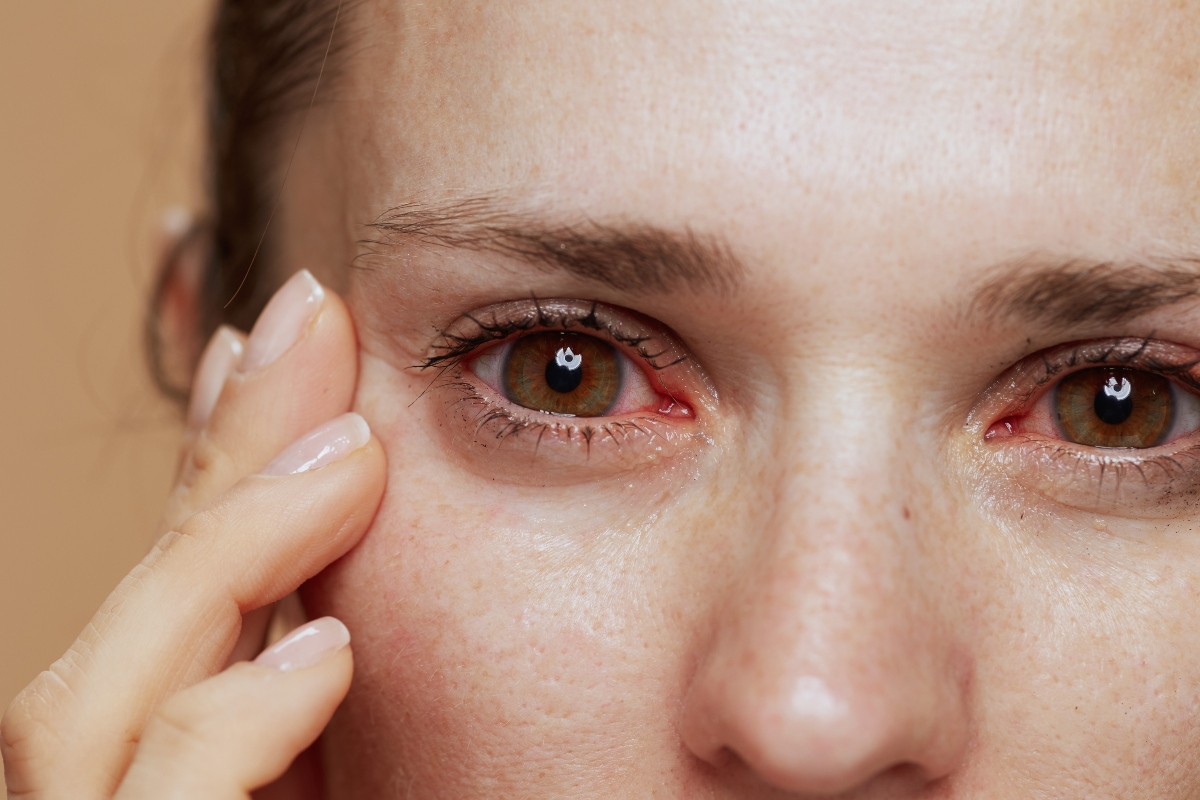
After blepharoplasty, you might see different types of scars. Fine-line scars are flat and blend in with the skin. Hypertrophic scars are raised and can be more noticeable. Keloid scars are rare but harder to treat because they grow beyond the original wound.
- Fine-line scars: generally flat and resemble the surrounding skin.
- Hypertrophic scars: raised and potentially more noticeable.
- Keloid scars: less common, can be more challenging to treat.
Factors That Influence Scar Formation
Scars after blepharoplasty depend on several things. These include skin elasticity, genetics, and the expertise of the surgeon. Age, skin type, and how well you care for your skin after surgery also play a role.
Understanding these factors helps patients prepare for recovery. It’s important to follow post-operative instructions and live a healthy lifestyle to help scars heal better.
When to Address Post-Blepharoplasty Scarring

Knowing when to tackle scarring after blepharoplasty is key for good treatment and recovery. Scar formation and maturation are complex. Knowing when to act can greatly affect the outcome.
Timeline for Scar Maturation
Most people see mature, less visible scars in 6 months to a year. This depends on healing factors. It’s important to wait for scars to mature before treating them further.
Scar maturation timeline:
- 0-3 months: Initial scar formation, often red and raised
- 3-6 months: Scars start to flatten and soften
- 6-12 months: Scars continue to mature, becoming less noticeable
Signs That Indicate Professional Intervention
While some scarring is normal after blepharoplasty, certain signs need professional help. These include:
- Persistent redness or inflammation
- Raised or thickened scars
- Scars causing functional issues, like eyelid malposition
If you notice these symptoms, seeing your surgeon is important. They can guide the best action.
Benefits of Early Treatment
Early treatment can greatly improve eyelid appearance and function after blepharoplasty. Treating scarring early can:
Benefit | Description |
Improved Scar Appearance | Early treatment can make scars less visible |
Enhanced Healing | Quick action promotes healthier healing and lowers complication risk |
Better Functional Outcomes | Early scarring treatment can prevent eyelid malposition and other issues |
By knowing when to address scarring, patients can take steps for better surgery results.
Preparing for Eyelid Scar Tissue Removal
Getting ready for eyelid scar tissue removal is important for a good result. We’ll show you how to prepare well for your treatment.
Consultation with Your Surgeon
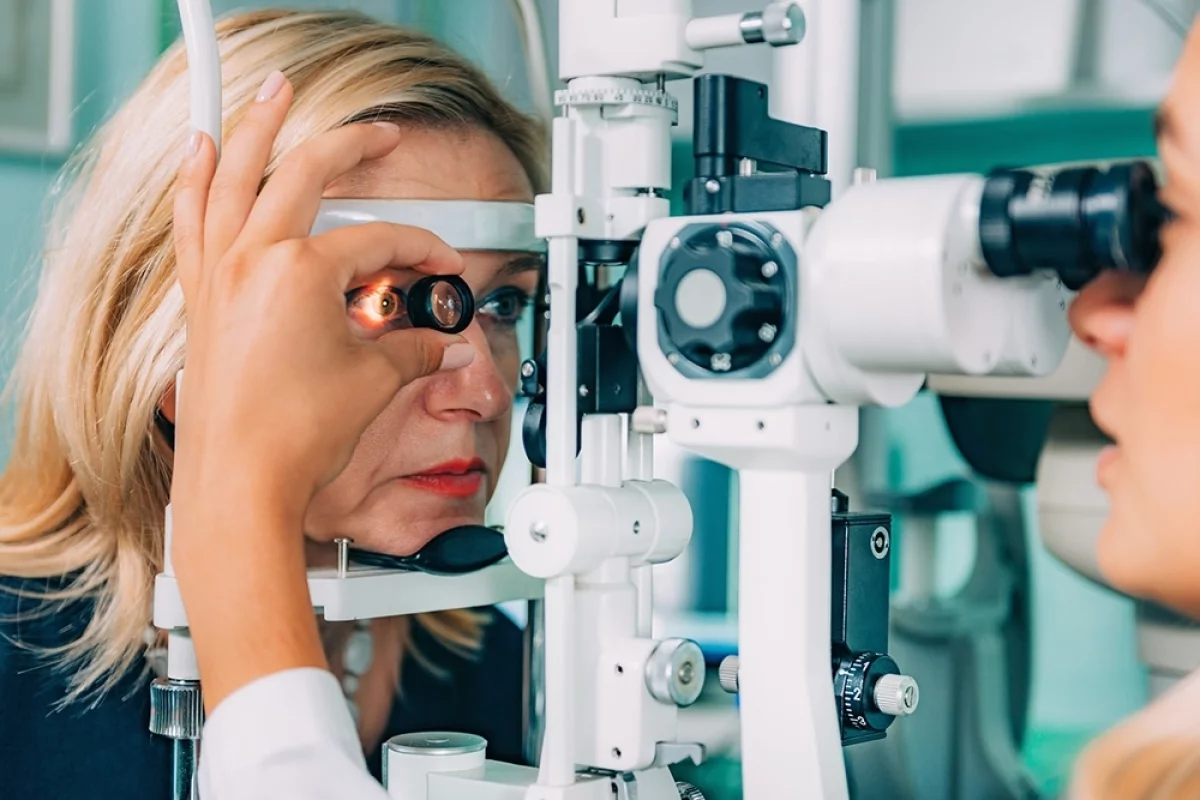
Start by talking to your surgeon about eyelid scar treatment. They will look at your scar and choose the best treatment for you. This is also a chance to ask questions and learn about the procedure.
Tell your surgeon about your health history, like past surgeries or allergies. This helps them make a treatment plan just for you.
Necessary Pre-Treatment Assessments
Your surgeon might need to do some checks before upper blepharoplasty scar treatment. This could include a physical check and photos to track your progress.
They might also do extra tests to make sure you’re a good fit for the treatment. These tests help make a treatment plan just for you.
Setting Realistic Expectations
It’s important to know what to expect from eyelid surgery scars treatment. Your surgeon will talk about what you can expect and any risks.
Understanding how long it will take to see results helps you plan. Following your surgeon’s advice is key to healing well.
Being well-prepared and knowing what to expect makes your eyelid scar tissue removal treatment better. We’re here to help you from the start to after your treatment.
Laser Resurfacing Treatments
Laser resurfacing is a top choice for making scars from blepharoplasty less noticeable. It uses advanced technology to smooth out the skin around your eyes. This makes your skin look younger and more even.
There are two main types of laser resurfacing: ablative and non-ablative. Knowing the difference is key to finding the right treatment for you.
Ablative Laser Procedures
Ablative lasers remove damaged skin layers to grow new, healthy skin. They’re great for reducing fine lines, wrinkles, and scars. Ablative laser resurfacing is best for deeper scars and more noticeable skin issues.
This method uses a strong laser beam to vaporize the skin’s top layers. It can lead to amazing results but needs more time to heal than non-ablative treatments.
Non-Ablative Laser Options
Non-ablative lasers boost collagen without harming the skin’s surface. They make the skin look better by reducing scars, lines, and wrinkles. Non-ablative laser treatments are perfect for those wanting a gentler option with little downtime.
These lasers are great for keeping your skin looking good over time. They’re often used in a series of sessions for the best results.
Recovery and Results Timeline
The recovery and results timeline for laser treatments depend on the laser type and your skin. Ablative lasers need more time to heal, usually one to two weeks. During this time, your skin might look red and swollen.
Treatment Type | Recovery Time | Results Timeline |
Ablative Laser | 1-2 weeks | 2-6 months |
Non-Ablative Laser | 1-3 days | 1-3 months |
Knowing the difference between ablative and non-ablative lasers helps you choose the right treatment. Talking to a professional can help you find the best way to deal with your blepharoplasty scars.
Microneedling for Eyelid Scar Reduction
Microneedling is a big step forward in treating eyelid scars. It makes tiny injuries in the skin. This encourages the skin to make new collagen and elastin, which is great for the delicate eyelid area.
Stimulating Collagen Production
Microneedling starts the skin’s healing process. As the skin fixes the tiny injuries, it makes new collagen and elastin. This makes the skin look better and reduces scars.
It uses a special device with fine needles to make these tiny injuries. You can adjust the needles’ depth and density based on your skin and scar severity.
Treatment Protocols and Frequency
For the best results, you’ll need a few microneedling sessions. How many depends on your skin and scars. Treatments are usually 4 to 6 weeks apart.
- Initial consultation to assess the scar and determine the best course of treatment
- Series of microneedling sessions as recommended by the practitioner
- Follow-up appointments to monitor progress and adjust treatment protocols as necessary
Combining Microneedling with Other Therapies
Microneedling works even better when paired with other treatments. For example, using growth factors or PRP during treatment boosts collagen and improves skin texture.
Benefits of Combination Therapy:
- Enhanced collagen production
- Improved skin texture and tone
- Reduced appearance of scars and fine lines
Adding other treatments to microneedling can lead to better results in scar reduction.
Silicone-Based Treatments
Silicone gel treatments are a top choice for dealing with eyelid scars after blepharoplasty. They create a barrier over the scar, hydrating it and controlling collagen. This helps the scar look better.
These treatments are great at making scars less visible. They flatten and soften the scar, making it less noticeable.
Gels and Sheets for Eyelid Scars
Silicone gel sheets are a favorite for treating eyelid scars. You wear them over the scar for hours a day, for months. They hydrate, reduce collagen, and flatten the scar.
People find these sheets easy to use and comfortable. They’re a simple way to manage scars.
Ointments and Their Application
Silicone ointments are also a good option. You apply them directly to the scar, giving it hydration and protection.
To use ointments right, apply a thin layer to the scar. Gently massage it in until it’s fully absorbed.
Duration and Effectiveness of Therapy
How long you use silicone therapy depends on your scar and how it’s healing. Usually, it takes several months to see the best results.
Research shows silicone treatments work well for scars. Regular use can make your eyelid scars look much better.
Key benefits of silicone-based treatments include:
- Non-invasive
- Easy to use
- Effective in reducing scar appearance
Eyelid Scar Tissue Removal Through Surgical Revision
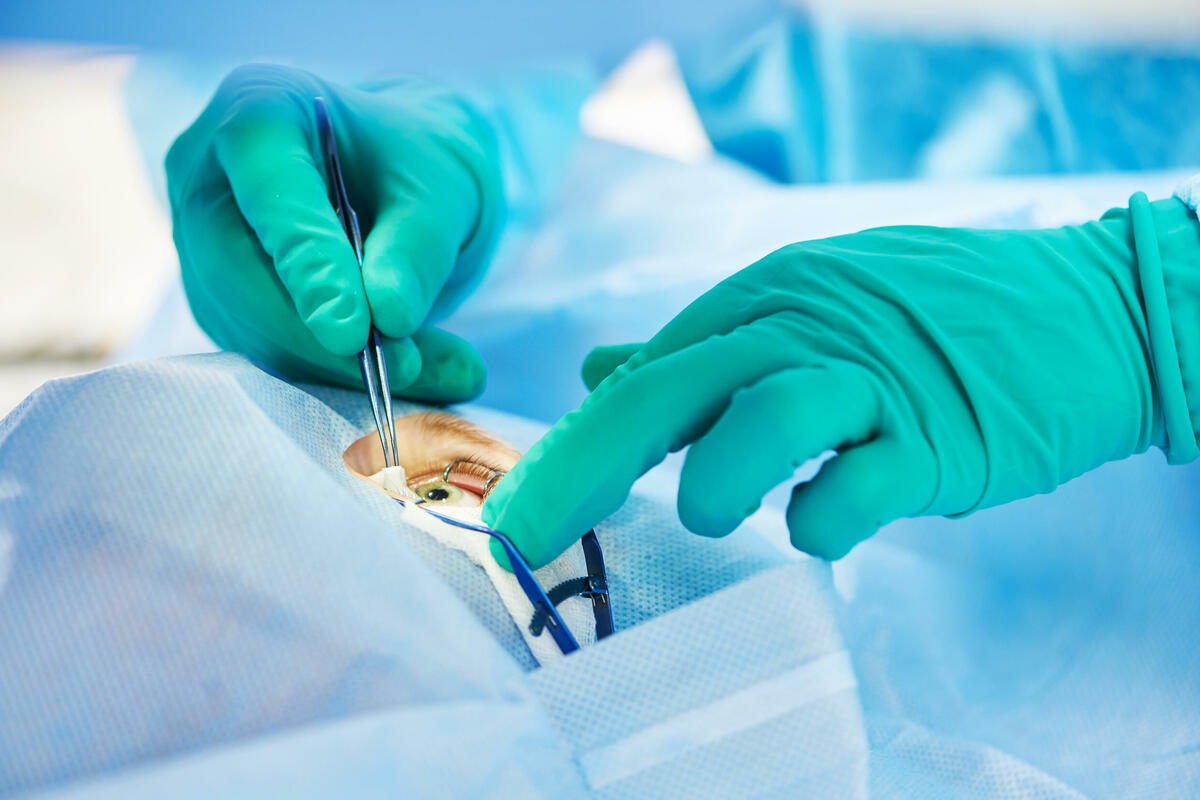
Surgical revision is a top choice for getting rid of eyelid scar tissue that doesn’t go away with other treatments. It’s recommended for scars that stick around after other methods fail. This surgery carefully removes or moves the scar tissue to make your eyelids look better, usually after the scar has fully healed.
Determining Candidacy for Surgical Revision
Your surgeon will check if you’re right for surgical revision. They’ll look at the scar and your eyelids’ health. They’ll consider the scar’s type, how big it is, your skin’s elasticity, and your health. It’s important to know what to expect from the surgery.
The evaluation includes:
- A detailed look at the scar and the area around it
- Talking about your medical history and past treatments
- Checking your skin’s elasticity and overall health
Surgical Techniques for Scar Excision
Removing eyelid scar tissue through surgery uses precise methods to avoid more scarring. The aim is to make your eyelid look better without losing its function. The methods might include:
- Removing the scar tissue
- Moving the scar to a more natural spot
- Using special stitches to reduce new scarring
The method chosen depends on your case and the surgeon’s expertise.
Post-Revision Recovery Process
After the surgery, it’s key to follow your surgeon’s care instructions. This might include:
- Keeping the area clean and using ointments as told
- Avoiding hard work and direct sun
- Going to follow-up visits to check on healing
By sticking to these steps, you can heal well and get the best results from your surgery.
Key Considerations:
- Surgical revision is usually for scars that have fully healed
- A detailed check is needed to see if you’re a good candidate
- Advanced surgery methods are used to lessen scarring
At-Home Treatments and Complementary Approaches
At-home treatments and other methods can help patients heal faster after eyelid surgery. These methods can make the recovery smoother and improve results.
Topical Vitamin E and Other Oils
Topical treatments like vitamin E oil are popular for healing and reducing scars. Vitamin E protects the skin with its antioxidants. Oils like coconut oil and aloe vera gel also moisturize and soothe the skin.
Gentle Massage Techniques
Gentle massage boosts blood flow and breaks down scar tissue. Use clean hands and a lubricating oil or cream for gentle massage around the eyelids. Always get advice from a healthcare professional to avoid problems.
Makeup Tips to Conceal During Healing
Makeup can hide scars while you heal. Camouflage makeup covers up discoloration and uneven skin. Choose hypoallergenic products and keep your skin clean to avoid irritation.
Nutritional Support for Optimal Healing
Eating well is key to healing. A diet full of vitamins and minerals, like vitamin C and zinc, helps skin health. Drinking lots of water also keeps your skin healthy.
Nutrient | Benefit | Food Sources |
Vitamin C | Promotes collagen production and healing | Citrus fruits, berries, leafy greens |
Zinc | Supports immune function and wound healing | Oysters, beef, chicken, fortified cereals |
Omega-3 Fatty Acids | Reduces inflammation and promotes skin health | Salmon, walnuts, chia seeds |
Preventing Excessive Scarring After Blepharoplasty
To prevent scarring after blepharoplasty, you need a plan. This includes getting ready before surgery, taking good care after, and making lifestyle changes. By doing these things, you can lower the chance of scarring and get the best results from your surgery.
Pre-Surgery Preparation
Getting ready for blepharoplasty is key to avoiding scarring. Quitting smoking at least four weeks before is very important. Smoking can slow down healing and cause more problems. Also, avoid certain medicines that thin your blood, like aspirin and NSAIDs, as your doctor tells you to.
Eating a healthy diet full of vitamins and minerals, like vitamin C, helps healing. Making sure your skin is healthy before surgery also helps scars heal better.
Post-Surgery Care Guidelines
After surgery, taking good care of your wounds is very important. Follow your doctor’s advice on cleaning the incision and using ointments. Keeping your head up and not doing too much helps swelling go down and heals faster.
It’s also key to keep the scar away from the sun. Sunlight can make scars darker and more visible. Use sunscreen with a high SPF and wear clothes that cover your skin to protect it.
Lifestyle Factors That Affect Scar Formation
What you do in your daily life can affect scarring. What you eat can help your body heal. Eating well and drinking lots of water keeps your skin healthy.
Managing stress is also important. High stress can slow down healing. Doing things that calm you down, like meditation or yoga, can help your body heal better.
Lifestyle Factor | Impact on Scar Formation | Recommendation |
Nutrition | A balanced diet supports healing | Eat foods rich in vitamins and minerals |
Hydration | Proper hydration maintains skin health | Drink plenty of water |
Stress Levels | High stress can negatively impact healing | Engage in stress-reducing activities |
Comparing Treatment Effectiveness and Costs
When it comes to removing eyelid scar tissue after blepharoplasty, it’s key to know the treatment options. Patients must choose what works best for them and their budget.
Success Rates of Different Approaches
Success rates for removing eyelid scar tissue vary. Laser resurfacing treatments often improve scars by up to 80%. On the other hand, silicone-based treatments work well for mild scarring, with success rates from 50% to 70%.
- Laser resurfacing: 70-80% success rate
- Microneedling: 60-75% success rate
- Silicone gel sheets: 50-70% success rate
- Surgical revision: 80-90% success rate
Insurance Coverage Considerations
Insurance for eyelid scar tissue removal varies. Some plans cover surgical revision if it’s medically necessary. But, others might not cover laser treatments or microneedling if they’re seen as cosmetic. It’s important to check your insurance before starting any treatment.
Knowing your insurance can greatly affect the cost of treatment.
Cost-Benefit Analysis of Each Method
When looking at treatment options, consider both costs and benefits. Here’s a quick summary:
Treatment | Average Cost | Benefits |
Laser Resurfacing | $500-$2,000 per session | High success rate, minimal downtime |
Microneedling | $300-$1,000 per session | Stimulates collagen production, relatively painless |
Silicone Gel Sheets | $50-$200 per month | Non-invasive, easy to use |
Surgical Revision | $2,000-$5,000 | High success rate, can be covered by insurance |
Combining Treatments for Optimal Results
Using different treatments together can lead to the best results. For example, laser resurfacing followed by silicone gel sheets can improve outcomes. It’s wise to talk to a healthcare professional to find the best mix of treatments for you.
Conclusion
Removing eyelid scar tissue after blepharoplasty is complex. It involves knowing the different treatment options. We’ve looked at methods like laser resurfacing, microneedling, silicone gel therapy, and surgical revision. Each one is chosen based on what the patient needs and wants.
Understanding why scarring happens after blepharoplasty is key. Knowing this helps patients take steps to reduce scarring. Good scar treatment is essential for the best results after eyelid surgery.
It’s important to talk to a skilled surgeon to find the best way to remove eyelid scar tissue. With the right treatment, patients can make their eyelids look smoother and more natural.
FAQ
What is the normal healing process after blepharoplasty, and how do scars form?
After blepharoplasty, your body naturally responds to the surgery. This leads to scar formation. Knowing this can help you understand your recovery and manage scarring better.
How long does it take for blepharoplasty scars to mature?
Scars from blepharoplasty take months to a year or more to fully mature. Knowing this timeline helps you know when to address your scarring.
What are the signs that indicate the need for professional intervention for eyelid scars?
You might need professional help if your scars are persistent or noticeable. Also, if the healing is uneven or the scars affect your eyelid’s function or look.
What are the benefits of early treatment for blepharoplasty scarring?
Early treatment can make scars less noticeable. It also lowers the risk of complications and improves results. Treating scarring early can lead to better outcomes.
How do I prepare for eyelid scar tissue removal?
To prepare, talk to your surgeon and do any needed assessments. Set realistic expectations. This preparation helps ensure the best results from your treatment.
What is laser resurfacing, and how does it improve the appearance of blepharoplasty scars?
Laser resurfacing uses laser technology to improve scars. It stimulates collagen production and promotes skin renewal. This reduces scar visibility.
How does microneedling work on delicate eyelid tissue, and what are the benefits?
Microneedling uses tiny needles to stimulate collagen and renew skin. It’s good for reducing eyelid scars. It’s safe for delicate tissue.
What are silicone-based treatments, and how do they manage eyelid scars?
Silicone treatments, like gel sheets and ointments, manage scars by flattening and softening them. They apply pressure and hydration to the scar tissue.
When is surgical revision necessary for removing persistent eyelid scar tissue?
Surgical revision is needed when other treatments fail. It’s for persistent or significant scar tissue. Evaluating scarring severity and patient health determines candidacy.
What are some at-home treatments and complementary approaches that can support the healing process?
At-home, use topical vitamin E and oils, gentle massage, makeup tips, and nutrition for healing. These practices can enhance recovery and well-being.
How can I prevent excessive scarring after blepharoplasty?
Preventing excessive scarring involves pre-surgery prep, post-surgery care, and lifestyle changes. Taking proactive steps can minimize scarring risk and achieve better results.
What are the success rates of different treatments for eyelid scar tissue removal, and how do costs compare?
Success rates and costs vary among treatments. Considering effectiveness and costs, including insurance, helps patients make informed choices within their budget.
Can combining treatments improve outcomes for eyelid scar tissue removal?
Yes, combining treatments can lead to the best results. Understanding treatment benefits and how they work together helps achieve optimal outcomes and minimize scarring.
How can I manage upper blepharoplasty scars?
Manage upper blepharoplasty scars by understanding healing, using treatments like laser resurfacing, and following care guidelines. This minimizes scarring.
What is the best scar cream after blepharoplasty?
The best scar cream often has silicone, vitamin E, or nourishing compounds. These help hydrate and flatten scar tissue.
How do I care for my eyelid after blepharoplasty to minimize scarring?
Care for your eyelid by following post-surgery guidelines, keeping it clean, and avoiding irritants. This helps the healing process and minimizes scarring.
References
National Center for Biotechnology Information. Blepharoplasty Scarring: Removal of Eyelid Scar Tissue. Retrieved from https://pubmed.ncbi.nlm.nih.gov/15026424/