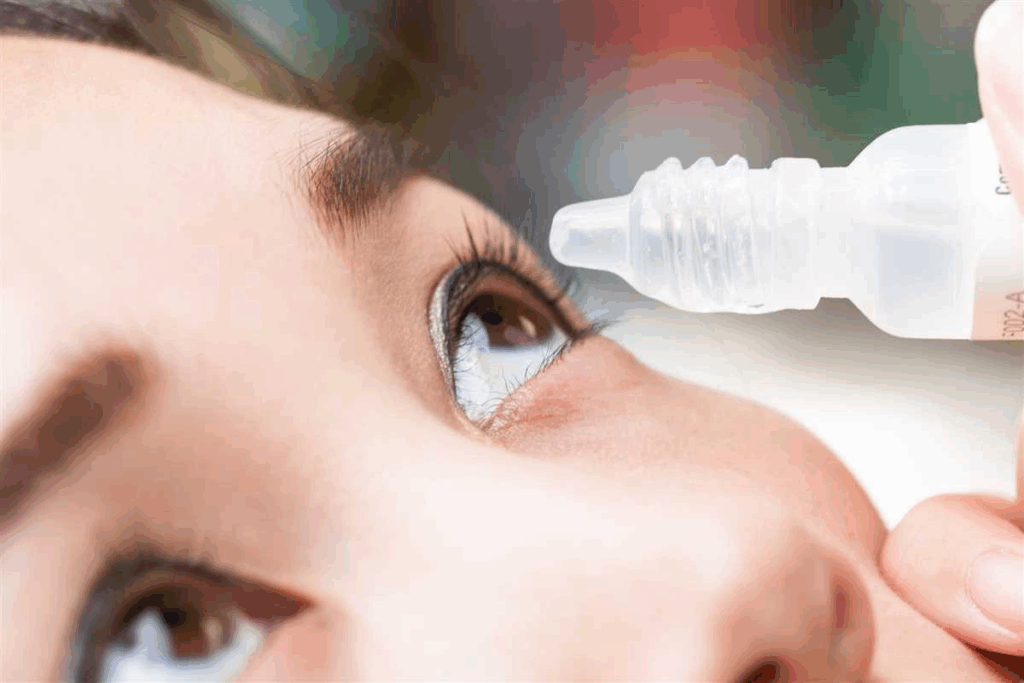
As we get older, our eyelids change a lot. They often get too much skin and fat. Blepharoplasty, a surgery to make eyelids look better, is very popular. It can make you look younger and even help your vision. But, it’s important to know the possible risks and complications it can have.Explore 7 common eyelid surgery blepharoplasty complications. Our guide explains the serious risks and side effects you must know.
Studies show that about 9.5% of people face complications, most of which are mild and short-lived. Knowing about these risks helps you make a better choice. In this article, we’ll look at seven common problems with blepharoplasty. This will help you understand what might happen.
Key Takeaways
- Understanding the risks associated with blepharoplasty is vital before you decide to have it.
- The chance of facing complications from blepharoplasty is about 9.5%.
- Most problems are mild and don’t last long.
- Blepharoplasty can greatly improve how you look and sometimes your vision too.
- Knowing the risks helps you make a more informed choice about blepharoplasty.
What You Need to Know About Blepharoplasty

If you’re thinking about blepharoplasty, it’s key to know the basics. This surgery, also known as eyelid surgery, can fix cosmetic or functional problems. It’s done on the upper, lower, or both eyelids.
Definition and Types of Eyelid Surgery
Blepharoplasty removes extra skin, muscle, and fat from the eyelids. There are upper and lower blepharoplasty types. Sometimes, both are done together for a full face lift.
There are many ways to do the surgery, from old-school methods to new, less invasive ones. The choice depends on what the patient needs and the surgeon’s advice.
Functional vs. Cosmetic Indications
Blepharoplasty can be for looks or for health reasons. Functional surgery fixes vision problems, like too much skin in the way. Cosmetic surgery makes the eyelids look younger and more lively.
“The decision to undergo blepharoplasty should be made after careful consideration of the benefits and risks.”
Expert Opinion
Some people get blepharoplasty for both looks and health. For example, taking away extra skin from the upper eyelids can help see better and look better too.
Standard Surgical Techniques
The surgery starts with local anesthesia to keep you comfortable. Then, the surgeon makes small cuts in the eyelid creases to remove or move tissue.
Surgical Technique | Description | Benefits |
Traditional Blepharoplasty | Involves removing excess skin, muscle, and fat through incisions. | Effective for addressing significant eyelid issues. |
Minimally Invasive Blepharoplasty | Uses smaller incisions and less tissue removal. | Less scarring and quicker recovery. |
Knowing about blepharoplasty helps you make smart choices. It’s important to talk to a skilled doctor to find the best option for you.
Eyelid Surgery Blepharoplasty Complications: Statistical Overview
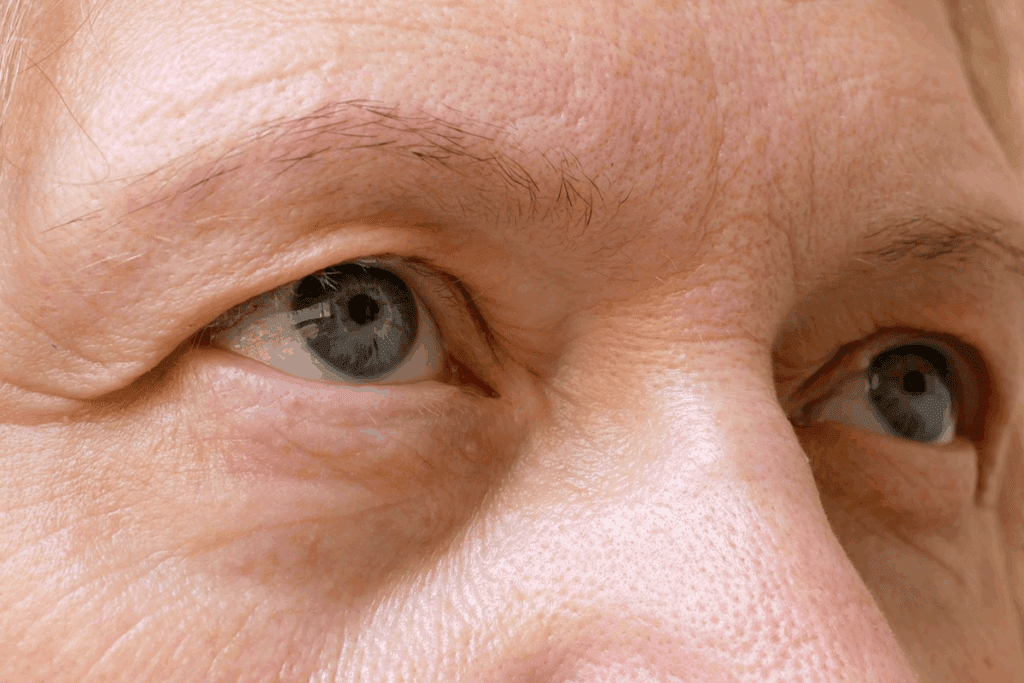
Exploring eyelid surgery, we look at the stats on blepharoplasty complications. This surgery is mostly safe but has risks and complications like any surgery.
About 9.5% of cases face complications, mostly mild and short-lived. This gives us a basic idea of the risks.
Incidence Rates and Frequency
The rate of complications in blepharoplasty is key for both patients and doctors. Complications include bleeding, swelling, delayed healing, and more. These can affect the eyelids or vision.
Complications vary in how often they happen and how serious they are. Knowing this helps set realistic expectations and make better choices.
Risk Factors That Increase Complication Probability
Some factors can raise the chance of complications after blepharoplasty. These include health issues, smoking, and past eye surgeries. Spotting these early can help avoid problems.
- Pre-existing medical conditions such as diabetes or hypertension
- Smoking and its impact on healing
- Previous eye surgeries or conditions
Temporary vs. Permanent Side Effects
It’s important to know the difference between temporary and permanent side effects. Most issues are short-term, but some can last forever, affecting life quality.
Knowing what to expect helps patients prepare. Temporary issues like swelling and bruising are common. But permanent effects, like scarring or eyelid function changes, are serious.
Hematoma and Bleeding After Blepharoplasty
It’s important to know about the risks of blepharoplasty, like hematoma and bleeding. This surgery can make your eyelids look better. But, it can also have some complications.
Causes and Contributing Factors
Hematoma and bleeding can happen for a few reasons. These include injury to the eyelids, medicines that affect blood clotting, and health issues.
- Trauma to the eyelids
- Medications affecting blood clotting
- Underlying health conditions
Table: Causes and Contributing Factors of Hematoma and Bleeding
Cause | Description | Preventive Measure |
Trauma | Injury to the eyelids during or after surgery | Avoid strenuous activities |
Medications | Blood thinners like aspirin or warfarin | Consult doctor about medication management |
Health Conditions | Conditions like hypertension or bleeding disorders | Manage underlying conditions before surgery |
Recognition and Early Symptoms
It’s key to spot the early signs of hematoma and bleeding. Look out for swelling, pain, and bruising around the eyes.
Medical Interventions and Home Care
Doctors might need to drain the hematoma or apply pressure to stop bleeding. At home, rest, use ice packs, and keep your head up to lessen swelling.
- Rest and avoid strenuous activities
- Apply ice packs to reduce swelling
- Elevate the head while resting
Knowing the causes, spotting symptoms early, and managing them can help you deal with the risks of blepharoplasty.
Chemosis: Conjunctival Swelling and Edema
One side effect of eyelid surgery is chemosis. It’s when the conjunctiva, the membrane over the white part of the eyes, swells. This swelling can happen during or after surgery.
Physiological Mechanisms Behind Chemosis
Chemosis happens when the eye’s fluid balance is disrupted during surgery. The surgery can cause inflammation and fluid buildup. This leads to swelling of the conjunctiva.
The surgery also affects the lymphatic drainage. This can cause more swelling.
Duration and Expected Resolution Timeline
How long chemosis lasts varies. Usually, it goes away within a few weeks after surgery. But, it depends on the surgery’s extent, the patient’s health, and post-operative care.
Mild cases often clear up in 1-2 weeks. Severe cases might take up to 6 weeks or more.
Treatment Options and Preventive Measures
Chemosis often goes away without treatment. But, there are ways to manage it. Using lubricating eye drops can help soothe the eyes. Topical corticosteroids might be used to reduce inflammation.
Preventing chemosis is key. This includes careful tissue handling during surgery and good post-operative care. Cold compresses can also help reduce swelling. Following post-operative instructions and attending follow-ups is important.
Understanding chemosis and its management helps patients recover better from blepharoplasty. It also helps reduce discomfort.
Lower Eyelid Malposition Complications
Lower eyelid malposition is a big problem after blepharoplasty. It affects how the eyelids look and work. This issue happens when the lower eyelid doesn’t line up right with the eye. It can cause dryness, irritation, and look bad.
Retraction: Causes and Manifestations
Retraction means the lower eyelid pulls back too much. This usually happens if too much skin or fat is removed during surgery. It makes the eyelid look unnatural and can cause problems like showing too much of the eye.
Causes of retraction include:
- Removing too much skin
- Not checking if the eyelid is loose enough
- Scarring from surgery
Ectropion Development and Risk Factors
Ectropion is when the lower eyelid turns outward. It’s linked to malposition and can cause dry eye, tearing, and other eye problems.
Risk factors for ectropion include:
- Having had eyelid surgery before
- Facial weakness or paralysis
- Removing too much skin during surgery
Knowing these risks helps surgeons and patients avoid ectropion after blepharoplasty.
Surgical and Non-Surgical Correction Methods
Fixing lower eyelid malposition needs a plan based on the problem’s cause and how bad it is. There are surgical and non-surgical ways to fix it.
Surgical correction methods may include:
- Doing another blepharoplasty to fix scars or too much skin
- Procedures to tighten the eyelid
- Using spacer grafts to fix retraction
Non-surgical approaches involve:
- Using eye drops and ointments for dryness and irritation
- Physical therapy to help the eyelid close better
Knowing about these options helps patients and doctors fix eyelid problems together.
Dry Eye Syndrome as a Long-Term Side Effect
After blepharoplasty, patients might face dry eye syndrome. This condition can greatly affect their daily life. It’s a serious side effect of eyelid surgery.
Incidence Rates
Research shows that dry eye syndrome occurs in 22.9% to 29.0% of patients after blepharoplasty. The exact rate depends on the surgery method used. This highlights the need to pick the right surgery to lower the risk.
Surgical Technique | Incidence Rate of Dry Eye Syndrome |
Traditional Blepharoplasty | 25.0% |
Laser-Assisted Blepharoplasty | 22.9% |
Minimally Invasive Blepharoplasty | 29.0% |
Impact of Different Surgical Techniques
The type of surgery can greatly affect the risk of dry eye syndrome. Techniques that harm the eyelid more or mess with tear ducts and glands are riskier. Laser-assisted blepharoplasty is seen as safer because it’s more precise and causes less damage.
Management Strategies and Treatment Options
Dealing with dry eye syndrome requires a few steps. Patients can use artificial tears to keep their eyes moist. They should also avoid places that make dryness worse. Sometimes, more surgery is needed to help with tear flow or to protect the eyes.
- Artificial tears and lubricating ointments
- Punctal plugs to block tear drainage
- Restasis or other prescription medications to reduce inflammation
Knowing the risks and taking steps early can help manage dry eye syndrome. This ensures patients get the best results from their blepharoplasty.
Lagophthalmos: Inability to Close the Eyelid
Lagophthalmos is when you can’t close your eyelid. It’s a big worry for people getting blepharoplasty. It can cause serious problems like corneal exposure and damage. Knowing about lagophthalmos is key for patients to choose the right care.
Corneal Exposure Risks and Complications
Lagophthalmos happens when eyelid muscles are weak or paralyzed. This keeps the eyelid open, exposing the cornea. Corneal exposure can make the eye dry, irritated, and even damaged. It’s very important to treat it quickly to avoid serious issues.
Temporary vs. Permanent Lagophthalmos
Lagophthalmos can be short-term or long-lasting. Temporary lagophthalmos might get better with time or simple treatments. But permanent lagophthalmos might need more serious surgery.
Type of Lagophthalmos | Causes | Treatment Options |
Temporary | Post-surgical swelling, nerve weakness | Conservative management, eye lubrication |
Permanent | Significant muscle or nerve damage | Surgical correction, eyelid weights |
Protective Measures and Corrective Procedures
Dealing with lagophthalmos means using protective steps and sometimes surgery. Using eye drops and ointments helps keep the eye moist. For serious cases, corrective procedures like eyelid weights or surgery might be needed.
Understanding lagophthalmos and its treatments helps patients recover well. It also lowers the chance of long-term problems.
Aesthetic and Functional Disappointments
It’s important to know about possible disappointments after blepharoplasty. This surgery is usually safe, but some people might not be happy with the results. This could be due to complications.
Asymmetry and Visible Scarring Issues
Asymmetry and scarring are common issues after blepharoplasty. Asymmetry happens when the healing is uneven or the surgery is done differently on each eye. Scarring, though temporary, can worry patients. We try to avoid scarring by being very precise in our surgery.
To deal with these problems, we:
- Plan the surgery carefully to avoid asymmetry
- Use advanced techniques to reduce scarring
- Give detailed care instructions after surgery
Hollowed Appearance from Fat Removal Overcorrection
Removing too much fat can make the eyes look sunken or old. We aim to remove just the right amount of fat to prevent this.
“The key to avoiding a hollowed appearance is conservative fat removal and careful preoperative planning.” – Expert Opinion
Ptosis (Drooping Eyelid) After Surgery
Ptosis, or a droopy eyelid, can happen after blepharoplasty. It’s caused by damage to the levator muscle or tendon. We make sure to protect these areas during surgery.
Managing ptosis involves:
- Spotting the problem early
- Trying conservative treatments first
- Considering surgery if needed
Sensory Changes and Nerve Damage
Numbness or tingling can happen due to nerve damage after surgery. These symptoms are usually temporary but can last for some people.
- Using precise surgical methods
- Handling tissues with care
- Providing thorough care after surgery
Knowing about these possible issues helps patients make better choices. It also sets realistic expectations for their surgery results.
Rare but Serious Complications
It’s important for patients to know about the risks of blepharoplasty. This surgery is usually safe, but knowing about possible complications helps patients make better choices.
Vision Loss from Retrobulbar Hemorrhage
Vision loss from retrobulbar hemorrhage is a serious risk. This happens when blood bleeds behind the eyeball. It can put pressure on the optic nerve and cause permanent vision loss if not treated quickly.
Key factors that increase the risk of retrobulbar hemorrhage include:
- High blood pressure
- Coagulopathy or bleeding disorders
- Use of anticoagulant medications
Infection Risks and Inclusion Cysts
Infections after blepharoplasty are rare but serious. They can show up as orbital cellulitis or abscesses. Inclusion cysts can also happen when epithelial cells get trapped in the wound during closure.
Preventive measures include:
- Proper wound care and hygiene
- Prophylactic antibiotics in selected cases
- Careful surgical technique to minimize tissue trauma
Tissue Necrosis and Wound Healing Problems
Tissue necrosis, or tissue death, can happen due to poor blood supply or too much tension on the wound. Wound healing problems can also occur, leading to dehiscence or unsightly scars.
We stress the need to:
- Stop smoking before and after surgery
- Avoid too much sun exposure
- Follow post-operative instructions carefully
By knowing about these rare but serious complications, patients can make better choices. They should choose an experienced surgeon and follow instructions before and after surgery.
Conclusion: Minimizing Risks and Making Informed Decisions
It’s important for patients to know about the possible problems with blepharoplasty. This knowledge helps them make smart choices about their treatment. By understanding the risks and side effects, they can take steps to lower their chances.
Choosing a skilled surgeon and following their post-op advice is key. We stress the need for careful thought and planning to avoid complications. This helps ensure a good outcome from the surgery.
Patients who are proactive and well-informed can get the best results from blepharoplasty. Making smart decisions and minimizing risks are essential for a successful surgery.
FAQ
What are the most common complications of blepharoplasty?
Common issues include hematoma and bleeding, chemosis, and lower eyelid malposition. Dry eye syndrome, lagophthalmos, and aesthetic disappointments are also common.
How often do complications occur after blepharoplasty?
About 9.5% of cases face complications, mostly mild and short-lived.
What is chemosis, and how is it treated?
Chemosis is swelling of the conjunctiva after blepharoplasty. Most cases get better on their own within weeks.
What is dry eye syndrome, and how is it managed?
Dry eye syndrome is a long-term side effect. There are treatments to help manage it and improve life quality.
What are the risks of lagophthalmos, and how is it corrected?
Lagophthalmos makes it hard to close the eyelid, risking corneal exposure. There are protective measures and treatments to help.
Can blepharoplasty result in vision loss?
Vision loss is rare but serious. It can happen due to retrobulbar hemorrhage.
How can I minimize the risks of blepharoplasty complications?
Choosing a skilled surgeon and following post-op instructions are key to avoiding complications.
What are the signs of hematoma and bleeding after blepharoplasty?
Look out for swelling, pain, and bruising. Seek medical help if you notice these symptoms.
Can blepharoplasty cause permanent damage?
While most issues are temporary, some can lead to permanent damage, like vision loss or dry eye.
How long does it take to recover from blepharoplasty?
Recovery time varies, but most people heal in a few weeks. Some complications may extend recovery.
What are the risks of infection after blepharoplasty?
Infection is rare but serious. Inclusion cysts can also occur due to infection or other reasons.
Can I undergo blepharoplasty if I have pre-existing eye conditions?
If you have eye conditions, talk to a qualified surgeon to weigh the risks and benefits.
References
National Center for Biotechnology Information. Blepharoplasty Complications: Risks and Side Effects. Retrieved from https://pmc.ncbi.nlm.nih.gov/articles/PMC12456572/