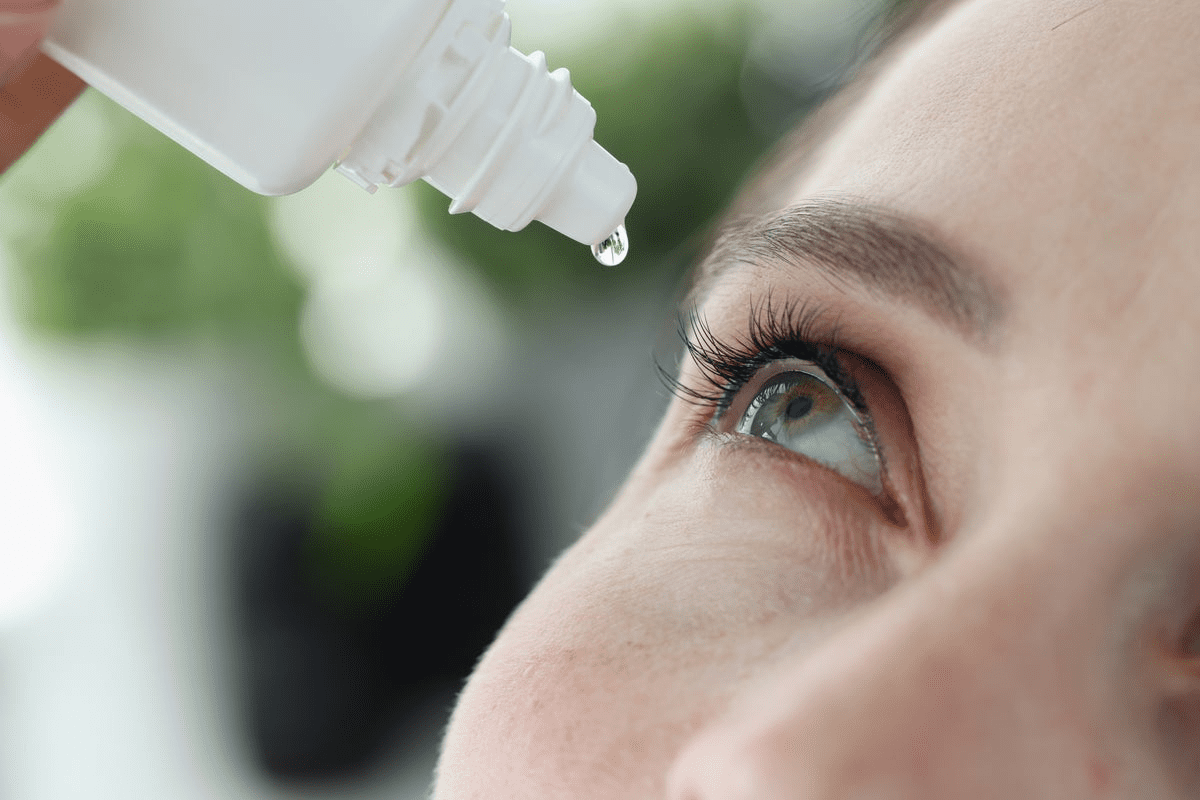
Choosing to have blepharoplasty is a big decision, and worries about scarring are common. It’s good to know that scars from eyelid surgery are usually small and hidden in natural folds.
The healing after blepharoplasty happens in stages. Swelling and redness start to fade in 6 to 8 weeks. Knowing this and the treatments available helps you get the best cosmetic outcome.
Key Takeaways
- Blepharoplasty scars are typically minimal and hidden within natural eyelid creases.
- The healing process occurs in stages, with significant improvement within 6 to 8 weeks.
- Proper post-operative care is key to reducing scarring.
- There are many treatments to manage and lessen scar appearance.
- Understanding the healing timeline is important for the best cosmetic results.
Understanding Blepharoplasty Scarring
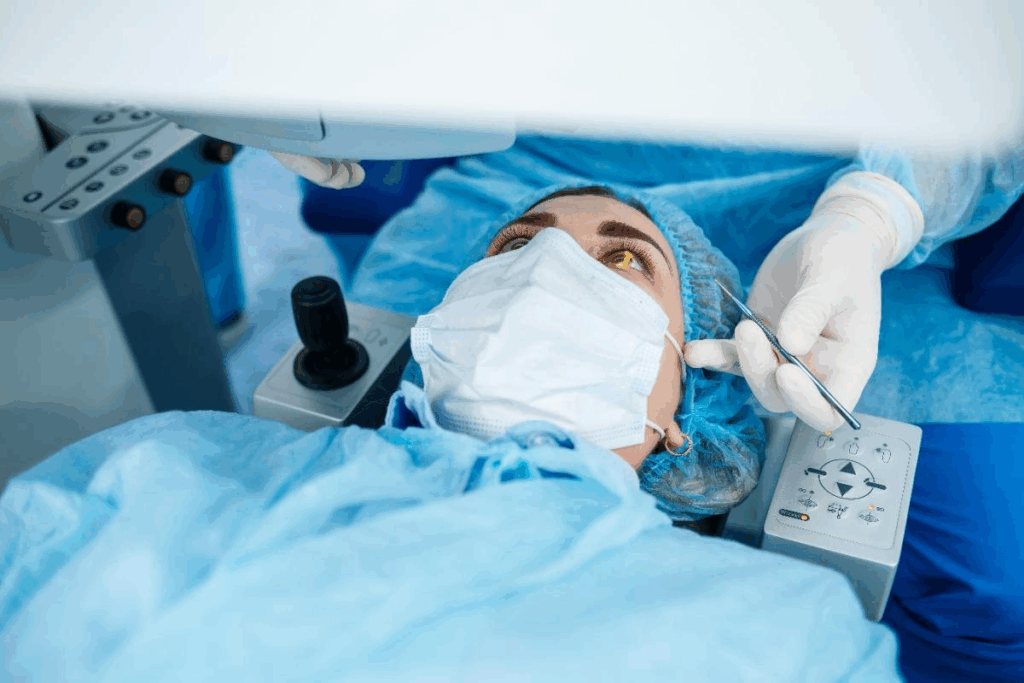
It’s important to know about blepharoplasty scarring before eyelid surgery. This surgery removes extra skin, fat, and muscle to improve eye looks. But, it makes cuts that can lead to scars.
What Are Blepharoplasty Scars?
Blepharoplasty scars come from the cuts made during eyelid surgery. They usually show up around the upper and lower eyelids. The skin on the eyelids heals well, leading to minimal visible scarring.
The eyelid skin is thin and elastic, healing differently than other skin. Younger patients have more elastic skin, which helps scars heal faster.
Why Eyelid Skin Heals Differently
Eyelid skin heals differently because of its unique traits. Important factors include:
- Skin Thickness: The thin skin around the eyelids affects scar formation and healing.
- Elasticity: Younger skin’s higher elasticity helps it heal better.
- Blood Supply: The face and eyelids’ rich blood supply aids healing.
Knowing these factors helps manage expectations and improve healing for blepharoplasty patients.
The Natural Healing Timeline of Eyelid Surgery Scars

The journey to recovery after eyelid surgery is a multi-stage process. It requires patience and understanding. Everyone’s body heals at its own pace.
After blepharoplasty, the body starts a complex healing process. This process has several phases, each with its own characteristics and milestones.
Initial Healing Phase (First 2 Weeks)
In the first two weeks, the focus is on wound closure and reducing swelling. You might see bruising, swelling, and discomfort. Following a strict post-operative care regimen is key to minimize complications and promote healing.
Key aspects of this phase include:
- Wound closure and initial scar formation
- Managing swelling and bruising
- Adhering to post-operative instructions
Intermediate Recovery (2-8 Weeks)
In the intermediate recovery phase, noticeable improvements appear. The initial redness and swelling start to fade, and scars soften. Most patients see a significant reduction in redness and swelling within 6 to 8 weeks.
It’s important to continue gentle scar care and follow-up appointments with your surgeon during this phase.
Complete Scar Maturation (6-12 Months)
While visible improvements are seen in the first few months, complete scar maturation takes longer. It can take up to 6 to 12 months for scars to fully mature and blend with the surrounding skin.
The following table outlines the key stages in the healing process and what to expect during each phase:
Healing Phase | Timeline | Key Characteristics |
Initial Healing | First 2 Weeks | Wound closure, swelling, bruising |
Intermediate Recovery | 2-8 Weeks | Reduction in swelling, scar flattening |
Complete Scar Maturation | 6-12 Months | Final scar appearance, blending with surrounding skin |
Understanding the natural healing timeline of eyelid surgery scars is key. It helps set realistic expectations and emphasizes the importance of post-operative care. By following your surgeon’s instructions and being patient, you can optimize your recovery and achieve the best possible outcome.
Strategic Incision Placement and Its Impact on Scarring
How a surgeon places incisions is key to hiding scars after eyelid surgery. A skilled surgeon makes precise cuts, causes little damage, and stitches carefully. These steps lead to better scars.
Surgeons use smart strategies to hide incisions in the upper eyelid. They make cuts in the natural crease. This way, the scar is hidden once it heals. It also helps the eye look natural after surgery.
Upper Eyelid Incision Techniques
Upper eyelid incisions are made to be as hidden as possible. Important points include:
- Placing incisions along the natural lid creases
- Using fine, precise cuts to minimize tissue trauma
- Employing advanced suturing techniques to promote optimal healing
By doing this, surgeons can make scars less visible. This makes the surgery look better.
Lower Eyelid Approaches
Lower eyelid surgery has different methods. They depend on the patient’s face and the surgery needed. Common methods are:
- Transconjunctival incisions, which are made on the inside of the lower eyelid, leaving no visible scar
- Subciliary incisions, placed just below the lash line, which can be more challenging to conceal
Each method has its benefits. The surgeon picks the best one for each patient. The goal is to hide scars and get the best results.
In summary, where incisions are made in eyelid surgery is very important for hiding scars. Knowing about the different methods for upper and lower eyelids helps patients see the surgeon’s skill and care.
Common Types of Eyelid Surgery Scars
Blepharoplasty scars can take different forms, depending on how well you heal and your genes. Each person’s scar can look very different. Knowing what kind of scar you have is key to finding the right treatment.
Hyperpigmented Scars
Hyperpigmented scars are darker than the skin around them. They stand out more, which is harder for people with darker skin. Proper wound care and sun protection are key to avoiding these scars. Use sunscreen with high SPF and wear protective clothes to keep scars from getting darker.
Hypertrophic Scars
Hypertrophic scars are raised and can itch or hurt. They happen when your body makes too much collagen while healing. Silicone gel or sheeting is often the first treatment, as it can make the scar less raised and softer.
Keloid Scars
Keloid scars are more serious and can grow bigger than the original cut. They’re more common in people with a family history of keloids. Steroid injections are a common treatment to make them smaller and less painful. Sometimes, surgery is needed.
Many things can affect how scars form, like your skin type, genes, and after-care. Knowing your scar type helps us create a treatment plan just for you.
- Hyperpigmented Scars: Darker coloration, more noticeable in darker skin tones.
- Hypertrophic Scars: Raised, itchy, or painful, treated with silicone gel or sheeting.
- Keloid Scars: Severe, extending beyond the original incision, treated with steroid injections or surgical revision.
Immediate Post-Surgery Care to Minimize Scarring
The time right after blepharoplasty is key for healing well and making scars less noticeable. Taking good care of yourself after surgery is important. It helps in reducing scars and makes recovery smoother.
Proper Wound Care Techniques
It’s important to keep the cut areas clean and moist during the first healing stage. Clean the area with mild soap and lukewarm water. Then, use antibiotic ointment to help it heal and prevent infection. Always follow your surgeon’s wound care advice, as it’s tailored to your needs.
Key steps in wound care include:
- Gently cleaning the incision sites
- Applying antibiotic ointment as directed
- Keeping the area moisturized to promote healing
Activity Restrictions
Staying away from hard work is key right after surgery. Avoid heavy lifting, bending, or exercise for two weeks. This helps with swelling, healing, and avoids complications.
Activity | Recommended Avoidance Period |
Heavy lifting | 2 weeks |
Bending or straining | 2 weeks |
Strenuous exercise | 2-3 weeks |
Managing Swelling and Bruising
It’s important to handle swelling and bruising well after surgery. Cold compresses can help with swelling. Also, sleeping with your head up can reduce swelling. Sometimes, your doctor might give you medicine for these symptoms.
Tips for managing swelling and bruising:
- Apply cold compresses as directed by your surgeon
- Keep your head elevated to reduce swelling
- Follow your surgeon’s advice on managing bruising and swelling
Using the best scar cream after blepharoplasty can help with healing and scar appearance. Always talk to your surgeon about the right eyelid scar treatment for you.
Silicone-Based Treatments for Eyelid Surgery Scar Management
Silicone-based treatments are a top choice for eyelid surgery scars. They create a barrier over the scar, helping it stay hydrated and flat. We’ll look at the various silicone treatments and how to use them right.
Silicone Gels for Delicate Eyelid Skin
Silicone gels are great for scars after blepharoplasty. They’re simple to apply and safe for the delicate skin around your eyes. Silicone gel keeps the scar moist, making it less noticeable over time. Choose fragrance-free, hypoallergenic gels to avoid skin irritation.
Silicone Sheets and Application Techniques
Silicone sheets are also effective for eyelid surgery scars. You wear them over the scar for hours. Clean the skin, dry it well, and then apply the sheet. Make sure it’s right over the scar. Wear it for at least 12 hours a day for best results.
Duration and Frequency of Treatment
How long and how often you use silicone treatments depends on your scar and skin. Usually, you’ll need to use it for 3-6 months to see big improvements. Stick to the plan, applying it as directed, often once or twice a day for gels, and all day for sheets.
Treatment Type | Application Frequency | Recommended Duration |
Silicone Gel | Once or twice daily | 3-6 months |
Silicone Sheets | Continuous wear (12 hours/day) | 3-6 months |
Knowing about silicone treatments and how to use them can help you manage your scars after blepharoplasty. Always talk to your surgeon to find the best treatment for you.
Topical Medications and Creams for Scar Reduction
Topical treatments are a key part in managing eyelid surgery scars. They help improve scars by boosting skin regeneration and collagen production.
Prescription Retinoids
Prescription retinoids are vitamin A derivatives. They are key in skin regeneration. They reduce fine lines and wrinkles and improve skin texture, making scars less visible.
Benefits of Prescription Retinoids:
- Enhance skin texture
- Promote collagen production
- Reduce fine lines and wrinkles
Vitamin E and Other Antioxidants
Vitamin E protects the skin from free radicals. Other antioxidants like vitamin C and ferulic acid also boost skin health. They help in collagen synthesis and improve skin elasticity.
Best Scar Creams After Blepharoplasty
Choosing the right scar cream after blepharoplasty is key. Look for creams with silicone, vitamin E, and antioxidants. These ingredients hydrate the skin and reduce scar appearance.
Scar Cream Ingredients | Benefits |
Silicone | Hydrates the skin, reduces scar appearance |
Vitamin E | Antioxidant properties, promotes skin health |
Retinoids | Enhances skin texture, promotes collagen production |
Understanding topical treatments helps patients make better choices for scar management. This leads to better results after eyelid surgery.
Advanced Medical Procedures for Persistent Eyelid Scars
Advanced medical procedures offer hope for those struggling with persistent eyelid scars. These treatments can make scars less noticeable.
When initial treatments don’t work, we look at more advanced options. These include steroid injections, laser therapy, and microneedling. Each is designed to tackle different scarring issues.
Steroid Injections
Steroid injections are used for raised or hypertrophic scars. They reduce inflammation, making the scar less noticeable.
The procedure involves injecting steroids directly into the scar tissue. It’s done in a clinical setting and may need multiple sessions.
Laser Therapy Options
Laser therapy is effective for eyelid scars. It promotes collagen production and improves skin texture, reducing scar appearance.
There are different lasers, like ablative and non-ablative. The choice depends on the scar and the patient’s skin.
Microneedling Treatments
Microneedling is a minimally invasive procedure. It creates micro-injuries to stimulate collagen production, improving scar texture and appearance.
It’s great for depressed or atrophic scars. Microneedling can be combined with PRP therapy for better results.
Eyelid Scar Tissue Removal Procedures
In some cases, surgical revision is considered for persistent eyelid scars. This involves removing scar tissue and re-closing the wound for a less noticeable scar.
Scar tissue removal is usually considered when other treatments fail. It’s for scars that significantly affect appearance or function.
Natural Remedies to Support Eyelid Scar Healing
Medical treatments are often suggested for scar care. But, natural remedies can also help a lot. They can soothe the skin, reduce swelling, and improve skin health.
Aloe Vera Applications
Aloe vera is known for its soothing and anti-inflammatory effects. It’s great for scar care. Applying aloe vera gel can lessen redness and aid in healing.
Use pure aloe vera gel without additives. This will help you get the most benefits. Gently massage aloe vera gel on the scar in circular motions after cleaning the area.
Honey and Other Natural Options
Honey, like Manuka honey, is known for its wound-healing properties. It fights off infections and keeps the scar moist. Onion extract and vitamin E oil also help by reducing redness and inflammation.
Here’s a comparison of these natural remedies:
Natural Remedy | Benefits | Application Method |
Aloe Vera | Soothes skin, reduces inflammation | Apply gel directly to scar |
Honey (Manuka) | Antibacterial, moisturizes | Apply thin layer, cover with dressing |
Onion Extract | Reduces redness, inflammation | Topical application, massage gently |
Essential Oils for Scar Care
Essential oils like lavender and tea tree oil can help with scar healing. They have anti-inflammatory and antimicrobial properties. But, use them carefully and dilute them in a carrier oil to avoid irritation.
“The use of essential oils in scar management should be approached with care, as they can be potent and may cause adverse reactions if not used properly.”
— Expert in Dermatological Care
Always do a patch test before using essential oils for scar care. Stop using them if you see redness, itching, or irritation.
Adding natural remedies to your scar care routine can help with healing and appearance. But, always talk to your healthcare provider before trying new treatments.
Lifestyle Factors That Influence Eyelid Surgery Scar Healing
Healing eyelid surgery scars well needs a few steps. It’s not just about the surgery and aftercare. Your daily habits and lifestyle choices matter a lot too.
Nutrition for Optimal Healing
Eating right is key for healing. Vitamin C helps make collagen, which is important for healing wounds. You can find vitamin C in citrus fruits, strawberries, and leafy greens. Also, zinc boosts your immune system and is in lean meats, nuts, and seeds.
“A healthy diet is fundamental to the recovery process,” say healthcare experts. Eating enough proteins, vitamins, and minerals can really help your scars heal better.
Sun Protection Strategies
Keeping your skin away from the sun is important to stop scars from getting darker. Sunlight can make scar tissue darker, making scars more visible. Use a broad-spectrum sunscreen with at least SPF 30 every day, even on cloudy days. Wear clothes that cover your skin and stay in the shade when it’s sunny outside.
Smoking and Alcohol Considerations
Smoking and drinking too much alcohol can slow down healing. Smoking cuts down blood flow to the skin, which means less oxygen and nutrients for healing. Drinking alcohol can also make your blood thinner and hurt your body’s healing powers. Stopping smoking and drinking less are good ideas to help you heal better.
- Avoid smoking for at least two weeks before and after surgery.
- Limit alcohol consumption in the weeks leading up to and following surgery.
- Discuss any concerns about smoking and alcohol with your healthcare provider.
Choosing the right lifestyle can really help your recovery from eyelid surgery. It not only makes scars less noticeable but also keeps you healthy overall.
When to Consult Your Surgeon About Eyelid Surgery Scar Concerns
Most people heal well after eyelid surgery. But, knowing about possible problems and when to see your surgeon is key. Going to your surgeon for follow-ups is important. It helps watch how you’re healing and fix any issues early.
Warning Signs of Abnormal Healing
Look out for signs of healing issues. These might be more redness, swelling, or discharge where you had surgery. If you see these signs or your scars look different, call your surgeon right away.
Key indicators that require immediate attention include:
- Excessive swelling or bruising that doesn’t improve with time
- Increased pain or discomfort
- Signs of infection, such as redness, warmth, or pus
- Scars that become significantly raised or discolored
Follow-up Appointment Importance
Going to your surgeon for follow-ups is very important. These visits let your surgeon check how you’re healing. They can also talk about your scars and give advice on how to care for them.
During these appointments, your surgeon can:
- Evaluate the healing process and identify any problems early
- Recommend the best scar treatments for you
- Answer any questions you have about healing and scar care
Questions to Ask Your Surgeon
Make a list of questions for your surgeon during follow-ups. This ensures you get the best care. Ask about scar care, treatments for bad scarring, and how to help your healing.
Some questions to consider include:
- What are the most effective scar treatment options for my specific situation?
- Are there any additional therapies or treatments that could improve my scar appearance?
- How can I optimize my lifestyle to support the best possible healing outcome?
Conclusion: Creating Your Personalized Eyelid Scar Treatment Plan
Managing scars after eyelid surgery needs a detailed plan. This includes good post-op care, the right treatments, and lifestyle changes. By knowing the options, people can make a personalized treatment plan with their doctor.
Using the best treatments and care, along with lifestyle changes, can make scars less noticeable. A good scar management plan leads to the best surgery results. It makes the surgery’s outcome better.
We suggest patients follow their surgeon’s advice and post-op care instructions. This helps reduce scar appearance and speeds up recovery.
A personalized treatment plan is key for scar management. Being proactive and informed leads to the best results. This way, people can fully enjoy their eyelid surgery benefits.
FAQ
What are blepharoplasty scars and how do they form?
Blepharoplasty scars come from the surgical cuts made during eyelid surgery. The skin of the eyelids is thin and elastic. This makes it heal differently than other body parts.
How long does it take for eyelid surgery scars to heal?
Healing eyelid surgery scars takes time. It can take up to 6-12 months for the scars to fully mature. First, the focus is on closing the wound and reducing swelling. Then, the scars start to fade and mature over time.
What are the different types of scars that can occur after blepharoplasty?
After eyelid surgery, patients might get different scars. These include hyperpigmented, hypertrophic, and keloid scars. Knowing the type of scar helps find the best treatment.
How can I minimize scarring after eyelid surgery?
To reduce scarring, incisions are placed in natural creases. Proper care after surgery, like wound care and managing swelling, also helps.
What are silicone-based treatments, and how do they help with eyelid surgery scar management?
Silicone treatments, like gels and sheets, protect the scar. They help keep the scar hydrated and soften it. This makes the scar less noticeable after blepharoplasty.
Are there any advanced medical procedures available for persistent eyelid scars?
Yes, for scars that don’t improve with creams, there are advanced treatments. These include steroid injections, laser therapy, and microneedling. Sometimes, surgery may be needed.
Can natural remedies support eyelid scar healing?
Yes, natural remedies like aloe vera and honey can help. They soothe the skin and promote healing. This supports the healing of eyelid scars.
How do lifestyle factors influence eyelid surgery scar healing?
Eating well, protecting your skin from the sun, and avoiding smoking can help scars heal better. These lifestyle choices can improve your results.
When should I consult my surgeon about eyelid surgery scar concerns?
If you notice signs of abnormal healing, like more redness or swelling, see your surgeon. Regular follow-up appointments are also important for a smooth recovery.
What are the best scar creams after blepharoplasty?
The best creams include prescription retinoids and vitamin E. The right treatment depends on the scar type and your skin.
How can I create a personalized eyelid scar treatment plan?
By exploring different treatments and working with a healthcare provider, you can create a plan. This plan should fit your needs and goals.
References
National Center for Biotechnology Information. Eyelid Surgery Scar Treatment Options After Blepharoplasty. Retrieved from https://pubmed.ncbi.nlm.nih.gov/30571082/