

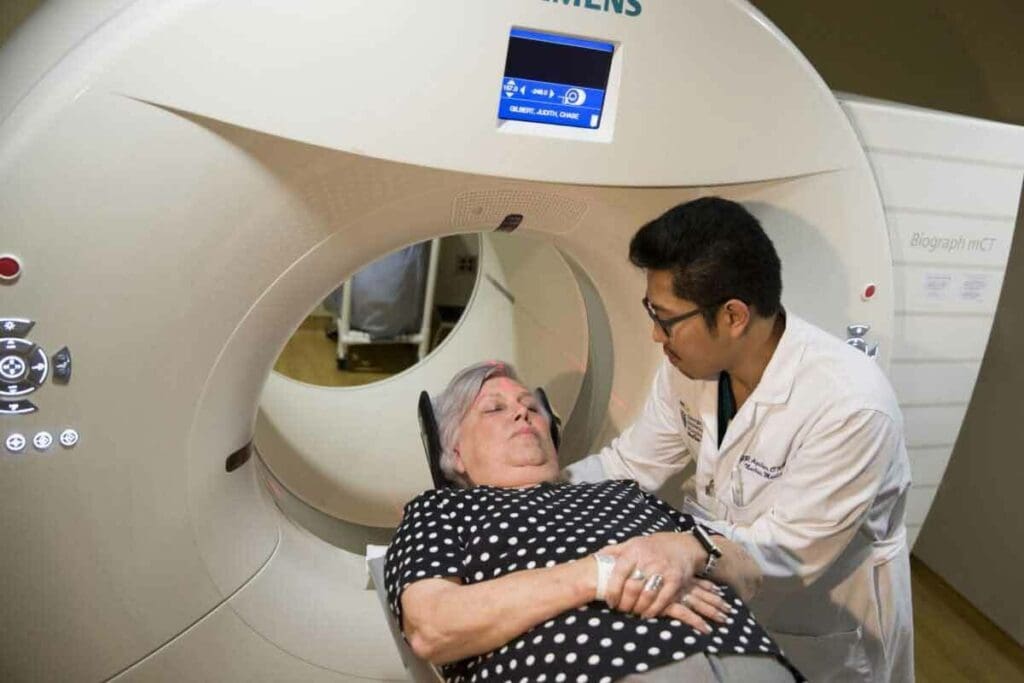
At Liv Hospital, we focus on advanced medical care that’s both precise and caring. A key part of our diagnostic tools is 18F-FDG PET scanning. This technology has changed how we find and treat cancer, heart issues, and brain disorders.Learn all about F D G (FDG) in our ultimate guide. Discover how this powerful tracer is used in 18F-FDG PET scanning for amazing results.
18F-FDG, or Fluorodeoxyglucose, is a sugar-like substance that cancer cells love. It helps us see where these cells are in the body. This is thanks to a PET scan, which shows us where 18F-FDG goes.
This tech is vital in today’s medicine. It lets us spot diseases early and accurately. It also helps us see if treatments are working.
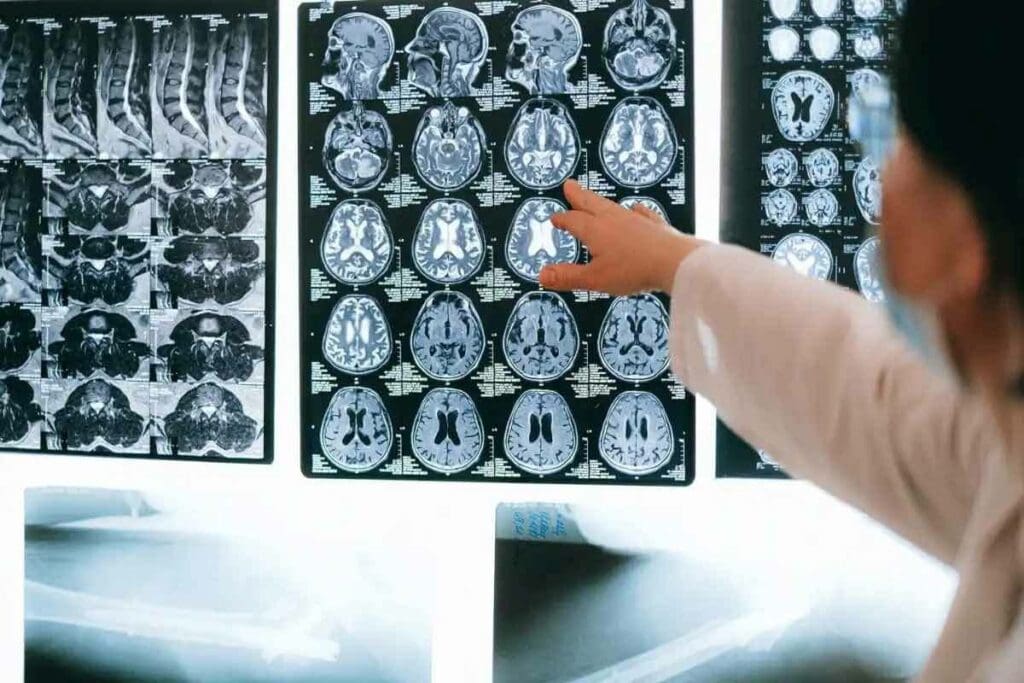
Fluorodeoxyglucose, or FDG, is a key player in medical imaging. It’s a glucose molecule with fluorine-18, a radioactive isotope. This makes FDG useful for Positron Emission Tomography (PET) scans, offering important diagnostic insights.
FDG’s structure is close to glucose but has fluorine-18 instead of a hydroxyl group. This change lets FDG enter cells like glucose but can’t be broken down further. So, it builds up in cells, helping us see how glucose is used in different tissues.
Chemical Formula: C6H11FO5
Molecular Weight: 181.15 g/mol (for F-FDG)
| Property | Description | Value/Characteristic |
| Chemical Formula | formula representing the composition of FDG | C6H11FO5 |
| Molecular Weight | Weight of one mole of FDG | 181.15 g/mol |
| Radioactive Isotope | Isotope used for PET scanning | Fluorine-18 (F) |
The journey of FDG in nuclear medicine began in the 1970s. Scientists saw the value of glucose analogs for studying metabolism in the body. The first synthesis of F-FDG was in 1976. It has since become crucial for PET imaging, especially in cancer diagnosis and monitoring.
Over time, we’ve made big strides in FDG’s production and use. Its history shows how far diagnostic imaging has come.
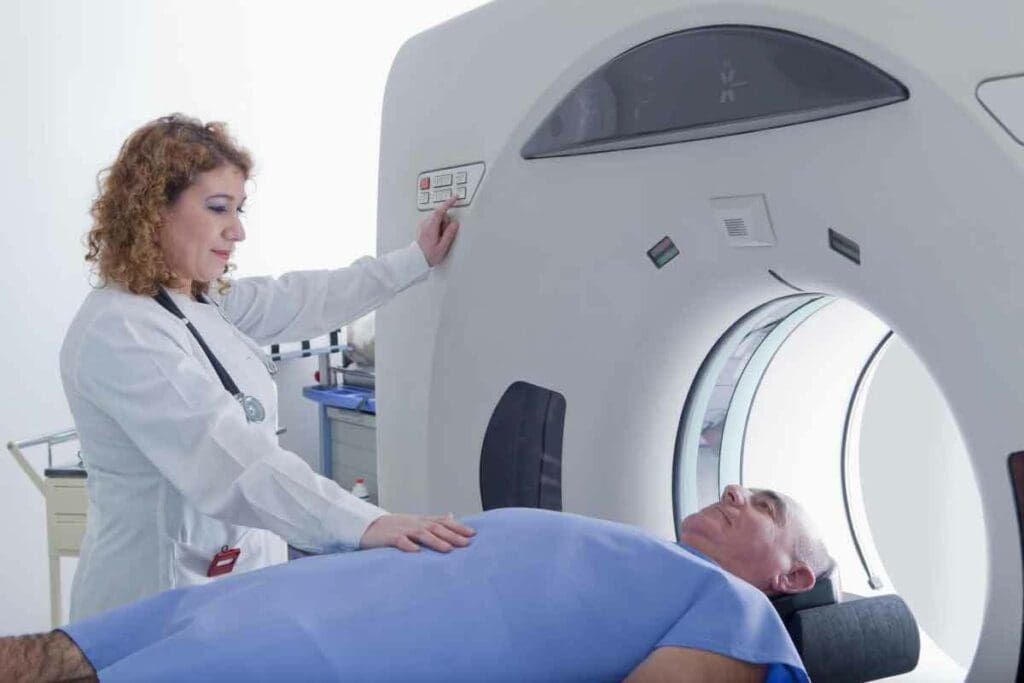
To understand 18F-FDG’s role in medical imaging, we need to know how it’s made. Making 18F-FDG involves several steps. These include creating the fluorine-18 isotope and then mixing it with deoxyglucose.
The first step in making 18F-FDG is creating the fluorine-18 isotope. This is done by bombarding O-enriched water with protons in a cyclotron. The F is very reactive and needs to be quickly used for the next step.
Cyclotrons are special machines that help make F. They speed up protons to high speeds. These protons then hit a target material to create F.
After F is made, it’s mixed with deoxyglucose through chemical reactions. This involves several steps to get the final product, 18F-FDG.
The synthesis of 18F-FDG is automated in modern labs. This ensures it’s made consistently, safely, and quickly. The whole process, from start to finish, is done in a few hours because of F’s short half-life.
The half-life of F is about 110 minutes. This is key for PET imaging. Because of its short half-life, 18F-FDG must be made close to where it’s used. This means imaging has to happen quickly after it’s made.
Even though its short half-life presents challenges, it also has benefits. It allows for more imaging without too much leftover radioactivity. This is great for tracking how treatments are working and how diseases are changing.
18F-FDG PET scanning works because 18F-FDG acts like glucose in the body. This is key for seeing how cells use glucose, especially in fast-growing tissues like tumors.
Cells take in 18F-FDG through glucose transporter proteins (GLUT) on their surface. Inside, hexokinase turns 18F-FDG into 18F-FDG-6-phosphate. This step keeps 18F-FDG from being broken down further.
Key factors influencing 18F-FDG uptake include:
18F-FDG gets trapped because 18F-FDG-6-phosphate can’t go through the glycolytic pathway. This means it builds up in cells that use a lot of glucose, like cancer cells. This makes 18F-FDG great for spotting active tissues.
18F-FDG acts like glucose at first, getting taken in and phosphorylated. But it doesn’t get broken down like glucose does. This is what makes PET imaging work, showing us tissues that use a lot of glucose.
| Characteristics | 18F-FDG | Glucose |
| Cellular Uptake | Via GLUT proteins | Via GLUT proteins |
| Phosphorylation | By hexokinase to 18F-FDG-6-phosphate | By hexokinase to glucose-6-phosphate |
| Further Metabolism | No further metabolism; trapped | Proceeds through glycolysis |
PET scanning uses positrons to understand how our bodies work. It’s a key tool in medicine, especially for cancer, heart, and brain health.
PET scanning finds positrons, the opposite of electrons, from special drugs. When a positron meets an electron, they both disappear, making gamma rays. These rays help create detailed images of our body’s activity.
PET scanners have a ring of detectors around the patient. These detectors turn gamma rays into light, which is then caught by photomultiplier tubes. This data helps make detailed images of our body’s activity.
A study on PET imaging explains how it works. The complex math behind it creates accurate images. These images show us what’s happening inside our bodies.
Today’s PET scanners can also use CT or MRI for better images. This mix gives us both how things work and what they look like.
Hybrid imaging makes diagnosis better. For example, PET/CT helps find and track tumors. PET/MRI is great for soft-tissue details.
| Imaging Modality | Primary Information | Clinical Application |
| PET | Functional/Metabolic | Cancer detection, cardiac viability, and neurological disorders |
| CT | Anatomical | Tumor localization, structural abnormalities |
| MRI | Anatomical/Functional | Soft-tissue characterization, neurological imaging |
| PET/CT | Combined functional and anatomical | Tumor staging, treatment monitoring |
| PET/MRI | Combined functional and detailed anatomical | Neurological disorders, cancer imaging |
Getting ready for an 18F-FDG PET scan is key. This includes fasting and checking blood sugar levels. Doing these steps right is important for good scan results.
Patients usually need to fast for a few hours before the scan. Fasting makes sure the tracer is taken up by tissues evenly, giving better scan results. The fasting time can be 4 to 6 hours. Patients can still drink water during this time.
It’s crucial to follow the fasting rules given by your doctor. This avoids any problems or the need for a second scan.
Doctors check blood sugar levels before giving the 18F-FDG. High blood sugar can mess up how the tracer works, leading to wrong scan results. People with diabetes might need to change their medicine or insulin before the scan. Their blood sugar will be watched closely.
A study in the Journal of Nuclear Medicine found that high blood sugar can make 18F-FDG PET scans less effective at finding some cancers.
“The uptake of FDG is influenced by the serum glucose level, and high glucose levels can lead to decreased FDG uptake in tumors.”
–As highlighted by professionals.
Doctors often tell patients to avoid hard exercise or activities that might strain muscles before the scan. This reduces the tracer going to muscles, which can make the scan harder to read.
| Preparation Step | Details | Importance |
| Fasting | 4 to 6 hours before scan | Ensures consistent tracer absorption |
| Blood Glucose Monitoring | Before 18F-FDG administration | Affects tracer uptake and scan accuracy |
| Activity Restrictions | Avoid strenuous exercise | Minimizes unnecessary muscle uptake |
By following these guidelines, patients can help make sure their 18F-FDG PET scan results are accurate. This helps doctors diagnose and plan treatment better.
An 18F-FDG PET scan has several important steps, from radiopharmaceutical administration to image capture. Knowing these steps helps both patients and healthcare workers see the value and complexity of this diagnostic tool.
The first step is giving the radiopharmaceutical. This is done by injecting 18F-FDG into a vein, usually in the arm. The dose is based on the patient’s weight and the scan’s needs. A study on the National Center for Biotechnology Information website highlights the importance of this step for accurate images.
After the 18F-FDG is given, there’s an uptake period. This is when the body absorbs the radiopharmaceutical. It usually lasts about 60 minutes, during which the patient rests quietly. This time lets the 18F-FDG build up in tissues, showing metabolic activity clearly.
Experts say, “The uptake period is key for quality PET scan images. It ensures the radiopharmaceutical is evenly distributed.”
The quality of PET scan images depends on the uptake period, making it a crucial step in the scanning process.
The scanning protocol is the last step. The patient lies on a table, which is then moved into the PET scanner. The scanner captures positron emissions from the 18F-FDG, showing the body’s metabolic activity. The scanning protocol can change based on the clinical question, like cancer type or heart health.
The protocol might also include CT or MRI co-registration. This combines PET’s functional info with CT or MRI’s anatomical details. This gives healthcare providers a full view of the patient’s condition.
The use of 18F-FDG PET imaging in oncology has changed how we diagnose and monitor cancer. This advanced imaging shows how active tumors are. It helps us stage cancer, plan treatments, and check how well treatments work.
18F-FDG PET imaging is key in finding and staging different cancers. It spots high activity, which is common in cancer cells. This helps us:
Knowing the stage of cancer is vital for predicting outcomes and planning treatments. 18F-FDG PET imaging is especially helpful for cancers like lymphoma, melanoma, and non-small cell lung cancer.
Watching how cancer reacts to treatment is crucial. We use 18F-FDG PET imaging to see changes in tumor activity after treatment. This can:
This method leads to more tailored treatments. It can greatly improve patient results.
18F-FDG PET imaging is useful for many cancers, including:
Each cancer type needs a special approach with 18F-FDG PET imaging. We customize our methods for each patient’s needs and cancer type.
18F-FDG PET is key in cardiology, showing how healthy the heart is and spotting heart problems. We use it to check heart health and find complex heart issues.
Checking if the heart muscle can recover is vital for treating heart disease. 18F-FDG PET helps find the heart muscle that can get better with treatment.
This method looks at how the heart uses glucose. Healthy heart muscle uses glucose well, but scar tissue doesn’t. This helps doctors choose the best treatment.
Cardiac sarcoidosis is when inflammation harms the heart, causing serious problems. 18F-FDG PET finds this inflammation in the heart.
People with suspected cardiac sarcoidosis get an 18F-FDG PET scan after fasting. The scan shows where inflammation is by looking at glucose use.
18F-FDG PET gives special insights into heart health and inflammation. But other tests like echocardiography, MRI, and SPECT also help. They look at heart function, tissue, and blood flow.
Which test to use depends on what the doctor needs to know and the patient’s situation. 18F-FDG PET is especially useful for checking the heart muscle and finding sarcoidosis, helping make treatment plans.
In neurology, 18F-FDG PET is a key tool for diagnosing and tracking neurological conditions. It shows how the brain uses energy, helping doctors make better choices for their patients.
18F-FDG PET is crucial for checking Alzheimer’s disease and other dementias. It spots brain areas that don’t use glucose well, a sign of Alzheimer’s. This helps doctors diagnose early and tell it apart from other dementia types.
A leading expert says,
“18F-FDG PET is key for diagnosing Alzheimer’s early, helping manage it better.”
For epilepsy, 18F-FDG PET helps find where seizures start. In between seizures, brain spots involved in seizures use less glucose, showing up as dark spots on scans. This info is key for surgery planning and better epilepsy treatment.
18F-FDG PET also helps with brain tumors. It shows how aggressive a tumor is by looking at glucose use. Aggressive tumors use more 18F-FDG, while less aggressive ones use less.
Using 18F-FDG PET in neurology has greatly improved diagnosing and treating complex brain conditions. As technology gets better, we’ll see even more benefits from this method.
Understanding 18F-FDG PET scan results is complex. It involves knowing about Standardized Uptake Values (SUV) and normal patterns. Getting it right is key for making the right decisions for patients.
The SUV measures how much 18F-FDG is taken up by tissues. It’s calculated by comparing the activity in a specific area to the dose given and the patient’s weight. SUV helps tell if a lesion is active or not, which is important for diagnosing diseases.
For example, an SUV of 5.2 in a lung nodule might mean it’s cancerous. But, SUV values can change based on how the patient is prepared, the scanner’s setup, and the image processing.
| Factor | Influence on SUV |
| Patient Preparation | Fasting state, blood glucose level |
| Scanner Calibration | Cross-calibration with dose calibrator |
| Image Reconstruction | Algorithm used, number of iterations |
Knowing how 18F-FDG acts normally is crucial. It usually goes to the brain, liver, and sometimes the heart and brown fat. Normal patterns can differ from person to person, depending on blood sugar and insulin levels.
“The interpretation of FDG PET scans requires a thorough understanding of normal biodistribution and its variations,” – A Nuclear Medicine Specialist states
For instance, high blood sugar can change where 18F-FDG goes, making it hard to read. Also, some body processes like inflammation can make it look like cancer.
There are many things that can make reading 18F-FDG PET scans tricky. These include movement issues, problems with correcting for body parts, and issues with how images are made. Knowing about these can help doctors get it right.
By understanding these challenges and working to avoid them, doctors can make 18F-FDG PET scan readings more accurate. This helps improve patient care.
18F-FDG PET scanning is a valuable tool, but it has its limits. It’s important to know these to ensure we use it right. This helps us give the best care to our patients.
One big issue with 18F-FDG PET is false positives, especially in inflammatory conditions. Inflammation can make glucose uptake go up, which can look like cancer. This can lead to wrong diagnoses or extra tests.
To avoid this, we need to look at the whole picture. This includes the patient’s history, other scans, and lab tests.
Another thing to think about is the radiation from 18F-FDG PET scans. The dose is low, but it’s still a worry, especially for kids and those needing many scans. We must balance the scan’s benefits against the risk of radiation.
To reduce radiation, we can use lower doses of 18F-FDG and better technology. This includes new detectors and scanners.
The cost and who can get 18F-FDG PET scans are big issues. PET scans are pricey, and not everyone can get them. This can make care unfair and hard to reach for some.
To make things better, we can add more scanners, make scans cheaper, and help insurance cover them more.
In short, 18F-FDG PET imaging is very useful, but we must know its limits. By understanding and working on these issues, we can improve care and results for our patients.
The role of 18F-FDG PET in precision medicine is growing. It’s opening up new ways to improve personalized healthcare. This technology is set to play a big part in making healthcare more effective.
With precision medicine, doctors can now tailor treatments to fit each patient’s needs. 18F-FDG PET helps by giving insights into how diseases work and grow. We’re looking forward to seeing how imaging tech and new drugs will shape FDG PET’s future.
18F-FDG PET has a big chance to make patients’ lives better. Its role in precision medicine will help lead the way in personalized care. As research goes on, we’ll see more uses and better scans, making it a key part of medical imaging today.
18F-FDG, or Fludeoxyglucose F 18, is a special medicine used in PET scans. It helps doctors see how diseases like cancer, heart disease, and brain disorders work. It acts like glucose in the body, showing where cells are most active.
18F-FDG is made by adding Fluorine-18 to glucose. It has a half-life of about 110 minutes. This is good for scans because it gives enough time to get the images without too much radiation.
Before the scan, patients usually need to fast for 4 to 6 hours. They also need to check their blood sugar levels. Doctors might also tell them to avoid hard activities before the scan.
This scan finds cancer by showing where cells are very active. It helps doctors see if cancer is present, how far it has spread, and if treatments are working.
In cardiology, 18F-FDG PET scans check if the heart muscle is alive and spot cardiac sarcoidosis. It shows how active the heart is, helping doctors diagnose and treat heart problems.
Neurologists use 18F-FDG PET scans to diagnose and manage diseases like Alzheimer’s, epilepsy, and brain tumors. It helps see how brain tissues are working, helping doctors understand and treat neurological issues.
This imaging has some downsides, like false positives in inflammatory conditions. There are also worries about radiation and cost. These factors affect how widely it’s used.
Reading these scan results means understanding SUV values and normal patterns. It’s also important to know about common mistakes. Accurate reading is key for making good medical decisions.
18F-FDG PET is set to play a big role in precision medicine. It will help tailor treatments to individual needs. As technology advances, it will become even more important in healthcare.
Aerts, H. J. W. L., & Velazquez, E. R. (2014). “Decoding the Tumor Phenotype: Radiomics Approach.” Nature Reviews Clinical Oncology, 11(9), 533–551 https://www.nature.com/articles/nrclinonc.2014.71
