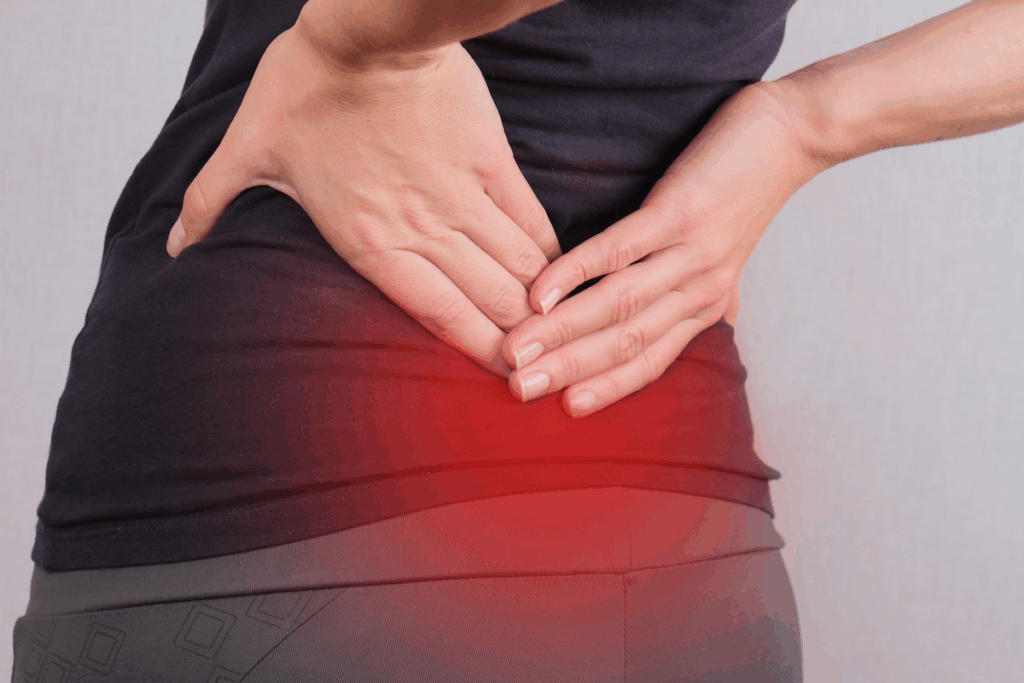
Lower back spasms are a common problem that affects millions worldwide. These muscle contractions can cause a lot of pain. This pain can make it hard to move and live your daily life. Five proven methods detailing how totreat lower back spasms quickly and effectively using medication and gentle stretches.
At Liv Hospital, we know how tough lower back spasms can be. We offer effective treatments to help. Our team uses the latest methods to treat back muscle spasms in a way that works.
In this article, we’ll share five ways to treat lower back spasms. These methods can help you feel better and avoid more problems. Knowing these options can help you get back to your normal life.
Key Takeaways
- Understanding the causes and symptoms of lower back spasms
- Exploring effective treatment methods, including medication and physical therapy
- Learning how to manage and prevent future spasms
- Discovering the benefits of a patient-centered treatment approach
- Regaining comfort and mobility through evidence-based practices
Understanding Lower Back Spasms and Their Impact
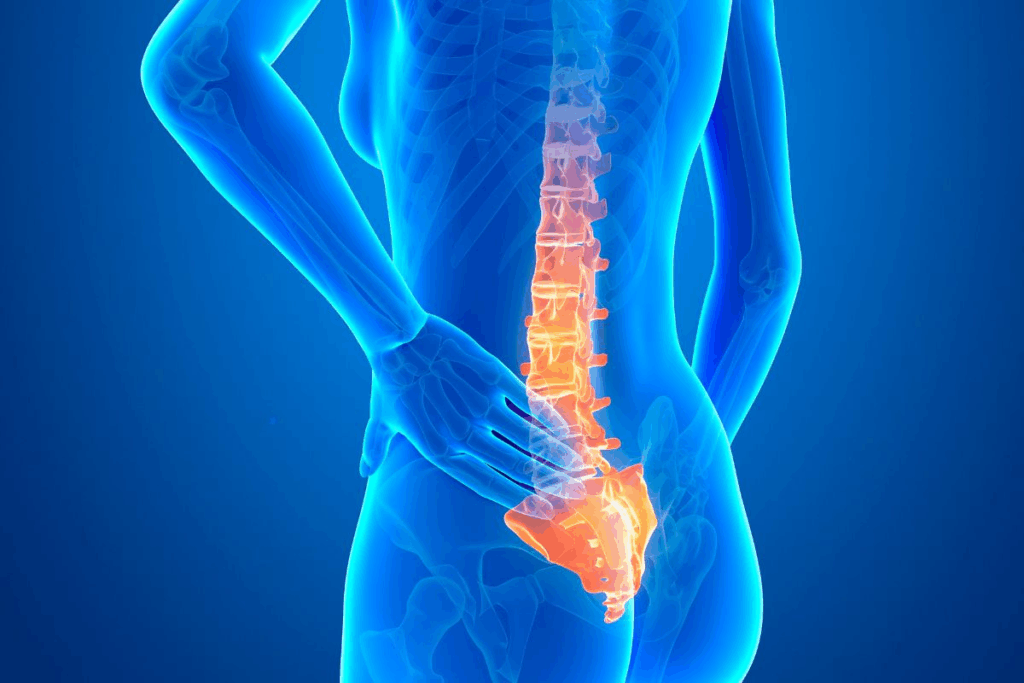
It’s important to know what causes and affects lower back spasms. These spasms are common and can come from muscle or tendon strain, structural issues, or disk injuries.
What Causes Muscle Spasms in the Lower Back
Muscle spasms in the lower back can be caused by many things. Mechanical issues like muscle strain or tendonitis are common. Also, structural problems like herniated disks or spinal stenosis can cause spasms. Sometimes, spasms can be a sign of underlying medical conditions like kidney problems or infections.
- Muscle strain or overuse
- Structural issues like herniated disks
- Underlying medical conditions
The Global Burden of Back Pain
Back pain is a big problem worldwide. In 2020, about 619 million people had low back pain. By 2050, this number could grow to 843 million. This shows we need better ways to prevent and treat back pain.
The economic and social impact of back pain is huge. It affects not just people but also healthcare systems and economies globally.
How Back Spasms Affect Daily Life
Lower back spasms can really disrupt daily life. They cause pain and make it hard to move. Even simple tasks can be tough, and in bad cases, spasms can make you temporarily disabled.
To manage and prevent spasms, we need to treat the cause and make lifestyle changes. This includes medical treatment, changing how we live, and trying alternative therapies. By tackling the root causes and using the right treatments, we can lessen the impact of lower back spasms.
Recognizing When Back Spasms Require Medical Attention
Knowing when to see a doctor for back spasms is important. Back spasms can be mild or severe and may cause pain and stiffness. While some cases can be treated at home, others need medical help right away.
Warning Signs That Indicate Serious Conditions
It’s key to know the signs of serious back issues. Look out for:
- Severe pain that doesn’t get better with rest or medicine.
- Numbness or tingling in your legs or arms.
- Loss of bladder or bowel control, which is a medical emergency.
- Recent trauma or injury to the back.
- Unexplained weight loss with back pain.
If you notice any of these signs, get medical help fast. Early treatment can make a big difference.
Acute vs. Chronic Back Spasms
It’s important to tell if your back spasms are acute or chronic. Acute back spasms happen suddenly, often from injury or overuse. They are sharp and can be treated with rest, physical therapy, and sometimes medicine.
Chronic back spasms last longer and might mean a chronic condition like arthritis. Treating chronic spasms needs a detailed plan that includes physical therapy, lifestyle changes, and possibly long-term medicine.
Characteristics | Acute Back Spasms | Chronic Back Spasms |
Duration | Short-term, often resolving within days to weeks | Long-term, persisting beyond three months |
Causes | Typically due to injury, strain, or overuse | Often associated with chronic conditions like arthritis or degenerative disc disease |
Treatment Approach | Usually managed with rest, physical therapy, and sometimes short-term medication | Requires a detailed plan including lifestyle changes, physical therapy, and possibly long-term medication |
Knowing if your back spasms are acute or chronic helps you get the right care. If you’re not sure or symptoms don’t go away, see a doctor.
How to Treat Lower Back Spasms with Medication
Managing lower back spasms often involves using certain medications. These help reduce pain and discomfort. They play a key role in easing symptoms and improving life quality for those affected.
Muscle Relaxants for Short-Term Relief
Muscle relaxants are used for short-term relief from acute lower back spasms. They work by reducing muscle tone and easing discomfort. Cyclobenzaprine is a well-known muscle relaxant that helps manage acute back spasms.
A study in the Journal of Clinical Rheumatology found that cyclobenzaprine improved symptoms in patients with acute lower back pain.
“Muscle relaxants can provide significant relief for patients with acute lower back pain, when used with other therapies.”
Over-the-Counter NSAIDs and Pain Relievers
OTC NSAIDs and pain relievers are also effective for lower back spasms. Ibuprofen and naproxen reduce inflammation and ease pain. These are available without a prescription but should be used as directed to avoid side effects.
When to Consider Prescription Options
If OTC medications don’t work, or the condition is severe, prescription options may be needed. This includes stronger NSAIDs, oral corticosteroids, or medications for specific causes. It’s important to talk to a healthcare professional to find the right treatment.
Exploring medication options for lower back spasms shows the need for a personalized approach. Understanding the different medications and their benefits helps individuals work with their healthcare providers to create an effective treatment plan.
Applying Hot and Cold Therapy for Back Spasm Relief
Hot and cold therapy is a simple way to ease back spasms. It relaxes tense muscles and cuts down pain. We’ll look at how to use these methods well.
Ice Application Techniques and Timing
Ice therapy is great at first for back spasms. It lowers inflammation and numbs pain. To safely use ice, wrap it in a towel to avoid skin burns. Apply it to the sore spot for 15-20 minutes, then wait 30 minutes before using it again.
Key tips for ice application:
- Use an ice pack or a bag of frozen peas wrapped in a towel.
- Apply for 15-20 minutes, then wait 30 minutes before reapplying.
- Monitor skin color and sensation to avoid damage.
Heat Therapy Methods for Muscle Relaxation
Heat therapy is better for relaxing muscles and easing spasms. It boosts blood flow, aiding in muscle healing and relaxation. Try a warm bath, heating pad, or warm compress.
Effective heat therapy techniques include:
- Soaking in a warm bath for at least 20 minutes.
- Using a heating pad on a low or medium setting for 15-20 minutes.
- Applying a warm compress to the affected area.
Creating an Effective Hot-Cold Treatment Schedule
Switching between hot and cold therapy works well. Start with ice to cut down inflammation, then use heat to relax muscles. A good plan is to use ice first 24-48 hours after spasms start, then switch to heat.
A sample treatment schedule:
- Apply ice for 15-20 minutes, 3-4 times a day for the first 24-48 hours.
- After 48 hours, switch to heat therapy, applying heat for 15-20 minutes, 3-4 times a day.
- Alternate between heat and cold if spasms continue, but wait at least 30 minutes between uses.
By following these tips, you can manage back spasms with hot and cold therapy. This can greatly improve your life quality.
Physical Therapy Exercises to Treat Back Muscle Spasms
Back muscle spasms can really hurt. But, physical therapy exercises can help a lot. They are a key part of treating back spasms.
Core-Strengthening Routines for Spasm Prevention
Exercises that strengthen the core are very important. They help prevent back spasms. Planks, bridges, and pelvic tilts are great for this.
Planks make your abdominal and back muscles stronger. Bridges work on your glutes and hamstrings, which are key for back stability. Doing these exercises daily can really help your back.
Gentle Stretches for Immediate Relief
Gentle stretches are also very important. Stretches like knee to chest stretch, cat-cow stretch, and hamstring stretch can help right away. They relax tense muscles and improve flexibility.
The cat-cow stretch is great for the spine. It reduces stiffness and eases pain. Regular stretching keeps muscles flexible and prevents spasms.
Progressive Movement Therapy for Recovery
Progressive movement therapy makes movements more challenging over time. It helps restore normal movement and strengthens the back. Leg raises, Superman pose, and bird dog are good for this.
“Physical therapy is not just about exercises; it’s about regaining function and improving quality of life.”
Adding these exercises to physical therapy can greatly improve back health. It can also reduce muscle spasms a lot.
Hydration and Nutrition Strategies for Preventing Spasms
To stop lower back spasms, focus on hydration and nutrition. Drinking enough water is key because dehydration causes muscle cramps. Our muscles work better when we have the right balance of electrolytes.
The Role of Electrolyte Balance in Muscle Function
Electrolytes like sodium, potassium, and calcium are vital for muscles. They help muscles contract and relax. Without the right balance, spasms can happen.
Doctors say, “Electrolyte balance is key for muscle health.” Eating right or taking supplements can prevent spasms.
Drinking water is important, but so is keeping electrolytes balanced. Sports drinks or coconut water can help, mainly after working out or in the heat.
Essential Minerals: Magnesium and Calcium
Magnesium and calcium are vital for muscles. Magnesium controls muscle contraction, and calcium is key for muscle and nerve work. Not having enough can cause spasms.
Eating foods high in magnesium and calcium helps. Dark greens, nuts, and dairy are good sources.
Anti-Inflammatory Foods for Back Health
Adding anti-inflammatory foods to your diet also helps your back. Omega-3s in salmon and walnuts reduce inflammation.
As “Diet affects inflammation”, eating a balanced diet is important. Include fruits, veggies, whole grains, and lean proteins. Avoid processed foods and sugars to fight inflammation.
By staying hydrated and eating well, you can lower the chance of back spasms.
Alternative and Complementary Approaches for Back Spasm Treatment
Alternative therapies offer more ways to ease back spasms. While traditional treatments work well, many people find extra relief with these methods. They help in recovery and offer more comfort.
Massage Techniques for Muscle Release
Massage therapy is a popular choice for back spasms. It relaxes tight muscles, boosts blood flow, and eases pain. Effective massage methods include:
- Deep tissue massage: Targets deeper muscle layers
- Swedish massage: Relaxes and improves blood flow
- Trigger point therapy: Focuses on tense areas
Getting regular massages can greatly improve back spasm symptoms. A study in the Journal of Bodywork and Movement Therapies showed massage therapy cuts pain and boosts function in chronic low back pain patients.
Acupuncture and Pressure Point Therapy
Acupuncture, an ancient Chinese medicine practice, uses thin needles to stimulate healing and pain relief. It’s great for back spasms by targeting trigger points and relaxing muscles.
Pressure point therapy, similar but without needles, uses pressure to ease tension. Both can be used with other treatments to make them more effective.
Therapy | Description | Benefits |
Acupuncture | Involves inserting thin needles into specific body points | Relieves pain, promotes healing, reduces muscle tension |
Pressure Point Therapy | Applies pressure to specific body points | Relieves tension, improves circulation, relaxes muscles |
Stress Reduction Methods for Muscle Relaxation
Stress makes muscles tense and can cause back spasms. Adding stress-reducing techniques to your treatment plan helps a lot. Good methods include:
- Meditation and mindfulness practices
- Yoga and tai chi exercises
- Deep breathing exercises
These methods not only lower stress but also boost overall health. They can be used with other treatments for back spasms.
By adding alternative and complementary approaches to their treatment, people with back spasms can find more relief. This improves their quality of life.
Preventing Recurrent Lower Back Spasms
To avoid lower back spasms, we need to make lifestyle changes and watch for early signs. Simple daily adjustments can help keep our backs healthy.
Ergonomic Adjustments at Home and Work
At home and work, making ergonomic changes is key. Make sure your workspace supports good posture. This means monitors at eye level and chairs that fit your spine’s natural curve.
- Position your computer monitor directly in front of you, at a distance of about 20-25 inches, and at a height that allows you to gaze slightly downward.
- Use a chair with adjustable height and lumbar support to maintain the natural curve of your lower back.
- Keep your keyboard and mouse close to your body to avoid reaching forward.
Daily Movement Habits That Protect Your Back
Regular physical activity is important for back health. Activities like walking or swimming strengthen back muscles.
- Taking regular breaks to stand and stretch if you have a job that involves sitting for long periods.
- Incorporating exercises that strengthen your core muscles, which help stabilize the spine.
- Being mindful of your posture during daily activities, such as bending or lifting, to avoid putting unnecessary strain on your back.
Warning Signs of Impending Spasms
Knowing the signs of impending spasms can help prevent them. Look out for increased stiffness or pain, numbness or tingling in the legs, or feeling unstable when standing or walking.
- Adjust your activities to avoid exacerbating the condition.
- Apply heat or cold therapy to relax the muscles and reduce pain.
- Seek medical attention if the symptoms persist or worsen.
Conclusion
Treating lower back spasms needs a mix of different methods and ways to prevent them. Knowing what causes these spasms helps us manage and stop them. This way, we can live without the pain they bring.
We talked about many ways to treat lower back spasms. These include medicines, heat and cold, exercises, staying hydrated, and trying new things. Using these methods together can help people feel better and live better lives.
It’s key to talk to doctors for advice on treating lower back spasms. They can suggest the best treatment and ways to avoid future problems. This helps keep the pain away and improves health.
By using a full plan to treat and prevent lower back spasms, people can take back control. They can enjoy a better life and feel well overall.
FAQ
What are the most effective methods for treating lower back spasms?
To treat lower back spasms, we suggest a mix of treatments. This includes medication, hot and cold therapy, and physical therapy. Also, staying hydrated and eating right is key. Don’t forget about alternative methods too.
How do muscle relaxants help in treating back spasms?
Muscle relaxants offer quick relief by easing muscle tension. They help muscles relax, giving you temporary relief from spasms.
What is the role of hydration in preventing back spasms?
Drinking enough water is vital for muscle health. It keeps electrolytes balanced, which helps prevent spasms.
How can I apply hot and cold therapy for back spasm relief?
Use ice packs to cut down inflammation and heat therapy to relax muscles. Switching between hot and cold can help ease spasms.
What are some physical therapy exercises that can help treat back muscle spasms?
Try core-strengthening exercises, gentle stretches, and progressive movement therapy. These can help ease spasms and prevent them from coming back.
Can stress reduction techniques help in managing back spasms?
Yes, stress-reducing activities like meditation and deep breathing can relax muscles. They help lower the chance of spasms happening again.
How can I prevent recurrent lower back spasms?
Make ergonomic changes and practice daily movement. Also, watch for early signs of spasms to prevent them from coming back.
What are the warning signs that indicate serious conditions related to back spasms?
Look out for numbness, tingling, or weakness in your legs. Also, if you lose bladder or bowel control, seek medical help right away.
How long does it take to recover from lower back muscle spasms?
Recovery time varies. It depends on how bad the spasms are and how well you treat them. Most people start feeling better in a few days to weeks.
When should I seek medical attention for back spasms?
If your back spasms are severe or don’t go away, get medical help. Also, watch for warning signs of serious conditions.
Can alternative therapies like acupuncture and massage help in treating back spasms?
Yes, acupuncture and massage can relax muscles and reduce pain. They’re good additions to your treatment plan for back spasms.
References
National Center for Biotechnology Information. Evidence-Based Medical Guidance. Retrieved from https://pubmed.ncbi.nlm.nih.gov/29753528/