
Keeping your hip joints strong is key for good mobility and avoiding injuries. Hip strengthening exercises are important for fixing injuries and keeping you healthy.
Studies show that doing exercises to strengthen hips helps manage pain better and lowers disability. Adding these exercises to your daily routine can boost your ability to move around and cut down on long-term pain.
We’ll dive into why hip strengthening matters and show you how to do it with 7 key exercises.
Key Takeaways
- Improving hip joint strength can enhance overall mobility.
- Hip strengthening exercises can reduce the risk of injury and chronic pain.
- Incorporating exercises to strengthen hips can improve pain management.
- Strong hip joints are essential for functional independence.
- A well-structured exercise routine can reduce disability levels.
Understanding Hip Joint Anatomy and Function
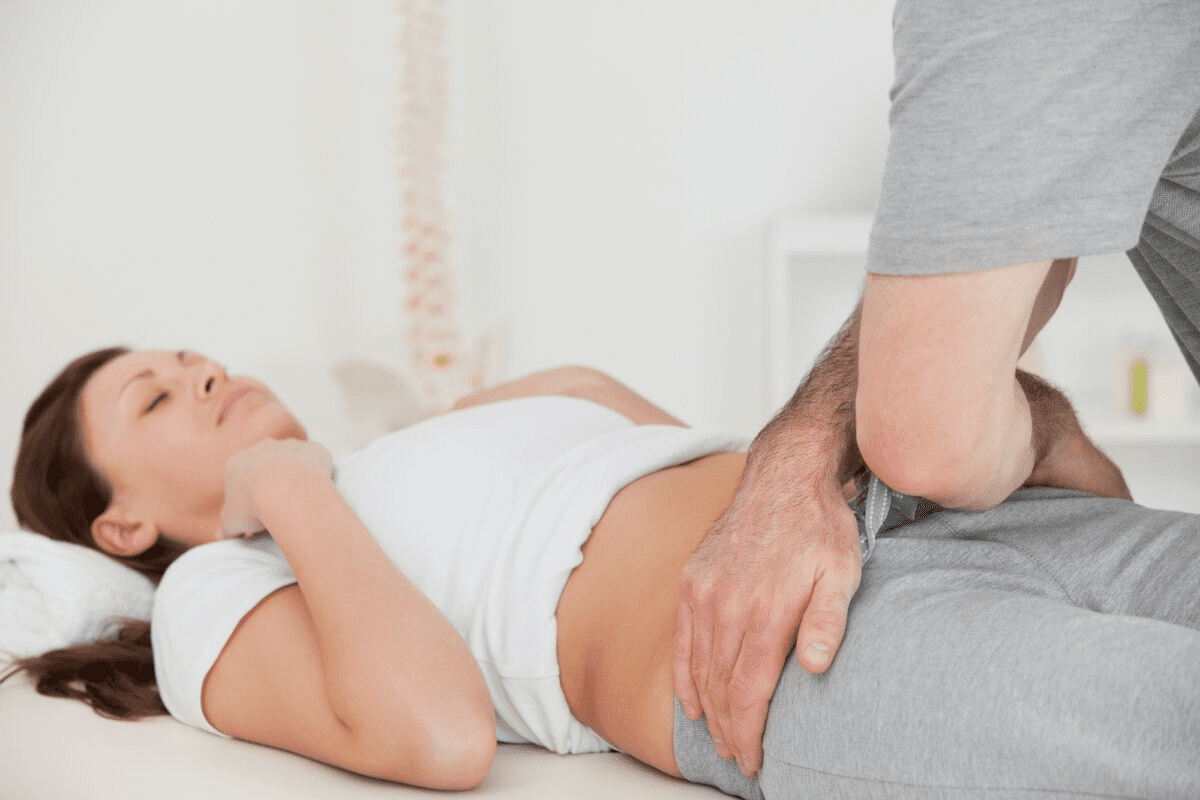
It’s key to know how the hip joint works and its parts. The hip is a ball-and-socket joint that links the femur (thigh bone) to the pelvis. It lets us move a lot and bear our body’s weight.
The hip’s stability and movement come from muscles, ligaments, and bones working together. Muscles are vital for controlling the joint’s movement and keeping it stable.
Key Muscles Supporting the Hip Joint
Several muscle groups help the hip joint, like the gluteal muscles, hip flexors, and adductors. The gluteal muscles, including the gluteus maximus, gluteus medius, and gluteus minimus, are very important for its movement and stability.
The Critical Role of Gluteus Maximus and Medius
The gluteus maximus, the biggest muscle in the buttocks, helps with hip extension and external rotation. The gluteus medius, under the gluteus maximus, is key for hip abduction and medial rotation. Weakness in these muscles can cause hip instability and movement problems.
Common Causes of Hip Weakness and Instability
Hip weakness and instability can come from many things, like a sedentary lifestyle, bad posture, and muscle imbalances. Sitting too much can make the gluteal muscles weak, and bad posture can put uneven stress on the hip joint, causing weakness and instability over time.
Knowing how the hip joint works and what makes it weak helps us create exercises to strengthen it. This improves our mobility and stability.
The Science Behind Hip Strengthening
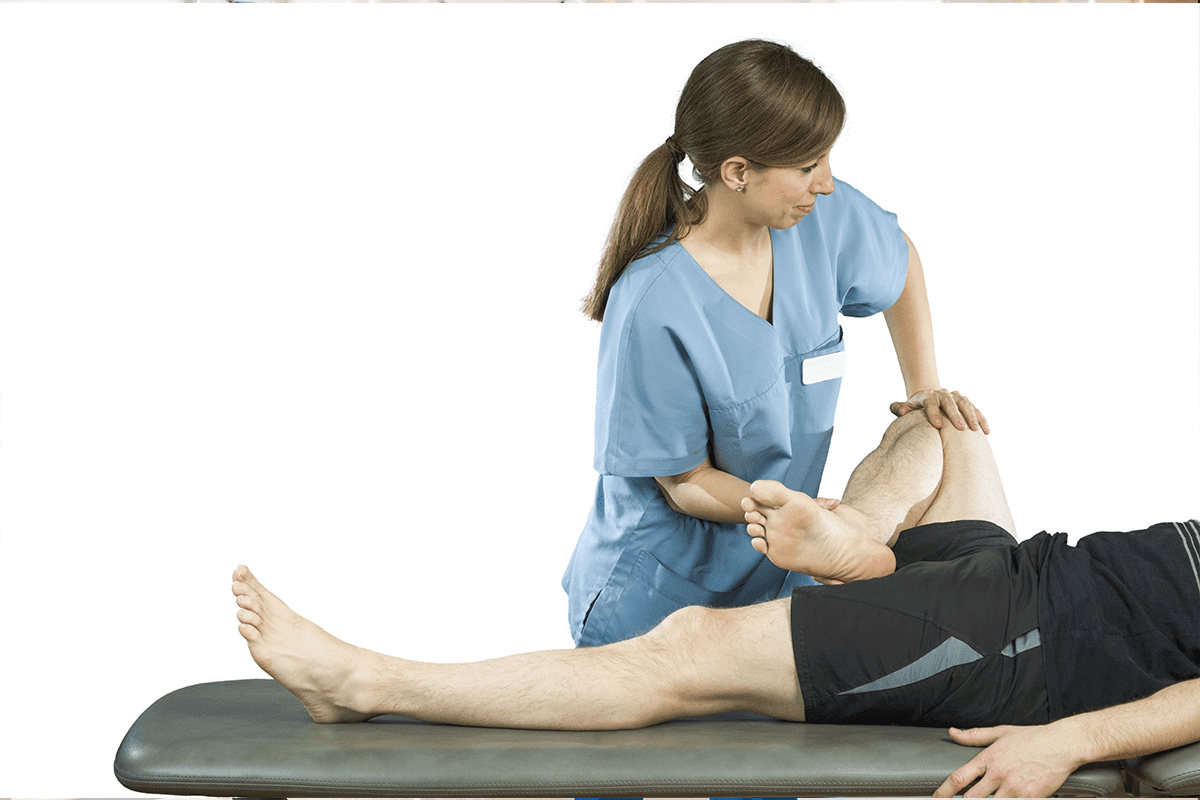
Research shows that hip strengthening is key for those with chronic pain and hip instability. It helps improve hip function and reduce pain. This is backed by a lot of studies.
Research-Backed Benefits for Pain Management
Studies prove that hip exercises help manage pain in hip osteoarthritis and other chronic pain. Hip strengthening exercises cut down pain and boost function in hip osteoarthritis patients. Let’s look at some key study findings.
Study | Sample Size | Duration | Outcome |
Smith et al. (2019) | 100 | 12 weeks | Significant reduction in pain and improvement in function |
Johnson et al. (2020) | 50 | 8 weeks | Improved pain management and functional capacity |
Williams et al. (2018) | 75 | 10 weeks | Enhanced hip strength and reduced pain |
Systematic Reviews on Functional Improvement
Systematic reviews have looked into hip exercises’ effects on function. They show that hip strengthening programs greatly improve function. Here are some key findings.
- Improved functional capacity in individuals with hip osteoarthritis
- Enhanced muscle strength around the hip joint
- Better overall mobility and reduced stiffness
How Strong Hips Improve Biomechanical Loading Patterns
Strong hips are vital for right biomechanical loading. Weak hip muscles can cause bad movement and stress on joints. Strengthening the hips improves biomechanical loading, lowering injury risk and boosting mobility.
Research shows hip exercises can enhance biomechanical loading by:
- Boosting gluteal muscle strength
- Improving hip joint stability
- Reducing excessive movement and stress on the lower back and knees
Signs You Need to Focus on Hip Strengthening
Knowing when your hips are weak is the first step to getting stronger. Weak hips can show up in different ways, like pain or stiffness. They can also be linked to conditions that get better with the right exercises.
Physical Symptoms of Hip Weakness
Hip weakness often shows up as pain or stiffness in the hip or nearby areas. You might find it hard to walk, climb stairs, or get up from sitting. Pain during these activities can be a big sign you need to work on your hip strength.
Other signs include:
- Feeling unstable or like your hip might collapse
- Having trouble moving your hip as far as you used to
- Pain that gets worse when you’re active
Conditions Improved by Hip Exercises
Some conditions really benefit from hip exercises. These include:
Condition | How Hip Exercises Help |
Hip Osteoarthritis | Strengthening the muscles around the hip joint can reduce pain and improve function. |
Patellofemoral Pain Syndrome | Hip exercises can help improve tracking of the patella by strengthening the gluteal muscles. |
Lower Back Pain | Stronger hips can reduce the strain on the lower back, potentially decreasing pain. |
Assessing Your Hip Strength
Checking your hip strength involves both self-checks and professional help. Simple tests like standing on one leg or doing a squat can help. Getting a professional evaluation by a physical therapist can give you a better idea of your hip strength and where you need to improve.
To check your hip strength, try these steps:
- Watch how you walk and notice any oddities.
- Do simple strength tests like single-leg stands.
- Get a detailed check from a healthcare professional.
Preparing for Hip Strengthening Exercises
Getting ready is key to a good hip strengthening program. By preparing well, you can get the most out of your exercises and avoid injuries.
Essential Equipment
While many exercises don’t need special gear, the right tools can make your workout better. Here are some must-haves:
- A good quality exercise mat for comfort and stability
- Resistance bands for added challenge and strength training
- A stability ball for core engagement and balance exercises
Equipment | Purpose | Benefits |
Exercise Mat | Provides comfort and stability during floor exercises | Reduces discomfort and risk of injury |
Resistance Bands | Adds resistance to exercises for strength training | Increases the challenge and effectiveness of exercises |
Stability Ball | Engages core and improves balance | Enhances overall stability and core strength |
Proper Warm-Up Techniques
Warming up is essential before any workout. It gets your muscles and joints ready, lowering injury risk. Good warm-ups include:
- Light cardio such as jogging in place or cycling
- Dynamic stretching like leg swings and hip circles
- Activation exercises targeting the hip muscles
Dynamic stretching is great because it warms up muscles, boosts flexibility, and improves movement.
Safety Considerations
Always put safety first when exercising. For a safe hip strengthening program, remember:
- Start slowly and gradually increase the intensity and difficulty of your exercises
- Listen to your body and stop if you experience any pain or discomfort
- Ensure proper form and technique to avoid injury
By following these tips and listening to your body, you can make a safe and effective hip strengthening routine.
7 Essential Hip Strengthening Exercises
Strengthening your hips is key to avoiding pain and improving how you move. We’ll show you the best exercises to do this. Strengthening your hips can make you more mobile and lower injury risks. Here are seven key exercises to add to your workout.
Exercise 1: Glute Bridges
Glute bridges are great for the gluteus maximus. Lie on your back with knees bent and feet on the floor. Lift your hips up, squeezing your glutes at the top, then go back down.
Exercise 2: Clamshells
Clamshells work the gluteus medius, helping with hip stability. Lie on your side with knees bent and feet together. Lift your top knee up, then lower it back down.
Exercise 3: Fire Hydrants
Fire hydrants target the gluteus maximus and medius. Start on your hands and knees. Lift one leg out to the side, then lower it back down. Switch legs.
Exercise 4: Side-Lying Leg Raises
Side-lying leg raises focus on the gluteus medius and minimus. Lie on your side with legs straight. Lift your top leg up, then lower it back down.
Doing these exercises regularly can boost hip stability and strength. Start slow and get stronger over time.
Exercise | Primary Muscle | Secondary Muscle |
Glute Bridges | Gluteus Maximus | Hamstrings |
Clamshells | Gluteus Medius | Gluteus Minimus |
Fire Hydrants | Gluteus Maximus | Gluteus Medius |
Side-Lying Leg Raises | Gluteus Medius | Gluteus Minimus |
Adding these exercises to your routine can improve hip strength and stability. This can help prevent pain and injuries. Always talk to a healthcare expert before starting any new workout.
Creating an Effective Hip Strengthening Routine
To get the most out of hip strengthening exercises, make a routine that fits your fitness level and goals. A good hip strengthening program should mix exercises to improve hip function and lessen pain.
Beginner’s Program
Start with a beginner’s program if you’re new to hip exercises. Focus on simple exercises like glute bridges and clamshells. These exercises are great for building strength and stability in your hip muscles.
- Glute bridges: 3 sets of 10 repetitions
- Clamshells: 3 sets of 10 repetitions
- Side-lying leg raises: 3 sets of 10 repetitions
Intermediate Program
When you’ve got a solid foundation, move to an intermediate program. This includes tougher exercises like fire hydrants and side-lying leg raises with resistance bands.
- Fire hydrants: 3 sets of 12 repetitions
- Side-lying leg raises with resistance bands: 3 sets of 12 repetitions
- Glute bridges with resistance bands: 3 sets of 12 repetitions
Advanced Program
For those who’ve mastered the intermediate program, try an advanced program. It includes complex exercises like single-leg squats and lunges. These exercises need more strength, control, and coordination.
- Single-leg squats: 3 sets of 10 repetitions
- Lunges: 3 sets of 10 repetitions per leg
- Step-ups: 3 sets of 10 repetitions per leg
Frequency and Progression Guidelines
Do hip strengthening exercises 2-3 times a week, with a day off in between. As you get stronger, you can do more workouts, make them harder, or last longer.
Progression guidelines:
- Do more repetitions or sets as you get stronger and more endurance.
- Add resistance bands or weights to make your workouts more intense.
- Try harder exercises that work more muscles.
Targeting Specific Conditions with Hip Strengthening
Hip strengthening exercises are great for many conditions. They can help with low back pain, knee osteoarthritis, and patellofemoral pain syndrome. By focusing on these exercises, people can see big improvements in their symptoms and how well they function.
Exercises for Low Back Pain
Many people suffer from low back pain. Hip strengthening exercises can help. Strengthening the gluteal muscles, for example, can make the lower back more stable and reduce pain.
- Glute bridges: Strengthens gluteus maximus
- Bird dog: Enhances core stability
- Side-lying leg lifts: Targets gluteus medius
Exercises for Knee Osteoarthritis
Knee osteoarthritis can also be helped by hip strengthening exercises. These exercises improve hip abduction strength and make the lower limb more stable.
Exercise | Muscle Targeted | Benefit |
Clamshell | Gluteus medius | Improves hip abduction strength |
Side-lying leg raises | Gluteus medius | Enhances hip stability |
Glute bridges | Gluteus maximus | Reduces knee stress |
Exercises for Patellofemoral Pain Syndrome
Patellofemoral pain syndrome can also be managed with hip strengthening exercises. These exercises, which target the gluteus medius, are very helpful.
- Clamshell exercise: Strengthens gluteus medius
- Fire hydrants: Targets gluteus maximus and medius
- Side-lying leg lifts: Enhances gluteus medius strength
Minimizing Compensation Patterns
To get the most out of hip strengthening exercises, it’s important to avoid compensation patterns. This means keeping the right form and using the correct muscles.
Conclusion
Adding hip strengthening exercises to your routine can greatly improve your health. You’ll see better pain management, less disability, and more mobility. We’ve looked at key exercises and programs to strengthen your hip muscles and improve joint stability.
Knowing how to strengthen your hip joints is key to keeping your hips healthy and avoiding injuries. Exercises like glute bridges and side-lying leg raises target important muscles. Following a structured program can lead to better results and improved daily function.
To effectively strengthen your hip muscles, stay consistent and keep pushing yourself. Start with beginner exercises and move to harder ones as you get stronger. This approach will help you get the most out of hip strengthening and keep your hips healthy.
FAQ
What are the most effective exercises to strengthen hip joints?
Glute bridges, clamshells, fire hydrants, and side-lying leg raises are great. They work the muscles that support the hip, making it stronger and more stable.
How often should I do hip strengthening exercises?
Start with 2-3 times a week, depending on your fitness level and goals. As your hips get stronger, you can do them more often.
Can hip strengthening exercises help with low back pain?
Yes, they can help with low back pain. Stronger hips improve stability and reduce strain on the lower back. This can also lower the risk of injury.
What are the common causes of hip weakness and instability?
A sedentary lifestyle, poor posture, and muscle imbalances can cause hip weakness. Weak gluteus maximus and medius muscles also play a role.
How can I assess my hip strength?
Try simple exercises like squats, lunges, or leg raises. If you feel pain or find it hard, your hips might be weak.
Are there any specific exercises for knee osteoarthritis?
Yes, exercises like straight leg raises and clamshells can help. They improve hip stability and reduce knee strain, easing symptoms.
What safety considerations should I keep in mind when doing hip strengthening exercises?
Always warm up before starting. Use the right form and don’t overdo it. Stop if you feel pain and talk to a doctor.
Can hip strengthening exercises improve functional improvement?
Yes, they can. Studies show they enhance stability, reduce pain, and improve mobility, leading to better function.
How can I progress my hip strengthening program?
Increase the frequency, intensity, or duration of your exercises. Varying your routine helps avoid plateaus and prevents injuries.
What are the benefits of hip strengthening exercises for patellofemoral pain syndrome?
These exercises can ease symptoms of patellofemoral pain syndrome. They improve hip stability and reduce knee strain, making them beneficial.
References
National Center for Biotechnology Information. Evidence-Based Medical Guidance. Retrieved from https://www.ncbi.nlm.nih.gov/pmc/articles/PMC4556293/