
Hip flexibility is key for pain-free movement and good posture. At Liv Hospital, we know how important hip flexibility is for everyone, no matter their activity level. Eight effective stretches detailing how to loosen hips and improve range of motion in the hip joint.
Tight hips can really affect your daily life and sports performance. Studies show that sitting too much can make your hips less flexible. Our team has found 8 stretches that can boost hip mobility and loosen up tight spots.
Adding these stretches to your daily routine can make a big difference. At Liv Hospital, we use proven stretching methods and focus on what you need to help you get healthier.
Key Takeaways
- Improving hip flexibility can enhance daily activities and athletic performance.
- Sedentary behavior contributes to restricted hip extension flexibility.
- 8 effective stretches can help improve hip mobility and reduce stiffness.
- Evidence-based stretching protocols can lead to lasting improvements in hip flexibility.
- Patient-centered care supports overall well-being.
The Science Behind Hip Tightness
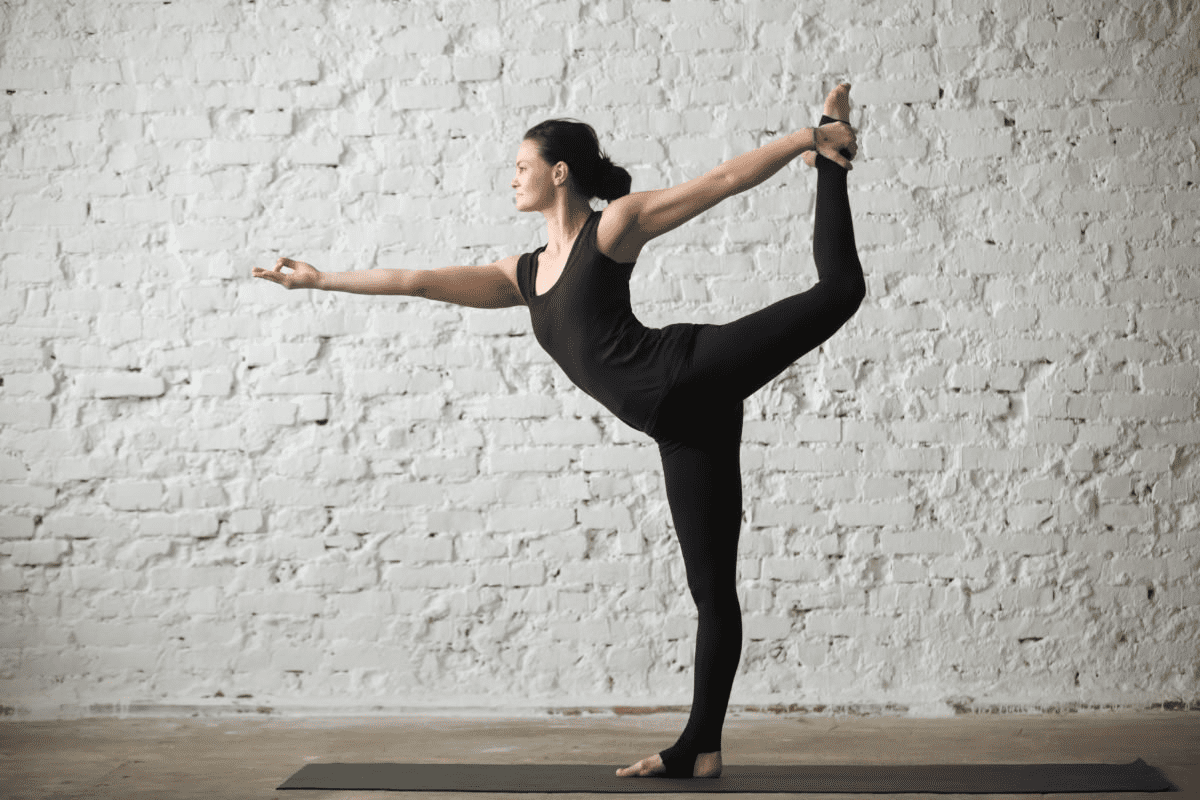
Understanding hip tightness involves looking at how our daily habits, muscles, and movement are connected. It’s a common problem for athletes and people who sit a lot.
How Sedentary Behavior Restricts Hip Mobility
Sitting for long periods can make hips tight. This is because the hip flexor muscles stay contracted. This shortens the muscles, reducing hip movement.
Reduced mobility in the hips can hurt other parts of the body. This includes the lower back and knees, leading to pain and injury.
The Connection Between Hip Flexors and Lumbar Spine Stability
Hip flexors are key to keeping the lower back stable. Tight or imbalanced hip flexors can mess up posture and movement. This can cause lower back pain.
The link between hip flexor tightness and lower back stability shows why keeping hip flexors flexible and strong is important.
Research on Asymmetrical Hip Tightness
Asymmetrical hip tightness means one hip is tighter than the other. Studies show this can change how we move. It can lead to injuries, mainly in athletes.
It’s vital to understand and fix asymmetrical hip tightness. This helps keep hips moving well and prevents injuries.
Why Hip Flexibility Matters for Your Health
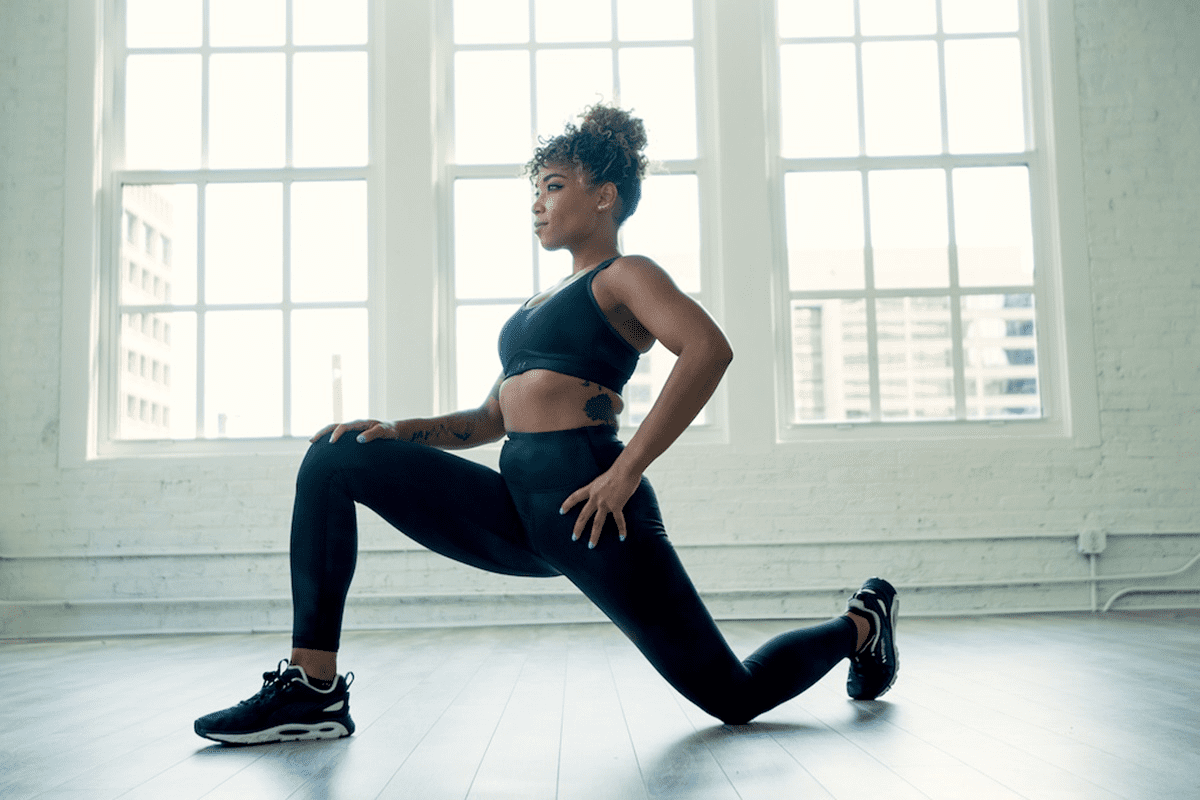
Keeping your hips flexible is key to a healthy life. It helps you move easily and do daily tasks without pain.
Preventing Lower Back Pain and Postural Issues
Hip flexibility is linked to lower back pain and postural issues. Stiff hips can cause an uneven walk and strain your lower back. Stretching regularly can help avoid this pain.
Also, flexible hips help keep your posture right. Tight hip flexors can pull your pelvis out of place, causing posture problems. So, staying flexible can help your posture and ease back strain.
Improving Athletic Performance and Daily Movement
Athletic performance gets a big boost from hip flexibility. Flexible hips let you move more freely, which is great for sports like running and cycling. They also make everyday movements like bending and walking easier.
Adding hip stretches to your daily routine can improve your flexibility. This will help you perform better in sports and everyday activities.
The Relationship Between Hip Mobility and Pelvic Alignment
Hip mobility affects how your pelvis aligns. Flexible hips help keep your pelvis in its correct position. This is important for good movement and avoiding back pain.
Benefits of Hip Flexibility | Description |
Prevents Lower Back Pain | Reduces strain on the lower back by maintaining proper posture and gait. |
Improves Athletic Performance | Enhances range of motion and efficiency in athletic activities. |
Maintains Pelvic Alignment | Supports proper biomechanics and reduces the risk of pelvic misalignment. |
Signs You Need to Loosen Your Hips
It’s important to know when your hips are tight. Tight hips can cause minor discomfort or serious mobility issues. We’ll look at the signs of hip tightness, the differences between right and left hips, and how stiffness affects movement.
Physical Symptoms of Hip Tightness
Hip tightness shows up in different ways. You might feel pain or stiffness in your hip or groin. You could also have trouble walking or climbing stairs.
Lower back pain is another sign. These symptoms can make daily life harder. It’s key to tackle hip tightness early to avoid bigger problems.
Differences Between Right Hip and Left Hip Tightness
Studies show that tight hips can affect one side more than the other. This usually happens in the dominant limb. So, one hip might be tighter, causing movement and posture imbalances.
Characteristics | Right Hip Tightness | Left Hip Tightness |
Common Causes | Overuse or dominance in right-handed individuals | Compensatory mechanisms due to other issues like lower back pain |
Symptoms | Pain or stiffness on the right side, potentially affecting posture | Pain or stiffness on the left side, potentially leading to asymmetrical movement |
How Hip Stiffness Alters Movement Patterns
Hip stiffness changes how we move. It can lead to new injuries or problems. For example, tight hip flexors can cause an anterior pelvic tilt, affecting your lower back and leading to pain.
Knowing these changes helps us create better exercises to stretch and strengthen. By loosening tight hips, we can move better and avoid injuries.
How to Loosen Hips: Preparation and Principles
Before starting hip loosening exercises, it’s important to know the basics. Understanding how to prepare and follow key principles is vital. This ensures you stay safe and get the best results.
Essential Safety Guidelines Before Starting
Starting any new exercise, like hip loosening stretches, requires safety first. Always listen to your body and stop if you feel sharp pain or discomfort. Remember to:
- Consult with a healthcare professional, if you have any health issues.
- Warm up before stretching.
- Choose a quiet, comfortable space for stretching.
The American Council on Exercise (ACE) says, “Knowing your body’s limits and being mindful of your surroundings are key for safe and effective stretching.”
Proper Warm-Up Techniques
Warming up is a must before stretching. It boosts blood flow to muscles, lowering injury risk and improving flexibility. Good warm-up techniques include:
- Light cardio like jogging in place or jumping jacks.
- Dynamic stretches like leg swings and hip circles.
A good warm-up should last about 5-10 minutes and make you feel more energized and ready for stretching.
Frequency and Duration Recommendations Based on Research
Studies show that regular and timed stretching boosts hip flexibility. For example, five minutes of daily lunge-and-reach stretching for six weeks can improve hip flexor flexibility significantly.
To see similar results, we suggest:
- Stretching at least 3-4 times a week, with daily stretching being ideal.
- Holding each stretch for 15-30 seconds and repeating 2-3 times.
- Gradually increase duration and frequency as flexibility improves.
By following these guidelines and principles, you can effectively loosen your hips. This will enhance your flexibility and mobility.
Hip Flexor Stretches for Anterior Hip Relief
Tight hip flexors can really affect how we move and feel every day. It’s key to add good stretches to our daily routine. The hip flexors, located at the front of the hip, are vital for our movement and posture.
We suggest a few stretches to help loosen up tight hip flexors. These exercises aim to stretch the hip flexor muscles. They help relieve tightness and boost our mobility.
Lunge-and-Reach Hip Flexor Stretch
The lunge-and-reach stretch is great for the hip flexors. Here’s how to do it:
- Begin in a lunge with your front knee bent at 90 degrees and your back leg straight.
- Lean forward slowly, stretching your arms up and over your head.
- Stay in this position for 20-30 seconds, feeling the stretch in your hip.
- Then, switch legs and do the same on the other side.
Kneeling Hip Flexor Stretch with Rotation
The kneeling hip flexor stretch with rotation is a twist on the classic kneeling stretch. It targets the hip flexors from a new angle.
- Start by kneeling on one knee with the other foot in front.
- Rotate your torso towards the side of your front leg.
- Hold for 20-30 seconds, then switch sides.
Tips for Effective Stretching: Always warm up before stretching. Don’t bounce or push too far.
Adding these stretches to your daily routine can improve hip flexibility. It also lowers injury risk and boosts mobility.
Deep Hip Stretches for External Rotation
To get the best hip flexibility, you need to do deep hip stretches that focus on external rotation. This part of hip mobility is key for better movement and less injury risk. We’ll look at two great stretches: Pigeon Pose Variations and Figure Four Stretch.
Pigeon Pose Variations
Pigeon Pose is famous for boosting external rotation and hip flexibility. It works well because it stretches the piriformis muscle, which is important for external rotation. Start on your hands and knees. Move one knee forward and put your foot on the opposite thigh. Then, lower your hips down, stretching the back leg.
You can adjust this pose to fit your flexibility by changing your front leg’s position or using support under your hips.
Variations of Pigeon Pose can help stretch more effectively or make it easier. For example, you can use a block or strap for support or change the angle of your back leg to adjust the stretch’s intensity.
Figure Four Stretch
The Figure Four Stretch is also great for external rotation. This stretch works the piriformis and gluteal muscles, boosting hip mobility. Lie on your back and bring one ankle to the opposite knee. Then, lace your hands behind the thigh of the leg on the ground and pull it towards your chest. You’ll feel a stretch in your hip and gluteal area.
“The Figure Four Stretch is a valuable addition to any hip flexibility routine, giving a deep stretch to the external rotators of the hip.”
Both Pigeon Pose Variations and Figure Four Stretch are great for bettering external rotation and hip flexibility. Adding these stretches to your routine can improve your mobility and lower hip injury risk.
Inner Thigh and Groin Stretches for Complete Hip Mobility
To get your hips moving freely, you need to stretch your inner thighs and groin. These spots are key for flexibility and movement. Doing specific stretches can boost your hip mobility and prevent stiffness and injuries.
Butterfly Stretch
The Butterfly Stretch targets your inner thighs well. Sit on the floor with your legs bent and feet together. Then, press your knees towards the ground, feeling the stretch in your inner thighs. Lean forward a bit to deepen the stretch.
Tips for proper execution: Keep your back straight and don’t bounce your knees. Stop if you feel any pain.
Frog Pose
The Frog Pose stretches your inner thighs and groin. Start by kneeling with your knees apart. Lower your torso between your knees, stretching your inner thighs and groin. Hold it for a few breaths with your back straight.
Benefits: The Frog Pose stretches your inner thighs and groin. It also improves hip mobility and can ease lower back tension.
Adding these stretches to your routine can make your hips more flexible. Remember to stretch often and listen to your body to avoid injuries.
Posterior Hip and Hamstring Stretches
Stretching can make your hips and hamstrings more flexible. This is good for your health. We’ll look at two key stretches: Happy Baby Pose and Seated Straddle. These help loosen up your hips and hamstrings.
Happy Baby Pose
The Happy Baby Pose is great for stretching your hips and hamstrings. Here’s how to do it:
- Lie on your back and bring your knees towards your chest.
- Hold the outside edges of your feet with your hands.
- Gently pull your knees towards the floor on either side of your body.
- Keep your spine relaxed and your head on the ground.
This pose stretches your hamstrings and eases lower back tension. Doing it often can make you more flexible and less sore.
Seated Straddle
The Seated Straddle is also good for stretching your hamstrings and hips. Here’s how to do it:
- Sit on the floor with your legs extended out to the sides as far as comfortable.
- Keep your knees straight and your toes pointed upwards.
- Lean forward, reaching for your toes or the floor in front of you.
- Hold the stretch, feeling the extension in your hamstrings and hips.
It’s important to keep your back straight and not bounce to get the most out of this stretch. The Seated Straddle helps improve flexibility and movement.
Adding these stretches to your routine can greatly improve your hip and hamstring flexibility. This can make you more mobile and lower your injury risk. Being consistent is important to see the full benefits of these stretches.
Creating a 5-Minute Daily Hip Flexibility Routine
Adding a daily hip flexibility routine can boost your mobility. Just a few minutes each day can make a big difference. It helps keep your hips flexible and lowers injury risk.
Morning Mobility Sequence
Start your day with a morning mobility sequence. It gets blood flowing and readies your hips for the day. Try gentle stretches like the lunge-and-reach or kneeling hip flexor stretch with rotation. These stretches loosen tight hip flexors and enhance your movement.
- Lunge-and-reach hip flexor stretch: 30 seconds per side
- Kneeling hip flexor stretch with rotation: 30 seconds per side
Desk Break Hip Openers
If you sit a lot, desk break hip openers are key. Simple stretches like the figure four or butterfly can be done at your desk. They keep your hips flexible.
- Figure four stretch: 30 seconds per side
- Butterfly stretch: 30 seconds
Evening Wind-Down Stretches
End your day with stretches to relax your hip muscles. Try the happy baby pose or seated straddle stretch. They prepare your body for sleep.
- Happy baby pose: 30 seconds
- Seated straddle stretch: 30 seconds per side
Tracking Improvements with the Modified Thomas Test
Use the modified Thomas test to track your progress. It measures hip flexor flexibility. Regularly doing this test shows how you’re improving and helps adjust your routine.
Research shows that regular hip stretching improves flexibility. Adding these stretches to your daily routine boosts mobility and reduces muscle tension.
Conclusion: Maintaining Hip Flexibility for Life
Maintaining hip flexibility is key for good health and movement. Regular hip stretches can improve your flexibility and lower injury risks. By adding these stretches to your daily routine, you’ll see the benefits for yourself.
Make hip flexibility a long-term goal by stretching regularly. Even a short stretch each day can greatly improve your hip mobility and health. This can lead to better sports performance, less back pain, and easier daily movements.
Keeping your hips flexible takes effort, but the benefits are huge. Keep stretching to improve your hip flexibility. Make stretching a daily habit for a lifetime of healthy hips and better health.
FAQ
What are the benefits of having flexible hips?
Flexible hips can boost your health. They help prevent lower back pain and improve posture. They also enhance athletic performance and keep the pelvis aligned.
How does sedentary behavior affect hip mobility?
Sitting too much can make your hips tight. This tightness reduces your range of motion and raises injury risks.
What are the signs that indicate the need to loosen hips?
You might need to loosen your hips if you feel pain or stiffness. If one hip feels tighter than the other, or if your movements change, it’s a sign too.
How often should I stretch my hips?
Stretch your hips daily, ideally 2-3 times a day. Aim for at least 3 times a week for the best results.
What is the best way to warm up before stretching my hips?
Start with light cardio and dynamic stretches. Then, gently rotate and swing your hips to warm them up.
Can I stretch my hips if I have a pre-existing injury?
Always check with a healthcare professional before starting new exercises or stretches, even if you have an injury.
How long does it take to see improvements in hip flexibility?
With regular practice, you’ll see hip flexibility improvements in a few weeks. But it depends on individual factors.
What is the modified Thomas test, and how is it used to track hip flexibility?
The modified Thomas test measures hip flexor tightness. It helps track your hip flexibility progress over time.
Are there any specific stretches that target the hip flexors?
Yes, the lunge-and-reach and kneeling hip flexor stretch with rotation are great for the hip flexors.
How can I incorporate hip stretches into my daily routine?
Add hip stretches to your day with morning mobility, desk breaks, and evening stretches.
Can hip flexibility exercises help with lower back pain?
Yes, improving hip flexibility can ease lower back pain. It reduces hip flexor tension and improves pelvic alignment.
Are there any exercises that can help improve hip flexibility and reduce stiffness?
Yes, exercises like pigeon pose, figure four stretch, butterfly stretch, and frog pose can improve hip flexibility and reduce stiffness.