

Answering canarthritis be caused by injury (yes) and explaining post-traumatic arthritis (PTA) resulting from joint damage.
Traumatic injuries to the joints can lead to a condition known as post-traumatic arthritis. This is a type of arthritis that develops after a severe injury.
At Liv Hospital, we know how much joint trauma can affect someone’s life. Our team works hard to offer complete care. We aim to prevent, diagnose, and manage post-traumatic arthritis with new treatment methods.
Post-traumatic arthritis is a big worry for those who have had joint trauma. It affects over 5 million Americans and makes up 12 percent of all arthritis cases. We will look into how injuries can cause arthritis and what it means for those affected.
Key Takeaways
- Post-traumatic arthritis is a type of arthritis that develops after a severe joint injury.
- Traumatic injuries can lead to inflammation, swelling, and pain, increasing the risk of arthritis.
- Early diagnosis and treatment can help manage post-traumatic arthritis and improve quality of life.
- Liv Hospital provides complete care for individuals with post-traumatic arthritis.
- Innovative treatment approaches can help prevent and manage the condition.
Understanding Post-Traumatic Arthritis
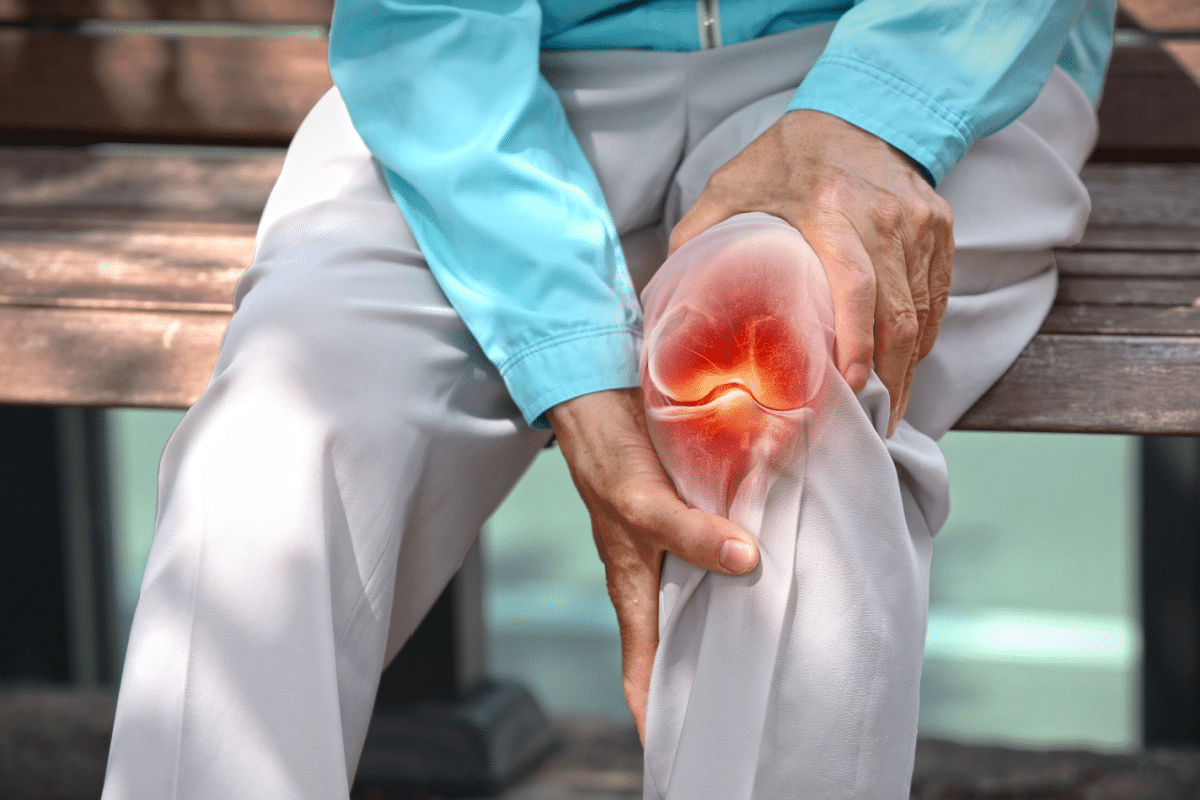
When a joint is injured, it can sometimes lead to post-traumatic arthritis. This is a big worry for those who have had joint trauma. It’s a condition that can cause arthritis after an injury.
Definition and Prevalence
Post-traumatic arthritis is a type of osteoarthritis that happens after a joint injury. It’s estimated that over 5 million adults in the United States have it. This makes up about 12 percent of all osteoarthritis cases. This condition is characterized by the degeneration of joint cartilage and underlying bone, leading to pain and stiffness.
The high number of cases shows we need to manage joint injuries well. This can help prevent long-term problems.
How It Differs from Other Types of Arthritis
Post-traumatic arthritis is different because it’s caused by a joint injury. It’s not like osteoarthritis, which comes from wear and tear, or rheumatoid arthritis, which is an autoimmune disease. Post-traumatic arthritis is triggered by trauma to the joint.
- Trauma-induced: The condition is a direct result of an injury.
- Localized: It typically affects the injured joint.
- Variable progression: The rate of degeneration can vary depending on the severity of the initial injury.
Knowing these differences is key to creating the right treatment plans. This is important for those with post-traumatic arthritis.
Can Arthritis Be Caused by Injury? The Science Explained
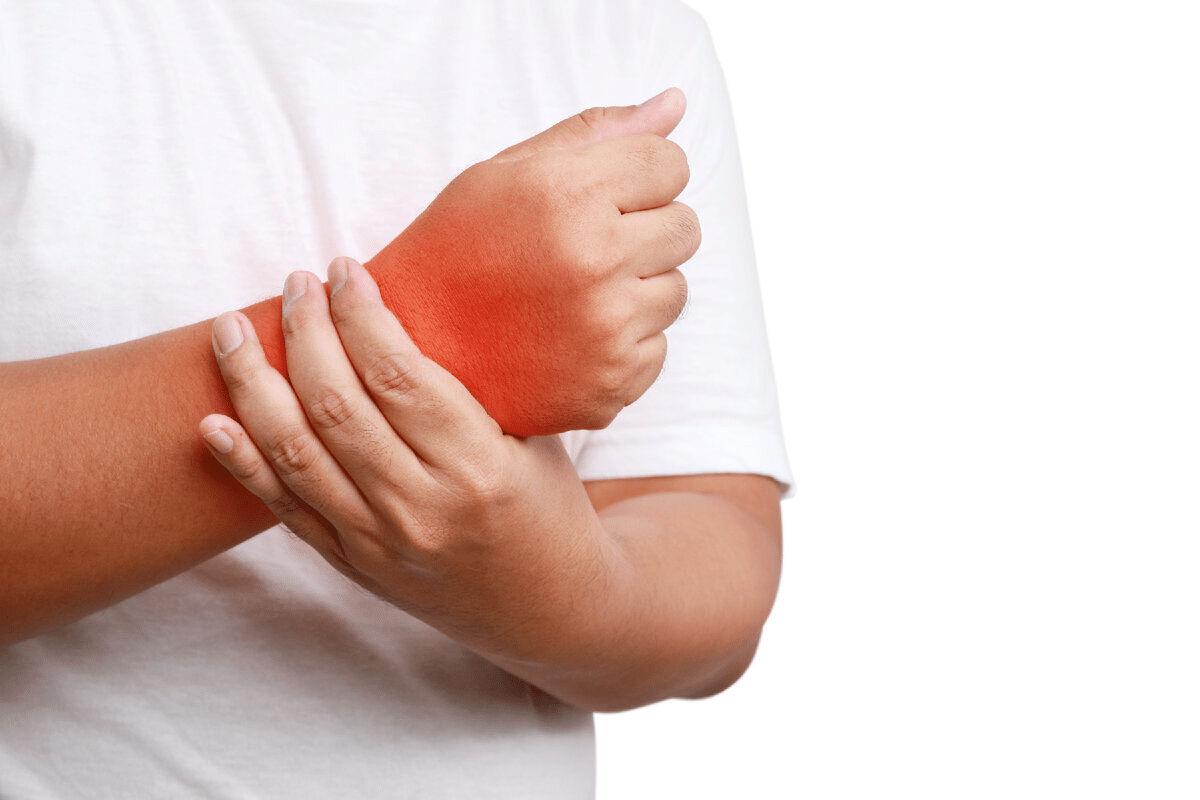
Medical research has explored the link between injury and arthritis. It shows how trauma can cause joint damage. This damage can lead to arthritis over time.
The Connection Between Trauma and Joint Degeneration
An injury to a joint can harm the cartilage, ligaments, and bone. This damage starts an inflammatory response. This is the body’s way of healing.
But, this inflammation can also damage the joint more. It can make the cartilage break down. This makes the joint less able to absorb shock and more prone to injury.
Statistical Evidence and Research Findings
Studies have found a strong link between injuries and arthritis. About 50 percent of patients with traumatic joint injury develop osteoarthritis (OA). Articular fractures also raise the risk of post-traumatic osteoarthritis (PTOA) by 20-fold.
- Traumatic injuries are a significant risk factor for developing osteoarthritis.
- The risk of PTOA is substantially higher after articular fractures.
- Early intervention and proper management of joint injuries are key to preventing long-term damage.
These findings highlight the need to understand trauma and arthritis. By knowing the risks, people can take steps to avoid arthritis after an injury.
Common Injuries That Lead to Arthritis
Certain injuries can trigger arthritis, making it key to know the risks. Trauma to our joints can start a chain of events leading to arthritis. Injuries like fractures, ligament and meniscus tears, and dislocations can cause this.
Joint Fractures
Joint fractures are a big risk for arthritis. When a bone in a joint breaks, it can cause post-traumatic arthritis. The break can damage the articular cartilage, which is vital for smooth movement.
If the cartilage is badly damaged, it might not heal right. This can lead to arthritis over time. For example, a knee fracture from a fall can raise the risk of arthritis in the knee later on. The severity of the fracture and the initial treatment are key to the long-term outcome.
Ligament and Meniscus Tears
Ligament and meniscus tears are common, often in athletes. These injuries can change how the joint works, causing uneven wear on the cartilage. This uneven wear can lead to arthritis over time.
A meniscus tear in the knee can make the joint work abnormally. This puts extra stress on the cartilage. Ligament tears, like those in the ACL, can also make the knee unstable, raising the risk of arthritis.
Dislocations and Sprains
Dislocations and sprains can also lead to arthritis. A dislocation happens when the bones in a joint are forced out of place. This can damage the surrounding ligaments and cartilage. Severe sprains, which stretch or tear ligaments, can also cause joint instability and increase the risk of arthritis.
Not all dislocations or sprains will lead to arthritis. But the risk is higher with severe injuries or if there are many episodes of instability. Proper treatment and rehabilitation are vital to reduce the risk of long-term complications like arthritis.
Most Vulnerable Joints for Post-Traumatic Arthritis
Certain joints are more likely to get post-traumatic arthritis. This is because of their structure and how they move. The joint’s role in carrying weight and its stability also play a part.
Knee Joints
The knee is very likely to get post-traumatic arthritis after injuries. This includes fractures, torn ligaments (like the ACL), and meniscal tears. The knee’s complex design and its importance in moving and carrying weight make it vulnerable. Post-traumatic arthritis in the knee can cause a lot of pain and limit how well you can move.
Knee injuries, common in sports and accidents, can start a degenerative process. This process may lead to post-traumatic arthritis. The severity of the injury often determines the risk of getting arthritis.
Ankle Joints
The ankle is also at high risk for post-traumatic arthritis, mainly after severe sprains, fractures, or dislocations. The ankle’s stability is key for walking, and injuries can lead to long-term damage. Ankle arthritis can greatly reduce your quality of life by limiting your mobility and causing constant pain.
Ankle injuries are common, and many heal without lasting problems. But severe trauma can lead to post-traumatic arthritis. It’s important to get proper treatment and rehabilitation for ankle injuries to lower the risk of arthritis.
Other Commonly Affected Joints
While the knee and ankle are most affected, other joints can also get post-traumatic arthritis. This includes the hip, shoulder, and elbow, after significant trauma or repeated injuries. The injury causes inflammation and damage, which can turn into arthritis over time.
Knowing which joints are at risk can help prevent and manage post-traumatic arthritis. Recognizing the risk after an injury can lead to early medical care. This can help avoid long-term problems.
The Pathophysiology of Post-Traumatic Arthritis
Post-traumatic arthritis happens when a joint injury leads to inflammation, cartilage breakdown, and changes in how the joint moves. Knowing how these happen helps us find better ways to prevent and treat the condition.
Initial Inflammatory Response
When a joint gets hurt, the body first reacts with inflammation. This inflammation releases chemicals that help heal but can also harm tissues if it gets too strong. This process starts a chain of events that can damage cartilage and lead to arthritis.
Cartilage Degradation Process
Cartilage breakdown is a key part of post-traumatic arthritis. The injury itself can damage cartilage, and the inflammation that follows can make it worse. Enzymes from damaged cells and immune cells break down the cartilage’s matrix, like collagen and proteoglycans.
This breakdown makes it hard for the joint to absorb shock and move smoothly. It leads to pain and stiffness.
Biomechanical Changes After Injury
Joint injuries don’t just cause immediate damage. They also change how the joint works. These changes can put uneven stress on the joint, making cartilage wear down faster and leading to arthritis.
For example, if a ligament or meniscus gets damaged, the joint doesn’t move right. This uneven wear can damage cartilage.
|
Pathophysiological Change |
Effect on Joint |
Contribution to PTA |
|---|---|---|
|
Initial Inflammatory Response |
Tissue damage, release of cytokines |
Initiates cartilage degradation |
|
Cartilage Degradation |
Loss of cartilage matrix, compromised joint function |
Directly contributes to joint degeneration |
|
Biomechanical Changes |
Abnormal stress distribution, altered joint mechanics |
Accelerates cartilage wear and tear |
Understanding how post-traumatic arthritis works is key to finding the right treatments. We need to target the specific problems caused by joint injuries.
Risk Factors for Developing Arthritis After Injury
There are many factors that can increase the risk of getting arthritis after an injury. Knowing these factors is key to spotting who’s at higher risk. It also helps in taking steps to prevent it.
Age and Gender Considerations
Age is a big factor in getting arthritis after an injury. Almost half of all osteoarthritis cases happen to people over 65. As we get older, our joints naturally wear out, making them more likely to get arthritis. Also, some studies show that women are more likely to get certain types of arthritis than men.
Key age-related risk factors include:
- Reduced cartilage regeneration
- Increased joint stiffness
- Accumulated wear and tear over time
Pre-existing Joint Conditions
Having a pre-existing joint condition can make you more likely to get arthritis after an injury. Conditions like osteoarthritis, rheumatoid arthritis, or past joint injuries can weaken the joint. This makes it more likely to get damaged further.
People with pre-existing joint conditions should be extra careful after an injury. Their joints might be more likely to get worse.
Severity and Location of Injury
The severity and where the injury is can also affect the risk of getting arthritis. Severe injuries, like fractures or dislocations, can really damage the joint. This increases the risk of arthritis. The location of the injury matters too, as some joints are more likely to get arthritis than others.
The following injuries are associated with a higher risk of developing arthritis:
- Fractures that affect the joint surface
- Ligament and meniscus tears
- Dislocations and severe sprains
Understanding these risk factors helps healthcare providers create better prevention and treatment plans. This can improve outcomes for people at risk of getting arthritis after an injury.
Recognizing Post-Traumatic Arthritis Symptoms
It’s important to know the signs of post-traumatic arthritis to manage and treat it well. This condition often starts after a big injury. Its symptoms can change and affect people differently. Spotting these signs early can really help.
Early Warning Signs
The first signs of post-traumatic arthritis can be hard to spot. They include:
- Stiffness in the joint, mainly after rest or sitting for a while.
- Swelling around the joint, which might feel warm or look red.
- Synovial effusion, or fluid build-up in the joint, causing pain and less movement.
These signs can start right after the injury or take time to show up as the joint wears down.
Progressive Symptoms
As post-traumatic arthritis gets worse, the symptoms get stronger and harder to handle. Symptoms that get worse include:
- Persistent pain that gets worse with movement and can keep you awake at night.
- Reduced range of motion because of joint stiffness and wear.
- Instability or feeling like the joint is unstable, often in joints like the knees or ankles.
People with these symptoms should see a doctor to stop more damage to the joint.
Differentiating from Acute Injury Pain
It’s tricky to tell if the pain is from the initial injury or post-traumatic arthritis. Acute injury pain usually goes away as the injury heals. But PTA pain keeps coming back or gets worse over time.
Key differences are how long the pain lasts and gets worse. PTA pain keeps getting worse over months or years if not treated. Acute injury pain usually goes away in a few weeks to months with the right care.
Knowing these differences and spotting the early and worsening symptoms of post-traumatic arthritis early can help. This can lead to better treatment and outcomes in the long run.
Diagnosing Arthritis After an Injury
Healthcare experts use a mix of medical checks and tests to spot arthritis after an injury. Spotting post-traumatic arthritis right is key to making a good treatment plan.
Medical Evaluation
First, we do a detailed medical check-up. We look at the patient’s medical history to see how the injury might affect the joint. We also do a physical check to see how the joint works, how much pain there is, and how much it can move.
The patient’s symptoms and past health give us clues about arthritis. Knowing about the injury and the patient’s health helps us guess why they might have symptoms.
Imaging Tests
Imaging tests are very important for finding arthritis. We use X-rays, CT scans, and MRI scans to see the joint and any damage. These tests show signs of arthritis like joint space narrowing, bone spurs, and worn-out cartilage.
The right imaging test depends on the symptoms and injury. MRI scans are great for soft tissue injuries and early arthritis signs.
Laboratory Tests
Laboratory tests are also key. We do blood tests to check for other types of arthritis and inflammation. There’s no special blood test for post-traumatic arthritis, but these tests help find the cause of symptoms.
By combining medical checks, imaging tests, and lab tests, we can accurately find post-traumatic arthritis. Then, we can make a treatment plan that works for the patient.
Treatment Options for Post-Traumatic Arthritis
There are many ways to treat post-traumatic arthritis. You can try conservative management or surgery. The best choice depends on how bad the arthritis is, your health, and what you prefer.
Conservative Management
Conservative management is often the first step. It aims to lessen symptoms and improve joint function without surgery. Common strategies include:
- Physical therapy to keep or improve joint mobility and strength
- Medications like NSAIDs to cut down pain and swelling
- Lifestyle changes, such as losing weight and avoiding activities that make it worse
- Using assistive devices to lessen stress on the joint
Physical therapy is key in this approach. It helps keep or improve joint movement and strengthens the muscles. This can greatly reduce pain and enhance function.
|
Treatment |
Description |
Benefits |
|---|---|---|
|
Physical Therapy |
Exercises to improve joint mobility and strength |
Reduces pain, improves function |
|
NSAIDs |
Medications to reduce pain and inflammation |
Eases symptoms, improves quality of life |
|
Lifestyle Modifications |
Changes in daily activities and weight management |
Reduces stress on joints, slows disease progression |
Surgical Interventions
If conservative management doesn’t work, surgical interventions might be needed. The type of surgery depends on how severe and where the arthritis is.
Some common surgeries include:
- Joint debridement to remove damaged tissue
- Osteotomy to realign the joint and reduce stress on the affected area
- Arthrodesis (joint fusion) to fuse the bones together, eliminating the joint
- Total joint replacement to replace the damaged joint with an artificial one
Each surgery has its own benefits and risks. The right surgery depends on the joint damage, your age, and how active you are.
Long-Term Outlook and Quality of Life
Post-traumatic arthritis can greatly impact your life, making it key to understand its long-term effects. It’s important to find ways to manage it well. The outcome for people with this condition varies a lot.
Prognosis and Disease Progression
The prognosis of post-traumatic arthritis depends on how bad the injury was, how well treatment works, and if you had any joint problems before. Sometimes, the disease moves slowly, letting you keep a good quality of life. But, in worse cases, it can cause a lot of disability.
With the right care, you can slow down the disease. This includes things like physical therapy, medicine, and sometimes surgery.
Psychological Impact
Dealing with post-traumatic arthritis can really affect your mind. Chronic pain and not being able to move well can make you feel frustrated, anxious, and sad. It’s important to get help for both your body and mind.
We suggest joining support groups and talking to mental health experts. They can help with the emotional side of your condition.
Strategies for Maintaining Independence
Maintaining independence is important when you have post-traumatic arthritis. You can do this by changing how you do daily tasks, using tools to help you, and exercising in ways that fit you.
By using these methods, you can keep living a full and happy life. We advise working with your healthcare team to make a plan that’s just for you.
Conclusion
We’ve looked into how joint injuries can lead to arthritis, like post-traumatic arthritis. This is a big worry for people who’ve had joint damage. It can cause long-term pain and lower their quality of life.
Post-traumatic arthritis can start from many injuries, like broken bones, torn ligaments, or joint dislocations. The body’s first reaction to injury can start a chain of events. This can damage cartilage and wear down the joint. Knowing this helps doctors find better ways to treat it.
Doctors can spot the signs of post-traumatic arthritis early and help slow it down. It’s key to give good care to those who’ve had joint injuries. This can help prevent arthritis from happening.
Our talk shows we need more research and awareness about injury and arthritis. It’s clear that injuries can lead to arthritis. Understanding this helps doctors manage post-traumatic arthritis better.
FAQ
What is post-traumatic arthritis?
Post-traumatic arthritis happens after a joint injury. This can be from a fracture, dislocation, or severe sprain. It causes joint pain, stiffness, and limited movement.
Can an injury cause arthritis?
Yes, injuries can lead to arthritis. An injury can cause inflammation and damage to cartilage. This can lead to post-traumatic arthritis.
Which joints are most susceptible to post-traumatic arthritis?
The knee and ankle joints often get post-traumatic arthritis. But, the hip, shoulder, and elbow can also be affected.
What are the symptoms of post-traumatic arthritis?
Symptoms include joint pain, stiffness, and limited movement. Swelling can also occur. These symptoms start after the injury.
How is post-traumatic arthritis diagnosed?
Doctors use a medical evaluation and imaging tests like X-rays or MRI. They also do lab tests to rule out other conditions.
What are the treatment options for post-traumatic arthritis?
Treatment includes physical therapy and pain management. Lifestyle changes are also suggested. Surgery like joint replacement or arthroscopy may be needed.
Can post-traumatic arthritis be prevented?
Preventing it is not always possible. But, treating injuries well and using preventive measures can help.
How does post-traumatic arthritis affect quality of life?
It can cause chronic pain and limited mobility. But, with the right treatment, people can stay independent and maintain a good life.
What is the long-term outlook for post-traumatic arthritis?
The outlook depends on the condition’s severity and treatment success. With proper care, many people manage their symptoms well.
Is post-traumatic arthritis the same as osteoarthritis?
No, they are different. Post-traumatic arthritis is caused by injury, not wear and tear. Osteoarthritis is due to aging and wear.
Can a fall cause arthritis in the knee?
Yes, a fall can lead to knee arthritis if it causes a serious injury. This can include fractures or ligament tears.
What is the connection between trauma and joint degeneration?
Trauma can cause inflammation and damage to cartilage. This leads to joint degeneration and post-traumatic arthritis.
References
National Center for Biotechnology Information. Evidence-Based Medical Guidance. Retrieved from https://www.ncbi.nlm.nih.gov/pmc/articles/PMC5013366/



 Departments
 Related Videos
 Our Doctors
 News
News