At Liv Hospital, we know how vital strong and flexible hips are, mainly for active women. Studies show that focusing on hip strength can boost stability, lower fall risks, and ease chronic pain.
Strong hips are key for overall health, helping people stay mobile and independent. We’re dedicated to sharing proven ways to strengthen hips, improving life quality.
This guide will cover why strong hips matter, common hip problems, and exercises to strengthen the hips. We’ll highlight how hip exercises boost mobility and prevent injuries.
Key Takeaways
- Targeted hip strengthening exercises can improve stability and reduce the risk of falls.
- Strong hips are essential for maintaining mobility and independence.
- Hip strengthening can alleviate chronic pain conditions.
- Effective hip exercises can enhance overall wellness and quality of life.
- Our guide provides evidence-based guidance on hip strengthening strategies.
The Critical Role of Hip Strength in Women’s Health
Hip strength is key for women’s health. It helps with mobility, balance, and injury prevention. We’ll look at how hip exercises boost women’s health based on research.
Research-Backed Benefits of Strong Hips
Studies show hip strength is vital for balance and mobility. Hip abductor strength is essential for balance and mobility, no matter your age. People with stronger hip abductors move better and fall less.
Doing physical therapy exercises for hip strength can also improve sports performance and lower back pain. Stretching hip flexors boosts athletic skills and eases back pain. This shows how hip strength affects overall health.
How Hip Strength Affects Overall Mobility and Balance
Hip strength is vital for staying mobile and balanced. Weak hips can cause instability, raising the chance of falls and injuries. By doing hip exercises to strengthen hips, women can move better and avoid mobility problems with age.
It’s important for women of all ages to know how to boost hip strength. This can be done through bodyweight exercises, resistance bands, or other activities. Strengthening hips improves health and well-being.
Benefits of Strong Hips | Description |
Improved Balance | Stronger hip muscles enhance balance and reduce the risk of falls. |
Enhanced Mobility | Hip strength is critical for maintaining overall mobility and flexibility. |
Reduced Lower Back Pain | Strengthening hip flexors can alleviate lower back pain. |
Understanding Hip Anatomy and Function
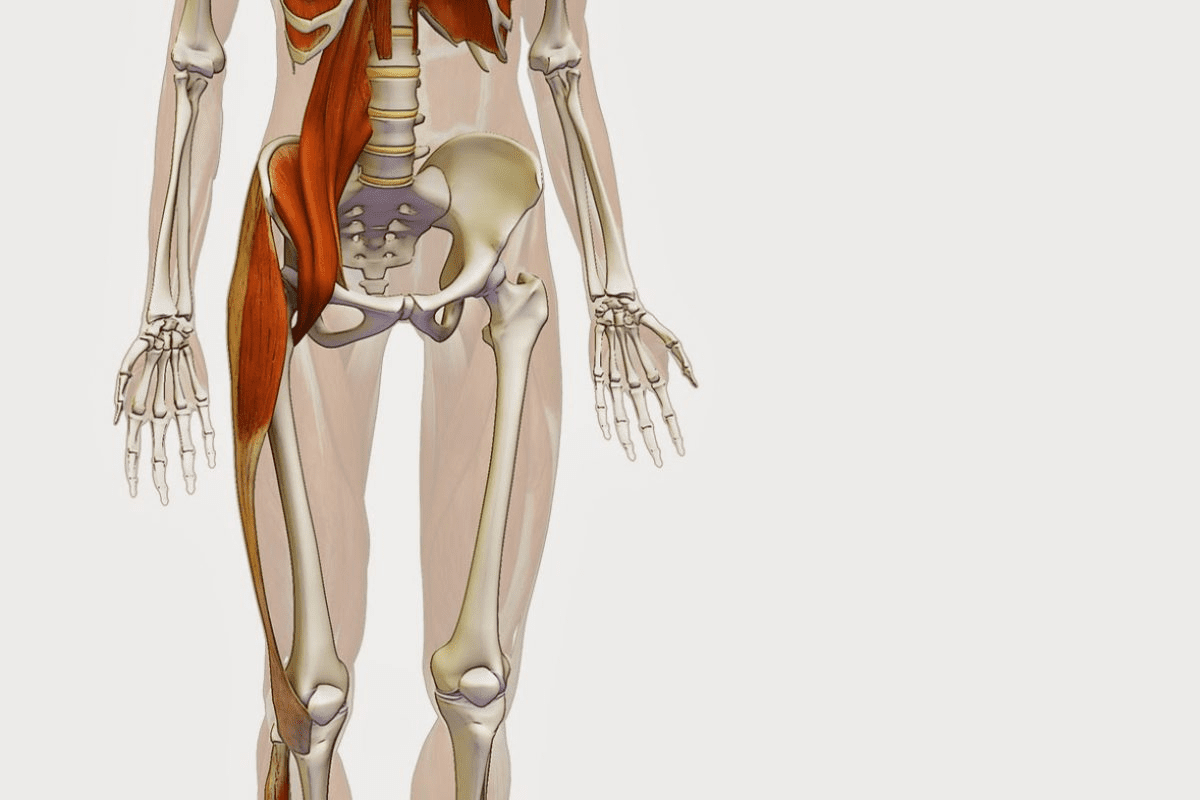
To strengthen our hips, we need to know how they work. The hip joint is a ball-and-socket joint. It helps us move and stay stable, which is key for daily life.
Key Muscles in the Hip Region
The hip has important muscles for movement and stability. The gluteal muscles help extend and rotate the hip. The iliopsoas is a major flexor. Knowing how these muscles work helps us choose the right exercises for hip strength.
- The gluteus maximus, medius, and minimus control hip movement.
- The iliopsoas, made of iliacus and psoas major, helps flex the hip.
- Other key muscles include the tensor fasciae latae and the piriformis.
The Connection Between Hip Mobility and Other Body Parts
Hip mobility affects other parts of the body, like the lower back and knees. Experts say, “Optimal hip function is essential for maintaining a healthy lower back and preventing injuries”
“Optimal hip function is essential for maintaining a healthy lower back and preventing injuries.”
Poor hip mobility can cause problems in other joints. This might lead to lower back pain or knee instability.
Adding exercises for hip strength and mobility to our routine is beneficial. Better hip mobility improves balance, reduces fall risks, and helps maintain good posture.
Common Hip Issues Women Face
Women’s hip health is very important for their overall health. Many women have weak or stiff hips because they sit too much and don’t exercise enough. This can cause a lot of problems.
Weak hips can make it hard to balance, affect your posture, cause back pain, and even lead to knee issues. It’s important to understand these issues to keep your hips healthy.
Age-Related Hip Concerns
As women get older, their hip strength and flexibility may decrease. This can happen because they don’t move as much and because of hormonal changes.
Osteoarthritis is a common problem in older women, causing hip pain and stiffness. Doing hip workouts for ladies regularly can help lessen these symptoms.
Lifestyle Factors Affecting Hip Health
How you live affects your hip health. Sitting too much can make your hip muscles weak. But, doing high-impact activities without training can also hurt your hips.
- Sedentary lifestyle
- Poor posture
- Inadequate exercise routines
- High-impact activities without proper training
Signs of Weak Hip Muscles
Knowing the signs of weak hip muscles is key to fixing the problem. Common signs include trouble walking, hip or lower back pain, and not being able to move as well.
If you notice these symptoms, adding a hip workout for ladies to your routine can help. It can make your hips stronger and ease some of these problems.
Essential Hip Exercises for Women at Home
You can do hip exercises at home without a gym. Use your body or items around you for resistance. It’s easy to strengthen your hips with simple exercises right in your home.
Bodyweight Hip Strengthening Moves
Bodyweight exercises are a good start for hip strength. Here are some easy ones to try:
- Glute Bridges: Lie on your back with knees bent and feet flat. Lift your hips up, squeezing your glutes. Then, lower them back down and do it again.
- Clamshell Exercise: Lie on your side with knees bent and feet together. Lift your top knee up, keeping your feet together. Then, lower it back down and do the same on the other side.
- Side-Lying Leg Lifts: Lie on your side with legs straight. Lift your top leg up, then lower it back down. Do this on both sides.
Using Household Items for Added Resistance
When you get better at bodyweight exercises, add resistance with household items. Here are some ideas:
- Using a Resistance Band: A resistance band or an old inner tube can add resistance. Use it around your legs during glute bridges or clamshell exercises.
- Water Bottles as Weights: Fill two water bottles with sand or water. Use them as dumbbells for leg lifts or other hip exercises.
- Backpack for Added Resistance: Wear a backpack with weight in it (like books) during squats or lunges. It adds resistance.
Start slow and get stronger over time. Always listen to your body and rest when needed.
Gym-Based Hip Strengthening Workouts
Looking to boost hip strength? The gym is a great place to start. It offers a wide range of equipment and exercises. This setup helps everyone, from beginners to advanced, reach their fitness goals.
Machine Exercises for Hip Development
At the gym, machine exercises are perfect for strengthening hip muscles. These machines focus on specific areas, making it easier to target weak spots.
Some top machine exercises for hip strength are:
- Hip Abduction Machine: Works the gluteus medius and minimus, key for hip stability and leg movement.
- Hip Adduction Machine: Targets the adductor muscles, essential for leg stability and hip joint health.
- Leg Press Machine: Strengthens multiple muscles, including hip areas, boosting lower body power.
Machine Exercise | Primary Muscles Targeted | Benefits |
Hip Abduction | Gluteus Medius, Gluteus Minimus | Improves hip stability and outward leg movement |
Hip Adduction | Adductor Magnus, Adductor Longus, Adductor Brevis | Enhances leg stability and brings legs together |
Leg Press | Gluteus Maximus, Hamstrings, Quadriceps | Improves overall lower body strength and hip stability |
Free Weight Options for Hip Strength
Free weights are a great way to strengthen hips. They offer a wide range of motion, improving balance and coordination.
Effective free weight exercises for hip strength include:
- Squats: Engages glutes, hamstrings, and quadriceps, boosting hip and lower body strength.
- Lunges: Works glutes, hamstrings, and quadriceps, while improving balance and flexibility.
- Deadlifts: Targets multiple muscles, including hip areas, increasing overall strength and stability.
When using free weights, focus on proper form and technique. Start with lighter weights and gradually increase as you get stronger. This approach is safe and effective.
Hip Exercises for Women: Mobility and Flexibility Focus
Improving hip mobility is key for women to boost flexibility and movement. As we get older, our hips can become stiffer, limiting our range of motion. Adding specific exercises to our routine can greatly enhance hip mobility. This reduces injury risk and boosts physical performance.
Dynamic Hip Mobility Routines
Dynamic hip mobility routines involve active movements to increase range of motion and reduce stiffness. These exercises are great because they prepare the hips for more challenging activities. They can also be adjusted to fit different fitness levels.
- Leg Swings: Stand with your feet hip-width apart and swing one leg forward and backward, then switch to the other leg.
- Hip Circles: Stand with your feet together and your hands on your hips. Move your hips in a large circle, first clockwise and then counterclockwise.
- Lateral Leg Swings: Stand with your feet together and swing one leg from side to side, keeping your back straight.
Static Stretches to Increase Hip Mobility
Static stretches are held for a period, allowing for a deeper stretch and increased flexibility. These stretches are essential for maintaining and improving hip mobility over time.
Stretch | Description | Duration |
Piriformis Stretch | Lie on your back, cross one foot over the opposite knee, and pull the leg toward your chest. | 30 seconds per side |
Hip Flexor Stretch | Kneel on one knee with the other foot in front, push your hips forward. | 30 seconds per side |
Glute Stretch | Lie on your back, cross one foot over the opposite knee, and pull the leg toward your chest. | 30 seconds per side |
By adding dynamic hip mobility routines and static stretches to your fitness routine, you can greatly improve hip mobility and flexibility. Regular practice will lead to better movement and a lower risk of injury.
Progressive Hip Exercises for Building Strength
To get strong hips, you need a step-by-step exercise plan. This plan helps you build strength slowly. It also lowers injury risks and boosts hip health. We’ll show you how to start with easy exercises and move to harder ones.
Beginner-Friendly Hip Workouts
Beginners should start with simple, low-impact exercises. Bodyweight squats and lunges are great for beginners. They help strengthen the hip muscles. Start with 2-3 sets of 10-12 reps for each.
The glute bridge is another good exercise for beginners. It works the gluteal muscles, which are key for hip stability. To do a glute bridge, lie on your back, bend your knees, and lift your hips up.
Intermediate Hip Strengthening Exercises
When you’re ready, move on to intermediate exercises. Resistance band exercises are perfect for this level. They make your workouts harder and strengthen your hips more.
Intermediate exercises include side-lying leg lifts with resistance bands and clamshell exercises. These exercises focus on the hip abductors and external rotators. They’re important for hip stability and movement.
Advanced Hip Training Techniques
For those ready for more, advanced techniques are available. Weighted squats and lunges are great for building strength. Adding single-leg exercises like single-leg squats or deadlifts also challenges balance and stability.
Using balance boards or BOSU balls in exercises is another advanced technique. These tools make exercises harder by adding instability. They require more muscle effort from the hips to stay balanced.
Hip Exercises for Specific Women’s Concerns
Strengthening the hips is key for tackling women’s health issues like lower back pain and knee instability. The hips are vital for our body’s movement and balance. Weak hip muscles can cause many problems.
Exercises for Lower Back Pain Relief
Many women suffer from lower back pain, often due to weak hip muscles and bad posture. Hip exercises can ease this pain by making the muscles that support the lower back stronger.
- Glute bridges: This exercise targets the gluteal muscles, which are essential for hip stability and lower back support.
- Clamshell exercise: Strengthens the hip abductors, improving hip and lower back stability.
- Side-lying leg lifts: Targets the hip abductors and helps improve hip mobility.
Hip Workouts for Knee Stability and Patellofemoral Pain
Knee stability is tied to hip strength, as the hips help control the knees’ movement. Weak hip muscles can lead to knee pain and instability. So, it’s important to do hip strengthening exercises regularly.
- Lateral band walks: Strengthens the hip abductors, improving knee stability.
- Single-leg squats: Targets the hip stabilizers and strengthens the knees.
- Step-ups: Improves hip and knee strength, making the lower body more stable.
Hip Training for Athletic Performance and Daily Activities
Strong hips are vital for both sports performance and everyday activities. Hip training boosts power, speed, and endurance. This makes daily tasks and sports easier.
- Lunges: Targets multiple hip muscles, improving overall hip strength and mobility.
- Deadlifts: Strengthens the hips, glutes, and lower back, boosting power and stability.
- Hip circles: Improves hip mobility and flexibility, making daily activities easier.
Creating a Balanced Hip Exercise Routine
To keep your hips healthy, it’s important to have a balanced workout plan. This plan should include exercises for strength, mobility, and flexibility. A good routine helps you stay consistent and avoid overtraining, which are key for long-term hip health.
When planning your workout, think about these key points:
- Frequency: How often you’ll do hip exercises.
- Variety: Mix strength, mobility, and flexibility exercises.
- Progression: Make your workouts more challenging over time.
Weekly Hip Training Schedule
Here’s a sample weekly plan:
- Monday: Do strength exercises for your hips (like squats and lunges).
- Tuesday: Focus on mobility and flexibility (try leg swings and hip circles).
- Wednesday: Take a break or do something low-key (like yoga or a walk).
- Thursday: Do strength exercises for your hips again.
- Friday: Work on mobility and flexibility.
- Saturday and Sunday: Rest or do light activities.
Sample Hip Strengthening Programs
Here are some hip strengthening plans for different fitness levels:
Fitness Level | Sample Exercises | Frequency |
Beginner | Bodyweight squats, standing leg swings | 2-3 times a week |
Intermediate | Weighted lunges, side leg lifts | 3-4 times a week |
Advanced | Single-leg deadlifts, hip thrusts | 4-5 times a week |
By following these tips and adjusting your routine to fit your fitness level, you can make a balanced hip workout plan. This will improve your hip health and function.
Measuring Progress in Hip Strength and Mobility
To see how well hip exercises work, we must check our progress often. It’s key to keep motivated and tweak our workouts as needed. Regular tests can show how our hip strength and mobility are improving.
Assessment Tests for Hip Function
Assessment tests are essential for checking hip function. They show us where we’re strong and where we need work. This lets us customize our exercises. Some common tests include:
- The Single-Leg Stand Test: This test checks balance and stability.
- The Hip Flexor Test: It looks at the strength and flexibility of the hip flexor muscles.
- The Squat Test: This test checks overall hip and lower body strength.
Tracking Improvements Over Time
It’s important to track how we’re doing over time. This keeps us motivated and helps us fine-tune our training. We can track progress by:
- Keeping a workout journal to record exercises, sets, and reps.
- Using mobile apps to track workouts and progress.
- Regularly reassessing hip function using the assessment tests mentioned earlier.
As Medical Expert,
“The key to sticking with a program is to track your progress and celebrate your successes.”
By regularly tracking our progress, we can stay motivated and keep improving our hip strength and mobility.
Regularly checking our progress and adjusting our workouts helps us reach our fitness goals better. By using assessment tests and tracking methods, we can keep improving our hip strength and mobility.
Conclusion: Empowering Women Through Hip Strength
Empowering women through hip strength is key for overall wellness. Adding hip exercises to their routine helps a lot. It improves balance, lowers fall risks, and boosts life quality.
Strong hips make moving around easier and more stable. This makes daily tasks less hard and more manageable.
We’ve looked at many hip strengthening exercises for home or gym use. These fit all fitness levels and needs. Starting a hip strengthening journey helps women take charge of their health.
It improves not just hip strength but overall well-being too.
In conclusion, hip strength is essential for women’s health. We urge women to include hip exercises in their fitness plans. This leads to a more empowered and healthy life.
With regular practice and patience, the advantages of strong hips become clear. It enhances health and wellness overall.
FAQ
What are the benefits of strong hips for women?
Strong hips help with better mobility and balance. They also improve overall wellness. Plus, they prevent injuries and ease lower back pain.
How can I strengthen my hips at home?
Use bodyweight exercises like squats and lunges at home. You can also use resistance bands or water bottles for extra challenge.
What are some common hip issues women face?
Women often face hip issues like osteoarthritis with age. Prolonged sitting or standing can also cause problems. Signs include trouble climbing stairs or walking.
How often should I do hip exercises?
Do hip exercises two to three times a week. Make sure to rest and recover too.
Can hip exercises help with knee stability?
Yes, hip exercises can boost knee stability. They strengthen muscles around the hip and knee, helping with knee pain.
How can I measure progress in hip strength and mobility?
Use tests like the single-leg squat to check hip strength and mobility. Track your progress over time with regular tests.
Are there any specific hip exercises for athletic performance?
Yes, certain exercises can boost athletic performance. They improve hip mobility, strength, and power, like lateral band walks and hip thrusts.
Can I do hip exercises if I have lower back pain?
Yes, some hip exercises can help with lower back pain. They strengthen muscles like the glutes and hip flexors.
How can I improve hip mobility?
Improve hip mobility with dynamic routines like leg swings and lunges. Also, try static stretches like the pigeon pose and lizard pose.
What are some effective gym-based hip strengthening workouts?
Effective gym workouts include machine exercises like the leg press and hip abduction. Free weight options like deadlifts and hip thrusts are also good.
References
National Center for Biotechnology Information. Evidence-Based Medical Guidance. Retrieved from https://www.ncbi.nlm.nih.gov/pmc/articles/PMC6157473/



 Departments
 Related Videos
 Our Doctors
 News
News