
Urinary incontinence affects about one-third of adult women. It can really hurt their work, how they feel about themselves, and their overall happiness. But, there are now good treatment options available cure for incontinence in women.
At top places like Liv Hospital, we use the best treatment protocols and care that focuses on you. We offer everything from simple exercises to new devices and small surgeries. There are many incontinence solutions out there.
Key Takeaways
- Urinary incontinence is a common condition affecting millions of women worldwide.
- Effective treatment options are available, ranging from non-invasive exercises to advanced medical procedures.
- Patient-centered care is key in tackling the emotional and physical sides of urinary incontinence.
- Top healthcare spots offer full support and proven treatment plans.
- Getting medical help is the first step to feeling better and living a fuller life.
Understanding

Understanding female urinary incontinence is key to finding good treatments. It’s not just a small problem; it affects millions of women worldwide. It changes their daily lives in big ways.
Prevalence and Impact on Quality of Life
Many women face urinary incontinence. Almost half of all women deal with it at some point. It deeply affects their quality of life, touching their physical, emotional, and social health.
Urinary incontinence gets more common with age. But it’s not a natural part of getting older. Younger women can also face it, often because of childbirth, being overweight, or certain health issues.
Common Symptoms and Warning Signs
The signs of urinary incontinence vary among women. Common ones include:
- Leaking urine when you sneeze, cough, or exercise
- Needing to pee a lot, with little warning
- Waking up many times at night to pee
- Feeling like you can’t fully empty your bladder
These signs can point to different types of incontinence, like stress urinary incontinence or urgency incontinence. Spotting these signs is the first step to getting help and bettering your life.
Women with these symptoms should talk to a doctor. With the right diagnosis and treatment, you can manage or even cure incontinence. This can greatly improve your overall health and happiness.
Types of Urinary Incontinence in Women
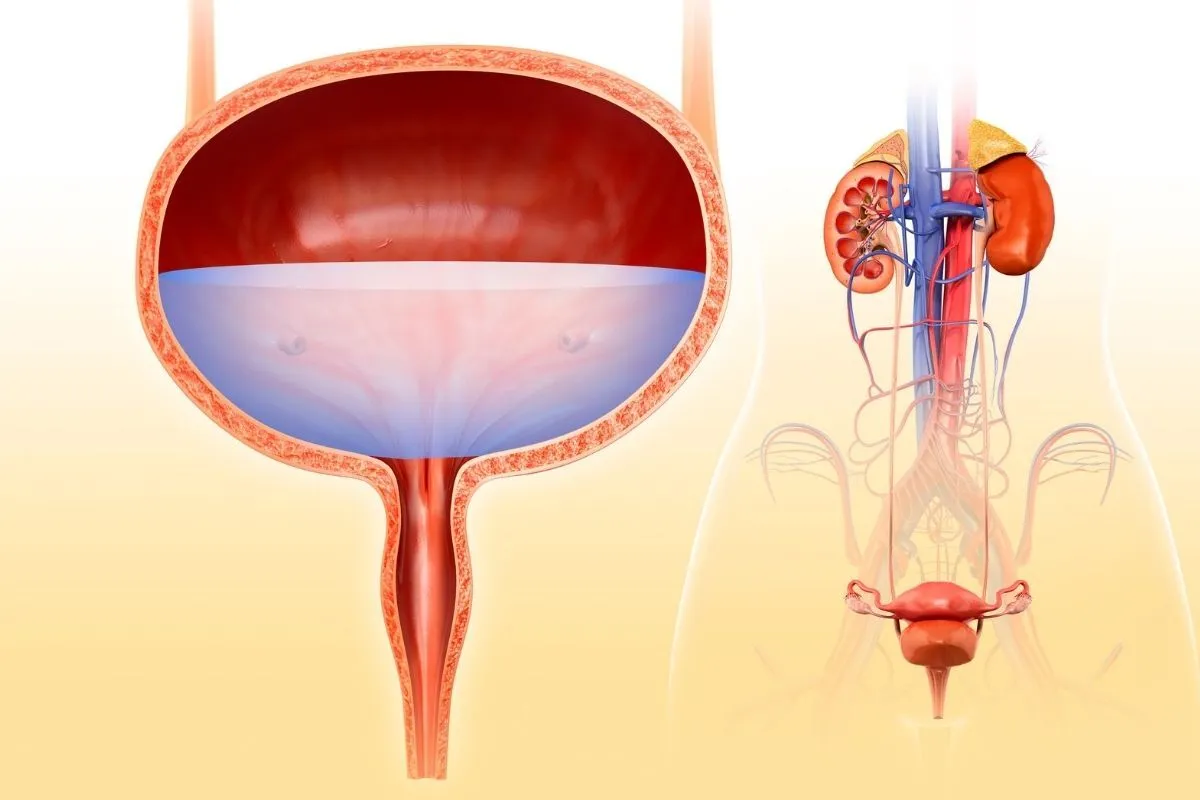
Women can experience different types of urinary incontinence. Knowing which type you have is important for the right treatment. This knowledge helps both women and their doctors create a good plan to manage it.
Stress Urinary Incontinence
Stress urinary incontinence happens when moving or pressure on the bladder leads to urine leakage. It’s often caused by weak pelvic floor muscles. These can weaken due to childbirth, aging, or other reasons. Activities like coughing, sneezing, laughing, or lifting heavy things can trigger it.
Urgency Incontinence (Overactive Bladder)
Urgency incontinence, or overactive bladder, makes you feel a sudden, strong need to urinate. Then, you lose urine without meaning to. It’s linked to an overactive bladder muscle that contracts too much, causing urgency and leakage.
Mixed Incontinence
Mixed incontinence combines stress and urgency incontinence. Women with this type leak urine from both physical stress (like coughing or lifting) and urgent needs to urinate. Treating mixed incontinence needs a detailed plan that tackles both issues.
Overflow Incontinence
Overflow incontinence happens when the bladder is too full and urine leaks out. It’s often linked to urinary retention or blockage, where the bladder can’t empty right. Causes include neurological problems, certain medicines, or physical blockages.
Knowing the exact type of urinary incontinence is key to finding the right treatment. By figuring out the cause and characteristics of your incontinence, you and your doctor can create a treatment plan that fits your needs.
Diagnosing Incontinence: First Steps Toward Treatment
Getting a correct diagnosis is key to finding the right treatment for women with urinary incontinence. We know diagnosing incontinence is complex. It looks at many factors that might be causing the problem.
Medical History and Physical Examination
The first step is reviewing the patient’s medical history and doing a physical exam. We want to know about their symptoms, health history, and lifestyle. This helps us find possible causes and decide on more tests.
A physical exam is also important. It lets us check the patient’s overall health. We look for any physical issues that might be causing incontinence, like pelvic organ prolapse.
Urodynamic Testing
Urodynamic testing is a special tool that shows how well the bladder and urethra work. It helps us see if there are problems with bladder function, like overactive bladder or trouble emptying.
The results of this testing give us important information. They help us create a treatment plan that targets the patient’s specific needs.
Bladder Diary Assessment
A bladder diary is a simple tool that helps us understand a patient’s urinary habits. By tracking fluid intake, urine output, and incontinence episodes, patients give us valuable insights. This information helps us make a diagnosis and suggest treatments.
We often ask patients to keep a bladder diary for a few days to a week. This gives us a full picture of their urinary habits.
Diagnostic Tool | Purpose | Benefits |
Medical History | Understand symptoms and medical background | Identifies possible causes |
Physical Examination | Check overall health and find physical issues | Shows factors like pelvic organ prolapse |
Urodynamic Testing | Check bladder and urethra function | Sheds light on bladder problems |
Bladder Diary | Track urinary habits and patterns | Helps in diagnosis and treatment |
Lifestyle Modifications as First-Line Treatment
Dealing with urinary incontinence often starts with simple lifestyle changes. These can make a big difference. By adjusting daily habits, women can manage their condition better.
Fluid Management Strategies
Controlling fluid intake is key in managing incontinence. It’s not always about drinking less. Instead, focus on when and what you drink. Avoiding caffeinated and carbonated drinks is a good start.
Try drinking fluids evenly throughout the day. Watch how your body reacts to different drinks. This helps you find out what might make symptoms worse.
Dietary Changes to Reduce Symptoms
Your diet can help with incontinence. Some foods can irritate your bladder, while others can help. Eating foods high in fiber can prevent constipation, which can lead to incontinence.
A diet that avoids spicy, citrus, and tomato products can be helpful. Keeping a food diary can show you how different foods affect your symptoms.
Weight Management Benefits
For many, losing weight is key to managing incontinence. Extra weight can put more pressure on your bladder and muscles. Even a little weight loss can make a big difference.
Lifestyle Modification | Potential Benefit |
Fluid Management | Reduced frequency of incontinence episodes |
Dietary Changes | Less irritation to the bladder |
Weight Management | Decreased pressure on the pelvic floor |
By making these lifestyle changes, women can see a big drop in their incontinence symptoms. This can greatly improve their life quality.
Effective Cure for Incontinence in Women: Pelvic Floor Therapy
Pelvic floor therapy is a top choice for treating urinary incontinence in women. It’s a non-invasive method that helps millions worldwide. This therapy strengthens muscles that support the bladder and urethra, improving bladder control and reducing incontinence symptoms.
How to Properly Perform Kegel Exercises
Kegel exercises are a key part of pelvic floor therapy. They involve contracting and releasing muscles that stop urine flow. To do Kegels right, women should first find the right muscles by stopping urine mid-stream.
Once found, contract these muscles for a few seconds, then release. Do this several times a day.
Tips for Effective Kegel Exercises:
- Start with an empty bladder
- Contract muscles for 5-10 seconds
- Release and rest for 5-10 seconds
- Repeat for 10-15 repetitions, 3 times a day
Biofeedback-Assisted Training
Biofeedback-assisted training is also vital in pelvic floor therapy. It uses equipment to give real-time feedback on muscle activity. This helps women learn to engage their pelvic floor muscles correctly. Biofeedback training boosts awareness and control, making pelvic floor therapy more effective.
Evidence of 8x Higher Success Rate
Studies show women who get pelvic floor therapy are eight times more likely to cure urinary incontinence. This high success rate makes pelvic floor therapy a first-line treatment for incontinence.
Expected Timeline for Improvement
The time it takes to see improvements varies. But many women start feeling better in a few months. Consistency and proper technique are essential for the best results. With regular practice and possibly biofeedback, women can see a big drop in incontinence symptoms.
Behavioral Therapies and Bladder Training
Managing urinary incontinence often requires a mix of behavioral therapies and bladder training. These methods help women control their bladder better. They also improve their quality of life.
Timed Voiding Techniques
Timed voiding means urinating at set times to avoid accidents. It trains the bladder to hold more urine. This is great for those with urgency incontinence.
Start with a schedule that fits your usual voiding pattern. For example, if you urinate every hour, start with a timer for every hour. As your bladder gets better, you can increase the time between voids.
Urge Suppression Strategies
Urge suppression helps manage urgency incontinence. It trains the bladder to wait until it’s time to urinate. When you feel the urge, pause, breathe deeply, and relax.
Try Kegel exercises to help control the urge. Also, use distractions like counting backwards or focusing on something else. Regular practice can lessen urgency episodes.
Double Voiding Method
The double voiding method involves urinating, waiting, and then trying to urinate again. It ensures the bladder is fully emptied. This reduces the risk of infections and overflow incontinence.
First, relax and breathe deeply after the first urination. Then, try to urinate again. This is good for those with incomplete bladder emptying.
By using these techniques daily, women can improve bladder control. They can also reduce urinary incontinence symptoms.
Medication Options for Female Incontinence
There are several medications that can help with urinary incontinence in women. These drugs work in different ways to ease symptoms and improve life quality.
Anticholinergics for Overactive Bladder
Anticholinergics are often used for overactive bladder. This condition makes you feel like you need to pee all the time. These drugs relax the bladder muscle, making it hold more urine.
Examples of Anticholinergics:
- Oxybutynin
- Tolterodine
- Trospium
- Solifenacin
Beta-3 Adrenergic Agonists
Beta-3 adrenergic agonists are a newer option for overactive bladder. They relax the bladder muscle, helping it hold more urine.
Examples of Beta-3 Adrenergic Agonists:
- Mirabegron
- Vibegron
Topical Estrogen Therapy
Topical estrogen therapy is recommended for postmenopausal women with urinary incontinence. It helps restore vaginal health, improving bladder control.
“Estrogen therapy can significantly improve the symptoms of urinary incontinence in postmenopausal women by addressing the underlying cause of vaginal atrophy.” — American Urological Association
Potential Side Effects and Considerations
Medications can be effective but have side effects. Anticholinergics might cause dry mouth, constipation, and affect thinking. Beta-3 adrenergic agonists could raise blood pressure and cause urinary tract infections.
Medication Class | Common Side Effects |
Anticholinergics | Dry mouth, constipation, cognitive changes |
Beta-3 Adrenergic Agonists | Increased blood pressure, urinary tract infections |
Topical Estrogen Therapy | Vaginal discharge, breast tenderness |
Women should talk to their healthcare provider about their medical history and concerns. This helps find the best treatment plan.
Minimally Invasive Procedures
Women looking for a quick fix for urinary incontinence might find what they need in minimally invasive procedures. These methods aim to offer relief with little downtime. They’re great for those wanting to regain bladder control fast.
Urethral Bulking Agents with Water-Based Gels
Urethral bulking agents use a water-based gel to help the urethra close better. This helps reduce leakage. It’s a good choice for stress urinary incontinence.
Benefits: The procedure is fast, done in a clinic, and has few risks.
Botox Injections for Overactive Bladder
Botox injections can help with overactive bladder, causing urgency incontinence. By injecting Botox into the bladder muscle, we can lessen involuntary contractions.
Procedure: It’s done during a cystoscopy, which lets us see inside the bladder.
Recovery Times and Effectiveness Rates
Both urethral bulking agents and Botox injections work well for urinary incontinence. They also have short recovery times. Most patients can get back to normal in just a few days.
Procedure | Recovery Time | Effectiveness Rate |
Urethral Bulking Agents | 1-3 days | 70-80% |
Botox Injections | 2-5 days | 60-75% |
It’s key to talk to a healthcare provider. They can help pick the best treatment for you, based on your needs and health history.
Neuromodulation Technologies for Persistent Symptoms
Neuromodulation therapies are now a big help for people with ongoing urinary incontinence. These new methods work on the nerves that control the bladder. They help those who haven’t gotten better with simpler treatments.
Peripheral Tibial Nerve Stimulation
Peripheral tibial nerve stimulation (PTNS) is a small procedure that uses electricity to stimulate the tibial nerve near the ankle. This nerve is connected to the sacral nerves that manage the bladder. So, PTNS can help control the bladder and lessen incontinence symptoms.
Research shows PTNS can really help with overactive bladder and incontinence. Many people see big improvements in their symptoms.
Sacral Neuromodulation
Sacral neuromodulation is another therapy that works on the sacral nerves. It uses a device to send gentle electrical signals to these nerves. These nerves control the bladder.
This therapy is great for those with severe incontinence who haven’t tried other treatments. It can greatly reduce symptoms and improve life quality for many.
Clinical Success Rates of Up to 75%
Studies show neuromodulation therapies like PTNS and sacral neuromodulation work well. Some studies say they can help up to 75% of people with incontinence.
“Neuromodulation therapies represent a significant advancement in the treatment of urinary incontinence, providing new hope for those who haven’t found relief with traditional therapies.” Expert in Urology
Therapy | Success Rate | Patient Satisfaction |
PTNS | 60% | High |
Sacral Neuromodulation | 75% | Very High |
Patient Selection Criteria
Choosing the right patients for these therapies is key for the best results. Those considered usually have severe incontinence that hasn’t gotten better with simpler methods.
A detailed check-up, including tests and a full medical history, helps decide if these therapies are right for someone.
Knowing how these technologies work helps doctors create treatment plans that really meet each patient’s needs.
Surgical Interventions When Conservative Treatments Fail
When treatments for urinary incontinence don’t work, surgery is an option for many women. These surgeries aim to fix the root cause of incontinence, giving a lasting solution.
Midurethral Sling Procedures
Midurethral sling procedures place a supportive sling under the urethra. This helps the urethra work better and stops leaks. It’s a common surgery because it works well and you can recover quickly.
Benefits: High success rate, minimally invasive, quick recovery.
Bladder Neck Suspension
Bladder neck suspension supports the bladder neck to improve control. It’s good for women with stress incontinence.
Clinical evidence shows it helps reduce incontinence symptoms.
Prolapse Repair When Indicated
Urinary incontinence can be linked to pelvic organ prolapse. Fixing the prolapse is key to treating incontinence. The choice to repair depends on how bad the prolapse is and its effect on urine control.
- Identifying the presence and severity of prolapse.
- Assessing the impact of prolapse on urinary incontinence.
- Determining the most appropriate surgical approach.
Risks and Benefits Assessment
Every surgery has risks and benefits. It’s important to weigh these carefully to choose the best treatment for each person.
Procedure | Benefits | Risks |
Midurethral Sling | High success rate, minimally invasive | Potential for complications like infection or mesh erosion |
Bladder Neck Suspension | Effective for stress urinary incontinence | Risks include urinary retention or surgical failure |
Knowing these details helps make informed choices about surgery for urinary incontinence.
Complementary and Alternative Approaches
Complementary and alternative approaches offer more ways to manage urinary incontinence. These methods can be used with traditional treatments to improve overall health and symptoms.
Acupuncture for Bladder Control
Acupuncture is a traditional Chinese medicine technique. It involves inserting thin needles into specific body points. Some studies suggest it may help improve bladder control by stimulating nerves.
Benefits of Acupuncture:
- Potential reduction in urinary frequency and urgency
- Improved bladder control
- Enhanced overall well-being
Herbal Supplements and Their Evidence
Certain herbal supplements have been studied for urinary incontinence management. While evidence is limited, some herbs may offer symptom relief.
Herbal Supplement | Potential Benefits | Evidence Level |
Ginkgo Biloba | Improved bladder control | Limited |
Saw Palmetto | Reduced urinary frequency | Moderate |
Ginseng | Enhanced overall urinary health | Limited |
Mindfulness and Stress Reduction Techniques
Mindfulness practices, like meditation and deep breathing, can reduce stress. This can help alleviate urinary incontinence symptoms. Stress can worsen bladder issues, so managing it is key to bladder health.
Mindfulness Benefits:
- Reduced stress levels
- Improved bladder control
- Enhanced overall well-being
By adding complementary and alternative approaches to their treatment plans, women may find more relief from urinary incontinence symptoms. It’s important to talk to a healthcare provider before starting any new therapies.
Conclusion: Creating Your Personalized Treatment Plan
Creating a personalized treatment plan is key to managing urinary incontinence. We’ve looked at many urinary incontinence treatment options. These include lifestyle changes, behavioral therapies, medicines, and surgery.
Often, a mix of these treatments works best. Working with healthcare providers, women can make a plan that fits their needs. This plan can greatly improve their life quality.
Talking to a healthcare provider about each treatment’s benefits and risks is important. This helps find the best treatment. With the right plan, women can control their bladder and feel better overall.
Women can manage urinary incontinence and live more confidently. They can enjoy a more active life. We urge readers to get professional help to create a personalized treatment plan that meets their needs.
FAQ
What are the most effective treatments for urinary incontinence in women?
We offer many treatments for urinary incontinence. These include lifestyle changes, pelvic floor therapy, and behavioral therapies. We also have medication, minimally invasive procedures, and neuromodulation technologies. Sometimes, surgery is needed. The best treatment for you depends on your incontinence type and health.
Can bladder weakness be cured?
While “cure” can be tricky, we have many effective treatments. These can greatly improve bladder weakness and incontinence symptoms. Many women see big improvements or even complete symptom relief with the right treatment.
What is the best treatment for bladder leakage?
The best treatment for bladder leakage varies by cause. We often start with pelvic floor therapy, lifestyle changes, and behavioral therapies. If these don’t work, we might try medication or more advanced treatments like neuromodulation or surgery.
Are there any alternative treatments for nocturia?
Yes, there are alternative treatments for nocturia. These include managing fluids and changing your diet. We also offer timed voiding and bladder training to help manage symptoms.
Is there a medication for incontinence?
Yes, there are medications for urinary incontinence. These include anticholinergics, beta-3 adrenergic agonists, and topical estrogen therapy. The right medication depends on your incontinence type and health.
What are the benefits of pelvic floor therapy for incontinence?
Pelvic floor therapy, like Kegel exercises and biofeedback, can greatly improve incontinence. It strengthens muscles that help control the bladder. Studies show it can be very effective, with some patients seeing an 8x higher success rate.
Can I try alternative medicine for urinary incontinence?
Some women find alternative methods like acupuncture or herbal supplements helpful. But, it’s important to talk to a healthcare provider first. This ensures these options are safe and right for you.
What are the risks and benefits of surgical interventions for incontinence?
Surgical options like midurethral sling procedures can be effective. But, as with any surgery, there are risks. We carefully weigh the risks and benefits with each patient to decide if surgery is best.
How do I develop a personalized treatment plan for my incontinence?
We work closely with patients to create a treatment plan that fits their needs. This involves a thorough evaluation, discussing treatment options, and ongoing support. Our goal is to ensure the best possible outcomes for you.
References
Fascinating Cure For Incontinence In Women: Treatment Options https://pmc.ncbi.nlm.nih.gov/articles/PMC8630428/