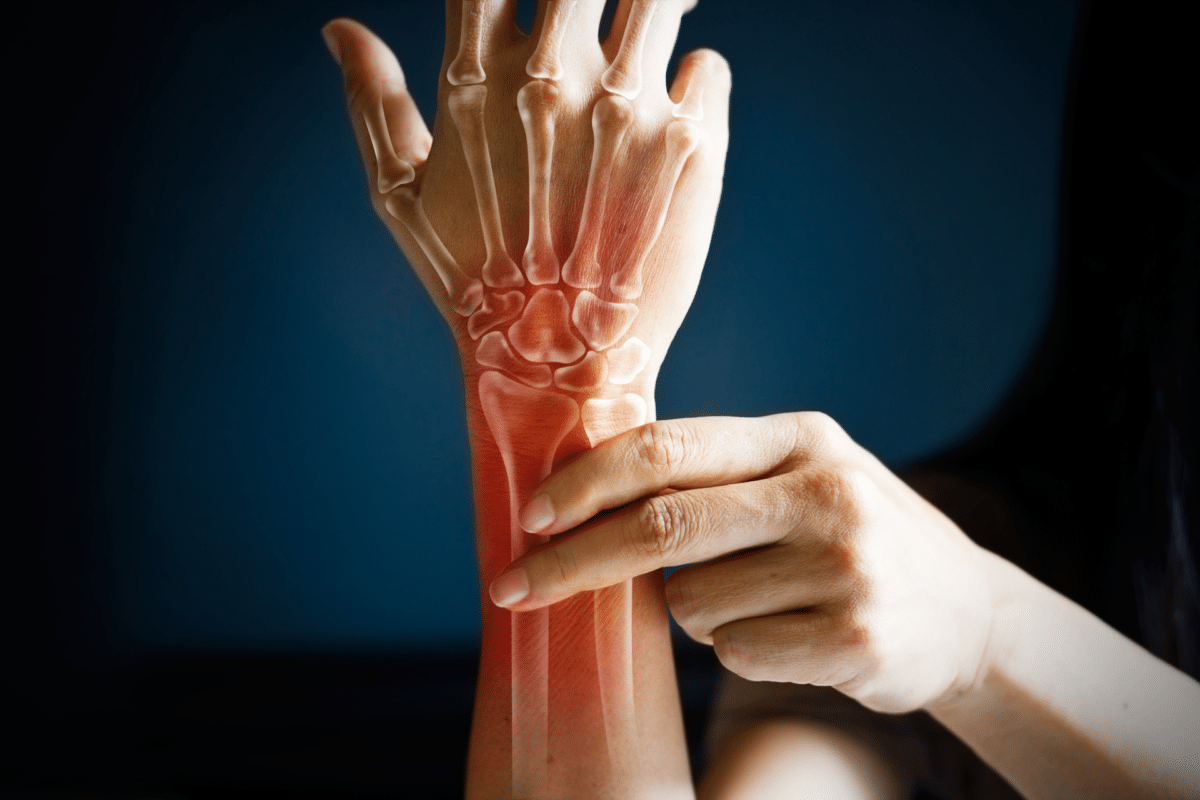
Calcium Pyrophosphate Deposition Disease (CPPD) affects millions of older adults. It’s often misunderstood because it can show up in different ways. We’ll look into this crystal-induced arthritis, what it is, and how it affects people cppd disease.
Calcium Pyrophosphate Deposition Disease happens when calcium pyrophosphate dihydrate crystals build up in joints. This leads to pain, warmth, and swelling, mostly in the knees.
In our exploration of pyrophosphate deposition disease, we’ll cover how common it is, its symptoms, and how to manage it. This will help you grasp this complex condition better.
Key Takeaways
- Calcium Pyrophosphate Deposition Disease is a common cause of inflammatory arthritis in people over 60.
- The condition is characterized by the deposition of calcium pyrophosphate dihydrate crystals.
- Symptoms include joint pain, warmth, and swelling, often affecting the knees.
- Understanding CPPD is key to managing and treating it effectively.
- We’ll dive into all aspects of this condition to give you a full guide.
Understanding CPPD Disease: An Overview
To understand CPPD disease, we need to look at its definition, history, and how it works. We’ll dive into these areas to give you a full picture of this condition.
Definition and Basic Pathophysiology
CPPD disease, or calcium pyrophosphate deposition disease, is when calcium pyrophosphate dihydrate crystals build up in joints. It can cause sudden attacks, long-term joint damage, or no symptoms at all.
The disease works by putting these crystals in the cartilage of joints. This can damage the joints over time. Scientists think it’s caused by a mix of genetics, environment, and metabolism.
Historical Context and Terminology
The term “CPPD disease” has changed over time. It used to be called “pseudogout” because it looked like gout but wasn’t. Now, it’s known as a separate condition to avoid confusion with other arthritis types.
“The recognition of CPPD disease as a distinct clinical entity has been a significant advancement in the field of rheumatology, allowing for more targeted treatment approaches.”
— Medical Expert, Rheumatologist
Our understanding of CPPD disease has grown thanks to better imaging and fluid analysis. These tools help doctors diagnose it more accurately.
|
Terminology |
Description |
|---|---|
|
CPPD disease |
Calcium pyrophosphate deposition disease |
|
Pseudogout |
Acute attack of CPPD disease, resembling gout |
|
Chondrocalcinosis |
Presence of calcium pyrophosphate dihydrate crystals in cartilage |
Knowing the history and current terms helps us grasp the complexity of CPPD disease. It’s key to understanding its diagnosis.
The Science Behind Calcium Pyrophosphate Crystal Formation
It’s important to know how calcium pyrophosphate crystals form to understand CPPD disease. This process involves complex biochemical steps. These steps lead to the formation of crystals in joints.
Crystal Structure and Properties
Calcium pyrophosphate dihydrate crystals have a unique structure. This structure makes them harmful. They are made from calcium ions and pyrophosphate, a byproduct of cell processes. Their shape and size affect how they cause inflammation.
The creation of these crystals is not random. It’s the result of specific biochemical processes. We will dive into these processes to see how they lead to CPPD disease.
Biochemical Mechanisms of Crystal Deposition
The ways crystals form in CPPD disease are complex. The ANKH gene plays a big role. It helps move pyrophosphate out of cells. Changes in this gene can raise the risk of CPPD.
Other things also help crystals form:
- Elevated levels of inorganic pyrophosphate
- Abnormalities in cartilage and joint tissue
- Age-related changes in joint biochemistry
These factors together cause crystals to build up in joints. This buildup triggers inflammation.
|
Factor |
Role in CPPD Disease |
|---|---|
|
ANKH Gene |
Transports pyrophosphate out of cells, influencing crystal formation |
|
Inorganic Pyrophosphate |
Elevated levels contribute to crystal deposition |
|
Cartilage Abnormalities |
Abnormalities in cartilage facilitate crystal accumulation |
Knowing how these biochemical mechanisms work is key to treating CPPD disease. By focusing on the root causes of crystal buildup, we can lessen symptoms.
Clinical Manifestations of CPPD Disease
CPPD disease shows up in different ways, from sudden joint pain to long-term joint wear. These symptoms can make managing the disease and finding treatments harder.
Acute Pseudogout Attacks
Acute pseudogout attacks are a key sign of CPPD disease. They bring sudden, severe joint pain, swelling, and inflammation. These episodes are similar to gout attacks, which is why they’re called “pseudogout.” Calcium pyrophosphate crystals are key in starting these attacks.
Many things can set off these attacks, like injuries, surgeries, or certain health issues. The knee is often hit hard, causing a lot of pain and making it hard to move.
Chronic CPPD Arthropathy
Chronic CPPD arthropathy is a long-term, degenerative form of the disease. It causes ongoing joint damage, chronic pain, and stiffness. If not treated, it can lead to serious disability.
Chronic CPPD arthropathy can affect many joints, but the knee, hip, and wrist are most common. Its symptoms can look like osteoarthritis, making it important to diagnose correctly.
Asymptomatic CPPD
Some people with CPPD disease don’t show symptoms, but crystals are found during tests for other reasons. Asymptomatic CPPD shows how complex the disease is and why doctors need to be careful.
Asymptomatic CPPD makes us wonder about the disease’s future and if symptoms will show up. Keeping an eye on these patients is key.
CPPD Disease vs. Other Crystal Arthropathies
It’s important to know the differences between CPPD disease and other crystal arthropathies. This helps doctors make the right diagnosis and treatment plan. We’ll look at the main differences in symptoms, how to diagnose them, and how to treat them.
CPPD vs. Gout: Key Differences
Gout and CPPD disease are both types of crystal arthropathies. But they differ in the crystals they have and how they affect the body. Gout involves monosodium urate crystals, while CPPD disease has calcium pyrophosphate dihydrate crystals. This difference changes which joints get affected and how they are treated.
Gout usually starts with sudden, severe pain in the big toe. CPPD disease can cause different symptoms, like sudden attacks of pain, long-term joint problems, or no symptoms at all.
CPPD vs. Rheumatoid Arthritis
It can be hard to tell CPPD disease apart from rheumatoid arthritis (RA) because they share some symptoms. But, RA is an autoimmune disease that affects many joints at once. CPPD disease is a crystal disorder that can affect joints in different ways.
Tests like imaging and checking the fluid in the joints are key to making a correct diagnosis. Finding CPPD crystals in the fluid means you have CPPD disease. Finding rheumatoid factor and anti-CCP antibodies means you likely have RA.
Knowing these differences is key to choosing the right treatment. RA might need special drugs to slow it down. But CPPD disease might be treated with colchicine, NSAIDs, or by draining and injecting the joint.
Common Joints Affected by CPPD Disease
Knowing which joints CPPD disease affects is key for diagnosis and treatment. CPPD, or calcium pyrophosphate deposition disease, causes calcium crystals to build up in joints. This leads to different symptoms.
Knee Involvement
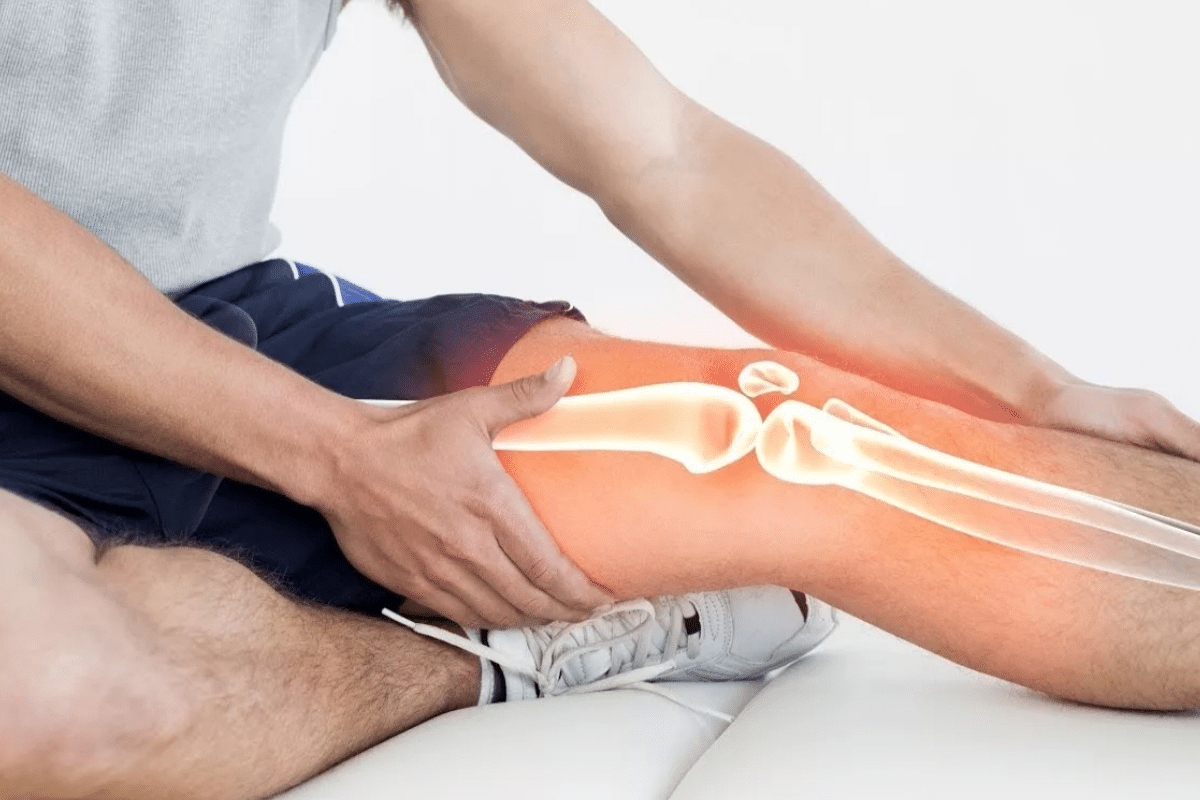
The knee is often hit hard by CPPD disease. People may get sudden pain, swelling, and trouble moving. This can really hurt a person’s quality of life, so it’s important to treat it fast.
Some key features of knee involvement in CPPD disease include:
- Acute pseudogout attacks
- Chronic joint pain and stiffness
- Swelling and effusion
Wrist and Hand Manifestations
The wrist and hand are also often affected by CPPD disease. Symptoms can range from no pain to sudden attacks or long-term joint damage. CPPD crystals in the wrist can cause carpal tunnel syndrome. Hand involvement can lead to degenerative changes and loss of function.
Common manifestations in the wrist and hand include:
- Carpal tunnel syndrome
- Chronic wrist pain
- Degenerative changes in the metacarpophalangeal joints
Other Commonly Affected Joints
While the knee, wrist, and hand are most common, CPPD can also hit other joints. The hip, shoulder, elbow, and ankle can get affected too. They often show symptoms like pain, stiffness, and trouble moving.
It’s important to think of CPPD disease when someone has joint pain and swelling. This is true, even more so for older adults or those with metabolic disorders.
Epidemiology and Risk Factors
Looking into CPPD disease, we see age is key. CPPD, or calcium pyrophosphate deposition disease, happens when calcium pyrophosphate crystals build up in joints. This leads to different symptoms.
Age-Related Prevalence
CPPD disease gets more common with age. It’s rare in people under 60 but affects up to 50% of those over 90. This shows age is a big risk factor.
Genetic Predisposition
Genetics also matter in CPPD disease. Some genetic changes can mess with calcium and pyrophosphate metabolism. This can make people more likely to get CPPD, which is seen in families with a history of it.
Medical Conditions Associated with CPPD
Some health issues raise the risk of getting CPPD disease. These include metabolic problems like hyperparathyroidism, hemochromatosis, and hypomagnesemia. Knowing these can help spot who’s at risk and maybe stop CPPD from happening.
|
Medical Condition |
Association with CPPD Disease |
|---|---|
|
Hyperparathyroidism |
Increased calcium levels can contribute to CPPD crystal formation. |
|
Hemochromatosis |
Iron overload may enhance CPPD crystal deposition. |
|
Hypomagnesemia |
Low magnesium levels can promote CPPD crystal formation. |
In summary, CPPD disease is linked to age, genetics, and certain health issues. Knowing these can help catch and manage CPPD early. This can lead to better health outcomes for patients.
Diagnosing CPPD: Methods and Challenges
Diagnosing CPPD disease is tough. It needs a mix of clinical checks, fluid analysis, and imaging. Getting it right is key for good treatment.
Synovial Fluid Analysis
Fluid analysis from the joint is a big help in diagnosing CPPD. It looks for calcium pyrophosphate crystals. This helps tell CPPD apart from other arthritis types, like gout.
Looking at the fluid under special light shows rhomboid or rod-shaped crystals. This confirms CPPD, mainly in cases of sudden attacks.
Imaging Techniques
Imaging is also key in diagnosing CPPD. We use X-rays, ultrasound, and MRI to see joint damage and cartilage calcification.
X-rays are often first to spot chondrocalcinosis and other CPPD signs. MRI gives more detailed views of joint and soft tissue issues.
Differential Diagnosis
It’s important to tell CPPD apart from other arthritis types. We use clinical checks, lab tests, and imaging to do this.
The table below shows how CPPD differs from other common arthritis:
|
Condition |
Key Characteristics |
Diagnostic Clues |
|---|---|---|
|
CPPD Disease |
Calcium pyrophosphate crystal deposition, chondrocalcinosis |
Synovial fluid analysis, X-ray findings |
|
Gout |
Monosodium urate crystals, acute attacks |
Synovial fluid analysis, serum urate levels |
|
Osteoarthritis |
Degenerative joint disease, cartilage loss |
X-ray findings, clinical symptoms |
|
Rheumatoid Arthritis |
Autoimmune, symmetric joint involvement |
Rheumatoid factor, anti-CCP antibodies |
Knowing these differences helps us give the right diagnosis and treatment plan.
Treatment Approaches for CPPD Disease
CPPD disease treatment focuses on easing symptoms. Current treatments don’t dissolve CPPD crystals. A full approach is needed for both sudden attacks and ongoing management.
Managing Acute Flares
Acute pseudogout attacks need quick and effective treatment to lessen pain and swelling. Nonsteroidal anti-inflammatory drugs (NSAIDs) are often the first choice. If NSAIDs don’t work or can’t be used, corticosteroids might be an option.
Colchicine is also used for acute CPPD flares, when NSAIDs don’t work. Starting treatment early in an attack is key to its success.
Long-term Treatment Strategies
For those with recurring or chronic CPPD, long-term plans are vital. No treatment can dissolve CPPD crystals, but managing related conditions and risk factors can help lessen flare-ups.
Some doctors suggest low-dose colchicine to prevent future attacks. Also, treating conditions like hyperparathyroidism or hemochromatosis can help in some cases.
|
Treatment Option |
Acute Flares |
Long-term Management |
|---|---|---|
|
NSAIDs |
First-line treatment |
Not typically used |
|
Corticosteroids |
Used when NSAIDs are contraindicated |
Occasionally used for persistent symptoms |
|
Colchicine |
Effective for acute attacks |
Used as prophylaxis in recurrent cases |
Emerging Therapies
Research into CPPD disease is ongoing. New treatments that might stop CPPD crystal formation are being explored.
These new therapies show promise, but more study is needed. As we learn more, we might see better treatments for CPPD disease in the future.
Living with CPPD: Lifestyle Modifications and Self-Care
Managing CPPD disease requires both medical treatment and lifestyle changes. Making some simple adjustments can greatly improve life quality and lessen attack frequency.
Diet and Nutrition Considerations
Diet is key in managing CPPD. There’s no single “CPPD diet,” but some nutritional tweaks can ease symptoms. Drinking more water helps keep the body healthy and crystal-free.
Some foods can make symptoms worse. Foods high in purines, like organ meats and some seafood, are common offenders. Keeping a food diary can reveal personal triggers.
|
Food Group |
Recommended |
To Limit |
|---|---|---|
|
Meat and Poultry |
Lean meats, poultry |
Organ meats, high-fat meats |
|
Seafood |
Low-purine fish like salmon |
High-purine seafood like anchovies |
|
Dairy |
Low-fat dairy products |
High-fat dairy products |
Exercise and Physical Therapy
Regular exercise keeps joints mobile and healthy in CPPD patients. Swimming or cycling are good choices because they’re easy on the joints.
Physical therapy is also important. A therapist can create a custom exercise plan to boost joint function and cut pain.
Assistive Devices and Joint Protection
Assistive devices ease joint strain. Canes, walkers, or ergonomic utensils can help a lot in daily tasks.
Protecting joints is also essential. Avoid repetitive actions, take breaks, and lift correctly to prevent injury.
By making these lifestyle changes and practicing self-care, people with CPPD can manage their condition better. This improves their overall life quality.
Conclusion
We’ve looked into CPPD disease, also known as calcium pyrophosphate deposition disease or pyrophosphate deposition disease. It’s a condition that needs a detailed approach to diagnose and treat.
It’s important to understand how calcium pyrophosphate crystals form and how they affect joints. Diagnosing CPPD disease involves several steps. These include analyzing synovial fluid, using imaging, and ruling out other conditions.
Treating CPPD disease is complex. It involves managing sudden attacks and long-term care. New treatments are also being explored. Making lifestyle changes and practicing self-care, like eating right and exercising, is also key.
By taking a detailed approach to diagnosis, treatment, and management, we can help people with CPPD disease live better. Our aim is to offer top-notch healthcare and support. We believe this is critical in tackling the challenges of CPPD disease.
FAQ
What is CPPD disease?
CPPD disease, also known as calcium pyrophosphate deposition disease, is a condition. It happens when calcium pyrophosphate crystals build up in the joints. This can cause sudden joint pain, long-term joint issues, and sometimes no symptoms at all.
What are the symptoms of CPPD disease?
Symptoms of CPPD disease vary. But, common signs include sudden joint pain and swelling. This often happens in the knee, wrist, or other joints. Long-term joint pain and stiffness are also common.
How is CPPD disease diagnosed?
Doctors use several methods to diagnose CPPD disease. They look at symptoms, check the joint fluid for crystals, and use X-rays or ultrasound. These tools help see the damage and where crystals are.
What is the difference between CPPD disease and gout?
CPPD disease and gout both involve crystals in the joints. But, CPPD has calcium pyrophosphate crystals, while gout has monosodium urate crystals. Their symptoms and treatments can differ.
Can CPPD disease be treated?
Yes, there are treatments for CPPD disease. Doctors can use medicine to manage pain and slow the disease. Non-medical options like lifestyle changes and physical therapy also help improve joint function.
What lifestyle changes can help manage CPPD disease?
To manage CPPD disease, maintaining a healthy weight and exercising regularly are key. Using assistive devices and making dietary changes can also help protect joints and support overall health.
Is CPPD disease related to other medical conditions?
Yes, CPPD disease is linked to other conditions like osteoarthritis and hyperparathyroidism. Treating these conditions is important for managing CPPD disease.
Can CPPD disease be asymptomatic?
Yes, some people with CPPD disease may not show symptoms. Even with crystals in their joints, they might not feel any pain. Regular check-ups are important to catch any changes in the disease.
What are the emerging therapies for CPPD disease?
Researchers are working on new treatments for CPPD disease. They aim to reduce crystal formation and improve symptoms. These new approaches could help slow the disease’s progression.
References
Fascinating Guide: What Is CPPD Disease? https://www.ncbi.nlm.nih.gov/books/NBK540151/



 Departments
 Related Videos
 Our Doctors
 News
News