

Vitrectomy surgery is a common treatment for serious eye problems like retinal detachment and diabetic retinopathy. Knowing how to recover is key to driving safely after surgery. Usually, people can go home the same day but need a ride.
Guidelines and factors determining how long after vitrectomy can i drive and when it’s safe to resume. Plan for how long after vitrectomy can i drive.
Getting back to driving safely needs careful advice from doctors and understanding your vision recovery. Everyone recovers differently. It’s important to follow the right steps to drive safely.
Key Takeaways
- Vitrectomy surgery is performed to treat various retinal conditions.
- The recovery timeline varies among individuals.
- Careful medical guidance is necessary for safe driving post-surgery.
- Understanding the recovery process is key to driving again.
- Patients usually go home the same day as the surgery.
Understanding Vitrectomy Surgery
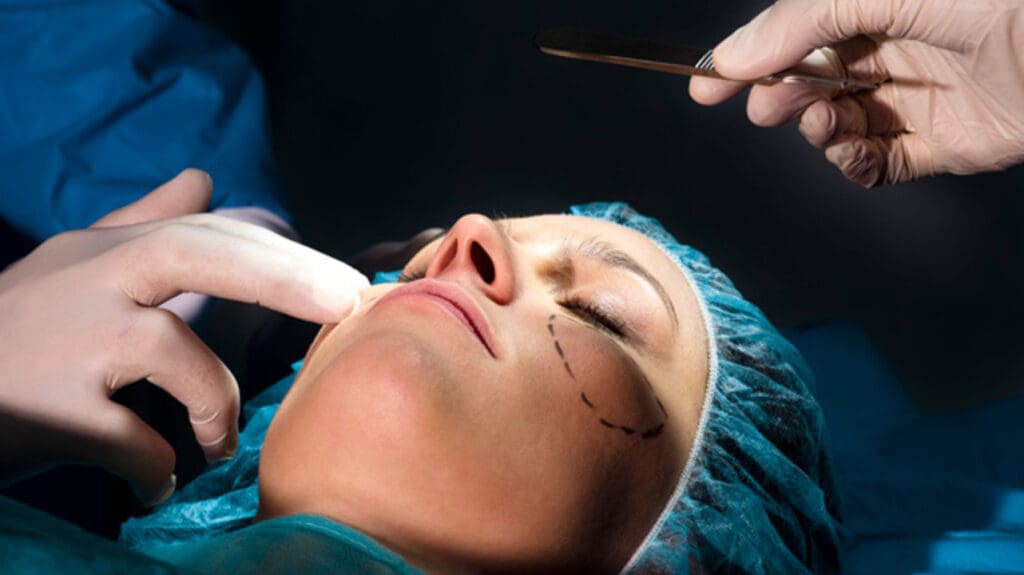
Vitrectomy is a surgery that has changed how we treat eye problems. It removes the vitreous gel from the eye. This lets surgeons fix issues with the retina directly.
What is Vitrectomy and Why is it Performed?
Vitrectomy surgery treats serious eye conditions. It removes the vitreous gel. This helps fix retinal detachments, clear out blood or debris, and remove scar tissue.
Common Conditions Treated with Vitrectomy
Many conditions are treated with vitrectomy surgery, including:
- Retinal detachment
- Diabetic retinopathy
- Macular holes
- Vitreous hemorrhage
These issues can hurt your vision a lot. If not treated, they can cause serious vision loss.
Success Rates and Statistics
Vitrectomy surgery works well, with about 225,000 done each year in the U.S. Success rates for many conditions are over 90%. This gives patients hope for their surgery.
| Condition | Success Rate |
|---|---|
| Retinal Detachment | 85-90% |
| Diabetic Retinopathy | 80-85% |
| Macular Holes | 90-95% |
Knowing these stats helps patients understand what to expect. It sets realistic hopes for their recovery and vision.
The Immediate Post-Operative Period
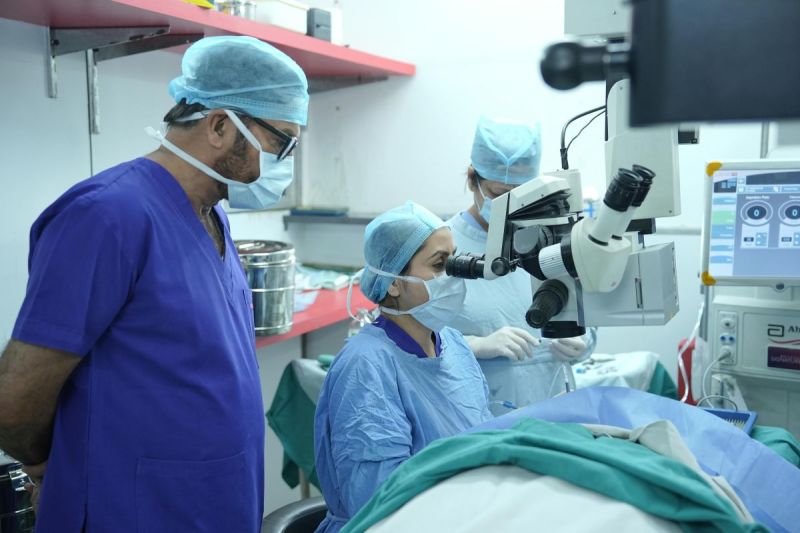
Recovering from vitrectomy surgery means knowing what to expect right after. The first days are key for your eye’s healing. Being informed helps you feel more confident during this time.
First 24-48 Hours After Surgery
The first 24 to 48 hours are very important. Your eye might feel sore, and you could feel some pain. Taking pain relief like paracetamol or ibuprofen can help.
Wearing an eye shield or protective glasses is also important. It keeps your eye safe from bumps or rubbing. These steps are simple but help a lot in healing.
Common Side Effects and Symptoms
After surgery, you might see blurry vision or feel light sensitivity. You might also notice floaters or a gritty feeling. These symptoms usually go away as your eye heals.
How quickly your vision improves can vary. Some see better in weeks, while others take longer. Always follow your surgeon’s advice for the best results.
Essential Care Instructions
Good care is key for a smooth recovery. Keep your eye clean and avoid soap or water in it. Just clean the outer area gently. Your surgeon will tell you how to care for your eye and what meds to use.
Following these essential care instructions is important. Also, don’t miss any follow-up appointments. They help your surgeon check on your healing and answer any questions.
Vitrectomy Recovery Timeline: Week by Week
Knowing how long it takes to recover from vitrectomy surgery is key. It helps patients plan their return to normal life, like driving. Recovery times vary, but most see big improvements in 2 to 8 weeks.
Week 1: Initial Healing Phase
The first week is all about starting to heal. Patients might see blurry vision, feel eye pain, and be sensitive to light. Following your surgeon’s care instructions is vital for healing right.
Key Activities for Week 1:
- Resting your eyes and avoiding hard work
- Using eye drops to prevent infection and swelling
- Going to follow-up visits with your surgeon
Weeks 2-4: Progressive Improvement
By weeks 2-4, vision starts to get clearer. Light sensitivity goes down, but some eye discomfort and floaters might stay.
Tips for Weeks 2-4:
- Slowly increase your activity, avoiding heavy lifting or bending
- Keep using your medications as told
- Watch for vision changes and tell your surgeon about them
Weeks 4-8: Advanced Recovery
By weeks 4-8, most people see a lot of progress. Vision keeps getting better, and eye pain and light sensitivity lessen. It’s a good time to think about driving again, if your vision is good enough.
Considerations for Weeks 4-8:
- Check your vision often to see if it’s ready for driving
- Talk to your surgeon about when you can start driving
- Practice driving in a safe place to get used to any vision changes
Beyond 8 Weeks: Long-term Recovery
Recovery goes beyond 8 weeks, and full vision recovery can take months. Some might see floaters, but they usually get less bothersome over time.
Long-term Tips:
- Keep going to your surgeon’s appointments to check on your recovery
- Be patient with your vision, as it may take time to fully stabilize
- Think about vision therapy if you have ongoing vision problems
Vision Changes During Recovery
After vitrectomy surgery, you might see blurry or foggy vision and have trouble with depth perception. These changes are usually temporary. It’s important to know what to expect and when to get help for a smooth recovery.
Blurry or Foggy Vision: What to Expect
Blurry or foggy vision is common in the first weeks after surgery. It’s because your eye is healing and might have gas or oil from the surgery. It’s best to wait until your doctor says it’s okay to drive or do other activities that need clear vision.
Here are some things to keep in mind about blurry or foggy vision:
- Vision can change from day to day
- Blurry vision might be worse in the morning
- Your vision should get better over time
Depth Perception Issues
Depth perception problems can also happen after surgery. This is because the surgery can affect how your brain sees things. Be careful when doing things that need you to judge distances, like going down stairs or reaching for things.
To deal with depth perception issues:
- Try to use both eyes when you can to judge distances better
- Stay away from activities that need you to judge distances until your vision gets better
- Use handrails when going up or down stairs
When to Be Concerned About Vision Changes
While many vision changes after surgery are normal, some are not. If you have sudden severe vision loss, eye pain, or see flashes of light, call your doctor right away.
Make sure to keep your follow-up appointments with your surgeon. They will check on your recovery and answer any questions you have. We’re here to help you through your recovery and make sure you get the best results.
How Long After Vitrectomy Can I Drive?
After a vitrectomy, many patients wonder when they can start driving again. The answer depends on several things. These include the type of surgery, how well you’re healing, and the law.
General Medical Guidelines for Driving
Eye doctors usually tell patients to wait at least two weeks before driving. This time helps with initial healing and vision recovery. But, the exact time can change based on your situation.
To know if you’re ready to drive, look at these points:
- Can you read a car number plate at 20 meters with both eyes open?
- Do you feel confident driving?
- Are there any big visual problems that could make driving hard?
Factors Affecting Your Return to Driving
Several things can affect when you can drive again after a vitrectomy:
| Factor | Description | Impact on Driving |
|---|---|---|
| Visual Recovery | How fast your vision gets better after surgery. | Directly affects your ability to drive safely. |
| Type of Vitrectomy | Different methods (like with gas bubble or silicone oil) have different recovery times. | Influences when it’s safe to resume driving. |
| Comfort and Confidence | Your personal comfort level with driving after surgery. | Affects your ability to drive without undue stress. |
Legal Considerations and Insurance Requirements
It’s important to know the legal and insurance rules about driving after a vitrectomy. In many places, you must tell your insurance about any health issues that could affect driving. Not doing so might make your insurance invalid.
Legal and Insurance Tips:
- Check local laws about driving after eye surgery.
- Tell your insurance about your surgery.
- Know the rules for driving again from your local DMV.
By thinking about these points and guidelines, you can decide when to start driving again after a vitrectomy. This ensures your safety and follows the law.
Assessing Your Readiness to Drive
Deciding to drive again after surgery needs careful thought. You must check if your vision is good enough and if you feel comfortable driving. It’s not just about seeing; it’s about driving safely and with confidence.
Vision Requirements for Safe Driving
Your vision must meet certain standards to drive safely. Visual acuity, or how sharp your vision is, is key. You should be able to read signs and see things clearly from far away. Peripheral vision, or seeing things on the sides, is also important for spotting dangers.
After surgery, your vision might be blurry or different. We advise waiting until your vision is steady and meets driving standards in your area.
Self-Assessment Techniques
Before driving, check if you can see well enough. Can you read signs clearly? Can you judge how far away things are? Do you feel okay with your side vision?
- Test your reaction time by responding to visual cues.
- Practice driving in a safe, controlled environment, such as an empty parking lot.
- Assess your ability to drive at night or in different weather conditions.
When to Consult Your Doctor About Driving
Talking to your doctor before driving is a must. They can check if your vision is good enough for driving. They can also tell you when it’s safe to drive based on your surgery and condition.
Some people with good vision in the other eye might drive again soon. Others might need more time. Your doctor will decide when it’s safe for you to drive, making sure your vision is good enough.
Safe Driving Strategies After Vitrectomy
Driving again after vitrectomy needs careful steps and a slow pace to adjust to vision changes. It’s key to keep yourself and others safe on the road.
Gradual Return to Driving
Starting to drive again after surgery should be done slowly. Begin with short trips in places you know well, when the weather is good and it’s light outside. This helps you feel more confident and understand your vision better.
Initial Steps:
- Start with short drives to see how you feel and see.
- Don’t drive at night or when the sun is too bright.
- Having someone with you on your first drives is a good idea.
Adapting to Vision Changes While Driving
Vitrectomy surgery can make your vision blurry, affect depth perception, and make light too bright. It’s important to get used to these changes to drive safely.
“The key to safe driving after vitrectomy is patience and gradual adaptation to your changing vision,” says Medical Expert, a renowned ophthalmologist.
To get used to vision changes, try these tips:
- Wear sunglasses outside if it’s windy or very bright and sunny.
- Avoid dusty or smoky places that can make vision worse.
- Check your vision often and tell your doctor if it changes a lot.
Recommended Driving Conditions
Choosing the right time and place to drive is very important. Avoid driving in heavy rain, fog, or snow until your vision is back to normal.
Best driving times include:
- Driving during the day.
- Driving in clear weather.
- Driving on routes you know well.
Helpful Accessories and Modifications
There are many tools and changes that can make driving easier after vitrectomy. These include:
- Anti-glare glasses or sunglasses.
- Adjustable rearview mirrors.
- Advanced driver-assistance systems (ADAS) in vehicles, like systems that warn you if you drift out of your lane.
By using these safe driving tips, you can reduce risks and have a smooth recovery after vitrectomy surgery.
Special Considerations for Different Vitrectomy Types
The type of vitrectomy, like using gas bubbles or silicone oil, affects how long it takes to recover and when you can drive again. Each method is chosen based on the patient’s condition. Knowing these differences is key for a smooth and safe recovery.
Driving After Vitrectomy with Gas Bubble
When a gas bubble is used, patients must follow specific instructions to heal properly. The bubble helps the retina attach, but patients need to keep their head in a certain position for a few days to weeks. This position is important for the bubble to work right.
Key Considerations:
- Avoid air travel and high altitudes until the gas bubble has fully absorbed.
- Follow the surgeon’s instructions regarding head positioning.
- Be aware that vision may be blurry or distorted as long as the gas bubble is present.
Driving After Vitrectomy with Silicone Oil
Vitrectomy with silicone oil is used for complex retinal detachments. The oil stays in the eye longer than gas bubbles and needs a second surgery to remove.
Important Factors:
- Silicone oil can cause vision disturbances, including blurred vision and glare.
- Patients may need to wait until some of the oil is removed or until their vision stabilizes before driving.
- Regular follow-ups with the surgeon are critical to monitor the oil’s presence and its effects on vision.
Driving After Vitrectomy with Membrane Peeling
Membrane peeling removes fibrovascular membranes that can cause retinal traction. The recovery time can vary based on the complexity of the peeling and the patient’s eye health.
Recovery Aspects:
- Vision may take time to improve as the eye heals.
- Patients should be cautious of their vision limitations and assess their ability to drive safely.
- Follow-up appointments are necessary to monitor healing and vision recovery.
Patient Experiences and Recovery Variations
Recovery times can vary a lot, even for the same type of vitrectomy. Factors like overall health, other eye conditions, and following post-operative instructions can affect recovery.
| Type of Vitrectomy | Recovery Considerations | Driving Eligibility |
|---|---|---|
| With Gas Bubble | Head positioning, avoid air travel | Delayed until gas bubble is absorbed and vision improves |
| With Silicone Oil | Vision disturbances, possible glare | Delayed until vision stabilizes or oil is partially removed |
| With Membrane Peeling | Recovery time varies based on complexity | Delayed until vision improves and patient feels safe driving |
Conclusion
Recovering from vitrectomy surgery takes time and following doctor’s orders. The time it takes to recover and how your vision changes are key. They help decide when you can safely drive again.
By sticking to your surgeon’s advice and checking if you’re ready to drive, you’ll have a smooth recovery. It’s important to be careful and follow safe driving rules. Also, make sure to take good care of yourself after surgery.
We’ve shared important information about getting better after surgery. We urge you to keep listening to your doctor. With careful attention to your recovery, you’ll be ready to drive again soon.
FAQ
What is the typical recovery time for vitrectomy surgery?
Recovery from vitrectomy surgery can take 2 to 8 weeks. The exact time depends on the surgery type and how quickly you heal.
How long after vitrectomy can I drive?
It’s best to wait at least two weeks before driving again. But, it’s important to feel ready and comfortable behind the wheel.
What vision changes can I expect after vitrectomy?
You might see blurry or foggy vision and have trouble judging depth. These issues usually get better as your eye heals.
How do I assess my readiness to drive after vitrectomy?
Check if your vision is good enough for driving. Use self-assessment tools and talk to your doctor. Make sure you feel confident and can react to the road.
Are there different considerations for driving after different types of vitrectomy procedures?
Yes, procedures with gas bubbles or silicone oil have special rules for driving. Knowing these rules is key to safe driving.
What are some safe driving strategies after vitrectomy?
Start by driving in easy conditions. Get used to any vision changes. Use tools or make changes to your car to help you drive better.
How long does it take to recover from vitrectomy with a gas bubble?
Recovery with a gas bubble can take weeks. The bubble can blur your vision and affect driving. Always follow your doctor’s advice on when to drive again.
Can I drive after vitrectomy with silicone oil?
You can drive with silicone oil, but wait until your vision is good and you feel comfortable. Silicone oil can blur vision, so check with your doctor first.
What are the legal considerations for driving after vitrectomy?
Laws about driving after vitrectomy vary. You might need to report your condition or meet certain vision standards. Always check with local authorities.
How can I manage foggy vision after vitrectomy?
Follow your doctor’s care instructions and go to follow-up appointments. Be patient as your vision improves. If foggy vision doesn’t get better, talk to your doctor.
References
National Health Service (NHS). Driving After Vitrectomy: Recovery Timeline. Retrieved from https://yourhealth.leicestershospitals.nhs.uk/library/musculoskeletal-specialist-surgery-mss/ophthalmology/1602-caring-for-your-eye-after-vitrectomy-surgery/file