A popped blood vessel in the eye, known as subconjunctival hemorrhage, can be scary. It shows up suddenly and looks like a bright red patch. But, most of the time, it doesn’t need a doctor and will heal by itself.
Exploration of methods for how to get rid of blood vessels in eyes and the expected healing timeline for various causes.
Subconjunctival hemorrhage can happen from simple things like sneezing or coughing. Sometimes, it might mean there’s a bigger health issue. We’ll help you understand why it happens, how long it takes to heal, and how to feel better.
Key Takeaways
- A subconjunctival hemorrhage is generally harmless and heals without medical treatment.
- Common causes include sneezing, coughing, or other actions that increase pressure in the blood vessels.
- Understanding the healing timeline can help manage expectations for recovery.
- Proper care steps can ensure a comfortable recovery.
- In some cases, a popped blood vessel may indicate an underlying health condition.
Understanding Subconjunctival Hemorrhage
A popped blood vessel in the eye, known as subconjunctival hemorrhage, might look scary but is often not serious. The conjunctiva is a clear layer over the eye’s front. Underneath, tiny blood vessels are found. When one of these vessels bursts, it can cause a subconjunctival hemorrhage.
What Is a Popped Blood Vessel in the Eye?
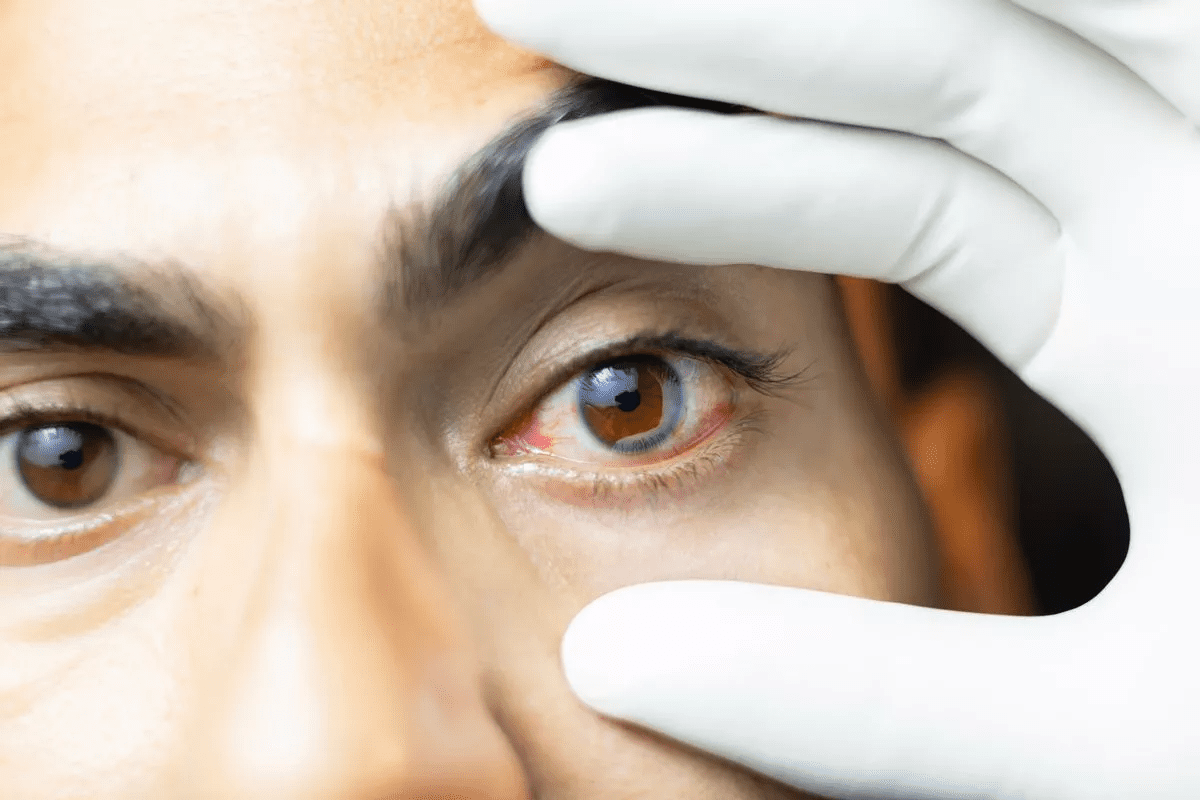
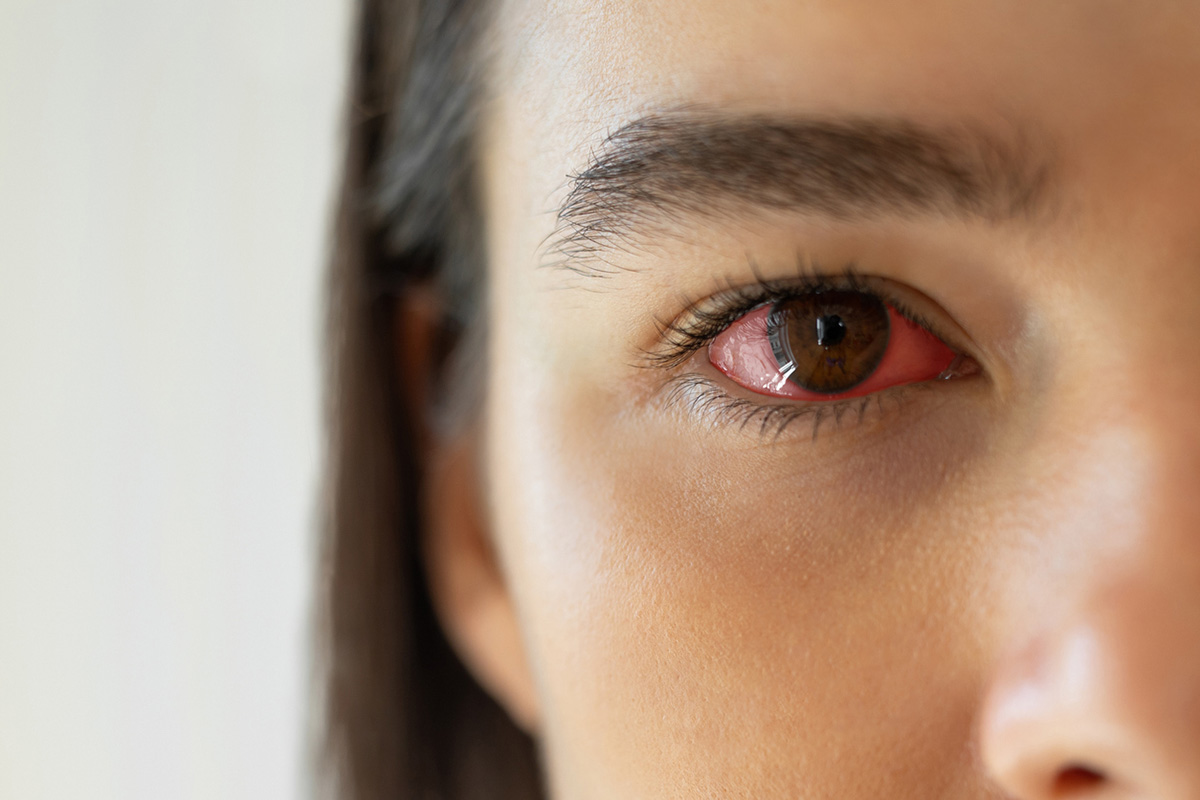
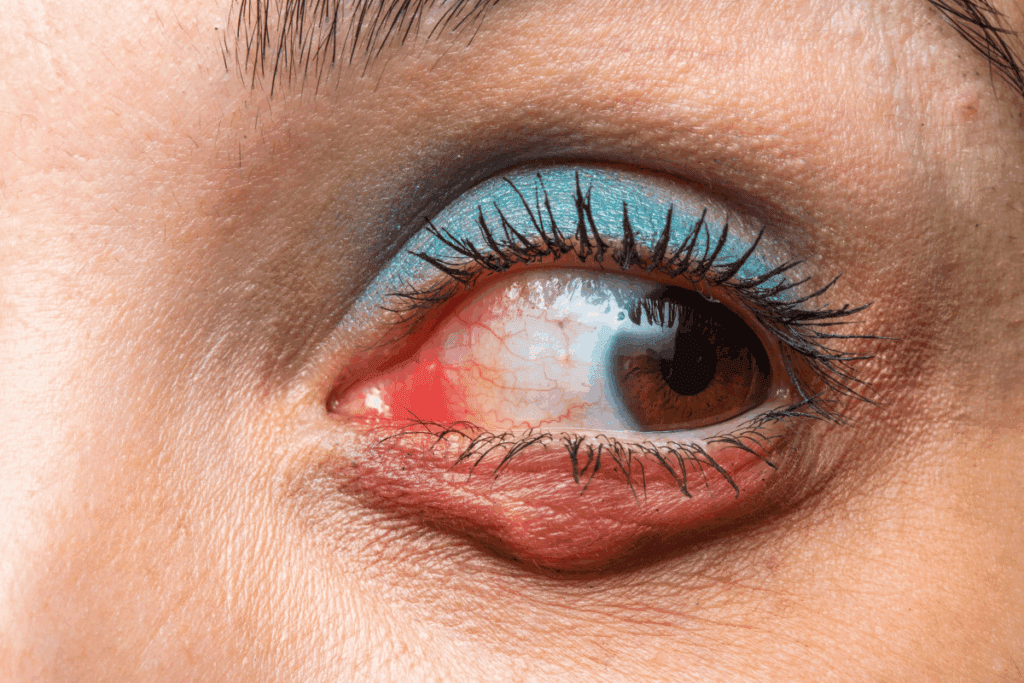
A popped blood vessel in the eye happens when a small blood vessel under the conjunctiva breaks. This leads to bleeding into the space between the conjunctiva and the sclera. A bright red or dark red patch on the eye’s white part appears suddenly. Cedars Sinai says a subconjunctival hemorrhage is usually diagnosed by looking at the eye. No other tests are needed unless there are more episodes.
“Subconjunctival hemorrhage is a common condition that can occur in anyone, regardless of age or health status,” says Dr. [Last Name], an ophthalmologist. “While it can be unsightly, it usually doesn’t cause any pain or vision problems.”
The Anatomy of Eye Blood Vessels
The eye has a network of blood vessels that supply it with oxygen and nutrients. The conjunctiva, a thin membrane, covers the eye’s white part and the inside of the eyelids. It has many small blood vessels. These vessels are fragile and can break easily due to coughing, sneezing, or rubbing the eyes.
Why Blood Vessels Break in the Eye
Blood vessels in the eye can break for many reasons. Physical trauma, forceful actions like coughing or sneezing, and rubbing the eyes are common causes. Sometimes, underlying medical conditions can weaken these vessels, making them more likely to rupture.
Knowing why and how subconjunctival hemorrhage happens can help in managing and preventing it. While it’s usually not serious, seeing a doctor if it happens again is wise. This can help check for any underlying health issues.
Common Causes of Eye Blood Vessel Ruptures

Many things can cause blood vessels in the eye to burst, leading to a subconjunctival hemorrhage. These include minor actions and serious health issues.
Physical Trauma and Eye Rubbing
Eye rubbing is a common cause of a popped blood vessel in the eye. It puts pressure on the blood vessels under the conjunctiva, making them break.
Forceful Bodily Actions
Actions like sneezing, coughing, or straining can also cause blood vessel ruptures. These actions increase body pressure, which affects the eye’s delicate vessels.
Contact Lens Complications
Inserting or removing contact lenses can irritate the eye, possibly causing a subconjunctival hemorrhage. It’s important to handle contact lenses carefully to avoid this risk.
Medical Conditions That Increase Risk
Some health conditions raise the risk of eye blood vessel ruptures. High blood pressure, for example, can weaken blood vessels. Diabetes and bleeding disorders also increase the risk of subconjunctival hemorrhages.
Knowing the causes can help prevent future issues and know when to get medical help. We’ll look at symptoms and healing next.
Recognizing the Symptoms
A bright red patch on the white part of the eye is a common sign of a subconjunctival hemorrhage. This condition, often called a popped blood vessel in the eye, can be scary. It happens suddenly and looks very vivid.
Visual Appearance
A subconjunctival hemorrhage shows up as a bright red color. It can vary in size. The red patch might get bigger in the first 24 to 48 hours before it fades. Even though it looks scary, it usually doesn’t hurt your vision or cause a lot of pain.
Associated Sensations
The look of a subconjunctival hemorrhage is quite striking, but the feelings it brings are mild. Some might feel a bit of irritation or a mild scratchiness in their eye. But, severe pain is not usually a symptom of this condition.
Normal vs. Concerning Symptoms
It’s important to know the difference between normal and concerning symptoms. Normal symptoms include the red patch and maybe some mild irritation. But, if you have severe pain, vision changes, or light sensitivity, it’s a sign to see a doctor.
Impact on Vision
Luckily, a subconjunctival hemorrhage usually doesn’t hurt your vision. It’s just on the surface of the eye. The redness will fade over time without affecting your ability to see.
The Natural Healing Process Explained
Learning how the body heals a subconjunctival hemorrhage can ease concerns. The body naturally absorbs the blood from a popped blood vessel in the eye. This process clears the red spot that appears.
How Your Body Reabsorbs Blood
The body heals a subconjunctival hemorrhage like a bruise. The leaked blood is broken down and absorbed. This takes time, and the color may change from red to yellow or green before fading.
Typical Healing Stages
The healing of a subconjunctival hemorrhage goes through stages. First, it looks red or bright red. Then, the color changes as the blood breaks down. The stages include:
- Initial red or bright red appearance
- Gradual change to a darker red or purple hue
- Transition to yellow or green as the blood is reabsorbed
- Final fading of the discoloration
Most popped blood vessels in the eye heal in 1 to 2 weeks without treatment. The exact time depends on the hemorrhage size and individual factors.
Factors Affecting Healing Time
Several factors can affect healing time. These include:
Factor | Effect on Healing Time |
Size of the hemorrhage | Larger hemorrhages may take longer to heal |
Age of the individual | Older individuals may experience slower healing |
Underlying health conditions | Conditions like hypertension or diabetes may affect healing |
While speeding up healing is not possible, knowing these factors helps manage expectations. It’s important to note that there’s no proven method to make a broken blood vessel in the eye heal faster.
How to Get Rid of Blood Vessels in Eyes: Treatment Options
In most cases, a subconjunctival hemorrhage heals on its own. It usually takes a couple of weeks. No medical treatment is needed.
Why Medical Intervention Is Usually Unnecessary
A subconjunctival hemorrhage is usually harmless. It doesn’t hurt your vision or cause much pain. The body absorbs the blood naturally over time.
Medical help is rarely needed. This is because there’s usually no serious problem to fix.
Home Remedies for Comfort
While waiting for the hemorrhage to heal, some home remedies can help. Using lubricating eye drops can soothe dryness or irritation. A cold compress can also reduce swelling, but be gentle to avoid irritation.
Over-the-Counter Solutions
OTC lubricating eye drops are often suggested. They help with dryness or irritation. Some OTC anti-inflammatory drops might also be used. Always follow the instructions and talk to a healthcare provider if you’re unsure.
What Not to Do During Healing
It’s important to know what to avoid during healing. Don’t rub your eyes, as it can irritate them more or cause bleeding again. Avoid heavy lifting or strenuous activities. If you wear contact lenses, consider switching to glasses until it heals.
By following these tips, you can make the healing process easier and more comfortable.
Detailed Healing Timeline
Knowing how long it takes for a popped blood vessel in the eye to heal can ease worries. The body naturally absorbs the blood, following a clear pattern.
First 24-48 Hours
In the first 24 to 48 hours, the red patch might look bigger before it starts to fade. This is part of the healing. The red color comes from the leaked blood in the subconjunctival space.
As the body breaks down the blood, the color will change to brownish. It’s important to let the body heal naturally during this time.
Days 3-7: Early Healing
Between days 3 and 7, the red or brownish color fades more. The body absorbs the blood, and the patch breaks up into smaller areas. This shows the healing is going well.
The blood’s reabsorption changes the patch’s color to yellow or greenish, like a bruise. This color change means the body is clearing the blood effectively.
Weeks 1-2: Normal Resolution
By the end of the first week to the start of the second, most see big improvements. The discoloration fades, and the eye looks normal again for many.
Healing times vary, but usually, the hemorrhage clears up in two weeks. It’s key to keep the eye clean and avoid irritants during this time.
Extended Healing (2-3 Weeks)
For some, it may take up to three weeks for the hemorrhage to fully clear. The size of the hemorrhage, health, and medical conditions can affect healing time.
If the color doesn’t go away after three weeks, see an eye doctor. They can check for any issues that might be slowing healing.
Knowing the healing timeline helps manage expectations and care during recovery. While healing is mostly straightforward, understanding the process can ease worries and support a smoother recovery.
When to Seek Medical Attention
Most subconjunctival hemorrhages heal on their own. But, there are times when you need to see a doctor. Knowing when is key.
Warning Signs That Require a Doctor
Look out for these signs: severe pain, vision changes, or light sensitivity. These could mean a serious issue that needs quick care.
- Pain that doesn’t subside
- Vision disturbances, such as double vision or blurred vision
- Increased redness or swelling
Recurrent Episodes: What They Mean
Seeing subconjunctival hemorrhages again might mean there’s a problem. Frequent episodes could point to high blood pressure, bleeding disorders, or other health issues.
Diagnostic Procedures
If you keep getting these hemorrhages, a doctor might run some tests. Blood tests can check for bleeding disorders or other problems. These tests aim to find the cause.
Diagnostic Test | Purpose |
Blood Pressure Check | To assess for hypertension |
Complete Blood Count (CBC) | To check for bleeding disorders or infections |
Coagulation Studies | To evaluate blood clotting |
Potential Underlying Conditions
Subconjunctival hemorrhages can hint at health problems like diabetes, high blood pressure, or clotting disorders. It’s important to find and manage these issues to keep your health good and prevent more problems.
Knowing when to go to the doctor and what tests might be done helps you take care of your eyes. It also helps address any health problems you might have.
Prevention Strategies
We can lower the chance of popped blood vessels in the eye by using prevention strategies. Understanding the causes and taking steps early on is key.
Proper Eye Care Habits
Good eye health is vital to avoid subconjunctival hemorrhages. Avoid rubbing your eyes too much, as it can damage blood vessels. Regular eye exams help catch problems early.
Managing Underlying Conditions
Medical issues like high blood pressure, diabetes, and bleeding disorders raise the risk. Managing these conditions with medicine and lifestyle changes can lower the risk.
Lifestyle Adjustments
Changing your lifestyle can also help prevent eye blood vessel ruptures. Avoid heavy lifting or bending to reduce blood vessel pressure.
Protective Measures During High-Risk Activities
When doing activities that might harm your eyes, like sports or using power tools, wear protective eyewear. This can greatly lower injury risk.
By following good eye care habits, managing health issues, making lifestyle changes, and wearing protective eyewear, we can lower the risk of subconjunctival hemorrhages.
Prevention Strategy | Description | Benefit |
Proper Eye Care Habits | Avoiding excessive eye rubbing and regular eye exams | Reduces risk of blood vessel rupture |
Managing Underlying Conditions | Controlling high blood pressure, diabetes, and bleeding disorders | Mitigates risk factors |
Lifestyle Adjustments | Avoiding heavy lifting or bending | Reduces pressure on blood vessels |
Protective Measures | Wearing protective eyewear during high-risk activities | Prevents eye injuries |
Living With a Healing Eye Blood Vessel
Seeing a blood vessel in your eye can be scary, but it usually doesn’t stop you from doing your daily activities. Knowing how to handle it can make you feel better and help you heal faster.
Managing Appearance Concerns
A blood vessel in your eye might look bad, but it’s often not a big deal. To feel better about it, you can:
- Avoid rubbing your eyes, as this can cause further irritation or even re-bleeding.
- Use cold compresses to reduce swelling, if recommended by a healthcare professional.
- Consider over-the-counter lubricating eye drops to soothe any discomfort or dryness.
Daily Activities and Restrictions
You can usually keep up with your daily routine while your eye heals. But, it’s smart to:
- Avoid heavy lifting or bending, as these actions can increase pressure and potentially lead to re-bleeding.
- Be cautious during activities that could lead to eye trauma.
- Continue with your regular hygiene practices, but be gentle around the eye area.
Activity | Recommendation |
Reading | Allowed, but take regular breaks to rest your eyes. |
Driving | Allowed if you are comfortable and your vision is not significantly affected. |
Contact Lens Use | Consult with your eye care professional for advice on continuing use. |
Eye Protection During Healing
Keeping your eye safe while it heals is very important. We suggest:
- Wear protective eyewear during activities that could potentially harm your eyes.
- Avoid sharing makeup or makeup tools to prevent infection.
- Be gentle when washing your face or applying any products around the eye area.
Emotional Impact and Coping Strategies
Having a blood vessel in your eye can be tough on your emotions. To deal with it:
- Educate yourself about the condition to alleviate concerns.
- Seek reassurance from healthcare professionals if you’re worried about your symptoms.
- Focus on the fact that most subconjunctival hemorrhages resolve on their own within a couple of weeks.
By knowing how to handle a healing eye blood vessel and taking the right steps, you can lessen its effect on your life and feelings.
Common Misconceptions About Eye Blood Vessels
There’s a lot of wrong information about popped blood vessels in the eye. This can cause a lot of worry. Many people don’t know what a subconjunctival hemorrhage is or how it affects their eyes.
Myths vs. Facts
One myth is that a subconjunctival hemorrhage means you have a serious health problem. While it can sometimes be linked to health issues, most of the time it happens in healthy people. Another myth is that it’s very painful. But, it’s usually not painful, though some might feel like something is in their eye.
Understanding the Difference Between Eye Conditions
It’s important to know the difference between a subconjunctival hemorrhage and other eye problems. For example, people often confuse it with other irritations or infections. Knowing the differences can help reduce worry. A subconjunctival hemorrhage shows as a bright red patch on the eye’s white part, and it’s not usually painful.
Why You Can’t Speed Up the Healing Process
Many think there are ways to make a subconjunctival hemorrhage heal faster. But, the healing process is natural and can’t be sped up. The body absorbs the blood on its own schedule, usually in a couple of weeks. While some remedies can make you feel better, there’s no proven way to make it heal faster.
When to Ignore Well-Meaning Advice
Sometimes, friends or family might give advice on treating a subconjunctival hemorrhage. While it’s good to listen, it’s also key to know the difference between good advice and bad. For example, they might suggest using eye drops or avoiding certain activities. But, it’s best to follow what doctors say, not unverified sources.
By knowing the truth about subconjunctival hemorrhages and spotting myths, people can handle the condition better. They’ll also know when to get medical help if needed.
Conclusion
A subconjunctival hemorrhage, or a popped blood vessel in the eye, is usually harmless. It heals on its own in a few weeks. Knowing the causes, symptoms, and healing process can ease worries and ensure proper care.
We talked about what can cause a broken blood vessel in the eye. This includes physical trauma, forceful actions, and some medical conditions. Spotting the symptoms, like seeing blood in the eye, is key to knowing what to do next.
The body naturally absorbs the blood, which can take one to three weeks. There’s no quick fix to speed up healing. But, some home remedies and steps can ease discomfort and prevent future issues.
To sum up, understanding how to heal a popped blood vessel and knowing the healing time is important. By taking preventive steps and knowing when to see a doctor, you can avoid complications. This promotes better eye health.
FAQ
How long does a popped blood vessel last in the eye?
A popped blood vessel in the eye, known as a subconjunctival hemorrhage, usually heals in two to three weeks. The body absorbs the blood over time.
What causes a blood vessel to pop in the eye?
Several things can cause a blood vessel to burst in the eye. This includes physical trauma, forceful actions, and certain medical conditions. Eye rubbing and straining can also cause it.
Are popped blood vessels in the eye painful?
Most of the time, a subconjunctival hemorrhage isn’t painful. Some people might feel mild irritation or a scratchy feeling. The main worry is how it looks.
Can a popped blood vessel in the eye affect vision?
Usually, a subconjunctival hemorrhage doesn’t hurt your vision. But, if your vision changes, see a doctor to check for other issues.
How can I help a popped blood vessel heal faster?
You can’t speed up healing, but you can ease discomfort at home. Avoid heavy lifting or straining to help.
When should I seek medical attention for a popped blood vessel?
See a doctor if you have recurring episodes, severe pain, vision changes, or other concerning symptoms. Tests can find any underlying issues.
Can I prevent popped blood vessels in the eye?
Yes, you can lower the risk. Practice good eye care, manage health conditions, make lifestyle changes, and protect your eyes during risky activities.
Are there any restrictions on daily activities when I have a popped blood vessel?
You can usually keep up with daily tasks. Just avoid heavy lifting, bending, or straining. Also, protect your eye while it heals.
How can I cope with the emotional impact of having a popped blood vessel?
Knowing that subconjunctival hemorrhages are usually harmless can ease worries. Focus on healing and preventing future issues to manage emotions.
Can well-meaning advice speed up the healing process?
While advice might be helpful, be careful. Always check with a healthcare professional before trying remedies or treatments. Some might not work or could be harmful.