Do you worry about the extra skin around your eyes making you look tired? You’re not alone. Millions worldwide face excess eyelid skin, a common issue with aging. Learn natural, non-surgical methods to tighten and reduce extra skin around eyes over time. Treat extra skin around eyes gently.
As we get older, the skin around our eyes changes. It loses its elasticity and firmness. This can make our eyelids look loose, giving us a tired or aged look.
Knowing why this happens and trying natural ways or professional treatments can help. At Liv Hospital, we offer detailed eye care and tailored solutions.
Key Takeaways
- Understand the causes of dermatochalasis and its effects on the skin around the eyes.
- Explore natural preventive measures to reduce the appearance of excess eyelid skin.
- Learn about professional treatment options for addressing hooded or sagging eyelids.
- Discover the importance of skincare routines in maintaining healthy skin around the eyes.
- Find out how lifestyle changes can help prevent or reduce the appearance of loose skin on eyelids.
Understanding Excess Eyelid Skin

Understanding dermatochalasis is key to solving the problems of too much eyelid skin. Dermatochalasis is when the eyelid skin gets loose or saggy. This usually happens because of aging or other reasons.
What is Dermatochalasis?
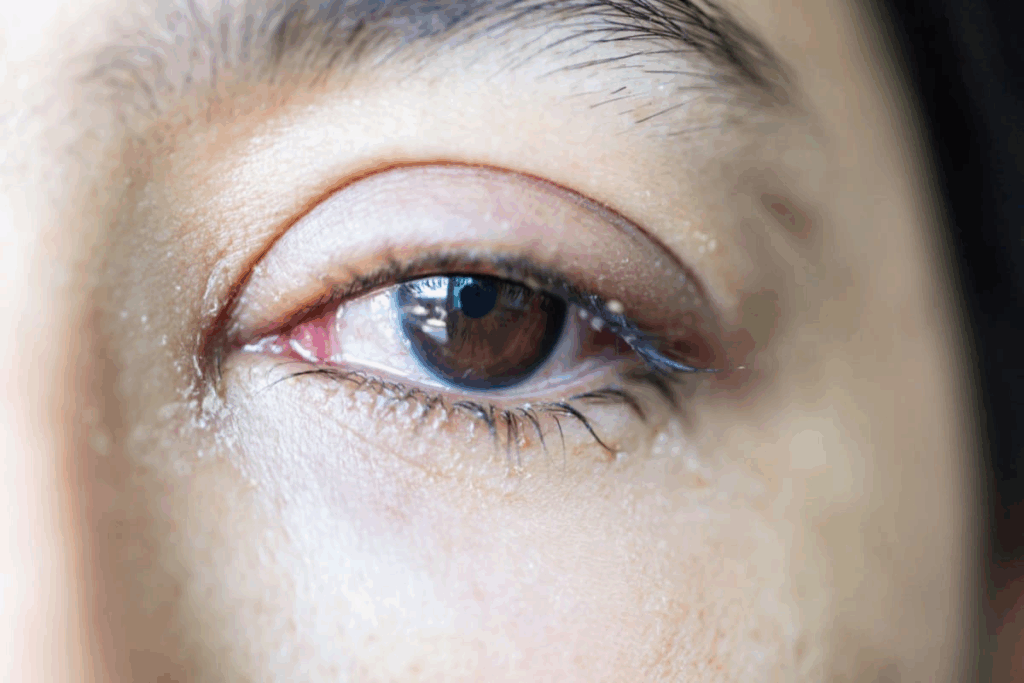
Dermatochalasis is when the eyelids sag because of too much skin. This can block your view and make you look older. It mainly affects the upper eyelids but can also happen to the lower ones.
Common Symptoms and Appearance
The signs of dermatochalasis include visible sagging or drooping of the eyelid skin. This makes your eyes look tired or old. Sometimes, the extra skin can even block your view.
Common signs include:
- Loose or saggy eyelid skin
- Drooping eyelids that can affect vision
- A tired or aged appearance around the eyes
How It Differs from Other Eye Conditions
Dermatochalasis is often mixed up with other eye problems like ptosis (drooping eyelid) or blepharitis (eyelid inflammation). But dermatochalasis is different because it’s about too much skin, not weak muscles or inflammation.
It’s important to tell dermatochalasis apart from other conditions to get the right treatment. While some issues need medical or surgical help, dermatochalasis can be treated with skincare, lifestyle changes, and sometimes professional treatments.
Causes of Extra Skin Around Eyes

Several factors contribute to extra skin around the eyes, known as dermatochalasis. Knowing these causes helps find the best way to fix the problem.
Aging and Its Effects
The aging process is a big reason for extra skin around the eyes. As we get older, our skin loses elasticity. This is because we make less collagen and elastin.
This loss of elasticity makes the skin sag, which is a big problem for the delicate eye area.
Genetic Influence
Genetics also play a big role in extra skin around the eyes. If your family has dermatochalasis, you might get it too. Genes affect how elastic your skin is and how fat is distributed.
Environmental Factors
Things like too much sun, smoking, and bad skincare can also cause extra skin. Sun damage can make your skin age faster. Smoking hurts your skin by reducing blood flow and damaging collagen.
Medical Conditions
Some medical issues can also lead to extra skin. For example, thyroid problems can make your skin dry and less elastic. Conditions like blepharitis or allergies can make your eyelids swell and get irritated.
Cause | Description | Impact on Eyelid Skin |
Natural Aging | Loss of collagen and elastin | Sagging skin, loss of elasticity |
Genetic Predisposition | Inherited traits affecting skin characteristics | Increased likelihood of dermatochalasis |
Environmental Factors | UV exposure, smoking, poor skincare | Premature aging, skin damage |
Medical Conditions | Thyroid disorders, blepharitis, allergies | Skin changes, swelling, irritation |
Understanding why you have extra skin around your eyes helps you take action. You can try to stop it from getting worse.
When Excess Eyelid Skin Becomes Problematic
Too much skin on the eyelids can cause many problems. It’s not just about looks. It can also make daily life harder.
Cosmetic Concerns
Excess eyelid skin can make you look older or tired. This can hurt your self-confidence. It makes you feel less happy with how you look.
Vision Obstruction Issues
In serious cases, extra skin on the eyelid can block your view. This is bad because it can mess with your side vision or upper view. It can make things like driving or reading hard.
Vision Obstruction Issue | Description | Impact on Daily Life |
Peripheral Vision Obstruction | Extra skin blocks side vision | Difficulty driving or navigating crowded spaces |
Upper Field Vision Obstruction | Skin folds into the line of sight | Challenges with reading or watching TV |
Eye Fatigue and Irritation
Extra eyelid skin can make your eyes tired and sore. The strain from trying to see around the skin can cause headaches and eye pain.
“The weight of excess eyelid skin can lead to chronic eye strain, a condition that significantly impacts quality of life.”
Makeup Application Difficulties
For many, excessive skin on eyelids makes makeup hard to apply. It’s hard to put on eye shadow or eyeliner smoothly. This makes your makeup look bad and takes more time.
In conclusion, while excess eyelid skin is often seen as just a cosmetic issue, it can cause many problems. It affects how you look and how you live. Knowing this is important for finding the right solution.
Creating an Effective Eye Skincare Routine
To fight loose eye skin and excess eyelid skin, you need a good eye skincare routine. The skin around our eyes is very delicate. It needs special care to stay healthy and look good.
Gentle Cleansing Techniques
Start with gentle cleansing. Use a mild, fragrance-free cleanser made for the eye area. Gently pat the cleanser on with a cotton pad, starting from the inside and moving outwards. Don’t rub or tug, as this can irritate the skin and make issues worse.
Best Practices for Gentle Cleansing:
- Use lukewarm water to help loosen dirt and makeup.
- Choose a cleanser that is suitable for your skin type.
- Pat dry with a clean towel; do not rub.
Moisturizing Strategies for Delicate Eyelid Skin
Moisturizing is key for keeping the eye skin healthy and elastic. For the delicate eyelids, use a moisturizer rich in emollients and antioxidants. Apply a small amount around the orbital bone, but avoid the eyes.
Moisturizer Type | Benefits | Skin Types |
Creams | Rich in emollients, provides long-lasting hydration | Dry, mature skin |
Gels | Lightweight, non-greasy, cools the skin | Oily skin, younger skin |
Serums | Concentrated formula, targets specific skin concerns | Various skin types, concerns like dark circles or puffiness |
Daily Sun Protection Methods
Protecting your skin from the sun every day is essential. Use a broad-spectrum sunscreen with at least SPF 30. For the eye area, use a physical sunscreen or an eye cream with SPF. Apply it gently around the orbital area, covering all exposed skin.
By following these steps daily, you can greatly improve the health and look of your eye skin. This reduces the appearance of too much skin on eyelids and keeps you looking younger.
Natural Remedies to Tighten Extra Skin Around Eyes
There are many natural ways to tighten the skin around your eyes. These methods are not only effective but also gentle on your delicate skin.
One easy way to reduce puffiness and tighten the skin is with cold compress treatments. To do this, wet a clean cloth with cold water. Wring it out so it’s not dripping, then place it over your closed eyes for a few minutes. The cold helps constrict blood vessels and reduce swelling.
Cold Compress Treatments
Cold compress treatments are great for reducing puffiness and tightening the skin around your eyes. Here are some key benefits:
- Reduces puffiness by constricting blood vessels
- Tightens the skin temporarily
- Easy to do at home with a cold, damp cloth
Natural Astringent Masks
Natural astringent masks can also help tighten the skin around your eyes. Some effective ingredients include:
- Cucumber: Known for its cooling and astringent properties
- Green tea: Rich in antioxidants and has a mild astringent effect
- Almond oil: Nourishes and gently tightens the skin
To make a simple astringent mask, slice a cucumber and place it over your closed eyes. Leave it on for about 10 minutes before rinsing with cold water.
Beneficial Oils for Eye Skin
Certain oils are great for the delicate skin around your eyes. These include:
- Coconut oil: Hydrates and nourishes the skin
- Almond oil: Rich in vitamins and gently nourishes
- Jojoba oil: Balances the skin’s natural moisture
Gently pat a small amount of your chosen oil around the eye area using your ring finger. This helps to avoid pulling or stretching the delicate skin.
Facial Exercises to Strengthen Eye Muscles
Targeted facial exercises can strengthen the muscles around our eyes. This can help reduce the look of extra skin around eyes. Adding these exercises to your daily routine can make your eyelids and the area around them look better.
Upper Eyelid Strengthening Techniques
To work the upper eyelid, try this: Place your index fingers on your eyebrows and press down while trying to raise your eyebrows. This exercise strengthens the muscles.
- Hold for 10 seconds
- Release for 10 seconds
- Repeat 10 times
Lower Eyelid Toning Exercises
For the lower eyelid, do this: Look up and gently pull the lower lid down, then release. This exercise tones the muscles around the extra skin on eyelids.
- Do this exercise 15 times
- Rest for 30 seconds
- Repeat the cycle 3 times
Full Eye Area Workout Routine
A full eye exercise routine includes several steps. First, place your fingers on the outer corners of your eyes and gently press. Then, look up and down, side to side, and in a circular motion. This helps loosen and strengthen the muscles around the entire eye area, which can reduce loose skin on eyelids.
Exercise | Repetitions | Rest Time |
Looking up and down | 10 | 10 seconds |
Looking side to side | 10 | 10 seconds |
Circular motion | 5 clockwise, 5 counter-clockwise | 30 seconds |
Consistency and Proper Form Guidelines
Consistency is key in facial exercises. We suggest doing these exercises daily for the best results. Make sure to use the right form to avoid straining the delicate skin around your eyes.
By following these guidelines and sticking to a consistent routine, you can improve the look of extra skin around eyes and strengthen the muscles around your eyes.
Nutrition for Healthier Eyelid Skin
Eating well is key to keeping the skin around our eyes healthy and looking good. Our eyelids need special nutrients to stay bright and firm. We’ll look at how food affects our eyelid skin and what foods can help reduce extra skin.
Collagen-Boosting Foods
Collagen is important for our skin’s structure. As we get older, we make less collagen, leading to sagging skin. Eating foods that boost collagen can help.
Vitamin C-rich foods like citrus fruits and berries are great for collagen. Also, foods with proline and glycine, like lean meats and eggs, help too.
Antioxidants That Fight Skin Aging
Antioxidants fight off free radicals that age our skin. Eating foods high in antioxidants can make our skin look younger.
Berries, leafy greens, and other fruits and vegetables are full of antioxidants. Foods like green tea, dark chocolate, and nuts also help. Adding these to your diet can make your eyelid skin healthier.
Essential Fatty Acids for Skin Elasticity
Essential fatty acids (EFAs) keep our skin elastic and hydrated. Omega-3 and omega-6 fatty acids are good for our skin.
Foods like fatty fish, flaxseeds, chia seeds, and walnuts are full of EFAs. They help our skin stay firm and reduce sagging around the eyes.
Hydration Strategies for Skin Health
Drinking enough water is vital for healthy, moist skin. It hydrates our skin from the inside.
Eating hydrating foods like watermelon, cucumbers, and celery also helps. Avoiding dehydrating drinks like alcohol and caffeine keeps our skin moist.
Lifestyle Changes That Prevent Worsening Eyelid Skin
Keeping eyelid skin healthy is more than just skincare. It’s about changing our lifestyle. By adjusting our daily habits, we can greatly improve the skin around our eyes.
Optimal Sleep Positions and Habits
Sleeping on our sides or stomach can make eyelid skin wrinkle and sag. This is because of the friction and pressure. Sleeping on our back is better because it reduces strain.
Using a silk or satin pillowcase can also help. It minimizes friction, keeping the skin smoother.
Smoking Cessation Benefits for Skin
Smoking causes early aging, including extra skin on eyelid and excess upper eyelid skin. Quitting smoking improves blood flow, reduces wrinkles, and makes skin more elastic.
Stress Management Techniques
High stress can worsen eye skin loose conditions. Activities like meditation, yoga, or deep breathing can help. They reduce stress, leading to healthier eyelid skin.
Proper Eyewear for Sun Protection
Wearing UV-protected sunglasses is key to protecting the skin around our eyes. UV rays can age skin fast, causing extra skin around eyes. Choose sunglasses with large frames or wraparound styles for extra protection.
By making these lifestyle changes, we can keep our eyelid skin healthy. It’s about sleeping well, quitting smoking, managing stress, and protecting from the sun.
When to Consider Medical Interventions
Natural remedies can help a lot, but sometimes, medical help is needed for excessive eyelid skin. Knowing when to move from home treatments to medical options is key.
Signs Natural Remedies Aren’t Sufficient
If your extra skin on the eyelid is really bothering you or blocking your view, it’s time to think about medical help. Also, if your eyes are always tired or sore, even after trying home remedies, it’s a sign to seek medical advice.
- Vision obstruction due to sagging eyelid skin
- Persistent discomfort or irritation
- Cosmetic concerns that affect self-esteem
Non-Surgical Professional Treatments
For excessive skin on eyelids, there are non-surgical options that are less scary than surgery. These include:
- Botulinum toxin injections to relax facial muscles
- Chemical peels to improve skin texture
- Laser treatments to stimulate collagen production
Understanding Blepharoplasty Options
Blepharoplasty, or eyelid surgery, removes extra skin, fat, and muscle. It’s great for those with a lot of extra eyelid skin that looks bad and works poorly.
Consulting with Medical Professionals
Before any medical treatment, talk to a doctor. They can check your skin, talk about your options, and suggest the best treatment for you.
Knowing when to get medical help for excessive eyelid skin helps you make smart choices. This way, you can get the best results for your care.
Conclusion: Maintaining Long-Term Eye Skin Health
Keeping your eye skin healthy for the long term needs a few steps. You should take care of your skin, change your lifestyle, and sometimes see a doctor. Excess eyelid skin, or dermatochalasis, comes from aging, genes, and the environment.
Start with a good eye skincare routine. Clean your eyes gently and moisturize them well. Also, protect your eye skin from the sun. These steps can help reduce extra skin around your eyes.
Changing your lifestyle also helps. Sleep right, don’t smoke, and manage stress. These habits make your skin stronger and healthier.
If you have loose skin on your eyelids, you might need professional help. Non-surgical treatments or surgery, like blepharoplasty, could be options. Always talk to a doctor to find the right solution for you.
By following these steps and taking care of your eye skin, you can look younger and more vibrant. Stay proactive about your eye skin health to achieve this.
FAQ
What is dermatochalasis?
Dermatochalasis is when you have too much skin on your eyelids. It can happen because of aging, your genes, or the environment.
How does aging affect the skin around the eyes?
As we get older, the skin around our eyes gets less elastic and firm. This leads to sagging and extra skin, known as dermatochalasis.
Can extra skin on the eyelids affect vision?
Yes, too much skin on the eyelids can block your view. It can hang over the eyelid margin, causing eye fatigue and irritation.
What are some common causes of loose skin on eyelids?
Loose skin on eyelids can be caused by aging, your genes, sun exposure, or certain health conditions.
How can I prevent excess skin on my eyelids?
To prevent extra skin, keep a regular skincare routine. Protect your skin from the sun, don’t smoke, manage stress, and wear sun-protective eyewear.
Are there any natural remedies to tighten the skin around my eyes?
Yes, you can use cold compresses, natural astringent masks, and beneficial oils to tighten the skin around your eyes.
Can facial exercises help strengthen the muscles around my eyes?
Yes, doing specific facial exercises can strengthen the muscles around your eyes. This might help reduce the look of extra skin.
What nutritional elements are beneficial for healthier eyelid skin?
Eating foods that boost collagen, antioxidants, essential fatty acids, and staying hydrated are good for your eyelid skin. They help keep it healthy and elastic.
When should I consider medical interventions for my eyelid skin?
If natural methods and lifestyle changes don’t work, or if you have serious vision problems or discomfort, talk to a doctor. They can suggest non-surgical treatments or blepharoplasty.
What is blepharoplasty?
Blepharoplasty is a surgery to remove extra skin, muscle, and fat from your eyelids. It aims to improve their look and sometimes fix vision issues.
How can I maintain long-term eye skin health?
For long-term eye skin health, stick to a skincare routine, live a healthy lifestyle, and consider medical treatments for issues like extra eyelid skin.
References
National Center for Biotechnology Information. Evidence-Based Medical Guidance. Retrieved from https://pmc.ncbi.nlm.nih.gov/articles/PMC10189347/