
Back muscle spasms are sudden, sharp pains that can stop you in your tracks. They make it hard to move and can mess up your day. In the US, about 80 percent of people have lower back pain at some point. Lower back muscle spasms are more common than spasms in the mid-back or sides. Immediate first-aid steps detailing how to ease back muscle spasms and reduce acute pain quickly.
At Liv Hospital, we know how tough back muscle spasms can be. We aim to give you top-notch healthcare info and support. We want to help you find quick ways to ease and prevent back spasms.
Key Takeaways
- Understanding the causes of back muscle spasms is key to managing them.
- Quick relief strategies can ease pain and help you move again.
- Liv Hospital offers custom treatment plans for back spasm relief.
- We use advanced tests to find out what’s causing your spasms.
- We offer full support to international patients looking for relief.
Understanding Back Muscle Spasms
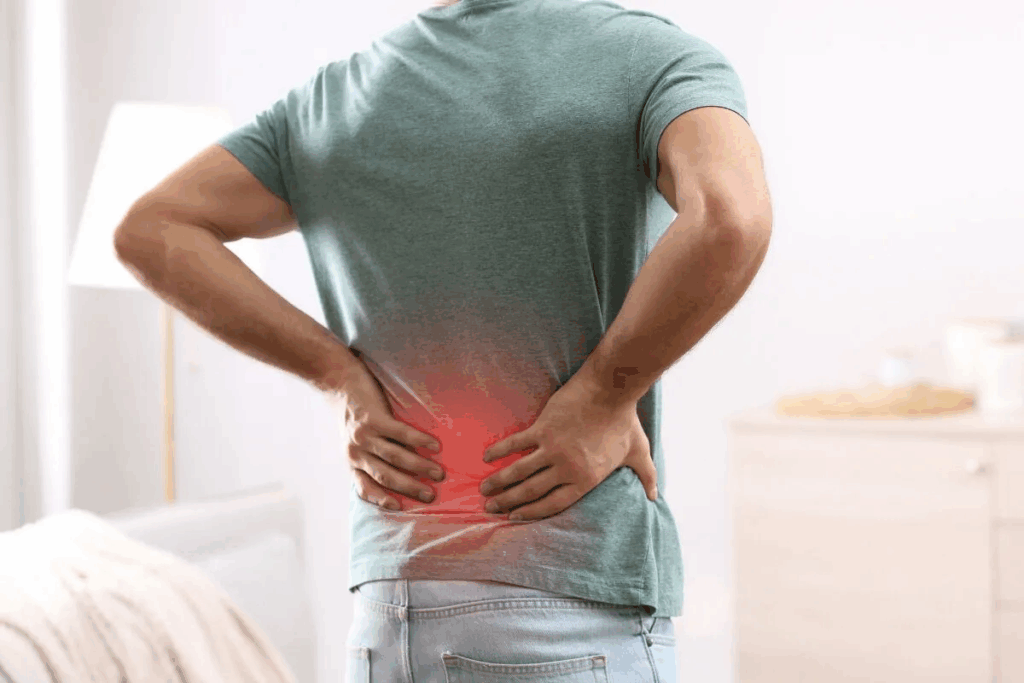
Back muscle spasms are sudden and involuntary muscle contractions. They are a common health issue. These spasms can be painful and are often caused by muscle strain, poor posture, and medical conditions.
What Are Back Muscle Spasms?
Back muscle spasms are sudden, involuntary muscle contractions in the back. They can be mild or severe. They may cause pain, stiffness, and limited mobility.
Understanding these spasms is key to managing them effectively.
The main signs of back muscle spasms include:
- Sudden onset
- Involuntary muscle contraction
- Pain and discomfort
- Muscle stiffness
- Limited range of motion
Prevalence in the United States
About 85 percent of people in the United States get back spasms at some point. This shows how common they are. It’s important to know what causes them, their symptoms, and how to treat them.
Back muscle spasms are common due to many reasons. These include:
- Lifestyle factors like poor posture and physical strain
- Medical conditions that make muscle spasms more likely
- Age and job can also play a role
Knowing these causes helps us prevent and treat back muscle spasms better.
Common Causes of Back Muscle Spasms
Back muscle spasms can be caused by many things. This includes physical strain and certain medical conditions. Knowing what causes them is key to treating and preventing them.
Physical Strain and Overexertion
Physical strain or overexertion is a big reason for back muscle spasms. This happens when you lift heavy things, move suddenly, or do hard activities without warming up. Strained muscles get inflamed and can spasm.
Poor Posture and Ergonomics
Poor posture and ergonomics also lead to back muscle spasms. Sitting or standing for too long in bad positions can tire out your back muscles. Good posture and ergonomics at work and home can help avoid this.
Dehydration and Electrolyte Imbalances
Dehydration and not having the right electrolytes can also cause spasms. Losing too much water and electrolytes like potassium and magnesium makes muscles irritable. Drinking enough water and eating a balanced diet can help prevent this.
Medical Conditions
Medical issues like herniated discs and spinal stenosis can also cause spasms. These problems can press on nerves, causing muscle spasms. Getting a proper diagnosis and treatment is important to stop the spasms.
Cause | Description | Prevention/Treatment |
Physical Strain | Muscle strain from heavy lifting or sudden movements | Proper lifting techniques, regular exercise |
Poor Posture | Prolonged strain on back muscles due to poor posture | Ergonomic adjustments, posture correction |
Dehydration | Electrolyte imbalances causing muscle irritability | Staying hydrated, balanced diet |
Medical Conditions | Nerve compression or irritation from conditions like herniated discs | Medical diagnosis and treatment |
Recognizing the Signs of Back Spasms
Understanding back spasms means knowing their symptoms and how severe they are. These spasms can show up in many ways, from small twitches to pain that makes it hard to move.
Mild to Severe Symptoms
Back spasms can be quite different, from a little discomfort to pain that really hurts. Mild symptoms might be small twitches or stiffness. On the other hand, severe symptoms can be very painful and make it hard to move around.
Symptom Severity | Description | Impact on Daily Activities |
Mild | Minor twitches or stiffness | Minimal impact |
Moderate | Noticeable pain or stiffness | Some limitation in activities |
Severe | Debilitating pain or significant stiffness | Significant limitation or inability to perform daily activities |
Duration and Frequency
How long back spasms last can vary a lot, from seconds to days. Knowing how long and how often they happen is key to finding the right treatment.
Duration: Spasms can be short-term (acute) or long-term (chronic).
- Acute spasms usually happen after an injury or too much strain.
- Chronic spasms might mean there’s an underlying issue that needs a doctor’s help.
Location-Specific Symptoms
Back spasms can happen in different parts of the back, like the upper, middle, or lower back. Location-specific symptoms help figure out what’s causing them.
For example, spasms in the mid-back might be from muscle strain or bad posture. Knowing where and how the spasm feels is important for finding relief.
Immediate Relief Strategies for Back Spasms
When back spasms hit, finding quick relief is key to feeling better and moving freely again. Back spasms can be really tough, causing a lot of pain and messing up your day. Luckily, there are some fast ways to ease the pain.
Rest and Proper Positioning
One of the first things to do is to take a break from your back. Resting in a comfy spot can help ease muscle tightness. Try lying on your back with your knees bent and pillows under them, or on your side with a pillow between your knees for spine support.
Ice Therapy for Initial Treatment
In the first 72 hours, ice therapy is great for cutting down inflammation and dulling pain. Use an ice pack wrapped in a cloth on the sore spot for 15-20 minutes, a few times a day. This simple trick can make a big difference in easing back spasm pain.
Gentle Stretching Techniques
After the pain starts to go away, gentle stretching can help loosen up tight muscles. Simple stretches like knee-to-chest or pelvic tilts can help. Just remember to stretch gently and not too far to avoid making things worse.
By using these quick relief methods—resting, ice therapy, and gentle stretching—you can handle back spasms better. We’ll look at more ways to keep the pain away in the next parts.
How to Ease Back Muscle Spasms with Heat Therapy
Heat therapy can help relax back muscle spasms and reduce tension. It’s best used after the first 72 hours when the inflammation goes down.
When to Switch from Ice to Heat
Choosing between ice and heat depends on the spasm’s stage. Ice is good at first to fight inflammation. After the inflammation goes down, usually in 72 hours, heat therapy is better. It relaxes muscles and boosts blood flow.
Different Heat Application Methods
There are many ways to use heat therapy for back spasms. You can try:
- Hot water bottles filled with warm water
- Heated gel packs that keep heat longer
- Moist heat wraps for steady warmth
Each method has its own benefits. Your choice depends on what feels best and how bad the spasm is.
Duration and Frequency of Heat Treatment
Apply heat for 15 to 20 minutes at a time. Do this 3 to 4 times a day. Make sure your skin cools down between uses to avoid burns or discomfort.
Knowing when to switch to heat and how to use it can help ease back spasms. It also speeds up recovery.
Medication Options for Back Spasm Relief
For those with back spasms, knowing about medication options is key. These options help manage pain and discomfort.
Over-the-Counter NSAIDs
Nonsteroidal Anti-Inflammatory Drugs (NSAIDs) are often used. Ibuprofen and Naproxen are good for back spasm pain.
Prescription Muscle Relaxants
When NSAIDs don’t work, muscle relaxants might be needed. They help relax muscles and stop spasms. Always use them as a doctor advises, due to possible side effects.
Topical Treatments
Topical treatments like creams and patches offer relief. Capsaicin and menthol in these products can ease pain.
Medication Type | Examples | Usage |
Over-the-Counter NSAIDs | Ibuprofen, Naproxen | Oral, as needed |
Prescription Muscle Relaxants | Cyclobenzaprine, Baclofen | Oral, as directed |
Topical Treatments | Capsaicin cream, Menthol gel | Topical application, as needed |
Knowing about different medications helps in making better choices. Always talk to a doctor before starting any new treatment.
Physical Therapy Approaches for Back Spasms
Physical therapy plays a key role in treating back spasms. It involves assessment, exercise, and manual techniques to aid in healing. Back spasms are complex, so a customized treatment plan is essential.
Benefits of Professional Assessment
A physical therapist’s assessment is vital in pinpointing back spasms’ causes. This includes a detailed medical history, physical exam, and sometimes, extra tests. The benefits are:
- Identifying the root cause of back spasms
- Developing a personalized treatment plan
- Improving treatment outcomes through targeted interventions
Understanding the specific causes of back spasms helps us create a more effective treatment plan.
Therapeutic Exercises for Back Spasm Relief
Therapeutic exercises are a key part of physical therapy for back spasms. These exercises aim to:
- Strengthen the muscles supporting the spine
- Improve flexibility and range of motion
- Enhance posture and reduce muscle strain
Examples include pelvic tilts, knee to chest stretches, and bridging exercises. These are tailored to each person’s needs and abilities.
Manual Therapy Techniques
Manual therapy techniques, like massage and joint mobilization, are also vital. They help to:
- Reduce muscle tension and pain
- Improve blood flow and promote healing
- Enhance joint mobility and reduce stiffness
Combining exercises with manual therapy provides complete care for back spasms.
Alternative Therapies for Managing Back Spasms
Alternative therapies offer a great way to help with back spasms. They can make managing the condition easier and improve life quality.
Acupuncture and Acupressure
Acupuncture and acupressure come from traditional Chinese medicine. They work by stimulating certain body points to ease pain and aid healing. Acupuncture uses fine needles, and acupressure uses fingers or tools for pressure.
Studies show acupuncture is good for chronic back pain and spasms. It releases natural pain-relievers in the body.
Chiropractic Adjustments
Chiropractic care deals with the musculoskeletal system, mainly the spine. Chiropractors use spinal manipulation and adjustments to improve joint mobility and reduce inflammation.
By fixing the spine, chiropractic care can lessen back spasms’ frequency and severity.
TENS Units and Electrical Stimulation
Transcutaneous Electrical Nerve Stimulation (TENS) units send small electrical impulses through the skin. These impulses can block pain signals to the brain, giving relief from back spasms.
TENS units are easy to carry and use anywhere. They’re great for managing back spasms at home or while traveling.
Yoga and Mindfulness Practices
Yoga combines physical poses, breathing, and meditation to relax and reduce muscle tension. Mindfulness practices, like meditation and deep breathing, also help manage stress and back spasms.
Yoga and mindfulness can make muscles stronger and improve flexibility. They help prevent back spasms and boost overall well-being.
Lifestyle Modifications to Prevent Recurring Spasms
Making simple changes in your daily life can help prevent back spasms. These changes can make a big difference in how often and how bad spasms happen.
Hydration and Nutrition
Drinking enough water is key to keeping muscles healthy and avoiding spasms. Not drinking enough can cause muscle imbalances. Aim for eight glasses of water a day and eat a balanced diet.
Nutritional Tips:
- Eat foods high in potassium, like bananas and leafy greens, to keep electrolytes balanced.
- Include calcium-rich foods, such as dairy and fortified plant-based milk, to support muscles.
- Keep a healthy weight to lessen back muscle strain.
Ergonomic Improvements
Making your workspace and home more ergonomic can help prevent back spasms. Setting up your work area to promote good posture can reduce back strain.
Ergonomic Adjustment | Benefit |
Monitor at eye level | Reduces strain on the neck and upper back |
Keyboard and mouse within easy reach | Minimizes stretching and reaching |
Chair height adjusted for feet flat on floor or on a footrest | Promotes good posture and reduces pressure on the lower back |
Sleep Position Adjustments
Choosing a sleep position that supports your spine can prevent spasms. Use a supportive mattress and adjust your sleep to keep your spine aligned.
Sleep Position Tips:
- Sleep on your back with a pillow under your knees to take pressure off your spine.
- Use a supportive pillow under your neck to maintain alignment.
- Avoid sleeping on your stomach, as it can cause your spine to be out of alignment.
Regular Exercise Routines
Regular exercise can strengthen your back muscles and improve flexibility, lowering the chance of spasms. Mix aerobic exercises, strength training, and flexibility exercises in your routine.
Exercise Tips:
- Start with gentle stretching exercises to improve flexibility.
- Do aerobic activities like walking or swimming to boost heart health.
- Add strength training to build strong back muscles.
When to Seek Medical Attention for Back Spasms
Knowing when to see a doctor for back spasms is key. Back spasms can be mild or severe. While many can be treated at home, some need medical help.
Warning Signs of Serious Conditions
It’s important to know the signs of serious problems. Look out for:
- Severe pain that doesn’t get better with rest or treatment
- Numbness, tingling, or weakness in the legs
- Loss of bladder or bowel control
- Recent trauma or injury to the back
- Unexplained weight loss
Diagnostic Procedures
When you see a doctor for back spasms, they’ll do a full check-up. This includes a medical history and physical exam. They might also do:
- Imaging tests like X-rays, MRI, or CT scans to find the cause
- Electromyography (EMG) to check muscle and nerve function
- Blood tests to look for infection or inflammation
These tests help doctors figure out what’s causing the spasms. Then, they can plan the right treatment.
Advanced Treatment Options
Depending on what the doctor finds, you might need more treatment. This could include:
- Physical therapy to improve flexibility, strength, and posture
- Medications like muscle relaxants or pain meds for nerves
- Interventional procedures like corticosteroid injections or nerve blocks
- Surgery for big problems like herniated discs or spinal stenosis
These treatments aim to fix the root cause of the spasms. They help relieve pain and prevent future problems.
Conclusion
Understanding the causes of back muscle spasms is key to managing them. We’ve looked at ways to ease the pain, like immediate relief, medicine, physical therapy, and other treatments.
Managing back spasms well means using a mix of these methods. It’s important to make lifestyle changes too. Drinking enough water, working in a comfortable space, and exercising regularly can help prevent spasms.
If you’re dealing with back muscle spasms, try these strategies and talk to a doctor. A well-rounded approach can help you feel better and live a healthier life.
FAQ
What are back muscle spasms?
Back muscle spasms are sudden, involuntary muscle contractions in the back. They can be painful and may be caused by muscle strain, poor posture, or medical conditions.
What causes back muscle spasms?
Spasms can be caused by physical strain, poor posture, dehydration, or medical conditions. Knowing the cause is key to treating and preventing them.
How can I stop back spasms?
Rest, ice therapy, and gentle stretching can help stop spasms. These methods reduce pain and inflammation, helping the muscles relax and recover.
What is the role of heat therapy in managing back muscle spasms?
Heat therapy relaxes muscles and reduces tension. Knowing when to switch from ice to heat and how to apply it is important for relief.
What medication options are available for back spasm relief?
Medications like NSAIDs, muscle relaxants, and topical treatments help manage spasms. Understanding these options helps individuals choose the best care for themselves.
How can physical therapy help with back spasms?
Physical therapy assesses and treats spasms with exercises and manual techniques. It helps recover from spasms and prevents future ones.
What alternative therapies can provide relief from back spasms?
Acupuncture, chiropractic care, and mindfulness practices offer relief. Exploring these options can help manage back spasms comprehensively.
How can I prevent recurring back spasms?
Preventing spasms requires lifestyle changes. Stay hydrated, use good ergonomics, adjust your sleep, and exercise regularly to reduce spasms and improve overall health.
When should I seek medical attention for back spasms?
Knowing when to seek medical help is important. Look for warning signs, undergo tests, and explore advanced treatments for effective care.
Why do back spasms occur?
Spasms happen due to muscle strain, poor posture, dehydration, and medical conditions.
How to treat back spasm?
Treating spasms includes rest, ice or heat, stretching, and medication. Physical therapy and alternative therapies also help manage spasms.
What are the signs of back spasms?
Spasms can range from mild to severe. Recognizing the signs is important for getting the right treatment and relief.
How to manage back spasms?
Managing spasms requires a holistic approach. This includes lifestyle changes, physical therapy, and alternative therapies. Understanding causes and using effective relief strategies helps manage spasms well.
References
World Health Organization. Evidence-Based Medical Guidance. Retrieved from https://www.who.int/news-room/fact-sheets/detail/low-back-pain