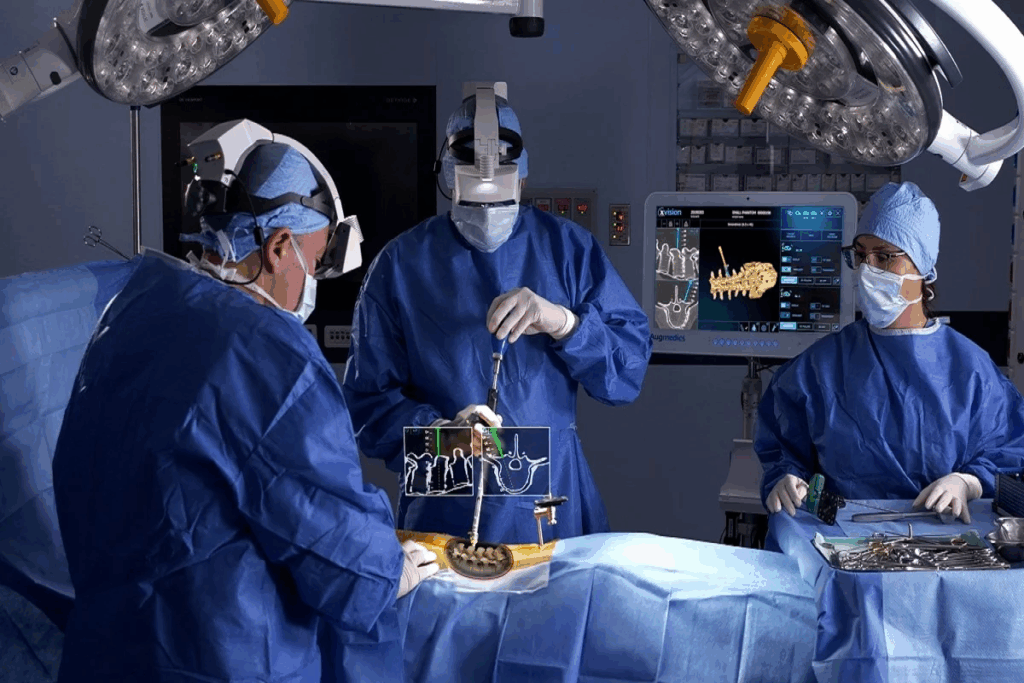
Recovering from back surgery is different for everyone. It depends on the surgery type and your health. At NeuroSpine Plus, we know how important a good recovery plan is. Our team helps you through every step, making sure you get the care you need.
Recovery timelines can be quite different, lasting from weeks to over a year. Knowing what to expect and following the best aftercare can make a big difference. It helps you get back to your life faster.
Detailed timeline and milestones for spine surgery recovery, from the hospital stay to full activity return.
Key Takeaways
- Recovery from back surgery is a highly individualized process.
- The type of procedure and patient health factors influence recovery timelines.
- A well-planned recovery process is key for the best results.
- Following evidence-based aftercare can speed up and improve recovery.
- Getting professional medical advice is vital during your recovery.
Understanding Different Types of Spine Surgeries

Spine surgery includes many procedures for different spinal issues. The type of surgery affects how long it takes to recover. Knowing this helps patients prepare for their recovery.
Minimally Invasive Procedures: Discectomy
A discectomy removes damaged disc material that presses on nerves. Minimally invasive discectomy uses smaller cuts, causing less damage and quicker healing than traditional surgery.
Recovery from a discectomy is usually faster, taking one to four weeks. Full recovery might take six to twelve weeks. Patients should avoid heavy lifting and bending during this time.
Spinal Fusion Surgery
Spinal fusion joins vertebrae together with bone grafts and hardware. It stabilizes the spine and relieves pain from fractures, scoliosis, or degenerative disc disease.
Recovery from spinal fusion takes longer, from three to six months for basic recovery. Full recovery can take up to a year. A structured rehabilitation program is essential for healing.
Laminectomy Procedures
A laminectomy removes part or all of the lamina to relieve pressure on the spinal cord or nerves. It’s often done for stenosis or tumors.
Laminectomy recovery varies, but most return to normal activities in a few weeks to months. Physical therapy is key to strengthening back muscles and improving flexibility.
Artificial Disc Replacement
Artificial disc replacement replaces a damaged disc with an artificial one. It aims to keep the spine moving naturally and reduce pain.
Recovery from artificial disc replacement is generally quicker than spinal fusion. Many patients return to normal activities in a few weeks to months. The exact recovery time depends on individual factors and surgery complexity.
Preparing for Successful Spine Surgery Recovery

Getting ready for spine surgery is key to a smooth healing. Making smart choices before surgery helps a lot. It makes the recovery easier.
Pre-Surgery Lifestyle Adjustments
Changing your lifestyle before surgery is important. Quitting smoking is a big help. It lets your body heal faster. Eating well is also key for a good recovery.
Talking to your doctor about your meds is smart. Some medicines might not be safe before surgery.
Home Modifications Before Surgery
Changing your home can help a lot. Making paths clear and removing dangers is a big plus. It makes moving around easier.
Set up a recovery spot with what you need close. This cuts down on getting up and moving a lot.
Essential Items to Have Ready
Having the right things ready makes recovery better. You’ll need comfy clothes, pillows, and any medical gear you need.
Essential Items | Purpose |
Comfortable clothing | Ease of use and comfort during recovery |
Pillows and supportive devices | Provide necessary support and comfort |
Medical equipment as advised | Facilitate recovery and manage pain |
By focusing on these areas, patients can better prepare themselves for a successful spine surgery recovery. It ensures a smoother and more comfortable healing process.
The First 24-48 Hours After Spine Surgery
The time right after spine surgery is very important. Knowing what to expect can help a lot with your recovery after back surgery. Your medical team will watch you closely to help you start recovering well.
Hospital Recovery Protocol
When you get to the recovery room, the staff will start checking your vital signs. Pain management is a big deal, and they will give you medicine to help with pain.
The hospital’s recovery plan usually includes:
- Watching your vital signs all the time
- Using medicine to manage pain
- Moving you early to avoid problems
Aspect of Care | Description | Importance |
Vital Signs Monitoring | Keeping an eye on blood pressure, heart rate, and oxygen levels | Keeps you stable |
Pain Management | Giving you pain medicine when you need it | Makes you more comfortable and less stressed |
Early Mobilization | Moving you a little bit to stop blood clots and stiffness | Helps avoid complications |
Pain Management Strategies
Managing your pain well is key in the first days after surgery. Your healthcare team will use different methods to help with your pain.
Some ways they might help with pain include:
- Using PCA pumps
- Giving you medicine to take by mouth
- Trying regional anesthesia
Initial Mobility Guidelines
Moving a bit early is important after spine surgery. It helps stop blood clots and helps your body heal.
It’s very important to listen to your healthcare team about how much to move. This helps you recover safely and well.
Week 1: Critical Early Spine Surgery Recovery Phase
The first week after spine surgery is key for a good recovery. It focuses on managing pain, moving less, and healing the wound. Patients need to be careful to avoid problems and help their body heal.
Managing Pain and Medication
Managing pain well is very important in the first week. Patients should follow their doctor’s advice on pain meds closely. It’s important to control pain without becoming too dependent on painkillers.
Pain Management Strategies:
- Take pain medication as directed by your surgeon
- Monitor your pain levels and report any severe pain to your healthcare provider
- Gradually taper off pain medication as your pain subsides
Basic Movement Restrictions
Following basic movement rules is key to avoid problems and heal right. Patients should not lift heavy, bend, or twist. These actions can harm the spine and slow healing.
Activity | Recommended Limitation |
Lifting | Avoid lifting objects heavier than 5-10 pounds |
Bending | Minimize bending at the waist |
Twisting | Avoid twisting or rotating your torso |
Wound Care Essentials
Good wound care is vital to avoid infection and help healing. Patients should keep their surgical site clean and dry. They should follow the exact instructions from their healthcare team.
Wound Care Tips:
- Gently clean the wound with mild soap and water
- Pat the area dry with a clean towel
- Monitor for signs of infection, such as redness, swelling, or drainage
By managing pain, following movement rules, and taking care of the wound, patients can do well in the first week after spine surgery.
Weeks 2-4: Building a Foundation for Healing
Patients start building a healing foundation in weeks 2-4 after spine surgery. It’s important to gradually increase activity levels and go to follow-up appointments for a good recovery.
Gradual Activity Progression
Patients start with gentle exercises and move to harder activities as they get stronger. Begin with short walks and basic stretches. Then, increase the time and effort as you feel more comfortable.
It’s key to listen to your body and not overdo it. Physical therapy starts here, helping you regain strength and flexibility. A personalized exercise plan is vital for your recovery.
Follow-up Appointments
Regular visits with your surgeon are important in weeks 2-4. These check-ups help track your healing, remove stitches, and address any issues.
Keep a log of your progress, including any changes in pain or mobility. This information helps your healthcare team make the best decisions for your recovery.
Procedure-Specific Recovery Timelines
Recovery times vary based on the surgery type. For example, minimally invasive procedures might have quicker recovery times than spinal fusion surgeries.
Knowing your specific recovery timeline is key. It helps manage your expectations and ensures a smooth recovery. We’ll provide personalized support and guidance every step of the way.
By focusing on gradual activity, attending follow-ups, and understanding your specific recovery, you can lay a strong foundation for healing in weeks 2-4 after spine surgery.
The Complete Spine Surgery Recovery Timeline
The time it takes to fully recover from spine surgery can vary a lot. Knowing the recovery timeline helps patients set realistic goals. It also helps them get ready for the recovery journey.
Minimally Invasive Surgery: 6-12 Weeks
Minimally invasive spine surgeries, like discectomy, have shorter recovery times. Patients can usually go back to normal activities in 6 to 12 weeks.
- Initial recovery phase: 1-2 weeks of rest and limited activity
- Gradual return to normal activities: 6-8 weeks
- Full recovery: 3 months
Laminectomy and Disc Replacement: 3-4 Months
Laminectomy and disc replacement surgeries take longer to recover from than minimally invasive ones. The recovery timeline is as follows:
Recovery Phase | Timeline | Activities |
Initial Recovery | 0-6 weeks | Rest, pain management, limited mobility |
Gradual Mobilization | 6-12 weeks | Increased activity, physical therapy |
Full Recovery | 3-4 months | Return to most normal activities |
Spinal Fusion: 6-12 Months
Spinal fusion is a more complex procedure with a longer recovery time. The recovery process can take anywhere from 6 to 12 months.
Key milestones in spinal fusion recovery:
- Initial recovery: 0-3 months, focusing on pain management and limited activity
- Gradual strengthening: 3-6 months, with increased mobility and physical therapy
- Full recovery: 6-12 months, with complete integration of the fusion
It’s important for patients to follow their surgeon’s specific instructions and guidelines for recovery. Individual timelines may vary. By understanding the recovery process, patients can better prepare themselves for the journey ahead.
Months 1-3: Rehabilitation and Physical Therapy
The first three months after spine surgery are key. Rehabilitation and physical therapy are vital for healing. We focus on building a strong base for long-term spinal health during this time.
When to Begin Physical Therapy
Physical therapy starts a few weeks after surgery. The exact start time depends on the surgery type and doctor’s advice. We work with physical therapists to make a plan that meets each patient’s needs.
Customized Exercise Programs
Having a tailored exercise program is essential for recovery. These programs are made to fit the patient’s surgery, health, and challenges. They aim to:
- Improve flexibility and range of motion
- Strengthen muscles around the spine
- Improve posture and reduce back strain
- Slowly increase activity while avoiding risks
Activity Restrictions by Surgery Type
Activity limits change based on the surgery. For example:
Surgery Type | Initial Restrictions | Progressive Activities |
Minimally Invasive Surgery | Avoid bending, lifting, twisting | Gradually introduce light cardio, stretching |
Spinal Fusion | Strict avoidance of heavy lifting, bending | Progress to strengthening exercises, low-impact aerobics |
Laminectomy | Limit strenuous activities, avoid heavy lifting | Introduce core strengthening, flexibility exercises |
It’s vital to follow your healthcare team’s advice for a safe recovery. By combining therapy with careful activity, patients can get the best results after surgery.
Nutrition and Lifestyle Factors for Optimal Healing
Recovering well from spine surgery needs a balanced diet, enough sleep, and stress management. These help the body heal, improve well-being, and lower complication risks.
Dietary Recommendations for Bone Health
Eating well is key for healing after spine surgery. Calcium and vitamin D are vital for bones. You can find calcium in dairy, leafy greens, and fortified foods. Vitamin D comes from sunlight, fatty fish, and supplements if needed.
Protein is also important for fixing tissues. Choose lean proteins like poultry, fish, and legumes. Antioxidants in fruits and veggies reduce inflammation and aid healing. Eating a variety of colorful foods gives you many antioxidants.
Sleep Positioning and Quality
Good sleep is essential for recovery. It lets the body fix and grow tissues. Sleeping on your back with a pillow under your knees is often best, as it eases spine pressure. Sleeping on your side with a pillow between your knees can also be good if your spine stays straight.
To sleep better, keep your room cool, quiet, and dark. Avoid screens before bed. A regular sleep schedule helps your body rest better.
“Sleep is a critical component of the healing process. Ensuring that you get quality rest can make a significant difference in your recovery journey.”
Stress Management Techniques
Managing stress well is important for recovery. Stress can slow healing and make pain worse. Meditation, deep breathing exercises, and gentle yoga can help. They calm your mind and body, making recovery easier.
Doing things you enjoy can also help. Getting support from loved ones or groups is key for managing stress and feeling better during recovery.
Potential Complications and How to Address Them
After spine surgery, knowing about possible complications is key to healing. Spine surgery is usually safe. But, it’s important to know the risks and how to handle them for a good recovery.
Common Post-Surgical Complications
Complications like infection, blood clots, and ongoing pain can happen after spine surgery. Spotting these issues early is vital to fix them quickly.
- Infection: Look out for redness, swelling, more pain, or fever. If you see these signs, call your surgeon right away.
- Blood Clots: Watch for swelling, pain, or color changes in your legs. Moving around and doing specific exercises can help avoid blood clots.
- Persistent Pain: Some pain is normal, but if it doesn’t go away or gets worse, it could be a problem. We’ll talk about pain management next.
When to Contact Your Surgeon
Knowing when to get medical help is important. Call your surgeon if you have:
- Severe pain that doesn’t get better with medicine
- Signs of infection like fever, redness, swelling, or discharge from the wound
- Numbness, tingling, or weakness in your limbs
- Problems controlling your bowel or bladder
“Promptly addressing complications can significantly improve outcomes after spine surgery.” — Orthopedic Surgeon
Managing Persistent Pain
Handling pain well is a big part of getting better. Your healthcare team will give you a pain plan that fits you.
Strategy | Description |
Medication | Take the pain medicine your doctor prescribed as told |
Physical Therapy | Do gentle exercises to get your body moving and stronger |
Relaxation Techniques | Try deep breathing or meditation to help you relax |
By knowing about complications and how to deal with them, you can get through recovery better. Always listen to your surgeon and tell them about any worries you have right away.
Conclusion: Life After Spine Surgery
Understanding the recovery process is key for patients to succeed after spine surgery. With the right care and rehab, many see big improvements in their life quality.
Recovering from spinal surgery is a journey that needs patience, dedication, and a full plan. By following the advice in the previous sections, patients can move through recovery with confidence. This leads to success in spine surgery recovery.
As patients get better, they will regain strength, mobility, and independence. Life after spine surgery can be rewarding, with many returning to their usual activities and feeling better overall. It’s vital to keep up with follow-up care and follow post-operative instructions for a smooth recovery.
By taking a holistic approach to recovery, including good nutrition, stress management, and rehab, patients can boost their chances of a successful outcome. This leads to a better quality of life after spine surgery.
FAQ
What is the typical recovery time for spine surgery?
Recovery times for spine surgery vary. Minimally invasive surgeries need 6-12 weeks. More complex surgeries like spinal fusion can take 6-12 months.
How long should I log roll after back surgery?
Log rolling is advised for a few days to a week after surgery. It helps avoid twisting and stress on the spine. The exact time depends on your surgeon’s instructions.
What are the most common complications after spine surgery?
Common issues include infection, nerve damage, and persistent pain. Following post-op instructions and attending follow-ups can help avoid these.
When can I start physical therapy after spine surgery?
Physical therapy timing varies based on surgery type and surgeon’s advice. It usually starts a few weeks post-surgery to boost mobility and strength.
What dietary recommendations can support bone health after spine surgery?
Eating foods rich in calcium and vitamin D is key. Include dairy, leafy greens, and fortified cereals in your diet.
How can I manage stress during the recovery period?
Use stress management like meditation, deep breathing, and yoga. They help with the emotional and physical challenges of recovery.
What are the signs of complications that I should watch out for after spine surgery?
Watch for increased pain, numbness, tingling, fever, or swelling. Contact your surgeon if you notice any of these symptoms.
How long does it take to recover from a laminectomy procedure?
Recovery from a laminectomy takes 3-4 months. Follow activity restrictions and attend follow-ups for proper healing.
Can I drive after spine surgery, and when is it safe to do so?
Avoid driving until you stop taking narcotic pain meds and regain strength and mobility. This is usually a few weeks post-surgery.
What are the benefits of customized exercise programs during spine surgery recovery?
Customized exercises help regain strength, improve flexibility, and reduce complication risks. They lead to better recovery outcomes.
References
National Center for Biotechnology Information. Evidence-Based Medical Guidance. Retrieved from https://www.ncbi.nlm.nih.gov/pmc/articles/PMC9293758/