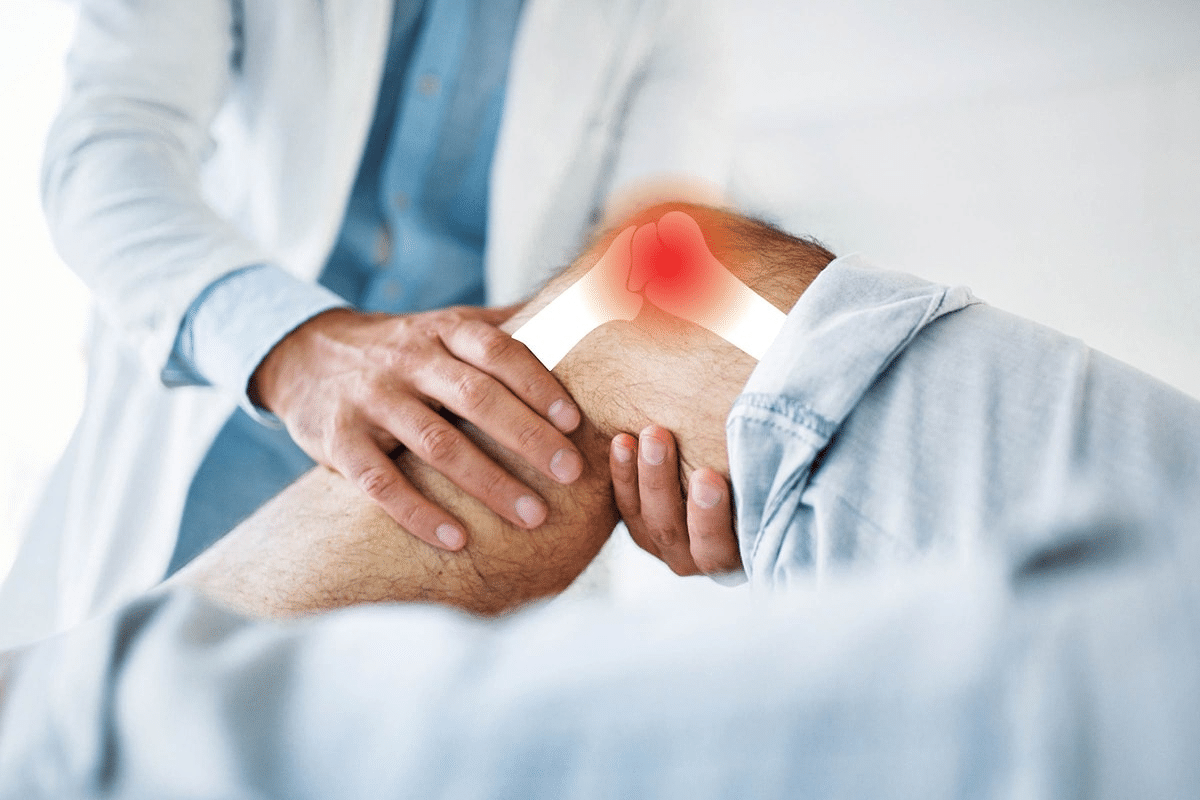
Listing natural arthritis in the neck remedies, including heat/cold therapy, massage, and gentle stretching.
Neck arthritis, also known as cervical spondylosis, affects millions worldwide, mostly over 60. It causes pain and stiffness, making daily tasks hard.
As we get older, our joints wear out, leading to cervical arthritis. Instead of just using drugs, we can try natural remedies. These have shown to help manage symptoms well.
At Liv Hospital, we focus on caring for international patients. This article will cover natural ways to lessen pain and boost mobility.
Key Takeaways
- Understanding the causes and symptoms of neck arthritis
- Exploring natural remedies for managing cervical arthritis
- Effective alternatives to pharmaceutical treatments
- Importance of maintaining mobility and reducing pain
- Comprehensive care for international patients at Liv Hospital
Understanding Cervical Spondylosis: What Is Neck Arthritis?
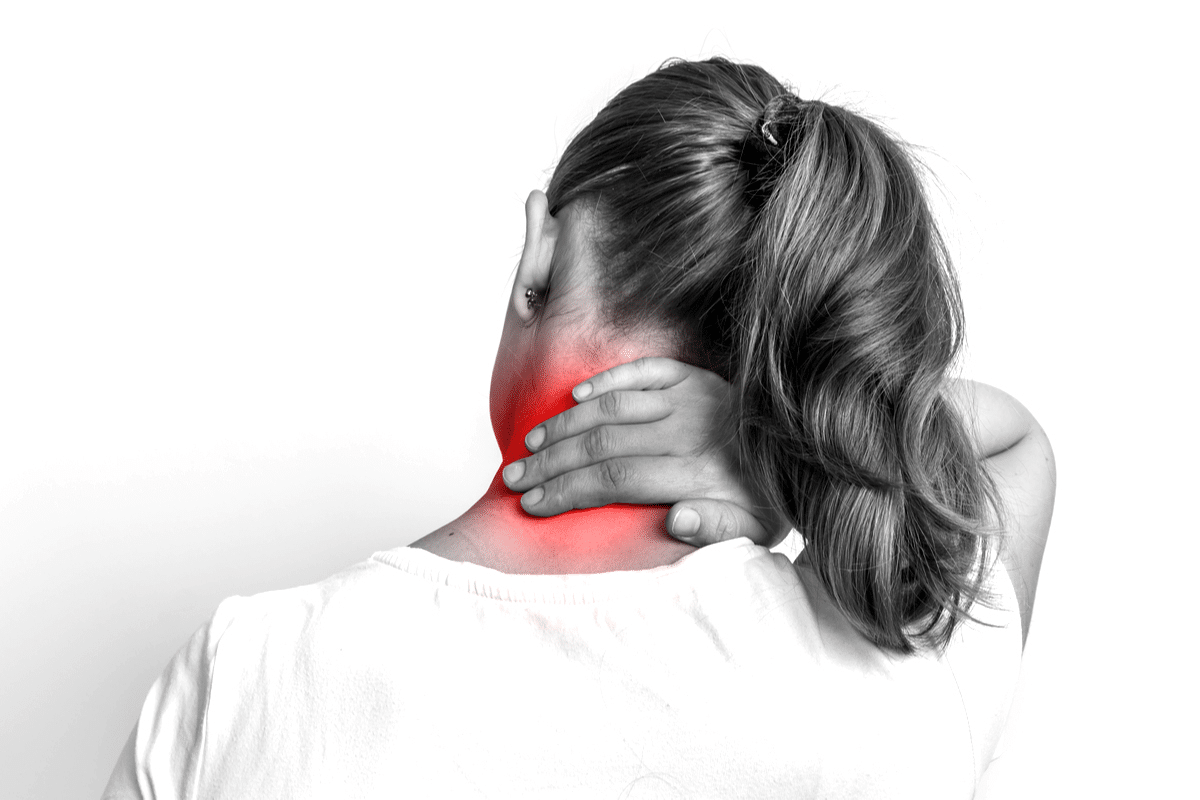
The term ‘neck arthritis’ is often used with cervical spondylosis. This condition is about wear and tear on the neck’s joints. It affects the cervical spine, causing symptoms that can change daily life. We will dive into this condition, its symptoms, and how it’s different from other neck pain.
Common Symptoms of Neck Arthritis
Neck arthritis shows itself in many ways, from mild to severe. Common symptoms include:
- Neck pain and stiffness, often in the morning or after rest
- It’s hard to turn the head or do daily tasks because of reduced range of motion
- Headaches and dizziness from nerve compression or irritation
- Muscle weakness or numbness in the arms or hands
These symptoms can get worse with certain activities or positions, like sitting for long times or driving.
How Neck Arthritis Differs from Other Neck Pain
Neck arthritis is different from other neck pain because it’s degenerative. It’s not like acute neck pain from injury or strain. Neck arthritis is about the slow wear down of the cervical spine’s joints and discs.
This wear down can cause chronic pain and stiffness. It can also lead to herniated discs or spinal stenosis.
Effective management of neck arthritis needs a full approach. It should tackle both symptoms and causes. By understanding the condition and its effects, people can find natural treatment options. These can help ease symptoms and improve life quality.
The Science Behind Neck Arthritis Development
Arthritis in the neck is a complex issue. It involves changes in the spine’s structure. We’ll look at how aging and other factors affect it.
Age-Related Degeneration Process
As we get older, our necks naturally degenerate. This means the discs, bones, and cartilage wear out. The discs, which cushion the vertebrae, weaken and shrink, losing their shock-absorbing ability.
This degeneration can cause pain, stiffness, and headaches. It can also lead to muscle spasms and weakness in the arms and hands. Worn-out discs and bones can irritate nerves, disrupting their function.
Risk Factors That Accelerate Neck Arthritis
While aging is a natural part of life, some factors can speed up neck arthritis. These include genetics, past neck injuries, and lifestyle choices like smoking and not exercising. Knowing these risk factors helps in finding ways to prevent and treat neck arthritis.
By understanding what causes neck arthritis, we can take steps to manage it. This might mean making healthier lifestyle choices. It could also involve trying different arthritis in the neck remedies to see what works best.
Effective Arthritis in the Neck Remedies: An Overview
Dealing with neck arthritis needs more than one solution. A mix of methods is essential for real relief. We’ve seen that mixing different treatments can greatly help those with cervical spondylosis.
There are many natural ways to tackle neck arthritis symptoms. For example, some find relief with heat or cold therapy. Switching between ice and heat can also help.
The Importance of a Multi-Faceted Approach
Tackling neck arthritis from all sides is key. This means making lifestyle changes, trying physical therapies, and exploring alternative treatments. Together, they help ease pain and boost neck mobility.
Health experts agree that mixing therapies is best for neck arthritis. Each treatment targets a different part of the condition. This includes pain, stiffness, and mobility issues.
“A combination of therapies often provides the best outcomes for patients with neck arthritis.”
Combining Therapies for Maximum Relief
Using various therapies can offer the most relief for neck arthritis. This might include heat or cold therapy, along with gentle exercises and stretches. Stress management and a healthy diet also play a big role in treatment success.
|
Therapy |
Description |
Benefits |
|---|---|---|
|
Heat Therapy |
Applying heat to the affected area |
Relaxes muscles, improves circulation |
|
Cold Therapy |
Applying cold packs to the affected area |
Reduces inflammation, numbs pain |
|
Gentle Exercises |
Performing gentle stretches and movements |
Improves flexibility, strengthens neck muscles |
By mixing these therapies and customizing the treatment, we can see big improvements. This leads to better symptoms and overall health.
Heat Therapy: Relaxing Muscles and Improving Circulation
Heat therapy is a well-known treatment for neck arthritis. It helps by relaxing muscles and improving blood flow. When used right, it can greatly lessen neck arthritis pain.
How Heat Therapy Relieves Neck Arthritis Pain
Heat therapy boosts blood flow to the affected area. This relaxes muscles and cuts down stiffness. It also brings more oxygen and nutrients to damaged tissues, aiding in healing and pain reduction.
The warmth also makes it easier to move the neck and do daily tasks. It helps reduce muscle spasms, giving more relief.
Different Heat Application Methods
There are many ways to use heat therapy for neck arthritis relief. Some of the most effective include:
- Soaking in a warm bath or shower
- Using a hydrocollator moist hot pack
- Applying warm compresses to the neck
- Utilizing an electric heating pad
|
Method |
Description |
Benefits |
|---|---|---|
|
Warm Bath or Shower |
Soaking in warm water or standing under a warm shower |
Relaxes the entire body, reduces muscle tension |
|
Hydrocollator Moist Hot Pack |
A cloth pack filled with a heat-retaining substance, heated in water |
Provides moist heat, easy to apply directly to the neck |
|
Warm Compresses |
A cloth soaked in warm water, wrung out and applied to the neck |
Easy to prepare and apply, can be used anywhere |
|
Electric Heating Pad |
An electric pad that produces heat, often with adjustable settings |
Convenient, can be used for extended periods, adjustable heat |
Adding heat therapy to your treatment plan can bring significant relief from neck arthritis symptoms. Always talk to a healthcare professional before starting any new therapy to make sure it’s right for you.
Cold Therapy Techniques for Immediate Pain Relief
Cold therapy can quickly ease neck arthritis pain by numbing the area. It’s great for sudden pain and swelling from arthritis. We’ll look into how cold therapy works, how to use it right, and when to pick it over heat therapy.
The Science Behind Cold Therapy
Cold therapy, or cryotherapy, tightens blood vessels and cuts down swelling. When you put cold on your skin, it numbs the nerves, giving quick pain relief. This makes it a good choice for sudden neck pain from arthritis.
You can use ice packs, cold compresses, or cold gel packs for cold therapy. Just make sure to use it for 15-20 minutes at a time to avoid harming tissues.
Proper Ice Pack Application Methods
To use cold therapy right, follow a few steps. First, wrap the ice pack in a towel to protect your skin from the cold. This prevents ice burns and makes it more comfortable.
Then, put the wrapped ice pack on the sore spot and hold it if you need to. Aim for 15 to 20 minutes. You can do this several times a day, but let your skin warm up between uses.
When to Choose Cold Over Heat Therapy
Cold and heat therapies have their uses. Cold therapy is best for sudden injuries or pain spikes because it reduces swelling and numbs pain. Heat therapy is better for long-term pain as it relaxes muscles and boosts blood flow.
For sudden neck pain or an arthritis flare-up, cold therapy is a good first choice. But for ongoing stiffness, heat might be better. Some people switch between cold and heat to manage their symptoms.
In summary, cold therapy is a key tool for neck arthritis pain, mainly during sudden episodes. Knowing how to apply it and when to use it can help you manage your pain better.
Essential Exercises to Manage Neck Arthritis Naturally
Exercise is key in managing neck arthritis. It helps with pain and keeps the neck mobile. Adding these exercises to your daily routine can greatly improve your life.
Gentle Stretching Exercises for Neck Mobility
Gentle stretches are important for keeping the neck flexible and reducing stiffness. Simple neck stretches involve slowly tilting the head to the side and bringing the ear towards the shoulder. Then, return to the starting position.
Another stretch is turning the head to the right, holding for a few seconds, and then to the left. These stretches should be done gently to avoid making the condition worse. Doing them regularly can improve flexibility and lessen pain.
Strengthening Exercises for Neck Support
Strengthening the neck muscles is also vital for managing neck arthritis. Isometric exercises are great because they contract the muscles without moving the neck. For example, place your palm on your forehead and gently press your head against it without moving.
Chin tucks are another good exercise. Stand or sit with good posture and tuck your chin in towards your chest. Hold for a few seconds before releasing. Always do these exercises with the help of a professional to ensure you’re doing them right.
Proper Form and Safety Considerations
When doing exercises for neck arthritis, it’s important to keep the right form. Start with gentle movements and slowly increase the intensity as you get more comfortable.
It’s also important to avoid any exercises that hurt or cause discomfort. If an exercise makes your condition worse, stop right away. It’s best to talk to a healthcare professional or physical therapist to create a safe and effective exercise plan for you.
Physical Therapy Approaches for Long-Term Management
Managing neck arthritis often needs a mix of treatments, with physical therapy being key. A physical therapist creates a plan just for you. This plan meets your specific needs and goals.
Improving Neck Function
Physical therapy helps those with arthritis move their neck better. It uses exercises and manual techniques to improve movement. Gentle exercises keep the joints flexible without too much strain.
Physical therapy for neck arthritis offers many benefits:
- Less pain and swelling
- Better movement range
- Stronger neck muscles
- Better posture and less injury risk
Posture Correction Techniques
Bad posture can make neck arthritis worse. Physical therapists teach patients to stand and sit right. They use ergonomic tips, exercises, and sleep advice.
Good posture lessens neck pain and improves function. It’s a big help for those with arthritis.
Manual Therapy and Specialized Treatments
Manual therapy is a big part of physical therapy for neck arthritis. It uses hands-on methods to move joints, ease pain, and relax muscles. Techniques include joint mobilization, soft tissue massage, and gentle manipulation.
Physical therapists also use specialized treatments like:
- Electrical stimulation to cut pain and swelling
- Ultrasound therapy to help healing and relaxation
- Heat or cold therapy to manage pain and stiffness
These treatments, with a custom exercise plan, offer a lot of relief. They help improve life for those with neck arthritis.
Alternative Medicine: Acupuncture and Eastern Approaches
Exploring alternative therapies for neck arthritis, acupuncture is a standout. It’s a traditional Eastern medicine that helps some people with neck arthritis. This ancient method uses thin needles at specific body points to start the body’s healing.
The Science Behind Acupuncture for Neck Pain
Studies on acupuncture for neck pain show mixed results. Yet, many studies suggest it can offer significant relief. The exact how is not fully known, but it’s thought to stimulate nerves and muscles. This boosts the body’s painkillers and improves blood flow.
Key findings include:
- Acupuncture may stimulate the release of pain-relieving chemicals in the body.
- It can help reduce inflammation and improve circulation.
- Some studies suggest that acupuncture can be as effective as conventional treatments for neck pain.
Finding a Qualified Acupuncturist
For those thinking about acupuncture for neck arthritis, finding a good practitioner is key. Look for licensed acupuncturists with experience in musculoskeletal conditions. Getting referrals from healthcare providers or those who’ve tried acupuncture is also helpful.
When selecting an acupuncturist, consider the following:
- Check for proper licensure and certification.
- Inquire about their experience with neck arthritis cases.
- Ask about the techniques and equipment they use.
Other Eastern Medicine Approaches for Neck Arthritis
Other Eastern medicine methods may also help with neck arthritis. These include herbal medicine, tai chi, and qigong. While evidence varies, many people find these practices reduce pain and improve mobility.
Other Eastern approaches to consider:
- Herbal remedies that may help reduce inflammation.
- Tai chi and qigong exercises that can improve flexibility and strength.
- Meditation and mindfulness practices that can help manage pain.
Dietary Changes and Supplements That Support Neck Health
Managing neck arthritis needs a full plan. This includes changing your diet and using supplements. Eating certain foods and taking specific nutrients can help ease symptoms and improve neck health.
Anti-Inflammatory Foods for Arthritis Management
An anti-inflammatory diet is key for arthritis. Foods high in omega-3s, antioxidants, and fiber can cut down inflammation and aid healing. Some good foods are:
- Fatty fish like salmon and sardines, rich in omega-3 fatty acids
- Berries and other fruits high in antioxidants
- Leafy greens such as spinach and kale
- Nuts and seeds, including walnuts and chia seeds
- Whole grains like quinoa and brown rice
The Mediterranean diet is also good for arthritis. It’s full of anti-inflammatory foods and has a balanced mix of nutrients.
Supplements That May Help Neck Arthritis
Some supplements can also help with neck arthritis. But, always talk to a doctor before starting any new supplements. Some possible helpful supplements are:
|
Supplement |
Potential Benefits |
|---|---|
|
Glucosamine and Chondroitin |
May help maintain cartilage health and reduce joint pain |
|
Omega-3 fatty acids |
Anti-inflammatory properties that may reduce arthritis symptoms |
|
Turmeric/Curcumin |
Contains anti-inflammatory compounds that may alleviate pain and inflammation |
|
Vitamin D |
Essential for bone health and may help manage arthritis symptoms |
Always check with your doctor before starting any supplements. This is important, even if you’re already on medication or have other health issues.
Conclusion: Creating Your Personalized Natural Treatment Plan
We can manage neck arthritis by mixing different natural treatments. We’ve looked at heat and cold therapy, exercises, physical therapy, and alternative medicine. We also talked about diet changes and supplements that help neck health.
To make your own treatment plan, first figure out what you need and like. Think about your lifestyle, how bad your neck arthritis is, and any other health issues. If your symptoms don’t get better or get worse, see a doctor. They can help you make a detailed plan to manage neck arthritis naturally.
Home remedies can help keep your neck moving and working well when it hurts. By adding these natural treatments to your daily life, you’re on your way to a plan that suits you. This can help you manage neck arthritis naturally and make your life better.
FAQ
What is neck arthritis, and how does it differ from other types of neck pain?
Neck arthritis, also known as cervical spondylosis, affects the neck’s joints and discs. It causes pain and stiffness. Unlike other neck pains, it’s due to wear and tear over time, not injury or strain.
What are the common symptoms of neck arthritis?
Symptoms include neck pain and stiffness, headaches, and numbness in the arms or hands. You might also find it harder to move your neck.
How can heat therapy help relieve neck arthritis pain?
Heat therapy relaxes muscles, improves blood flow, and reduces stiffness. Use a warm bath, heating pad, or warm compress.
When should I use cold therapy instead of heat therapy for neck arthritis pain?
Use cold therapy for acute injuries or flare-ups to reduce inflammation and numb pain. Heat therapy is better for chronic pain and stiffness.
What exercises can help manage neck arthritis naturally?
Try gentle stretching like chin tucks and neck rotations to improve mobility. Shoulder rolls and neck bridges strengthen the neck, reducing pain.
How can physical therapy help with long-term management of neck arthritis?
Physical therapy improves neck function, reduces pain, and enhances posture. A therapist will create a tailored exercise plan and provide manual therapy as needed.
What is acupuncture, and how can it help with neck arthritis?
Acupuncture involves thin needles in specific body points to stimulate healing and reduce pain. It may ease neck arthritis by releasing muscle tension and improving circulation.
Are there any dietary changes or supplements that can help alleviate neck arthritis symptoms?
Yes, eating anti-inflammatory foods like omega-3 rich foods, turmeric, and ginger can help. Supplements like glucosamine and chondroitin also support joint health.
How can I create a personalized natural treatment plan for managing my neck arthritis?
Mix different therapies like heat or cold therapy, exercise, physical therapy, and alternative medicine. Consult a healthcare professional to tailor a treatment plan for you.
What are some common risk factors that can accelerate the progression of neck arthritis?
Risk factors include age, genetics, previous neck injuries, and repetitive strain on the neck.
Can neck arthritis be prevented, and if so, how?
While prevention is not guaranteed, a healthy lifestyle can reduce risk. This includes regular exercise, a balanced diet, and good posture.
References
https://www.healthline.com/health/osteoarthritis/arthritis-natural-relief