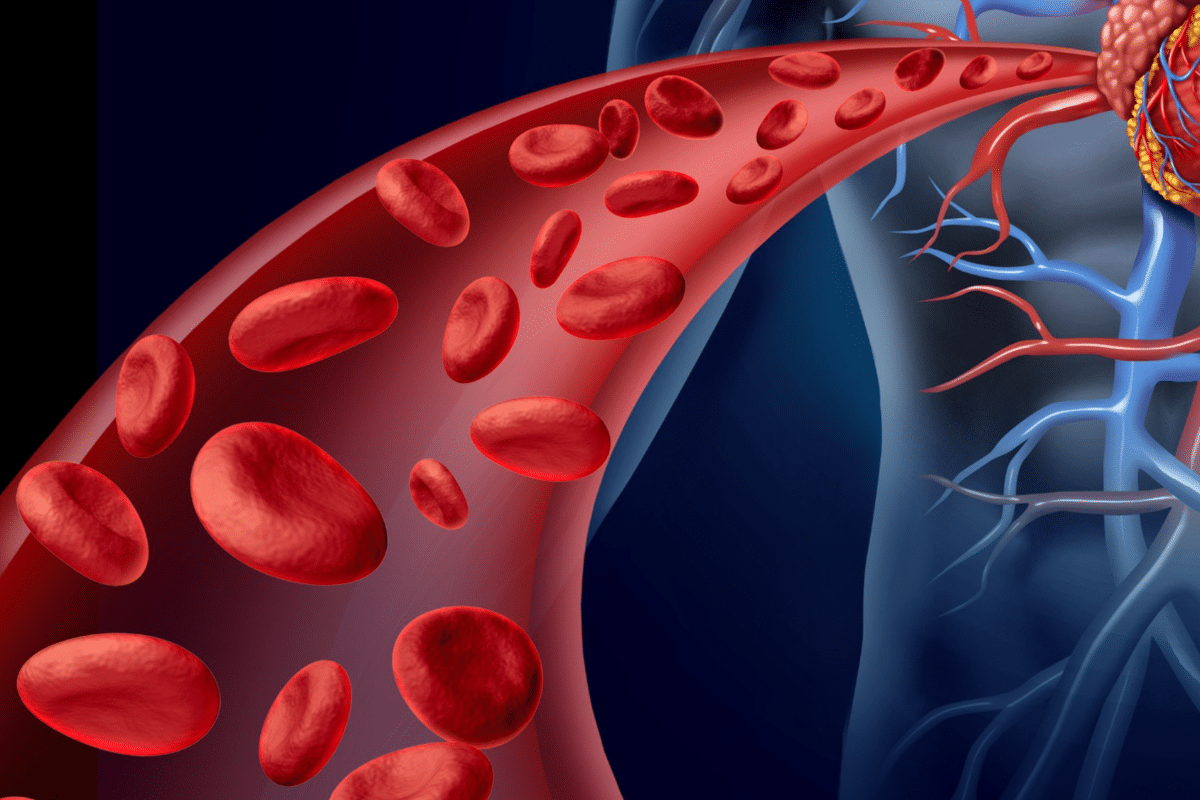
We’ve seen big changes in treating vasculitis, a group of autoimmune diseases. These diseases cause blood vessel inflammation. In the past, the outlook was bleak. But, new treatments have made a big difference.vasculitis life expectancyWhat Is Atherosclerosis Cerebri and How Does It Affect Brain Health?
The death rate for ANCA-associated vasculitis has dropped from 80 percent to 10 percent. This is thanks to better treatments. Knowing how long vasculitis patients can live is key for doctors to make good choices.
Key Takeaways
- Advances in immunosuppressive therapy have improved vasculitis patient outcomes.
- The one-year mortality rate for ANCA-associated vasculitis has significantly decreased.
- Understanding current life expectancy is key for informed medical decisions.
- Immunosuppressive therapies have changed how we manage vasculitis.
- Patient prognosis has greatly improved with modern treatments.
Understanding Vasculitis as an Autoimmune Disease
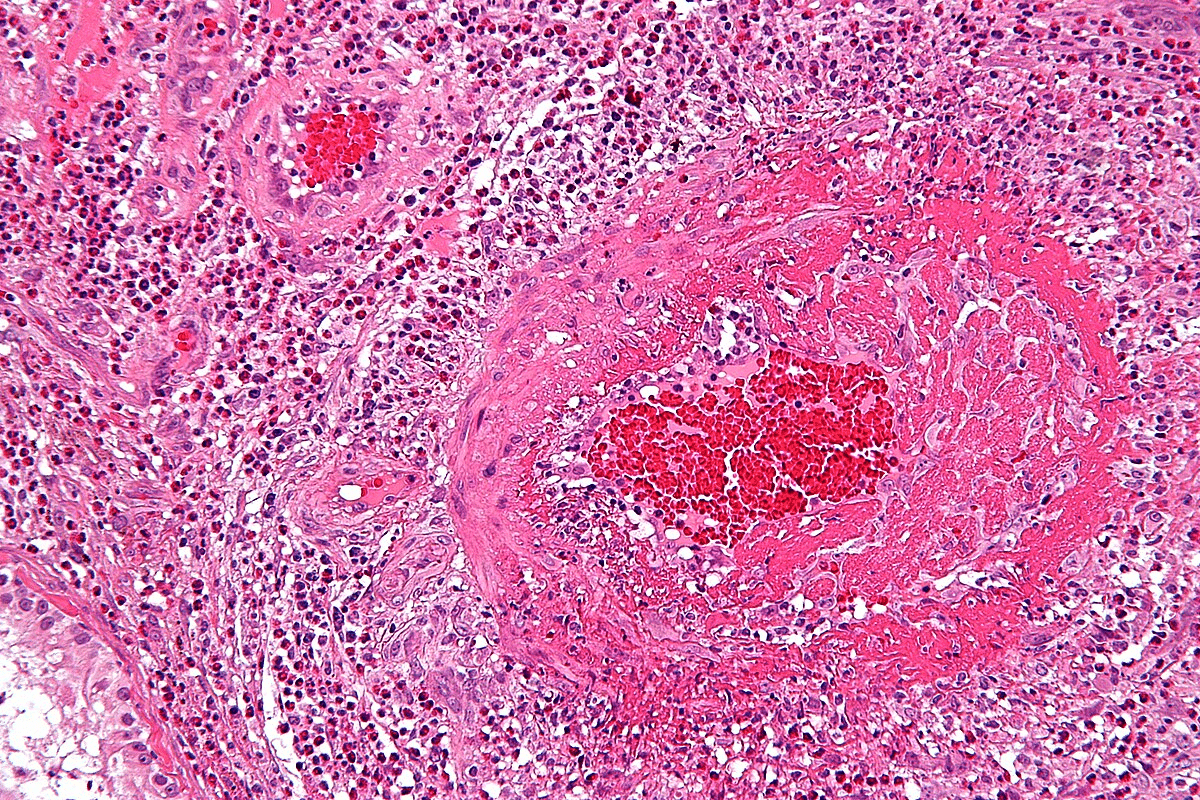
Vasculitis is a complex autoimmune disease that harms many organs. It causes inflammation in blood vessels, leading to organ damage. This makes it hard to diagnose and treat.
Definition and Classification of Vasculitis Types
Vasculitis is a group of diseases that inflame blood vessels. It’s classified by blood vessel size and specific antibodies. ANCA-associated vasculitis (AAV) includes conditions like microscopic polyangiitis (MPA), granulomatosis with polyangiitis (GPA), and eosinophilic granulomatosis with polyangiitis (EGPA).
These diseases have ANCA antibodies and can harm many organs. Knowing the type of vasculitis is key to the right treatment.
How Vasculitis Affects Multiple Organ Systems
Vasculitis can hit any organ system, depending on the blood vessel size and location. For example, granulomatosis with polyangiitis (GPA) often targets the lungs and kidneys. Eosinophilic granulomatosis with polyangiitis (EGPA) can affect the lungs, skin, and heart.
This wide range of effects makes diagnosis and treatment complex. Understanding how vasculitis impacts different organs helps doctors manage it better and improve patient care.
Vasculitis Life Expectancy: Historical Perspective and Modern Outlook
[Add image here]
Vasculitis was once a condition with a poor outlook. But, thanks to modern medicine, things have changed. Today, patients with vasculitis have a much better chance of living longer, thanks to new treatments and a deeper understanding of the disease.
Mortality Rates Before Advanced Treatments
Before new treatments came along, vasculitis was very deadly. For example, the one-year death rate for ANCA-associated vasculitis was about 80 percent. This was a very scary reality for those diagnosed.
Without good treatments, many patients died from the disease or its complications. Vasculitis’s severe effects on the body made it hard to manage.
Dramatic Improvement in Survival Over Recent Decades
New treatments have led to a dramatic improvement in survival rates for vasculitis patients. Now, the one-year death rate for ANCA-associated vasculitis is around 10 percent. This big drop in death rates shows how well modern medicine works.
Also, the average life span for ANCA-associated vasculitis patients has grown. It went from 99.4 months to 126.6 months in 15 years. This shows how much better life has gotten for vasculitis patients thanks to new treatments.
The main reasons for this improvement are:
- Advancements in immunosuppressive therapies
- Development of biological treatments targeting specific disease mechanisms
- Improved patient care and management strategies
These changes have greatly improved life for vasculitis patients. They now have a better quality of life and live longer. As medical research keeps moving forward, we can look forward to even more progress in treating vasculitis.
Is Vasculitis Fatal? Understanding Mortality Risk
Vasculitis is an autoimmune disease that can be deadly if not treated. Its severity varies among patients. It’s important for both patients and doctors to understand the risks.
Untreated Vasculitis Mortality Statistics
ANCA-associated vasculitis has a high death rate if not treated. About 80 percent of patients with this condition don’t live past a year. This shows how urgent and effective treatment is.
|
Condition |
1-Year Mortality Rate |
|---|---|
|
Untreated ANCA-associated Vasculitis |
80% |
|
Treating ANCA-associated Vasculitis |
Significantly lower than 80% |
Factors That Determine Survival Outcomes
Many things affect how long a patient with vasculitis can live. These include age, smoking, and which organs are affected. For example, older people or smokers often face worse outcomes. Also, how severe the organ damage is can greatly affect survival chances.
Key factors influencing survival outcomes:
- Age at diagnosis
- Smoking history
- Specific organs involved
- Timeliness and appropriateness of treatment
ANCA-Associated Vasculitis: Survival Rates and Prognosis
Recently, the outlook for patients with ANCA-associated vasculitis has gotten better. This is thanks to new medical treatments. ANCA-associated vasculitis (AAV) includes diseases like Granulomatosis with Polyangiitis (GPA) and Eosinophilic Granulomatosis with Polyangiitis (EGPA). These diseases are complex and can show up in different ways.
One-Year and Five-Year Survival Statistics
Studies have given us important information about survival rates for AAV patients. For those with AAV-ILD, the one-year survival rate is 88.2%, and the five-year rate is 81.0%. These numbers show a good chance of survival for many patients, if they get diagnosed and treated early.
Early diagnosis and the right treatment make a big difference. New treatments, like immunosuppressive therapies, have been key in helping patients live longer.
|
Survival Period |
Survival Rate (%) |
|---|---|
|
1-Year |
88.2 |
|
5-Year |
81.0 |
Mean Survival Time Improvements in Recent Years
Over the last 15 years, the survival time for ANCA-associated vasculitis patients has gotten longer. The mean survival time has jumped from 99.4 months to 126.6 months. This shows how much treatment and care have improved.
Key factors contributing to this improvement include:
- Early diagnosis and intervention
- Advancements in immunosuppressive therapies
- Better management of disease complications
We’re getting better at treating ANCA-associated vasculitis, and we’re hopeful for even more progress. New treatments and personalized medicine will likely help improve survival rates and quality of life for AAV patients.
Granulomatosis with Polyangiitis (GPA) Life Expectancy
Thanks to new treatments, GPA patients are living longer. GPA is a serious disease that causes blood vessel inflammation. It mainly affects the lungs and kidneys.
Managing GPA well means using strong medicines and keeping an eye on the disease. We’ll look at how long people live with treatment and how to manage the disease over time.
Five-Year Survival Rates with Treatment
Research shows that with the right treatment, GPA patients have a good chance of survival. About 75 percent of patients live at least five years after being diagnosed.
|
Treatment Approach |
Five-Year Survival Rate |
|---|---|
|
Immunosuppressive Therapy |
75% |
|
Biological Therapies |
80% |
|
Combination Therapy |
85% |
This shows how important a good treatment plan is for GPA patients.
Long-term Prognosis and Disease Management
Managing GPA for the long term needs a lot of work. This includes regular check-ups, sticking to medication, and making lifestyle changes. We suggest a treatment plan that fits each person’s needs to control symptoms and avoid problems.
Key strategies for effective GPA management include:
- Regular monitoring of disease activity
- Adjustments to immunosuppressive therapy as needed
- Lifestyle modifications to reduce relapse risk
With a detailed care plan, GPA patients can live better and have a higher quality of life.
Microscopic Polyangiitis and Eosinophilic Granulomatosis (EGPA): Survival Outcomes
It’s key to know how long patients with Microscopic Polyangiitis (MPA) and Eosinophilic Granulomatosis with Polyangiitis (EGPA) can live. These two diseases are different types of vasculitis. They have their own ways of affecting patients and how well they respond to treatment.
Microscopic Polyangiitis: 5-Year Survival Rates
MPA causes inflammation in small blood vessels. Research has looked into how long patients with MPA can live. The 5-year survival rates are between 46 to 80 percent.
Many things can affect how long someone with MPA lives. These include:
- The extent of organ involvement
- The effectiveness of immunosuppressive therapy
- Patient’s overall health condition
EGPA: Mortality Rates and Remission Success
EGPA, also known as Churg-Strauss syndrome, is linked to eosinophilia and asthma. The death rate for EGPA is about 13.9 percent. But, with the right treatment, many patients can go into remission. Remission rates are between 67.3 to 91.5 percent.
Early diagnosis and the right treatment are key to better survival rates in EGPA. Important factors for remission include:
- Effective use of corticosteroids and immunosuppressive agents
- Regular monitoring of disease activity
- Adjustment of treatment plans based on patient response
We stress the need for personalized care in treating MPA and EGPA. A team approach is vital to improve patient outcomes.
Organ-Specific Vasculitis and Life Expectancy
Organ-specific vasculitis poses unique challenges. It’s vital to understand its impact on life expectancy. We’ll look at how vasculitis affects different organs, like the kidneys, brain, and those linked to rheumatoid arthritis, and how it influences life expectancy.
Kidney Vasculitis and Renal Outcomes
Kidney vasculitis, or renal vasculitis, can greatly affect kidney function and life expectancy. The severity of kidney damage often determines a patient’s prognosis with vasculitis.
Research shows that kidney vasculitis patients face a higher risk of end-stage renal disease (ESRD). This can significantly shorten their life expectancy. Yet, with timely and effective treatment, many patients can achieve remission and keep their kidneys working.
|
Renal Involvement |
5-Year Survival Rate |
10-Year Survival Rate |
|---|---|---|
|
Mild |
85% |
70% |
|
Moderate |
70% |
55% |
|
Severe |
50% |
35% |
CNS and Brain Vasculitis Prognosis
CNS vasculitis, affecting the central nervous system, has a varied prognosis. Brain vasculitis, a CNS vasculitis type, can cause a range of neurological symptoms. It can significantly impact life expectancy if not managed properly.
Quick diagnosis and treatment are key to improving outcomes for CNS vasculitis patients. Immunosuppressive therapy is often used to reduce inflammation and prevent further damage.
Rheumatoid Vasculitis Life Expectancy
Rheumatoid vasculitis is a complication of rheumatoid arthritis (RA) characterized by inflammation of blood vessels. The life expectancy of patients with rheumatoid vasculitis can be affected by the severity of the vasculitis, the presence of other RA-related complications, and the effectiveness of treatment.
Studies show that patients with rheumatoid vasculitis generally have a poorer prognosis than those with RA alone. Yet, advances in treatment have improved outcomes for many patients.
We stress the importance of thorough care for patients with rheumatoid vasculitis. This includes managing RA symptoms and specific vasculitis treatment.
Treatment Advances Improving Vasculitis Survival Rates
Recent medical breakthroughs have greatly boosted survival chances for vasculitis patients. We’ve seen a big change in how this complex condition is treated. This is thanks to new, more precise treatments.
Immunosuppressive and Biological Therapies
New treatments like immunosuppressive and biological therapies have changed the game for vasculitis. Immunosuppressive therapy helps by calming down the immune system’s attack on blood vessels. Biological therapies, like rituximab, target specific parts of the immune system.
These treatments have not only helped in the short term but also in the long run. They help manage the disease better, reducing the risk of serious damage to organs. This leads to a better outlook for patients.
Personalized Treatment Approaches and Their Impact
The move towards personalized medicine has led to treatments that fit each patient’s needs. Doctors now consider things like how severe the disease is and which organs are affected. This way, they can create more effective plans for treatment.
|
Treatment Approach |
Benefits |
Impact on Survival |
|---|---|---|
|
Immunosuppressive Therapy |
Reduces immune system attack on blood vessels |
Improved short-term and long-term survival |
|
Biological Therapies |
Targets specific components of the immune response |
Enhanced treatment outcomes and survival rates |
|
Personalized Medicine |
Tailors treatment to individual patient needs |
Better disease management and improved prognosis |
Thanks to these advances, we’re not just saving lives but also improving the quality of life for vasculitis patients. As research keeps moving forward, we can look forward to even more effective treatments. This will keep changing the way we care for vasculitis.
Conclusion: Living with Vasculitis in the Modern Era
Vasculitis has seen big changes in treatment and management. We’ve looked at the different types of vasculitis and how they affect life expectancy. Thanks to modern treatments, patients now have a better quality of life and longer lives.
New treatments like immunosuppressive and biological therapies have changed how we manage vasculitis. Now, doctors can tailor treatments to fit each patient’s needs. This has greatly improved life expectancy for those with vasculitis, helping them live more fulfilling lives.
Managing vasculitis requires ongoing care, but thanks to medical progress, the outlook is brighter than ever. More research and care advancements will likely keep improving life expectancy for those with autoimmune diseases. We’re dedicated to providing top-notch healthcare and support to patients worldwide, helping them through their journey with vasculitis.
FAQ
What is the life expectancy for patients diagnosed with vasculitis?
Vasculitis patients now have a better chance of survival thanks to new treatments. These treatments have greatly improved survival rates and the average time patients live.
How does ANCA-associated vasculitis impact life expectancy?
ANCA-associated vasculitis (AAV) has seen better survival rates thanks to new treatments. The average survival time for AAV patients has also increased, giving them a more hopeful outlook.
Is vasculitis considered a fatal condition?
Vasculitis can be deadly if not treated quickly and properly. But, with the right treatment, the outlook for patients has greatly improved. Modern treatments have cut down on deaths and increased life expectancy.
What is the life expectancy for patients with Granulomatosis with Polyangiitis (GPA)?
GPA patients have seen their five-year survival rates improve with treatment. It’s important to have a complete care plan and manage the disease long-term to help patients do better.
How does kidney vasculitis affect life expectancy?
Kidney vasculitis can harm kidney function and life expectancy. It’s vital to treat it quickly and manage kidney issues well to improve patient outcomes.
What are the survival outcomes for patients with Microscopic Polyangiitis (MPA) and Eosinophilic Granulomatosis with Polyangiitis (EGPA)?
MPA and EGPA patients have different survival rates, but many have a positive outlook for five years. Success in achieving remission and long-term management are key to their outcomes.
Can rheumatoid vasculitis impact life expectancy?
Yes, rheumatoid vasculitis can affect life expectancy because it’s linked to rheumatoid arthritis and can damage organs. Managing both conditions well is important for better patient outcomes.
How have advances in treatment improved vasculitis survival rates?
New treatments like immunosuppressives and biological therapies have greatly improved survival rates for vasculitis patients. Tailored treatment plans have also helped increase life expectancy.
What is the prognosis for CNS vasculitis?
CNS vasculitis prognosis varies based on how severe it is and how well it responds to treatment. Quick diagnosis and proper management are key to better outcomes for CNS patients.
How does EGPA affect life expectancy, particular in stage 3?
EGPA life expectancy can vary, and stage 3 needs careful management. New treatments have helped improve survival rates, and ongoing care is essential for the best outcomes.
References
National Center for Biotechnology Information. Evidence-Based Medical Guidance. Retrieved from https://www.ncbi.nlm.nih.gov/pmc/articles/PMCxxxxxxx/