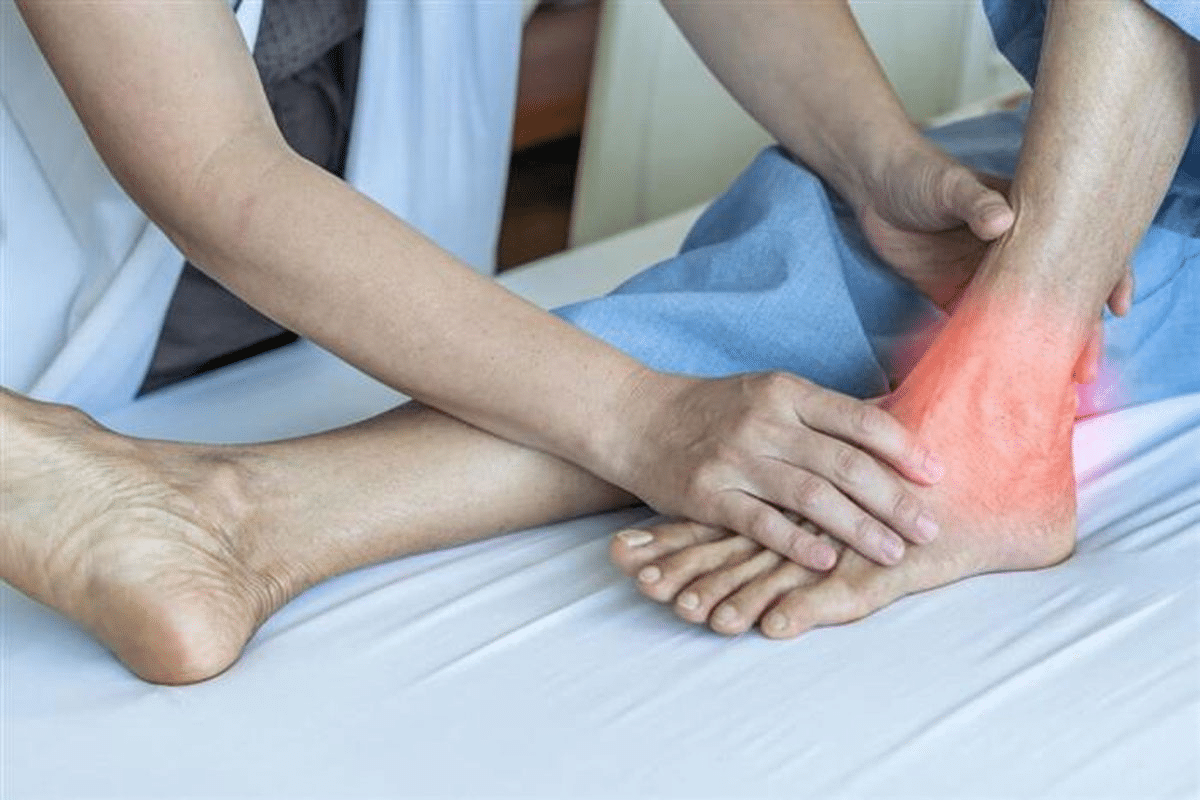
Describing what does arthritis feel like in feet, including common sensations like deep aching, grinding, and morning stiffness.
Arthritis in the feet and ankles is a big health issue worldwide. It affects millions of people. Recent studies show that about 41 percent of older adults living in communities have foot pain within a year.
At Liv Hospital, we know how important it is to treat this condition well. We use the latest imaging and treatments that work. Our goal is to help you feel better and move freely again.
It’s key to understand arthritis in your feet and ankles and get the right treatment. We’re dedicated to giving you top-notch care for your orthopedic and rheumatologic needs.
Key Takeaways
- Arthritis in feet and ankles is a significant public health concern.
- Proper diagnosis and treatment are key to managing symptoms.
- Liv Hospital offers advanced diagnostic imaging and evidence-based treatment.
- Patient-centered care is essential for restoring mobility.
- Understanding the condition is vital for effective management.
Understanding Arthritis in Feet and Ankles

It’s important to understand arthritis in the feet and ankles to manage it well. This condition can cause a lot of pain and make it hard  to move around.
Many people have arthritis in their feet and ankles. The ankle is often hit the hardest. About 59.5 percent of people with this condition have swelling, showing how big of a deal it is.
Prevalence and Impact
Arthritis in the foot and ankle is common and affects a lot of people. Symptoms include pain, stiffness, and swelling. These can make simple tasks hard to do.
Each person with feet arthritis symptoms experiences them differently. Some might just feel a little discomfort, while others might have severe pain that stops them from doing everyday things.
How Foot and Ankle Joints Are Affected
The foot and ankle have many joints that help us move. Arthritis can hit any of these joints, causing various problems. The ankle, in particular, is under a lot of stress because it carries our body’s weight.
When arthritis strikes the foot and ankle, it can wear down the cartilage. This leads to bone rubbing against bone, causing pain. Knowing how arthritis affects these joints is key to finding the right treatment.
Common Types of Foot and Ankle Arthritis
[Add image here]
It’s important to know about the different types of arthritis in the feet and ankles. Each type has its own causes, symptoms, and treatments. This knowledge helps in managing and treating the condition effectively.
Osteoarthritis
Osteoarthritis is a disease where the cartilage in joints wears down. This leads to pain, stiffness, and less mobility. It often affects the big toe, midfoot, and ankle joints.
Symptoms include pain, swelling, and stiffness, which get worse after rest. Treatment options include oral medications, injections, and lifestyle changes.
Rheumatoid Arthritis
Rheumatoid arthritis is an autoimmune disease that causes joint pain and swelling. It often affects the feet and ankles. Rheumatoid arthritis can cause significant deformity and disability if left untreated or undertreated.
Treatment involves oral medications, physical therapy, and lifestyle changes. It’s important to treat it early to avoid serious problems.
Post-Traumatic Arthritis
Post-traumatic arthritis happens after an injury to the foot or ankle. This can be due to a fracture or sprain. The injury can damage the joint, leading to arthritis over time.
Symptoms may not show up until months or years after the injury. Treatment includes non-surgical options like oral medications and injections. In severe cases, surgery may be needed.
Gout
Gout is a type of arthritis that causes sudden, severe pain and swelling. It often affects the big toe. It happens when urate crystals build up in the joints, causing inflammation.
Treatment for gout involves medications to manage acute attacks and prevent future episodes. Making lifestyle changes, like dietary modifications, can also help manage the condition.
Getting an accurate diagnosis is key to finding the right treatment. We’ll look at the diagnostic process in more detail next.
Recognizing Symptoms of Arthritis in Feet and Ankles
Knowing the signs of arthritis in the feet and ankles is key to managing it. Arthritis can make life harder, causing pain and discomfort. We’ll guide you through the common symptoms of foot and ankle arthritis.
Early Warning Signs
The first signs of arthritis in the feet and ankles are often subtle. But knowing them can lead to early treatment. Some early symptoms include:
- Mild pain or stiffness in the feet or ankles, often after rest or inactivity.
- Swelling around the affected joints.
- A feeling of warmth or tenderness when touched.
- Reduced range of motion, making it hard to move the foot or ankle.
Medical Expert, a well-known rheumatologist, once said,
“Early detection of arthritis symptoms can significantly alter the disease’s progression, allowing for more effective management and improved quality of life.”
Advanced Symptoms
As arthritis gets worse, symptoms become more severe. Advanced symptoms include:
- Persistent pain that doesn’t go away with rest.
- Increased stiffness, mainly in the morning or after long rest.
- Deformity of the toes or other foot parts due to joint damage.
- Difficulty walking or doing daily tasks because of pain or limited mobility.
Bone-on-Bone Foot Pain
Bone-on-bone foot pain is a sign of advanced arthritis. It happens when cartilage wears down, letting bones rub together. This causes severe pain and affects how you move. Bone-on-bone foot pain is a clear sign of advanced arthritis, needing quick medical attention.
Knowing these symptoms helps you seek the right medical care. Early treatment can slow arthritis’s progress and improve your life quality.
Diagnosing Arthritis in Feet and Ankles
To diagnose arthritis in feet and ankles, doctors use physical exams, imaging tests, and lab tests. We’ll explain each step to help you understand how they lead to a good treatment plan.
Physical Examination
A thorough physical exam is the first step. A healthcare professional checks for swelling, redness, and tenderness in the feet and ankles. They also check how well the joints move and perform special tests to find the pain’s source.
Key components of the physical examination include:
- Visual inspection for deformities or swelling
- Palpation to identify tender areas
- Assessment of joint mobility and stability
Imaging Tests
Imaging tests are key to confirming the diagnosis and seeing how far the arthritis has spread. The most common tests are:
|
Test Type |
Description |
Use in Diagnosing Arthritis |
|---|---|---|
|
X-rays |
Provide images of bone structures |
Help identify joint space narrowing and bone spurs |
|
MRI (Magnetic Resonance Imaging) |
Offers detailed images of soft tissues and bones |
Useful for detecting cartilage damage and inflammation |
|
CT (Computed Tomography) scans |
Provide detailed cross-sectional images |
Help assess the extent of bone damage |
Laboratory Tests
Laboratory tests help confirm the type of arthritis and rule out other conditions. Common tests include:
- Blood tests to check for markers of inflammation or specific antibodies associated with certain types of arthritis
- Joint fluid analysis to examine the fluid for signs of inflammation or infection
These tests, along with physical exams and imaging, help doctors understand the condition well. This leads to a good treatment plan for arthritis ankles and ankle arthritis treatment.
Non-Surgical Treatment Options
Non-surgical treatments are key in easing arthritis symptoms in the feet and ankles. They are often the first step to fight pain and discomfort.
Oral Medications
Oral medications are a common choice for managing arthritis symptoms. Nonsteroidal anti-inflammatory drugs (NSAIDs) help reduce pain and swelling. We might also suggest corticosteroids for quick relief during severe attacks. But, it’s important to know NSAIDs can cause stomach problems with long-term use.
In some cases, disease-modifying antirheumatic drugs (DMARDs) are given to slow arthritis progress, like in rheumatoid arthritis. These drugs can lower the chance of joint damage and boost life quality.
Injections
For those not helped by pills, injections offer targeted relief. Corticosteroid injections are used to cut down inflammation and pain. We might also suggest hyaluronic acid injections to make joints move better.
Injections can be very effective but come with risks. Side effects include pain at the injection site and, rarely, infection. We consider these risks and benefits when suggesting injections.
Effective Home Remedies for Arthritis in Feet and Ankles
Home remedies can help manage pain and improve mobility for those with arthritis in their feet and ankles. While medical treatment is key, adding these remedies to your daily routine can help a lot. It can make your life better.
RICE Method
The RICE method is simple and effective. It stands for Rest, Ice, Compression, and Elevation. Rest your feet and ankles to avoid making things worse. Use ice to lessen pain and swelling. Compression bandages can also help with swelling. And elevate your feet to reduce blood flow.
Topical Treatments
Topical treatments, like creams and ointments, can be applied directly to the skin. They help relieve pain and reduce swelling. Ingredients like capsaicin, arnica, and menthol are used for their pain-relieving and anti-inflammatory effects.
Heat and Cold Therapy
Heat and cold therapy can both help with arthritis symptoms. Cold therapy, like ice packs, can reduce swelling. Heat therapy, such as warm baths or heating pads, can relax muscles and improve blood flow.
Gentle Stretching Exercises
Gentle stretching exercises can keep your feet and ankles flexible and reduce stiffness. Simple exercises like toe curls, ankle rotations, and calf stretches can be done at home. They help improve mobility.
|
Remedy |
Description |
Benefits |
|---|---|---|
|
RICE Method |
Rest, Ice, Compression, Elevation |
Reduces pain and inflammation |
|
Topical Treatments |
Creams and ointments with capsaicin, arnica, menthol |
Relieves pain, reduces inflammation |
|
Heat and Cold Therapy |
Alternating between heat and cold |
Reduces inflammation, relaxes muscles |
|
Gentle Stretching |
Toe curls, ankle rotations, calf stretches |
Maintains flexibility, reduces stiffness |
By adding these home remedies to your daily routine, you can manage arthritis symptoms in your feet and ankles. This can improve your overall quality of life.
Surgical Interventions
When arthritis ankle pain doesn’t get better with other treatments, surgery might be needed. These surgeries aim to lessen pain, improve movement, and make life better for those with severe arthritis in the ankle and foot.
Arthroscopy
Arthroscopy is a small surgery that lets doctors see and fix the inside of a joint. For ankle arthritis treatment, it can remove bone spurs, inflamed tissue, or loose pieces that hurt and make it hard to move.
Joint Fusion (Arthrodesis)
Joint fusion joins two bones in a joint together, making the joint disappear. It’s a good choice for those with very bad arthritis who haven’t gotten better with other treatments. This surgery can greatly reduce or get rid of pain.
Joint Replacement
Joint replacement surgery swaps a damaged or arthritic joint with an artificial one. While it’s more common for hips and knees, it’s also an option for ankles. This surgery can help move more naturally and lessen pain.
Recovery and Rehabilitation
Recovery time from these surgeries varies, but rehab is key. Physical therapy helps regain strength and mobility. We stress the importance of proper care after surgery to get the best results for our patients with ankle arthritis treatment.
Choosing the right surgery depends on many things. These include how bad the arthritis is, the patient’s health, and their lifestyle. Here are some important things to consider:
- The extent of joint damage
- The patient’s age and activity level
- Previous treatments and their outcomes
By looking at these factors, we can pick the best surgery for each patient. This ensures the most effective treatment for arthritis ankle pain.
Lifestyle Modifications to Manage Foot Arthritis Pain
Making a few lifestyle changes can greatly help with foot arthritis pain. These changes can lessen discomfort and improve your life quality.
Weight Management
Keeping a healthy weight is key to easing foot and ankle strain. Extra weight can worsen arthritis and foot pain. A balanced diet and regular exercise can help you stay at a healthy weight.
- Eat a balanced diet rich in fruits, vegetables, and whole grains.
- Engage in regular physical activity, such as walking or swimming.
- Consult with a healthcare professional to create a personalized weight management plan.
Appropriate Footwear
Choosing the right shoes is vital for managing foot arthritis treatment. Shoes with good arch support and cushioning can lessen joint stress. Opt for shoes that are both comfortable and fit your activities well.
- Select shoes with adequate arch support and cushioning.
- Avoid high heels or shoes that can exacerbate foot pain.
- Consider custom orthotics for additional support.
Activity Modification
Changing your activities can help protect your feet and ankles. Avoiding high-impact activities and doing low-impact exercises like swimming or cycling can help. Remember to take breaks to rest your feet.
- Identify high-impact activities that exacerbate your foot pain.
- Replace them with low-impact exercises that are easier on your joints.
- Take regular breaks to rest and elevate your feet.
Assistive Devices
Assistive devices can offer extra support and ease pain. Orthotics, canes, or walkers can help reduce foot and ankle strain. It’s best to talk to a healthcare professional to find the right devices for you.
- Consult with a healthcare professional to discuss assistive device options.
- Use orthotics or shoe inserts to provide additional arch support.
- Consider using a cane or walker to reduce strain on your feet and ankles.
Alternative and Complementary Therapies
Managing arthritis often means trying new ways to feel better. Along with usual treatments, some people find relief in alternative and complementary therapies. These can help those with arthritis in their feet and ankles feel better overall.
Physical Therapy
Physical therapy is key for arthritis management. It includes exercises and stretches to keep joints moving and reduce pain. A physical therapist will make a plan just for you. This plan aims to improve flexibility, strengthen muscles, and boost joint function.
Benefits of Physical Therapy:
- Improved joint mobility
- Pain reduction
- Enhanced muscle strength
- Better overall function
Massage and Acupuncture
Massage and acupuncture are great for arthritis relief. Massage eases muscle tension, boosts blood flow, and relaxes you. Acupuncture uses fine needles to help heal and ease pain.
|
Therapy |
Benefits |
|---|---|
|
Massage Therapy |
Reduces muscle tension, improves circulation, promotes relaxation |
|
Acupuncture |
Stimulates healing, provides pain relief |
Supplements and Natural Remedies
There are many supplements and natural remedies for arthritis. Glucosamine and chondroitin sulfate, omega-3 fatty acids, and turmeric are some examples. Always talk to a doctor before trying these, though.
Common Supplements:
- Glucosamine and Chondroitin Sulfate
- Omega-3 Fatty Acids
- Turmeric
Adding alternative and complementary therapies to your treatment plan can help. It might reduce symptoms and make life better for those with arthritis.
When to Consult a Healthcare Professional
If you’re dealing with ongoing foot or ankle pain, knowing when to see a doctor is key. Arthritis symptoms can differ from person to person. Yet, some signs are clear indicators that you need medical help.
Warning Signs That Require Medical Attention
Severe pain, swelling, and trouble moving are big red flags. These symptoms can really affect your daily life. It’s important to watch out for these warning signs:
- Persistent pain that doesn’t improve with rest
- Swelling or redness around the joints
- Increased stiffness, mostly in the morning
- Difficulty walking or doing everyday tasks
- Deformity or instability in the foot or ankle
Ignoring these signs can make things worse. Getting help early can help manage your symptoms better.
Finding the Right Specialist
Finding the right doctor for foot and ankle arthritis is important. Start with your primary care doctor. They can send you to a specialist if needed. The doctors who usually treat this include:
|
Specialist |
Description |
|---|---|
|
Rheumatologist |
Specializes in treating arthritis and other rheumatic diseases |
|
Orthopedic Surgeon |
Expert in surgical treatments for musculoskeletal conditions |
|
Podiatrist |
Focuses on the diagnosis and treatment of foot and ankle disorders |
Choosing the right doctor depends on your symptoms. Your primary care doctor can help decide.
Preparing for Your Appointment
Before your appointment, gather important information. This includes:
- A list of your symptoms and when they happen
- Any medications you’re taking now
- Your medical history, including any arthritis treatments
- Questions or concerns you have about your condition
Being ready can make your appointment more effective. It helps your doctor create a good treatment plan.
Conclusion
Arthritis in the feet and ankles can really change how we live our daily lives. But, with the right approach, we can ease symptoms and live better. We’ve looked at different types of arthritis, like osteoarthritis and rheumatoid arthritis.
Getting a diagnosis early is key to managing arthritis well. Recognizing symptoms and seeing a doctor can lead to many treatment options. These include medicines, injections, and even surgery.
We suggest taking steps to manage your condition. This includes losing weight, wearing the right shoes, and changing how you move. Knowing about your arthritis and the treatments available can help you move better and feel less pain.
FAQ
What are the common symptoms of arthritis in feet and ankles?
Symptoms include pain, stiffness, swelling, and limited mobility. Bone-on-bone pain can also occur, making daily activities hard.
How is arthritis in feet and ankles diagnosed?
Diagnosis involves a thorough check-up, X-rays, and lab tests. These help figure out the type and severity of arthritis.
What are the non-surgical treatment options for arthritis in feet and ankles?
Treatments include oral meds, injections, and physical therapy. Changing your lifestyle, like managing weight and wearing right shoes, can also help.
When is surgery considered for arthritis in feet and ankles?
Surgery is considered when other treatments don’t work. Options include arthroscopy, joint fusion, and replacement, based on the arthritis type and severity.
How can I manage foot arthritis pain at home?
Home remedies include the RICE method, topical treatments, and heat/cold therapy. Gentle stretching and using assistive devices can also help.
What lifestyle changes can help manage arthritis symptoms in feet and ankles?
Keeping a healthy weight, wearing right shoes, and avoiding activities that hurt are key. Using assistive devices also helps manage symptoms.
Are there alternative therapies that can help manage arthritis symptoms?
Yes, therapies like physical therapy, massage, acupuncture, and supplements can offer relief. They improve overall well-being too.
How can I prepare for a medical appointment for arthritis in feet and ankles?
Keep a symptom journal and list your meds. Prepare questions for your doctor. Finding a specialist in foot and ankle arthritis is important.
What are the warning signs that require immediate medical attention for arthritis in feet and ankles?
Severe pain, sudden swelling, redness, or warmth are warning signs. Difficulty walking or bearing weight is also a sign to seek help.
Can arthritis in feet and ankles be cured?
There’s no cure for most arthritis types. But, proper treatment and management can ease symptoms and improve life quality. Early diagnosis and treatment are key.
References
National Center for Biotechnology Information. Arthritis Treatment in Feet and Ankles: A Community Perspective. Retrieved from https://www.ncbi.nlm.nih.gov/pmc/articles/PMC12072959/