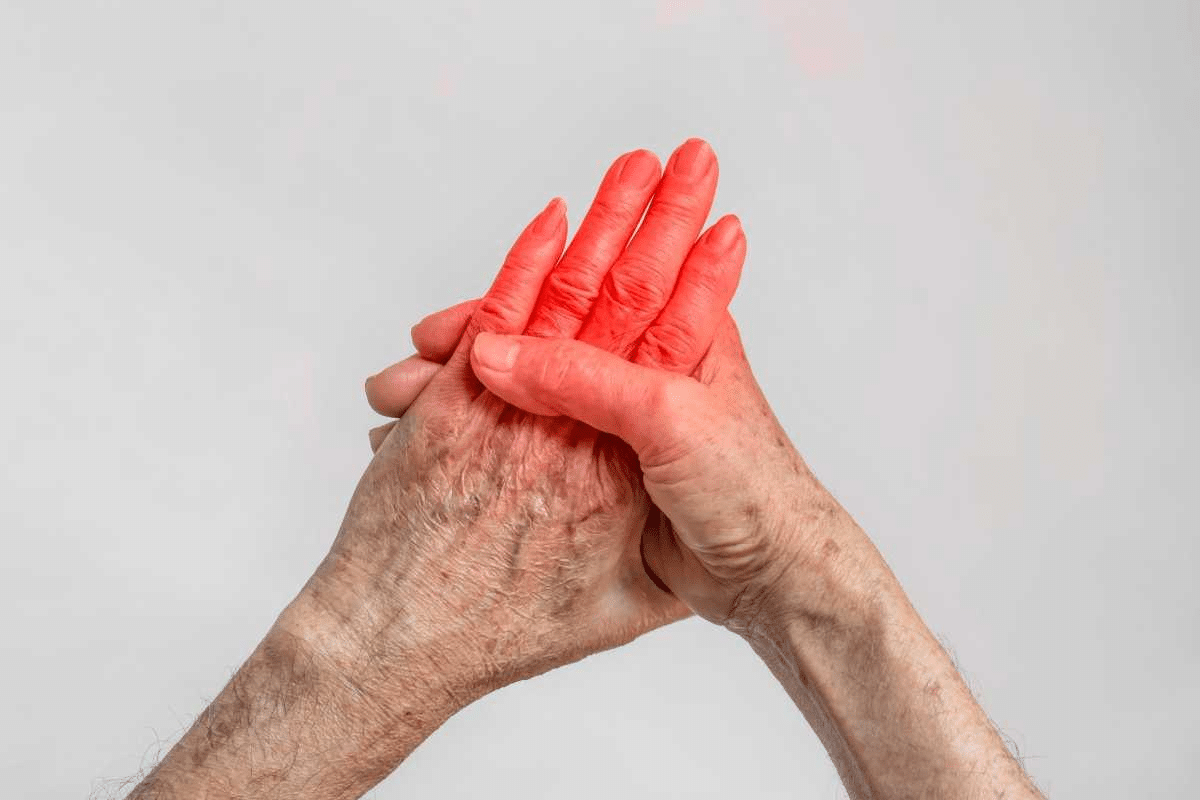
Explaining the factors for what makes ra worse, identifying common flare-up triggers like stress, cold, and overexertion.
Rheumatoid arthritis (RA) flare-ups are times when joint pain, swelling, and stiffness get worse. Knowing what causes these flare-ups is key to managing RA and protecting your joints. At Liv Hospital, we use top medical skills and focus on the patient to help find and handle each person’s RA triggers.
RA is when your immune system attacks the lining of your joints, causing pain and swelling. These flare-ups can last different lengths of time and can be very unpredictable. By knowing what triggers them, you can take steps to control your RA and live a more comfortable life.
Key Takeaways
- Rheumatoid arthritis flare-ups are periods of increased disease activity.
- Understanding triggers is key to managing the condition.
- Triggers can vary a lot between people.
- Patient-centered care can help find and manage unique RA triggers.
- Managing RA flare-ups can improve your quality of life.
Understanding Rheumatoid Arthritis Flare-Ups
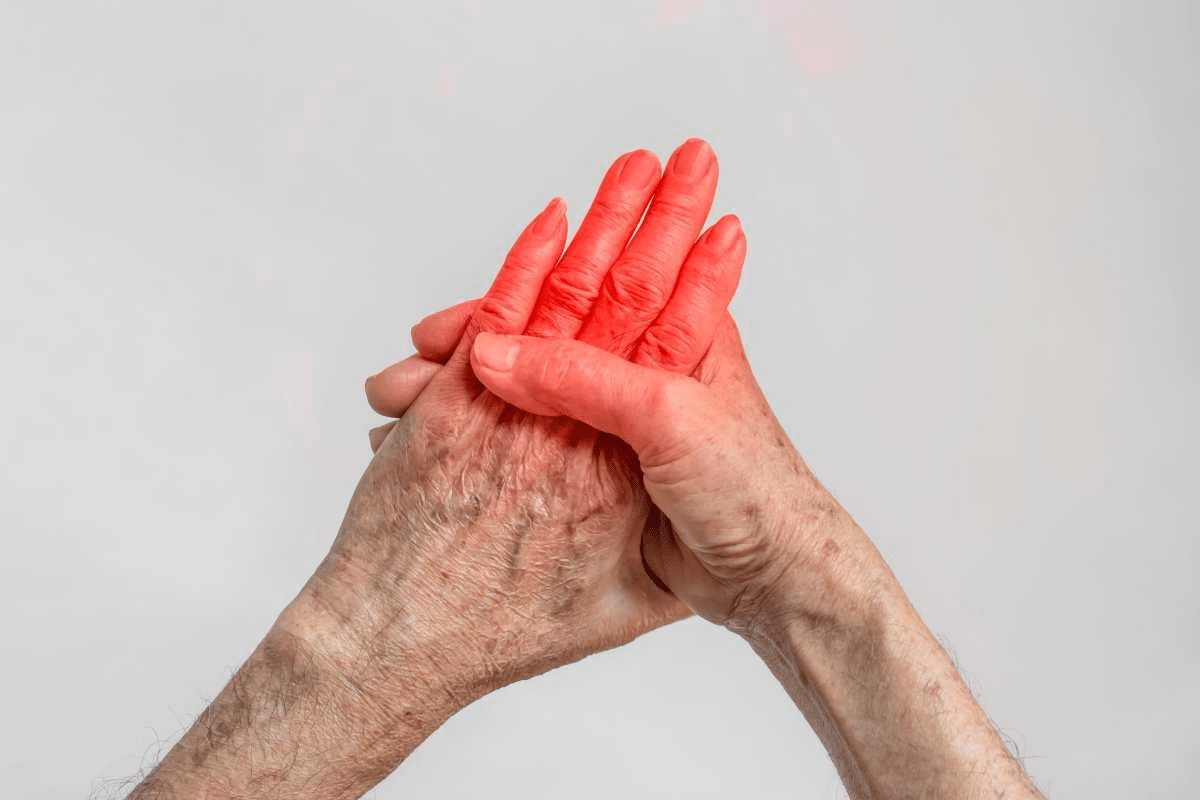
Rheumatoid arthritis flare-ups can be unpredictable. It’s key for patients and doctors to know the triggers and signs. RA is a chronic disease that causes inflammation, pain, and stiffness in the joints. Flare-ups happen when the disease gets worse, leading to more symptoms.
Defining Flare-Ups and Their Impact on Daily Life
An RA flare-up means more joint pain, swelling, fatigue, and less mobility. These episodes can last from a few days to weeks. They can make everyday tasks hard and lower your quality of life a lot.
Recognizing the Signs of an Impending Flare
Knowing the signs of an upcoming flare is key to managing RA. Look out for increased joint pain or stiffness, more fatigue, and feeling generally unwell. Spotting these signs early helps you take steps to lessen the flare’s effects.
The Individualized Nature of RA Triggers
Every person’s RA triggers are different. What sets off a flare in one person might not affect another. This shows why care plans need to be tailored to each person’s unique needs and triggers.
Psychological Stress: The Leading Trigger

Stress can make Rheumatoid Arthritis symptoms worse. It’s a known trigger for RA flare-ups. This affects both the mind and body of patients.
The Science Behind Stress and Inflammation
Stress can change how the immune system works, causing more inflammation. This is bad news for RA patients, as their immune systems already attack joints. Stress hormones like cortisol help in the short term but can harm in the long run.
Depression, Anxiety, and Emotional Distress
Depression and anxiety are common in RA patients. They can make the disease worse. Emotional stress can make pain and fatigue worse, making RA harder to manage.
Emotional distress and RA symptoms are linked in a cycle. Stress from chronic illness can lead to emotional problems. These problems can then make RA symptoms worse.
Effective Stress Management Strategies
Managing stress is key for RA patients to avoid flare-ups. Several strategies work well:
- Mindfulness and meditation
- Yoga and tai chi
- Cognitive-behavioral therapy (CBT)
- Regular exercise
- Adequate sleep
Using these strategies can lessen the effect of stress on RA. By controlling stress, patients may see fewer and milder flare-ups.
|
Stress Management Technique |
Benefits for RA Patients |
|---|---|
|
Mindfulness and Meditation |
Reduces stress hormones, improves pain management |
|
Yoga and Tai Chi |
Improves flexibility, reduces stress, enhances well-being |
|
Cognitive-Behavioral Therapy (CBT) |
Helps manage depression and anxiety, improves coping skills |
Infections That Provoke Immune Response
Infections are a big reason for rheumatoid arthritis (RA) flare-ups. They make the immune system go into overdrive. This can cause more inflammation and make symptoms worse.
Upper Respiratory Infections and Flu
Getting sick with the cold or flu can make RA worse. These infections make the body produce more proteins that cause inflammation. This can lead to more pain, swelling, and stiffness in the joints.
People with RA should try to avoid getting sick. They can do this by getting vaccinated and staying clean.
Gum Disease and Dental Infections
Gum disease and dental infections can also trigger RA flare-ups. Studies have found a link between gum disease and RA, both involving chronic inflammation. Keeping your teeth clean and visiting the dentist regularly can help prevent flare-ups.
Gastrointestinal Infections
Gastrointestinal infections, caused by bacteria or viruses, can also make RA symptoms worse. These infections can cause more inflammation in the body. This can affect the joints and make RA symptoms worse.
Eating well and avoiding bad food and water can help prevent these infections. This can reduce the chance of them triggering RA flare-ups.
|
Type of Infection |
Impact on RA |
Preventive Measures |
|---|---|---|
|
Upper Respiratory Infections |
Increased cytokines, joint pain, swelling |
Flu vaccination, good hygiene |
|
Gum Disease and Dental Infections |
Chronic inflammation, RA exacerbation |
Regular dental check-ups, good oral hygiene |
|
Gastrointestinal Infections |
Increased inflammation, worsening RA symptoms |
Balanced diet, avoiding contaminated food/water |
Knowing how infections can trigger RA flare-ups helps people with RA manage their condition better. They can take steps to reduce how often and how bad these flare-ups are.
Physical Trauma and Overexertion
Physical trauma and overexertion play big roles in causing RA flare-ups. People with Rheumatoid Arthritis should watch their physical activities closely. This helps avoid making symptoms worse.
Joint Injuries and Their Inflammatory Response
Joint injuries can start an inflammatory response in RA patients. An injury to a joint can cause more inflammation, leading to a flare-up. It’s important for RA patients to prevent joint injuries. They should wear protective gear and keep their environment safe to avoid falls.
“Trauma to a joint can start a chain of inflammatory events that may lead to a flare,” a study on RA triggers says. This shows why it’s vital to be careful and take preventive steps.
Exercise-Related Flares: Finding the Balance
Exercise is both good and bad for RA patients. Regular activity keeps joints moving and healthy, but too much can cause flare-ups. Finding the right balance is key. Gentle exercises like yoga or swimming are good, but high-impact activities might need to be limited or avoided.
- Gentle stretching exercises to maintain flexibility
- Low-impact aerobics, such as cycling or walking
- Strengthening exercises to support the joints
It’s about staying active enough to stay healthy but not so active that it triggers a flare. Listening to your body and adjusting your activities is important.
Occupational Strain and Repetitive Movements
Jobs or activities that strain joints can cause RA flare-ups. Changing work practices or using ergonomic equipment can help reduce flare-up risk.
“Repetitive strain injuries can significantly impact the quality of life for individuals with RA, making it essential to adopt preventive strategies in the workplace.”
Regular breaks, changing tasks to avoid repetitive motions, and using supportive devices can help a lot.
What
We often overlook how environmental factors can make RA symptoms worse. Changes in weather, air quality, and seasons can all affect how bad RA flare-ups are.
Weather Changes and Barometric Pressure
Many RA patients say weather changes their symptoms. Shifts in temperature and barometric pressure can make joints hurt more. It’s thought that pressure changes irritate nerves, causing pain.
Air Quality and Pollution Exposure
Air quality is key in affecting RA symptoms. Pollutants like particulate matter and ozone can make inflammation worse. These pollutants can cause an immune response in the lungs, making RA symptoms worse.
Seasonal Variations in Symptom Severity
Some RA patients find their symptoms change with the seasons. Cold weather can make joints stiffer, while warm weather can help. Knowing these seasonal variations helps manage symptoms better.
By understanding how environmental factors like weather and air quality affect RA, people can take steps to lessen their impact. This might mean adjusting daily routines or improving indoor air quality.
Hormonal Fluctuations in Rheumatoid Arthritis
Many women with rheumatoid arthritis see how hormonal changes affect their disease. The way hormones and RA symptoms interact is a big concern. This is because women’s experiences vary at different life stages.
Estrogen Level Changes Throughout Life
Estrogen levels change a lot in a woman’s life, impacting RA symptoms. Studies show that estrogen might help reduce inflammation, which could lessen RA symptoms. As estrogen levels change, so do RA symptoms for women.
Key Life Stages and Estrogen:
- Menstrual cycle: Hormonal shifts during the menstrual cycle can affect RA symptoms.
- Pregnancy: High estrogen levels during pregnancy often lead to improved RA symptoms.
- Postpartum: The drop in estrogen after childbirth can trigger RA flares.
- Menopause: Decreasing estrogen levels during menopause may influence RA symptom severity.
Menstrual Cycle, Pregnancy, and Postpartum Effects
The menstrual cycle, pregnancy, and postpartum periods can change RA symptoms. Some women notice their RA symptoms get worse or better at certain times in their cycle. During pregnancy, many women see their RA symptoms improve due to high estrogen levels. But, after childbirth, symptoms often get worse because estrogen levels drop.
|
Life Event |
Hormonal Change |
Impact on RA Symptoms |
|---|---|---|
|
Menstruation |
Fluctuating estrogen |
Variable symptom severity |
|
Pregnancy |
High estrogen |
Often improved symptoms |
|
Postpartum |
Dropping estrogen |
Frequently flared symptoms |
Menopause and Hormone Replacement Considerations
Menopause brings another big hormonal change, as estrogen levels drop. This can make RA symptoms worse. Women with RA should talk to their doctor about hormone replacement therapy (HRT) during menopause. HRT might affect RA symptoms.
Women with RA need to be aware of these changes. They should work closely with their healthcare team to manage symptoms at all life stages.
Lifestyle Factors Contributing to Flares
Lifestyle choices greatly affect managing Rheumatoid Arthritis. Knowing how daily habits, like sleep and diet, impact RA can help control flare-ups. Personal choices, such as smoking and drinking, also play a role.
Sleep Disruption and Chronic Fatigue
People with RA often struggle with sleep and fatigue. Poor sleep can make symptoms worse by increasing inflammation. To improve sleep, try a regular sleep schedule and a cozy sleep space.
- Maintain a consistent sleep schedule
- Create a sleep-conducive environment
- Avoid stimulating activities before bedtime
Dietary Triggers and Inflammatory Foods
What you eat can affect RA symptoms. Some foods can trigger or increase inflammation, while others can help. Keeping a food diary can help you find out which foods are problematic. Adding anti-inflammatory foods to your diet is also beneficial.
Common dietary triggers include:
- Processed foods high in sugar and salt
- Foods containing gluten or dairy for those with sensitivities
- Nightshade vegetables for some individuals
Anti-inflammatory foods that may help include:
- Fatty fish rich in omega-3 fatty acids
- Fruits and vegetables high in antioxidants
- Whole grains and fiber-rich foods
Smoking, Alcohol, and Their Impact on RA
Smoking and drinking can harm RA symptoms. Smoking increases the risk of getting RA and makes symptoms worse. We advise against smoking and suggest drinking in moderation.
Smoking’s effects on RA include:
- Increased risk of developing RA
- Worsening disease activity and severity
- Reduced effectiveness of RA medications
Drinking too much can also harm RA symptoms by affecting how well medications work.
Medication-Related Triggers and Treatment Challenges
It’s key to know the hurdles with Rheumatoid Arthritis meds to improve treatment. Medication is vital for managing RA symptoms. Yet, several factors can affect its success and safety.
Consequences of Medication Non-Adherence
Not following the RA medication plan can cause big problems. Skipping doses or stopping without doctor’s advice can make treatment less effective. It can also lead to serious joint damage.
- Increased risk of flare-ups due to inconsistent medication levels
- Potential for accelerated joint damage
- Complications in managing the disease effectively
To avoid these issues, sticking to the treatment plan is vital. Patients should talk openly with their doctors about any problems they face.
Tapering Medications: Risks and Considerations
Tapering RA meds is sometimes used to lessen side effects or when the disease is under control. But, tapering without doctor’s watch can cause flare-ups.
- Careful assessment of disease activity before tapering
- Gradual tapering under medical supervision
- Monitoring for signs of flare-ups during and after tapering
Doctors and patients work together to find the safest tapering plan, if needed.
Drug Interactions and Side Effects
RA meds can interact with other drugs, causing bad effects or lessening their work. Drug interactions are a big worry, mainly for those on many meds.
- Interactions between RA medications and other prescription drugs
- Potential side effects of RA medications, such as increased risk of infections
- The importance of disclosing all medications to healthcare providers
By grasping these challenges and teaming up with healthcare providers, patients can manage their RA treatment better. This helps avoid problems with medication.
Conclusion: Developing a Personal Flare Prevention Strategy
Knowing what causes rheumatoid arthritis (RA) flare-ups is key to managing it well. By identifying these triggers, we can create a plan to prevent flares. This improves our quality of life.
We’ve looked at different things that can trigger RA flares, like stress, infections, physical injuries, and hormonal changes. Knowing these can help us make choices to lower the chance of flares. This helps us manage RA better.
Creating a personal plan means working with doctors to make it fit our needs. This might include learning to handle stress, staying away from infections, living a balanced life, and following treatment plans. By being active in managing RA, we can lessen its effect on our daily lives.
To prevent flares well, we need to understand RA triggers and be dedicated to managing the condition. We urge patients to work with their doctors to make a plan that works best for them. This way, they can achieve the best results in managing their RA.
FAQ
What are rheumatoid arthritis flare-ups, and how do they affect daily life?
Rheumatoid arthritis flare-ups are times when symptoms get worse. This includes pain, stiffness, and feeling very tired. They can really change your daily life, affecting not just your joints but your overall health too.
What triggers rheumatoid arthritis flare-ups?
Many things can trigger flare-ups. This includes stress, infections, injuries, too much activity, and environmental factors. Hormonal changes and lifestyle choices like sleep, diet, smoking, and drinking also play a part.
How does psychological stress trigger RA flare-ups?
Stress can make inflammation worse and make RA symptoms worse. Using stress management techniques like meditation, yoga, and therapy can help.
Can infections trigger RA flare-ups?
Yes, infections like colds, gum disease, and stomach bugs can make RA symptoms worse. It’s important to treat infections quickly to avoid flare-ups.
How do hormonal fluctuations affect RA symptoms?
Hormonal changes, like during the menstrual cycle, pregnancy, or menopause, can affect RA symptoms. Hormone therapy during menopause might also have effects on RA.
What lifestyle changes can help manage RA?
Making healthy choices can help manage RA. This includes eating well, exercising regularly, managing stress, and avoiding smoking and too much alcohol.
How can medication non-adherence affect RA treatment?
Not taking medication as prescribed can make RA symptoms worse. It can also lead to more flare-ups. It’s important to stick to your treatment plan and watch for any issues with your medication.
What are the risks of tapering RA medications?
Stopping or reducing RA medications can cause symptoms to get worse. It can also lead to permanent damage to your joints. Always do this under a doctor’s guidance to reduce risks.
How can understanding individual triggers help in managing RA?
Knowing what triggers your flare-ups can help you prevent them. You can make lifestyle changes and stick to your treatment plan to better manage your RA.
What role do environmental factors play in RA symptom severity?
Things like weather, air quality, and pollution can affect how bad your RA symptoms are. Knowing this can help you prepare for when symptoms might get worse.
References
National Center for Biotechnology Information. Evidence-Based Medical Guidance. Retrieved from https://www.ncbi.nlm.nih.gov/pmc/articles/PMC5494420/