Seeing red veins in your eyes can worry you, but it’s usually not serious. It’s called subconjunctival hemorrhage. It happens when a small blood vessel under the conjunctiva bursts. This creates sharp, red patches on the white of your veiny eye.
The conjunctiva is a clear tissue that covers the white of your eye and lines your eyelids. It’s common for it to bleed. At Liv Hospital, we focus on your eye health. We aim to diagnose correctly and reassure you, as most red eye issues get better on their own.
It’s important to know why these red veins appear and when to see a doctor. We offer full support and advanced treatments for patients from around the world with these issues.
Key Takeaways
- Red veins in the eyes are often a result of subconjunctival hemorrhage, a generally benign condition.
- This condition occurs due to the bursting of a tiny blood vessel beneath the conjunctiva.
- Most cases of subconjunctival hemorrhage resolve on their own without complications.
- Accurate diagnosis and reassurance are key to managing this condition.
- Understanding when to seek medical attention is important for eye health.
What Causes Red Veins in Eyes: Medical Explanation
Red veins in the sclera often point to subconjunctival hemorrhage. This happens when a blood vessel in the conjunctiva breaks. Blood then leaks into the space between the conjunctiva and the sclera.
Subconjunctival Hemorrhage Defined
A subconjunctival hemorrhage is like a bruise in the eye. It occurs when a blood vessel in the conjunctiva bursts. This can happen from minor trauma or even a strong sneeze or cough.
The condition shows up suddenly with bright red blood in the eye. Despite looking scary, subconjunctival hemorrhage is usually painless. It often goes away on its own in a couple of weeks.
Prevalence and Statistics
Subconjunctival hemorrhage is seen in about 3 percent of people visiting emergency rooms for eye issues. It’s more common in the elderly, with a rate of 10.1 percent in those over 65.
- Common causes include minor trauma, coughing, sneezing, and straining.
- The condition is more prevalent in older adults.
- It is often associated with other health conditions or medications.
Knowing about red veins in the eyes can ease worries. It helps people know when to see a doctor. While subconjunctival hemorrhage is usually safe, it’s important to tell it apart from serious eye problems.
Anatomy of the Eye: Understanding the White Part and Blood Vessels
To understand why red veins show up, we must look at the eye’s structure. The eye is a complex organ. Its anatomy is key to understanding many eye phenomena, like red veins.
The eye’s outer layer is made of the sclera and conjunctiva. The sclera is the tough, white outer layer of the eyeball. It protects and gives structure. The conjunctiva is a thin membrane covering the eye’s white part and the inside of the eyelids.
Structure of the Conjunctiva and Sclera
The conjunctiva has many tiny blood vessels that are usually not seen. But when these vessels get bigger or inflamed, the eye looks red. The sclera, under the conjunctiva, has no blood vessels. The health and clarity of these layers are important for good vision and eye health.
- The conjunctiva helps to lubricate the eye.
- It contains tiny blood vessels that can become visible under certain conditions.
- The sclera provides structural support and protection to the eye.
How Blood Vessels Function in the Eye
Blood vessels in the eye, like those in the conjunctiva, are vital for eye health. They bring oxygen and nutrients to the eye’s surface. When these vessels get bigger or damaged, red veins can appear.
It’s important for these blood vessels to work right for eye health. Problems with them can cause redness. Knowing how these vessels function helps us understand why red veins show up and how to manage them.
Key aspects of blood vessel function in the eye include:
- Oxygen and nutrient supply to the eye’s surface.
- Regulation of blood flow in response to various stimuli.
- Maintenance of the eye’s overall health.
Common Triggers for Red Lines in Eyes
Many things can cause red lines in your eyes. These range from small injuries to habits you might do every day. Knowing what causes these red veins is important. It helps you figure out what to do next.
Physical Trauma and Eye Injuries
Eye injuries are a big reason for red lines. When your eye gets hurt, it can break tiny blood vessels. This leads to bleeding in the eye. Such injuries can happen from sports, accidents, or even just bumping your eye.
Wearing protective eyewear is a good way to avoid eye injuries. It helps a lot when you’re playing sports or working in dangerous places.
Valsalva Maneuvers (Coughing, Sneezing, Straining)
Coughing, sneezing, or straining can also cause red lines. These actions increase pressure in your body. This pressure can make the tiny blood vessels in your eyes break.
Even though these things can’t always be stopped, knowing they might happen can help. It lets you take steps to protect your eyes.
Eye Rubbing and External Pressure
Eye rubbing is something many people do, often without even realizing it. It happens when you’re tired or have allergies. But rubbing your eyes can put a lot of pressure on the blood vessels. This can make them break.
Try to rub your eyes less and be gentle when you do. This can help prevent red lines from forming.
The table below shows common causes of red lines in the eyes and how to prevent them:
Trigger | Description | Prevention |
Physical Trauma | Injury to the eye causing blood vessel rupture | Wear protective eyewear |
Valsalva Maneuvers | Coughing, sneezing, straining causing increased body pressure | Manage underlying conditions |
Eye Rubbing | Exerting pressure on the eyes | Reduce rubbing, be gentle |
Medical Conditions That Lead to Veiny Eye Appearance
Red veins in the eyes are not just about looks; they can signal serious health issues. Many health problems can show up in the eyes.
Hypertension (High Blood Pressure)
Hypertension is a big risk for heart disease and can also affect the eyes. High blood pressure makes blood vessels in the eyes more visible, causing a veiny look. Managing hypertension through lifestyle changes and medication can help mitigate its effects on the eyes.
Diabetes Mellitus
Diabetes mellitus can also affect the eyes, changing how blood vessels look. Diabetes can cause diabetic retinopathy, damaging blood vessels in the retina. Regular eye exams are key for those with diabetes to keep an eye on their health.
Blood Disorders and Coagulopathies
Blood disorders, including coagulopathies, can raise the risk of subconjunctival hemorrhages, showing as red veins in the eyes. Conditions that affect blood clotting can cause easy bruising and bleeding, including in the eyes. Understanding and managing these conditions is vital for overall health.
Medical Condition | Effect on Eyes | Management |
Hypertension | Increased visibility of blood vessels | Lifestyle changes, medication |
Diabetes Mellitus | Diabetic retinopathy, blood vessel damage | Regular eye exams, blood sugar control |
Blood Disorders/Coagulopathies | Increased risk of subconjunctival hemorrhages | Management of underlying condition, monitoring |
It’s important to know that red veins in the eyes can mean different things. Some might be harmless, but others could signal serious health issues. By understanding these conditions and their effects on the eyes, people can take steps to keep their eyes healthy.
Medications and Lifestyle Factors Contributing to Red Eye Veins
Certain medications and lifestyle choices can make red veins in the eyes more noticeable. These veins might look bad, but knowing why they happen is key to keeping your eyes healthy.
Anticoagulant and Antiplatelet Medications
Medicines that prevent blood clotting can lead to bleeding in the eyes. Warfarin, aspirin, and clopidogrel are examples. If you’re on these and see red veins, talk to your doctor right away.
Medication Type | Examples | Potential Effect on Eyes |
Anticoagulants | Warfarin, Apixaban | Increased risk of subconjunctival hemorrhage |
Antiplatelet | Aspirin, Clopidogrel | Increased risk of bleeding in the eyes |
Contact Lens Wear
Wearing contact lenses can sometimes irritate your eyes. Bad hygiene, a poor fit, or wearing them too long can lead to red veins. Proper care and following use guidelines can help avoid these issues.
Environmental Irritants and Allergies
Things like dust, pollen, or chemicals can irritate your eyes. Allergies can also make your eyes look red and veiny. Wearing protective eyewear and avoiding allergens can help.
Understanding how medications and lifestyle choices affect your eyes is important. By taking steps to prevent red veins, you can keep your eyes healthy.
Recognizing Symptoms: When Red Veins in Sclera Are Normal vs. Concerning
Red veins in the eyes can be scary. But knowing the difference between normal and serious symptoms is key. We’ll help you figure out if your red veins are okay or if you need to see a doctor.
Painless vs. Painful Red Veins
Red veins in the sclera, often from a subconjunctival hemorrhage, are usually painless. The acute phase shows as a bright red or crimson lesion without pain. But if you feel pain, it might mean there’s another problem.
Painful red veins could mean you have conjunctivitis or episcleritis. These are inflammatory issues. It’s important to watch your symptoms and see a doctor if the pain is bad or if you have other symptoms.
Visual Changes and Associated Symptoms
Subconjunctival hemorrhage usually doesn’t hurt your vision. But other problems might. Visual changes, like blurred vision or double vision, could be serious and need quick medical help.
Other symptoms like eye discharge, light sensitivity, or more tearing can also hint at what’s causing the red veins. Keep track of any changes and talk to your doctor about them.
Bright Red Vein in Eye vs. Squiggly Red Veins
Red veins can look different. Some see a bright red vein, while others notice squiggly red veins. A bright red vein is often from a subconjunctival hemorrhage, which is usually not serious. Squiggly veins might be from vascular issues or eye strain.
Knowing how your red veins look and any other symptoms you have can help your doctor find out what’s going on. It’s vital to get professional advice for a correct diagnosis.
When to Seek Medical Attention for Red Lines in Eyes
Not all red lines in the eyes need a doctor’s visit. But, some signs mean you should see a doctor fast. Knowing these signs is key to keeping your eyes and health safe.
Warning Signs That Require Immediate Care
Look out for these symptoms to know when to get help:
- Severe eye pain or discomfort that’s not relieved with simple measures
- Vision changes, including blurred vision, double vision, or loss of vision
- Increased sensitivity to light
- Eye discharge or pus, which could indicate an infection
- Redness that worsens over time or is accompanied by other concerning symptoms
If you see any of these, call your eye doctor or healthcare provider right away.
Differentiating Between Harmless and Serious Conditions
Red lines in the eyes can be harmless, like from a subconjunctival hemorrhage. But, some signs point to serious problems. For example, if redness comes with pain, vision changes, or from a big injury, it’s serious.
Here’s how to tell the difference:
- If redness shows up suddenly and is severe, it might be serious.
- If you have eye problems or conditions like hypertension or diabetes, watch out more.
- Any vision change or pain is a big deal.
Special Considerations for Contact Lens Wearers
Wearing contact lenses means being extra careful. Red lines could mean an infection or irritation from the lenses. If you see redness, pain, or vision changes while wearing contacts, take them out and see your eye care provider.
Also, make sure to follow good hygiene and wear practices to avoid problems.
Knowing when to seek medical help is important for your eye health. If unsure, always talk to a healthcare professional.
Diagnosis and Medical Assessment of Eye Redness
Seeing red veins in your eyes needs a detailed check-up. A full medical check helps find the real cause. This is key for the right treatment.
What to Expect During an Eye Examination
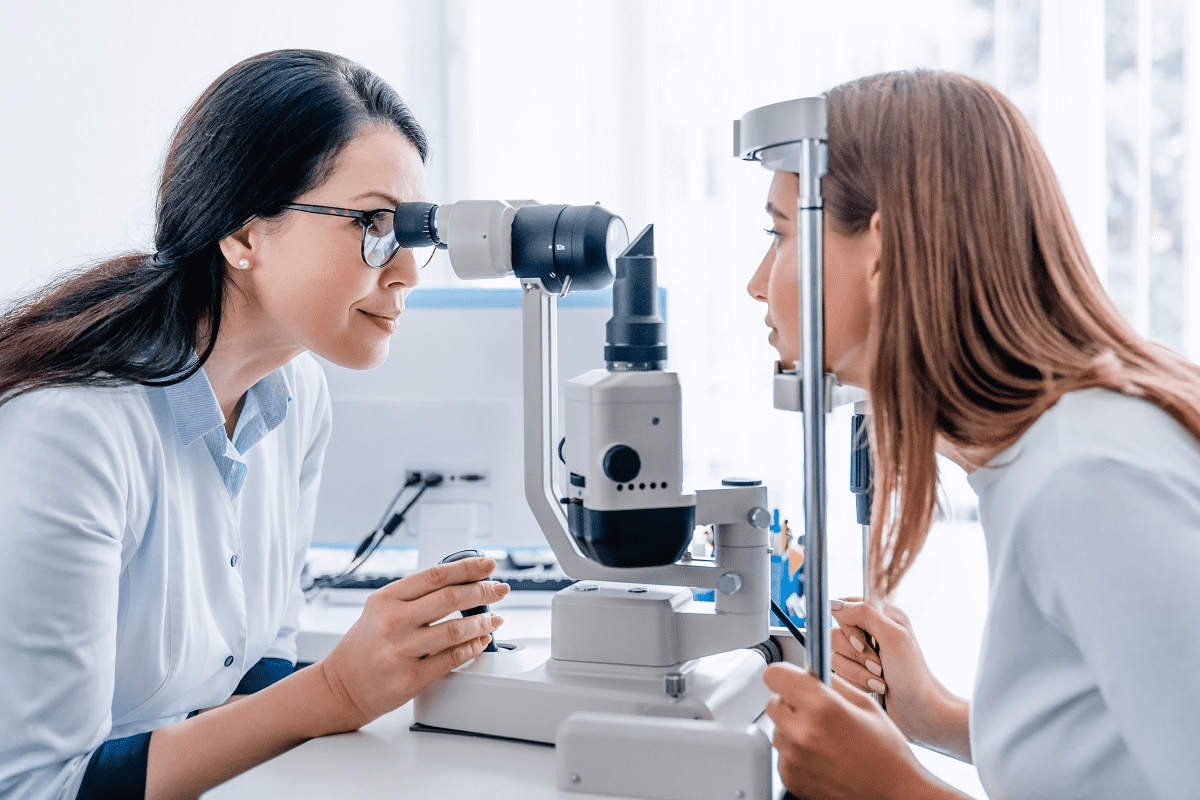
Your doctor will do a physical exam and a detailed eye check. They will look at your eye’s health. They’re searching for signs of injury, infection, or other issues.
Key parts of the eye exam are:
- Visual acuity test to check your vision
- External eye exam, including the sclera and conjunctiva
- Slit-lamp exam to look at the eye’s structures
- Fundus exam to see inside the eye
Diagnostic Tests for Underlying Causes
More tests might be needed based on the first findings. These tests can spot issues like high blood pressure, diabetes, or blood problems.
Diagnostic Test | Purpose |
Blood Pressure Measurement | To check for hypertension |
Blood Glucose Test | To diagnose diabetes mellitus |
Complete Blood Count (CBC) | To identify blood disorders or infections |
“A thorough eye exam is not just about vision. It’s about eye health and spotting systemic issues early.”
— Ophthalmology Expert
Questions Your Doctor May Ask
Your doctor will ask several questions. Being ready to answer these can help get a correct diagnosis.
Some common questions include:
- When did you first notice the red veins in your eyes?
- Have you experienced any eye pain or discomfort?
- Do you have a history of eye conditions or surgeries?
- Are you taking any medications that could be contributing to the condition?
Knowing your medical history and condition details helps your doctor create a good treatment plan.
Treatment Options and Recovery: Do Red Veins in Eyes Go Away?
Treatment for red veins in the eyes depends on the cause. Knowing your options is key. Often, red veins in the eyes are harmless and go away by themselves. But, knowing when to seek medical help is important.
Medical Treatments When Necessary
If red veins are due to a medical condition, treating that condition first is essential. For example, managing high blood pressure or diabetes can help eye symptoms.
If redness is from an infection or inflammation, your doctor might prescribe:
- Antibiotic eye drops or ointments for bacterial infections
- Anti-inflammatory eye drops to reduce swelling and redness
Subconjunctival hemorrhages, a common cause of red veins, usually don’t need treatment. They often clear up in a few weeks.
Safe Home Care Practices
While waiting for recovery or alongside medical treatment, home care can help:
- Applying a cold compress to reduce swelling
- Using artificial tears to keep the eyes moist
- Avoiding rubbing your eyes to prevent further irritation
- Getting adequate rest to help your eyes recover
Typical Recovery Timeline
The recovery time for red veins in the eyes varies. For subconjunctival hemorrhages, redness fades in 2-3 weeks. Other conditions may take longer based on treatment success.
Condition | Typical Recovery Time |
Subconjunctival Hemorrhage | 2-3 weeks |
Infections (with treatment) | 1-2 weeks |
Inflammatory Conditions (with treatment) | Variable, often improving within a few days to weeks |
Understanding the cause of red veins in your eyes and following the right treatment plan is key for a smooth recovery. If you’re worried about red veins or other symptoms, seeing an eye care professional is best.
Conclusion: Prevention Strategies for Healthy Eyes
To prevent red veins in the eyes, it’s important to understand and manage risk factors. Simple habits can greatly reduce red veins and keep your eyes healthy.
Don’t rub your eyes, as it can irritate them and lead to red veins. If your eyes feel dry or irritated, eye drops can help. Also, taking care of your overall health, like managing blood pressure and diabetes, helps prevent red veins.
Stay proactive about your eye health. Take breaks from digital devices, wear protective eyewear when needed, and get regular eye check-ups. These steps can help keep your eyes healthy and reduce red veins.
By following these tips and knowing what causes red veins, you can prevent them. This way, you can enjoy healthier, more comfortable eyes.
FAQ
What are red veins in the eyes?
Red veins in the eyes are called subconjunctival hemorrhage. They happen when small blood vessels under the conjunctiva burst. This lets blood leak into the space between the conjunctiva and the sclera.
Why do I have a red line in my eye?
A red line in your eye is usually from a subconjunctival hemorrhage. This can be caused by minor trauma, coughing, sneezing, or straining.
Are red veins in eyes a sign of a serious condition?
Red veins in eyes are often harmless. But, they can sometimes show an underlying medical issue. This could be high blood pressure, diabetes, or a blood disorder.
Can certain medications cause red veins in eyes?
Yes, some medications like anticoagulants and antiplatelets can cause red veins in the eyes. This is because they can make blood vessels more likely to burst.
How long do red veins in eyes last?
Red veins in eyes usually go away on their own in one to two weeks. You don’t need treatment for this.
When should I seek medical attention for red veins in my eyes?
See a doctor if your eye redness doesn’t go away, hurts, or if your vision changes. Also, if you wear contact lenses and notice redness or irritation, get help.
Can contact lens wear cause red veins in eyes?
Yes, wearing contact lenses can irritate your eyes. This can lead to red veins, mainly if you don’t clean and maintain your lenses well.
Are red veins in eyes a sign of high blood pressure?
Red veins in eyes are not always a sign of high blood pressure. But, if you keep getting them without reason, it might mean you have high blood pressure.
Can I prevent red veins in my eyes?
Yes, you can prevent red veins in your eyes. Keep your eyes clean, avoid rubbing them, and manage any health conditions you have.
Do red veins in eyes affect vision?
Usually, red veins in eyes don’t affect your vision. But, if you notice any vision changes, see an eye doctor right away.
Can allergies cause red veins in eyes?
Yes, allergies can make your eyes red and irritated. This is because allergies increase blood flow and release histamine.
References
National Center for Biotechnology Information. Evidence-Based Medical Guidance. Retrieved from https://www.ncbi.nlm.nih.gov/books/NBK551666/



 Departments
 Related Videos
 Our Doctors
 News
News