Last Updated on November 27, 2025 by Bilal Hasdemir
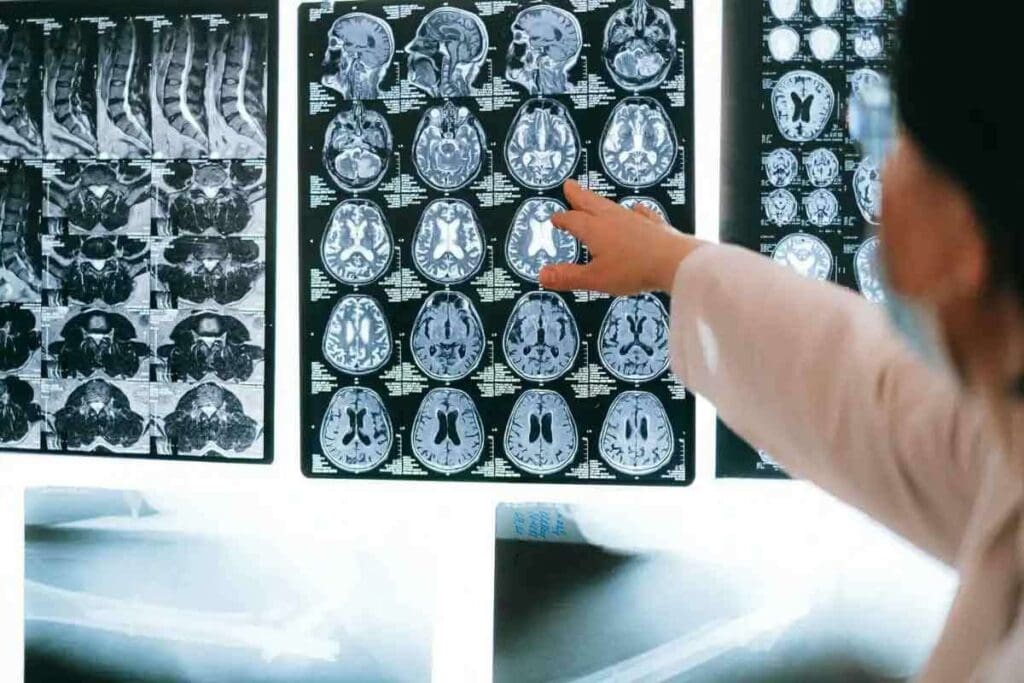
At LivHospital, we aim to provide top-notch healthcare with cutting-edge diagnostic tools. One key tool is Positron Emission Tomography (PET), a vital part of modern cancer care.
PET scanning uses radioactive substances to see and measure changes in how cells work. FDG PET radiology is key in finding, staging, and tracking how well cancer treatments work.
We will look into the basics of PET scan imaging and physics in cancer care. Our aim is to give a full picture of how PET radiology changes patient care.
Key Takeaways
- PET scanning is a functional imaging technique that visualizes metabolic processes.
- FDG PET radiology is critical in cancer detection and management.
- PET scans help in staging disease and monitoring therapy response.
- LivHospital is dedicated to innovative diagnostic techniques.
- Understanding PET scan imaging and physics is essential for effective cancer treatment.
Understanding FDG PET Radiology: Principles and Basics

PET imaging uses radioactive tracers like FDG to see how cells work. FDG PET radiology is key in finding and treating diseases, like cancer.
What is Fluorodeoxyglucose (FDG)?
FDG is a special sugar that cancer cells love. It’s not used by cells like regular sugar. This makes it perfect for showing where cells are working hard.
Molecular Imaging at the Cellular Level
FDG PET imaging shows how cells work by using FDG. Here’s how it works:
- FDG is given through an IV and spreads in the body.
- Cancer cells grab the FDG because they’re very active.
- The FDG inside cells sends out signals that the PET scanner picks up.
- These signals create detailed pictures of where the FDG is.
How FDG Traces Metabolic Activity
FDG PET imaging looks at how cells use sugar. Cancer cells use a lot of sugar because they grow fast. By seeing where FDG goes, we can find cancer.
FDG PET imaging is great because:
- It finds active tissues well.
- It helps figure out how far cancer has spread and if treatments are working.
- It helps doctors know where to take biopsies.
In short, FDG PET radiology is a top tool for doctors. It helps them see how cells work and find diseases like cancer. This has changed how we diagnose and treat diseases.
The Physics of Positron Emission Tomography

Positron Emission Tomography (PET) works by detecting positrons from radiotracers. We’ll look at how PET scanning is made possible. This includes the process of positron emission and how annihilation photons are detected.
Definition of Positron Emission in Nuclear Medicine
Positron emission is when a radioactive substance releases positrons, the opposite of electrons. In PET scanning, positron-emitting radiotracers help see how the body works. When a positron is released, it meets an electron and turns into two photons. These photons are caught by the PET scanner.
Positron-Electron Annihilation Process
The annihilation happens when a positron meets an electron. This turns their mass into energy as two 511 keV photons. These photons go in opposite directions, a fact known as co-linearity. Finding these photons is how PET imaging works, showing where the radiotracer is in the body.
Photon Detection and Coincidence Imaging
PET scanners use a ring of detectors around the patient to catch the photons. The idea of coincidence detection helps find where the photons came from. If two detectors catch a photon almost at the same time, it means the annihilation happened between them. This helps make images of where the radiotracer is in the body.
Understanding PET scanning’s physics shows how complex and advanced it is. It uses positron emission, annihilation, and coincidence detection. This lets us see how the body works at a molecular level, helping with diagnosis and treatment.
Visualizing Metabolic Activity Through FDG PET Imaging
FDG PET imaging is a powerful tool for seeing how the body works. It’s key for finding and managing diseases, like cancer, where the body’s activity changes.
Glucose Metabolism and Cellular Uptake Mechanisms
FDG PET imaging tracks Fluorodeoxyglucose (FDG), a sugar-like substance, in cells. Cells that are very active, like cancer cells, take up more FDG. This makes them show up clearly on PET scans.
Here’s how it works: FDG is injected into the blood. It goes to cells all over the body. Cells with high activity take up more FDG. Inside the cells, FDG gets stuck because it can’t be broken down like regular sugar.
“The ability of FDG PET to non-invasively assess glucose metabolism has revolutionized the field of oncology, enabling more accurate staging and monitoring of cancer treatment response.”
Interpreting “Hot Spots” in Positron Emission Tomography Images
On PET scans, “hot spots” show where FDG is taken up a lot. These spots mean there’s high activity, which can be cancer, infection, or inflammation.
Reading these images needs careful thought about the patient’s situation. For example, a hot spot in someone with cancer might mean the cancer has spread. But in someone with infection symptoms, it could show where the infection is.
| Condition | Typical FDG Uptake Pattern | Clinical Significance |
|---|---|---|
| Cancer | High uptake in tumor sites | Indicates tumor location and metabolic activity |
| Infection | High uptake at infection site | Helps localize infection |
| Inflammation | Variable uptake | Can indicate presence and extent of inflammation |
Quantitative Analysis: Standardized Uptake Values (SUV)
FDG PET images are analyzed with Standardized Uptake Values (SUV). SUV compares FDG uptake in a specific area to the body’s average. This gives a semi-quantitative look at metabolic activity.
SUV values help in many ways. They show how aggressive tumors are, how well they’re responding to treatment, and if a lesion is benign or malignant. A higher SUV means more activity.
In cancer treatment, SUV changes are important. A drop in SUV means the tumor is responding well. But if SUV stays the same or goes up, it might not be responding well.
PET/CT Hybrid Imaging: Anatomical and Functional Integration
PET/CT hybrid imaging is a key tool in today’s medicine. It combines Positron Emission Tomography (PET) and Computed Tomography (CT). This gives a detailed look at the body’s metabolic and structural health.
The Evolution from PET to PET/CT
PET/CT imaging is a big step forward in medical diagnosis. At first, PET scans showed how active the body’s cells were. But, they didn’t show where exactly these activities were happening.
Adding CT scans to PET scans fixed this problem. CT scans give clear pictures of the body’s structure. Now, doctors can see both the body’s function and its structure together.
Image Co-registration and Fusion Techniques
One key part of PET/CT imaging is combining images from both PET and CT scans. Special software makes sure these images match up perfectly. This creates a single, detailed picture of the body.
This method helps doctors see the body’s inner workings and how active they are. For example, in cancer care, it helps spot tumors and understand their activity.
- Improved Localization: PET/CT helps pinpoint where in the body things are happening.
- Enhanced Diagnostic Confidence: Doctors get a clearer picture of what’s going on inside the body.
- Better Treatment Planning: Knowing exactly where and how disease is spread helps plan better treatments.
Enhanced Diagnostic Accuracy with Combined Modalities
Using both PET and CT scans together makes diagnosis more accurate. This combo helps tell apart normal and abnormal tissues. It also shows how severe a disease is and how well treatments are working.
In cancer, PET/CT scans are key. They find tumors, spot where cancer has spread, and check how active it is. This info is vital for figuring out how advanced cancer is and what treatment to use.
“The combination of PET and CT in a single imaging modality has revolutionized the field of diagnostic imaging, providing unparalleled insights into both the anatomy and function of the body.”
Expert in Nuclear Medicine
PET/CT hybrid imaging is a game-changer in medical accuracy and care.
Clinical Applications of PET Scan Radiology
We use PET scan radiology in many ways to help patients. It’s great for diagnosing diseases and improving care. It’s used in many areas, like cancer, brain, and heart health.
Oncologic Applications: Detection, Staging, and Monitoring
PET scans are key in fighting cancer. They help find tumors, see how big they are, and check if treatments work. FDG PET scans show how active tumors are, helping doctors plan the best treatment.
- Detection of primary tumors and metastases
- Accurate staging of cancer, guiding treatment decisions
- Monitoring treatment response and detecting recurrence
A study on non-small cell lung cancer showed PET/CT scans help a lot. They make staging more accurate and change treatment plans for many patients.
Identifying Inflammation and Infection Sites
PET scans are also good for finding inflammation or infection. FDG uptake shows up in these areas too. This makes PET scans useful for finding abscesses or infected implants.
“PET imaging has emerged as a valuable tool in the diagnosis and management of infections, particularlly in cases where other imaging modalities are inconclusive.”
Source: Journal of Nuclear Medicine
Neurological and Cardiac Applications
In brain health, PET scans check how the brain works. They help find diseases like Alzheimer’s and Parkinson’s. For heart health, they look at how well the heart works and help decide treatments for heart disease.
| Application | Description |
|---|---|
| Neurological | Assessment of brain function, diagnosis of neurodegenerative diseases |
| Cardiac | Evaluation of myocardial viability and perfusion |
In conclusion, PET scan radiology is very useful in many areas of medicine. It greatly helps in treating patients across different specialties.
Technical Limitations of PET Resolution and Detection
Knowing the technical limits of PET scans is key for accurate diagnosis and treatment plans. PET imaging is a vital tool in nuclear medicine. Yet, its success depends on several technical aspects.
Minimum Reliable Detection Size
PET scanning’s main limit is its minimum reliable detection size, about 7-10 mm. This is due to positron emission tomography’s physics. It includes the distance positrons travel before they annihilate and the angle of the photons emitted.
Finding smaller lesions is hard because of partial volume effects. These effects mix the signal from a small lesion with the surrounding tissue. This can make the lesion’s metabolic activity seem lower than it is.
Factors Limiting Spatial Resolution
Several things limit PET imaging’s spatial resolution. These include:
- The distance between the positron emission and annihilation event
- The angle between the two annihilation photons
- The detector size and resolution
- Image reconstruction algorithms
Together, these factors decide the smallest lesion size that can be accurately detected and described.
Challenges with Small Lesions and Low Metabolic Activity
Finding small lesions or those with low metabolic activity is tough. Small lesions might not be seen because of limited spatial resolution. Lesions with low metabolic activity might not take up enough FDG to stand out from background tissue.
The table below outlines the main challenges and limits of PET resolution and detection:
| Limitation | Description | Impact |
|---|---|---|
| Minimum Detection Size | Lesions smaller than 7-10 mm | Difficulty in detection and characterization |
| Spatial Resolution | Limited by detector size and physics | Reduced accuracy for small lesions |
| Low Metabolic Activity | Lesions with low FDG uptake | May not be distinguishable from background |
Understanding these limits helps healthcare providers better interpret PET scan results. This leads to more informed decisions for patient care.
Physiological Uptake of Radiotracers: Challenges in Interpretation
Understanding PET images is hard because normal tissues can take up radiotracers. This makes it tricky to tell real problems from normal activity. Knowing how normal tissues take up radiotracers is key to making the right calls.
Normal Tissue Uptake Patterns
Normal tissues take up radiotracers in different ways. This depends on how active they are, their blood flow, and what they are. For example, the brain takes up a lot of FDG because it uses a lot of glucose.
Distinguishing Pathological from Physiological Uptake
Telling apart real problems from normal activity in PET images is very important. Real problems usually show up as spots or intense activity that doesn’t match normal tissues. Normal activity is more spread out and follows what we expect based on tissue activity.
We use a few ways to figure this out. We look at the images, use numbers to measure uptake, and check with other tests and what the patient is like.
Common Sources of False Positive Findings
False positives in PET scans can happen for many reasons. For example, inflammation, infections, and some normal activities can look like problems. Brown fat can take up a lot of FDG, making it look like a tumor.
It’s important to know about these false positives. This helps us make sure we’re not mistaking something normal for a problem.
Advanced Developments in PET Technology and Techniques
PET imaging is getting better fast, thanks to new tech and methods. These changes help doctors get more accurate results and care for patients better. They make PET scans more precise, leading to better health outcomes for patients.
Time-of-Flight PET and Digital Detector Systems
Time-of-flight (TOF) PET is a big step up in PET tech. It measures when photons arrive, making images clearer and reducing noise. This tech is great for finding small tumors and staging cancer more accurately.
Digital detector systems are another big improvement. They’re more sensitive and detailed than old detectors. When combined with TOF, they give doctors even clearer images.
Novel Radiotracers Beyond FDG
While FDG is common, new radiotracers are being made. These new tracers can show more about tumors, inflammation, and other health issues. For example, F-Fluorothymidine (FLT) helps see how fast cells are growing, which helps doctors understand tumor behavior.
New radiotracers are not just for cancer. They’re also being tested for brain and heart diseases. For instance, some track amyloid plaques in Alzheimer’s, showing PET’s wide range of uses.
Artificial Intelligence Applications in PET Image Analysis
Artificial intelligence (AI) is changing how PET images are analyzed. AI finds patterns and problems that humans might miss. It also helps with tasks like cutting out images and measuring, so doctors can focus on harder tasks.
“The integration of AI in PET imaging is poised to revolutionize the field by providing more accurate and efficient image analysis, ultimately leading to improved patient care.”
AI in PET imaging is growing fast, with new research all the time. It’s getting better at working with different images and health data. As it gets better, it will help make treatments more tailored to each patient.
Conclusion: The Evolving Role of PET Imaging in Modern Medicine
PET imaging is key in modern medicine, growing thanks to new tech and methods. PET-CT is now a main tool, better than PET or CT alone. It’s mainly used for cancer, using 18F-FDG to find and track tumors.
PET imaging is getting better and being used more. New tech like time-of-flight PET and special tracers will help doctors more. It will work with other tools and AI, making it even more important.
Medical care is getting more tailored, thanks to PET imaging. This tech will keep being a big help in fighting diseases, like cancer.
FAQ
What is FDG PET radiology?
FDG PET radiology is a medical imaging method. It uses Fluorodeoxyglucose (FDG) to see how cells work. This helps find and manage cancer.
How does PET scanning work?
PET scanning detects photons from a special tracer like FDG. This creates detailed images of how cells work.
What is the significance of “hot spots” in PET images?
“Hot spots” in PET images show high activity. This can mean cancer or other health issues.
What are Standardized Uptake Values (SUV) used for?
SUV measures how much FDG is taken up by tissues. It helps tell if a lesion is cancerous or not.
How does PET/CT hybrid imaging enhance diagnostic accuracy?
PET/CT combines PET’s function with CT’s anatomy. This gives a clearer picture of diseases, making diagnoses more accurate.
What are the clinical applications of PET scan radiology?
PET scan radiology helps in many areas. It’s used in cancer, brain, and heart diseases. It detects cancer, tracks its spread, and checks for infections and inflammation.
What are the limitations of PET scanning?
PET scanning has limits. Its detail and ability to detect small lesions depend on the lesion’s size and activity.
How can physiological uptake of radiotracers be distinguished from pathological uptake?
Knowing normal tissue uptake and common false positives helps. SUV values also help quantify uptake.
What are some advanced developments in PET technology?
New PET tech includes time-of-flight, digital detectors, and new tracers. Artificial intelligence is also being used in PET image analysis.
What is the future of PET imaging in modern medicine?
PET imaging is getting better with new tech and techniques. It will help more in cancer, brain, and other areas, improving care and results.
Reference
- Omami G, et al. Basic principles and applications of 18F-FDG-PET/CT in oncology. 2014. https://www.ncbi.nlm.nih.gov/pmc/articles/PMC4245476/