
Recovering from cardiac surgery is tough, both in body and mind. Many wonder when they’ll feel normal again after surgery.feel normal after open heart surgeryHow Soon After Colon Surgery Chemotherapy: Timing & Guidelines
Patients go through many feelings and changes during recovery. We know it’s a tough path, but with the right help, it can be easier.
Key Takeaways
- Understanding the recovery process can help manage expectations.
- Support systems play a big role in the recovery journey.
- Getting back to normal takes time.
- Be ready for physical and emotional changes.
- There’s help available to guide you through recovery.
The Reality of Open-Heart Surgery Recovery
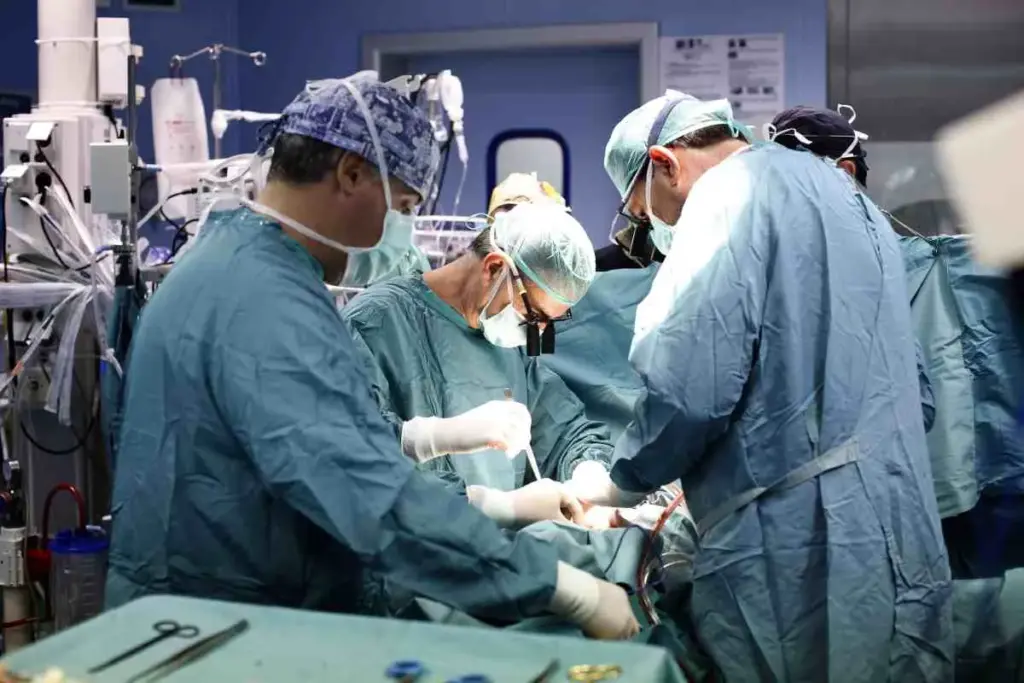
The journey to feeling normal after heart surgery is unique for everyone. Many things can affect how well someone recovers. These include their health, age, and the type of surgery they had.
What Constitutes “Normal” After Cardiac Surgery
What “normal” means can vary a lot. After heart surgery, people often wonder when they’ll feel like themselves again. It’s important to remember that “normal” can be different for everyone.
For some, getting back to normal might mean getting stronger and doing daily tasks again. Others might need to adjust to living with heart health issues. This could mean making lifestyle changes and taking medicine.
Setting Realistic Expectations
Having realistic hopes for recovery is key. Patients should know that getting better takes time and effort. Many people feel a mix of emotions during their recovery.
Having a support system is vital. This can be family, friends, or healthcare workers. They help with both the emotional and physical parts of getting better.
The Immediate Post-Surgery Experience
Open-heart surgery starts a big journey to better heart health. The first days after surgery are very important.
Hospital Recovery Phase
The hospital recovery time is filled with close medical care. Doctors watch for any problems and manage pain well.
Patients might feel tired, weak, and have pain or trouble sleeping. They might also feel emotionally up and down. Our medical team is here to help you through this tough time.
First Days at Home
Going home after surgery is a big step. But, it needs careful planning and support. Having someone to help with daily tasks and watch for problems is a good idea.
At home, patients often feel a mix of emotions and physical feelings. It’s key to:
- Take your medicines as told
- Start doing more activities slowly
- Watch the surgical area for infection signs
- Go to all follow-up doctor visits
Adjusting to life after cardiac surgery can be tough. But, with the right help and advice, you can get through it.
Remember, recovery is a journey that needs patience, support, and heart-healthy habits. Knowing what to expect and how to handle challenges helps you adjust smoothly to open heart surgery.
Physical Recovery Timeline
Knowing how long it takes to recover from open-heart surgery is key. Recovery times can differ a lot among people. It’s important to know what to expect at each stage of recovery.
First Month Milestones
The first month after surgery is a big adjustment. Patients often feel tired, in pain, and uncomfortable. But, as the weeks go by, most start to feel better.
- By the end of the first week, patients start to feel a bit more energetic, though they’re often tired.
- By two to three weeks post-surgery, many can do light chores and short walks.
- By the end of the fourth week, most have made a lot of progress, feeling more energetic and able to do more.
Three to Six Months Progress
Between three to six months, patients see big improvements. This time is marked by:
- More stamina and the ability to do harder activities.
- Getting back to normal sleep patterns.
- The chest incision heals more, with less pain.
One Year and Beyond
By one year after surgery, most have recovered a lot. Many can do what they did before surgery or even better. Recovery long-term depends on sticking to rehab, making lifestyle changes, and getting ongoing medical care.
Here’s a table showing general recovery milestones:
|
Timeframe |
Physical Milestones |
Energy and Activity Levels |
|---|---|---|
|
1-4 weeks |
Initial healing, reduction in pain |
Limited energy, light activities |
|
3-6 months |
Significant improvement in physical strength |
Increased stamina, more strenuous activities |
|
1 year and beyond |
Full recovery for most patients, return to pre-surgery activities |
Normal or improved energy levels, full range of activities |
Remember, every person’s recovery is different. The pace can change based on health, age, and any complications. By understanding these factors and staying positive, patients can feel more confident in their recovery.
Common Physical Challenges After Cardiac Surgery
After cardiac surgery, patients face many physical challenges. These can affect their recovery and quality of life. Each challenge is different and can last for varying lengths of time.
Chest Pain and Incision Healing
Chest pain is a big worry right after surgery. The pain’s strength depends on the surgery type and how sensitive you are. It’s key to take care of your wound and manage pain well.
Follow your doctor’s advice on pain and wound care. This might mean taking certain medicines, keeping the area clean, and watching for infection signs.
Fatigue and Energy Levels
Fatigue is common after cardiac surgery. Your body uses a lot of energy during surgery, and it needs time to recover. You might need to change your daily activities to match your energy levels.
To fight fatigue, start with small, easy tasks. Then, slowly do more. Resting and sleeping well is also important for your body to heal.
Sleep Disturbances
Many patients struggle with sleep after surgery. Discomfort, pain, and anxiety can mess with your sleep. A calm bedtime routine and a comfy sleep space can help.
Talk to your doctor about sleep problems. They might have ways to help you sleep better. Better sleep can really help your recovery.
When Will You Feel Normal After Open Heart Surgery?
Recovering from open-heart surgery is a unique journey for everyone. Knowing what affects recovery can help set realistic goals. This can make the recovery process better.
Individual Variation in Recovery
Recovery from open-heart surgery is different for everyone. Some might feel normal in a few weeks, while others might take months. This difference comes from many factors, like health before surgery, the surgery’s complexity, and genetics.
A study in the Journal of Thoracic and Cardiovascular Surgery showed that being active before surgery helps recovery. Being fit before surgery can really speed up recovery.
Factors Affecting Recovery Speed
Many things can affect how fast someone recovers from open-heart surgery. These include:
- Age and overall health
- Any health problems like diabetes or high blood pressure
- The type of surgery done
- Any complications after surgery
- Following the recommended rehabilitation and lifestyle changes
Knowing these factors helps tailor recovery plans to fit each person’s needs. This can lead to better outcomes.
|
Factor |
Impact on Recovery |
|---|---|
|
Pre-Surgery Physical Activity |
Faster recovery times observed in patients who were physically active before surgery. |
|
Age |
Older patients may need more time to recover because of less physical strength. |
|
Comorbidities |
Having conditions like diabetes or high blood pressure can make recovery harder. |
One patient said, “My recovery was easier than I thought, thanks to my care team and family support.” Many agree, showing how important support is during recovery.
“My positive attitude was key in my recovery. Focusing on my rehabilitation made a huge difference.”
Open-heart surgery patient
By understanding what affects recovery and meeting each patient’s needs, we can make the journey back to normal after open-heart surgery better.
Emotional and Psychological Recovery
Recovering emotionally and psychologically is key after open-heart surgery. Patients face big changes in their cardiac surgery quality of life. They must adjust to new physical and emotional challenges.
Dealing with Post-Surgery Depression
Many patients feel depressed after surgery. This can come from the surgery itself, changes in how they feel, or worries about the future. It’s important for patients and their families to know these feelings are normal.
Open communication with healthcare providers is vital. Support groups, online or in-person, offer a place to share and learn. Professional counseling can also help manage these feelings.
Anxiety About Health and Future
Anxiety is common too. Patients worry about their health, future surgeries, or how their condition will change. Talking to their healthcare team can help understand and manage these worries.
Following lifestyle changes can also help. Eating well and staying active can make patients feel more in control of their health.
Cognitive Changes and “Pump Brain”
Some patients notice changes in their thinking after surgery, known as “pump brain.” These can include memory and concentration problems. These effects are usually short-term but can be hard to deal with.
Being patient and using strategies like keeping a journal can help. Most of these issues get better as the body heals.
Cardiac Rehabilitation: Key to Normalcy
Getting back to normal after heart surgery needs a few steps. Cardiac rehabilitation is a big part of this. It helps each person in their own way to reach their health goals.
Benefits of Structured Rehabilitation Programs
Cardiac rehab programs help improve heart health and physical function. They also boost overall well-being. These programs include exercise, heart-healthy living tips, and stress counseling.
By joining cardiac rehab, patients see many benefits. They get better heart health, more energy, and lower risks of heart problems later on.
Key benefits of cardiac rehabilitation include:
- Improved cardiovascular fitness
- Enhanced physical strength and endurance
- Better management of heart disease risk factors
- Reduced symptoms of heart disease
- Improved mental health and reduced stress
What to Expect in Cardiac Rehab
Cardiac rehab programs are made just for each patient. They consider the patient’s health, goals, and any limits they have. A typical program includes exercise, education, and support from healthcare pros.
First, patients get checked to see where they start. Then, a plan is made for them. This plan might include cardio, strength, and flexibility exercises. They also learn about heart-healthy eating, stress management, and medication.
The goal of cardiac rehabilitation is not only to help patients recover from cardiac surgery but also to empower them with the knowledge and skills necessary to maintain a healthy lifestyle long-term. By the end of the program, patients can keep going on their own. They understand their heart health better and know how to manage it.
Adapting to Your New Normal
The journey to recovery after cardiac surgery is more than just healing physically. It’s also about adjusting to a new lifestyle. Understanding that “normal” changes after open-heart surgery is key.
Redefining What “Normal” Means
Patients often need to rethink what “normal” means after cardiac surgery. They learn that some activities or habits are no longer safe or healthy. As one patient shared,
“I had to learn to listen to my body and not push myself too hard.”
This process is vital for setting realistic goals and adopting a healthier lifestyle.
Adjusting to this new reality can be tough. But it’s a necessary step in the recovery journey. By redefining “normal,” patients can start making lifestyle changes that support their health for the long term.
Embracing Lifestyle Changes
Adopting new habits is a big part of adjusting to life after open-heart surgery. This might mean eating healthier, exercising regularly, and managing stress. These changes are not just good for recovery; they’re key for keeping your heart healthy.
Remember, small steps can lead to big improvements over time. For example, starting with short walks and gradually increasing the distance can greatly benefit your heart health.
“Be patient and kind to yourself as you make these changes,” advises a cardiac rehabilitation specialist. “Focus on creating a routine you can keep up with for the long haul.”
By embracing these lifestyle changes and redefining “normal,” patients can enjoy a better life after cardiac surgery. We’re here to support you every step of the way.
Returning to Daily Activities
Getting back to daily life after heart surgery takes time and care. It’s important to balance wanting to do things again with letting your body heal. This balance is key to a smooth recovery.
Household Chores and Self-Care
At first, you might need help with chores like cleaning and laundry. As you get stronger, you can do more. Start with easy tasks and avoid heavy lifting.
Self-care is also vital. Make sure to rest, eat well, and follow your doctor’s advice on meds and check-ups.
|
Task |
When to Resume |
Precautions |
|---|---|---|
|
Light Housekeeping |
2-3 weeks post-surgery |
Avoid heavy lifting and bending |
|
Cooking |
1-2 weeks post-surgery |
Start with simple meals, avoid standing for long periods |
|
Laundry |
2-3 weeks post-surgery |
Avoid carrying heavy baskets, consider using a laundry cart |
Driving and Travel Considerations
Don’t drive until your doctor says it’s okay, usually after 4-6 weeks. When you start driving, make sure you’re comfortable and not on meds that affect driving.
Talk to your doctor about travel plans. For long trips, break them up to avoid sitting too long.
“It’s not just about getting back to normal; it’s about creating a new normal that prioritizes your health and well-being.”
Cardiac Rehabilitation Specialist
Social Activities and Hobbies
Starting to do things you love again can really help your recovery. Start with short visits and gradually spend more time as you get more energy.
When you start hobbies again, pick things that aren’t too hard. For example, if you like gardening, start with light tasks like pruning.
Adjusting to life after heart surgery needs a full plan. This includes getting physically better, getting emotional support, and making lifestyle changes. By taking it slow and understanding each step, you can recover well and improve your life.
Resuming Work After Open-Heart Surgery
Going back to work after open-heart surgery is a big step in recovery. It’s a sign of getting back to normal and being independent again. But, how soon and how it happens can change a lot. It depends on your job and how fast you recover.
Timeline for Different Types of Employment
The time it takes to go back to work after surgery varies. It depends on if your job is sitting down, needs some movement, or is very active. For desk jobs, many people can go back in 4-6 weeks, if everything goes well.
Jobs that need more movement might take 8-12 weeks. And jobs that are very active might need 3-6 months to recover.
Things that can affect how soon you can go back to work include:
- The type of surgery you had
- If you have any problems after surgery
- Your overall health and how fast you recover
- How much your job requires physical activity
Workplace Accommodations and Adjustments
When you go back to work, you might need some changes to make it easier. This could be things like working hours that fit better, changes to your workspace, or lighter tasks for a while.
Employers can help by:
- Letting you slowly get back to your full job
- Making sure your work area is comfortable
- Allowing breaks
Talking to your employer and doctor is key. They can help figure out what changes you need to make a successful return to work.
Physical Activity and Exercise Post-Surgery
Physical activity and exercise are key to recovering after cardiac surgery. Finding the right balance between rest and activity is important for a good outcome.
Building Strength Safely
After open-heart surgery, your body needs time to heal. Gentle exercises can help improve circulation and build strength. Start with simple activities like walking or light stretching and gradually increase the intensity.
It’s important to listen to your body and not overdo it. Pain or discomfort means it’s time to rest. Always check with your healthcare provider before starting any new exercise routine.
Exercise Recommendations and Limitations
While exercise is good, there are limits after surgery. Avoid heavy lifting and strenuous activities that could strain your chest or incision site. Also, avoid high-impact exercises that might stress your heart too much.
Recommended exercises include:
- Brisk walking
- Swimming or water aerobics
- Cycling on a stationary bike
- Light aerobics classes
These activities can improve your heart health without too much strain.
Signs You’re Pushing Too Hard
Knowing when you’re overdoing it is important. If you feel chest pain, dizziness, or shortness of breath, stop right away and get medical help. Also, watch for unusual fatigue, pain or swelling in your legs, or any symptoms that worry you.
Recovering from cardiac surgery is a personal journey. Be patient and kind to yourself. By doing the right physical activities and exercises, you’re on your way to a healthier life.
Nutrition and Lifestyle for Long-Term Heart Health
Eating well and living healthy are key to getting better after open-heart surgery. It’s important to know how what we eat and do affects our heart.
Heart-Healthy Eating Patterns
Eating right is critical for a healthy heart. Focus on foods full of nutrients but low in bad fats, salt, and sugar. Include lots of fruits, veggies, whole grains, lean proteins, and healthy fats in your meals.
Nutritional Guidelines:
- Eat more omega-3s from fish like salmon and sardines.
- Pick whole grains for more fiber.
- Stay away from saturated and trans fats.
- Keep sodium under 2,300 milligrams daily.
- Drink lots of water to stay hydrated.
Habits That Support Cardiac Recovery
Good habits also help the heart recover. These include regular exercise, managing stress, and avoiding harmful substances like tobacco.
Key Habits for Cardiac Recovery:
- Do the exercise your doctor says is right for you.
- Try stress-reducing activities like meditation or deep breathing.
- Don’t smoke and drink alcohol in moderation.
- Keep a healthy weight with diet and exercise.
- Get enough sleep to help your body heal.
By following these heart-healthy tips, you can greatly improve your life after cardiac surgery. It’s about making lasting changes for better heart health.
Medical Follow-Up and Long-Term Care
After open-heart surgery, regular check-ups are key for a good recovery. This care helps keep your heart healthy and handles any problems that come up.
Importance of Regular Checkups
Seeing your doctor regularly is important. It lets you track your progress and catch any problems early. These visits include:
- Physical exams to check your health
- Looking over your meds to make sure they’re working right
- Tests like echocardiograms to check your heart
- Talking about any symptoms or worries you have
Table: Typical Follow-Up Schedule After Open-Heart Surgery
|
Time Frame |
Follow-Up Activities |
|---|---|
|
1-3 months post-surgery |
Visit with your surgeon, check your meds, and do a stress test |
|
6 months post-surgery |
Echocardiogram, check your risk factors, and get lifestyle advice |
|
1 year post-surgery |
Full checkup, review your meds, and talk about your health goals |
Managing Medications and Side Effects
Managing your meds after heart surgery is very important. Your healthcare team will help you with:
- The meds you need, like blood thinners or heart meds
- How to deal with side effects
- Why sticking to your meds is so important
By keeping up with your meds and going to regular check-ups, you can do great after heart surgery. It’s a team effort between you and your healthcare team to get the best recovery.
Long-Term Quality of Life After Cardiac Surgery
After cardiac surgery, patients start thinking about their future. They worry about how surgery will affect their life quality. Many things can change how well they do after surgery.
Research on Post-Surgery Outcomes
Many studies have looked into life quality after cardiac surgery. Most patients see big improvements in how they feel and what they can do. A study in the Journal of Thoracic and Cardiovascular Surgery showed better life quality up to 5 years after surgery.
Key findings from research on post-surgery outcomes include:
- Improved functional capacity and reduced symptoms
- Enhanced overall quality of life
- Positive impact on mental health and well-being
|
Outcome Measure |
Pre-Surgery |
1 Year Post-Surgery |
5 Years Post-Surgery |
|---|---|---|---|
|
Functional Capacity |
Limited |
Improved |
Significantly Improved |
|
Quality of Life |
Poor |
Good |
Excellent |
|
Mental Health |
Anxious/Depressed |
Stable |
Improved |
Patient Testimonials and Experiences
Patient stories give us a glimpse into life after cardiac surgery. Many say they feel more alive and have a new purpose.
“After my surgery, I felt like I had a second chance at life. I was able to return to activities I enjoyed, and my overall health improved significantly.”
— John, cardiac surgery patient
The emotional and psychological impact of cardiac surgery should not be underestimated. Patients feel many emotions, from fear to joy, as they heal.
We know every patient’s story is different. But with the right care, many live a fulfilling life after surgery.
Conclusion
Getting back to normal after open-heart surgery takes time, patience, and support. It’s a journey that involves physical, emotional, and mental changes. Cardiac rehabilitation is key, helping patients feel normal again. Living a heart-healthy lifestyle, managing meds, and regular check-ups are important. Remember, feeling normal after surgery is a slow process. Everyone recovers at their own pace. We urge patients to stay positive and seek help when needed. Celebrate every small victory. With the right attitude and resources, you can overcome your recovery and live a better life.
FAQ
How long does it take to feel normal after open-heart surgery?
Feeling normal after open-heart surgery varies. It can take a few weeks to several months. Some people may need up to a year or more to fully adjust.
What are the common physical challenges after cardiac surgery?
Common challenges include chest pain, fatigue, and sleep issues. Incision healing can also be a problem. Proper care and lifestyle changes can help manage these.
How important is cardiac rehabilitation in the recovery process?
Cardiac rehabilitation is very important. It helps improve health, manage stress, and enhance physical function. This leads to a better quality of life.
Can I resume my normal activities after open-heart surgery?
Yes, you can start doing normal activities again. This includes household chores and social activities. But, it’s important to pace yourself and take care of yourself.
How long does it take to return to work after open-heart surgery?
Returning to work varies. It depends on your job. Some people go back in a few weeks, while others may need months. You might need workplace accommodations.
What lifestyle changes are recommended after cardiac surgery?
You should eat heart-healthy foods and exercise regularly. Managing stress and quitting smoking are also key. These changes support long-term heart health.
How often should I have medical follow-ups after cardiac surgery?
You need regular medical check-ups. The frequency depends on your needs. These visits help monitor your progress, manage medications, and address concerns.
Will I be able to exercise normally after cardiac surgery?
Yes, you can exercise after surgery. But, follow your doctor’s advice. Start slowly and don’t push too hard.
Can cardiac surgery improve my overall quality of life?
Yes, surgery can greatly improve your life. Research and patient stories show it can enhance physical and emotional well-being.
How can I manage post-surgery depression and anxiety?
Managing depression and anxiety involves medical treatment and lifestyle changes. Support from healthcare providers, family, and friends is also important. Stress-reducing activities and self-care help too.
What are the signs that I’m pushing too hard during recovery?
Signs you’re pushing too hard include excessive fatigue, chest pain, and shortness of breath. Dizziness is another warning sign. Seek medical help if you experience these symptoms.
How can I adapt to my new normal after cardiac surgery?
Adapting to your new normal means redefining “normal.” Embrace lifestyle changes and make sustainable adjustments. Healthcare providers and loved ones can offer valuable support.
National Center for Biotechnology Information. Evidence-Based Medical Insight. Retrieved from https://www.ncbi.nlm.nih.gov/pmc/articles/PMC3530101/