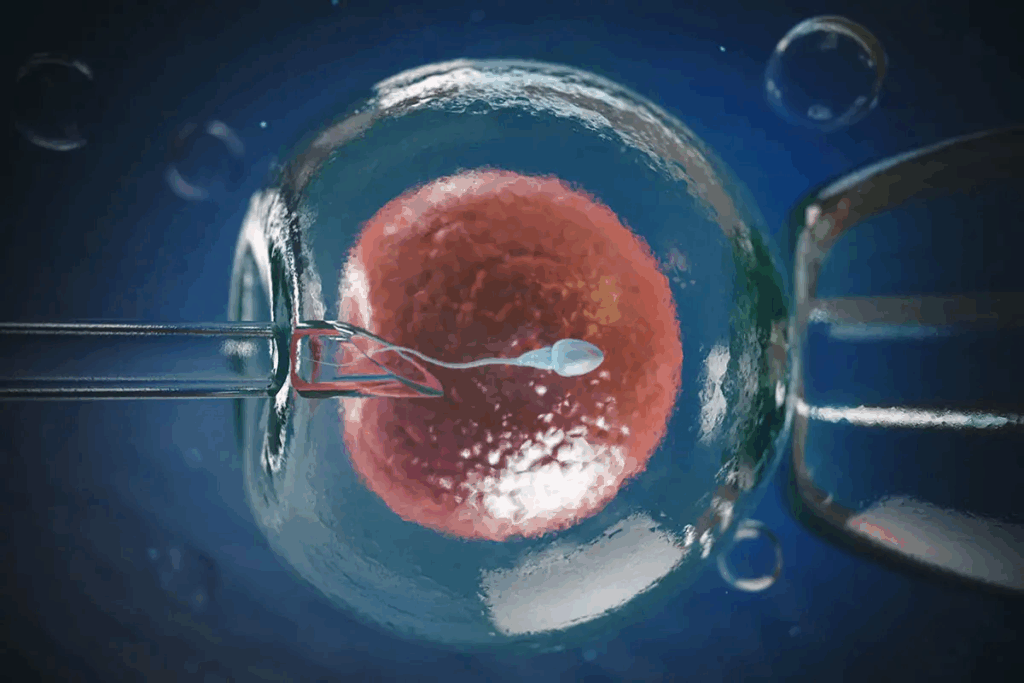
Understanding the IVF stimulation process is key. It helps manage expectations and spot normal feelings from signs that might worry you. This process uses hormones to get your ovaries to make many eggs. These eggs are then taken out and fertilized.
Typically, the stimulation phase lasts 8-14 days. During this time, you might feel pelvic pressure and some discomfort. This is because your follicles are growing. At Liv Hospital, we guide you through every step of IVF. We make sure you know what’s happening and support you every step of the way.
It’s important to watch how you feel during this time. We focus on you and your needs in fertility care. We help you know what to expect and how to deal with any symptoms.
Key Takeaways
- IVF stimulation typically lasts 8-14 days.
- Patients may experience pelvic pressure and mild discomfort.
- Monitoring physical sensations is key during IVF stimulation.
- Liv Hospital offers detailed guidance through each IVF stage.
- We put a focus on you in fertility care.
Understanding IVF Stimulation: The Foundation of Successful Egg Retrieval
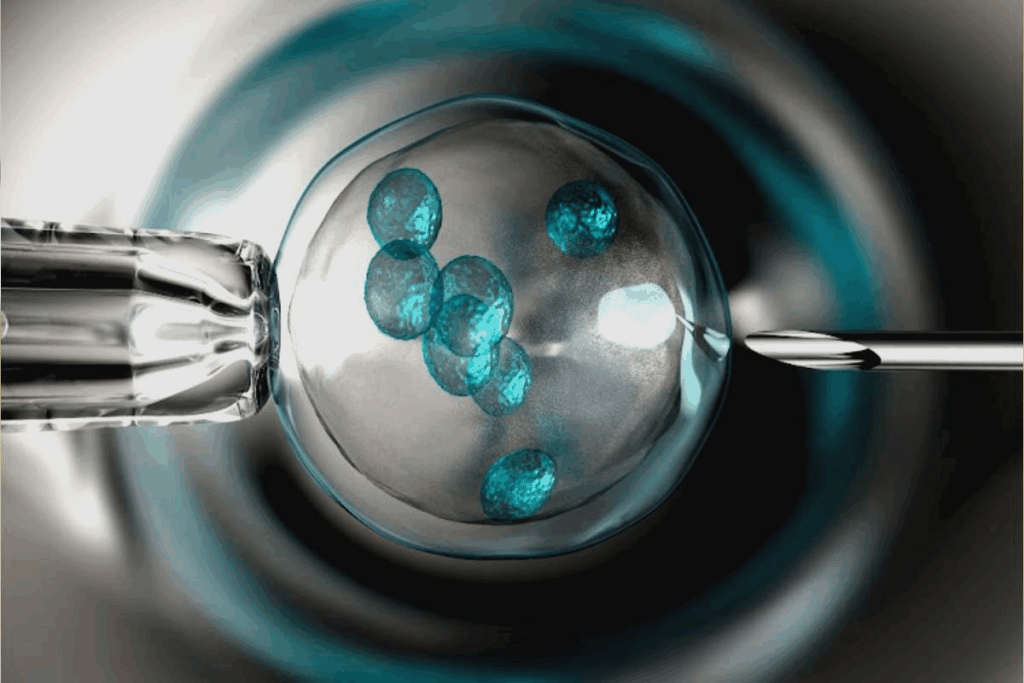
The IVF stimulation process is key to getting eggs. It makes the ovaries produce many eggs, boosting the chance of getting pregnant. Knowing how it works helps patients understand their IVF journey better.
What Happens During the Stimulation Phase
Patients get daily shots of FSH (Follicle-Stimulating Hormone) and sometimes LH (Luteinizing Hormone). These hormones help the ovaries grow many eggs. The goal is to get more eggs for better chances of fertilization.
The Role of FSH and LH Medications
FSH and LH medications are vital. FSH helps the eggs grow, and LH helps them mature. The right mix of these hormones is important for egg quality and quantity.
“The use of FSH and LH medications in IVF stimulation protocols has revolutionized the field of reproductive medicine, allowing for more controlled and effective treatment cycles.” – Medical Expert, Fertility Specialist
These medications are given through daily shots. The dose changes based on how the patient responds, checked by ultrasound and blood tests.
Medication Type | Function | Administration |
FSH | Stimulates follicle growth | Daily subcutaneous injections |
LH | Supports follicle maturation | Daily subcutaneous injections (sometimes) |
The Importance of Proper Stimulation Management
Managing the stimulation phase well is key. It helps avoid problems like Ovarian Hyperstimulation Syndrome (OHSS) and gets more healthy eggs. It’s about watching how the patient reacts and adjusting the treatment as needed.
Good management also means teaching patients how to give shots right, handling side effects, and talking openly with their doctor.
By getting the IVF stimulation process and the role of FSH and LH, patients can better understand their IVF journey. They can make informed choices about their care.
Preparing for Your IVF Stimulation Cycle
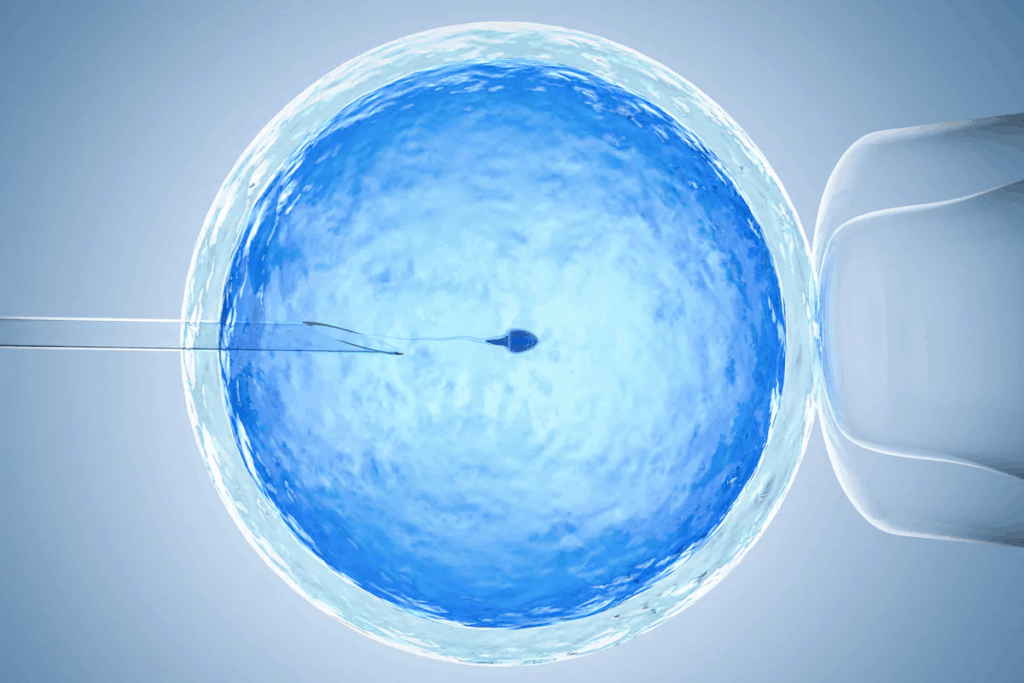
Before starting your IVF stimulation, it’s important to prepare well. Good preparation can greatly improve your chances of success. We’ll show you how to do pre-stimulation tests, make a medication calendar, and set up your injection station.
Pre-Stimulation Tests and Assessments
Your healthcare provider will do several tests before starting IVF stimulation. These tests check your ovarian reserve and overall health. They include:
- Blood tests to check hormone levels, such as FSH and estradiol
- Ultrasound to evaluate your ovarian reserve and uterine health
- Other assessments to ensure you’re ready for the stimulation process
These tests help your doctor create a personalized IVF plan for you. This increases your chances of success.
Creating Your Medication Calendar
Creating an IVF injections schedule is key to following your medication plan. To make your medication calendar:
- Review your IVF protocol with your healthcare provider
- Mark down the start date and duration of your stimulation
- Schedule your medication injections and monitoring appointments
- Set reminders for your injections to ensure you don’t miss a dose
Having a clear ivf stimulation preparation plan reduces stress. It also ensures you take your medications correctly.
Gathering Supplies and Setting Up Your Injection Station
To make your IVF injection process smoother, gather all necessary supplies. Your injection station should have:
- Your prescribed IVF medications
- Syringes and needles
- Alcohol swabs and gauze
- A sharps container for safe disposal
Having everything organized in one place makes administering injections easier. Consider practicing with a saline solution to get comfortable with the process.
By following these steps and working closely with your healthcare provider, you’ll be well-prepared for your IVF stimulation cycle. Remember, proper preparing for ivf stimulation is key to maximizing your chances of success.
When Do You Start Feeling Your Ovaries During IVF Stimulation?
Starting your IVF journey, you might wonder when you’ll feel the effects of ovarian stimulation. Knowing when these physical sensations start can help you feel more prepared and less worried.
Timeline of Physical Sensations
Most women start feeling ovarian sensations in the first week of stimulation. At first, you might feel a bit of cramping or a full feeling in your pelvis. As the ovaries react to the medications, these feelings can get stronger.
By days 4-7 of stimulation, women often notice bigger changes. You might feel more bloated, have mild discomfort, or sharp pains in your lower abdomen. These signs mean your ovaries are responding well to the medications.
Normal vs. Concerning Symptoms
Some discomfort is normal during IVF stimulation. But, it’s key to know the difference between normal and concerning symptoms. Common side effects include bloating, mild cramping, and mood swings. Yet, severe pain, heavy bleeding, or trouble urinating are serious and need immediate doctor’s attention.
Keep an eye on how your body reacts to the stimulation medications. If you notice anything unusual or severe, tell your healthcare provider right away. They can help manage side effects and see if changes to your treatment are needed.
Individual Variation in Symptom Onset
Remember, every woman’s body reacts differently to IVF stimulation. Your age, health, and the specific treatment plan used can affect when and how you feel these sensations.
Some women might feel symptoms early, while others might not notice them until later. Knowing this can help you manage your expectations and reduce stress during this time.
Days 1-3: Beginning Your Stimulation Journey
The first days of IVF stimulation, from days 1-3, start with hormonal injections. These injections help eggs grow. It’s important to know what to expect as you start your egg retrieval journey.
First Injection Techniques and Protocols
Getting your first IVF injection can seem scary, but it’s easier with the right guidance. Make sure you understand your medication plan. This includes the type of drug, how much, and when to take it. Always follow your fertility clinic’s advice for safe and effective injections.
Here are some tips for your first injection:
- Prepare your injection site with an alcohol swab
- Use a new needle and syringe for each shot
- Give the injection at the same time every day to keep medication levels steady
What to Expect Physically
In the first days of IVF, you might feel some mild side effects. These can include:
Symptom | Description |
Bloating | Mild belly discomfort from the stimulation |
Mood Swings | Feeling emotional due to hormone changes |
Injection Site Reactions | Redness, swelling, or bruising where you inject |
Emotional Considerations and Support
Starting IVF can be tough emotionally. You might feel anxious, hopeful, and unsure. Having a support system is key. This could be your partner, family, friends, or a support group. Talking to others who get it can help you feel better.
Remember, you’re not alone in this journey. Many find it helpful to write down their feelings and experiences. It can help you track your emotions and see how far you’ve come.
Days 4-7: When Ovarian Sensations Typically Begin
Days 4-7 are key in the IVF cycle. This is when you might start feeling ovarian sensations. The ovaries are reacting to the meds, and you’ll notice changes.
Common Physical Changes and Sensations
Women in IVF might feel different things during these days. You might feel:
- Pelvic pressure or discomfort
- Bloating or swelling in the abdominal area
- Mild cramping
- Increased urinary frequency
These signs mean your ovaries are working with the meds. But how you feel can differ.
Managing Increasing Discomfort
As stimulation grows, it’s key to handle discomfort. Here’s what we suggest:
- Use pain relievers as your doctor advises
- Try warm compresses on your lower belly
- Do gentle stretches
- Eat well and drink lots of water
Always follow your clinic’s advice on side effects. Tell them about any bad symptoms.
First Monitoring Appointments and Adjustments
By days 4-7, you’ll see your healthcare provider for the first time. They’ll use ultrasound and blood tests to check how you’re doing.
They might change your meds based on what they find. These changes help get more eggs and reduce side effects.
Knowing what to expect in days 4-7 helps you prepare. It lets you work with your healthcare team to face any challenges.
Days 8-10: Peak Stimulation Period
The peak stimulation period is between days 8-10 for IVF patients. During this time, the ovaries produce many follicles. This leads to stronger physical feelings and side effects.
Intensifying Symptoms and Management
As the ovaries keep stimulating, patients feel many changes. Common symptoms include:
- Bloating and abdominal discomfort
- Mood swings due to hormonal changes
- Breast tenderness
- Fatigue
It’s important to manage these symptoms. Stay hydrated, wear comfy clothes, and try relaxation techniques like deep breathing or meditation.
Medication Adjustments Based on Monitoring
Monitoring appointments track follicle growth during days 8-10. Your fertility specialist may change your medication based on ultrasound and hormone levels. This helps get the best egg retrieval results.
These changes are key. They make sure the ovaries are stimulated right. This increases the chance of successful egg retrieval and lowers the risk of OHSS.
Preparing for Possible Trigger Shot
As follicles get ready, a trigger shot might be needed. It’s given 34-36 hours before egg retrieval. It helps eggs mature fully.
Getting ready for the trigger shot means knowing the timing and side effects. It’s also important to follow your doctor’s instructions carefully.
Understanding the peak stimulation period helps IVF patients. It makes this tough but important part of treatment easier to handle.
Days 11-14: Final Stimulation Phase
As you enter the final days of your IVF cycle, you’ll be watching your progress closely. Days 11 to 14 are key. You’ll be getting ready for the egg retrieval process.
Final Monitoring and Follicle Measurements
Your fertility clinic will do ultrasounds and blood tests in these days. They check your follicles’ growth. This helps decide when to give the trigger shot for egg maturation.
Key factors monitored during this phase include:
- Follicle size and number
- Egg maturity
- Hormone levels
Day | Monitoring Activity | Expected Outcome |
11 | Ultrasound and blood test | Assessment of follicle development |
12 | Possible additional monitoring | Adjustments to medication if needed |
13 | Final assessment before trigger shot | Decision on trigger shot timing |
Trigger Shot Administration and Timing
The trigger shot is given 34-36 hours before egg retrieval. It helps eggs mature fully for retrieval.
It’s essential to follow your clinic’s instructions precisely regarding the timing and administration of the trigger shot.
36-Hour Pre-Retrieval Instructions
After the trigger shot, you’ll get ready for egg retrieval. You’ll need to:
- Follow dietary instructions from your clinic
- Arrange for someone to accompany you to the procedure
- Plan for rest and recovery after
Understanding the final stages of IVF and following your clinic’s advice can improve your chances. This way, you can have a successful egg retrieval and IVF cycle.
Lifestyle Recommendations During IVF Stimulation
Living a healthy lifestyle during IVF is key. It’s not just good for you; it’s essential for your treatment’s success. We suggest making a few changes to help you feel better and increase your chances of success.
Nutrition and Hydration Guidelines
Eating well is important during IVF. Eat lots of fruits, veggies, whole grains, and lean proteins. These foods give you the vitamins and minerals your body needs. Also, drink at least 8-10 glasses of water a day to keep your body working right.
Watch your caffeine and sugar intake. Try to limit or avoid them to avoid side effects and stay healthy. Adding foods rich in antioxidants, like berries and leafy greens, can boost your diet.
- Add omega-3 fatty acids from fish and nuts to help with hormone production.
- Choose whole grains over simple sugars for better carbs.
- Don’t drink too much alcohol, as it can harm your fertility.
Physical Activity Modifications
While you shouldn’t do too much exercise, some gentle activities are good. Try yoga, walking, or light swimming. These can improve blood flow, lower stress, and make you feel better.
But, avoid hard activities or anything that might hurt you. Pay attention to how your body feels. If you’re in pain or uncomfortable, stop and talk to your doctor.
- Start with short walks of 10-15 minutes.
- Slowly increase the time and effort as you get more comfortable.
- Think about adding relaxation techniques like deep breathing or meditation to your routine.
Sleep and Stress Management Techniques
Getting enough sleep and managing stress are vital. Try to sleep 7-8 hours each night to help your body heal and respond to treatment. A regular sleep schedule and a calming bedtime routine can help you sleep better.
Stress-reducing activities like meditation, journaling, or therapy are also important. Doing things that make you happy and help you relax can reduce IVF stress. Look into mindfulness or talk to friends and professionals for support.
“Managing stress and getting enough rest are just as important as the medical treatment itself. By taking care of your overall well-being, you’re giving yourself the best possible chance of success.”
— Fertility Specialist
By following these lifestyle tips, you can support your IVF treatment and health. Remember, a balanced lifestyle is a strong addition to your medical care.
Managing Side Effects Throughout the Stimulation Process
Understanding and managing IVF stimulation side effects can make the treatment better. IVF uses medicines to get many eggs from the ovaries. This can cause physical and emotional side effects.
Common Physical Side Effects and Remedies
Women may feel many physical side effects during IVF. These include bloating, mood swings, and tiredness. These happen because of the hormones and the ovaries working hard.
- Bloating and abdominal discomfort
- Mood swings and emotional changes
- Injection site reactions
- Fatigue and sleep disturbances
To deal with these side effects, there are ways to help. For bloating, try over-the-counter pain relievers and warm compresses. To avoid soreness from injections, change where you inject and use the right technique.
Side Effect | Remedy |
Bloating and abdominal discomfort | Over-the-counter pain relievers, warm compresses |
Injection site reactions | Rotating injection sites, proper injection techniques |
Mood swings | Stress management techniques, emotional support |
Emotional and Hormonal Changes
The hormones in IVF can make you feel very emotional. You might feel moody, anxious, or overwhelmed. Having people you trust around is very important.
Try stress-reducing activities like meditation or yoga. Talking to your doctor about how you feel is also key.
When to Contact Your Doctor Immediately
Some side effects need quick medical help. If you have severe pain, quick weight gain, or big bloating, call your doctor right away.
Watch out for signs of Ovarian Hyperstimulation Syndrome (OHSS). It’s a serious issue that can happen during IVF. Symptoms include a lot of pain, nausea, vomiting, and trouble breathing.
Knowing about IVF side effects and how to handle them can make your treatment better. It helps you feel more in control and improves your experience.
Conclusion: Navigating Your IVF Stimulation Journey Successfully
Managing IVF stimulation well is key to a good outcome. Knowing the process and being ready for its challenges can help a lot. We’ve shown you the IVF stimulation steps, from start to finish.
As you go through your IVF journey, staying informed and supported is important. Your medical team is a big help. By following their advice and going to check-ups, you keep your treatment on track.
Getting the right support is also vital. This includes medical help and emotional care. Talking to others going through the same thing can offer great advice and comfort.
Remember, every IVF cycle is different. Being flexible and following your healthcare provider’s advice is important. With the right attitude and support, you can get the best results.
FAQ
What is IVF stimulation, and how long does it typically last?
IVF stimulation, or ovarian stimulation, uses meds to get your ovaries to make many eggs. It usually lasts 8-14 days. But, it can change based on your body.
When do you start feeling your ovaries during IVF stimulation?
You might feel changes in your ovaries around days 4-7. This is when they start making more follicles and hormones.
What are the common physical sensations and symptoms during IVF stimulation?
You might feel bloated, crampy, have tender breasts, or feel moody. These feelings can change and are often helped with meds and lifestyle changes.
How do FSH and LH medications work together during IVF stimulation?
FSH and LH meds help your ovaries make eggs. FSH grows follicles, and LH helps with ovulation and egg maturation.
What is the importance of monitoring appointments during IVF stimulation?
Monitoring appointments are key. They help track your follicles, adjust meds, and prevent OHSS.
Can you start IVF on day 4 of your cycle?
IVF usually starts on day 2 or 3. But, it can start on day 4 in some cases. It depends on your body and the clinic’s plan.
How many days of stims before egg retrieval?
Stimulation days before egg retrieval vary. It’s usually 8 to 14 days. It depends on how well your body responds and follicle growth.
What are the side effects of IVF stims?
Side effects include bloating, cramps, tender breasts, mood swings, and tiredness. Severe side effects like OHSS need immediate doctor’s attention.
How can I manage discomfort during IVF stimulation?
Use over-the-counter pain meds, warm compresses, and rest. Always follow your doctor’s advice for symptom management.
What lifestyle modifications can support IVF stimulation?
Eat well, drink plenty of water, do gentle exercise, and try stress-reducing activities like meditation or yoga.
When should I contact my doctor during IVF stimulation?
Call your doctor right away for severe symptoms like bad pain, heavy bleeding, or trouble breathing. Always share any concerns or questions with your healthcare provider.
References
National Center for Biotechnology Information. IVF Stimulation: A Day-by-Day Management Guide. Retrieved from https://www.ncbi.nlm.nih.gov/pmc/articles/PMC7203749/