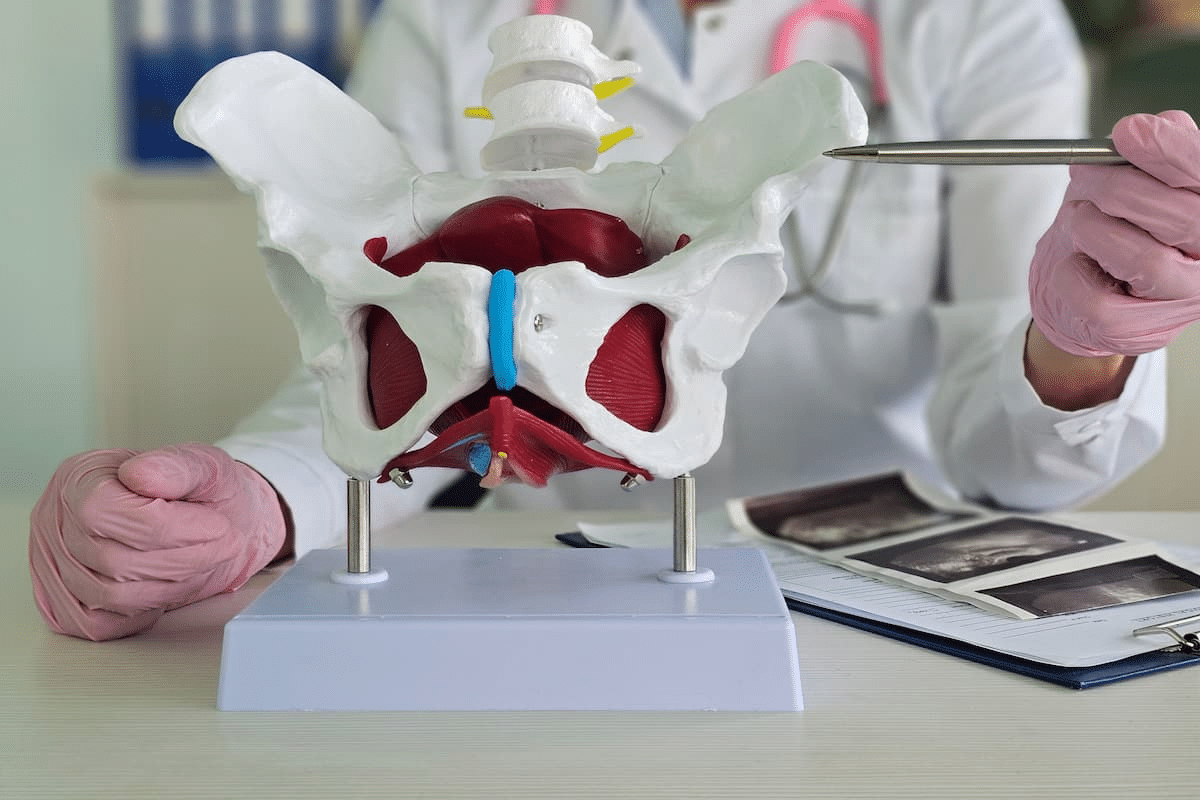
Guide to reading the female bone density chart by age and understanding T-scores for osteoporosis diagnosis and risk. It’s important to know how bone density changes as women get older. Women usually reach their highest bone mass around age 30. After that, it starts to go down.
This natural drop, mainly after menopause, can lead to osteoporosis if not handled right. Knowing how bone density changes with age and the importance of T-scores for bone health is key for staying healthy.
Key Takeaways
- Peak bone mass is typically reached around age 30.
- Bone density declines with age, increasing the risk of osteoporosis.
- T-scores are key for checking bone health.
- Early screening can help prevent osteoporosis.
- Understanding bone density charts is vital for long-term health.
Bone Density Fundamentals
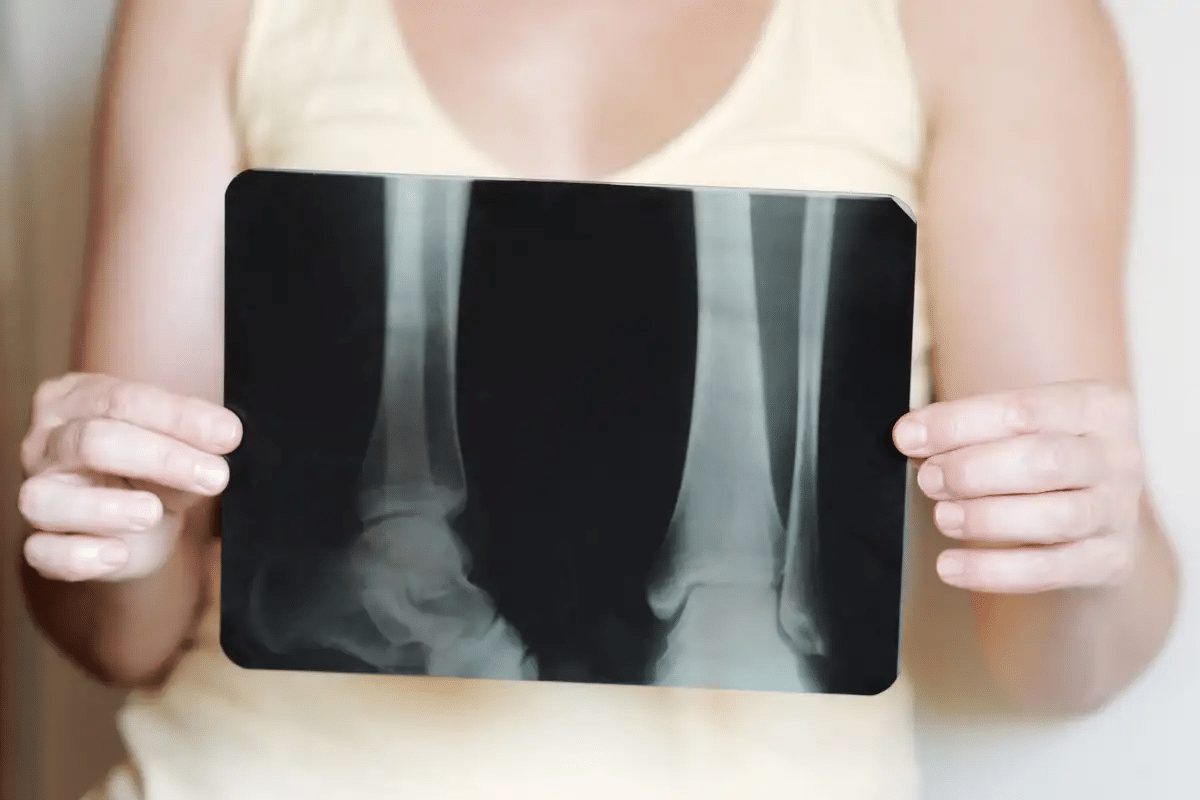
Bone health is key to avoiding fractures and osteoporosis. It shows how well your bones are doing. Women, in particular, face a higher risk of bone problems as they get older.
What Is Bone Density?
Bone density is about the minerals, like calcium, in your bones. It shows how strong your bones are. If your bone density is high, your bones are strong. But if it’s low, your bones are weak and can break easily.
Why Bone Health Matters for Women
Bone health is very important for women because they face a higher risk of osteoporosis after menopause. Hormonal changes can cause a quick drop in bone density. So, it’s vital for women to keep an eye on their bone health all their lives.
Keeping your bone density in check is essential to avoid osteoporosis and fractures. Women can help their bones by eating right, exercising regularly, and sometimes getting medical help.
Female Bone Density Chart by Age

It’s important for women to know how bone density changes with age. Bone density, or bone mineral density (BMD), shows how healthy our bones are. It changes a lot as women get older.
Women usually reach their highest bone density in their late 20s to early 30s. After that, their bone density starts to go down. This happens more quickly during and after menopause. Knowing about these changes helps prevent osteoporosis.
Peak Bone Mass Development (Ages 20-30)
In their 20s, women keep building bone mass. They reach their peak bone density around age 30. This is a key time to focus on good nutrition and exercise for strong bones.
Early Bone Density Changes (Ages 30-45)
After reaching their peak, women start to lose bone density. How fast this happens can depend on diet, exercise, and smoking.
Perimenopausal Transition (Ages 45-55)
During perimenopause, hormonal changes cause bone loss to speed up. Women in this age should pay extra attention to keeping their bones healthy.
Postmenopausal Decline (Ages 55-65)
After menopause, bone density drops a lot because of lower estrogen levels. This is a key time to check for fracture risk and think about prevention.
|
Age Group |
Bone Density Status |
Recommendations |
|---|---|---|
|
20-30 |
Peak Bone Mass Development |
Maximize calcium intake, exercise regularly |
|
30-45 |
Gradual Decline |
Maintain healthy lifestyle, monitor bone density |
|
45-55 |
Perimenopausal Transition |
Consider hormone replacement therapy, lifestyle adjustments |
|
55-65 |
Postmenopausal Decline |
Assess fracture risk, consider preventive measures |
Knowing about bone density changes helps women take care of their bones. This can lower the risk of osteoporosis.
Understanding T-Scores in Bone Density
Knowing about T-scores is key to spotting osteoporosis and osteopenia. T-scores come from bone density tests. These tests measure the minerals in your bones. They compare your bone density to a healthy young adult of the same sex.
Calculation of T-Scores
T-scores compare your bone density to a healthy young adult’s. The difference is measured in standard deviations.
Formula: T-score = (Patient’s bone density – Average bone density of young adults) / Standard deviation
Normal Range: T-Score of -1.0 or Higher
A T-score of -1.0 or higher means your bone density is normal. It’s within one standard deviation of a young, healthy adult’s average.
Osteopenia Range: T-Score Between -1.0 and -2.4
Osteopenia means your bone density is lower than normal but not too low. It’s a sign you might need to take steps to prevent osteoporosis.
Osteoporosis Range: T-Score of -2.5 or Lower
A T-score of -2.5 or lower shows osteoporosis. This means your bone density is much lower than a healthy young adult’s. It raises your risk of fractures.
The table below shows T-score ranges and what they mean for your bone health:
|
T-Score Range |
Bone Health Status |
|---|---|
|
-1.0 or higher |
Normal |
|
Between -1.0 and -2.4 |
Osteopenia |
|
-2.5 or lower |
Osteoporosis |
Average T-Scores by Age for Women
The average T-score, a key indicator of bone density, changes significantly across different age groups in women. Understanding these changes is essential for identifying women at higher risk of osteoporosis and implementing preventive measures.
T-Scores in Young Adult Women (Ages 20-40)
In young adult women, T-scores are typically at their highest, often around 0 or slightly above, indicating strong bone density. This is because bone density usually peaks in the late 20s to early 30s. For instance, a study might show an average T-score of -0.2 in this age group.
T-Scores During Perimenopause (Ages 40-55)
During perimenopause, T-scores begin to decline as estrogen levels start to decrease. This transition can lead to a slight drop in bone density. Average T-scores in this age group might range from -0.5 to -1.0.
T-Scores After Menopause (Ages 55-70)
Postmenopause is associated with a more significant decline in T-scores due to the continued decrease in estrogen levels. Women in this age group may have average T-scores ranging from -1.5 to -2.5, indicating a higher risk of osteopenia or osteoporosis.
T-Scores in Elderly Women (Ages 70+)
In elderly women, T-scores are often lower, typically -1.5 or lower, reflecting the natural aging process and the cumulative effect of bone loss over time. This age group is at the highest risk for osteoporosis and fractures.
Key Factors Influencing T-Scores:
- Hormonal Changes: Decrease in estrogen levels, specially during and after menopause.
- Lifestyle Factors: Diet, exercise, and smoking habits.
- Genetic Predisposition: Family history of osteoporosis.
Understanding the average T-scores by age helps healthcare providers identify women at risk and recommend appropriate interventions. Regular bone density screenings and preventive measures can significantly reduce the risk of osteoporosis and fractures in older age.
Fracture Risk Assessment
Assessing fracture risk is key in managing osteoporosis and preventing breaks in women. As bone density drops, the chance of fractures goes up. It’s vital to know how to check and lower this risk.
How T-Scores Correlate with Fracture Risk
T-scores from bone density tests are important for checking fracture risk. A lower T-score means lower bone density and a higher risk of breaks. Studies show that for every point drop in T-score, the risk of breakage goes up 1.5 to 2 times.
“The link between T-scores and fracture risk is key in fighting osteoporosis,” say experts. Knowing this helps doctors create better treatment plans to lower break risk.
The 1.5-2x Rule: Understanding Your Risk Factor
The 1.5-2x rule helps guess how much fracture risk goes up with each T-score drop. For example, a T-score of -2.0 means a woman’s fracture risk is 1.5 to 2 times higher than someone with a T-score of -1.0. This rule shows why early action and prevention are so important for bone health.
Common Fracture Sites in Women with Low Bone Density
Women with low bone density face a higher risk of fractures in certain spots. The most common areas include:
- The hip, where fractures can greatly affect mobility and independence.
- The spine, where fractures can cause height loss and spinal deformity.
- The wrist, a common fracture site, often seen in those with osteoporosis.
Knowing these common fracture spots helps in taking targeted steps to prevent them. This includes preventing falls and doing exercises to strengthen muscles around these areas.
Hormonal Influences on Female Bone Health
Estrogen is a key hormone that affects bone health in women. It helps prevent osteoporosis. Hormones control many body functions, including bone density. In women, estrogen is very important for bone health.
Estrogen’s Protective Role
Estrogen keeps bones strong by helping build bone and stopping bone loss. This balance is key for strong bones. Studies show estrogen receptors in bone cells, showing estrogen’s direct impact on bones.
Key effects of estrogen on bone health include:
- Regulation of bone resorption
- Promotion of calcium absorption
- Maintenance of bone density
Menopause and Accelerated Bone Loss
Menopause brings big changes in hormone levels, including a drop in estrogen. This drop speeds up bone loss. The loss of estrogen’s protective effect raises the risk of osteoporosis and fractures.
The table below shows the average bone loss in women at different life stages:
|
Life Stage |
Average Annual Bone Loss (%) |
|---|---|
|
Premenopause |
0.5-1% |
|
Perimenopause |
1-2% |
|
Postmenopause |
2-5% |
Hormone Replacement Therapy Considerations
Hormone Replacement Therapy (HRT) is often used to help with menopause’s bone loss. It adds estrogen (and sometimes progesterone) to replace lost hormones. While HRT can help keep bones strong, it’s important to think about the risks, like breast cancer and heart problems.
Choosing HRT should be a personal decision. It depends on a woman’s health, risk of osteoporosis, and what she prefers. Other treatments for osteoporosis, like bisphosphonates and SERMs, might also be options.
Risk Factors for Low Bone Density
Knowing the risk factors for low bone density is key for early care. Many things can make someone more likely to get osteoporosis or lose bone density.
Genetic and Family History Factors
Genetics play a big role in bone density. If your family has osteoporosis, you might be at higher risk. Studies show genes can affect how much bone you have and how fast it loses.
Lifestyle Contributors
How you live affects your bones. Smoking and drinking too much alcohol hurt bone health. Not exercising enough or not doing weight-bearing activities also weakens bones.
Medical Conditions Affecting Bone Health
Some health issues raise the risk of low bone density. Thyroid problems, rheumatoid arthritis, and chronic kidney disease are examples. It’s important to manage these conditions to keep bones strong.
Medications That Impact Bone Density
Some medicines can harm bone density. Corticosteroids are one example, causing bone loss over time. Other drugs, like antidepressants and anticonvulsants, can also affect bones.
Knowing these risks helps people take steps to keep their bones strong. This can lower the chance of getting osteoporosis.
Prevention and Treatment Strategies
Keeping bones strong needs good nutrition, regular exercise, and smart choices about supplements and treatments. A good plan for preventing and treating osteoporosis must fit the person’s age, health, and risk factors.
Nutrition for Optimal Bone Health
Eating a balanced diet with enough calcium and vitamin D is key. Foods high in calcium include dairy, leafy greens, and fortified cereals. Adequate protein intake helps your body absorb these important minerals.
Other nutrients like magnesium, potassium, and vitamin K are also vital. You can find them in fruits, vegetables, and whole grains. Eating a variety of whole foods is the best way to support bone health.
Exercise Recommendations by Age Group
Exercise is vital for keeping bones strong. Younger women can benefit from high-impact activities like running. Older women might do better with lower-impact exercises like walking or swimming.
Resistance training with weights or bands is good for all ages. Always talk to a doctor or fitness expert to make sure your exercise plan is right for you.
Calcium and Vitamin D Supplementation
While food is best, supplements can help too. Calcium and vitamin D are often recommended for those at risk of osteoporosis. Always get advice from a healthcare provider on the right supplement and dosage for you.
It’s also important to watch out for too much calcium and vitamin D. Monitoring and adjustment under a doctor’s watch can prevent problems.
Prescription Medications for Bone Preservation
For those at high risk of fractures or with osteoporosis, medication might be needed. These drugs can slow bone loss and even increase density. Bisphosphonates are a common choice, but other options like SERMs and parathyroid hormone analogs may also be used.
Starting medication should always be a decision made with a healthcare provider. They will consider your health, possible side effects, and the drug’s specifics.
Conclusion
Knowing about bone density and T-scores is key to keeping bones healthy and avoiding osteoporosis. Bone density changes with age, and knowing these changes helps in early action.
Women face a higher risk of losing bone density, mainly during and after menopause. This is because estrogen levels drop. Eating right, exercising, and sometimes hormone therapy can help a lot.
By understanding the risks and taking action, people can lower their chance of osteoporotic fractures. It’s important to get regular check-ups and bone density tests. This helps in keeping an eye on bone health and making necessary changes.
Looking after bone health is a long-term effort. It involves making good lifestyle choices and sometimes medical treatments. By doing this, women can keep their bones strong and lower the risk of osteoporosis all their lives.
FAQ
What is bone density, and why is it important for women?
Bone density shows how strong bones are by measuring minerals like calcium. It’s key for women, as they face a higher risk of osteoporosis, a condition that weakens bones, after menopause.
At what age does bone density begin to decrease in women?
Bone density peaks in women in their late 20s to early 30s. Then, it starts to go down, with a faster drop after menopause, around ages 45-55.
What is a T-score, and how is it used to assess bone health?
A T-score compares your bone density to a healthy young adult’s. It’s from a DXA scan and helps spot osteopenia and osteoporosis.
What is considered a bad bone density score?
A T-score of -2.5 or lower means you’re at high risk for fractures. Scores between -1.0 and -2.4 show lower bone density, known as osteopenia.
How does menopause affect bone density?
Menopause leads to a drop in estrogen, which protects bones. Without enough estrogen, bones lose density faster, raising the risk of osteoporosis.
Can lifestyle changes help prevent or treat osteoporosis?
Yes, eating right, exercising, and avoiding smoking and too much alcohol can help. A diet rich in calcium and vitamin D, along with exercises that strengthen bones, are key.
What are the common fracture sites in women with low bone density?
Women with low bone density often break hips, spines, and wrists. These breaks can really hurt your quality of life and are a big worry for those with osteoporosis.
How does hormone replacement therapy (HRT) impact bone density?
HRT can keep bone density up by replacing estrogen lost during menopause. But, it’s a choice that should be made with care, after talking to a doctor about your risks.
Are there any medications that can help preserve bone density?
Yes, there are medicines like bisphosphonates, denosumab, and teriparatide. They can help keep bones strong and lower the chance of fractures in people with osteoporosis.
Is it too late to build bone density after menopause?
It’s true that bone density naturally goes down with age. But, it’s not too late to improve bone health after menopause. Making lifestyle changes and, if needed, taking medication can slow bone loss and lower fracture risk.
References
National Center for Biotechnology Information. Evidence-Based Medical Guidance. Retrieved from https://pubmed.ncbi.nlm.nih.gov/1414480/