
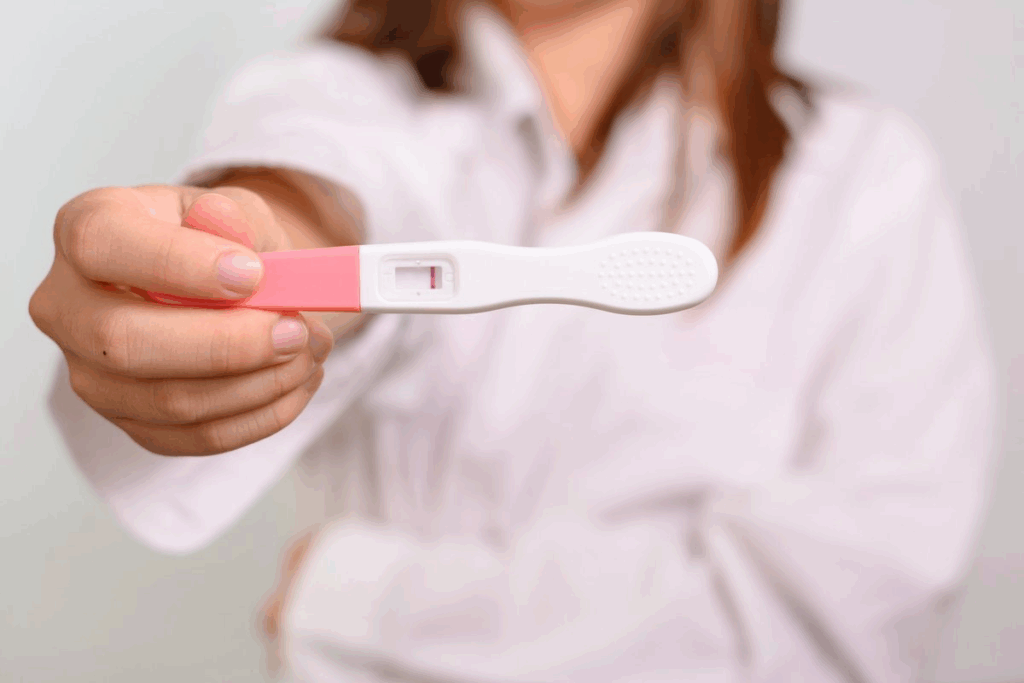
Infertility is a big problem worldwide. About 17.5% of couples face it, says the World Health Organization.
For women, infertility often comes from problems with ovulation, issues with the uterus or cervix, and damage to the fallopian tubes.
At Liv Hospital, we get how tough infertility can be. We offer detailed checks and caring support. This helps people understand their situation and find the right treatment.
Key Takeaways
- Approximately 17.5% of couples globally experience infertility.
- Female factor infertility is a significant contributor to overall infertility cases.
- Common causes include ovulation disorders and reproductive structural abnormalities.
- Comprehensive medical evaluation is key to understanding individual causes.
- Liv Hospital offers compassionate support and advanced treatment options.
The Scope of Female Infertility: Global Statistics and Impact
Infertility in women is a complex issue that needs a deep understanding. It affects many people worldwide. We must know what it is and how it impacts individuals and couples.
Definition and Medical Criteria
Female infertility means not getting pregnant after a year of trying. The World Health Organization calls it a disease of the reproductive system. This shows it’s a health issue, not just a personal problem.
Doctors look at several things to diagnose infertility. They check how long you’ve been trying, your age, and any health issues.
Global Prevalence Rates
Worldwide, about 17.5% of adults face infertility. In 2021, there were 110.1 million cases of female infertility. These numbers show how common it is.
The rate of infertility changes in different places. It’s influenced by lifestyle, environment, and healthcare access. Knowing this helps us create better solutions.
| Region | Prevalence of Infertility |
|---|---|
| North America | 12% |
| Europe | 14% |
| Asia | 18% |
| Africa | 20% |
Psychological and Social Impact
Infertility affects more than just health. It can cause emotional pain, making people feel isolated, depressed, and anxious.
It can also strain relationships and lead to stigma. Having support from loved ones and healthcare is key to dealing with these issues.
Understanding female infertility is vital. Knowing its definition, prevalence, and effects helps us help those affected. This knowledge is essential for creating effective treatments and support.
Female Infertility Percentage: Breaking Down the Numbers

Many women face the challenge of infertility, with about one in seven affected worldwide. It’s important to understand how common this issue is to tackle it effectively.
Current Statistics Worldwide
Studies show that 13.4% of women globally struggle with infertility. This means millions of women are trying to conceive but facing obstacles. The global prevalence of infertility changes based on age, lifestyle, and health conditions.
Infertility isn’t just a problem in certain places; it’s a worldwide issue. The infertility statistics are similar everywhere, but some groups face more challenges due to their environment and economic status.
Regional Variations in Prevalence
The global average for female infertility is 13.4%, but rates vary by region. In some areas, the prevalence rates are higher because of limited healthcare, infections, and other health issues.
In some places, the female infertility rate is affected by economic and educational factors. In contrast, areas with better healthcare systems see different trends, often linked to women having children later in life.
Trends and Projections
Looking at infertility trends, we see that it’s not always the same. It can change due to lifestyle changes, better healthcare, and shifting societal values.
Experts predict that infertility in female populations will remain a big issue in the future. Research and improvements in reproductive health are key to overcoming these challenges.
Ovulation Disorders: The Primary Cause
Ovulation disorders are the main reason for female infertility, affecting many women worldwide. These disorders happen when an egg doesn’t release from the ovary as it should. We’ll look at how common they are, their types, and how they affect fertility.
Anovulation and Its 40% Prevalence
Anovulation, or not ovulating, is a big problem for women, making up about 40% of infertility cases. Without an egg, getting pregnant is hard or impossible without help. Many things can cause anovulation, like hormonal imbalances, stress, and some health issues.
Prevalence of Anovulation: Research shows anovulation is a big issue for women trying to get pregnant. Knowing why it happens and how to fix it is key to helping them.
Polycystic Ovary Syndrome (PCOS)
PCOS is a hormonal disorder that often leads to anovulation. Women with PCOS have cysts on their ovaries, irregular periods, and high androgens. It’s linked to insulin resistance, obesity, and other health problems.
| Condition | Characteristics | Impact on Fertility |
|---|---|---|
| PCOS | Hormonal imbalance, multiple ovarian cysts, irregular menstrual cycles | Anovulation, insulin resistance |
| Hypothalamic Dysfunction | Disrupted GnRH secretion, hormonal imbalance | Anovulation, irregular menstrual cycles |
Hypothalamic Dysfunction
Hypothalamic dysfunction is another big problem for ovulation. The hypothalamus controls GnRH, which affects LH and FSH from the pituitary gland. When this system fails, it can lead to anovulation and other fertility issues.
It’s important to understand ovulation disorders to find good treatments. By tackling the root causes, doctors can help women with these issues get pregnant.
Fallopian Tube Damage and Blockage
Damage to the fallopian tubes is a big reason for female infertility. This damage often comes from conditions like pelvic inflammatory disease and endometriosis. The fallopian tubes are key for fertility, helping the egg move from the ovary to the uterus. If these tubes are damaged or blocked, it can stop fertilization or implantation, causing infertility.
Pelvic Inflammatory Disease (PID)
Pelvic inflammatory disease is a major cause of fallopian tube damage. PID is an infection that can cause inflammation and scarring in the fallopian tubes, leading to blockage. We will look at how PID affects fallopian tube damage and its impact on fertility.
PID Statistics and Tubal Damage
| Condition | Percentage of Women Affected | Risk of Tubal Damage |
|---|---|---|
| PID | 10-15% | High |
| Untreated PID | – | Up to 40% risk of infertility |
| Recurrent PID | – | Increased risk of ectopic pregnancy |
Endometriosis-Related Tubal Damage
Endometriosis is another big factor in fallopian tube damage. The growth of endometrial tissue outside the uterus can cause inflammation, scarring, and adhesions that may affect the fallopian tubes. We will talk about how endometriosis impacts tubal function and fertility.
Previous Surgeries and Adhesions
Surgical procedures, mainly those in the pelvic area, can lead to adhesions. These adhesions may damage or block the fallopian tubes. We will look at how previous surgeries can affect fallopian tube damage.
Understanding the causes and effects of fallopian tube damage is key to finding effective treatments for infertility. By tackling the underlying conditions causing tubal damage, we can help women with infertility.
Uterine and Cervical Abnormalities
The health of the uterus and cervix is key to female fertility. Many abnormalities can block conception. Knowing about these issues helps in finding the right treatment.
Congenital Malformations
Congenital malformations happen during fetal development. They can include a unicornuate uterus, bicornuate uterus, or septate uterus. These can lead to miscarriage, preterm labor, and infertility.
Fibroids and Polyps
Fibroids and polyps are growths in the uterus. Fibroids are usually not cancerous and can be different sizes. Polyps grow on the uterine lining. Both can affect fertility by blocking implantation or changing the uterine shape.
Cervical Stenosis and Mucus Issues
Cervical stenosis is when the cervical canal narrows. This can stop sperm from passing through. Also, cervical mucus problems can block sperm. The cervix’s mucus helps or hinders sperm, depending on the menstrual cycle.
It’s important to understand and treat uterine and cervical issues to boost fertility. There are many ways to diagnose and treat these problems, from surgery to advanced reproductive technologies.
Endometriosis: A Major Contributor to Infertility
Endometriosis is when endometrial tissue grows outside the uterus. It’s a big reason why women struggle with infertility. Understanding this condition is key for those trying to overcome fertility issues.
Pathophysiology and Fertility Impact
Endometriosis causes endometrial-like tissue to grow outside the uterus. This leads to inflammation, scarring, and adhesions. These issues can harm the ovaries, fallopian tubes, and the pelvic area, making it hard to get pregnant.
Key factors affecting fertility in endometriosis include:
- Ovulatory dysfunction
- Pelvic adhesions and scarring
- Inflammation and oxidative stress
- Distorted pelvic anatomy
Diagnosis and Classification
Diagnosing endometriosis is tricky. Doctors use clinical exams, imaging, and laparoscopy to figure it out. The disease is classified using the rASRM system, based on how widespread it is.
| Stage | Description |
|---|---|
| I | Minimal disease with few implants |
| II | Mild disease with more implants |
| III | Moderate disease with multiple implants and some adhesions |
| IV | Severe disease with extensive implants and significant adhesions |
Management Approaches for Fertility Preservation
There are many ways to manage endometriosis and keep fertility alive. Medical treatments help control symptoms and slow the disease. Surgery can remove lesions and fix the pelvic area.
Fertility preservation strategies may include:
- Hormonal therapies to manage symptoms
- Surgical excision of endometriotic lesions
- Assisted reproductive technologies (ART) like IVF
- Lifestyle modifications to reduce symptoms and improve overall health
Age-Related Fertility Decline
Age affects female fertility in many ways. It changes both the quality and number of eggs. As women get older, they have fewer eggs, and the eggs they do have are more likely to have problems.
Changes in Ovarian Reserve and Egg Quality
A woman’s ovaries can only provide so many eggs for fertilization. This number goes down as she ages. By her mid-to-late 30s, the eggs she has are both fewer and of lower quality.
Key changes include:
- Reduced number of eggs available for ovulation
- Increased risk of chromosomal abnormalities, such as Down syndrome
- Higher likelihood of aneuploidy, leading to miscarriages or failed pregnancies
Statistics on Advanced Maternal Age
Advanced maternal age is when a woman is 35 or older when she gives birth. This age brings higher risks of miscarriage, chromosomal problems, and pregnancy issues.
| Age Group | Pregnancy Rate per 100 Women | Miscarriage Rate per 100 Pregnancies |
|---|---|---|
| 20-24 | 80-90 | 10 |
| 30-34 | 60-70 | 15 |
| 40-44 | 10-20 | 40 |
“The age of the woman is the most significant factor affecting the chances of a successful pregnancy. As women delay childbearing, understanding the implications of age on fertility becomes increasingly important.”
Social Trends in Delayed Childbearing
There’s been a big shift towards waiting longer to have children. This is due to more education and career chances for women, and changes in how society views family planning.
Notably:
- More women are pursuing higher education and establishing their careers before starting a family.
- Advances in reproductive technology have provided more options for women facing age-related fertility issues.
- Changing social norms have led to increased acceptance of older mothers.
It’s key to understand these trends and their effects on fertility. As we deal with the challenges of aging and fertility, we must consider biological, social, and technological factors.
Lifestyle Factors Affecting Female Fertility
Many lifestyle choices can impact our ability to conceive. Understanding these factors can help us make better choices for our fertility.
Smoking and Its 13% Attribution Rate
Smoking is a big risk for female infertility, causing about 13% of cases. Cigarettes contain harmful chemicals that can damage the reproductive system. This can hurt egg quality and ovulation. Quitting smoking is key to improving fertility.
Weight Abnormalities (12% of Cases)
Being overweight or underweight affects about 12% of female infertility cases. Keeping a healthy weight is vital for regular ovulation and reproductive health. A balanced diet and regular exercise can help maintain a healthy weight.
Alcohol, Caffeine, and Environmental Exposures
Drinking too much alcohol and too much caffeine can lower fertility. Also, some environmental toxins can harm reproductive health. Reducing alcohol and caffeine intake and avoiding harmful chemicals can boost fertility.
- Drink alcohol in moderation.
- Stay under 200mg of caffeine daily.
- Avoid pesticides and heavy metals.
Stress and Exercise Considerations
Too much stress can harm fertility by messing with hormone levels and ovulation. Yoga or meditation can help reduce stress. Regular, moderate exercise is also good for reproductive health.
- Practice stress management.
- Do moderate exercise.
- Get enough sleep and relax.
By tackling these lifestyle issues, women can improve their fertility and chances of getting pregnant.
Medical Conditions and Treatments Impacting Fertility
Medical conditions and treatments can greatly affect a woman’s ability to get pregnant. This is a complex issue with many factors involved.
Premature Ovarian Insufficiency
Premature ovarian insufficiency (POI) happens when ovaries stop working early, before 40. It can cause infertility and symptoms like hot flashes. About 1% of women under 40 have POI, due to genetics, autoimmune disorders, and treatments.
Early diagnosis and treatment are key for managing POI. Hormone replacement therapy (HRT) helps with symptoms. But, talking about fertility options with a doctor is also important.
Autoimmune Disorders
Autoimmune disorders happen when the body attacks itself. Conditions like lupus and rheumatoid arthritis can make it hard to get pregnant. The exact reasons are not fully known, but inflammation and autoantibodies are thought to play a part.
Managing autoimmune disorders well is vital for women trying to conceive. Working closely with a doctor to adjust medications and control symptoms is important.
Cancer Treatments and Fertility Preservation
Cancer treatments like chemotherapy and radiation can harm fertility. The risk depends on the treatment type, dose, age, and health.
“Fertility preservation should be discussed with patients before cancer treatment begins. Options may include egg or embryo freezing, ovarian tissue freezing, and other assisted reproductive technologies.”
Cancer survivors face unique fertility challenges. Fertility preservation is a key part of cancer care. Patients should know their options.
Thyroid Disorders and Other Endocrine Issues
Thyroid problems like hypothyroidism and hyperthyroidism can affect fertility. They can disrupt ovulation and menstrual cycles. Other endocrine issues, like PCOS, can also impact fertility.
Proper diagnosis and treatment of these conditions are vital for improving fertility. This may include hormone regulation, lifestyle changes, and other interventions.
Conclusion: Addressing Female Infertility Through Early Intervention
Early action is key in tackling female infertility. It boosts the success rate of treatments for women facing fertility issues. Healthcare experts can create specific plans by understanding the root causes, like ovulation problems, fallopian tube damage, and uterine issues.
There are many treatments for female infertility, based on the cause. These include medicines to help ovulation and surgeries for conditions like endometriosis or fibroids. Sometimes, assisted reproductive technologies (ART) like in vitro fertilization (IVF) are suggested.
We stress the need for a full approach to tackle female infertility. This includes medical treatments and emotional support. Giving women a variety of fertility preservation options and support services helps them deal with infertility challenges.
Effective early intervention for infertility needs a team effort. It involves fertility specialists, counselors, and other healthcare experts. Together, we can increase the success of treatments and improve the well-being of women with female infertility.
FAQ
What are the most common causes of female infertility?
Female infertility can stem from several causes. These include ovulation problems, damage to the fallopian tubes, and abnormalities in the uterus and cervix. Other causes include endometriosis and the natural decline in fertility with age.
How prevalent is female infertility worldwide?
Female infertility is a widespread issue globally. Its prevalence varies across different regions and populations.
What is the impact of PCOS on female fertility?
PCOS is a major cause of ovulation issues. It leads to hormonal imbalances and insulin resistance. These factors make it hard for women with PCOS to get pregnant.
Can lifestyle factors affect female fertility?
Yes, lifestyle choices can impact fertility. Smoking, being overweight, and drinking alcohol or caffeine can all affect fertility. So can stress and exposure to harmful environments. Changing these habits can help improve fertility.
How does age affect female fertility?
Age is a key factor in fertility. As women get older, their ovaries produce fewer and lower-quality eggs. This makes it harder to conceive.
What is the role of endometriosis in female infertility?
Endometriosis is a big contributor to infertility. It causes inflammation and scarring in the reproductive organs. These changes can damage the organs and reduce fertility.
Can medical conditions and treatments impact female fertility?
Yes, some medical conditions and treatments can affect fertility. This includes premature ovarian insufficiency, autoimmune disorders, and thyroid issues. Cancer treatments also pose a risk. It’s important to consider fertility preservation in these cases.
What are the available treatments for female infertility?
Treatments for infertility vary based on the cause. They can include medications to stimulate ovulation, surgery to repair organs, and assisted reproductive technologies like IVF.
How can women preserve their fertility?
Women can preserve their fertility by living a healthy lifestyle. Managing medical conditions is also key. Options like egg freezing are available for those at risk of early menopause or undergoing cancer treatments.
References
World Health Organization. Female Infertility: Common Causes and Global Prevalence. Retrieved from https://www.who.int/news/item/04-04-2023-1-in-6-people-globally-affected-by-infertility>



 Departments
 Related Videos
 Our Doctors
 News
News