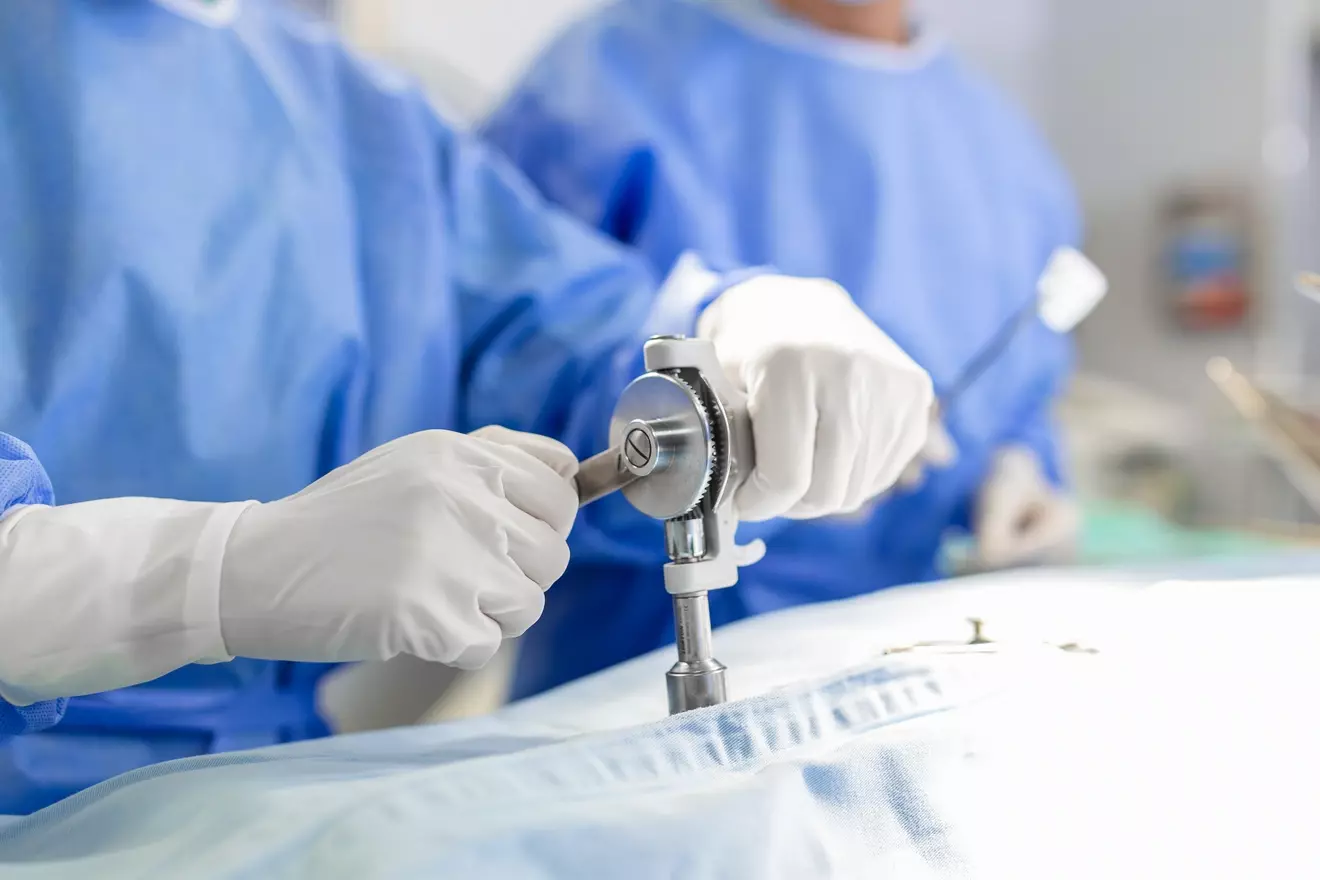
At Liv Hospital, we know how vital women’s health is. We offer a wide range of gynecological procedures. As a top women’s health clinic, we aim to give the best care with a team approach.
Many women choose female surgery for different reasons. This could be for fixes or for personal choices. Knowing about the most common surgeries helps people make better health choices.
Our skilled team is here to care for you with kindness and tailored plans. In this piece, we’ll look at the seven most common gynecological procedures. We’ll share what each one is about and what patients can look forward to.
Key Takeaways
- Knowing about common female surgeries helps women make smart choices.
- Liv Hospital offers a team-based approach to women’s health.
- Our team is committed to providing compassionate and personalized care.
- The seven most common procedures cover a range of needs and conditions.
- Expert guidance is available for those considering gynecological surgery.
The Landscape of Female Surgery Today

The world of female surgery is changing fast. New advancements are happening in both gynecological and aesthetic fields. Women’s health needs are getting more diverse, leading to more surgical options.
Gynecological vs. Aesthetic Procedures
Female surgery covers a wide range of procedures. These are mainly divided into gynecological and aesthetic surgeries. Gynecological surgeries deal with health issues like hysterectomies and myomectomies. On the other hand, aesthetic procedures aim to improve looks, including breast augmentations and labiaplasties.
Gynecological surgeries are often needed for health reasons. Aesthetic surgeries, though, are usually chosen by the patient. Both need skilled surgeons and care tailored to each patient for the best results.
Evolving Trends in Women’s Surgical Care
The field of female surgery is seeing big changes, with a focus on minimally invasive surgery. Methods like laparoscopy are gaining popularity. They offer shorter recovery times and less scarring.
There’s also a big push for patient-centered care. Surgeons are working more closely with patients to meet their needs and wants. This teamwork helps ensure women get the best surgical care for them.
As the field keeps growing, we can look forward to even more improvements in feminine surgical services. This will make care for women even better.
Hysterectomy: Leading Gynecologic Procedure
A hysterectomy is a major surgery for female reproductive health issues. It removes the uterus and sometimes other organs. This depends on the condition and the type of surgery.
Choosing to have a hysterectomy is a big decision. It’s important to know what it involves. Our female surgical specialists offer full care and support during this time.
Types of Hysterectomy
There are several types of hysterectomies, each for different reasons. The main types are:
- Total Hysterectomy: Removes the whole uterus, including the cervix.
- Partial (or Subtotal) Hysterectomy: Takes out the top part of the uterus, leaving the cervix.
- Radical Hysterectomy: Removes the uterus, cervix, part of the vagina, and sometimes ovaries and fallopian tubes. This is often for cancer.
Common Indications
Hysterectomy is often needed for several reasons, including:
- Fibroids: Growths in the uterus that cause heavy bleeding and pain.
- Endometriosis: Tissue like the uterus lining grows outside, causing pain.
- Cancer: Hysterectomy is used in cancer treatment, like for cervical, uterine, or ovarian cancer.
These conditions can really affect a woman’s life. Hysterectomy is considered when other treatments don’t work or aren’t right.
Recovery Timeline and Post-Surgical Considerations
The recovery time after a hysterectomy varies. It depends on the surgery type and the person’s health. Generally, patients can expect:
- Hospital stay: 1-4 days
- Full recovery: 6-8 weeks
- Return to normal activities: Gradually over several weeks
Following your female surgical specialists post-op instructions is key for a smooth recovery. This includes managing pain, watching for infection signs, and slowly increasing activity.
Understanding hysterectomy helps women make informed health choices. Our team is dedicated to using advanced surgical techniques for women to ensure the best results.
Laparoscopy: Benefits of Minimally Invasive Approaches
Minimally invasive surgery is key in women’s health, with laparoscopy at the forefront. This method lets doctors do operations through small cuts. It cuts down on big cuts and speeds up healing.
Diagnostic vs. Operative Laparoscopy
Laparoscopy serves both diagnostic and operative needs. Diagnostic laparoscopy uses a thin, lighted tube with a camera to see inside the abdomen. It helps spot issues like endometriosis or adhesions.
Operative laparoscopy does surgery through small cuts. It uses special tools for tasks like removing cysts or treating ectopic pregnancies.
Conditions Treated Through Laparoscopic Surgery
Laparoscopic surgery treats many conditions. Some common ones include:
- Endometriosis
- Ovarian cysts
- Ectopic pregnancy
- Fibroids
- Pelvic adhesions
Reduced Recovery Time and Decreased Complications
Laparoscopic surgery offers quick recovery. The small cuts mean less body trauma, less pain, and faster healing. Patients usually get back to normal faster than with open surgery.
It also lowers the risk of complications. The small cuts reduce infection risk and tissue damage. This leads to fewer complications and a smoother recovery.
| Aspect | Laparoscopic Surgery | Traditional Open Surgery |
|---|---|---|
| Incision Size | Small (less than 1 cm) | Large (often over 10 cm) |
| Recovery Time | Typically 1-4 weeks | Often 6-12 weeks |
| Pain and Discomfort | Less pain due to smaller incisions | More pain due to larger incision |
| Risk of Complications | Lower risk of infection and adhesions | Higher risk of infection and adhesions |
Myomectomy: Preserving the Uterus While Removing Fibroids
Myomectomy is a surgery that removes fibroids but keeps the uterus. It’s great for women who want to keep their fertility or uterine function.
Surgical Approaches
There are different ways to do myomectomy, each with its own benefits. The choice depends on the fibroids’ size, number, and location, and the patient’s health.
- Abdominal Myomectomy: This traditional surgery makes an incision in the abdomen. It’s used for larger or multiple fibroids.
- Laparoscopic Myomectomy: A minimally invasive method that uses small incisions and a laparoscope. It leads to less recovery time and scarring.
- Hysteroscopic Myomectomy: This procedure removes fibroids through the vagina with a hysteroscope. It’s best for fibroids near the cervix.
Fertility Considerations
Many women choose myomectomy to keep their fertility. Research shows it can improve fertility. But, success depends on the fibroids’ size, location, and the woman’s age.
After myomectomy, women are advised to wait before trying to conceive. This allows the uterus to heal, reducing pregnancy risks.
Recovery and Success Rates
Recovery time after myomectomy varies by surgical method. Most patients can get back to normal in a few weeks. Many women see a big improvement in their symptoms.
- Many women feel better right away, with less bleeding and pelvic pressure.
- Complications are rare, thanks to skilled surgeons.
- Regular follow-ups are key to watch for fibroid return and address any issues.
Choosing myomectomy helps women deal with fibroids while keeping their reproductive health. It’s important to talk to a healthcare provider to see if it’s right for you.
Endometrial Ablation: Alternative to Hysterectomy
Endometrial ablation is a less invasive surgery for heavy menstrual bleeding. It’s seen as a gentler option than hysterectomy for women with too much bleeding. We’ll look at the different methods, who’s a good fit, and what to expect.
Techniques for Destroying the Endometrial Lining
Endometrial ablation removes the uterus lining to stop bleeding. There are a few ways to do this:
- Radiofrequency Ablation: Uses electrical energy to heat and destroy the lining.
- Hydrothermal Ablation: Circulates heated fluid to ablate the lining.
- Cryotherapy: Uses extreme cold to destroy the tissue.
- Microwave Ablation: Heats the lining with microwave energy.
Each method has its benefits. The choice depends on the patient’s condition and the surgeon’s preference.
Ideal Candidates and Contraindications
Not everyone is a good candidate for endometrial ablation. The best candidates are women who:
- Have heavy bleeding that affects their life.
- Have finished having children, as it may reduce fertility.
- Want a less invasive option than hysterectomy.
Those who shouldn’t have it include women with:
- Active pelvic infections.
- Suspected or known uterine cancer.
- Future pregnancy plans.
Expected Outcomes and Possible Complications
The main goal is to reduce or stop bleeding. Many women see a big drop in bleeding, even stopping it altogether.
| Technique | Success Rate | Potential Complications |
|---|---|---|
| Radiofrequency Ablation | 80-90% | Infection, thermal injury |
| Hydrothermal Ablation | 85-95% | Fluid overload, infection |
| Cryotherapy | 70-85% | Cryoinjury, infection |
| Microwave Ablation | 80-90% | Thermal injury, infection |
Endometrial ablation is mostly safe but can have risks. These include infection, uterine injury, and technique-specific complications. It’s key to talk about these with your doctor before deciding.
Oophorectomy and Salpingectomy: Ovary and Fallopian Tube Surgery
Oophorectomy and salpingectomy are surgeries that remove the ovaries and fallopian tubes. They are done for many reasons, like treating certain health issues or preventing others. These surgeries are key in women’s health, helping with problems in the reproductive system.
Preventive vs. Therapeutic Indications
These surgeries can be for either preventing or treating health issues. They are used to treat things like ovarian cysts, ectopic pregnancies, and cancers. They are also done to prevent cancer in women at high risk, often those with BRCA1 or BRCA2 mutations.
A study in the Journal of Clinical Oncology found that women with BRCA1 mutations who had preventive oophorectomy cut their ovarian cancer risk by up to 80% (1). This shows how these surgeries can help those at high risk.
“The decision to undergo oophorectomy or salpingectomy is complex and involves careful consideration of the possible risks and benefits, including future fertility and hormonal changes.”
Surgical Approaches and Techniques
These surgeries can be done in different ways, like open surgery, laparoscopy, or robotic-assisted surgery. The choice depends on the patient’s health, the surgeon’s skills, and the surgery’s purpose.
| Surgical Approach | Advantages | Disadvantages |
|---|---|---|
| Laparoscopy | Minimally invasive, less recovery time | Limited by surgeon’s skill and complexity of case |
| Open Surgery | Direct access, can be used for complex cases | Longer recovery time, more scarring |
| Robotic-Assisted | Enhanced precision, less blood loss | Higher cost, requires specialized training |
Hormonal Changes and Management Strategies
Removing the ovaries can cause immediate menopause. This leads to hormonal changes like hot flashes, mood swings, and changes in libido. To manage these, hormone replacement therapy (HRT) and non-hormonal treatments are used to ease symptoms.
We know that oophorectomy or salpingectomy can be tough. Our team offers full care, including advice on hormone management and support for dealing with post-surgery changes.
Breast Augmentation: Most Common Cosmetic Female Surgery
Breast augmentation has become a top choice for women wanting to enhance their breasts. It offers many options to fit each person’s needs and preferences.
Implant Types and Placement Options
Breast augmentation uses implants to make breasts bigger and more shaped. There are two main types: saline implants filled with salt water and silicone gel implants that feel like real breast tissue. The right choice depends on personal taste, body type, and the surgeon’s advice.
Where to place the implant is also key. Implants can go under the muscle or behind the breast tissue. Submuscular placement looks and feels more natural, but subglandular placement might mean a quicker recovery.
The Surgical Procedure and Recovery Process
The surgery involves making a small cut, usually under the breast or around the areola, to put in the implant. It’s done under general anesthesia or sedation to keep you comfortable. The whole thing usually takes 1-2 hours.
After surgery, you’ll need to manage pain, swelling, and bruising. You should avoid hard work and heavy lifting for weeks. Proper post-operative care is key to avoiding problems and getting the best results.
Long-term Considerations and Revision Rates
Even though breast augmentation is meant to last, there are long-term things to think about. Implants might need to be replaced because of rupture or capsular contracture. It’s important to see your surgeon regularly to check on your implants.
How often you might need a revision depends on the implant type and your own health. New technology and better surgical methods are making breast augmentation last longer and look better.
“Choosing breast augmentation is a big decision that needs careful thought and talking to a skilled surgeon,” says a top cosmetic surgery expert. “With the right info and advice, women can get the look they want and enjoy the benefits of this life-changing surgery.”
Labiaplasty: Rising Trends in Vaginal Rejuvenation
Labiaplasty is becoming more popular in women’s health and beauty. It’s a surgery that changes the shape of the labia. This helps with both looks and function.
Functional vs. Aesthetic Motivations
Women choose labiaplasty for many reasons. Some face discomfort from big labia, while others are unhappy with how they look. They want to feel better and more confident.
Why someone gets labiaplasty is very personal. Some want to feel less pain, while others want to look better.
Surgical Techniques and Expected Results
There are different ways to do labiaplasty, each with its own goals. The right method depends on the person’s body and what they want.
The techniques include:
- The trim technique, which removes extra tissue.
- The wedge technique, which takes out a V-shaped piece of tissue.
- A mix of techniques based on the person’s needs.
People can expect to feel more comfortable, look better, and feel more confident after labiaplasty.
Recovery Process and Satisfaction Rates
Knowing what to expect during recovery is key. Women might feel some pain, swelling, and bruising. These are managed with medicine and care instructions.
Most women are very happy with labiaplasty. They say it has made their life better and they feel more confident about their body.
| Aspect | Description | Timeline |
|---|---|---|
| Initial Recovery | Rest and limited activity | 1-2 weeks |
| Swelling Reduction | Gradual decrease in swelling | 2-6 weeks |
| Full Recovery | Return to normal activities | 4-8 weeks |
Understanding labiaplasty helps women make better choices for their health and beauty.
Multidisciplinary Approaches to Female Surgery
Women’s surgical care is now led by a team effort. Experts from different fields work together for the best results. This teamwork is changing how female surgery is done, making patients happier and healthier.
Integrated Care Teams for Optimal Outcomes
Women’s surgery centers have teams with many healthcare experts. These include top female surgeons, anesthesiologists, nurses, and more. They all work together to care for patients from start to finish.
The benefits of this approach include:
- Improved communication among healthcare providers
- More accurate diagnoses through collective expertise
- Tailored treatment plans addressing individual patient needs
- Enhanced patient safety and satisfaction
With the help of many specialists, women’s surgery centers can treat more conditions. They do it with more precision and care.
The Role of Different Specialists in Women’s Surgical Care
Many specialists are key in female surgery. For example, gynecologic surgeons handle reproductive system surgeries. Plastic surgeons do reconstructive or aesthetic surgeries.
| Specialist | Role in Female Surgery |
|---|---|
| Gynecologic Surgeon | Performs surgeries related to the female reproductive system, such as hysterectomies and myomectomies. |
| Plastic Surgeon | Involved in breast reconstruction, aesthetic surgeries, and other procedures to enhance appearance or function. |
| Anesthesiologist | Provides anesthesia care during surgical procedures, ensuring patient comfort and safety. |
The teamwork of these specialists makes a women’s surgery center stand out. It offers patients the best care from a team of experts all in one place.
Preparing for Your Female Surgery
Being well-prepared for female surgery is key to feeling less anxious and recovering well. We know surgery is a big deal. We’re here to help you get ready.
Essential Pre-operative Steps
Before surgery, there are important steps to take. These include:
- Following your surgeon’s instructions on medication and supplements
- Doing any pre-operative tests, like blood work or imaging
- Arranging for someone to be with you at the hospital and during recovery
- Getting your home ready for recovery by stocking up and making a comfy spot
It’s vital to follow your surgeon’s advice to avoid risks and have a smooth surgery.
Questions to Ask Your Surgeon
Asking the right questions can ease your mind and make sure you know what to expect. Think about asking:
- What risks and complications could there be with my procedure?
- What changes can I expect in my body after surgery?
- Are there other treatments or procedures that might be better for me?
- What kind of support will I get during recovery?
Talking openly with your surgeon is important for a good outcome in female reproductive health surgery.
Mental and Physical Preparation
Getting ready mentally and physically for surgery is as important as following instructions. Try meditation, deep breathing, or yoga to relax. Eating well and staying hydrated also helps your body heal.
By focusing on both your mind and body, you can face surgery with confidence. This sets you up for a successful advanced surgery for women.
Post-Surgical Recovery: What to Expect
After female surgery, knowing the recovery process is key. Our women’s health clinic focuses on postoperative care for the best results.
General Recovery Guidelines
Recovering from female surgery involves several steps. First, follow your surgeon’s specific instructions. These are made for your needs and surgery type.
Common aspects of postoperative care include:
- Resting adequately to allow your body to heal
- Managing pain effectively through medication and other recommended methods
- Monitoring for signs of complications, such as infection or excessive bleeding
- Attending follow-up appointments to track your recovery progress
Procedure-Specific Recovery Considerations
Different surgeries have unique recovery needs. For example, laparoscopic procedures usually have shorter recovery times than open surgeries.
| Surgical Procedure | Typical Recovery Time | Common Postoperative Symptoms |
|---|---|---|
| Laparoscopic Surgery | 1-3 weeks | Mild abdominal discomfort, shoulder pain |
| Hysterectomy | 6-8 weeks | Fatigue, pelvic pain, vaginal bleeding |
| Breast Augmentation | 2-4 weeks | Swelling, bruising, discomfort |
Warning Signs and When to Seek Medical Attention
Some discomfort is normal after surgery. But, watch for severe pain, heavy bleeding, fever, or signs of infection. These are warning signs to seek medical help right away.
Our women’s health clinic is dedicated to top-notch postoperative care. Knowing what to expect and following your healthcare team’s advice can help avoid complications. This way, you can get the best results from your surgery.
Conclusion: Navigating Decisions About Female Surgery
Female surgery covers many procedures for women’s health issues. This includes things like hysterectomy, myomectomy, breast augmentation, and labiaplasty. It’s important to know about these options to make good choices.
At Liv Hospital, we focus on caring for you fully during surgery. Our teams work together to create plans just for you. This way, you get the best care and results. Choosing a trusted healthcare provider helps you feel sure about your surgery.
Knowing what to do is key when it comes to female surgery. We want women to be involved in their health. Ask questions and get advice from doctors you trust. This way, you can make choices that are right for you.
What are the most common female surgeries?
Common surgeries for women include hysterectomy and myomectomy. Other procedures are endometrial ablation, oophorectomy, and salpingectomy. Breast augmentation and labiaplasty are also common. These surgeries address health and beauty concerns.
What is the difference between gynecological and aesthetic procedures?
Gynecological surgeries treat health issues like fibroids and cancer. Aesthetic surgeries improve body appearance, such as breast augmentation. These are different goals.
What is a hysterectomy, and when is it performed?
A hysterectomy removes the uterus. It treats fibroids, endometriosis, and cancer. The type of hysterectomy varies based on the condition.
What are the benefits of minimally invasive surgery for women?
Minimally invasive surgery, like laparoscopy, has many benefits. It reduces recovery time and scarring. It’s used for myomectomy and endometrial ablation.
How do I prepare for female surgery?
Follow your surgeon’s instructions to prepare. This includes tests, stopping medications, and arranging care. Mental and physical preparation are key for recovery.
What can I expect during recovery from female surgery?
Recovery varies by surgery. Expect discomfort, swelling, and bruising. Follow your surgeon’s advice and rest well for a smooth recovery.
Are there any risks or complications associated with female surgery?
Female surgery has risks like infection and bleeding. Your surgeon will discuss these and how to avoid them.
How do I choose the right surgeon for my female surgery?
Choose a surgeon based on experience and qualifications. Feel comfortable with your surgeon. Ask questions and discuss concerns for an informed choice.
What is the role of a multidisciplinary team in female surgery?
A multidisciplinary team provides complete care. They ensure patients get the best treatment and support during surgery.
Can I undergo female surgery if I plan to have children in the future?
Surgery’s impact on future fertility varies. Some surgeries, like myomectomy, may preserve fertility. Others, like hysterectomy, may not. Talk to your surgeon about your plans.