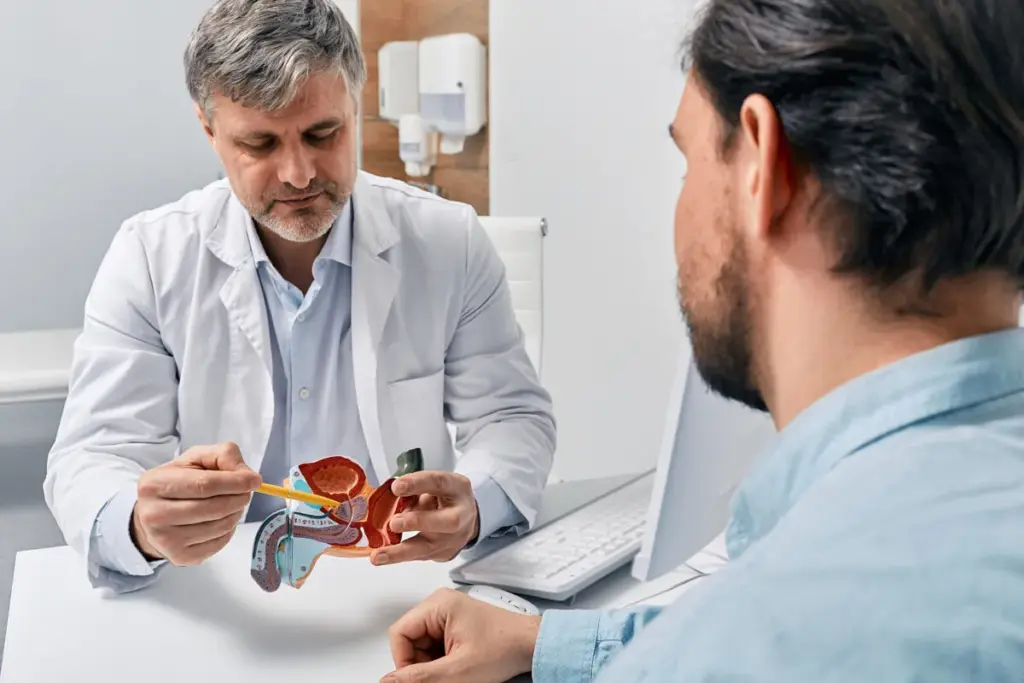
Many think urologists mainly help men. But, the truth is more complex. Urology is a branch of medicine that deals with disorders and diseases of the urinary tract and the male reproductive system. This might explain why many think urologists only treat men. Looking for a female urologist near me? Get best expert tips. While urology is male-heavy, female doctors provide amazing care for women too.
But, urologists actually treat many conditions that affect women too. These include urinary incontinence, kidney stones, and urinary tract infections. As medical professionals, we know urology is about more than just men’s health.
Chronic prostatitis/chronic pelvic pain syndrome (CP/CPPS) is a condition that affects men. It has been shown to benefit from treatments like acupuncture. This shows how urologists play a key role in managing different urological conditions.
Key Takeaways
- Urologists treat a broad spectrum of urological conditions.
- Both men and women can be treated by urologists for various urinary tract issues.
- Urology is not limited to male reproductive health.
- Treatments for conditions like CP/CPPS show the diverse therapeutic approaches in urology.
- Understanding the full scope of urology can help patients seek the right care.
Understanding Urology and Its Scope
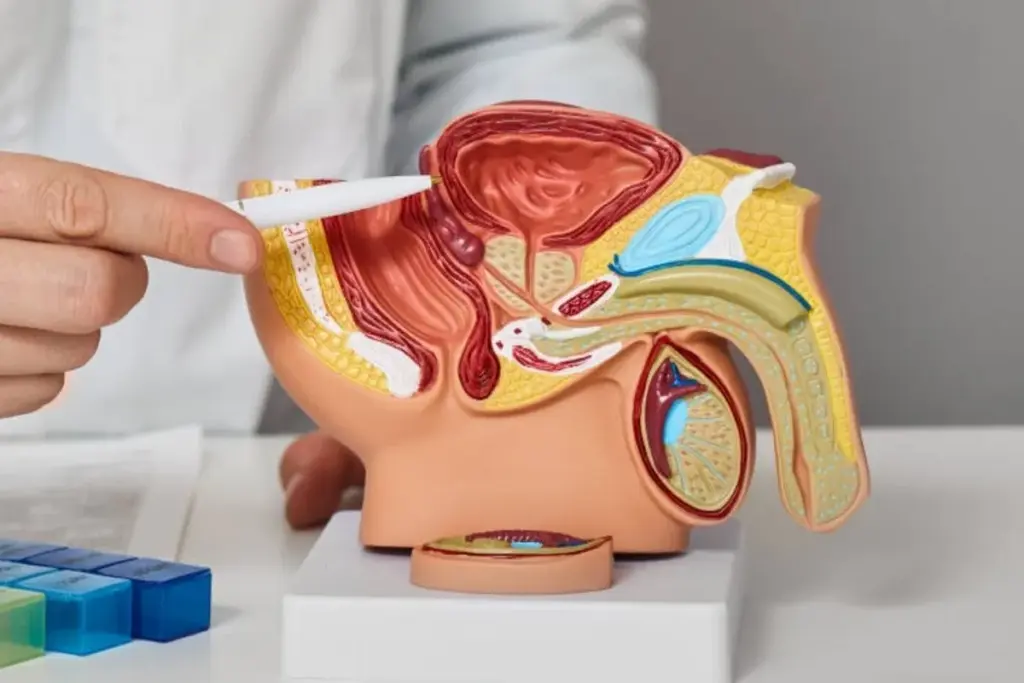
Urology is not just for men; it helps both genders with many health issues. Knowing what urology covers helps us see how important urologists are in healthcare.
Overview of Urology
Urology deals with the urinary tract and male reproductive system. But it also helps women with urological problems. Urologists treat many issues, like kidney stones and urinary tract infections and prostate and bladder problems.
This field uses both medicine and surgery. Urologists use tools like ultrasound and endoscopy to find and treat problems.
Common Conditions Treated by Urologists
Urologists handle many health issues, including:
- Kidney stones
- Urinary tract infections (UTIs)
- Prostate issues, such as benign prostatic hyperplasia (BPH) and prostate cancer
- Bladder problems, including overactive bladder and incontinence
- Interstitial cystitis, a condition causing bladder pain and discomfort
These issues can really affect a person’s life. Urologists work with patients to find the best treatment, mixing medicine and lifestyle changes.
Are Urologists for Men Only?
Urology is often linked with men’s health, like prostate cancer and erectile dysfunction. But, urologists also treat women. They help with urinary incontinence and interstitial cystitis in women. It’s a myth that urologists only see men.
“Urology is a specialty that is very much about the care of both men and women, addressing a wide range of urological conditions that affect the urinary tract and male reproductive system.”
— American Urological Association
Urologists are key in treating both men and women. They make sure everyone gets the care they need for their urological health.
The Role of Female Urologists
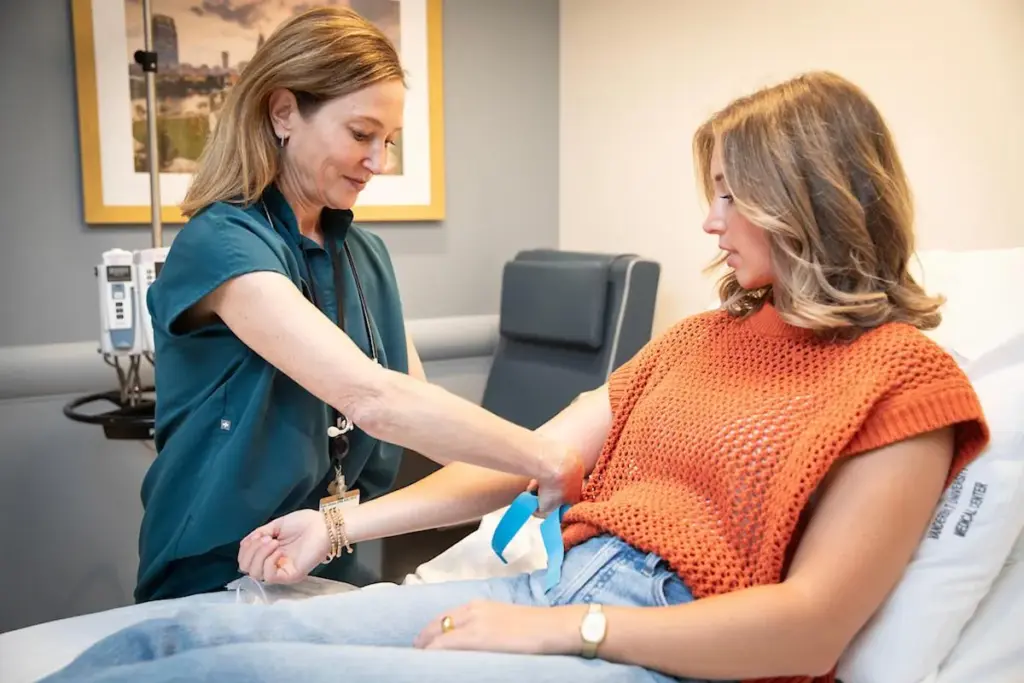
Female urologists bring a special touch to patient care. They have the training and empathy needed. Their role is vital for top-notch urological care.
Why Choose a Female Urologist?
Going to a female urologist can be very helpful. They offer a safe space for women to talk about sensitive issues like incontinence or pelvic floor problems.
- They make patients feel more at ease during exams and talks.
- They help patients feel heard and understood.
- They connect well with women, making care more personal.
A study in the Journal of Urology found patients are happier when they feel understood by their doctor.
Female Urologists in the Industry
More female urologists are joining the field, which is great for diversity. They bring new ideas and skills to urology.
“The more women in urology, the better we can serve all patients.”
An Urologist
With more women in urology, we can meet more patient needs. This makes the field stronger.
Patient Comfort and Communication
Good communication is key between patients and urologists. Female urologists are often great at making patients feel comfortable. They listen well and explain things clearly.
- They listen carefully to what patients say.
- They explain things in a way that’s easy to understand.
- They support patients through their treatment journey.
By focusing on comfort and clear communication, female urologists improve care quality.
Statistics on Urologist Patients
It’s important to know about urologist patients to understand urological care better. Recent data and studies have given us insights into who visits urologists. They show trends and patterns in care.
Patient Demographics by Gender
Traditionally, more men visit urologists due to prostate issues and testicular cancer. But, more women are now seeking urological care. This change is because more women know about urological conditions like interstitial cystitis and urinary incontinence.
Even though men are more common, the gap is getting smaller. Women are more likely to seek urological care. This shows that urology is seen as a field for both men and women.
Trends in Female Patients Seeing Female Urologists
More female patients are choosing female urologists for certain conditions. This is because of comfort and better communication. Female urologists are becoming the top choice for women with urological issues, like reproductive health problems.
The age range of female urologist patients is wide. It includes young women with urinary tract infections and older women with pelvic floor disorders. This variety shows the need for care that meets the specific needs of female patients.
The Role of Gender in Treatment Decisions
Gender is key in treatment choices. Research shows that patient comfort with their urologist affects treatment success. The gender of the urologist can affect this comfort, with some patients preferring the same gender.
But, the skills and expertise of the urologist are most important. Our analysis stresses the need for urologists to be aware of gender-specific needs. They should provide care that focuses on the patient.
Conditions Treated by Female Urologists
Female urologists are key in treating many urological conditions. They help both men and women with their unique needs. Their care is both thorough and caring.
Female-Specific Urological Conditions
They focus on conditions like urinary incontinence and pelvic organ prolapse that women face. These issues need special care. Female urologists offer treatments from simple to complex.
Urinary incontinence is common, often after childbirth or menopause. Female urologists have many treatments. These include therapies, medicines, and surgery to manage it well.
Shared Conditions: Men and Women
Female urologists also treat conditions that both men and women have. This includes urinary tract infections (UTIs), kidney stones, and bladder disorders. They tailor care to each patient’s needs, regardless of gender.
UTIs can happen to anyone. Female urologists are skilled in treating them. They also teach ways to prevent UTIs from coming back.
Specialty Training for Female Urologists
Female urologists go through tough training. This specialty training prepares them for many conditions. They learn both surgical and non-surgical methods.
They also keep up with new urology discoveries. This means they can offer the latest treatments. Their ongoing learning shows their commitment to their patients.
The Importance of Gender Representation
Women are becoming more common in healthcare, including urology. This change is important for the medical field and patient care.
Women in Healthcare Professions
Healthcare used to be mostly men, but now it’s changing. Women are now a big part of medical students and professionals. In the U.S., women are almost half of all medical students, showing a move towards more balance.
Benefits of Female Representation in Urology
Having women in urology adds different views and ways to care for patients. Research shows patients like to see doctors of the same gender for some issues. This makes them feel more comfortable and open. Also, teams with different people are more creative and make healthcare better.
|
Year |
Percentage of Female Urologists |
|---|---|
|
2010 |
8% |
|
2015 |
12% |
|
2020 |
18% |
Encouraging More Women in Urology
To get more women in urology, we need to support them. Scholarships, mentorship, and outreach can help attract more women. By making urology more welcoming, we can use the talents and views of all qualified people.
Finding a Female Urologist Near You
Many patients start by searching online for a female urologist. This search is important for getting the care you need. It’s vital for both you and your family.
Searching Locally: Tips and Resources
Looking for a female urologist in my area is easier with online directories. These tools let you filter by location, insurance, and patient feedback.
- Use specific keywords like “female urologist near me” or “urologist for women” to get relevant results.
- Check professional associations’ websites, such as the American Urological Association, for member directories.
- Ask for referrals from your primary care physician or friends who have had similar experiences.
Online Directories and Reviews
Online directories and patient reviews are key when searching for the best female urologist near me. They offer insights into a urologist’s skills, wait times, and staff.
- Look for urologists with high ratings and read the comments to understand their strengths and weaknesses.
- Check if the urologist is board-certified and has the necessary qualifications.
- Consider the location and office hours to ensure they fit your needs.
Questions to Ask During Your First Appointment
When you find a possible female urologist, ask important questions during your first visit. This helps you see if she’s right for you.
- What experience do you have with my specific condition?
- What treatment options do you recommend, and why?
- How will we communicate regarding my treatment plan and any follow-up care?
By following these steps, you can find a female urologist near me. She will meet your medical needs and provide a supportive environment.
Overcoming Stereotypes in Urology
It’s key to break down stereotypes in urology for a more welcoming place for everyone. Stereotypes can really hurt the bond between patients and their urologists. It’s important to tackle these issues head-on.
Common Misconceptions about Urologists
Many think urologists only help men or focus on surgery. But, urologists deal with many issues in both men and women. They handle things like urinary infections and kidney stones.
Another myth is that urologists are only for surgery. But, they also offer medical care and advice for many conditions. This makes them a great resource for many patients.
Addressing Gender Bias in Urology
Gender bias can make some patients feel uneasy with their urologist. We need to tackle these biases to make sure all patients feel valued. By being more diverse and inclusive, we can make urology a more welcoming field.
Female urologists, for example, can offer a special perspective to female patients. They might feel more comfortable talking about certain issues with a doctor of the same gender. Male patients can also benefit from seeing a female urologist, as it can change the way they’re treated.
Building Trust Across Gender Lines
Trust between patients and urologists is essential, no matter the gender. Good communication, empathy, and understanding are vital. We aim to create a safe space where patients can openly share their worries.
Urologists should be friendly and listen well. They need to understand each patient’s unique needs. This way, we can give our patients the best care possible, tailored just for them.
In short, fighting stereotypes and gender bias in urology is key to better patient care. By fostering understanding, respect, and trust, we can make a more inclusive space for all.
The Future of Urology
Medical technology is getting better, and urology is changing a lot. We’re seeing new things in urology because of tech, changes in who gets sick, and what healthcare needs are.
Evolving Roles of Urologists
Urologists are doing more than just surgery now. They are also doctors who figure out what’s wrong, do research, and teach patients. This change is because we need more complete care. We want treatments that use the newest tech and research.
Now, treatments are made just for each person. This makes care better and more personal. It helps patients get better faster and feel more cared for.
Growing Demand for Female Urologists
More women are looking for urological care, and they want female doctors. Female urologists make patients feel more at ease because they understand them better. This shows a bigger trend of more women in medicine.
As healthcare keeps changing, female urologists will play a bigger role. They make care better and help make medicine more diverse and welcoming.
Innovations in Urological Care
New ways to find and fix urological problems are coming. Things like robotic surgery, online doctor visits, and new tools are leading this change. These new methods help us treat patients better and faster.
Regenerative medicine is also making big strides. It could help treat many urological issues. As we learn more, we’ll find even more ways to help our patients.
Patient Experiences with Female Urologists
Patients’ stories and case studies show why female urologists are important. They bring unique skills and views to patient care.
Case Studies and Personal Stories
Many case studies highlight the great care by female urologists. For example, a patient with interstitial cystitis found relief. Her doctor made a treatment plan just for her.
Patients with bladder cancer also share their stories. They talk about how their female urologists helped them. These stories show the trust and care patients feel with their doctors.
Testimonials: Female Urologists’ Care
Patients’ testimonials show the positive effects of female urologists. They say these doctors explain things clearly. One patient said, “My doctor explained my condition and treatment in a way I could understand.”
“I was impressed by the level of care and compassion shown by my female urologist. She not only treated my condition effectively but also supported me throughout the process.”
A satisfied patient
Impact on Treatment Outcomes
Female urologists have a big impact on treatment results. Studies show patients are happier and stick to their plans better. This is because of the good communication and care they get.
|
Condition |
Treatment Outcome |
Patient Satisfaction |
|---|---|---|
|
Interstitial Cystitis |
Significant reduction in symptoms |
High |
|
Bladder Cancer |
Effective treatment and management |
Very High |
|
Urinary Incontinence |
Improved bladder control |
High |
In conclusion, patients love the care they get from female urologists. It shows these doctors are very skilled and caring.
Conclusion
Looking at the role of urologists, we see how important gender inclusivity is. Both men and women in this field add different views and skills. This makes care better for everyone.
Promoting Inclusivity
We know how key it is to have a welcoming space in urology. Patients should feel at ease with their urologist, no matter who they are. More women in urology means better care and happier patients.
Future Directions
The future of urology is bright, with new ways to help patients and more women joining the field. We urge patients to find a urologist who gets them, gender aside.
Putting patients first and being inclusive is the way forward. It makes healthcare kinder and more effective. We’re sure this will lead to better health and happier patients.
FAQ
Do urologists mostly treat men?
No, urologists treat both men and women. While some urological conditions are more common in men, women also need urological care. This includes urinary tract infections and incontinence.
What does a urologist do for females?
Urologists help with female urinary tract issues. This includes urinary incontinence, overactive bladder, and recurrent urinary tract infections. They also treat interstitial cystitis and bladder pain syndrome.
Are urologists only for men?
No, urologists treat many conditions in both men and women. This includes kidney stones, urinary tract infections, and bladder issues.
Why choose a female urologist?
Choosing a female urologist can make patients feel more comfortable. It’s a good choice for women who prefer a female healthcare provider for sensitive issues.
What percentage of urologists are female?
The number of female urologists is growing. But, the exact percentage varies by region and country. Urology was once mostly for men, but more women are entering the field.
Can a woman see a urologist?
Yes, women can and should see a urologist for urological symptoms or conditions. Urologists offer specialized care for women’s urological health.
What to expect at a urology appointment female?
At a urology appointment, a female patient can expect a detailed medical history and physical exam. Diagnostic tests may also be done. The urologist will discuss symptoms, diagnose conditions, and plan treatment.
How does a urologist examine a woman?
A urologist examines a woman by taking a detailed medical history and performing a physical exam. They may also do diagnostic tests. The exam might include a pelvic exam to check the urinary tract and surrounding areas.
Do female urologists get turned on?
No, female urologists are professional medical doctors. They maintain a professional demeanor and do not get “turned on” during patient exams. They provide respectful and compassionate care.
Is urology only for men?
No, urology is not only for men. Urologists treat many conditions in both men and women. Women can greatly benefit from urological care just like men do.
What do urologists treat?
Urologists treat various conditions related to the urinary tract. This includes kidney stones, urinary tract infections, incontinence, and bladder issues. They also treat certain cancers and other disorders.
National Center for Biotechnology Information. Evidence-Based Medical Insight. Retrieved from https://pubmed.ncbi.nlm.nih.gov/40122293/