
About 15% of couples worldwide struggle with infertility. Male infertility is a big part of this problem, affecting nearly half of these cases. It’s key to know how fertility tests work to find issues related to male infertility fertility test.
Fertility tests for men check sperm quality, count, and how well they move. These tests help men understand their reproductive health. They can spot problems that might stop them from having kids.
Key Takeaways
- Fertility tests are essential for understanding reproductive health.
- Male infertility is a significant factor in nearly half of infertility cases.
- Fertility tests for men can assess sperm quality, count, and motility.
- These tests can help identify underlying issues causing infertility.
- Understanding fertility test results can guide treatment options.
What is a Fertility Test?
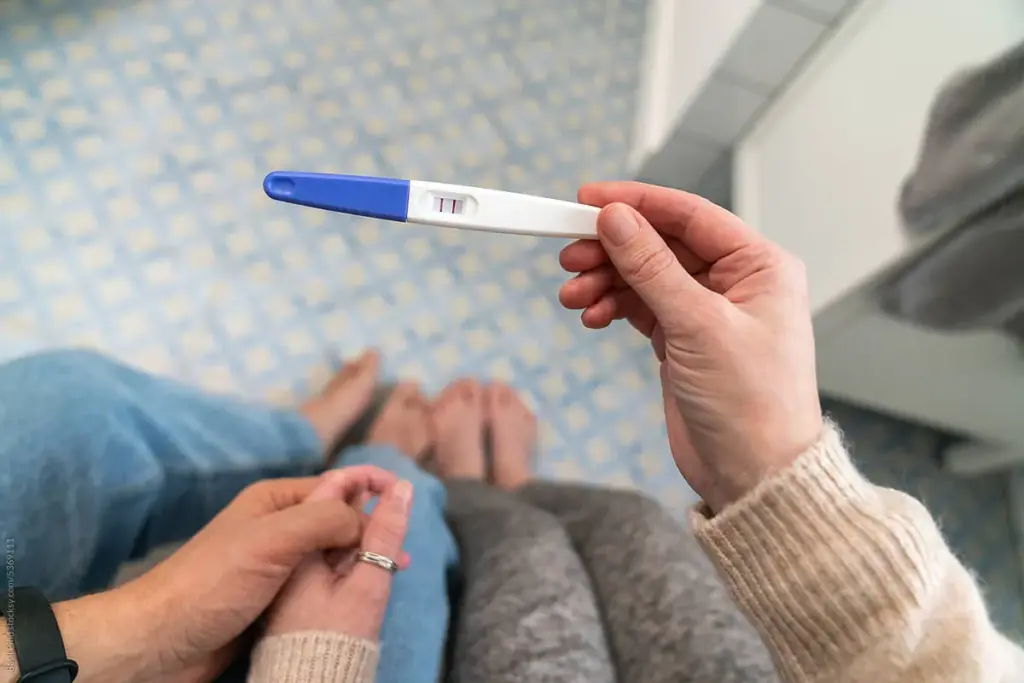
Fertility tests check how well a person can have kids. They look at the health of the reproductive system.
Definition of Fertility Tests
Fertility tests check many parts of reproductive health. For men, they often do semen analysis. This looks at sperm quality and amount. Women might get hormonal tests to see if they’re ovulating right.
Types of Fertility Tests Available
There are many fertility tests out there. They cover different parts of reproductive health. Here are a few:
- Semen Analysis: Looks at sperm count, how well it moves, and its shape.
- Hormonal Testing: Checks hormone levels important for ovulation and sperm making.
- Imaging Tests: Like ultrasound, to see the reproductive organs.
Common Misconceptions
Many people think fertility tests are only for women. But, male factor infertility is a big problem too. So, men need fertility tests just as much as women.
When to Consider a Fertility Test?

There are several signs that suggest it’s time for a fertility test. These include age and previous medical conditions. Fertility issues can affect anyone. Knowing when to seek testing is key for those trying to conceive.
Signs That You May Need a Test
If you’re having trouble getting pregnant, it might be due to fertility problems. Common signs you may need a fertility test include:
- Prolonged inability to conceive despite regular, unprotected intercourse
- Known medical conditions that could affect fertility, such as varicocele or undescended testes in men
- A history of testicular injury or surgery
- Erectile dysfunction or other sexual health issues
For men, infertility can often be linked to specific health issues or lifestyle factors. Recognizing these signs early can prompt a visit to a healthcare provider for a fertility evaluation.
Age Factors in Fertility Testing
Age is a big factor in fertility, more so for women. But, men’s fertility also declines with age, just at a slower rate. Advanced paternal age can increase the risk of certain genetic mutations in offspring. Men over 40 may want to consider fertility testing if they’re having trouble conceiving.
Previous Medical Conditions
Certain medical conditions can impact fertility in men. These include:
- Diabetes
- Obesity
- Infections or inflammatory conditions affecting the reproductive system
- Hormonal imbalances
Men with a history of these conditions may benefit from fertility testing. This can help understand their reproductive health better. We recommend consulting a healthcare provider who specializes in male infertility to discuss the best course of action.
The Role of a Sperm Doctor
Understanding male infertility starts with a sperm doctor’s help. We’ll look at how these experts diagnose and treat fertility problems.
What Does a Urologist Specialize In?
Urologists are doctors who focus on the male reproductive system and urinary tract. They handle fertility issues like low sperm count and hormonal problems.
Key areas of specialization for urologists include:
- Diagnosing and treating conditions that affect male fertility, such as those requiring tests for infertility
- Performing surgeries related to the male reproductive system
- Managing hormonal imbalances that impact fertility
How Sperm Doctors Diagnose Issues
Diagnosing male infertility involves a detailed check-up. This includes a medical history, physical exam, and semen analysis, a key men’s fertility test.
Sperm doctors use these tools to find problems like:
- Varicocele (enlargement of the veins within the scrotum)
- Infections or inflammation affecting the reproductive tract
- Hormonal imbalances that impact sperm production, a common issue in male infertility cases
Importance of a Complete Check-Up
A complete check-up is key to finding the cause of male infertility. It helps doctors create a treatment plan that fits each patient’s needs.
The importance of a complete check-up cannot be overstated. It helps find the root cause of infertility. It also helps choose the best treatment, like medication or surgery. For those looking for a male fertility test near me, a complete check-up is the first step.
Types of Tests Conducted by Sperm Doctors
Sperm doctors run a series of tests to find out why men might not be able to have kids. These tests help figure out what’s causing the problem. Then, doctors can create a plan to help.
Semen Analysis
One key test is semen analysis. It checks how good and how many sperm are in the semen. It looks at things like how many sperm there are, how well they move, and what they look like.
Semen analysis is a detailed look at the semen sample. This sample is taken after a man hasn’t had sex for a while. Then, it’s checked in a lab for important fertility details.
Checking semen is pretty simple. Men give a semen sample. It’s then looked at for things like:
- Sperm concentration
- Sperm motility
- Sperm morphology
- Volume of the semen
- pH level of the semen
These details give a full picture of a man’s fertility.
Hormonal Testing
Hormonal testing is also very important. Hormones help control sperm production and fertility. Doctors test for hormones like testosterone, FSH, and LH in the blood.
Imbalances in these hormones can really affect sperm production and quality. For example, low testosterone can hurt sperm production. High FSH levels might mean the testicles aren’t working right.
Genetic Testing Options
Genetic testing is another key part of diagnosing male infertility. Sperm doctors might suggest genetic tests to find any genetic problems that could be causing infertility. These tests can spot issues like Y chromosome microdeletions or cystic fibrosis.
“Genetic testing provides valuable insights into the underlying causes of male infertility, enabling targeted treatment approaches.”
A Fertility Specialist
Knowing the genetic factors helps doctors create better treatment plans. These plans are made just for the person’s needs.
In short, sperm doctors do many tests like semen analysis, hormonal testing, and genetic testing. These tests are key to finding out why men might not be able to have kids. They help doctors find the right treatment.
Preparing for a Fertility Test
To get accurate results, it’s important to prepare well before a fertility test. This means taking a few steps to make the process easier and more effective.
Lifestyle Changes Before Testing
Before your fertility test, making some lifestyle changes can help. Reducing stress and eating a healthy diet are key. They can boost your reproductive health.
It’s also good to avoid too much alcohol and stay away from toxins. These can harm your fertility.
Stopping smoking and keeping the groin area cool are also good ideas. Wearing loose clothing can help with sperm production too.
Necessary Documentation
Having the right documents ready for your fertility test can make things easier. You’ll need medical history records, info on previous fertility treatments, and a list of current medications. This helps your doctor understand your situation better.
It’s also a good idea to write down any questions or concerns you have. This way, you won’t forget to ask important things during your visit.
FAQs About the Process
Many people wonder about the fertility testing process. One common question is, “Can guys be infertile?” Yes, male infertility is a big reason for many cases of infertility. Getting tested can help find the cause.
Another question is, “How to know if you’re a sterile male?” A detailed fertility check, including semen analysis and hormone tests, can tell. A specialist like a urologist or sperm doctor can do this.
Understanding the Results
Getting the results of fertility tests is key to knowing what to do next. These results give us insights into what might be affecting fertility.
Interpreting Semen Analysis Results
Semen analysis is a big part of testing for men’s fertility. It looks at the semen for things like sperm count, how well they move, and their shape. A normal sperm count is between 15 million and over 200 million per milliliter of semen. Low sperm count, or oligozoospermia, can really hurt fertility.
|
Parameter |
Normal Value |
Abnormal Value |
|---|---|---|
|
Sperm Count |
15 million – 200 million/ml |
< 15 million/ml |
|
Motility |
> 32% motile |
< 32% motile |
|
Morphology |
> 4% normal forms |
< 4% normal forms |
Impact of Hormonal Levels
Hormonal testing is also very important for fertility checks. Hormones like testosterone, follicle-stimulating hormone (FSH), and luteinizing hormone (LH) help control sperm production. Imbalances in these hormones can hurt fertility. For example, low testosterone can affect sperm, and high FSH levels might mean testicular problems.
- Testosterone: Essential for sperm production and overall reproductive health.
- FSH: Regulates sperm production; high levels may indicate testicular issues.
- LH: Stimulates testosterone production, critical for spermatogenesis.
Next Steps Based on Findings
After getting the fertility test results, we can figure out what to do next. If there are problems like low sperm count or hormonal imbalances, fertility drugs for men might be suggested. Sometimes, making lifestyle changes or doing more tests is recommended.
In short, understanding fertility test results is vital for tackling infertility. By correctly interpreting these results, we can find the best treatment options. This could be medication, lifestyle changes, or other interventions.
Treatment Options After Testing
After fertility testing, you’ll look at different treatments. These options depend on your fertility issues, age, and health. Each treatment is chosen based on these factors.
Medications for Fertility Issues
Fertility medications are often the first choice. They help with hormonal imbalances, ovulation, or sperm quality. Some common ones are:
- Clomiphene citrate to stimulate ovulation
- Gonadotropins to stimulate the ovaries or testes
- Letrozole for women with polycystic ovary syndrome (PCOS)
It’s important to talk to a healthcare provider about the right medication and dosage. They will also watch for any side effects.
Surgical Interventions
Surgery might be needed for some fertility issues. Surgical options include:
- Varicocele repair to correct enlarged veins in the scrotum
- Tubal ligation reversal or salpingostomy to restore tubal patency
- Sperm retrieval procedures for men with obstructive azoospermia
These surgeries aim to fix anatomical problems. This can help improve your chances of getting pregnant.
Assisted Reproductive Technologies (ART)
ART includes treatments that help with egg and sperm. The most common is in vitro fertilization (IVF). It involves fertilizing eggs outside the body and then transferring them to the uterus.
Other ART options are:
- Intracytoplasmic sperm injection (ICSI) for severe male infertility
- Donor egg or sperm programs for individuals requiring donor gametes
- Surrogacy arrangements for those unable to carry a pregnancy
ART has changed the way we treat infertility. It gives hope to many who want to have a child.
Emotional Support During Fertility Testing
Fertility testing is more than just a medical process. It’s also an emotional journey. When going through tests and waiting for results, the emotional impact can be big. It’s important to recognize the emotional side of fertility testing and seek help when needed.
Coping with Anxiety and Stress
Fertility testing can make you feel anxious and stressed. Not knowing what the results will be adds to the worry. Seeing a male fertility doctor or a male reproductive doctor can offer both medical advice and reassurance. Activities like meditation, yoga, or relaxation can help manage these feelings.
Talking openly with your partner, family, and friends about your feelings is also helpful. Sharing your experiences can make you feel less alone.
Seeking Professional Counseling
At times, the emotional challenges of fertility testing need professional help. A therapist who knows about fertility issues can provide a safe place to talk about your feelings. They can teach you ways to deal with anxiety and stress.
Counseling can also improve how couples support each other. We suggest considering counseling to handle the emotional side of fertility testing.
Support Groups and Resources
Being part of a support group, online or in-person, can connect you with others facing similar challenges. These groups offer a place to share stories, advice, and support. For men with infertility, support groups can be very helpful.
There are also many resources like online forums, educational materials, and workshops. These can help you feel more informed and emotionally strong.
If you prefer testing at home, an at home fertility test male can be a first step. But, it’s important to get professional advice to understand your results fully.
Frequently Asked Questions About Fertility Testing
Fertility testing can be confusing, with many questions about the process. We help guide people through this complex journey. Here, we answer some common questions about fertility testing.
How Often Should Testing Be Done?
The need for fertility testing varies. It depends on your medical history and the tests you’re getting. For men, a semen analysis is often the first step. If the results show problems, you might need more tests.
Men should know that semen analysis is usually the first test. If it shows issues, you might need more tests like hormonal or genetic testing.
Are Fertility Tests Covered by Insurance?
Insurance coverage for fertility tests varies. Some plans cover certain tests, like men’s fertility tests, for infertility diagnosis. Others might not. Always check with your insurance to see what’s covered.
“Understanding your insurance coverage is a critical step in navigating fertility testing and treatment options.”
— Expert in Fertility Care
Can Tests Be Done at Home?
Some tests can be done at home, like ovulation predictor kits for women. But, male fertility testing usually needs a doctor’s office for accuracy. Home semen analysis kits are available but may not be as detailed as clinical tests.
|
Test Type |
Clinical Setting |
At-Home Option |
|---|---|---|
|
Semen Analysis |
Yes, detailed |
Limited, preliminary |
|
Hormonal Testing |
Yes, accurate |
No |
|
Genetic Testing |
Yes, detailed |
No |
For men going through fertility treatment, knowing your testing options is key. Always talk to a healthcare professional to find the best path forward.
Conclusion: The Path to Parenthood
Starting your journey to becoming parents can be tough and emotional. Knowing when and how to test male fertility is key. A fertility test can spot problems early, and a doctor can guide you on what to do next.
Early Testing and Cooperation
Testing early is important if you’re having trouble getting pregnant. If you’re struggling, seeing a healthcare expert is a good first step. Your partner’s help with a sperm sample is also vital for fertility tests.
Working with a healthcare team helps you understand your fertility better. This way, you can find ways to improve your chances of becoming parents.
Hope and Support
If you’re dealing with male infertility or sterility, there’s hope. There are many treatments out there, and sometimes, infertility can be fixed. Getting advice from a healthcare professional is the first step to figuring out your fertility options.
By getting a fertility test and working with your healthcare team, you can move forward with confidence. This journey to parenthood is full of hope and support.
FAQ
What is a fertility test for men?
A fertility test for men checks a man’s reproductive health. It includes semen analysis and hormonal tests. These tests help find issues that might cause infertility.
How do I know if I’m infertile as a male?
To find out if you’re infertile, see a sperm doctor or urologist. They will do semen analysis, hormonal tests, and maybe genetic testing. This helps find the cause of infertility.
What are the signs that I may need a fertility test?
Signs you might need a fertility test include trouble getting pregnant and past health issues. Age and other health problems can also be signs.
Are fertility tests covered by insurance?
Insurance coverage for fertility tests varies. It’s best to check with your insurance provider to see what’s covered.
Can fertility tests be done at home?
Yes, there are at-home fertility tests. But, they might not be as accurate as tests done in a clinic. It’s wise to talk to a healthcare professional for the best results.
How often should fertility testing be done?
How often you should get tested depends on your situation. Usually, it’s recommended when you’ve been trying to conceive for a year without success.
What lifestyle changes can I make before fertility testing?
Before testing, try to eat healthy, exercise, and reduce stress. Avoid too much alcohol and tobacco. These changes can help your test results.
What is the role of a sperm doctor in diagnosing infertility?
A sperm doctor, or urologist, specializes in male infertility. They do semen analysis, hormonal testing, and genetic testing to diagnose and treat infertility.
What are the treatment options available for infertility?
Treatment for infertility includes medications, surgery, and assisted reproductive technologies (ART). ART includes in vitro fertilization (IVF), depending on the cause of infertility.
How can I cope with anxiety and stress during fertility testing?
To deal with anxiety and stress, consider counseling, support groups, and stress-reducing activities like meditation or yoga. These can help.
Can male infertility be cured?
In some cases, male infertility can be treated and even cured. This can happen with the right medical care, lifestyle changes, or ART.
What is the importance of early testing in fertility?
Early testing is key in fertility. It helps find and treat problems early. This increases the chances of getting pregnant.
References
National Center for Biotechnology Information. Evidence-Based Medical Insight. Retrieved from https://pmc.ncbi.nlm.nih.gov/articles/PMC4424520/