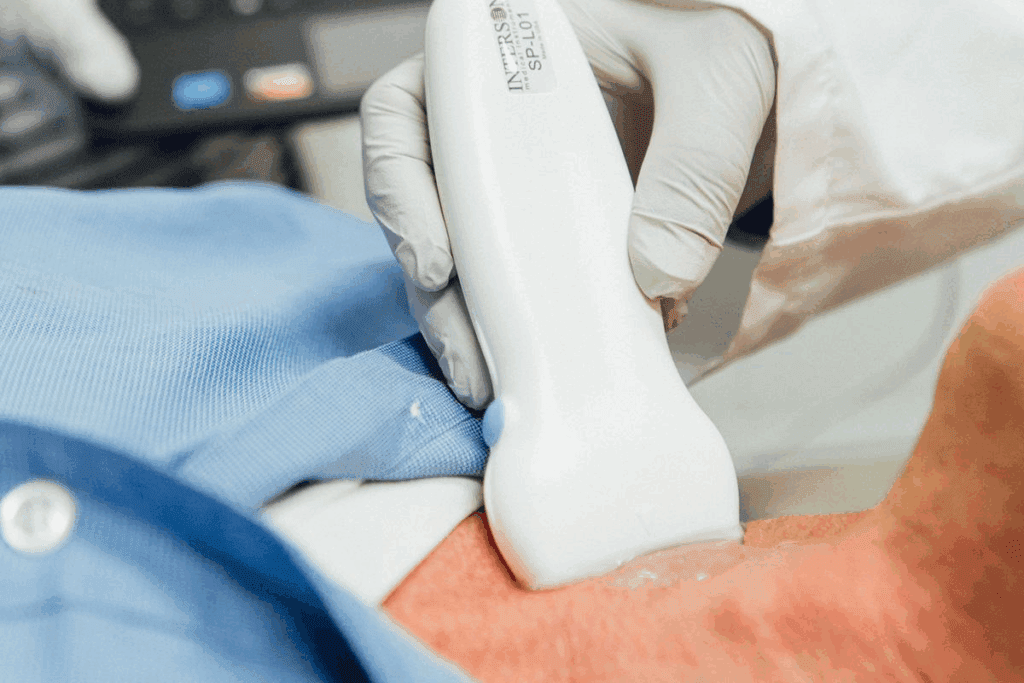
FET ultrasound is key in modern fertility treatments. It helps place embryos exactly in the uterus. This makes IVF treatments more successful for many people.
We offer top-notch healthcare and support for patients from around the world. Frozen Embryo Transfers (FETs) are our go-to method. They let us test embryos for genetic issues before transferring them. This step boosts success rates and lowers the chance of genetic problems or miscarriage.
Key Takeaways
- FET ultrasound is vital for placing embryos correctly.
- Frozen Embryo Transfers allow for genetic testing before implantation.
- Accurate embryo placement leads to better implantation and pregnancy outcomes.
- We are committed to giving full care to international patients.
- Our use of advanced imaging boosts IVF success rates.
The Science Behind FET Ultrasound Technology
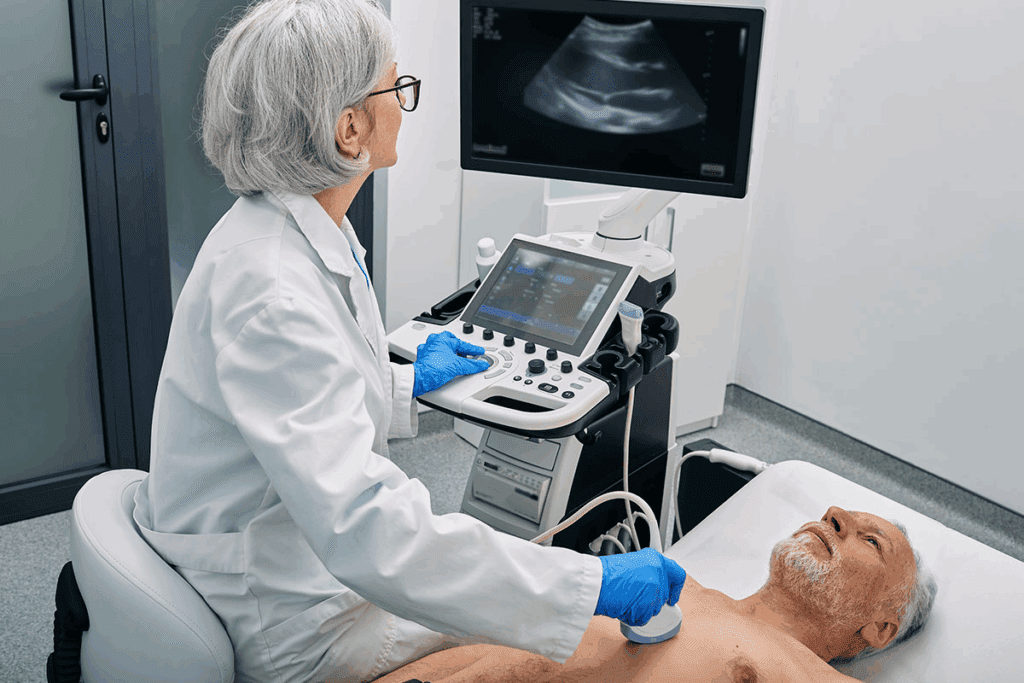
FET ultrasound technology is a big step forward in helping people have babies. It makes the process more precise and successful. Let’s explore how it works and its advantages.
What is Frozen Embryo Transfer Ultrasound?
Frozen Embryo Transfer ultrasound uses ultrasound to place frozen embryos in the uterus. It lets doctors see the uterus and the catheter in real-time. This ensures the embryo is placed correctly.
This technology is key in IVF. It helps doctors see the uterus and find the best spot for the embryo. Studies show it leads to better pregnancy rates than other methods.
Transabdominal vs. Transvaginal Ultrasound Approaches
There are two main ways to use ultrasound for FET: transabdominal and transvaginal. Each has its own benefits and is chosen based on the patient’s needs.
Transabdominal ultrasound scans through the belly. It gives a wider view of the pelvic area. A full bladder is often used to help see better.
Transvaginal ultrasound gives clearer images of the uterus. It’s great for checking the endometrium’s thickness and pattern. The choice between these methods depends on the patient’s body and the doctor’s preference.
How Ultrasound Improves Embryo Transfer Precision
Ultrasound helps doctors place the embryo exactly where it should be. This reduces damage to the uterus lining. It’s very important for a successful implantation.
Ultrasound ensures the embryo is in the best spot in the uterus. This increases the chances of it implanting. Studies confirm that ultrasound-guided transfers lead to better pregnancy rates.
| Aspect | Ultrasound-Guided FET | Clinical Touch Technique |
|---|---|---|
| Visualization | Real-time visualization of the uterine cavity and catheter | No real-time visualization; relies on clinical judgment |
| Precision | High precision in embryo placement | Potential for less accurate placement |
| Implantation Rates | Higher implantation rates due to accurate placement | Lower implantation rates compared to ultrasound-guided |
Understanding FET ultrasound technology and its benefits shows its importance in IVF. It’s a big step forward, making IVF more precise and successful for patients.
Evidence-Based Benefits of FET Ultrasound
Many studies show that ultrasound-guided embryo transfer boosts IVF success. This method, used in Frozen Embryo Transfer (FET), has changed the game in reproductive technology. It brings many benefits to those going through this process.
Ultrasound guidance during FET lets us see the uterus clearly. This makes placing the embryo more accurate. Such accuracy is key for better implantation chances.
Research from the American Society for Reproductive Medicine
The American Society for Reproductive Medicine (ASRM) has done a lot of research. They found that ultrasound-guided embryo transfer leads to higher pregnancy rates. This is compared to older methods.
A big review of 35 studies backed the use of ultrasound-guided embryo transfer. It showed better implantation and pregnancy results. This highlights the value of using ultrasound in FET.
Statistical Improvements in Implantation Rates
Looking at IVF results, we see a big jump in implantation rates with ultrasound guidance. This shows that ultrasound’s precision leads to better results.
Studies show ultrasound-guided FET has higher success rates than touch methods. This is because ultrasound lets us place the embryo exactly right in the uterus.
Comparison with Clinical Touch Techniques
Ultrasound-guided embryo transfer is better than touch methods. Ultrasound lets us watch the transfer live, lowering risks. Touch methods rely on feeling, which can be less accurate.
Ultrasound’s advantage is clear in better pregnancy rates and fewer embryo placement errors. This makes ultrasound-guided FET the better choice.
Pre-Cycle Preparation for FET Ultrasound
To get the best results from FET ultrasound, it’s key to prepare well before. This step is vital to make sure the uterus is ready for the embryo transfer.
Initial Ultrasound Assessment of Uterine Anatomy
The first thing we do is check the uterus with an ultrasound. This helps us find any problems that might affect the FET success. We use this info to make a treatment plan that fits your needs.
We look for things like fibroids or polyps in the uterus. These can make it harder for the embryo to implant. Knowing this helps us plan the best FET cycle for you.
Medication Protocols to Optimize Endometrial Development
Medicines are very important for getting the uterus ready for FET. We pick the right medicines to make sure the uterus is ready for the embryo. We want to create a good environment for the embryo to implant.
We use a mix of estrogen and progesterone to grow the uterus lining. We watch how you react to these medicines and adjust as needed.
Scheduling Considerations for Monitoring Appointments
It’s important to schedule your visits right for the FET cycle. We usually have 3-4 visits during the cycle. We time everything to get your body ready for the embryo transfer.
We check the uterus lining and growth with ultrasounds, starting around day 12. This lets us adjust the plan if needed.
Monitoring Endometrial Development with FET Ultrasound
Monitoring endometrial development is key in FET cycles. We use ultrasound to check if the uterus is ready. This helps us see if the uterine lining is right for the embryo to implant.
Tracking Uterine Lining Thickness Throughout the Cycle
FET ultrasound tracks the uterine lining’s thickness. A thickness of 7-8 mm is best for implantation. We watch the endometrium grow and adjust treatment as needed.
We start checking the uterine lining at the cycle’s start. This helps us find the best time for embryo transfer. It increases the chances of successful implantation.
Assessing Endometrial Pattern and Triple-Line Appearance
The endometrium’s pattern is also important. The “triple-line” appearance shows a receptive endometrium. Our ultrasound checks for this pattern to confirm readiness.
The triple-line is seen in the late proliferative phase. It’s a good sign for embryo transfer. We look at both thickness and pattern to find the best transfer time.
Identifying the Optimal Transfer Window
Our goal is to find the best time for embryo transfer. We use thickness and pattern to pinpoint this time. This increases the chance of successful implantation.
| Endometrial Characteristic | Optimal Parameter | Significance |
|---|---|---|
| Uterine Lining Thickness | At least 7-8 mm | Ensures adequate thickness for implantation |
| Endometrial Pattern | Triple-line appearance | Indicates a receptive endometrium |
By monitoring endometrial development with FET ultrasound, we improve FET cycle outcomes. This careful approach tailors treatment to each person. It increases the chances of successful implantation and pregnancy.
Integrating Blood Tests with FET Ultrasound Monitoring
Combining blood tests with FET ultrasound is key for a good embryo transfer. These tools help doctors understand if a patient is ready for the transfer.
Essential Hormone Levels to Track
Blood tests are vital for checking hormone levels for a successful FET. Estrogen and progesterone levels show if the uterine lining is ready. Estrogen checks the endometrium’s growth, and progesterone prepares the lining for implantation.
“Checking hormone levels is key for the best time for embryo transfer,” says Medical Expert, a fertility expert. “Blood tests help us plan the transfer for the best chance of success.”
How Blood Test Results Influence Ultrasound Scheduling
Blood test results affect when ultrasounds and embryo transfers happen. If estrogen levels are low, doctors might change the medication and schedule another ultrasound. This ensures the uterine lining is ready.
- Blood test results guide adjustments in medication protocols.
- Ultrasound scheduling is optimized based on hormone level assessments.
- The timing of embryo transfer is precisely planned to coincide with optimal uterine readiness.
Making Medication Adjustments Based on Combined Results
Doctors use blood test and ultrasound results to adjust medications. If the uterine lining isn’t growing right, they might change the estrogen dosage. Progesterone is started when the lining is ready, matching the embryo’s age.
This approach boosts FET success rates. By watching hormone levels and uterine growth, we tailor treatments for each patient. This increases the chance of a successful outcome.
Patient Preparation for FET Ultrasound on Transfer Day
On the day of your Frozen Embryo Transfer (FET), getting ready is key for a smooth ultrasound-guided procedure. This day is both thrilling and a bit scary. Being well-prepared can make things easier.
The Critical Importance of Bladder Filling
A full bladder is vital for the FET ultrasound. It makes the uterus easy to see on ultrasound. This is because a full bladder gives a clearer view, helping our fertility experts see better.
A full bladder also moves the uterus up, making it easier to reach for the embryo transfer. It pushes the intestines aside, avoiding any problems during the procedure.
Optimal Hydration Timeline Before Procedure
To get a full bladder, we tell patients to drink 20-30 ounces of water an hour before the transfer. This lets the body absorb the water and fill the bladder.
Following this hydration advice is key for the best ultrasound view. But, don’t overdo it, as it might make you uncomfortable during the procedure.
Positioning for Comfort and Optimal Visualization
On the day, we’ll show you the best way to sit for comfort and clear views. Usually, you’ll lie on your back, and we might adjust your position for the best ultrasound image.
By following these tips, you can make your FET ultrasound as successful and comfortable as it can be. Our team is here to support you every step of the way.
Step-by-Step Guide to Using FET Ultrasound During Transfer
FET ultrasound is key during embryo transfer. It shows where the catheter is in real time. This helps place the embryo right where it should be in the uterus, boosting pregnancy chances.
Setting Up the Ultrasound Equipment
First, we set up the ultrasound gear. We make sure the machine is ready and pick the right probe for the patient. Usually, a transabdominal probe is used for this.
Identifying Key Anatomical Landmarks
Next, we find important landmarks on the ultrasound. We look at the uterine cavity, the endometrial lining, and other key areas. Spotting these landmarks helps us place the catheter accurately.
Real-Time Visualization of Catheter Advancement
During the transfer, we use ultrasound to guide the catheter to the middle of the uterus. This careful step helps avoid damage to the lining and places the embryo just right.
Confirming Optimal Placement in the Uterine Cavity
After the catheter is in place, we check its position with ultrasound. We make sure the catheter tip is in the right spot and the embryo will be released correctly. This step is vital for the success of the FET.
Troubleshooting Common Challenges During FET Ultrasound
When FET ultrasound procedures face challenges, quick troubleshooting is key. This helps increase the chances of a successful embryo transfer. Despite the latest technology, some issues can pop up. It’s vital to tackle them fast.
Navigating Difficult Uterine Anatomy
Dealing with complex uterine anatomy is a common hurdle in FET ultrasounds. Uterine anomalies, like fibroids or a tilted uterus, can make things tough. We use advanced ultrasound methods for better views and precision.
For example, transvaginal ultrasound gives a clearer look at the uterine cavity. This helps find the best spot for embryo transfer.
Addressing Poor Visualization Issues
Poor visualization is another big challenge in FET ultrasounds. Things like bowel gas or obesity can blur the images. We tackle this with high-resolution ultrasound equipment and adjust our methods to improve clarity.
Managing Patient Movement and Discomfort
Patient movement and discomfort can also be issues. Keeping patients comfortable is our top priority. We do this by explaining the process well and using gentle methods. Good communication helps reduce anxiety and movement.
Alternative Approaches for Challenging Transfers
When problems come up, we explore other ways to ensure embryo transfer success. For example, we might use a different catheter or adjust the ultrasound probe. For tough cases, 3D ultrasound technology offers a detailed view of the uterine cavity.
| Challenge | Solution |
|---|---|
| Difficult Uterine Anatomy | Advanced ultrasound techniques, transvaginal ultrasound |
| Poor Visualization | High-resolution ultrasound equipment, technique adjustments |
| Patient Movement/Discomfort | Effective communication, gentle techniques |
Post-Transfer Monitoring and Follow-Up Care
After the embryo transfer, we start monitoring and follow-up care closely. This phase is key to support the embryo and address any issues quickly.
Immediate Post-Procedure Guidelines
We give specific guidelines after the transfer to help the best outcome. These include rest, staying hydrated, and avoiding activities that might harm the implantation.
It’s important for patients to stick to these guidelines. They should also reach out to their healthcare provider if they have any questions or concerns.
Scheduling Follow-up Ultrasounds
Follow-up ultrasounds are vital for monitoring. They help us see how the implantation is going and if the embryo is growing right.
We plan these ultrasounds carefully. We consider the patient’s cycle and treatment plan.
| Day Post-Transfer | Ultrasound Purpose | Expected Findings |
|---|---|---|
| 7-10 | Initial Pregnancy Check | Confirmation of implantation site |
| 14-16 | Viability Check | Detection of fetal heartbeat |
| 20-24 | Growth Assessment | Measurement of embryonic growth |
Identifying Early Signs of Successful Implantation
Early signs of successful implantation include a positive pregnancy test and ultrasound findings. Our team watches these signs closely. We provide support and guidance as needed.
When Additional Interventions May Be Necessary
Sometimes, extra help is needed to support the implantation or handle complications. These decisions depend on the individual’s situation and medical history.
Our team is dedicated to giving full care and support. We aim for the best outcome for our patients.
Conclusion: Maximizing Success with FET Ultrasound Technology
FET ultrasound technology is key in making embryo placement better and boosting IVF success. It helps doctors place embryos more accurately. This leads to more successful implantations and pregnancies.
We see how vital FET ultrasound is for better IVF results. Our team uses the newest ultrasound tech to offer top-notch care. We support patients from around the world. Understanding FET ultrasound’s benefits helps us improve the IVF journey for everyone.
To get the most out of FET ultrasound, we need to know its strengths and weaknesses. As we keep improving, we’re dedicated to giving our patients the best care. Our goal is to increase IVF success and help people reach their reproductive dreams.
FAQ
What is FET ultrasound and how is it used in IVF treatment?
FET ultrasound, or Frozen Embryo Transfer ultrasound, is key in IVF. It helps place embryos precisely, boosting chances of pregnancy. We use it to guide the embryo transfer, ensuring it’s placed right in the uterus.
What are the benefits of using ultrasound guidance during embryo transfer?
Ultrasound guidance makes embryo transfer more precise. This leads to better success rates. Studies show ultrasound-guided transfers have higher implantation rates than other methods.
How is endometrial development monitored during the FET cycle?
We track endometrial growth with ultrasound during the FET cycle. We check the uterine lining’s thickness and its pattern. This helps us find the best time for embryo transfer.
What is the importance of bladder filling before FET ultrasound on transfer day?
Filling the bladder before FET ultrasound is key. It helps us see the uterus better. We give specific hydration advice to make sure the bladder is full enough.
How is FET ultrasound used during the transfer procedure?
We use FET ultrasound to guide the catheter during transfer. We set up the ultrasound, find key landmarks, and watch the catheter move in real-time. This ensures it’s placed correctly.
What are some common challenges encountered during FET ultrasound, and how are they addressed?
Challenges include tricky uterine anatomy and poor visibility. We have solutions for these issues. Our goal is to ensure successful transfers.
What is the role of blood tests in FET ultrasound monitoring?
Blood tests help track hormone levels during FET ultrasound. These results guide when to schedule ultrasounds and adjust medications. This helps improve FET success.
What happens during post-transfer monitoring and follow-up care?
After transfer, we give immediate care instructions. We then schedule follow-up ultrasounds to check on the pregnancy. We look for signs of successful implantation and plan for any extra steps needed.
How does FET ultrasound contribute to maximizing IVF success rates?
FET ultrasound is vital for high IVF success rates. It allows for precise embryo placement and checks endometrial development. This technology helps us provide top-notch care for our patients.
What is the difference between transabdominal and transvaginal ultrasound approaches in FET?
Both transabdominal and transvaginal ultrasound are used in FET. Each has its own benefits. We choose the best approach based on the patient’s needs and the procedure’s requirements.
How is the optimal transfer window identified using FET ultrasound?
We find the best transfer window by watching endometrial growth with FET ultrasound. We check the uterine lining’s thickness and pattern. This tells us when to transfer the embryo.
References
https://www.pfcla.com/blog/frozen-embryo-transfer-tips?utm_source