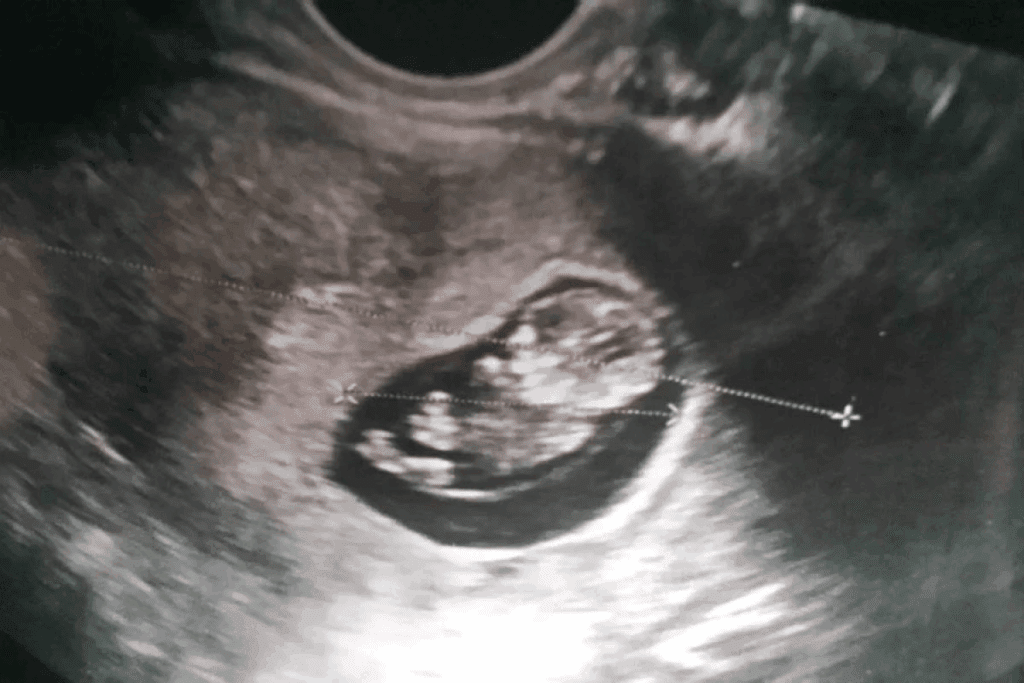
Accurate fetal growth assessment is key in modern obstetrics. Fetal abdominal circumference is a major factor in predicting birth weight. We use standardized calculators and growth charts to spot growth issues early. This allows for timely action to improve outcomes. Our critical guide to fetal abdominal circumference shows how to estimate birth weight. Get the most vital information for your pregnancy.
At Liv Hospital, we focus on our patients with the latest ultrasound tech. The NICHD Fetal Growth Studies Unified calculator helps us estimate fetal growth. It works for singleton fetuses from 15 0/7 to 40 6/7 weeks of gestation.
Key Takeaways
- Understanding fetal abdominal circumference is essential for assessing fetal well-being.
- Fetal abdominal circumference is a critical component in estimating birth weight.
- Standardized fetal weight calculators aid in identifying growth abnormalities.
- Early detection enables timely intervention for improved pregnancy outcomes.
- Advanced ultrasound technology enhances fetal growth assessment.
The Significance of Fetal Abdominal Circumference in Prenatal Assessment

Fetal abdominal circumference is key in prenatal care. It shows how the fetus is growing and developing. Doctors use ultrasound to check this measurement to make sure the fetus is growing well.
Definition and Clinical Importance
The fetal abdominal circumference is the size of the fetus’s belly measured during an ultrasound. This measurement is critical for assessing fetal growth and spotting any issues. It’s used with other measurements like head circumference (HC) and femur length (FL) to check the fetus’s size and growth.
Research shows that measuring the belly is the best way to guess fetal weight. The fetal weight calculator in grams helps doctors estimate the weight based on these measurements.
Relationship to Fetal Growth and Development
The size of the fetal belly is linked to how the fetus grows and develops. If the belly is not the right size, it could mean the fetus is not growing right. Doctors look at the belly size with other measurements to check the fetus’s health and spot problems early.
For example, the HC/AC ratio helps see if the fetus is growing right. A normal ratio means the fetus is growing well. But an abnormal ratio might mean the fetus is not growing right or has other issues. The HC/AC ratio is one of the important ratios used in checking the fetus.
Some important things to remember about fetal abdominal circumference include:
- The importance of accurate measurement techniques.
- The relationship between abdominal circumference and fetal weight.
- The use of fetal growth charts to monitor growth patterns.
Understanding the importance of fetal abdominal circumference helps doctors make better decisions in prenatal care. This knowledge is key for giving the best care and ensuring good outcomes for both mom and baby.
Anatomical Basis for Measuring Fetal Abdominal Circumference
To measure fetal abdominal circumference accurately, you need to know the anatomy. The measurement is taken at the umbilical vein level. It’s key for checking fetal growth and predicting birth weight.
Key Anatomical Landmarks
It’s important to find the right landmarks for precise measurement. The umbilical vein, stomach, and spine are the main ones. The umbilical vein is key for measuring the abdominal area.
Optimal Cross-Sectional View
Getting the best view of the fetal abdomen is vital. The view should be round and show all the necessary landmarks. It must be taken at the umbilical vein level for accuracy.
Umbilical Vein Visualization
Seeing the umbilical vein is a must for this measurement. It should be seen inside the liver. This ensures the measurement is correct and trustworthy.
The table below shows the important landmarks for measuring fetal abdominal circumference:
Anatomical Landmark | Significance |
Umbilical Vein | Serves as a reference point for measurement |
Stomach | Helps in identifying the correct plane |
Spine | Assists in orienting the fetus correctly |
Understanding these landmarks helps healthcare providers get accurate measurements. This is essential for checking fetal growth and development.
Equipment and Technical Requirements for Accurate Measurements
Getting reliable fetal measurements needs the right equipment and tech. It’s key to check how well the fetus is growing. We must make sure our tools and methods are top-notch.
Ultrasound Machine Specifications
The quality of the ultrasound machine is very important. Modern machines with advanced software and clear images are needed. We should use machines with adjustable probes and smart algorithms for better pictures.
Key specifications to consider include:
- High-resolution imaging capabilities
- Adjustable frequency probes
- Advanced signal processing algorithms
Transducer Selection
Choosing the right transducer is key for clear images. A curvilinear transducer works best for the fetus’s belly. The transducer’s frequency should match the patient’s body and pregnancy stage.
Transducer selection criteria include:
- Curvilinear shape for a wider field of view
- Adjustable frequency to suit patient needs
Patient Positioning and Preparation
Proper patient setup is essential for accurate measurements. Patients should lie on their back or slightly tilted. A full bladder helps get better ultrasound images by giving a clear view.
By focusing on the right equipment, transducer, and patient setup, we can get more accurate measurements. This helps us better track fetal growth. It’s all about giving the best prenatal care.
Step-by-Step Guide to Measuring Fetal Abdominal Circumference
Measuring fetal abdominal circumference is key to tracking fetal growth and health during pregnancy. It helps spot any growth issues early on. We’ll show you how to do this accurately and safely.
Obtaining the Correct Transverse Plane
To get the right measurement, you need to see the fetal abdomen in a cross-section. Look for the umbilical vein to find the right spot. The image should be clear and symmetrical, with the spine at 3 o’clock or 9 o’clock. Getting this right is essential for a precise measurement.
Proper Caliper Placement
After finding the right plane, place the calipers correctly. They should go on the outer edge of the abdomen, covering the whole circumference. Make sure not to include any extra tissue or structures. The Hadlock growth chart helps compare these measurements for a better understanding of fetal growth.
Manual vs. Automated Measurement Techniques
There are two ways to measure: manual and automated. Manual uses calipers to trace the circumference, while automated uses software. Manual is more hands-on, while automated is faster and might be more consistent. The choice depends on the ultrasound machine and the doctor’s preference.
By 20 weeks, the average abdominal circumference is about 14.9 cm. It grows as the pregnancy goes on. This measurement is key for the hc fetal measurement and tracking fetal growth. Using the Hadlock growth chart helps doctors make accurate measurements, improving prenatal care.
Normal Values and Growth Patterns of Fetal Abdominal Circumference
Fetal abdominal circumference values change throughout pregnancy. Knowing these values is key for prenatal care. This measurement is vital for tracking fetal growth.
First Trimester Reference Ranges
In the first trimester, abdominal circumference isn’t used much for dating. This is because the embryo is very small. But, as the pregnancy goes on, these measurements become more important.
Key points to consider:
- Fetal abdominal circumference is typically measured after 12 weeks of gestation.
- Reference ranges for the first trimester are less standardized due to variability in fetal development.
Second Trimester Expected Measurements
In the second trimester, abdominal circumference is a better sign of fetal growth. These measurements are plotted on fetal growth charts to track progress.
The Hadlock formula is used to guess fetal weight. It looks at abdominal circumference and other measurements.
Third Trimester Growth Trajectory
In the third trimester, watching the growth of fetal abdominal circumference is key. Any unusual growth might mean a problem.
- Fast growth could mean gestational diabetes or other metabolic issues.
- Slow growth might show fetal growth restriction.
Population-Specific Considerations
It’s important to think about population-specific factors when looking at fetal abdominal circumference. Different groups may grow differently because of genetics, environment, and diet.
The hc/ac ratio is helpful in checking fetal growth in different groups.
Understanding normal growth of fetal abdominal circumference helps doctors spot growth problems early. This leads to better pregnancy care.
The Hadlock Method: Using Fetal Abdominal Circumference to Estimate Birth Weight
In prenatal care, the Hadlock method is key for guessing how much a baby will weigh. It uses the baby’s belly size to make these predictions. Let’s dive into how it works and why it’s important.
Formula Components and Variables
The Hadlock method uses several baby measurements, like belly size, to guess birth weight. It uses math to combine these measurements.
Key Components:
- Fetal Abdominal Circumference (AC)
- Fetal Head Circumference (HC)
- Femur Length (FL)
- Biparietal Diameter (BPD)
Step-by-Step Calculation Process
To guess a baby’s weight with the Hadlock method, follow these steps:
- Use ultrasound to measure the baby’s belly, head, femur, and BPD.
- Plug these numbers into the Hadlock formula. It does the math to guess the baby’s weight.
The formula is: Log10EFW = 1.326 + 0.0107(HC) + 0.0438(AC) + 0.158(FL) – 0.00326(AC*FL)
Accuracy Rates and Confidence Intervals
Research shows the Hadlock method is pretty accurate. It usually guesses birth weight within 10% of the real number.
Gestational Age | Accuracy Rate |
28-32 weeks | ±8% |
33-36 weeks | ±9% |
37 weeks and beyond | ±10% |
Clinical Applications
The Hadlock method is useful in healthcare for tracking baby growth and planning for delivery. It helps doctors spot if a baby is growing too fast or too slow.
By accurately guessing baby weight, doctors can make better decisions. This can lead to better health for both mom and baby.
Alternative Formulas for Estimating Fetal Weight
There are many ways to guess how big a fetus is. The Hadlock method is common, but others like Shepard and Campbell have their own ways too.
Shepard Formula: Methodology and Accuracy
The Shepard formula was one of the first to guess fetal weight. It uses biparietal diameter (BPD) and abdominal circumference (AC) to make an estimate. It’s pretty good, but how well it works can change based on how far along the pregnancy is and the baby’s shape.
Campbell Formula: Applications and Limitations
The Campbell formula is simpler. It only needs abdominal circumference (AC) to guess the weight. It’s not as accurate as some other methods, but it’s useful when you don’t have much to work with.
Comparative Analysis of Different Estimation Methods
It’s important to compare different ways to guess fetal weight. Studies show that sometimes just guessing can be as good as any formula. This helps doctors pick the best method for each case.
When to Use Each Formula
Choosing a formula depends on a few things. You need to know what measurements you have, how far along the pregnancy is, and if there are any special conditions. For example, the Shepard formula is better when you have both BPD and AC. But if you only have AC, the Campbell formula might be better.
In short, there are many ways to guess fetal weight. Knowing the good and bad of each helps doctors make the best choice for each patient.
Critical Fetal Measurement Ratios in Clinical Practice
Fetal measurement ratios are key for doctors to check how a fetus is growing. These ratios give insights into how a fetus is developing. They help spot any growth problems early on.
HC/AC Ratio: Normal Ranges and Interpretation
The Head Circumference to Abdominal Circumference (HC/AC) ratio is very important. It’s found by dividing the head size by the belly size. As a baby grows, this ratio usually goes down. If it doesn’t, it could mean the baby is not growing right.
A high HC/AC ratio might mean the belly is smaller than expected, but the head is normal. On the other hand, a low ratio could mean the baby is too big or has growth issues.
FL/HC Ratio: Clinical Significance
The Femur Length to Head Circumference (FL/HC) ratio is also key. It checks if the baby’s leg and head are growing in the right balance.
This ratio should be between 0.20 and 0.23 in the second and third trimesters. If it’s not, it could mean the baby has growth problems or skeletal issues.
AC/FL Ratio: Relevance to Growth Assessment
The Abdominal Circumference to Femur Length (AC/FL) ratio looks at the belly size compared to leg length. It’s great for spotting uneven growth.
An AC/FL ratio that’s too high might mean the belly is too big for the leg. This could point to diabetes or other issues during pregnancy.
Using Ratios to Detect Growth Abnormalities
Doctors use these ratios together to check on fetal growth. They help spot any growth issues early. These ratios, along with other ultrasound checks, make fetal growth assessments more accurate.
- HC/AC ratio helps identify asymmetric growth restriction.
- FL/HC ratio assesses proportionality between femur length and head circumference.
- AC/FL ratio evaluates the relationship between abdominal circumference and femur length.
Knowing and using these ratios helps doctors make better decisions for fetal care. It guides them in monitoring and treating any growth issues.
Common Errors and Troubleshooting in Fetal Abdominal Circumference Measurement
Measuring the fetal abdominal circumference is key in prenatal care. But, it’s not without its challenges. Making sure this measurement is reliable is important for checking fetal weight and growth.
Technical Pitfalls and How to Avoid Them
Technical mistakes can mess up fetal abdominal circumference measurements. One big issue is placing the caliper wrong. It’s important to follow the right protocols and guidelines for ultrasound measurements. Using an efw calculator or estimated fetal weight calculator can help get accurate measurements.
Another problem is the quality of the ultrasound image. Bad image quality can lead to wrong readings. Keeping ultrasound equipment well-maintained and calibrated is key to avoiding these issues.
Fetal Position Challenges
The fetus’s position can affect how accurate the measurements are. For example, a breech position can make it hard to get a clear view. Adjusting the transducer or waiting for the fetus to move can help.
Fetal movement is another challenge. When the fetus moves a lot, it’s hard to get a good image. Using real-time ultrasound and being patient can help get the needed measurements.
Maternal Factors Affecting Measurement Accuracy
Maternal factors, like obesity, can affect ultrasound image quality. In obese patients, the ultrasound beam might be weakened, leading to poor images. Adjusting the gain and using lower frequency transducers can improve image quality.
Uterine fibroids or other masses can also distort the uterine cavity and affect measurements. Knowing about these factors and adjusting the measurement technique is important.
Quality Control and Measurement Validation
Quality control is key to ensuring accurate fetal abdominal circumference measurements. Regular training and audits of sonographers help keep standards high.
Quality Control Measure | Description | Frequency |
Equipment Calibration | Regular calibration of ultrasound machines to ensure accuracy. | Quarterly |
Sonographer Training | Continuous education and training for sonographers on measurement techniques. | Bi-annually |
Audit of Measurements | Review of measurements for consistency and accuracy. | Monthly |
By tackling these challenges, healthcare providers can improve the accuracy of fetal abdominal circumference measurements. This enhances prenatal care.
Conclusion
Measuring and understanding fetal abdominal circumference is key for good pregnancy care. We’ve talked about how it helps guess birth weight and track fetal growth. This is done using a special chart.
Fetal abdominal circumference is very important in prenatal care. It helps guess how much a baby will weigh at birth. Knowing how to measure and interpret this is critical for doctors to give the best care.
Doctors use the right tools and charts to manage pregnancies well. This helps them spot problems early. It ensures the best health outcomes for moms and babies.
As prenatal care gets better, so does the need for precise fetal measurements. We must keep our measurement skills sharp. This commitment ensures the highest care for all.
FAQ
What is fetal abdominal circumference, and why is it important in prenatal assessment?
Fetal abdominal circumference is a key measurement during ultrasound checks. It helps track how a fetus grows and develops. It’s also used to guess the baby’s weight, like in the Hadlock method.
How is fetal abdominal circumference measured accurately?
To get the right measurement, doctors need to find the correct angle and place the calipers right. They also look for the umbilical vein. Knowing the anatomy is key.
What is the Hadlock method, and how does it estimate birth weight?
The Hadlock method uses the fetal abdominal circumference and other measurements to guess birth weight. It’s a step-by-step process that considers different factors.
What are the normal values and growth patterns of fetal abdominal circumference throughout pregnancy?
The normal growth of fetal abdominal circumference changes over pregnancy. Knowing the right ranges for each trimester helps doctors spot any growth issues.
What is the HC/AC ratio, and how is it used in clinical practice?
The HC/AC ratio is a key measurement to check if a fetus is growing right. Doctors need to know what’s normal and how to interpret it.
What are the common errors in fetal abdominal circumference measurement, and how can they be avoided?
Mistakes in measuring fetal abdominal circumference can happen due to technical issues, the baby’s position, or other factors. Knowing these challenges and taking steps to improve quality can help avoid mistakes.
What is the significance of the FL/HC ratio in clinical practice?
The FL/HC ratio is another important measurement to check fetal growth. Doctors need to understand its importance for accurate assessments.
How do alternative formulae, such as the Shepard and Campbell formulae, compare to the Hadlock method in estimating fetal weight?
Other formulae have their own ways of estimating fetal weight. It’s important for doctors to know how they compare and when to use each one.
What is the importance of umbilical vein visualization in measuring fetal abdominal circumference?
Seeing the umbilical vein is key to getting accurate measurements of fetal abdominal circumference. It makes sure the measurement is taken in the right spot.
How does patient positioning and preparation affect the accuracy of fetal abdominal circumference measurements?
How a patient is positioned and prepared is very important for accurate measurements. Good preparation and positioning can help avoid mistakes and improve image quality.
References
National Center for Biotechnology Information. Fetal Abdominal Circumference: Birth Weight Estimation and Calculation. Retrieved from https://www.ncbi.nlm.nih.gov/books/NBK558866/