
Coronary artery disease is a big problem worldwide, causing a lot of sickness and death. The Fractional Flow Reserve (FFR) test plays a crucial role in diagnosing coronary artery disease. It checks blood flow on both sides of a blockage in the coronary artery.
An FFR of 0.8 is very important for deciding how to treat patients. We will look into what this value means and how it affects patient care. During cardiac catheterization, FFR helps find out how bad artery blockages are. This lets doctors choose the best treatment for each patient.
Key Takeaways
- FFR assessment is a critical diagnostic tool for coronary artery disease.
- An FFR value of 0.8 is a key threshold for treatment decisions.
- Cardiac catheterization with FFR measurement helps find out how bad artery blockages are.
- FFR guides healthcare providers in making informed decisions about patient care.
- Understanding FFR values is essential for effective management of coronary artery disease.
The Basics of FFR in Cardiac Assessment

FFR is key in checking how bad coronary stenosis is. It’s important to know what FFR is, why it matters, and how it’s different from other heart tests. FFR has changed cardiology by giving a better look at heart disease.
Definition and Purpose of Fractional Flow Reserve
FFR is the ratio of pressure in a blocked artery to the pressure before the block. This tells us if a blockage is serious. Top cardiologists say ‘FFR is a game-changer in diagnosing heart disease.’
FFR tells us if a blockage is causing heart problems. It’s very helpful when heart scans are not clear.
How FFR Differs from Other Cardiac Measurements
FFR looks at how well blood flows, not just the size of the blockage. It’s different from angiography, which just looks at the blockage size. FFR shows how the blockage affects blood flow.
The Development of FFR as a Diagnostic Tool
FFR was first used in the 1990s and has improved a lot. It’s now a trusted tool for diagnosing heart disease. Its development has greatly improved patient care by giving doctors more accurate information.
How FFR is Measured During Cardiac Catheterization
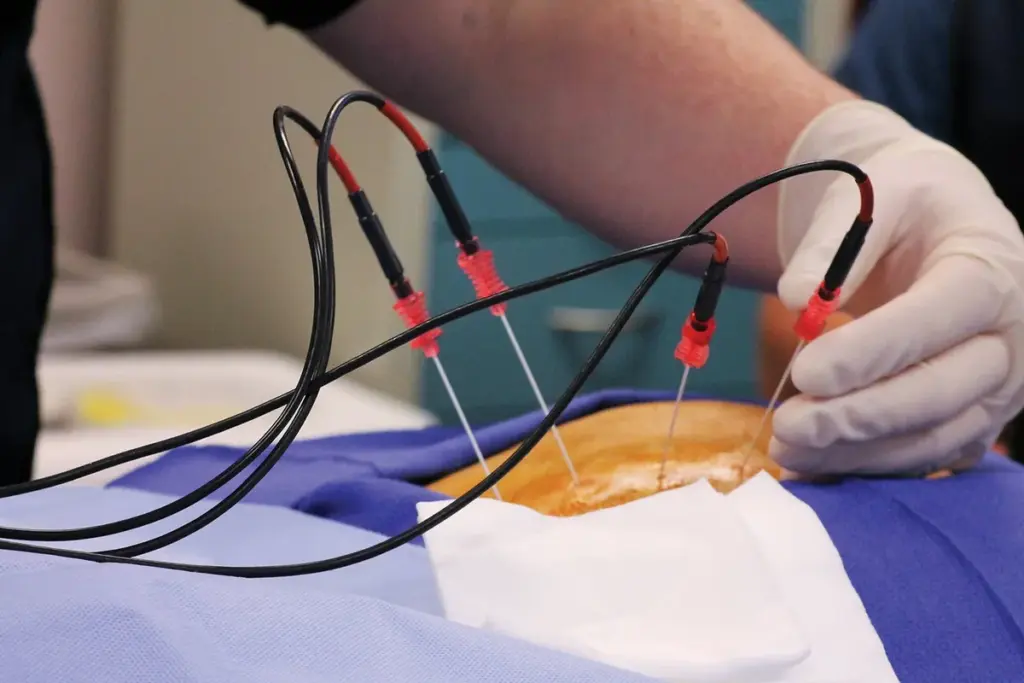
Measuring FFR during cardiac catheterization uses advanced technology and precise techniques. This procedure is minimally invasive. It helps diagnose and treat heart conditions. FFR measurement shows how severe coronary artery stenosis is.
The Procedure Step-by-Step
Here’s how FFR is measured:
- A catheter is inserted into an artery in the wrist or groin.
- A guidewire with a pressure sensor is guided to the coronary artery.
- The sensor measures the pressure gradient across the stenotic lesion.
- FFR is calculated by comparing pressures before and after the lesion during hyperemia.
“FFR is measured using guidewires with micromanometer pressure sensors,” a technology that has significantly improved the accuracy of coronary artery disease diagnosis.
Equipment and Technology Used
The equipment for FFR measurement includes:
- Coronary guidewires with micromanometer pressure sensors.
- Catheters for coronary artery access.
- A console to display and analyze pressure data.
The technology for FFR measurement has evolved. Advances in sensors and data analysis software have made it reliable and reproducible in interventional cardiology.
Key benefits of FFR measurement include its ability to provide a direct assessment of the functional significance of coronary stenosis, guiding treatment decisions and improving patient outcomes.
Patient Experience and Preparation
Preparation is key for patients undergoing cardiac catheterization for FFR measurement. They are advised on:
- Pre-procedure fasting and medication management.
- The importance of disclosing any allergies or medical conditions.
- What to expect during the recovery period.
Understanding the procedure and its benefits can help alleviate anxiety. Our medical team is committed to providing complete care and support throughout the process.
The Clinical Significance of an FFR Value of 0.8
The FFR value of 0.8 is key in figuring out how serious coronary artery stenosis is. It’s seen as a marker for identifying blockages that can cause ischemia.
The Critical Threshold Explained
An FFR value of 0.8 or lower means a blockage is severe enough to cause ischemia during stress or exercise. This is important because it helps doctors decide if a patient needs a procedure like PCI or CABG.
Research shows that an FFR value of 0.8 or lower accurately spots stenosis that causes ischemia 90% of the time. This accuracy is key to making sure patients get the right treatment, leading to better results.
Why 0.8 Became the Standard Cutoff
The choice of 0.8 as the standard was based on lots of research and clinical trials. It was picked because it strikes a good balance between catching real problems and avoiding unnecessary treatments. This ensures patients get the best care possible.
Studies have shown that patients with an FFR value below 0.8 do better with revascularization. They have better outcomes than those treated only with medicine.
Research Supporting the 0.8 Threshold
Many studies back the use of 0.8 as a guide for treatment decisions. They show that FFR-guided revascularization leads to better patient results. This is because interventions are focused on the most important blockages.
For example, trials like FAME and FAME 2 have strong evidence supporting FFR in making revascularization choices. These studies found that FFR-guided PCI lowers major cardiac events and improves patient health.
Interpreting FFR Values: What Different Readings Mean
Understanding Fractional Flow Reserve (FFR) is key for diagnosing and treating heart disease. When we look at FFR values, we figure out if a heart blockage is serious.
Values Below 0.8: Significant Stenosis
FFR values under 0.8 mean a blockage is causing heart problems. These values often lead to treatments like opening blocked arteries.
“An FFR value of less than 0.8 is considered significant and is associated with improved outcomes when treated with revascularization,” as supported by various clinical studies.
Values Above 0.8: Functionally Non-significant Stenosis
FFR values over 0.8 show a blockage is not causing heart issues. In these cases, not doing the artery opening and sticking to medication might be best.
Studies show that an FFR >0.8 means no heart problems are found, making the blockage not a big deal.
Borderline Values (0.75-0.85): The Gray Zone
FFR values between 0.75 and 0.85 are tricky. Here, doctors need to look at other tests and symptoms to decide what to do.
Guidelines say, “FFR values within this range require careful consideration of the patient’s overall clinical context to determine the most appropriate treatment strategy.”
The Physiological Basis of FFR Measurements
FFR measurements give us insights into how our heart works. They help us understand coronary artery function and blood flow to the heart. This knowledge is key to diagnosing heart disease.
Coronary Blood Flow Dynamics
Coronary blood flow is influenced by several factors. These include the pressure pushing blood through the arteries and the resistance in the vessels. Knowing this helps us see how FFR shows the impact of blockages in the arteries.
During a heart test, FFR is measured to see how blockages affect blood flow. This test is done when the blood vessels are at their widest. This makes it easier to see how much pressure is lost through the blockage.
Pressure Gradients and Myocardial Perfusion
Pressure differences across a blockage are key to how well the heart gets blood. The FFR value shows how much blood can flow through a blocked artery compared to a healthy one. A low FFR means the blockage is serious and might not let enough blood to the heart.
Knowing how pressure affects blood flow is important for understanding FFR. It helps doctors decide the best treatment for heart disease.
Relationship to Other Vital Signs
FFR measurements are linked to other important signs like blood pressure and heart rate. Changes in these can affect blood flow and FFR values. So, it’s important to look at these factors when interpreting FFR results.
By grasping the science behind FFR, doctors can better care for their patients. This knowledge is vital for choosing the right treatments and improving heart disease outcomes.
FFR vs. Angiography: Why Visual Assessment Isn’t Enough
In interventional cardiology, Fractional Flow Reserve (FFR) is key. It works with angiography to check coronary arteries. Angiography shows what the arteries look like, but FFR measures how well blood flows through them.
This is important because just looking at the arteries might not tell the whole story. A blockage might look small but affect blood flow a lot.
Limitations of Anatomical Assessment
Angiography has its own set of problems. Different doctors might see things differently, leading to different treatments. It only shows two dimensions of the arteries, missing the full picture.
When dealing with tricky cases, angiography alone can be misleading. It might not show how serious a blockage is.
When Angiography and FFR Results Diverge
At times, angiography and FFR don’t agree. A blockage might look big on an angiogram but FFR says it’s not a big deal. Or, a smaller blockage might be more serious than it looks.
|
Scenario |
Angiography Result |
FFR Result |
|---|---|---|
|
Significant Stenosis |
Severe blockage (>70%) |
FFR |
|
Intermediate Lesion |
Moderate blockage (50-69%) |
FFR |
|
Mild Stenosis |
Mild blockage ( |
FFR ≥0.8 (functionally non-significant) |
Combined Approach Benefits
Using both angiography and FFR gives a clearer picture of heart disease. It helps doctors decide if they need to do more to help the heart.
Studies show this method can lead to better results for patients. It makes sure treatments are focused on the right areas. This can also cut down on unnecessary procedures, saving lives and money.
Treatment Decision-Making Based on an FFR of 0.8
An FFR value of 0.8 is key for doctors to decide on patient care. It helps decide if a patient needs surgery or if medicine is enough.
Medical Management Options
For those with an FFR above 0.8, medical management is best. This means making lifestyle changes, managing risks, and using medicines to lessen symptoms and slow disease.
“Optimal medical therapy includes antiplatelet agents, beta-blockers, ACE inhibitors or ARBs, and statins,” says guidelines. They are chosen based on the patient’s risk and symptoms.
When to Perform Percutaneous Coronary Intervention
PCI is suggested for those with an FFR of 0.8 or lower, showing serious blockages. The FAME II trial showed that PCI, along with the best medicine, cuts down on heart problems more than just medicine alone.
Surgical Considerations
If PCI can’t be done or the heart disease is severe, surgical revascularization might be needed. The choice to do CABG depends on the heart’s shape, how well it works, and other health issues.
A top cardiologist says, “A team of cardiologists and cardiac surgeons is vital for making the right choice for surgery.”
Using FFR values helps doctors give care that’s just right for each patient. This improves health and life quality.
Special Clinical Scenarios and FFR Interpretation
Special cases often need a deep understanding of FFR values. In complex heart cases, knowing how to read Fractional Flow Reserve (FFR) is key. It helps decide the best treatment plan.
Multi-vessel Coronary Artery Disease
In cases of multi-vessel coronary artery disease, FFR is very important. It helps find out which blockages need treatment. FFR guided revascularization has been proven to improve results by focusing on blockages that cause problems.
We check each blockage with FFR to tailor treatment. This is critical in multi-vessel disease. The heart’s complex structure makes it hard to see all the blockages clearly.
|
Lesion Characteristics |
FFR Value |
Clinical Significance |
|---|---|---|
|
Single lesion |
0.8 |
Borderline significance |
|
Multi-vessel disease |
<0.75 |
Functionally significant |
|
Diffuse disease |
0.7-0.8 |
May require further evaluation |
Left Main Coronary Artery Disease
Left main coronary artery disease is a serious condition. FFR is very helpful in figuring out if surgery or a procedure is needed.
FFR values help the team decide on the best treatment for left main disease. A value of ≤0.8 usually means the stenosis is significant.
Acute Coronary Syndromes
In acute coronary syndromes (ACS), FFR helps check non-culprit blockages. This planning helps in improving patient outcomes.
When to do FFR in ACS is important. The heart’s condition during an acute event is different from a stable state. FFR is usually done during the main procedure or later when the patient is stable.
Limitations and Challenges of FFR Assessment
FFR has many uses in medicine, but it’s not perfect. It helps diagnose and treat heart disease, but it has its own set of challenges. Knowing these challenges helps doctors use FFR results better and make better decisions.
Technical and Procedural Challenges
Getting accurate FFR readings can be tricky. It needs careful placement of catheters and guide wires. Vasodilators are also used to get the best results. But, issues like pressure drift or bad wire placement can mess up the readings.
Doctors need special training to do FFR tests. There’s also a small chance of complications like artery damage. But, these are rare. The test requires careful preparation and monitoring of the patient.
Patient-Specific Factors Affecting Readings
Some things about a patient can change how FFR readings come out. For example, patients with small-vessel disease or heart muscle thickening might get different results. Even conditions like severe heart valve problems or recent heart attacks can affect the test.
FFR can also be influenced by how well blood flows through tiny blood vessels. This can change based on things like diabetes or high blood pressure.
|
Patient-Specific Factor |
Effect on FFR |
|---|---|
|
Small-vessel disease |
Potential for inaccurate FFR measurements |
|
Diffuse coronary artery disease |
May affect the reliability of FFR assessments |
|
Left ventricular hypertrophy |
Can influence FFR readings due to altered myocardial demand |
Interpretation Pitfalls
Understanding FFR results needs a deep look at the patient’s situation. This includes their symptoms, other test results, and medical history. Misinterpreting FFR can happen if these factors are ignored or if FFR values are seen as the only important thing.
For example, an FFR of 0.8 might mean something different in different situations. It depends on symptoms, how much of the heart is affected, and other test results.
By knowing these challenges, doctors can use FFR better. This helps make sure the tool is used to its fullest advantage, while avoiding common mistakes.
Alternative and Complementary Functional Tests
FFR is a common tool for diagnosing heart issues. But, tests like instantaneous wave-free ratio (iFR) and coronary flow reserve (CFR) give more insights. They help doctors understand a patient’s heart better, leading to better treatment plans.
Instantaneous Wave-Free Ratio (iFR)
iFR is a new way to check the heart’s function. It looks at the pressure in the heart’s arteries during a specific time. This method is easier and faster for patients than other tests.
Many studies have shown iFR is as good as FFR. It’s also quicker and less uncomfortable for patients. This makes it a great option for doctors.
Coronary Flow Reserve (CFR)
CFR checks how well the heart’s arteries work. It looks at the flow of blood in the arteries. This helps doctors see how well the heart can handle stress.
CFR is helpful when FFR doesn’t give enough information. It’s good for patients with complex heart issues. This way, doctors can make better treatment plans.
Non-invasive Functional Testing
Non-invasive tests are a big step forward in heart disease diagnosis. They include stress echocardiography and cardiac MRI. These tests check the heart’s function without needing invasive procedures.
These tests help find out if a patient needs more tests or treatment. As technology gets better, these tests will play an even bigger role. They might even replace some invasive tests.
Innovations in FFR Technology and Techniques
New FFR technology is changing how we deal with coronary artery disease. It brings better ways to diagnose and treat it. These updates make FFR more accurate, easier to use, and more helpful in doctor’s offices.
CT-derived FFR (FFR-CT)
FFR-CT is a non-invasive test that uses CT scans to find out FFR values. It lets doctors check for heart disease without needing to do invasive tests.
Benefits of FFR-CT:
- Non-invasive assessment
- Reduced need for diagnostic catheterization
- Comprehensive evaluation of coronary anatomy and physiology
“The integration of FFR-CT into clinical practice has the potential to significantly improve the diagnosis and management of coronary artery disease.” –
A leading cardiologist
Angiography-derived FFR
Angiography-derived FFR is a new way to figure out FFR values from regular heart angiograms. It doesn’t need extra equipment or invasive tests.
|
Feature |
Conventional FFR |
Angiography-derived FFR |
|---|---|---|
|
Invasiveness |
High |
Low |
|
Additional Hardware Required |
Yes |
No |
|
Diagnostic Accuracy |
High |
High |
Artificial Intelligence Applications
Artificial intelligence (AI) is being used more in FFR technology. It helps make diagnoses more accurate and makes doctor’s work easier. AI looks at lots of data, finds patterns, and gives insights to help doctors make better choices.
Using AI in FFR technology is a big step forward. It helps treat heart disease better and makes care more efficient for patients.
Living with Coronary Artery Disease After FFR Assessment
An FFR assessment is just the start. Living with coronary artery disease means a long-term focus on heart health. After your FFR results, your healthcare team will help you create a plan to manage your condition.
Lifestyle Modifications for Heart Health
Healthy lifestyle choices are key for managing coronary artery disease. We suggest:
- Dietary Changes: Eat a balanced diet with lots of fruits, vegetables, whole grains, and lean proteins.
- Regular Exercise: Do moderate-intensity activities like brisk walking, cycling, or swimming for 150 minutes a week.
- Smoking Cessation: Quit smoking and avoid secondhand smoke to lower heart risks.
- Stress Management: Try stress-reducing activities like meditation, yoga, or deep breathing exercises.
Medication Management
Following your medication plan is critical for controlling symptoms and slowing disease growth. Your healthcare provider may prescribe:
- Antiplatelet Agents: To prevent blood clots.
- Statins: To lower cholesterol levels.
- Beta-blockers: To reduce heart rate and blood pressure.
- ACE Inhibitors: To manage blood pressure and reduce heart strain.
Follow-up Care and Monitoring
Regular check-ups with your healthcare provider are key for monitoring your condition and adjusting your treatment plan. We recommend:
- Regular Check-ups: Schedule visits to monitor your heart health and adjust medications.
- Diagnostic Tests: Have regular tests like echocardiograms or stress tests to check your heart’s function.
- Symptom Monitoring: Track any changes in your symptoms and report them to your healthcare provider.
By following these guidelines and working closely with your healthcare team, you can manage coronary artery disease well. This will improve your quality of life.
Real-World Case Studies: FFR of 0.8 in Clinical Practice
Real-world case studies offer insights into FFR’s use in clinics. They show how FFR values, like 0.8, affect treatment choices and patient results.
Borderline Cases and Clinical Decisions
Borderline FFR values (around 0.8) pose challenges for doctors. Decisions to treat or not depend on the patient’s health and the FFR reading.
A patient with an FFR of 0.78 might need aggressive treatment due to symptoms. But a patient with an FFR of 0.82 might just need lifestyle changes and monitoring.
Long-term Outcomes
Long-term studies on FFR patients show treatment success. Patients with FFR over 0.8 often do well with medicine. Those under 0.8 might need surgery.
Patients with borderline FFR need close monitoring to avoid bad outcomes.
Lessons Learned from Challenging Cases
Hard cases teach us to use FFR with other tests and judgment. When FFR and angiography don’t match, a detailed review is key.
These lessons stress the need for constant learning for doctors to use FFR well.
Conclusion: The Value of FFR in Modern Cardiac Care
We’ve seen how Fractional Flow Reserve (FFR) is key in dealing with coronary artery disease. It helps doctors decide the best treatment for patients. This leads to better health outcomes for those with heart issues.
FFR is now a vital part of heart care. It helps doctors accurately diagnose and treat heart disease. As heart medicine keeps getting better, FFR will keep playing a big role in helping patients.
FAQ
What is Fractional Flow Reserve (FFR) and how is it used in cardiac assessment?
FFR is a tool used during cardiac catheterization. It measures the severity of blockages in coronary arteries. It helps decide if a procedure like PCI is needed.
What does an FFR value of 0.8 mean?
An FFR value of 0.8 shows how severe a blockage is. Values under 0.8 mean the blockage is serious. Values over 0.8 mean it’s not.
How is FFR measured during cardiac catheterization?
To measure FFR, a pressure sensor guidewire is inserted into the artery. It measures the pressure difference across the blockage, giving an FFR value.
What is the significance of the 0.8 threshold in FFR measurement?
The 0.8 threshold is key for treatment decisions. Studies show that values under 0.8 need revascularization. Values over 0.8 can be treated with medicine.
How does FFR compare to angiography in assessing coronary artery disease?
FFR shows how blockages affect blood flow. Angiography shows the blockage’s size. FFR can spot significant blockages even if angiography doesn’t show them.
What are the limitations and challenges of FFR assessment?
FFR can be affected by technical issues, patient factors, and how it’s interpreted. These can make FFR measurements less reliable.
Are there alternative or complementary functional tests to FFR?
Yes, tests like iFR, CFR, and non-invasive tests provide more info on artery function. They work alongside FFR.
How does FFR guide treatment decision-making in coronary artery disease?
FFR helps decide if procedures like PCI or CABG are needed. It identifies who will benefit most from these treatments.
What lifestyle modifications can patients make after FFR assessment to manage coronary artery disease?
Patients can eat healthy, exercise, quit smoking, and manage stress. These changes can lower the risk of complications.
What is the role of medication management in patients with coronary artery disease after FFR assessment?
Medications like antiplatelets, beta-blockers, and statins are key. They help prevent complications in patients with coronary artery disease.
Why is follow-up care and monitoring important after FFR assessment?
Follow-up care ensures patients get the best treatment. It also allows for adjustments in treatment plans as needed.
What are the latest innovations in FFR technology and techniques?
New technologies include CT-derived FFR and angiography-derived FFR. Artificial intelligence is also being used. These advancements improve FFR’s accuracy and usefulness.
References
National Center for Biotechnology Information. Evidence-Based Medical Insight. Retrieved from https://www.ncbi.nlm.nih.gov/pmc/articles/PMC4816759/