Uterine fibroids can really affect a woman’s life, causing pain and discomfort. Luckily, new medical tech has brought many effective treatments. At Liv Hospital, we focus on giving each patient the care they need, finding the best treatment for them.
Minimally invasive treatments are now more popular because they help a lot with fewer side effects. Studies show that 70-90 percent of women see big improvements after these treatments. We aim to help you understand your options, including new treatments for uterine fibroids, so you can choose what’s best for you.Discover 7 powerful fibroid procedure options. Our guide explains effective treatments for shrinking fibroids and getting relief.
Key Takeaways
- Minimally invasive treatments can offer significant relief from fibroid symptoms.
- About 70-90 percent of women experience improvement after treatment.
- Liv Hospital provides personalized care and advanced treatment options.
- Innovative procedures can reduce recovery time and complications.
- Patients receive complete support throughout their treatment journey.
Understanding Uterine Fibroids: Causes and Impact

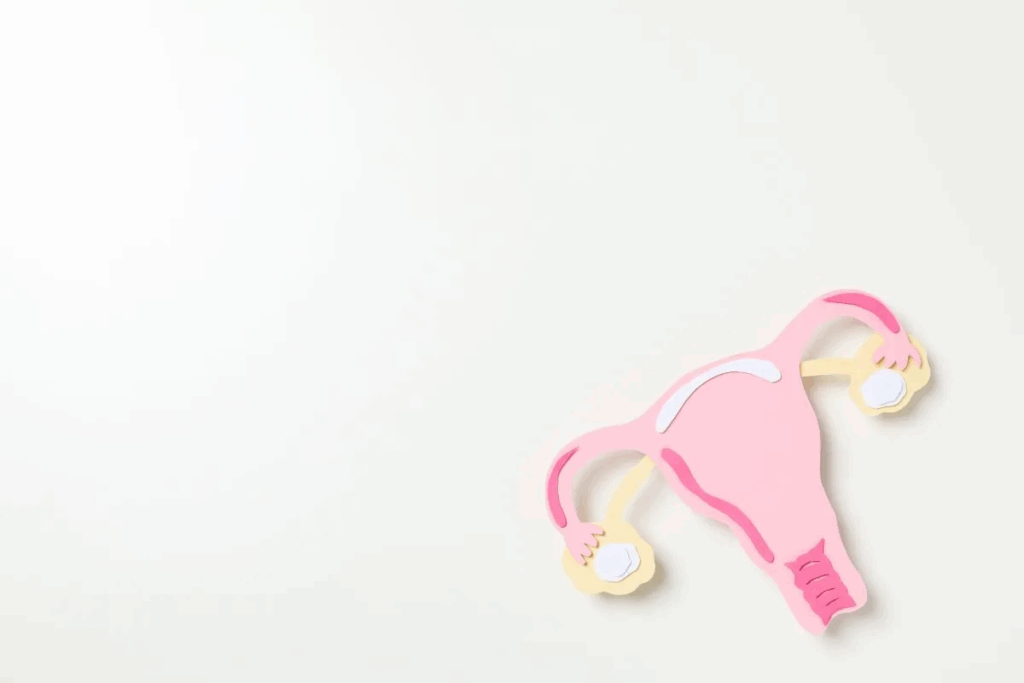
Women who deal with symptoms every day need to know about uterine fibroids. These are non-cancerous tumors that grow in or around the uterus. They are very common among women of childbearing age and can have a big impact.
What Are Fibroids and Who Gets Them?
Fibroids are growths that are not cancerous. They can be small, pea-sized or very large, like a melon. The exact reason for fibroids is not known, but hormones, genetics, and environment are thought to play a part.
Up to 80% of women may get fibroids by menopause. They are most common in women aged 30 to 50. African American women are at higher risk.
Common Symptoms and Quality of Life Impact
The symptoms of uterine fibroids vary among women. Common ones include:
- Heavy or prolonged menstrual bleeding
- Pelvic pain or pressure
- Frequent urination
- Constipation
- Infertility or recurrent miscarriage
These symptoms can greatly affect a woman’s life. They can make daily activities hard, affect mood, and harm health. As one expert says, “Fibroids can disrupt a woman’s life, causing pain, anxiety, and stress.”
“The impact of uterine fibroids on women’s health cannot be overstated, as they cause significant discomfort and health issues.”
Knowing about uterine fibroids is the first step to finding relief. By recognizing symptoms and getting medical help, women can manage their health and improve their life.
When to Seek Treatment: Signs Your Fibroids Need Attention
If you’re dealing with symptoms of uterine fibroids, knowing when to see a doctor is key. Fibroids can cause a variety of symptoms, from mild to severe. It’s important to know when these symptoms need medical help.
Recognizing When Fibroids Require Medical Intervention
Fibroids can lead to symptoms like heavy bleeding, long periods, and pelvic pain. If you’re experiencing any of these, you should see a doctor:
- Heavy or prolonged menstrual bleeding that interferes with your daily activities
- Severe pelvic pain or pressure that doesn’t respond to over-the-counter pain medication
- Difficulty emptying your bladder or frequent urination
- Constipation or difficulty with bowel movements
As one healthcare provider noted,
“The key to managing fibroids effectively is early detection and understanding the severity of symptoms.”
Diagnostic Methods for Uterine Fibroids
Diagnosing uterine fibroids requires a mix of clinical checks and imaging. Your doctor might use these methods to find out about your fibroids:
| Diagnostic Method | Description |
| Pelvic Exam | A physical examination to assess the size and shape of the uterus |
| Ultrasound | Imaging technique using sound waves to visualize fibroids |
| MRI | Magnetic Resonance Imaging for detailed visualization of fibroids and surrounding tissues |
Discussing Options With Your Healthcare Provider
After diagnosis, talking about treatment options with your doctor is vital. Your treatment will depend on your fibroids’ size, location, your health, and if you want to have kids in the future.
Your doctor might suggest minimally invasive procedures or medical management. These can help manage your symptoms and possibly get rid of fibroid problems.
Understanding your condition and the treatment uterine fibroids options available can help you make informed decisions about your care.
Modern Fibroid Procedures: An Overview of Available Options
The way we treat fibroids has changed a lot in recent years. Now, women have many effective options that fit their needs. These treatments aim to keep the uterus safe when it’s possible.
Evolution of Fibroid Treatments
Old treatments for fibroids were often big and invasive. But, new tech has brought us better, less invasive methods. Minimally invasive fibroid treatments are now popular because they heal faster and cause less trouble.
Now, treatments focus more on keeping the uterus safe. This is great for women who want to keep their fertility.
Comparing Invasive vs. Minimally Invasive Approaches
Old-school surgery is no longer the go-to. Minimally invasive techniques like laparoscopic and hysteroscopic surgeries are now the norm. They mean smaller cuts, less pain, and quicker healing.
Choosing between invasive and minimally invasive treatments depends on several things. These include the fibroids’ size and location, and the patient’s health and wishes.
The Importance of Personalized Treatment Plans
Every woman’s fibroid story is different. So, treatment plans must be made just for them. Personalized care is key, considering the fibroids, the patient’s health, and her personal goals or plans.
With a personalized treatment plan, patients get the best care. This could mean removing fibroids or just managing symptoms.
Hysterectomy for Enlarged Uterus and Fibroids
Women with severe fibroid symptoms may find relief in hysterectomy. This surgery removes the uterus, stopping fibroid symptoms.
Types of Hysterectomy Procedures
There are many types of hysterectomy, each suited for different needs. The choice depends on the uterus size, health issues, and the surgeon’s skill.
- Total Hysterectomy: Removes the whole uterus, including the cervix.
- Subtotal Hysterectomy: Takes out the top part of the uterus, leaving the cervix.
- Radical Hysterectomy: Removes the uterus, cervix, part of the vagina, and surrounding tissue, often for cancer.
- Laparoscopic Hysterectomy: Uses small incisions and a camera for a minimally invasive procedure.
Recovery Timeline and What to Expect
Recovery time after hysterectomy varies. It depends on the procedure and the patient’s health. Most people need several weeks to recover.
| Procedure Type | Hospital Stay | Recovery Time |
| Abdominal Hysterectomy | 2-4 days | 6-8 weeks |
| Laparoscopic Hysterectomy | 1-2 days | 3-4 weeks |
Long-term Outcomes and Considerations
Hysterectomy often brings long-term relief from fibroid symptoms. But, it’s a permanent choice that ends menstrual cycles and fertility.
Who Should Consider This Definitive Option
Hysterectomy is for women with severe fibroid symptoms who’ve tried other treatments. It’s a big decision. Talking to a healthcare provider is key to deciding if it’s right for you.
Myomectomy: Surgical Removal While Preserving Fertility
Women looking to ease fibroid symptoms without losing their chance to have children might find myomectomy helpful. This surgery removes fibroids from the uterus but keeps the uterus intact. This is key for those who want to keep their fertility options open.
Surgical Approaches
There are different ways to do a myomectomy, each with its own benefits. The choice depends on the fibroids’ size, number, and location. It also depends on the patient’s health and what they prefer.
- Abdominal Myomectomy: This traditional surgery makes a big cut in the belly to reach the uterus. It’s best for big fibroids or when there are many.
- Laparoscopic Myomectomy: This is a less invasive method with small cuts for a laparoscope and tools. It works well for smaller fibroids and has a quicker recovery.
- Hysteroscopic Myomectomy: This method uses a hysteroscope through the vagina to remove fibroids. It’s good for fibroids that can be reached this way.
Recovery Process
Recovery from myomectomy can take different amounts of time, depending on the surgery type. Patients might feel pain, bleed, and be tired. Recovery can be from a few days for hysteroscopic to weeks for abdominal myomectomy.
Success Rates for Fibroid Removal
Myomectomy is very good at removing fibroids and easing symptoms. But, success can depend on the surgeon, fibroid size and number, and the patient’s health. Research shows it can greatly improve life for women with fibroids.
Fertility Considerations After Myomectomy
Many women choose myomectomy to keep their fertility. It can help by removing fibroids that might block conception or pregnancy. But, how it affects fertility can differ for each person, based on the surgery and other fertility issues.
Women thinking about myomectomy should talk to their doctor about their fertility goals. This helps understand how the surgery might affect their chances of getting pregnant in the future.
Uterine Artery Embolization: A Non-Surgical Approach to Shrinking Fibroids
Looking for effective fibroid treatments has led to uterine artery embolization. This method is a non-surgical way to shrink fibroids by cutting off their blood supply.
Procedure Experience
An interventional radiologist uses imaging to guide a catheter into the uterine arteries. This is done through a small incision in the groin. Then, embolic agents block the blood flow to the fibroids.
The procedure takes about 1-2 hours. It’s done under local anesthesia and conscious sedation to reduce discomfort. Most women can go home the same day, though some might need to stay overnight.
Recovery time varies, but most can get back to normal activities in 7-10 days.
Effectiveness in Decreasing Fibroid Size
Studies show UAE is very effective in reducing fibroid size and symptoms. By cutting off blood supply, UAE causes fibroids to shrink over time. This leads to less heavy menstrual bleeding, pelvic pain, and pressure.
| Symptom | Pre-UAE | Post-UAE (6 months) |
| Heavy Menstrual Bleeding | 85% | 20% |
| Pelvic Pain | 70% | 15% |
| Pelvic Pressure | 60% | 10% |
Long-term Symptom Relief
Long-term studies show UAE provides lasting symptom relief. It not only reduces fibroid size but also improves quality of life. While results can vary, UAE’s success in long-term relief is promising.
Key Benefits of UAE:
- Minimally invasive with a quick recovery time
- Preserves the uterus, maintaining fertility options
- Significant reduction in fibroid-related symptoms
Uterine artery embolization is a valuable option for those seeking a non-surgical solution. It stands out in the quest for effective fibroid treatments.
Radiofrequency Ablation: Cutting-Edge Fibroid Procedure
Women looking for relief from fibroid symptoms might find radiofrequency ablation interesting. It’s a new way to treat fibroids that’s less invasive than traditional surgery.
Transcervical and Laparoscopic Approaches
There are two ways to do radiofrequency ablation: transcervical and laparoscopic. The transcervical approach goes through the cervix. The laparoscopic approach uses small cuts in the belly. Both are precise and have quick recovery times.
How the Technology Destroys Fibroid Tissue
The technology uses heat to shrink or remove fibroid tissue. A special device sends radiofrequency waves. These waves are guided by imaging to make sure they hit the right spot.
Recovery Advantages Over Traditional Surgery
Radiofrequency ablation is less invasive. This means less pain and faster recovery than traditional surgery. Patients can often get back to their daily activities in just a few days.
Clinical Results in Shrinking Fibroids
Research shows radiofrequency ablation can shrink fibroids and ease symptoms. Here are some findings from studies:
| Study | Number of Patients | Symptom Relief | Fibroid Size Reduction |
| Study A | 100 | 85% | 60% |
| Study B | 50 | 90% | 70% |
| Study C | 200 | 80% | 65% |
These studies suggest radiofrequency ablation is a good choice for those wanting to treat fibroids without major surgery.
Endometrial Ablation: Targeting Heavy Bleeding Symptoms
Heavy menstrual bleeding is a common symptom of fibroids. Endometrial ablation is a procedure that targets this issue. It involves ablating or destroying the lining of the uterus to reduce or stop menstrual bleeding.
How the Procedure Works to Stop Bleeding
Endometrial ablation works by applying heat, cold, or other forms of energy to the endometrium. This effectively destroys it. The process leads to a significant reduction in menstrual bleeding or, in some cases, complete cessation of menstruation. The procedure is typically performed in a clinical setting and can be done using various techniques, including:
- Radiofrequency ablation
- Hydrothermal ablation
- Cryotherapy
- Thermal balloon ablation
The choice of technique depends on several factors. These include the patient’s overall health, the size and shape of the uterus, and the presence of any other uterine abnormalities.
Ideal Candidates and Limitations
Endometrial ablation is generally recommended for women who:
- Have completed childbearing
- Suffer from heavy menstrual bleeding due to fibroids or other non-cancerous conditions
- Have not found relief from other treatments
But it’s not suitable for everyone. Women who:
- Wish to become pregnant in the future
- Have certain uterine abnormalities or cancer
- Have active pelvic infections
Combining with Other Treatments for Optimal Results
Endometrial ablation can be used alone or in conjunction with other treatments for fibroids. For instance, it may be combined with hormonal therapies or other minimally invasive procedures to achieve optimal symptom management.
Expected Outcomes for Symptom Management
The effectiveness of endometrial ablation in managing heavy bleeding symptoms varies among individuals. Studies have shown that:
- 70-90% of women experience a significant reduction in menstrual bleeding
- Some women may achieve amenorrhea (complete cessation of menstruation)
- Symptom relief can improve quality of life
It’s essential for patients to discuss their individual circumstances and expectations with their healthcare provider. This helps determine if endometrial ablation is the right treatment option for them.
Medical Management: Tranexamic Acid and Hormonal Options
Managing fibroids medically includes treatments like tranexamic acid and hormonal options. These methods aim to lessen symptoms. They are great for women who want to avoid surgery or delay it.
How Tranexamic Acid Controls Fibroid Bleeding
Tranexamic acid helps control heavy bleeding from fibroids. It works by making blood clots more stable. This reduces bleeding, helping women with menorrhagia due to fibroids.
Key benefits of tranexamic acid include:
- Reduced menstrual bleeding
- Improved quality of life
- Non-hormonal treatment option
Women take tranexamic acid during their period to manage bleeding. Studies show it’s effective in controlling fibroid-related bleeding.
Hormonal Medications for Temporary Fibroid Management
Hormonal meds can temporarily ease fibroid symptoms. They help with heavy bleeding and pelvic pain. These meds work by balancing hormones that affect fibroid growth.
Hormonal therapies include GnRH agonists. They can shrink fibroids by mimicking menopause. But, they’re used short-term because of side effects and bone density risks.
Limitations of Medical Therapy for Shrinking Fibroids
Medical treatments can manage fibroid symptoms but have limits. Tranexamic acid controls bleeding but doesn’t shrink fibroids. Hormonal therapies can shrink them but are temporary due to side effects.
When Medications Should Be Combined with Procedures
In some cases, combining meds with procedures is best for fibroid management. For example, shrinking fibroids with hormones before surgery can make it less invasive. This might also shorten recovery time.
Understanding medical management in fibroid treatment helps women make better choices. They might avoid or delay surgery, which is less invasive.
Conclusion: Finding Your Path to Fibroid Relief
We’ve looked at many ways to treat fibroids, from small procedures to big surgeries and medicine. Women can choose what works best for them, aiming for relief, symptom control, or other options.
Every woman’s path to relief is different. What helps one might not work for another. By learning about treatments and talking to doctors, women can choose wisely.
Managing fibroid symptoms needs a plan made just for you. It depends on how bad your symptoms are, your health, and what you prefer. We suggest looking into all options and working with your doctor to find the right plan for you.
FAQ
What are the most effective procedures for shrinking fibroids?
We offer several effective procedures. These include Uterine Artery Embolization (UAE), Radiofrequency Ablation, and Myomectomy. They have been shown to significantly reduce fibroid size and alleviate symptoms.
Can fibroids be removed without a hysterectomy?
Yes, Myomectomy allows for the removal of fibroids while preserving the uterus. This makes it a viable option for women who wish to maintain their fertility.
How does tranexamic acid help with fibroid bleeding?
Tranexamic acid is a medication that helps control heavy bleeding caused by fibroids. It stabilizes blood clots and reduces menstrual blood loss.
What is the difference between invasive and minimally invasive fibroid treatments?
Minimally invasive treatments, such as UAE and Radiofrequency Ablation, involve smaller incisions or no incisions at all. This results in less recovery time and fewer complications compared to traditional invasive surgeries like hysterectomy.
How can I determine the best treatment option for my fibroids?
We recommend consulting with a healthcare provider. Discuss your individual needs and determine the most suitable treatment plan. This will depend on the size, location, and number of fibroids, as well as your overall health and fertility goals.
Are there any non-surgical options for treating fibroids?
Yes, UAE and medical management options like hormonal therapies and tranexamic acid are non-surgical approaches. They can help manage fibroid symptoms and reduce fibroid size.
Can fibroids be treated with medication alone?
While medication can help manage symptoms, it may not be enough to completely eliminate fibroids. In some cases, medication may be used in conjunction with other treatments for optimal results.
What are the benefits of Radiofrequency Ablation for fibroid treatment?
Radiofrequency Ablation is a minimally invasive procedure that uses heat to destroy fibroid tissue. It offers a relatively quick recovery time and effective symptom relief.
How effective is Uterine Artery Embolization in shrinking fibroids?
UAE has been shown to be highly effective in reducing fibroid size and alleviating symptoms. Many women experience significant improvement in their quality of life.
Can I stil have children after a Myomectomy?
Yes, Myomectomy is a fertility-sparing procedure. Many women are able to conceive and have a successful pregnancy after the surgery. It’s essential to discuss individual fertility goals with a healthcare provider.
References
Mauri, G., et al. (2025). Evaluating the quality of online medical information videos on vertebroplasty and kyphoplasty for spinal fractures. Skeletal Radiology, 54, 1343–1352. https://pubmed.ncbi.nlm.nih.gov/40473987/