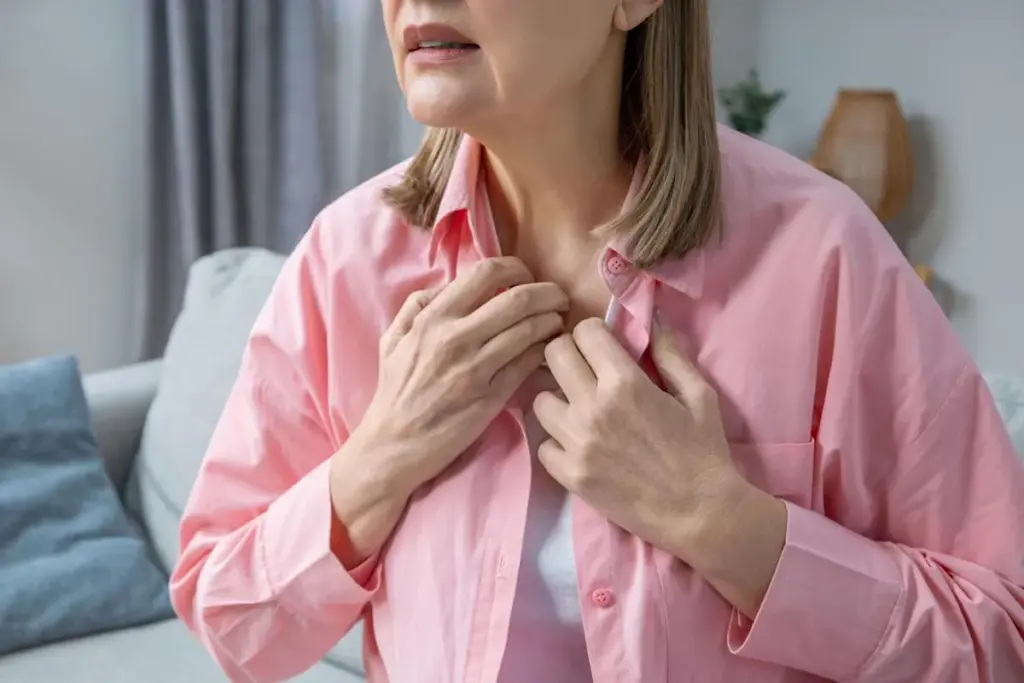
Uterine Fibroid Embolization (UFE) is a common, non-invasive way to treat fibroids. But, there’s worry about how it might affect menopause, especially for women getting closer to midlife.
Studies show UFE might raise the chance of menopause for women over 45. We need to look into how UFE and menopause are connected.
We’ll dive into the latest research and stats to fully grasp UFE’s impact on menopause.
Key Takeaways
- UFE is a minimally invasive procedure used to treat fibroids.
- Concerns exist about UFE’s potential impact on menopause.
- Research suggests UFE may increase menopause risk, especially in women over 45.
- Understanding the factors influencing menopause risk after UFE is crucial.
- Latest research and statistics will be explored to clarify the relationship between UFE and menopause.
Understanding Uterine Fibroids: Causes and Symptoms
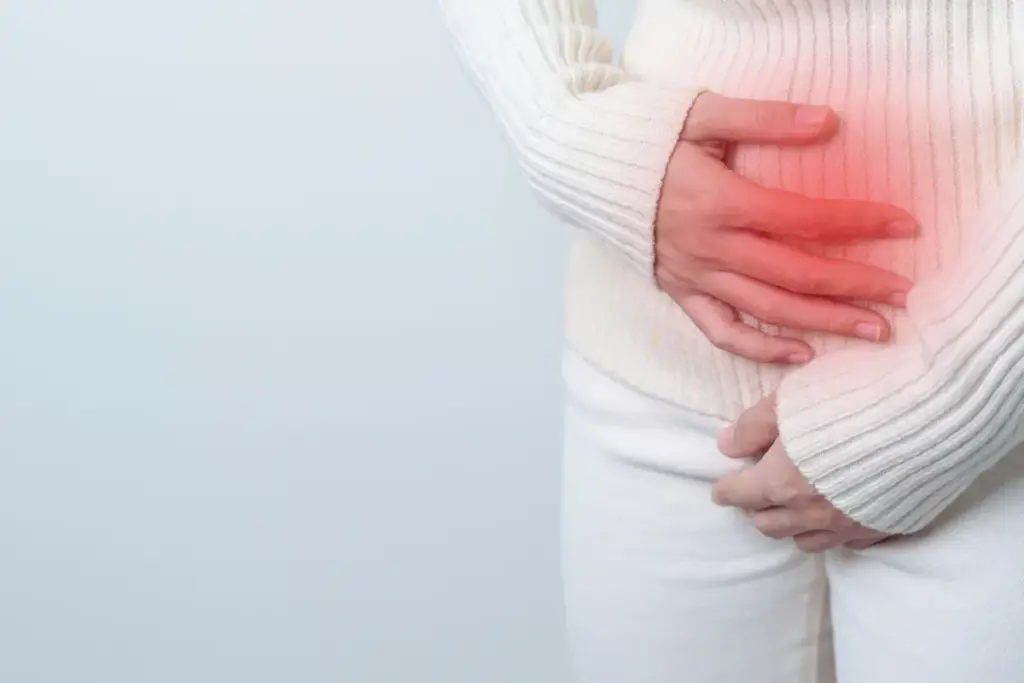
Fibroids, also known as uterine leiomyomas, are benign tumors in the uterus. They can greatly affect a woman’s life, causing symptoms from mild to severe.
What Are Uterine Fibroids?
Uterine fibroids are non-cancerous growths in or around the uterus. Their size, number, and location can vary. Hormonal factors, especially estrogen, play a big role in their growth.
There are different types of fibroids, including:
- Intramural fibroids: These grow within the uterine wall.
- Submucosal fibroids: These project into the uterine cavity.
- Subserosal fibroids: These extend outward from the uterus.
Common Symptoms of Fibroids
Women with uterine fibroids may have various symptoms, such as:
|
Symptom |
Description |
|---|---|
|
Heavy Bleeding |
Prolonged or excessive menstrual bleeding |
|
Frequent Urination |
Pressure on the bladder from large fibroids |
|
Bloating and Swelling |
Discomfort and swelling in the abdominal area |
|
Pelvic Pain |
Discomfort or pain in the pelvic region |
Risk Factors for Developing Fibroids
Several factors increase the risk of developing uterine fibroids, including:
- Genetic predisposition: Family history of fibroids
- Hormonal influences: Estrogen and progesterone can stimulate fibroid growth
- Age and reproductive status: More common in women of reproductive age
- Obesity: Being overweight or obese may increase risk
Knowing these risk factors and symptoms helps in diagnosing and managing uterine fibroids effectively.
Fibroids and Menopause: Natural Progression and Connection

It’s important to know how fibroids and menopause are linked. This knowledge helps in managing symptoms and making treatment choices. As women get closer to menopause, the impact of hormonal changes on fibroids grows.
How Hormones Affect Fibroid Growth
Fibroids grow because of hormones like estrogen and progesterone. These hormones are active during the reproductive years, making fibroids grow. Hormonal changes in perimenopause can also make fibroids grow or shrink.
Estrogen is especially important for fibroids. As estrogen levels go up and down in perimenopause, fibroids can change size. This is why understanding how hormones affect fibroids is key during this time.
Natural Progression of Fibroids During Perimenopause
Perimenopause is a time of big hormonal shifts. During this phase, fibroids can act strangely. Some women might see their symptoms get worse, like heavier bleeding or more pain.
The perimenopausal period can last for years. During this time, the hormonal changes can help fibroids grow. But as menopause nears, the drop in estrogen usually makes fibroids smaller and symptoms lessen.
Post-Menopausal Changes in Fibroids
After menopause, the drop in estrogen and progesterone usually makes fibroids smaller and symptoms better. Most women see a big improvement in their symptoms after menopause.
But some women might still have symptoms or fibroids left. It’s important to keep an eye on fibroid health even after menopause to manage any remaining symptoms.
In summary, the link between fibroids and menopause is complex, driven by hormonal changes. Knowing this is key to managing fibroid symptoms during perimenopause and after.
What is Uterine Fibroid Embolization (UFE)?
Uterine Fibroid Embolization (UFE) is a non-surgical treatment for fibroids. It’s a minimally invasive method that shrinks fibroids by cutting off their blood supply. This helps to ease symptoms caused by these growths.
The Procedure Explained
The UFE procedure starts with a small incision in the groin. This allows access to the femoral artery. A catheter is then guided through the artery to the uterine arteries.
Once in place, embolic material is released. This blocks blood flow to the fibroids, causing them to shrink over time.
It’s a relatively quick procedure, taking about an hour to complete. It’s done under local anesthesia or conscious sedation to reduce discomfort.
Benefits of UFE Compared to Other Treatments
UFE has several benefits over traditional surgical treatments for fibroids. These include:
- Minimally invasive, reducing recovery time
- Preserves the uterus, maintaining fertility options
- Less risk of complications compared to major surgery
- Effective in reducing fibroid size and symptoms
A key advantage of UFE is its ability to treat multiple fibroids at once. This makes it a good option for women who want to avoid hysterectomy.
Ideal Candidates for UFE
Not all women with fibroids are good candidates for UFE. The procedure is recommended for women who:
|
Criteria |
Description |
|---|---|
|
Symptomatic Fibroids |
Experiencing significant symptoms such as heavy bleeding, pain, or pressure |
|
Fertility Concerns |
Desire to preserve fertility or maintain uterine integrity |
|
Failed Other Treatments |
Have not responded to other treatments or are seeking an alternative to surgery |
It’s crucial for potential candidates to talk to a healthcare provider. They can determine if UFE is the right choice based on individual health needs and fibroid characteristics.
How UFE Affects the Reproductive System
Understanding UFE’s impact on the reproductive system is key for women thinking about it for fibroids. UFE, or Uterine Fibroid Embolization, treats fibroids and affects reproductive health.
Immediate Effects After the Procedure
Right after UFE, women might see changes in their menstrual cycle. Some might bleed less, while others might bleed more. These changes are usually short-term but can worry some women.
The procedure can also cause cramping and discomfort due to an initial inflammatory response in the uterus. This reaction is usually brief and managed with proper care after the procedure.
Long-term Impact on Uterine Function
Long-term, UFE can make fibroids smaller, improving uterine function. Many women see a drop in symptoms like heavy bleeding and pelvic pressure.
But, the long-term effect on uterine function varies. Some studies suggest UFE can make the uterus healthier, potentially boosting reproductive health.
Effects on Fertility and Pregnancy
One big worry for women getting UFE is its impact on fertility. UFE can change menstrual cycles and possibly affect ovarian reserve. Yet, many women have gotten pregnant after UFE.
Research shows UFE doesn’t greatly harm fertility, with many pregnancies reported after UFE. But, outcomes can differ, and age and health are big factors in fertility after UFE.
Key Considerations:
- UFE can cause changes in menstrual cycles.
- The procedure may impact fertility, but many women conceive after UFE.
- Long-term uterine function can improve due to reduced fibroid size.
The Relationship Between UFE and Ovarian Function
UFE is a treatment for uterine fibroids that raises questions about its impact on ovaries. It’s important to understand how UFE might affect ovarian blood supply and the reasons behind these effects.
Impact on Ovarian Blood Supply
The blood supply to ovaries is connected to the blood supply to the uterus. UFE can potentially reduce blood flow to ovaries. Studies suggest that UFE might decrease ovarian blood flow, especially in older women. This is because the embolization of uterine arteries can also affect ovarian arteries.
The concern about UFE’s impact on ovarian function is valid for many women. While the exact reasons are still being studied, it’s clear that the relationship between UFE and ovarian function is complex.
Potential Mechanisms for Ovarian Impact
Several theories explain how UFE might affect ovaries. One idea is that the embolization could reduce ovarian blood flow, leading to dysfunction. Another theory suggests an inflammatory response from the procedure could also impact ovarian function.
Women with larger fibroids or those near menopause might be more at risk for ovarian function changes after UFE. Understanding these mechanisms is key to managing expectations and making informed treatment choices.
As we delve deeper into the relationship between UFE and ovarian function, considering individual factors is crucial. This approach helps us provide more tailored care and support for women undergoing UFE.
Research Data: Can UFE Trigger Menopause?
It’s important for women to know about the risk of menopause after UFE. We’ll look at the latest research to help understand this topic.
Current Scientific Evidence
Many studies have looked into UFE and menopause. They show UFE is mostly safe but might start menopause in some women. The risk is higher for women over 45.
Age and ovarian health play big roles in this risk. We’ll dive into the key studies to see what they mean for women considering UFE.
Registry Data and Clinical Studies
Registry data and clinical studies have given us valuable insights. A major study found a higher risk of menopause after UFE in women over 45. This study’s results are key for talking to women about UFE’s risks and benefits.
These studies help us understand the risks and make better choices. We’ve put the main findings in a table for easy access.
|
Study |
Sample Size |
Menopause Risk |
|---|---|---|
|
Study A |
1000 |
5% (women under 45) |
|
Study B |
500 |
15% (women over 45) |
Statistical Significance of Research Findings
The reliability of the research is key. Studies have used different methods to look at the risk of menopause after UFE. The results show a clear risk for women over 45.
Here are the main statistical findings:
- Women under 45: low risk of menopause after UFE (less than 5%)
- Women over 45: higher risk of menopause after UFE (around 15%)
- Statistical significance: p-value
Age as a Critical Factor in Post-UFE Menopause Risk
Knowing how age affects the risk of menopause after UFE is key. Age plays a big role in how likely a woman is to stop having periods after the procedure.
Risk Profiles for Women Under 45
Women under 45 face a lower risk of menopause after UFE. Research shows younger women are less likely to lose their ability to ovulate. This is because their ovaries are more robust and less affected by the procedure.
Risk Profiles for Women Over 45
Women over 45, however, face a higher risk. As they get closer to natural menopause, their ovaries have less reserve. This makes them more vulnerable to UFE’s impact on their ovaries. It’s vital for women and doctors to weigh these risks when choosing treatments.
The 86% Statistic: Understanding the Age Connection
A study revealed 86% of women who lost ovarian function after UFE were over 45. This statistic emphasizes age’s role in menopause risk after UFE. It stresses the need for careful counseling for women in this age group about the procedure’s risks and benefits.
By grasping the risk levels for different ages, women can make better choices about their treatment. It’s crucial for doctors to talk about these risks with their patients. Age should be a key part of the decision-making process.
Understanding Amenorrhea After UFE
Uterine Fibroid Embolization (UFE) can affect menstrual cycles. Some women may stop getting their period, a condition known as amenorrhea. It’s important to know if this is just temporary or if it could mean menopause.
Temporary vs. Permanent Amenorrhea
After UFE, some women might not get their period. This could be just for a while or forever. If it comes back, it’s temporary. But if it doesn’t, it might mean menopause has started.
How long amenorrhea lasts can vary. It depends on age, how well the ovaries are working, and overall health.
The 7% Statistic: Contextualizing Ovarian Failure Rates
About 7% of women stop getting their period after UFE. Most of these women are over 45. This shows how age affects the risk of this happening.
|
Age Group |
Risk of Ovarian Failure |
|---|---|
|
Under 40 |
Low (<1%) |
|
40-45 |
Moderate (1-3%) |
|
Over 45 |
Higher (around 7%) |
Distinguishing Between Procedure Effects and Natural Menopause
Telling if amenorrhea is from UFE or menopause can be hard. But, the timing and symptoms can help. Menopause comes on slowly over years. UFE-induced amenorrhea can happen quickly.
If you stop getting your period after UFE, see your doctor. They can figure out why and what to do next.
Long-term Follow-up Studies on Menstruation After UFE
Research on UFE has shown its effects on menstruation and amenorrhea rates. Long-term studies are key to understanding UFE’s lasting impact on menstrual health.
One-Year Outcomes
At one year after UFE, about 1.1% of women stop menstruating. This data gives us a starting point for understanding UFE’s short-term effects.
Three-Year Outcomes
By three years, the amenorrhea rate goes up to 6.2%. This shows UFE’s gradual effect on menstrual cycles. Most women still menstruate normally, but the increase in amenorrhea is notable.
Five-Year Outcomes
At five years, the amenorrhea rate jumps to 12.2%. This shows UFE’s ongoing impact on menstruation. The five-year data is crucial for understanding UFE’s long-term effects on ovarian function and menstrual health.
To better understand the trend in amenorrhea rates over time, let’s examine the data in a tabular format:
|
Follow-up Period |
Amenorrhea Rate |
|---|---|
|
1 Year |
1.1% |
|
3 Years |
6.2% |
|
5 Years |
12.2% |
The data from long-term studies on menstruation after UFE is crucial. It shows the need to consider UFE’s long-term effects when choosing treatments for fibroids. As we keep studying UFE’s outcomes, we learn more about its impact on women’s health and menstrual cycles.
Hormonal Changes After UFE: What to Expect
Hormonal changes are common after UFE. They can affect many areas of a woman’s health. Understanding these changes and how to manage them is key.
Common Hormonal Fluctuations
Women may see changes in their hormones after UFE. These can include changes in estrogen levels. This might cause hot flashes or mood swings.
Some common hormonal changes include:
- Changes in menstrual cycle regularity
- Variations in estrogen and progesterone levels
- Symptoms similar to menopause, such as hot flashes
Can Fibroids Cause Hot Flashes or Menopausal Symptoms?
Fibroids themselves don’t usually cause hot flashes or menopausal symptoms. But, the hormonal environment that supports fibroids can lead to similar symptoms. It’s important to know the difference between symptoms from fibroids and hormonal changes after UFE.
|
Symptom |
Possible Cause |
Management Strategy |
|---|---|---|
|
Hot Flashes |
Hormonal changes, potentially triggered by UFE |
Lifestyle modifications, hormone therapy |
|
Mood Swings |
Variations in estrogen levels |
Emotional support, stress management techniques |
|
Changes in Menstrual Cycle |
Hormonal fluctuations post-UFE |
Monitoring cycle changes, medical guidance |
Distinguishing Between UFE Side Effects and Menopausal Symptoms
It can be hard to tell the difference between UFE side effects and menopausal symptoms. Keeping a symptom journal can help. It tracks when symptoms happen and how bad they are. This helps doctors give better advice and support.
Key considerations:
- The timing of symptoms in relation to the UFE procedure
- The severity and impact of symptoms on daily life
- Any changes in menstrual cycle or flow
Comparing UFE to Other Procedures and Their Menopausal Effects
Uterine fibroid embolization (UFE) is one of several treatments for fibroids. But how does it compare to other procedures in terms of menopausal effects? It’s important to understand the impacts of each treatment on menopause to make informed decisions.
Does Endometrial Ablation Cause Menopause?
Endometrial ablation destroys the lining of the uterus to treat heavy menstrual bleeding. It’s not directly for fibroids but can help manage symptoms. Research shows it doesn’t directly cause menopause. But, it can change menstrual bleeding patterns.
Some women might stop menstruating after the procedure. This can be temporary or permanent.
The main differences between UFE and endometrial ablation are:
- Impact on Fibroids: UFE cuts off fibroid blood supply, while endometrial ablation targets the uterine lining.
- Menopausal Effects: Both can affect menstrual patterns. But UFE has a more direct impact on fibroid symptoms.
Hysterectomy and Surgical Approaches
A hysterectomy removes the uterus and is a definitive fibroid treatment. It stops menstrual bleeding and eliminates symptoms. But, it also affects menopause, especially if the ovaries are removed.
Important things to consider about hysterectomy are:
- Surgical Approach: The type of hysterectomy affects recovery and complications.
- Ovarian Preservation: Deciding whether to remove the ovaries is crucial. It impacts menopause onset and hormone therapy needs.
Hormone Therapy Considerations
Women who undergo procedures affecting ovarian function might need hormone therapy for menopausal symptoms. The decision to start hormone therapy depends on several factors. These include age, health, and the procedure type.
It’s important to talk to your healthcare provider about:
- The risks and benefits of hormone therapy post-procedure
- Alternatives to hormone therapy for managing menopausal symptoms
- Personal health history and how it influences treatment choices
Managing Fibroids During Perimenopause and Menopause
As women get closer to perimenopause and menopause, dealing with fibroids is key to their health. The drop in estrogen can slow down fibroid growth but may make symptoms worse. It’s important to find a way to ease symptoms and improve life quality.
Medical Management Options
Doctors often start with hormone therapy to treat fibroids in these stages. Nonsteroidal anti-inflammatory drugs (NSAIDs) and other pain meds help with pain. These steps can help manage symptoms.
The American College of Obstetricians and Gynecologists says hormone therapy can help. But, it should be used carefully because of risks and side effects.
“Hormone therapy can be effective in managing symptoms related to fibroids, but it should be used judiciously due to potential risks and side effects.”
American College of Obstetricians and Gynecologists
Lifestyle Modifications
Changing your lifestyle is also important. Keeping a healthy weight through diet and exercise can help. Eating lots of fruits, veggies, and whole grains can also help symptoms. Stress-reducing activities like yoga and meditation can help too.
- Eating a balanced diet
- Engaging in regular physical activity
- Practicing stress-reducing techniques
Natural Remedies for Fibroids and Menopause
Some women find relief with natural remedies. Herbal supplements like chasteberry and black cohosh may help with menopause symptoms. Acupuncture can also reduce symptoms of fibroids and menopause.
Managing fibroids in perimenopause and menopause needs a mix of treatments. This includes medical options, lifestyle changes, and natural remedies. By exploring these options and talking to a doctor, women can find ways to feel better and live better.
Making Informed Treatment Decisions Based on Age and Symptoms
Women dealing with fibroids need to know how age and symptoms affect treatment choices. Each person’s situation is unique, based on symptoms, age, and health. This makes treatment decisions very personal.
Considerations for Women Under 40
Women under 40 often worry about keeping their fertility. UFE is a good option because it’s a minimally invasive procedure. It might help them keep their uterus, which could be good for future pregnancies. But, they should think carefully about the risks and benefits, including how it might affect their ovaries.
Women in this age group should also think about how bad their symptoms are. If symptoms are mild, they might choose a more gentle approach. But, if symptoms are severe, they might need a stronger treatment.
Considerations for Women 40-45
Women between 40 and 45 are getting close to menopause. When deciding on UFE or other treatments, they should consider when menopause might start. This is important because treatment could affect when and how they go through menopause.
Talking to a healthcare provider about the risks and benefits is very important. This helps them make a choice that’s right for them.
|
Age Group |
Treatment Considerations |
Fertility Concerns |
|---|---|---|
|
Under 40 |
UFE, conservative management |
Preserving fertility |
|
40-45 |
UFE, considering natural menopause |
Fertility less of a concern |
|
Over 45 |
UFE, hysterectomy, symptom management |
Fertility not a concern |
Considerations for Women Over 45
Women over 45 focus on managing symptoms and improving their quality of life. UFE is still an option, and they might also consider hysterectomy. This depends on how bad their symptoms are and their overall health.
Women in this age group should talk to their healthcare provider about UFE and menopause. The risk of UFE causing menopause is higher here. Knowing the risks and benefits helps them make a good choice.
Livehospital.com: Excellence in UFE and Fibroid Treatment
Livehospital.com is all about top-notch medical care. We focus on UFE and fibroid treatment, putting patients first. We know how tough uterine fibroids can be for women.
Academic Protocols and Safety Standards
At Livehospital.com, we follow strict academic protocols and safety standards. Our team uses established guidelines for UFE treatment. This helps us minimize risks and improve results.
Our dedication to safety shows in:
- Strict patient screening processes
- State-of-the-art facilities and equipment
- Continuous monitoring and follow-up care
Innovation and High-Quality Care Approach
We’re always looking for new ways to improve UFE treatment. Our team works together to create personalized plans for each patient. This approach helps us meet each patient’s unique needs.
Our innovative methods include:
- Advanced embolization techniques
- Minimally invasive procedures
- Comprehensive support services
Patient-Centered Care for Fibroid Treatment
At Livehospital.com, we put patients first. We understand that every woman’s experience with fibroids is different. Our team listens to your concerns and goals, tailoring our care to fit your needs.
|
Care Aspect |
Description |
|---|---|
|
Personalized Treatment Plans |
Tailored to address individual patient needs and preferences |
|
Comprehensive Support |
Including counseling, education, and follow-up care |
|
Multidisciplinary Team |
Collaborative care involving specialists from various fields |
Choosing Livehospital.com for UFE treatment means you get top care. We’re committed to academic rigor and patient-centered practice. We aim to support women through their fibroid journey with care and expertise.
Conclusion: Weighing the Risks of UFE and Menopause
The link between Uterine Fibroid Embolization (UFE) and menopause is complex. It depends on age and health. Women over 45 face a higher risk of menopause after UFE.
Our look at research shows UFE is mostly safe and works well for fibroids. But, it’s key for patients to know the risks, especially on ovaries and menopause.
Thinking about UFE means looking at its good points and possible downsides. This includes age, health, and what you want for your future. Livehospital.com stresses the need for care that fits you and making choices with all the facts.
Knowing the risks and benefits of UFE and menopause helps patients choose wisely. We suggest talking to your doctor to find the right treatment for you. This includes understanding the risks of UFE and menopause.
FAQ
Does Uterine Fibroid Embolization (UFE) cause menopause?
UFE might lead to menopause in some women, especially those over 45. But, the risk depends on age and other factors.
Can fibroids cause hot flashes or menopausal symptoms?
Yes, fibroids can cause symptoms like hot flashes. Hormonal changes and fibroids can make these symptoms worse.
Does endometrial ablation cause menopause?
Endometrial ablation doesn’t directly cause menopause. But, it can change menstrual bleeding and might affect ovaries in some cases.
How do fibroids affect menopause?
Fibroids can make menopausal symptoms worse. They can also make the transition to menopause harder. Hormonal changes during menopause can affect fibroid growth.
What are the hormonal changes after UFE?
After UFE, women might see hormonal changes. These changes can be like menopausal symptoms. They are usually temporary but can worry some women.
Can UFE affect ovarian function?
Yes, UFE can impact ovarian blood supply and function. This might change menstrual cycles and lead to menopausal symptoms.
How does age affect the risk of menopause after UFE?
Age is key in determining the risk of menopause after UFE. Women over 45 are more likely to experience menopause after the procedure.
What is the risk of ovarian failure after UFE?
The risk of ovarian failure after UFE varies. Studies show it’s about 7% for women under 45. It’s higher for women over 45.
How can I manage fibroids during perimenopause and menopause?
Managing fibroids during perimenopause and menopause needs a full approach. This includes medical treatments, lifestyle changes, and natural remedies.
What are the benefits of choosing a reputable healthcare provider for UFE?
Choosing a reputable healthcare provider, like Livehospital.com, offers many benefits. You get access to the latest care and treatment for fibroids and UFE.
References
National Center for Biotechnology Information. Evidence-Based Medical Insight. Retrieved from https://www.ncbi.nlm.nih.gov/books/NBK519016/