

Nearly 6 million adults in the United States live with heart failure. This is when the heart can’t pump enough blood for the body. In the final stages, heart failure makes everyday life very hard, causing severe symptoms final stage heart failure symptoms6 Key Symptoms of Brain Cancer in the Final Stages.
It’s important to know the symptoms of advanced heart failure. This helps patients and their caregivers manage the condition better. As heart failure gets worse, symptoms like fatigue, swelling, and shortness of breath get worse too.
Key Takeaways
- Heart failure affects nearly 6 million adults in the US.
- Final stages of heart failure significantly impact quality of life.
- Symptoms include increased fatigue, swelling, and shortness of breath.
- Understanding symptoms is key for effective management.
- Advanced heart failure needs careful monitoring and care.
Understanding Heart Failure Progression
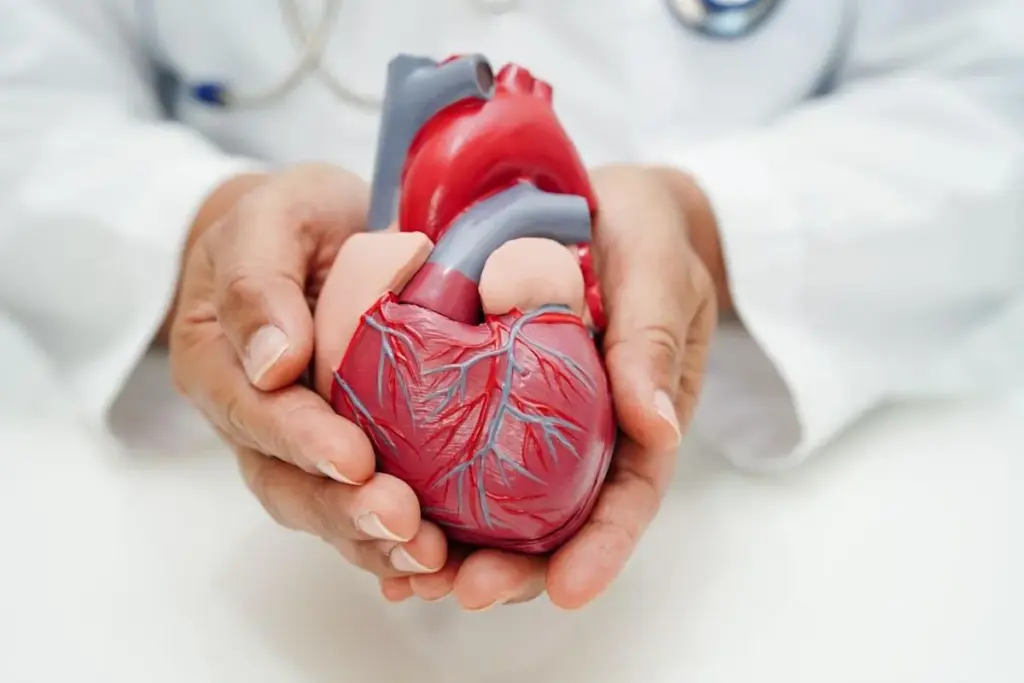
Heart failure goes through different stages, each with its own challenges. As it gets worse, people find it harder to do everyday things and feel less well overall.
The Four Stages of Heart Failure
Heart failure is divided into four stages: A, B, C, and D. The American College of Cardiology/American Heart Association (ACC/AHA) guidelines set these stages. Stage A means you’re at high risk of heart failure. Stage B shows you have heart disease but no symptoms yet. Stage C is when you start to feel symptoms, and Stage D is when symptoms are severe even when you’re resting.
Doctors use these stages to plan the best treatment for each patient. This helps improve their health outcomes.
Transition from Advanced to End-Stage Heart Failure
Going from advanced (Stage C) to end-stage (Stage D) heart failure means symptoms get much worse. Even with the best treatment, patients find it hard to do simple tasks. They might also need to go to the hospital often.
Key characteristics of end-stage heart failure include:
- Severe symptoms at rest or with minimal exertion
- Significant impairment in quality of life
- Frequent hospitalizations for heart failure exacerbations
How Final Stage Heart Failure Differs from Earlier Stages
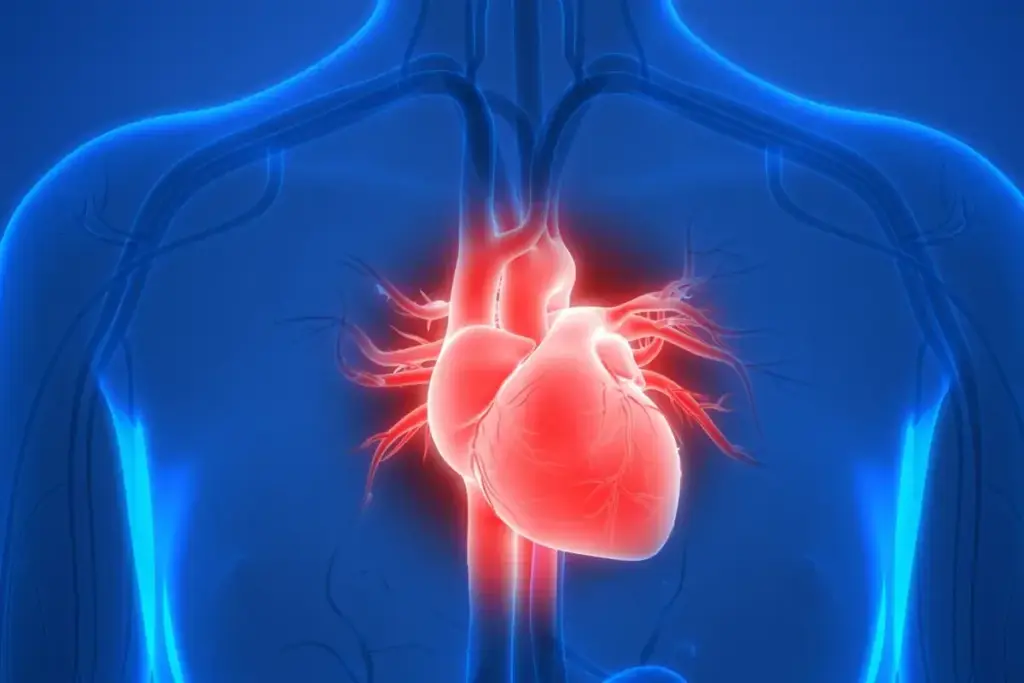
Final stage heart failure is much more severe than earlier stages. Symptoms are worse, and the heart doesn’t work as well. It also affects your quality of life a lot more. Unlike earlier stages, end-stage heart failure is harder to manage and often needs a focus on comfort care.
The number of older adults with heart failure who also have cognitive problems has gone up a lot. It went from 6.4% in 2017 to 22.2% in 2022. This shows how important it is to care for both the heart and the mind in advanced heart failure.
Defining End-Stage Heart Failure
Understanding end-stage heart failure means knowing the clinical classifications that help doctors diagnose and treat it. This condition happens when the heart can’t pump enough blood. This leads to severe symptoms that make everyday life very hard.
Clinical Classification Systems
Clinical classification systems are key in diagnosing and managing heart failure. Two main systems are the New York Heart Association (NYHA) Functional Classification and the American College of Cardiology/American Heart Association (ACC/AHA) Staging System.
- The NYHA system looks at how well you can function and your symptoms.
- The ACC/AHA system focuses on how heart failure progresses.
NYHA Class IV Heart Failure
NYHA Class IV heart failure is the most severe. Patients have symptoms even when they’re resting. The main signs are:
- Severe limitation in physical activity.
- Discomfort or symptoms present even at rest.
- Inability to perform any physical activity without discomfort.
ACC/AHA Stage D Heart Failure
The ACC/AHA Stage D classification is for advanced heart failure with symptoms at rest. The main features are:
- Marked symptoms of heart failure.
- Recurrent hospitalizations despite optimal medical therapy.
- Need for advanced therapies or interventions.
Knowing these classifications helps doctors create better treatment plans. This improves patient outcomes.
Final Stage Heart Failure Symptoms: The Complete Picture
The symptoms of final stage heart failure are complex and varied. They greatly affect patients’ quality of life. As the condition worsens, these symptoms become more severe and debilitating.
Symptom Clusters in Terminal Heart Failure
In terminal heart failure, symptoms often group together, making treatment hard. Common groups include respiratory distress, cardiovascular symptoms, and fatigue. Respiratory distress, like shortness of breath and needing to breathe while sitting up, is very common.
Cardiovascular symptoms, like persistent tachycardia and arrhythmias, also show up a lot. It’s key to understand these clusters for better symptom management.
How Symptoms Differ from Earlier Stages
Symptoms in final stage heart failure are much worse than in earlier stages. Early stages might have mild symptoms like shortness of breath when exerting. But final stage heart failure has severe symptoms even when resting.
As the condition gets worse, symptoms get more severe and happen more often. For example, patients may have severe dyspnea and need to sit up to breathe, making daily tasks hard.
Symptom Variability Among Patients
Symptoms in final stage heart failure can vary a lot between patients. Age, other health issues, and overall health play a big role in this.
For instance, older adults might have more severe cognitive decline and confusion because of poor heart function. Studies show a big increase in cognitive disability in older heart failure patients. This shows how complex symptoms can be in advanced age.
It’s important to understand this variability to tailor care to each patient. This can improve their quality of life.
Respiratory Distress in End-Stage Heart Failure
Respiratory distress is a key symptom of end-stage heart failure. It greatly affects patients’ quality of life. As heart failure worsens, the lungs suffer, causing many distressing symptoms.
Severe Dyspnea and Shortness of Breath
Severe dyspnea, or shortness of breath, is common in end-stage heart failure. It can happen even when sitting or lying down. Patients often feel like they can’t breathe, which is very scary.
Orthopnea and Paroxysmal Nocturnal Dyspnea
Orthopnea makes it hard to breathe when lying down. This can lead to paroxysmal nocturnal dyspnea. People wake up at night feeling like they can’t breathe, feeling suffocated. These episodes can be very frightening and disrupt sleep.
Cheyne-Stokes Respiration
Cheyne-Stokes Respiration is an abnormal breathing pattern in advanced heart failure. It involves cycles of deep and shallow breathing. This pattern can be a sign of a poor prognosis. It can also disrupt sleep and make patients feel more uncomfortable.
Managing respiratory distress in end-stage heart failure is key to improving patients’ comfort and quality of life. Understanding these symptoms helps healthcare providers offer better support and care.
Cardiovascular Symptoms in Terminal Heart Failure
In the final stages of heart failure, symptoms worsen, affecting life quality. The heart’s failing function causes many problems. These symptoms are a sign of the heart’s struggle to work right.
Persistent Tachycardia and Arrhythmias
One key symptom is persistent tachycardia, or a heart that beats too fast. This can also lead to arrhythmias, or irregular heartbeats. A study in a Journal found that up to 50% of patients with advanced heart failure have arrhythmias.
Tachycardia and arrhythmias can cause discomfort and breathing issues. To manage these, doctors use different treatments. This includes changing medications and sometimes using devices to help the heart.
|
Symptom |
Description |
Management Strategies |
|---|---|---|
|
Tachycardia |
Abnormally fast heart rate |
Beta-blockers, anti-arrhythmic medications |
|
Arrhythmias |
Irregular heartbeats |
Anti-arrhythmic medications, cardioversion, device therapy (e.g., ICD, pacemaker) |
Hypotension and Circulatory Compromise
Hypotension, or low blood pressure, is common in terminal heart failure. It can cause organs to not get enough blood. Hypotension in heart failure is a marker of poor prognosis and requires immediate attention.
“Hypotension in heart failure is a marker of poor prognosis and requires immediate attention.”
Hypotension can be caused by many things, like medication side effects or dehydration. To manage it, doctors look for the cause and may change medications or fluids.
Chest Pain and Discomfort Patterns
Chest pain is a big symptom in terminal heart failure. It can be from reduced blood flow to the heart or other heart problems. The type of chest pain can help doctors figure out what’s wrong.
Patients may have chest pain that doesn’t go away or keeps coming back. Doctors need to carefully check and treat it. They might use nitrates or pain medicines to help the heart and improve blood flow.
Fluid Retention and Edema in Final Stages
As heart failure gets worse, fluid buildup and swelling become more common. This leads to several problems. Fluid retention happens when the heart can’t pump blood well, causing fluid to gather in the body.
Severe Peripheral Edema
Severe swelling in the legs, ankles, and feet is a common sign in heart failure’s final stages. This swelling makes it hard to move around and is very uncomfortable.
Managing this swelling involves using diuretics, making lifestyle changes, and sometimes ultrafiltration.
Ascites and Abdominal Distension
Ascites, or fluid in the belly, is another serious problem in advanced heart failure. It causes the belly to swell, hurts, and makes it hard to breathe.
“The presence of ascites in heart failure patients is a marker of poor prognosis and significantly impacts the quality of life.” –
Pleural Effusions
Pleural effusions, or fluid around the lungs, can also happen in late-stage heart failure. It makes it hard to breathe and is uncomfortable.
|
Condition |
Symptoms |
Management |
|---|---|---|
|
Severe Peripheral Edema |
Swelling in legs, ankles, feet |
Diuretics, lifestyle changes, ultrafiltration |
|
Ascites |
Abdominal distension, discomfort |
Paracentesis, diuretics |
|
Pleural Effusions |
Shortness of breath, discomfort |
Thoracentesis, pleurodesis |
It’s very important to understand and manage fluid buildup and swelling in heart failure’s final stages. By treating these symptoms, doctors can make patients more comfortable and improve their quality of life.
Fatigue and Physical Decline
Patients with advanced heart failure often feel fatigue and weakness. These symptoms greatly affect their life quality.
As heart failure worsens, it becomes harder to do everyday tasks. This makes life very challenging.
Cachexia and Muscle Wasting
Cachexia is a big problem in end-stage heart failure. It causes weight loss, muscle wasting, and a decrease in appetite.
Cachexia changes how the body works, leading to a loss of both fat and muscle. This is due to metabolic, inflammatory, and hormonal changes.
“Cachexia is a multifactorial syndrome characterized by an ongoing loss of skeletal muscle mass (with or without loss of fat mass) that cannot be fully reversed by conventional nutritional support and leads to progressive functional impairment.”
Having cachexia means a worse outlook and higher risk of death for heart failure patients.
|
Characteristics |
Cachexia |
Normal Weight Loss |
|---|---|---|
|
Weight Loss |
Significant and ongoing |
Variable |
|
Muscle Mass |
Reduced |
May be preserved |
|
Appetite |
Decreased |
Variable |
Activity Limitations and Functional Decline
As heart failure gets worse, patients find it harder to do physical activities. This is due to fatigue and weakness.
Even simple tasks like walking or getting dressed become hard. This greatly affects their independence and life quality.
Dealing with end-stage heart failure requires a full care plan. This includes ways to ease symptoms and improve life quality.
Neurological and Cognitive Changes
In advanced heart failure, changes in the brain and thinking can really affect a person’s life. These changes can touch many parts of a person’s health and happiness.
Confusion and Altered Mental Status
Confusion and changes in how a person thinks are common in advanced heart failure. These can happen because the heart doesn’t pump well, which means less blood to the brain. Medicines for heart failure can also cause confusion, so it’s key to watch and adjust treatments closely.
Memory Problems and Cognitive Impairment
Memory and thinking problems are big worries in advanced heart failure. The heart’s poor pumping can mean less blood to the brain, which hurts thinking. People might struggle with remembering things, paying attention, and making decisions.
Dizziness and Syncope
Dizziness and fainting are other brain symptoms in advanced heart failure. These usually come from low blood pressure or irregular heartbeats, which cut down brain blood flow. People who often feel dizzy or faint are more likely to fall and get hurt.
More older adults are facing thinking problems, making it vital to tackle these brain and thinking changes. Doctors need to keep a close eye on these signs and tweak treatment plans to help patients do better.
Gastrointestinal Symptoms in Advanced Heart Failure
As heart failure gets worse, patients often face gastrointestinal problems. These issues can really affect their quality of life and health.
Nausea and Loss of Appetite
Nausea and loss of appetite are common in advanced heart failure. Nausea can make it hard to eat, which can make things worse. It can be caused by many things, like side effects of medicine, blockages in the stomach, and inflammation.
Not wanting to eat, or anorexia, makes it harder to get enough nutrients. This can lead to cachexia, a condition of weight loss, muscle wasting, and weakness. To manage these symptoms, doctors often suggest changes in diet and reviewing medications.
Abdominal Pain and Discomfort
Patients with advanced heart failure may also feel pain or discomfort in their abdomen. This pain can come from liver congestion, ascites, or not enough blood flow to the stomach. Finding out what’s causing the pain is key to treating it.
The pain can feel dull or sharp, depending on why it’s happening. Pain management plans should be made just for each person. They might include medicine or other ways to feel better.
Liver Congestion Symptoms
Liver congestion happens when the heart can’t pump blood well. This causes a buildup of blood in the liver. It can make the liver big and hurt in the right upper part of the belly.
Symptoms of liver congestion can also include jaundice (yellow skin and eyes) and changes in liver tests. To help the liver, doctors focus on treating the heart. This might include medicines to get rid of extra fluid and improve heart function.
Renal Complications in End-Stage Heart Failure
End-stage heart failure often leads to renal complications. These can greatly affect a patient’s prognosis. As the heart fails, it pumps less blood. This means the kidneys get less blood, causing various problems.
Decreased Urine Output
One major issue is decreased urine output. This happens because the kidneys don’t get enough blood. It also makes it hard for them to filter waste. Decreased urine output is a key sign of heart failure getting worse and possible kidney problems.
Patients may have oliguria, making very little urine. This can mean their kidneys are failing or getting worse.
Electrolyte Imbalances
Electrolyte imbalances are another big problem. The kidneys not working right can mess up sodium, potassium, and other important salts. Hyponatremia and hyperkalemia are common in these patients.
|
Electrolyte |
Common Imbalance |
Clinical Impact |
|---|---|---|
|
Sodium |
Hyponatremia |
Can lead to confusion, seizures, and coma if severe |
|
Potassium |
Hyperkalemia |
Can cause cardiac arrhythmias and arrest |
Cardiorenal Syndrome Manifestations
Cardiorenal syndrome (CRS) is when heart failure and kidney problems go hand in hand. In end-stage heart failure, CRS makes kidney function worse. This is because the heart pumps less and there’s more congestion.
CRS shows up as fluid buildup, electrolyte problems, and higher levels of heart markers. To manage CRS, you need to treat both heart failure and kidney issues.
Warning Signs Requiring Immediate Medical Attention
It’s vital to know the warning signs that mean you need to see a doctor right away if you have advanced heart failure. These signs show your condition is getting worse fast. You need to act quickly to avoid more serious problems.
Acute Respiratory Distress
Acute respiratory distress is a serious condition that needs immediate help. You might feel very short of breath, hear wheezing sounds, or feel like you can’t breathe. If you’re feeling this way, go to the emergency room right away.
Severe Chest Pain
Severe chest pain is a big warning sign that you need to see a doctor fast. It could mean you’re having a heart attack or another serious heart problem. Know how your chest pain feels, where it is, and how bad it is. Also, notice if anything makes it better or worse.
|
Symptom |
Description |
Action Required |
|---|---|---|
|
Acute Respiratory Distress |
Severe shortness of breath, wheezing |
Seek emergency care |
|
Severe Chest Pain |
Crushing or squeezing chest pain |
Call emergency services |
|
Fainting Episodes |
Sudden loss of consciousness |
Immediate medical evaluation |
Fainting Episodes
Fainting or syncope can be a sign of a serious problem in patients with advanced heart failure. If someone you know faints, they need to see a doctor right away. It could mean they have a dangerous heart rhythm or another serious heart issue.
It’s very important for caregivers and family to know these warning signs. They should act fast if they see them. This way, they can make sure the person gets the help they need quickly.
Quality of Life Impact in Terminal Heart Failure
Terminal heart failure affects both body and mind. It makes life harder as it gets worse. Patients feel their overall health slipping away.
Daily Living Limitations
People with terminal heart failure find everyday tasks hard. Simple things like taking a bath or eating become big challenges. This is because of tiredness, breathlessness, and other heart failure symptoms.
Common daily living limitations include:
- Reduced mobility and inability to perform routine tasks
- Difficulty in managing personal care due to physical weakness
- Need for frequent rest periods due to persistent fatigue
Dependency on Caregivers
As the disease gets worse, patients need more help from caregivers. This can be hard on both the patient and the caregiver.
The role of caregivers is critical. They help manage the patient’s health, offer emotional support, and help with doctor visits and treatments.
Emotional and Psychological Burden
Terminal heart failure affects more than just the body. It also takes a toll on the mind. Patients often feel anxious, depressed, and worried about their future.
Caregivers also face a heavy emotional load. They deal with stress, anxiety, and depression from caring for a loved one and seeing them decline.
Recent studies show more older adults are facing cognitive disabilities. This highlights the need for better care that supports both patients and caregivers. It’s key to address their physical and emotional needs.
Palliative Care Considerations for End-Stage Heart Failure
Palliative care is key in managing end-stage heart failure. It focuses on easing symptoms and improving life quality. As heart failure worsens, patients face many symptoms that need careful management.
Symptom Management Approaches
Managing symptoms is central to palliative care for heart failure. This includes:
- Using medicines to control pain, shortness of breath, and other symptoms
- Trying non-medical methods like oxygen, positioning, and relaxation
- Regularly checking and changing treatment plans as needed
Symptom management is customized for each patient, considering their unique needs and wishes.
When to Consider Palliative Care
Palliative care should start early in heart failure, alongside treatments aimed at curing the disease. As the disease gets worse, care shifts to focus on comfort.
Here are signs it’s time to think about palliative care:
|
Indicator |
Description |
|---|---|
|
Frequent hospitalizations |
Many times being admitted for heart failure |
|
Severe symptoms |
Intense shortness of breath, pain, or other distress |
|
Functional decline |
Big drop in ability to do daily tasks |
Balancing Treatment Goals
In end-stage heart failure, balancing treatment goals is vital. It’s about weighing the good and bad of treatments, keeping the patient’s wishes in mind.
Hospice Care Transition
For some, moving to hospice care is right when treatments no longer work or are not wanted. Hospice care aims to ease symptoms, offer comfort, and support patients and their families.
Choosing hospice care is a team decision, involving the patient, family, and healthcare team. It’s based on a full review of the patient’s health and needs.
Treatment Options in Final Stage Heart Failure
Treatment for end-stage heart failure focuses on easing symptoms and improving comfort. As the disease worsens, the goal shifts to improving quality of life through palliative care.
Medication Adjustments
In the final stages, medication is key in managing symptoms. Adjustments to existing medications are often needed to boost their effectiveness. This might mean changing dosages or switching to new medications.
- Diuretics help reduce fluid buildup.
- ACE inhibitors and beta-blockers control blood pressure and heart rate.
- Inotropes support heart function in advanced cases.
Advanced Therapies and Devices
Advanced therapies and devices can greatly benefit some patients. These include:
- Implantable cardioverter-defibrillators (ICDs) to prevent sudden cardiac death.
- Cardiac resynchronization therapy (CRT) to enhance heart function.
- Left ventricular assist devices (LVADs) as a bridge to transplantation or as a long-term solution.
Experimental Treatments
Researchers are always looking for new heart failure treatments. Experimental therapies may offer new hope for those with severe disease.
Heart Transplantation Considerations
For some, heart transplantation is a possible option. A thorough evaluation is needed to see if a patient is a good candidate. This includes looking at their overall health, the severity of their heart failure, and their ability to follow post-transplant care.
Choosing heart transplantation is a complex decision. It involves weighing the benefits and risks carefully.
Supporting Patients and Caregivers
As heart failure reaches its final stages, support for patients and caregivers is key. The rise in cognitive disability shows the need for a broad care approach.
Emotional Support Resources
Emotional support is essential for those with end-stage heart failure. Counseling services and psychological support help manage emotional stress. Support hotlines and online forums offer quick help and connections to others facing similar issues.
- Access to mental health professionals
- Support groups for patients and families
- Online resources and forums
Caregiver Education
Caregivers are vital in caring for those with end-stage heart failure. Teaching them about the condition and how to support is critical. This includes learning about medication management, symptom recognition, and palliative care principles.
- Understanding heart failure progression
- Managing medications and treatments
- Recognizing and responding to symptoms
Support Groups and Community Resources
Support groups and community resources help patients and caregivers. They offer emotional support, educational materials, and connections to local services. Examples include heart failure support groups and community health programs.
Discussing end-of-life planning is a critical but sensitive topic. It involves advance care planning, hospice care options, and preferences for end-of-life care. Having open and compassionate talks ensures patients’ wishes are respected.
- Advance directives and living wills
- Hospice care and palliative care options
- Discussing patient preferences and values
Conclusion
Knowing the signs of final stage heart failure is key for patients, caregivers, and doctors. The move to end-stage heart failure brings big changes in symptoms. This needs a full care plan.
Spotting these symptoms early helps in making life better. It’s all about acting fast and caring well.
Good care for end-stage heart failure means managing symptoms and helping with emotional needs. It’s about facing the challenges of heart failure together. Caregivers are very important in this journey.
They need support and resources to help patients. This makes a big difference in care.
Palliative care and advanced treatments are very important. They aim to improve life quality for patients and their families. As heart failure gets worse, knowing what treatments and support are out there is vital.
This helps in making smart choices about care. It’s all about quality of life.
FAQ
What are the common symptoms of end-stage heart failure?
Symptoms include severe shortness of breath and persistent fatigue. Swelling in the legs and feet is common. Difficulty with daily activities is also a sign.
Chest pain, dizziness, and confusion can also occur.
How does end-stage heart failure differ from earlier stages?
End-stage heart failure has severe symptoms that affect daily life. It’s different from earlier stages because it causes a big decline in physical function. There’s also a high risk of hospitalization and death.
What is NYHA Class IV heart failure?
NYHA Class IV heart failure means severe symptoms, even at rest. It limits physical activity a lot. Patients may need to go to the hospital often.
What are the signs of fluid retention in end-stage heart failure?
Fluid retention shows as swelling in the legs, ankles, and feet. It also causes weight gain. Other signs include abdominal swelling, shortness of breath, and coughing up pink, frothy mucus.
How does end-stage heart failure affect cognitive function?
It can cause confusion, memory problems, and trouble concentrating. These issues might be due to lack of oxygen to the brain, medication side effects, or other conditions.
What are the treatment options for end-stage heart failure?
Options include adjusting medications and advanced therapies like heart transplantation or ventricular assist devices. Palliative care helps manage symptoms and improve quality of life.
When should palliative care be considered for end-stage heart failure?
Consider palliative care when symptoms are severe and hard to manage. It’s also when the focus shifts from treating the disease to managing symptoms and improving quality of life.
How can caregivers support patients with end-stage heart failure?
Caregivers can offer emotional support and help with daily tasks. They can also manage symptoms and help navigate the healthcare system. Resources like support groups and home care services are also helpful.
What are the warning signs that require immediate medical attention in end-stage heart failure?
Warning signs include acute respiratory distress, severe chest pain, fainting episodes, and severe swelling or pain in the legs. Patients and caregivers should seek immediate medical help if these signs occur.
How does congestive heart failure impact daily living in its final stages?
In its final stages, congestive heart failure limits daily activities. Patients may need caregivers for help. Symptoms like fatigue, shortness of breath, and swelling make everyday tasks hard.
What is cardiorenal syndrome in the context of heart failure?
Cardiorenal syndrome is when heart and kidney problems interact. It can lead to a cycle of decline in both organs.
Can advanced heart failure symptoms vary among patients?
Yes, symptoms can vary a lot among patients. This depends on the cause of heart failure, other health conditions, and how well a person can tolerate symptoms.
References
National Center for Biotechnology Information. Evidence-Based Medical Insight. Retrieved from https://pubmed.ncbi.nlm.nih.gov/24529781/