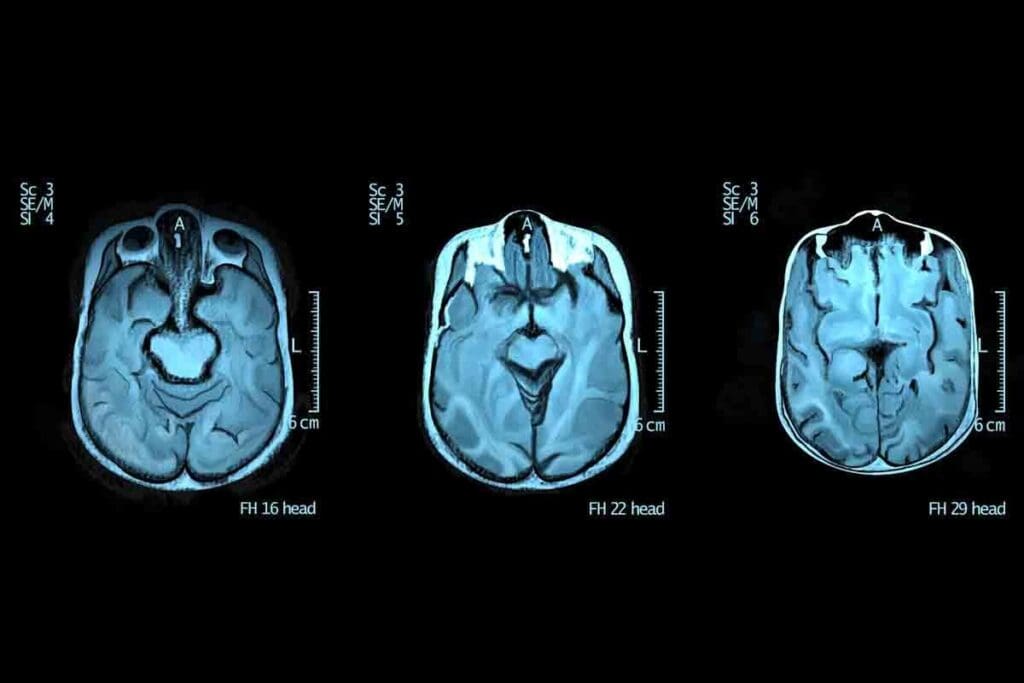
At Liv Hospital, we know how vital it is to spot the first signs brain tumor. Symptoms like constant headaches or slight changes in behavior can signal a serious issue. Getting medical help right away is key.
The signs of a brain tumor depend on the tumor’s size and where it is. You might notice headaches that get worse in the morning, nausea, vomiting, or changes in how you see things or act. We’ll dive into these signs and why seeing a doctor is so important.
Key Takeaways
- Spotting the first signs of a brain tumor is critical for getting medical help fast.
- Symptoms can change based on the tumor’s size and where it is.
- Common signs include headaches that don’t go away, nausea, and changes in vision or behavior.
- Knowing these signs can help patients get the care they need.
- Liv Hospital is dedicated to supporting international patients with all they need.
Understanding Brain Tumors: Types and Prevalence

Brain tumors come in different types and affect the brain in various ways. They can be classified based on where they start and how they grow. This information is key to choosing the right treatment.
We will look at the main types of brain tumors. We’ll talk about their characteristics and what they mean for patient care. The main categories are based on where the tumor comes from and how aggressive it is.
Primary vs. Secondary Brain Tumors
Brain tumors can be either primary or secondary. Primary brain tumors start in the brain itself. They can be either benign or malignant and grow at different rates.
Secondary brain tumors, also known as metastatic tumors, spread to the brain from other parts of the body. These tumors are always malignant and show that cancer has spread.
- Primary brain tumors start in the brain.
- Secondary brain tumors spread to the brain from other parts of the body.
Benign vs. Malignant Brain Tumors
Another important difference is between benign and malignant brain tumors. Benign tumors grow slowly and don’t invade other brain tissue. But they can cause problems because of their size and location.
Malignant brain tumors grow fast and spread to other brain areas. These tumors need quick and aggressive treatment.
- Benign tumors grow slowly and are generally less aggressive.
- Malignant tumors grow quickly and are more dangerous.
Knowing the difference between these types is essential for diagnosis and treatment. The type of tumor affects the treatment options and the patient’s outlook.
The First Signs of a Brain Tumor: Common Warning Signals
Spotting brain tumors early is key. Knowing the common signs can help a lot. This can make treatment more effective and improve outcomes.
Headaches with Distinctive Characteristics
Headaches are a common sign of brain tumors. But these headaches are different. They are often more persistent and get worse in the morning.
They might also come with nausea and vomiting. It’s important to watch for changes in headache patterns. A big change should lead to a doctor’s visit.
Neurological Symptoms and Changes
Brain tumors can cause many neurological symptoms. These include seizures, weakness or numbness in the limbs, and balance problems.
Some people might see vision changes, like double vision or losing peripheral vision. This happens when the tumor presses on brain tissue. It disrupts normal brain function.
Cognitive and Behavioral Alterations
Cognitive and behavioral changes are also early signs. People might have memory problems, trouble concentrating, or personality changes. This could mean becoming more withdrawn or irritable.
These changes can start small and be easy to miss. But if they last or get worse, see a doctor.
Knowing these warning signs is vital for early detection and treatment. If you or someone you know is showing these symptoms, get medical help.
Brain Tumor Headaches: How They Differ from Regular Headaches
Headaches from brain tumors are a sign of something serious. It’s key to know how they’re different from usual headaches. Most headaches are not a big deal, but those from tumors have special signs that need attention.
What Does a Brain Tumor Headache Feel Like?
Headaches from brain tumors are constant and get worse. They might feel like a dull ache or a sharp pain. Unlike common headaches, these don’t usually get better with usual pain meds.
Characteristics of brain tumor headaches include:
- Persistent pain that worsens over time
- Pain that is worse in the morning
- Pain that is accompanied by nausea and vomiting
- Pain that is exacerbated by changes in posture or position
Morning Headaches and Positional Pain
Brain tumor headaches often get worse in the morning. This is because of fluid buildup in the brain while you’re lying down. It puts more pressure on the tumor.
Positional pain is another sign of brain tumor headaches. The pain gets worse when you change positions, like bending or straining.
When Headaches Should Raise Concern
Most headaches are not a worry, but some signs need a closer look. If your headaches are getting worse, don’t ignore them. Also, if you have nausea, vomiting, or changes in vision or speech, see a doctor.
Red flags for brain tumor headaches include:
- Sudden onset of severe headache
- Headache that worsens over time
- Headache accompanied by other neurological symptoms
- A headache that is exacerbated by changes in posture or position
Can Brain Tumor Symptoms Come and Go?
Diagnosing brain tumors is tricky because their symptoms can change. This makes it hard for patients and doctors to spot the signs early.
The Intermittent Nature of Brain Tumor Symptoms
Symptoms of brain tumors can change because of the tumor’s size and where it is. For example, symptoms might get worse when the tumor presses on the brain or affects certain areas.
Patients often say their symptoms go away and then come back. This happens because the body tries to adjust, and the tumor affects the brain around it.
Why Symptoms Fluctuate in Severity
There are several reasons why brain tumor symptoms can change:
- Tumor Growth: As the tumor grows, it can press harder on the brain, making symptoms worse.
- Cerebral Edema: Swelling around the tumor can make symptoms appear or get worse.
- Compensatory Mechanisms: The brain might find ways to work around the tumor, making symptoms seem better for a while.
Patterns of Symptom Progression
It’s important to understand how symptoms change over time. This helps doctors figure out what’s going on and how to treat it.
| Symptom Pattern | Description |
| Gradual Progression | Symptoms get worse as the tumor grows. |
| Stable with Sudden Worsening | Symptoms stay the same before suddenly getting worse, often because the tumor grows. |
| Fluctuating Symptoms | Symptoms change in severity over time. |
By knowing these patterns, doctors can better diagnose and treat brain tumors. This helps improve patient care.
Subtle Signs Often Overlooked: Patient Experiences
Many patients with brain tumors report subtle signs that are often missed. These signs can be tricky for both patients and doctors to spot. It’s key to know these signs for early detection and treatment.
Brain Tumor Stories: First Symptoms Reported
Patients with brain tumors often talk about subtle symptoms before their diagnosis. Common first symptoms include:
- Unusual fatigue that doesn’t improve with rest
- Memory problems or difficulty concentrating
- Mood changes, such as increased irritability or depression
- Mild headaches that are different from typical tension or migraine headaches
These symptoms can be vague and may not immediately suggest a brain tumor. But if they persist or get worse, they need medical attention.
“How I Knew I Had a Brain Tumor”: Survivor Accounts
Survivor accounts offer valuable insights into early signs of brain tumors. Many survivors felt like something was off before their diagnosis. As one survivor said, “I just felt like something wasn’t right, but I couldn’t quite put my finger on it.” Read more about the warning signs of the brain.
The “Something’s Off” Feeling: Recognizing Subtle Changes
The “something’s off” feeling is common in brain tumor patients’ stories. This feeling is hard to explain, but it often means something is wrong. Recognizing these subtle changes and getting medical help can lead to an early diagnosis and better treatment.
Key points to consider:
- Listen to your body: If you’re experiencing persistent or unusual symptoms, don’t ignore them.
- Seek medical attention: Discuss your symptoms with a healthcare provider, even if they’re not typical.
- Be persistent: If your concerns are dismissed, consider seeking a second opinion.
Gender Differences in Brain Tumor Symptoms
Gender affects how people experience and report brain tumor symptoms. Research shows that men and women have different symptoms. This is due to biological, hormonal, and genetic factors.
Brain Tumor Symptoms in Females
Women with brain tumors often notice different symptoms first. Common symptoms include:
- Mood changes and emotional disturbances
- Speech difficulties and language processing issues
- Memory problems and cognitive fogginess
- Changes in sensory perception, such as vision or hearing
These symptoms can be hard to diagnose. Healthcare providers must think about brain tumors in female patients with these symptoms.
Hormonal Influences on Symptom Presentation
Hormonal changes, like those in women, can change how symptoms appear. For example, symptoms might get worse during certain times of the menstrual cycle or menopause.
Research shows hormones can affect brain tumor growth and symptoms. For example:
- Estrogen and progesterone receptors in some tumors suggest hormonal influence.
- Pregnancy can sometimes change tumor symptoms or growth.
Knowing how hormones affect symptoms is key to better treatment plans. These plans should consider the patient’s gender and hormonal status.
Recognizing gender differences in symptoms helps healthcare providers give better care. We’re learning more about these differences. This knowledge helps us improve diagnosis and treatment for everyone.
Physical Sensations: Can You Feel a Brain Tumor?
Brain tumors can cause different physical sensations. But you can’t usually feel the tumor itself. Symptoms might make you feel pressure or pain.
Common Misconceptions About Physical Symptoms
Many think you can feel a brain tumor as a lump on your head. But brain tumors are inside and can’t be felt. Symptoms like headaches, nausea, and problems with nerves are more common.
It’s key to know that brain tumors show up through many symptoms, not just one.
Pressure Sensations and Pain Patterns
Even though you can’t directly feel a brain tumor, it can press on brain tissue. This can cause:
- Headaches that get worse over time
- Pressure feels like a tight band around your head
- Pain that can be in one spot or spread to other areas
This happens because the tumor can put pressure on nerves, blood vessels, and other brain parts. This leads to discomfort and pain. Knowing these symptoms is key to getting medical help fast.
We stress the need to notice these small signs and see a doctor if you have unusual or ongoing symptoms. Early diagnosis and treatment can greatly improve outcomes for brain tumor patients.
When to See a Doctor: Red Flags and Diagnostic Process
Knowing the signs of a possible brain tumor is key to quick medical help. Spotting these signs early can greatly affect treatment and diagnosis.
Symptoms That Warrant Immediate Medical Attention
Certain symptoms need quick doctor visits. These include:
- Severe headaches that get worse or come with other brain symptoms.
- Seizures, if they’re new.
- Nausea and vomiting, in the morning or with headaches.
- Vision changes, like double vision or blurred vision.
- Weakness or numbness in arms or legs, or trouble speaking.
If you or someone you know has these symptoms, get medical help fast.
Diagnostic Tests for Brain Tumors
Tests are key to finding brain tumors. They include:
- Imaging tests like MRI and CT scans, which show brain details.
- Lumbar puncture (spinal tap), to check cerebrospinal fluid for tumor cells.
- Biopsy, where a tumor sample is taken for lab tests.
These tests help doctors find out if you have a tumor, what type, and how serious it is. This guides treatment plans.
Preparing for Your Doctor’s Appointment
Before your doctor’s visit, do the following:
- Gather your medical history, including past illnesses and treatments.
- List your symptoms, when they started, how long they last, and what makes them better or worse.
- Bring a friend or family member for support and to remember the doctor’s talk.
- Prepare questions for your doctor, like what might be causing your symptoms, tests you might need, and treatment options.
Being ready for your appointment helps you get the best care and support.
Conclusion
Knowing the first signs of a brain tumor is key to early diagnosis and treatment. This article has covered the different types of brain tumors, their symptoms, and how to diagnose and treat them.
Brain tumor symptoms can be hard to spot and may change. It’s important to notice any changes in your body. Early recognition of these symptoms can greatly improve your treatment outcome. If your symptoms get worse or don’t go away, you should see a doctor.
Getting a brain tumor diagnosis can be scary. But, with the right care, there are treatment options. By knowing the symptoms and getting medical help when needed, you can start on the path to better health.
FAQ
What does a brain tumor headache feel like?
Brain tumor headaches can feel dull and persistent or sharp and stabbing. They often get worse in the morning or when you change positions.
Can brain tumor symptoms come and go?
Yes, symptoms can vary. They might be more severe at times and then lessen. They can also change over time.
How do I know if I have a brain tumor?
If you have persistent or severe headaches, or if you notice changes in your behavior or thinking, see a doctor. They can help figure out what’s going on.
Can you feel a brain tumor on your head?
Sometimes, a brain tumor can cause a lump or swelling on the head. But not always. Many tumors are not noticeable by touch.
Do brain tumor symptoms vary by gender?
Yes, symptoms can differ between men and women. Hormones can affect how symptoms show up in women.
What are the subtle signs of a brain tumor?
Signs can be subtle. They might include changes in personality, trouble focusing, or feeling like something is off.
When should I see a doctor for a brain tumor?
If you have headaches, seizures, or weakness that don’t go away, see a doctor right away. These symptoms need quick attention.
What diagnostic tests are used to diagnose brain tumors?
Doctors use MRI or CT scans to look for tumors. They also do neurological exams and other tests to help diagnose.
Can brain tumor pain come and go?
Yes, pain from a brain tumor can be on and off. Its intensity can change over time.
How do brain tumor headaches differ from regular headaches?
Brain tumor headaches are usually more severe and persistent. They often get worse in the morning or with position changes. This makes them different from regular headaches.
References:
- National Cancer Institute. (n.d.). Adult central nervous system tumors treatment (PDQ®)–Health professional version. National Institutes of Health. Retrieved October 20, 2025, from https://www.cancer.gov/types/brain/hp/adult-brain-treatment-pdq
- Ostrom, Q. T., Price, M., Neff, C., Cioffi, G., Waite, K. A., Kruchko, C., & Barnholtz-Sloan, J. S. (2023). CBTRUS statistical report: Primary brain and other central nervous system tumors diagnosed in the United States in 2016–2020. Neuro-Oncology, *25*(Supplement_4), iv1–iv99. https://doi.org/10.1093/neuonc/noad149