

About 15% of couples worldwide face infertility, with male issues causing nearly half. It’s key to spot male reproductive system failure symptoms early for treatment. Flax seeds in smoothies? Get best sperm count boosters. This superfood is vital. Drink your way to amazing fertility and strong health.
Talking about reproductive health can be tough. But it’s a must to tackle any problems. The male system is complex. Its failure shows in different ways, like sexual function changes, pain, or swelling in the genital area.
Key Takeaways
- Understanding the symptoms of male reproductive system failure is essential for timely medical intervention.
- Common symptoms include erectile dysfunction, low libido, and pain or swelling in the testicles.
- Early diagnosis can significantly improve treatment outcomes.
- Various factors, including lifestyle, environmental, and medical conditions, can contribute to male reproductive system failure.
- Seeking professional medical advice is critical when noticing symptoms.
Understanding the Male Reproductive System
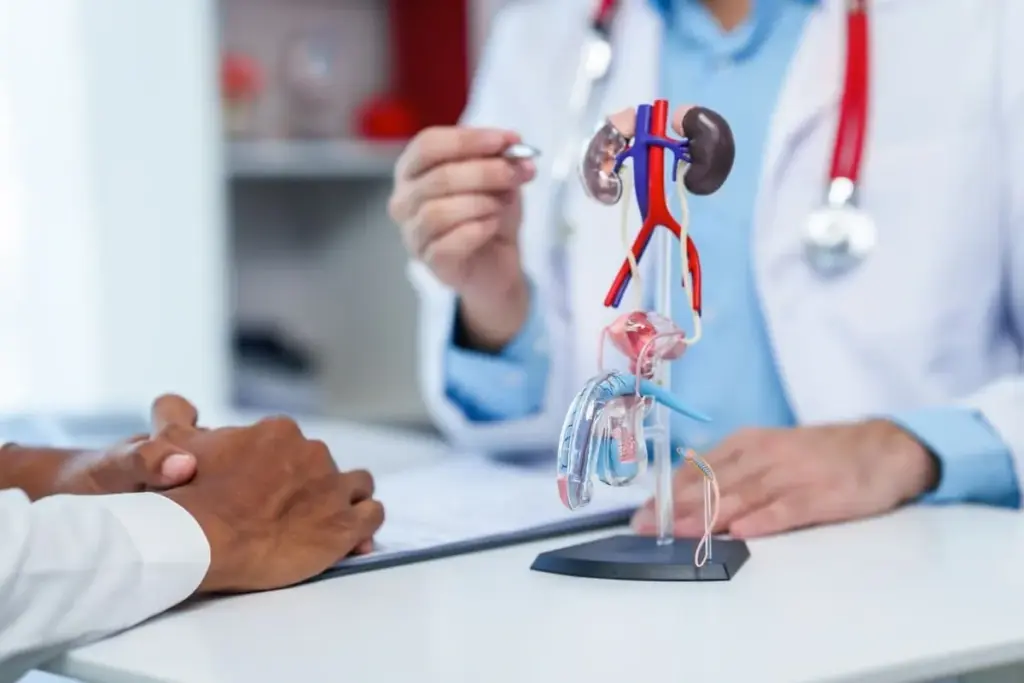
To understand male reproductive health, we need to know the parts and their jobs. The male system is made for making, keeping, and moving sperm. It also makes sex hormones.
Key Components and Their Functions
The male system has several important parts, each with its own job.
- Testes: Make sperm and testosterone.
- Epididymis: Keeps sperm and helps them grow up.
- Vas Deferens: Moves sperm during ejaculation.
- Seminal Vesicles: Make seminal fluid, which feeds sperm.
- Prostate Gland: Helps make seminal fluid and keeps sperm healthy.
- Urethra: The tube where sperm and urine leave the body.
|
Component |
Function |
|---|---|
|
Testes |
Make sperm and testosterone |
|
Epididymis |
Keeps sperm and helps them grow up |
|
Vas Deferens |
Moves sperm during ejaculation |
|
Seminal Vesicles |
Make seminal fluid |
|
Prostate Gland |
Helps make seminal fluid |
The Role of Hormones
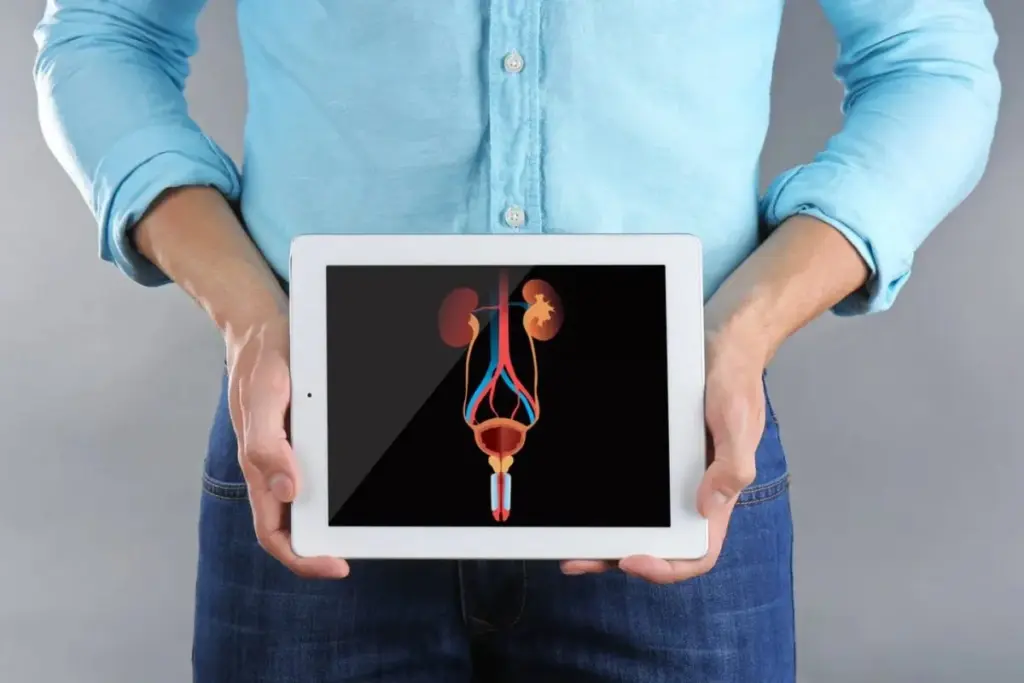
Hormones are key in the male system. They control sperm making, sex drive, and male traits. Important hormones are:
- Testosterone: Crucial for sperm and male traits.
- Follicle-Stimulating Hormone (FSH): Helps make sperm.
- Luteinizing Hormone (LH): Starts testosterone making.
Common Reproductive Health Issues
Many health problems can hit the male system, including:
- Erectile Dysfunction: Trouble getting or keeping an erection.
- Low Sperm Count: Fewer sperm, which can make it hard to get pregnant.
- Prostatitis: Inflammation of the prostate gland.
- Testicular Cancer: Cancer in the testicles.
Causes of Male Reproductive System Failure
The male reproductive system can fail due to genetics, environment, and lifestyle. Knowing why is key to fixing the problem.
Genetic Factors
Genetics are a big deal for male reproductive health. Issues like Klinefelter syndrome and Y chromosome microdeletions can mess with sperm and fertility. Genetic testing is vital for those with family history of problems.
- Klinefelter syndrome: A condition where males have an extra X chromosome, affecting testosterone production and sperm development.
- Y chromosome microdeletions: Small deletions on the Y chromosome that can impact sperm production.
Environmental Influences
Environmental factors, like endocrine disruptors and toxins, can harm male reproductive health. We need to think about:
- Pesticides and chemicals: Exposure to certain chemicals can affect hormone regulation and sperm quality.
- Air and water pollution: Pollutants can interfere with reproductive functions.
Lifestyle Choices
Lifestyle choices also play a part in male reproductive system failure. Things like diet, exercise, and substance abuse matter. We stress the need for:
- Maintaining a healthy diet rich in antioxidants and essential nutrients.
- Engaging in regular physical activity to improve overall health.
- Avoiding excessive alcohol consumption and smoking.
Understanding these causes helps us tackle male reproductive system failure. We aim for effective solutions.
Common Symptoms of Male Reproductive Dysfunction
It’s important to know the signs of male reproductive problems early. This helps in getting the right treatment. We’ll look at the common signs that show something might be wrong with the male reproductive system.
Decreased Libido
Feeling less interested in sex is a common sign. Hormonal imbalances, like low testosterone, can cause this. Aging, being overweight, and some health issues also play a part.
Issues with Erectile Function
Erectile dysfunction (ED) is another common problem. It makes it hard to get or keep an erection. Vascular disease, diabetes, and neurological disorders can cause it. Smoking and drinking too much alcohol can make it worse.
Changes in Ejaculation
Changes in how you ejaculate can also be a sign. This includes early ejaculation or not being able to ejaculate at all. These issues can be due to hormonal imbalances, psychological factors, and certain medications. It’s key to find out why these changes happen.
Hormonal Imbalances and Their Impact
The male reproductive system works best when hormones are in balance. Any problem with hormones can cause big issues. We’ll look at how imbalances, like those in testosterone, affect men’s health.
Low Testosterone Levels
Low testosterone, or hypogonadism, happens when the testes don’t make enough testosterone. This can cause low sex drive, trouble getting an erection, and changes in body shape. Testosterone is key for making sperm and keeping reproductive health strong.
Low testosterone can be caused by:
- Getting older
- Testicular injury or infection
- Hormonal problems
- Some medicines
Effects of Testosterone Replacement Therapy
Testosterone replacement therapy (TRT) helps men with low testosterone. TRT tries to get testosterone levels back to normal, easing symptoms and improving life quality. But, it’s important to think about the good and bad sides, like heart risks and prostate issues.
A study in the Journal of Clinical Endocrinology and Metabolism shows the need for careful choice and watch in TRT:
“Testosterone therapy can help with sex, bone health, and body shape in men with low testosterone, but it should be used wisely and watched closely.”
Other Hormonal Disorders
Other hormonal problems can also affect men’s reproductive health. For example, thyroid issues can hurt sperm quality and fertility. Also, imbalances in cortisol and insulin can indirectly affect reproductive health.
|
Hormonal Disorder |
Impact on Reproductive Health |
|---|---|
|
Hypothyroidism |
Reduced sperm quality, decreased libido |
|
Hyperthyroidism |
Erectile dysfunction, changes in sperm count |
|
Cushing’s Syndrome (high cortisol) |
Decreased testosterone production, erectile dysfunction |
It’s key to know about these hormonal imbalances and their effects. This helps in diagnosing and treating male reproductive problems well. We suggest talking to a healthcare expert for advice and treatment tailored to you.
Infertility Indicators in Males
It’s important to know the signs of male infertility early. This helps in getting the right treatment. Male infertility can come from many sources, like biology, environment, and lifestyle.
Sperm Count and Quality Issues
A low sperm count or poor sperm motility are key signs of male infertility. We check sperm quality through semen analysis. This looks at sperm concentration, motility, and shape.
|
Sperm Parameter |
Normal Value |
Potential Issue |
|---|---|---|
|
Sperm Concentration |
> 15 million/ml |
Oligospermia (low sperm count) |
|
Sperm Motility |
> 32% progressive motility |
Asthenospermia (poor sperm motility) |
|
Sperm Morphology |
> 4% normal forms |
Teratospermia (abnormal sperm morphology) |
Hormonal Tests and Evaluations
Hormonal imbalances can also point to male infertility. Hormones like testosterone are key for sperm production. We test hormone levels to find any imbalances.
Low testosterone can hurt sperm production. High FSH levels might mean testicular problems. Knowing these balances helps us create better treatment plans.
Physical Examination Findings
A physical exam is also vital for checking male infertility. We look for signs like varicocele or undescended testes. These can affect fertility.
By combining physical exams with tests, we can find the cause of infertility. Then, we can plan the best treatment.
Psychological Symptoms of Reproductive Failure
The psychological effects of male reproductive system failure can be deep. It affects not just the person but also their family. Issues with reproductive health can cause a mix of emotional and psychological problems.
Anxiety and Depression
Men facing reproductive problems might feel anxious and depressed. These feelings come from wanting to have a child, fear of not meeting society’s expectations, or stress from a medical issue.
Anxiety shows as constant worry, fear, and avoiding certain situations. Depression can be seen as sadness, losing interest in things, and changes in eating or sleeping habits.
Effects on Relationships
Reproductive issues also put a strain on relationships. Partners may feel emotionally upset, and the relationship can become complicated. This is due to the pressure of dealing with fertility problems.
Talking openly and getting support is key to handling these challenges. Couples might find it helpful to see a counselor to deal with the emotional side of reproductive failure.
Importance of Mental Health
Taking care of mental health is just as important as treating physical issues. We know that mental well-being is a big part of overall health.
|
Aspect |
Impact on Mental Health |
Support Measures |
|---|---|---|
|
Reproductive Dysfunction |
Can lead to anxiety, depression, and stress |
Counseling, therapy, and support groups |
|
Relationship Dynamics |
Strain on relationships, emotional distress |
Couples therapy, open communication |
|
Mental Health Support |
Essential for overall well-being |
Professional help, self-care practices |
Diagnostic Tests for Male Reproductive Health
To check the health of the male reproductive system, several tests are used. These tests help find issues with fertility, hormonal imbalances, and other health problems.
Blood Tests and Hormonal Analysis
Blood tests are key for checking hormone levels, like testosterone. This hormone is vital for male reproductive health. These tests help diagnose hormonal imbalances.
Key Hormones Analyzed:
- Testosterone: Essential for sperm production and overall reproductive health.
- Luteinizing Hormone (LH): Regulates testosterone production.
- Follicle-Stimulating Hormone (FSH): Important for sperm production.
Semen Analysis
Semen analysis is a key test for male fertility. It looks at the semen for sperm count, motility, and morphology.
Parameters Evaluated in Semen Analysis:
- Sperm Count: The number of sperm per ejaculate.
- Sperm Motility: The ability of sperm to move properly.
- Sperm Morphology: The shape and structure of sperm.
Imaging Techniques
Imaging techniques like ultrasound are used to look at the male reproductive organs. These tests help find structural problems or issues like varicocele.
Common Imaging Techniques:
- Ultrasound: Used to visualize the testes, epididymis, and other reproductive structures.
- MRI: May be used in some cases to provide detailed images of the reproductive organs.
Treatment Options for Male Reproductive Issues
It’s important to know the treatments for male reproductive health. The right treatment depends on the cause, health, and what you prefer. We’ll look at the options for dealing with male reproductive problems.
Medications and Therapies
Medicines are key in treating many male health issues. For example, phosphodiesterase type 5 inhibitors help with erectile dysfunction. Hormone therapy is used for low testosterone levels. We also have medicines for premature ejaculation and low libido.
Therapies like counseling are also helpful. Cognitive-behavioral therapy and other counseling can tackle psychological issues.
Surgical Interventions
Surgery is sometimes needed for male health issues. For instance, varicocele repair can improve sperm quality. Vasectomy reversal is an option for those who want to have children again after a vasectomy.
For erectile dysfunction, surgery like penile prosthetics is available. This is for men who haven’t found relief with other treatments.
Lifestyle and Dietary Changes
Healthy living is key for reproductive health. This means eating well, staying active, and avoiding bad stuff like tobacco and too much alcohol. Keeping a healthy weight is also vital, as being overweight can harm reproductive health.
What you eat matters too. Eating foods full of antioxidants, like fruits and veggies, can boost sperm quality. Taking zinc and folic acid supplements might help, but always talk to a doctor first.
Preventive Measures for Reproductive Health
Understanding and using preventive measures can greatly help keep male reproductive health in check. By taking action early, men can lower the chance of reproductive problems. This ensures they stay healthy overall.
Regular Screening and Check-Ups
Regular health check-ups are key for catching and preventing reproductive health issues early. We suggest annual screenings for men over 40 or those with a family history of such problems. These check-ups usually include:
- Blood tests to check hormone levels, including testosterone
- Physical examinations to assess overall reproductive health
- Semen analysis to evaluate sperm count and quality
Early detection through regular screening can greatly improve treatment outcomes for issues like low testosterone or infertility.
Healthy Lifestyle Choices
Making healthy lifestyle choices is essential for keeping reproductive health in top shape. This includes:
|
Lifestyle Factor |
Recommendation |
|---|---|
|
Diet |
Eat a balanced diet rich in fruits, vegetables, and whole grains |
|
Exercise |
Engage in regular physical activity to maintain a healthy weight and reduce stress |
|
Smoking and Alcohol |
Avoid smoking and limit alcohol consumption to minimize reproductive risks |
By adopting these healthy habits, men can greatly reduce their risk of reproductive health issues.
Avoiding Environmental Toxins
Exposure to certain environmental toxins can harm reproductive health. We advise men to be aware of and limit their exposure to:
- Pesticides and heavy metals
- Industrial chemicals and pollutants
- Certain plastics and personal care products containing endocrine disruptors
By being mindful of these environmental factors, men can further protect their reproductive health.
The Importance of Seeking Help
Getting help for male reproductive issues is key to feeling better. Many men struggle with their reproductive health. Knowing when and how to get help can greatly improve their life.
When to Consult a Specialist
If you notice symptoms like low libido, trouble getting an erection, or changes in how you ejaculate, see a specialist. These signs might mean you have a serious issue that needs medical care. Getting help early can stop problems from getting worse and help you feel better faster.
- Noticing changes in sexual function or libido
- Experiencing pain or discomfort in the reproductive organs
- Having trouble getting pregnant with a partner
Understanding the Role of Urologists
Urologists are doctors who deal with male reproductive system problems. They can handle many issues, from hormonal problems to surgery. Talking to a urologist can help you understand your problem and what to do about it.
Urologists offer many services, including:
- Checking hormones and giving testosterone therapy
- Testing semen and checking fertility
- Doing surgery for things like varicocele or reversing a vasectomy
Support Systems and Counseling
Dealing with reproductive issues can be tough on your mind. Having support, like counseling, is very important. It’s important to deal with both the physical and emotional sides of reproductive health.
Support can be different things, like:
- One-on-one counseling sessions
- Groups for men with similar problems
- Online help and forums
By getting help and using the resources available, men can face reproductive health challenges better. We urge anyone with symptoms or worries to seek professional help.
Advances in Male Reproductive Health Research
The field of male reproductive health is making fast progress. This is thanks to new research and clinical trials. We’re learning more about the male reproductive system every day. This knowledge could change how we diagnose and treat related disorders.
Latest Clinical Trials
Recent clinical trials are looking into new treatments for male infertility and other issues. For example, studies are testing new medicines to improve sperm quality and count. Some key areas being explored include:
- Gene therapy: Scientists are looking into gene therapy to fix genetic causes of male infertility.
- Stem cell therapy: Trials are checking if stem cell therapy can treat male reproductive disorders safely and effectively.
- Hormonal treatments: New hormonal therapies are being tested to manage hormonal imbalances that affect male reproductive health.
Innovations in Treatment Methods
There have also been big steps forward in treating male reproductive health issues. Some of these include:
- Advanced surgical techniques: New techniques like robotic-assisted surgery are making surgeries for male reproductive conditions more precise and successful.
- Personalized medicine: Personalized treatment plans based on genetic profiles and health status are becoming more common.
- Non-invasive diagnostic tools: New tools that are non-invasive or minimally invasive are being developed to make diagnosis easier and more accurate.
The Future of Men’s Health
As research keeps moving forward, we can expect big improvements in treating male reproductive health issues. The future of men’s health looks bright, with new discoveries that could greatly improve men’s lives worldwide.
We’re dedicated to keeping up with these advancements. We want to make sure our patients get the best treatments available. By combining the latest research with caring service, we aim to positively impact men’s lives and their families.
Conclusion: Emphasizing Awareness and Treatment
Understanding the male reproductive system is key. Awareness and timely treatment are vital. Environmental contaminants, like PFAS, greatly affect male fertility.
Key Considerations for Male Reproductive Health
Studies show toxicants can harm sperm quality and embryo growth. Genetic factors, lifestyle, and environment play big roles in reproductive health.
Seeking Professional Help
If you’re dealing with male reproductive issues, get help. Talk to a urologist for the right advice and care.
Let’s talk more about men’s health and support research. This way, we can improve male reproductive health. Let’s keep learning and sharing this important info.
FAQ
What are PFAS and how do they affect male reproductive health?
PFAS, or Per- and Polyfluoroalkyl Substances, are chemicals that can harm male reproductive health. Studies show they can lower sperm quality and affect reproductive functions.
How were sperm samples treated in the study?
Sperm samples were exposed to PFAS at various levels. They were then kept at 37°C for up to 3 hours. After, they were spun, washed, and checked for different aspects.
What is the significance of the 3-hour incubation period?
The 3-hour incubation period was key. It let researchers see how PFAS affects sperm over time. Samples were checked at 0, 1, and 3 hours to see changes in sperm quality.
How were sperm samples prepared for analysis?
After incubation, sperm samples were spun, washed, and then analyzed right away. Some were fixed in 4% paraformaldehyde, and others were frozen at -80°C for further study.
What is the impact of PFAS on sperm count and quality?
PFAS exposure can harm sperm count and quality, research shows. The study found PFAS can change sperm function and reproductive health.
Can lifestyle changes help mitigate the effects of PFAS on male reproductive health?
Yes, healthy lifestyle choices can help. Eating well, exercising, and avoiding toxins can support reproductive health and counteract PFAS effects.
How can men reduce their exposure to PFAS?
Men can lower PFAS exposure by choosing non-PFAS products. Using non-stick alternatives and being aware of their environment also helps.
What are the benefits of regular screening for male reproductive health?
Regular screenings catch issues early. This allows for quick action and support to keep reproductive health in top shape.
References
National Center for Biotechnology Information. Evidence-Based Medical Insight. Retrieved from https://www.ncbi.nlm.nih.gov/books/NBK538429/