
Ear tubes, or tympanostomy tubes, are used to help kids with hearing issues due to middle-ear fluid. But do they really help with long-term speech development? We look into how ear tubes affect speech in toddlers.
New research offers insights for parents and doctors. Many studies show ear tubes can cut down on middle-ear fluid. We dive into the latest findings on ear tubes and speech delay.
Key Takeaways
- Ear tubes can improve hearing in children with middle-ear fluid.
- Research suggests that ear tubes may have a positive impact on speech development.
- The effectiveness of ear tubes in addressing speech delay is being studied.
- Parents and clinicians should consider the benefits and limits of ear tubes.
- Recent studies provide new insights into the role of ear tubes in speech development.
Understanding Middle Ear Fluid in Children
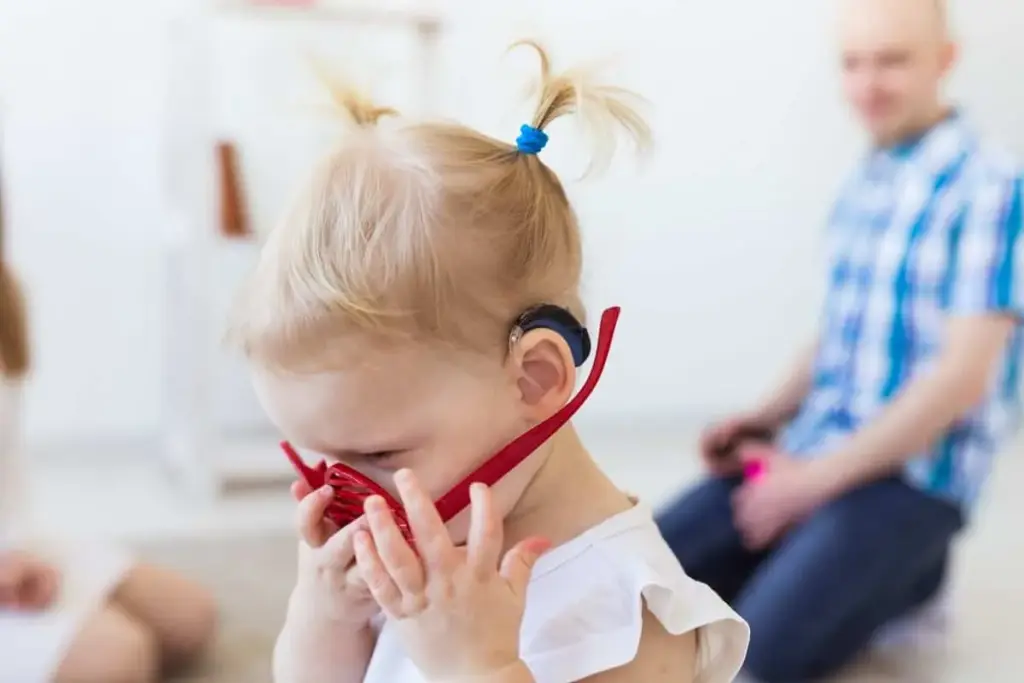
Middle ear fluid, also known as otitis media with effusion, is common in toddlers. It happens when fluid builds up in the middle ear, behind the eardrum. This can affect hearing and speech development.
What is Middle Ear Fluid?
Middle ear fluid is when fluid gathers in the middle ear space. It can come from respiratory infections, allergies, and Eustachian tube dysfunction. The Eustachian tube helps ventilate the middle ear and drain mucus. If it’s blocked, fluid can build up, causing otitis media with effusion.
Common Causes of Fluid Buildup
Several things can cause middle ear fluid in children. These include:
- Respiratory infections: Common colds and other viruses can block the Eustachian tube, leading to fluid buildup.
- Allergies: Allergies can cause nasal congestion and Eustachian tube dysfunction, leading to fluid buildup.
- Eustachian tube dysfunction: Issues with the Eustachian tube can stop it from draining fluid from the middle ear.
Research shows that kids with are more likely to have persistent middle ear fluid.
Prevalence in Toddlers and Young Children
Middle ear fluid is very common in toddlers and young children. Studies show that many children have at least one episode of otitis media with effusion before they turn five. It’s even more common in children under three, with up to 90% being affected at some point.
|
Age Group |
Prevalence of Middle Ear Fluid |
|---|---|
|
0-2 years |
Up to 90% |
|
2-5 years |
50-70% |
|
5+ years |
Less common, but significant |
Knowing about middle ear fluid and its causes is key to helping young children with speech development.
The Connection Between Hearing and Speech Development
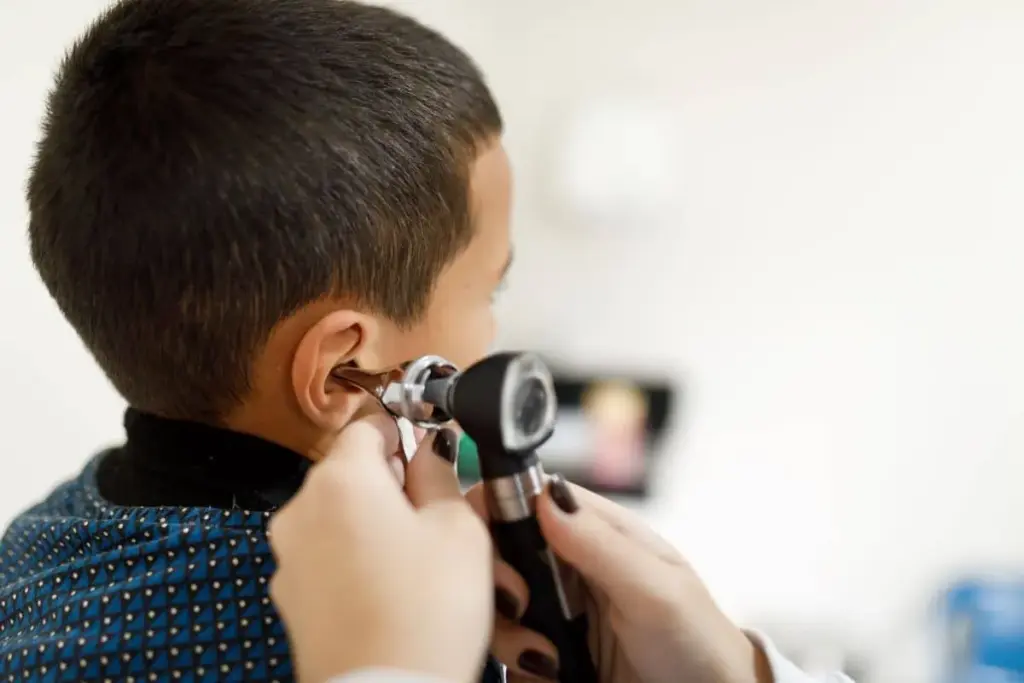
Hearing is key for kids to develop speech and language skills. It lets them learn and repeat sounds, words, and sentences they hear. This is how they start to speak.
How Children Learn Language Through Hearing
Kids learn language mainly by listening. They start by recognizing different sounds. Then, they move on to understanding words and making sentences.
Clear hearing is important for this process. Fluid in the ear can make it hard for kids to hear. This can slow down their language skills.
Good hearing helps kids catch the subtleties of language. This includes tone, pitch, and rhythm. These are important for clear communication. Adequate hearing is key for kids to speak and understand like their peers.
Critical Periods for Speech Development
There are critical periods when kids are most open to learning language. These times are very important for language growth. If a child can’t hear well during these times, it can harm their speech and language skills.
Impact of Hearing Impairment on Language Acquisition
Hearing problems, even temporary ones, can greatly affect a child’s language skills. Fluid in the ear or other hearing issues can cause speech delays. The impact depends on how bad and long the hearing problem is.
It’s important to know how hearing affects speech development. This helps spot kids at risk of speech delays. Early help can make a big difference for these children.
Recognizing Signs of Middle Ear Fluid in Toddlers
Toddlers with middle ear fluid may show changes in behavior and physical signs that need medical help. Knowing these signs is key for early action and the right treatment.
Behavioral Indicators
Middle ear fluid can change how a toddler acts. Some common signs include:
- Inattention or trouble following instructions
- Irritability or being easily upset
- Watching TV or videos with the volume too high
- Not responding to their name or other sounds
These signs might mean the child is having trouble hearing because of middle ear fluid.
Physical Symptoms
Toddlers with middle ear fluid may also show physical signs. These can be:
- Ear pain or discomfort, making them pull at their ears
- Fever, which can happen with an ear infection
- Fluid coming out of the ear
- Hearing loss or sounds seeming muffled
These symptoms can be painful for the child and might need a doctor’s check-up.
When to Consult a Healthcare Provider
If you see any of these signs, it’s important to see a doctor. They can check the child, find out if there’s middle ear fluid, and suggest treatment.
Early detection and action can help a lot. The doctor might do tests like otoscopy or tympanometry to check the middle ear.
By watching for signs of middle ear fluid and getting medical help when needed, parents and caregivers are very important. They help make sure their toddler gets the care they need.
Fluid in Ear Toddler Speech Delay: The Connection Explained
It’s important for parents and caregivers to know how ear fluid affects toddlers’ speech. Ear fluid, or middle ear effusion, can hurt a child’s hearing. This can slow down their speech development.
How Ear Fluid Affects Sound Perception
Ear fluid can make hearing harder by not letting the eardrum move well. This leads to muffled or distorted hearing. It’s tough for toddlers to hear sounds clearly.
This problem can make it hard for kids to learn new words. They might struggle to understand language and get words right. If the issue lasts, it can really slow down their speech.
Temporary vs. Persistent Hearing Challenges
How long ear fluid affects hearing can vary. Sometimes, the fluid goes away in a few weeks, and hearing gets better. But other times, the problem lasts longer.
- Temporary Hearing Loss: Usually gets better when the ear fluid clears up. It might not affect speech much.
- Persistent Hearing Loss: Can cause bigger speech delays if not fixed. The child keeps having trouble hearing for a long time.
Differentiating Between Ear-Related and Other Speech Delays
It’s key to figure out if a toddler’s speech delay is from ear fluid or something else. Developmental assessments and audiological evaluations can help find the cause.
Things to think about include:
- Is there ear fluid and how does it affect hearing?
- How is the child doing in other areas of development?
- Are there other reasons for the speech delay, like developmental disorders or environmental factors?
Knowing the cause of the speech delay helps parents and doctors plan the best way to help the child’s speech.
What Are Ear Tubes? A Comprehensive Overview
Ear tubes are a big help for kids with ear infections and fluid buildup. They are small tubes put into the eardrum to drain fluid and improve hearing. Here, we’ll cover what ear tubes are, why they’re used, the different types, and how they’re put in.
Definition and Purpose of Tympanostomy Tubes
Tympanostomy tubes help the middle ear breathe. They solve problems like fluid buildup and infections. These tubes let air in, helping to:
- Drain fluid behind the eardrum
- Lower the chance of ear infections coming back
- Make hearing better by letting sound pass through
The main goal of ear tubes is to help kids hear better and avoid future infections. This is key for their speech and language skills.
Types of Ear Tubes Available
There are many types of ear tubes, each with its own benefits. The right tube depends on the child’s needs and the doctor’s choice.
|
Type of Ear Tube |
Description |
Duration |
|---|---|---|
|
Short-term tubes |
These are made of plastic or metal and fall out in 6-12 months. |
6-12 months |
|
Long-term tubes |
Made of silicone or titanium, these last longer, up to several years. |
Several years |
|
T-shaped tubes |
These have a T-shape and are used for longer-term needs. |
Varies |
The Surgical Procedure Explained
Putting in ear tubes is a simple surgery done under general anesthesia. It involves a small cut in the eardrum, draining fluid, and then putting in the tube.
Key Steps in the Procedure:
- The child is given general anesthesia to stay calm and comfortable.
- A small incision is made in the eardrum.
- Fluid in the middle ear is suctioned out.
- The ear tube is carefully inserted into the incision.
- The whole thing usually takes about 15 minutes per ear.
Knowing about ear tubes is important for parents and caregivers. We’ve explained what ear tubes are, their purpose, the different types, and how they’re put in. We hope this helps families make informed decisions for their child’s care.
Medical Indications for Ear Tube Placement
It’s important for parents to know when ear tubes might be needed for their child. Ear tubes help the middle ear breathe and drain better. They are usually put in when a child’s hearing or ear health is at risk.
Recurrent Acute Otitis Media
Ear tubes are often needed for kids with lots of ear infections. This is called recurrent acute otitis media, or AOM. Recurrent AOM is when a child has three or more infections in six months or four or more in a year. The tubes help keep the middle ear dry, which stops infections.
Persistent Middle Ear Effusion
Another reason for ear tubes is persistent middle ear effusion, or MEE. MEE is when fluid stays in the middle ear for too long. Three months or more of MEE can hurt hearing and speech. The tubes help drain this fluid and improve hearing.
Hearing Loss Due to Middle Ear Fluid
Fluid in the middle ear can also cause hearing loss. This is a big reason for ear tubes. They let the fluid out and help sounds get through better. Here’s a quick look at why ear tubes are needed:
|
Medical Indication |
Description |
Benefit of Ear Tubes |
|---|---|---|
|
Recurrent Acute Otitis Media |
Multiple ear infections within a short period |
Reduces frequency and severity of infections |
|
Persistent Middle Ear Effusion |
Fluid in the middle ear without infection, lasting 3 months or more |
Drains fluid, restores normal hearing |
|
Hearing Loss Due to Middle Ear Fluid |
Conductive hearing loss caused by fluid accumulation |
Improves sound conduction, alleviates hearing loss |
In short, ear tubes are for kids with ear problems that affect their hearing and growth. Knowing this helps parents make the best choices for their child’s health.
The Research on Ear Tubes and Hearing Improvement
Research has shown that ear tubes can help improve hearing. This is true, mainly for kids with fluid in their middle ears. Studies found that ear tubes can make a big difference in hearing.
Short-Term Hearing Benefits
Ear tubes offer quick relief by removing fluid from the middle ear. This helps restore normal hearing. Within a few weeks, kids often notice a big improvement in their hearing.
Key findings include:
- Significant reduction in hearing loss associated with middle ear effusion
- Improved sound conduction and clearer hearing
- Enhanced speech perception and language development
Duration of Hearing Improvements
The time ear tubes improve hearing varies. It depends on the type of tubes and the child’s health. Usually, they stay in for 6 to 18 months before falling out.
Studies show that hearing benefits last as long as the tubes are in. Even after they fall out, hearing can stay good if there’s no more fluid.
Audiological Testing Before and After Tube Placement
Hearing tests are key to seeing how well ear tubes work. Tests done before and after show how much hearing improves.
|
Audiological Measure |
Pre-Ear Tube Placement |
Post-Ear Tube Placement |
|---|---|---|
|
Hearing Threshold |
Average 40 dB loss |
Average 10 dB loss |
|
Speech Perception |
Difficulty understanding speech |
Significant improvement in speech understanding |
These tests measure how much hearing improves. They also track a child’s hearing development over time.
Scientific Evidence on Ear Tubes and Speech Development
Research has looked into how ear tubes affect children’s speech. It shows ear tubes can have a big impact on speech development.
Overview of Major Clinical Studies
Many big studies have checked if ear tubes help with speech. They’ve shown both good and bad sides of ear tube use.
- A study in the Journal of Pediatrics found ear tubes helped kids hear better.
- Another study followed kids’ speech for years. It compared those with and without ear tubes.
The 10-Year Prospective Trial Findings
A 10-year study gave us long-term info on ear tubes and speech. It was published in a top medical journal.
Key findings from the trial included:
- Ear tubes helped kids hear better than those without them.
- The study found ear tubes helped with speech early on.
- But, the study also said the benefits of ear tubes might fade over time.
Meta-Analyses and Systematic Reviews
Meta-analyses and systematic reviews combine study data. They help us understand ear tubes’ effect on speech.
A review said ear tubes improve hearing but their effect on speech is not always clear. It called for more research to understand the link.
In conclusion, the science on ear tubes and speech is complex. Ear tubes can help with hearing and speech in the short term. But, many factors affect their long-term impact.
When Ear Tubes May Benefit Speech Development
Ear tubes can help some children improve their speech. Doctors decide on ear tubes based on each child’s needs. They look at many factors that might affect a child’s ability to speak and understand language.
Identifying High-Risk Children
Some kids are more likely to have speech problems because of ear fluid. These include kids with a family history of speech or hearing issues, developmental delays, and frequent ear infections. It’s important to spot these risk factors early to choose the right treatment.
Doctors also think about things like language exposure and family income. These can affect how well a child speaks. Knowing these things helps doctors figure out who might need ear tubes.
Children with Pre-existing Developmental Concerns
Kids with conditions like autism or developmental delays might really benefit from ear tubes. Less hearing trouble can help them learn and talk better. It lets them focus more on learning and communication.
For these kids, ear tubes are a key part of their treatment. They help improve hearing, which is vital for overcoming developmental challenges. This supports their overall growth and development.
Cases of Severe or Prolonged Hearing Impairment
Ear tubes can greatly help kids with severe or long-lasting hearing loss. They make sure kids can hear and understand speech well.
Studies have found that ear tubes can greatly improve speech in kids with big hearing problems. This is very important during key times for learning language.
Knowing how ear tubes can help at-risk or developmentally challenged kids is key. Parents and doctors can then make better choices to support their speech and language skills.
Timeline: How Long After Ear Tubes Will Hearing Improve
Parents often wonder when their child’s hearing will get better after ear tubes. The time it takes can differ, but we’ll share what studies say.
Immediate Post-Operative Changes
Right after the surgery, some kids might hear better. This is because the fluid in their ears is gone. Studies show hearing can get better soon after surgery, but how much can vary.
First Three Months After Placement
In the first three months, most kids keep hearing better. most kids see big improvements in this time. It’s key to see an audiologist or ENT regularly to check on their hearing.
- Regular check-ups are necessary to assess the effectiveness of the ear tubes.
- Hearing tests will be conducted to evaluate the improvement in hearing thresholds.
- Any concerns or complications should be addressed promptly with the healthcare provider.
Long-Term Hearing Outcomes
Long-term, hearing results can vary for kids with ear tubes. Some might keep hearing well, while others might face more ear infections or hearing problems. It’s essential for parents to work closely with their child’s healthcare provider to keep an eye on their hearing and tackle any ongoing issues.
Knowing when hearing might improve after ear tubes helps parents support their child’s hearing. This way, they can make the best choices for their child’s care.
Realistic Expectations: Speech Progress After Ear Tube Surgery
Parents often wonder when they’ll see speech improvements after ear tube surgery. The path to better speech varies among kids. It depends on several factors.
Typical Timeline for Noticeable Changes
Improvements in speech can take different times for kids. Some might notice changes a few months after surgery. Studies show the biggest speech gains usually happen in the first six to twelve months.
Factors Affecting Speech Improvement
Several things can affect how fast and how much a child’s speech improves. These include:
- The length and severity of hearing loss before surgery
- Any other developmental or speech disorders
- The child’s overall health and brain abilities
- How well the ear tubes work in clearing fluid
It’s important to know ear tubes can greatly help hearing. But they might not fix all speech issues.
When Additional Intervention May Be Needed
Sometimes, more help is needed for a child’s speech. This could be speech therapy for any speech or language problems. Early help and intervention are key to get the most from ear tube surgery for speech.
Alternative Approaches to Managing Ear Fluid
There are many ways to handle ear fluid in kids, aside from ear tubes. These methods are great for parents who don’t want surgery or want to help their child recover better.
Watchful Waiting Protocol
The watchful waiting protocol is good for kids with a little ear fluid. It means watching the child closely for 3 to 6 months to see if the fluid goes away by itself.
During this time, it’s important to see the doctor regularly. This helps check if the child’s hearing and ear fluid are getting better. If they do, no more treatment might be needed.
Medical Management Options
Some kids might need medical help to get rid of ear fluid. Here are some options:
- Decongestants: They might help by making it easier to breathe through the nose, which can help the Eustachian tube work better.
- Antihistamines: These can be used if allergies might be causing the Eustachian tube to not work right.
- Autoinflation Devices: Tools like the Otovent can help open the Eustachian tube by filling the middle ear with air.
|
Medical Management Option |
Description |
Potential Benefits |
|---|---|---|
|
Decongestants |
Reduce nasal congestion |
May improve Eustachian tube function |
|
Antihistamines |
Alleviate allergic symptoms |
Can help if allergies contribute to ear fluid |
|
Autoinflation Devices |
Inflate the middle ear to open the Eustachian tube |
Can help drain middle ear fluid |
Complementary Therapies and Their Evidence Base
Some parents try different therapies to help with ear fluid, but it’s key to talk to a doctor first.
Examples include:
- Chiropractic Care: Some think chiropractic adjustments can help the Eustachian tube work better.
- Homeopathic Remedies: Even though there’s not much proof, some parents try these to help their child feel better.
It’s important for parents to talk to their child’s doctor about these options. This way, they can understand the good and bad parts.
Supporting Speech Development in Children with Ear Issues
Helping children with ear problems to develop their speech is a big job. It needs a mix of different approaches. Kids with ear fluid or other issues might struggle with talking and understanding language. We, as caregivers and doctors, must spot these problems and find ways to help.
Creating an Optimal Listening Environment
One important step is to make sure the child can hear well. This means less background noise and clear sounds from speakers. Simple things like speaking closer and using pictures can really help.
Here are some ways to improve listening:
- Speak clearly and at a moderate pace
- Use facial expressions and gestures to enhance understanding
- Reduce background noise by turning off TVs or radios
Language Stimulation Techniques for Parents
Parents can use many ways to help their kids talk more. These include:
- Having conversations with the child, even if they don’t talk back
- Reading books and pointing to pictures
- Singing songs and reciting nursery rhymes
These activities can help kids learn language and create a good environment for talking.
When to Consider Speech Therapy
Some kids with ear issues might need more help than others. Speech therapy can be very helpful for those who are really struggling. Signs that a child might need speech therapy include:
|
Age |
Speech Milestones |
Red Flags |
|---|---|---|
|
18 months |
Saying a few words |
No words or gestures |
|
2 years |
Combining two words |
Limited vocabulary or no word combinations |
|
3 years |
Using simple sentences |
Difficulty being understood by others |
If you worry about your child’s speech, talk to a doctor or speech therapist. They can offer great advice and help.
The Role of Speech Therapy for Toddlers with Ear Fluid
Speech therapy is key for toddlers with ear fluid to overcome speech delays. Ear fluid can make it hard for kids to hear. This can stop them from learning to speak and understand language well.
Assessment Process for Speech-Language Pathologists
Speech-language pathologists start with a detailed check of a child’s communication skills. They look at:
- The child’s medical history, focusing on ear fluid and hearing loss.
- Standard tests to see how well the child speaks and understands language.
- Watching how the child talks and communicates in different situations.
This careful check helps find out what the child needs. Then, a special therapy plan can be made just for them.
Therapy Approaches for Ear-Related Speech Delays
Speech therapists use different methods to help toddlers with ear-related speech delays. These methods include:
- Exercises to improve listening skills.
- Practicing to make speech clearer by focusing on sound pronunciation.
- Using play and stories to boost language skills.
By working on these areas, speech therapy helps toddlers get back on track with their speech and language skills.
Collaboration Between ENT Specialists and Speech Therapists
It’s important for ENT specialists and speech therapists to work together for toddlers with ear fluid. They share:
- Info about the child’s health and hearing.
- Plans for treatment to make sure they match up.
- Updates on how the child is doing and adjust plans if needed.
Together, they offer a complete care plan. This helps the child get the best help possible.
Making Informed Decisions: Questions to Ask Your Doctor
When thinking about ear tubes for your child, talking to your doctor is key. You want to make sure you’re choosing the best option for your child’s health. We’ll show you important questions to ask your doctor to help you decide.
Evaluating the Necessity of Ear Tubes
To figure out if ear tubes are needed, ask your doctor about your child’s condition. You might ask: What symptoms show ear tubes are needed? and Have we tried other treatments? Knowing why your doctor suggests ear tubes will make your choice clearer.
Understanding Risks and Benefits
It’s important to know the risks and benefits of ear tubes. Ask your doctor about possible problems, like infection or tube displacement. Also, ask about the good things, like better hearing and fewer ear infections. This helps you see both sides of the issue.
Discussing Expected Outcomes for Your Child
Talking about what to expect can help you feel more prepared. Ask your doctor things like: How will ear tubes affect my child’s hearing and speech? and How long will it take for them to recover? Knowing what’s ahead can ease your worries and get you ready for what’s next.
By asking the right questions and talking openly with your doctor, you can make a choice that’s right for your child. We encourage you to ask questions and get clear answers on any doubts you have.
Conclusion: Balancing Expectations for Ear Tubes and Speech Development
Ear tubes can greatly help children who have trouble hearing due to fluid in their ears. But, their effect on speech development is not as straightforward. We’ve looked into how ear tubes and speech go together, stressing the need to set realistic goals and think about what makes each child different.
Studies show ear tubes can help with hearing in the short term. But, how long this help lasts can vary. Some kids might see big improvements in their speech after surgery, while others might need more help. It’s key to remember that ear tubes are only one tool in helping with speech delays.
To get the best results, we should look at each child’s unique situation. This means using medical treatments and also speech therapy and ways to boost language skills. When we talk about ear tubes and speech, it’s important to keep in touch with doctors and know what ear tubes can and can’t do.
FAQ
What is the connection between ear tubes and speech development in toddlers?
Ear tubes help drain fluid and improve hearing. But, their effect on speech development is more complex. It depends on many factors.
How long after ear tubes will speech improve in toddlers?
Speech improvements after ear tubes vary. Some see changes in a few months. But, it really depends on the child’s age, health, and hearing loss.
Can fluid in the ear cause speech delay in toddlers?
Yes, ear fluid can affect hearing and lead to speech delay. Middle ear fluid can make it hard to hear, which is key for learning to speak.
How do ear infections impact speech development in toddlers?
Ear infections can cause fluid buildup and hearing loss. This can slow down speech development. Good hearing is important for learning to speak.
What are the signs and symptoms of middle ear fluid in toddlers?
Look for signs like inattention or irritability. Also, watch for ear pain or fever. If you think your child has middle ear fluid, see a doctor.
How do ear tubes improve hearing in children with middle ear fluid?
Ear tubes drain fluid and help sound reach the eardrum better. They can improve hearing, but how long it lasts varies.
Are there alternative approaches to managing ear fluid beside ear tubes?
Yes, there are other ways like watchful waiting and medical management. There are also complementary therapies. The best choice depends on the child.
How can parents support speech development in children with ear issues?
Create a good listening environment and use language stimulation. If needed, consider speech therapy. Working together with doctors and therapists is key.
When should I consider speech therapy for my toddler with ear fluid?
If your child’s speech is delayed or they have communication problems, talk to a speech-language pathologist. Speech therapy can help with ear-related speech delays.
What questions should I ask my doctor when considering ear tubes for my child?
Ask about the need for ear tubes, risks, and benefits. Also, ask about expected outcomes. This will help you decide what’s best for your child.
References:
- National Center for Biotechnology Information. (November 1980). “Otitis media with effusion: A 5-year study of prevalence and clinical course.” PMC1201478.
- National Library of Medicine. (2017). “Management of Otitis Media with Effusion in Children.” PubMed.
- Hearing Review. (Date not available). “Ear Tubes or Watchful Waiting: Systematic Study Shows Tubes Do Not Improve Long-Term Development.” Hearing Review.
- American Academy of Otolaryngology—Head and Neck Surgery Foundation. (July 1, 2013). “Clinical Practice Guideline: Tympanostomy Tubes in Children.” Otolaryngology–Head and Neck Surgery.
- New York Times. (March 4, 2019). “Study Finds Little Benefit in Ear Tubes for Children.” .



 Departments
 Related Videos
 Our Doctors
 News
News