Getting ready for a fluoroscopy procedure is key for good results. Medical imaging is important for diagnosing and treating health issues. To get the best results, patients need to follow certain steps.
Key Takeaways
- Follow specific dietary instructions before the procedure.
- Abstain from food and drink after midnight for certain procedures.
- Use a preparation kit if instructed by your healthcare provider.
- Arrange for a driver if you will be under sedation.
- Inform your doctor about any medications you are taking.
What is Fluoroscopy and How Does it Work
Fluoroscopy is a key imaging tool in today’s medicine. It shows moving pictures of what’s inside the body. This tech is vital for both checking and treating health issues.
Definition and Medical Applications
Fluoroscopy lets us see inside the body as it happens. It’s used in many medical tasks. For example, it helps with surgeries, checks on the gut, and guides other treatments.
Because it’s so flexible, fluoroscopy is a must-have in healthcare. It helps us look at the digestive and urinary systems. It also helps place medical tools correctly.
Real-time X-ray Imaging Technology
Fluoroscopy uses X-rays to show images as they happen. It has an X-ray source and a detector. The X-rays go through the body, and the detector shows the images on a screen.
This tech is great for precise procedures. It lets doctors see organs and systems moving. This helps them place tools like catheters or stents just right.
|
Key Features |
Description |
|---|---|
|
Real-time Imaging |
Provides dynamic images of internal structures |
|
X-ray Technology |
Utilizes X-rays to capture images |
|
Diagnostic and Interventional |
Used in both diagnostic and interventional procedures |
Common Types of Fluoroscopy Procedures
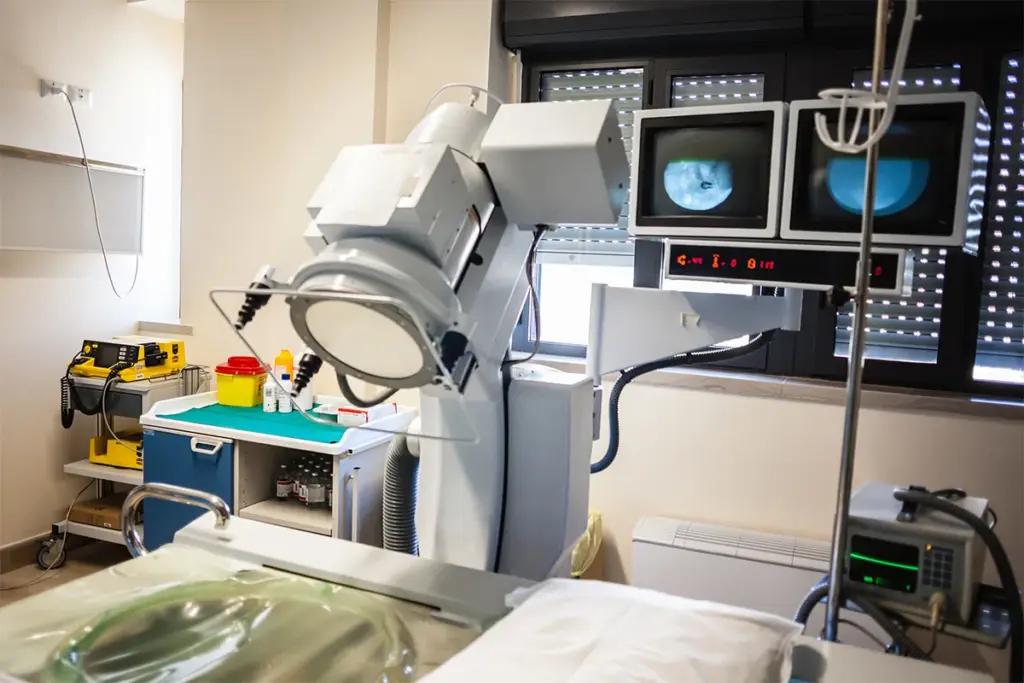
Fluoroscopy procedures are varied, used for both diagnosis and treatment. This makes fluoroscopy a key tool in many medical fields.
Upper GI and Barium Studies
Upper GI and barium studies are common uses of fluoroscopy. Patients drink a barium sulfate solution to see the upper digestive tract. This helps find issues like esophageal strictures, ulcers, and tumors.
We use fluoroscopy to guide the barium through the digestive system. This captures real-time images. These images help us understand the upper GI tract’s function and structure.
Lower GI Examinations
Lower GI exams focus on the colon and rectum, often using barium or other agents. These tests are key for spotting colon cancer, diverticulitis, and inflammatory bowel disease.
Before lower GI exams, patients get a barium enema or other contrast materials. Fluoroscopy guides the imaging, showing the colon and rectum in real-time.
|
Procedure |
Description |
Diagnostic Use |
|---|---|---|
|
Upper GI Series |
Ingestion of barium sulfate to visualize the upper digestive tract |
Diagnoses esophageal strictures, ulcers, and tumors |
|
Lower GI Series |
Barium enema to visualize the colon and rectum |
Diagnoses colon cancer, diverticulitis, and inflammatory bowel disease |
Interventional Procedures
Interventional procedures, like angiography and vascular interventions, rely on fluoroscopy. These involve guiding tools through blood vessels to treat vascular issues.
In interventional radiology, fluoroscopy offers real-time imaging. This is key for navigating complex blood vessels. It’s essential for procedures like angioplasty, stenting, and embolization.
Fluoroscopy helps us perform these procedures more accurately and safely. This reduces recovery times and improves patient results.
Medical Consultation: First Step in Preparation
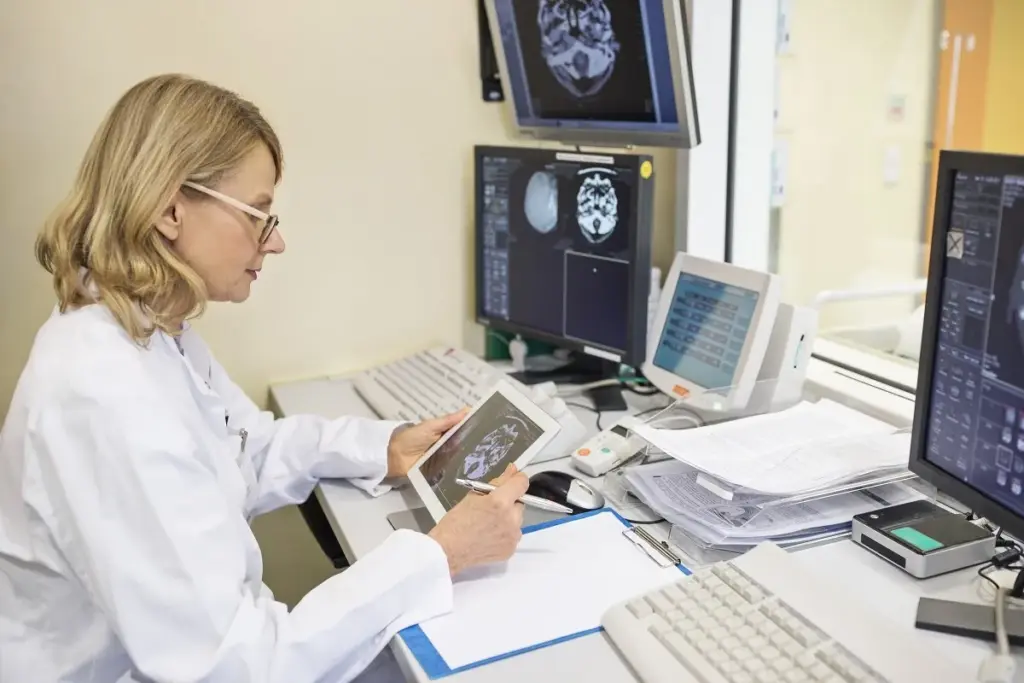
Getting ready for a fluoroscopy procedure starts with a key step: a medical consultation. This first meeting is important. It’s where you talk about why you need the procedure, any risks, and what you need to do to prepare.
Initial Appointment with Your Healthcare Provider
In your medical consultation, you’ll talk with your healthcare provider about your situation. They’ll explain how fluoroscopy will help diagnose or treat you. This is your chance to learn about the procedure’s benefits and share any worries you have.
Medical experts say a detailed consultation is essential for a good diagnostic process. This meeting is the start of a smooth and effective fluoroscopy experience.
Questions to Ask Your Doctor
It’s important to have questions ready for your healthcare provider. Think about asking about the procedure’s specifics, like:
- What are the expected outcomes of the fluoroscopy?
- Are there any other diagnostic tools that could be used instead?
- What are the possible risks or side effects of the procedure?
By asking these questions, you’ll understand what to expect and make better choices about your care. Your healthcare provider might also talk about contrast materials or other tools used in the fluoroscopy.
Good communication with your healthcare provider is key for a successful fluoroscopy. Feel free to share any concerns or ask for more information about the procedure.
Importance of Disclosing Your Medical History
Before you get a fluoroscopy, it’s key to know why sharing your full medical history is important. It helps doctors make the procedure safer and more effective for you. Your medical history gives them the info they need to customize the procedure for your specific situation.
Relevant Medical Conditions
Telling your healthcare team about any health issues is very important. Conditions like kidney disease, diabetes, or allergies can change how the procedure is done. For example, people with kidney disease might need special care with contrast agents to avoid problems.
Previous Imaging Procedures
Talking about past imaging tests that used radiation is also key. This info helps doctors figure out how much radiation you’ve had before. Knowing your past radiation exposure helps them decide if you should have the fluoroscopy or if they need to make changes to keep you safe.
Surgical History Considerations
Your surgical history is also important to share. Past surgeries, like those in the GI tract, can affect how the procedure is done. Knowing about these surgeries helps doctors understand the images better and plan the procedure.
It’s also important to tell your healthcare team about any allergies, if you’re pregnant, or if you’re breastfeeding. This info is vital for keeping you and your baby safe. By sharing your medical history, you help your doctors make the procedure safer and more effective for you.
Medication Management Before Fluoroscopy
Managing your medications before a fluoroscopic procedure is key. It ensures your safety and the success of the exam. We’ll show you how to manage your meds effectively.
Understanding Your Medication Regimen
Tell your healthcare provider about all your medications. This includes prescription drugs, over-the-counter meds, vitamins, and supplements. Knowing this helps them assess risks and interactions during the procedure.
Medications to Continue Taking
Usually, you should keep taking your regular meds unless your doctor says not to. But, some meds might need extra care.
- Antihypertensive drugs: Take your blood pressure meds as scheduled.
- Thyroid medications: Keep taking them as usual, but tell your doctor about your schedule.
Medications to Temporarily Discontinue
Some meds might need to be stopped before the procedure to reduce risks. These include:
- Metformin: Stop it 48 hours before to avoid lactic acidosis, if contrast dye is used.
- Blood thinners: Your doctor might tell you to stop taking these to lower bleeding risk.
Special Considerations for Diabetic Patients
Diabetic patients need special care before a fluoroscopic procedure. If you’re diabetic, talk to your healthcare provider about your meds and blood sugar monitoring.
|
Medication Type |
Action Required |
Additional Guidance |
|---|---|---|
|
Oral diabetic medications |
May need to be adjusted or stopped temporarily |
Consult your doctor for specific instructions |
|
Insulin |
Dosage may need adjustment |
Monitor your blood sugar levels closely |
By managing your meds carefully before a fluoroscopic procedure, you ensure a safe and successful exam. Always follow your healthcare provider’s specific instructions.
Fasting Requirements for Fluoroscopy Procedures
About 70% of patients need to fast before fluoroscopy tests. This is because fasting is key for many tests, like those of the stomach and intestines. It helps make sure the test is accurate and safe.
Standard NPO Protocols
The usual NPO (nil per os, or nothing by mouth) rule is followed before fluoroscopy tests. This means not eating or drinking for a set time, often after midnight the day before. It’s very important to stick to these rules to avoid problems or the need to reschedule.
Fasting can be hard, but it’s even harder for people with health issues or on certain meds. So, talking to your doctor about your needs is a must.
Procedure-Specific Fasting Guidelines
The fasting rules change based on the fluoroscopy test you’re getting. For example:
|
Procedure |
Fasting Requirement |
|---|---|
|
Upper GI Fluoroscopy |
No food or drink for 8 hours before the procedure |
|
Barium Enema |
Clear liquids only for 24 hours before, with specific instructions on bowel preparation |
|
Certain Interventional Procedures |
May allow clear liquids up until a few hours before the procedure |
Hydration Recommendations
Even though fasting is needed for many tests, drinking water is usually okay. Clear liquids like water might be allowed until a certain time before the test, depending on the type. But, it’s very important to listen to your healthcare team’s specific advice.
Talking to your doctor about staying hydrated and fasting worries is a good idea. They can give you advice that fits your needs.
Special Dietary Preparations for Bowel Fluoroscopy
To get the best results from a bowel fluoroscopy, patients need to follow certain dietary rules. These rules are key to getting clear images of the bowel. This helps doctors make accurate diagnoses.
Low-Residue Diet Instructions
A low-residue diet is often advised for bowel fluoroscopy patients. This diet includes foods low in fiber and residue. It makes it easier to see the bowel during the test.
- Lean proteins like chicken and fish
- Refined grains such as white bread and pasta
- Canned fruits and vegetables
It’s important to stay away from high-fiber foods, nuts, and seeds. They can leave residue in the bowel.
Clear Liquid Diet Guidelines
For some tests, a clear liquid diet is recommended before the exam. This diet only includes clear liquids.
- Broth
- Clear juices like apple or grape juice
- Water
- Clear tea or coffee without cream
This diet helps reduce bowel residue. It ensures clearer images during the fluoroscopy.
Timing of Dietary Restrictions
The timing of these dietary rules is very important. Usually, patients start their preparations a day before the test.
“The key to a successful bowel fluoroscopy is meticulous preparation,” as emphasized by medical professionals.
The exact timing might change based on the test’s needs and the patient’s health.
Laxative and Bowel Cleansing Protocols
Bowel preparation is key before a fluoroscopy exam, often using laxatives. We know these steps can be tough, but they’re vital for clear images. We aim to help you get ready for your procedure smoothly.
Types of Laxatives Used
The laxative type depends on your procedure and health. Polyethylene glycol and magnesium citrate are common. Your doctor will tell you the best one for you.
Administration Schedule
When to take laxatives is important for a clean bowel. You’ll likely be told to take it the day or evening before. Always follow your doctor’s instructions to prepare well.
Managing Discomfort During Preparation
Preparation can be hard, but there are ways to ease it. Drinking lots of clear liquids helps. You might also need to change your diet or take medicine. Talk to your doctor about any discomfort.
Allergies and Contrast Material Considerations
Telling your healthcare team about allergies is key before a fluoroscopy procedure. Knowing about any allergies to contrast agents is vital for your safety.
Iodine and Contrast Dye Allergies
Contrast materials like barium or iodine-based dyes are used to improve image quality in fluoroscopy. But, some people might be allergic to these. Iodine allergy is a big worry because iodine is in many contrast agents. If you’re allergic to iodine or contrast dye, tell your healthcare provider.
Allergic reactions to these materials can be mild or severe. Symptoms include:
- Rash or hives
- Itching
- Nausea or vomiting
- Difficulty breathing
Premedication for At-Risk Patients
If you have an allergy to contrast materials, you might need premedication. Premedication usually means taking corticosteroids and antihistamines before the procedure. This helps lower the chance of a bad reaction.
Talk to your healthcare provider about your allergy history. They will figure out the best plan for you. Sometimes, they might use different contrast agents or take extra steps to keep you safe.
By knowing about your allergies and taking the right steps, we can make sure your fluoroscopy procedure goes well.
Pregnancy and Breastfeeding Safety During Fluoroscopy
Fluoroscopy during pregnancy and breastfeeding needs careful thought to keep both mom and baby safe. Many women worry about medical procedures during these times.
Radiation Risks and Protective Measures
The main worry with fluoroscopy during pregnancy is radiation and its effects on the fetus. Even though the radiation dose is usually low, we take steps to reduce it. We use the least amount of radiation needed, shield the abdomen with a lead apron, and plan the procedure carefully.
It’s vital for pregnant women to tell their healthcare providers about their pregnancy before fluoroscopy. This lets us take steps to lower risks. We also talk about the procedure’s benefits and risks with the patient, making sure they understand.
Guidelines for Nursing Mothers
For breastfeeding moms, the worry is about contrast agents in breast milk. We follow guidelines that say breastfeeding is usually safe after fluoroscopy. But, it depends on the contrast agent used. Sometimes, we suggest not breastfeeding for 24 to 48 hours to be safe.
It’s key for breastfeeding women to talk to their healthcare provider before the procedure. We can advise on whether to keep, pause, or change breastfeeding based on the contrast agent and the situation.
We stress the importance of telling healthcare teams about pregnancy or breastfeeding. This way, we can adjust our approach to meet their needs, ensuring safety for both mom and baby during fluoroscopy.
Removing Metal Objects to Improve Image Quality
Metal can cause problems in fluoroscopy images, making it key to remove it for clear pictures. During a fluoroscopy, metal can mess with the X-ray tech, causing blurry or distorted images.
Getting ready for a fluoroscopy might seem tough, but taking out metal is easy. It makes the images better, helping doctors make accurate diagnoses and treatments.
Why Metal Creates Artifacts
Metal objects can mess up fluoroscopy images because they block X-rays differently than our bodies. This can make parts of the image too bright or too dark, hiding important details.
Common issues caused by metal include:
- Streaks or shadows around the metal object
- Distortion of anatomical structures near the metal
- Reduced image clarity due to overabsorption of X-rays
Comprehensive Checklist of Items to Remove
To avoid image problems, take out these metal items before your fluoroscopy:
|
Item |
Reason for Removal |
|---|---|
|
Jewelry (necklaces, earrings, rings, etc.) |
Contains metal that can cause artifacts |
|
Glasses |
Frames are often made of metal |
|
Metal clothing fasteners (zippers, buckles) |
Can interfere with image quality |
|
Dental appliances (if removable) |
May contain metal components |
Special Considerations for Implanted Devices
If you have implants like pacemakers or prosthetics, we have special rules. We’ll tell you how to handle these, as they might not be removable.
Telling your healthcare provider about any implants or metal before the procedure is very important.
By knowing why metal is a problem and following our advice, we can get great images. This helps doctors make accurate diagnoses and treatments.
What to Wear and Bring to Your Fluoroscopy Appointment
To make your fluoroscopy experience smooth and comfortable, plan your clothes and essentials ahead. We know that getting ready helps lower anxiety and makes the process easier.
Clothing Recommendations
Choose loose, comfy clothes that you can easily take off or adjust. You might need to wear a hospital gown for the test. Wearing something comfortable can really help your experience, making it simpler to follow instructions.
Essential Items to Bring
Make sure to bring any medical records, a list of your meds, and items your doctor asks for. Having these ready can make things go faster and help your healthcare team do their job better.
- Relevant medical records
- List of current medications
- Insurance cards and identification
- Any specific items requested by your healthcare provider
Comfort Considerations
Your comfort during the test is very important. Try not to eat too much before coming and drink plenty of water. We care about your comfort, and these steps can help you feel better.
Dressing right, bringing what you need, and thinking about your comfort can make your fluoroscopy better. If you’re unsure about what to wear or bring, talk to your doctor for advice.
Transportation and Support Person Requirements
We suggest patients make plans for a ride home after their fluoroscopy. This is because some procedures might use sedation. In such cases, you might need help getting home safely.
When Sedation Necessitates a Driver
If you got sedation during your fluoroscopy, you’ll need a driver for the ride home. Sedation can make you feel very sleepy or confused. It’s not safe to drive when you’re under its effects.
Sedation Effects: It can also mess with your judgment and how quickly you react. This can lead to accidents.
Planning Your Post-Procedure Transportation
Plan your ride home carefully to make your recovery smoother. Here are some tips:
- Ask a friend or family member to drive you home.
- If you can’t find a driver, use a ride-sharing service.
- Keep your phone close in case you need help.
As a medical expert says,
“Having a support person present can significantly reduce the risk of complications and improve the overall patient experience.”
By planning your ride and having someone with you, you’ll have a safer and more comfortable recovery. This is important after your fluoroscopy procedure.
Day of Your Fluoroscopy: Step-by-Step Process
Getting ready for your fluoroscopy procedure? Knowing what happens on the day can ease your worries. We aim to make you feel well-informed and at ease every step of the way.
Final Preparation Steps
After check-in, you’ll get ready for the procedure. This might mean wearing a gown, removing metal items, and getting instructions or sedation. Our team will make sure you’re comfortable and prepared.
Consent Forms and Documentation
Before starting, you’ll need to sign consent forms and finish any paperwork. Our staff will help you with this. We want you to know what the procedure involves and any risks or benefits.
Conclusion
Getting ready for a fluoroscopy procedure is important. It helps make sure everything goes well. Patients can feel more confident by understanding what will happen and following their doctor’s advice.
There are key steps to take before the procedure. These include talking to your doctor, managing your medications, and avoiding certain foods. Also, make sure to remove any metal items from your body. These steps help make the procedure safe and effective.
Fluoroscopy is a key tool in medicine today. It helps doctors see inside the body. This technology is used for both diagnosing and treating many health issues.
By preparing well for a fluoroscopy, patients can get the best results. We advise patients to listen to their healthcare team. This way, they can have a successful fluoroscopy procedure.
FAQ
What is fluoroscopy and how does it work?
Fluoroscopy is a medical imaging method. It uses x-rays to show internal structures in real-time. This helps doctors see how organs and systems move and work.
What are the common types of fluoroscopy procedures?
There are several types, like upper GI and barium studies, and lower GI exams. Also, procedures like angiography and vascular interventions are common. Each has its own preparation steps.
Do I need to fast before a fluoroscopy procedure?
Yes, fasting is often needed, mainly for GI tract procedures. The usual rule is to not eat or drink after midnight.
How do I prepare my bowel for a fluoroscopic examination?
You might need to follow a low-residue diet and drink clear liquids. You might also use laxatives. The exact steps depend on the procedure.
What should I disclose to my healthcare provider before undergoing fluoroscopy?
Tell your doctor about any health conditions, past radiation tests, surgeries, allergies, and if you’re pregnant or breastfeeding. This ensures your safety.
How do I manage my medications before a fluoroscopy procedure?
Keep taking some medications as usual. Stop others if told to. Diabetics might need to adjust their meds or check blood sugar more often.
Are there any specific clothing recommendations for a fluoroscopy appointment?
Wear loose, comfy clothes that can be easily changed. Remove jewelry, glasses, and metal items to get better images.
Do I need someone to drive me home after the procedure?
Yes, if you had sedation, you’ll need a ride home. You might feel sleepy or confused. Plan your ride home to ensure a safe trip.
What are the safety considerations for fluoroscopy during pregnancy and breastfeeding?
The radiation from one fluoroscopy is usually low. But, there are guidelines to keep risks down. Your doctor can help you stay safe.
How can I make my fluoroscopy experience more comfortable?
Knowing what to expect and following the prep steps can help. Also, talking openly with your doctor can reduce stress and make things easier.
References
National Center for Biotechnology Information. Evidence-Based Medical Insight. Retrieved from https://www.ncbi.nlm.nih.gov/books/NBK572095/



 Departments
 Related Videos
 Our Doctors
 News
News